
Bird Personality Questionnaire (UK): Types, Scoring & Bird Matrix Explained
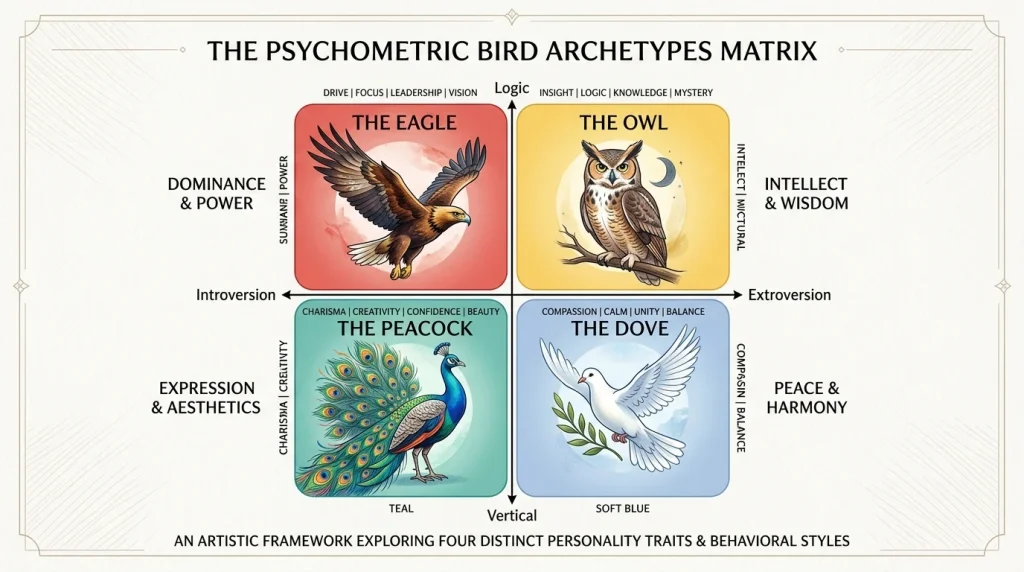
In the fields of occupational psychology, executive coaching, leadership development, and team building across the United Kingdom, psychometric behavioral models play an essential role in fostering workplace efficiency. Among the most intuitive, engaging, and memorable psychometric frameworks is the Bird Personality Questionnaire (UK). Mapping human behavioral styles onto four distinct avian archetypes—the Eagle, the Owl, […]
Zone-Tailed Hawk: Vulture Mimicry Hunting Strategy
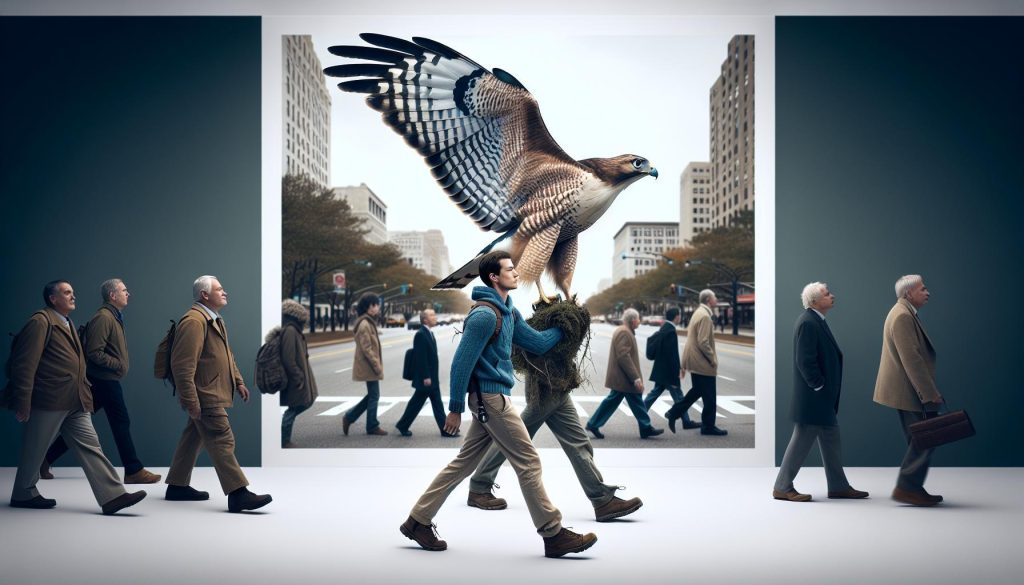
Explore the Zone-Tailed Hawk’s unique vulture mimicry hunting strategy! Discover how this amazing bird outsmarts its prey. Learn more for exciting insights!
What Colors Do Birds See? Visual Perception

Discover what colors birds see! Learn how their vibrant world differs from ours and unlock the secrets of their visual perception. Find out more now!
Can Birds Carry Rabies? Transmission Facts
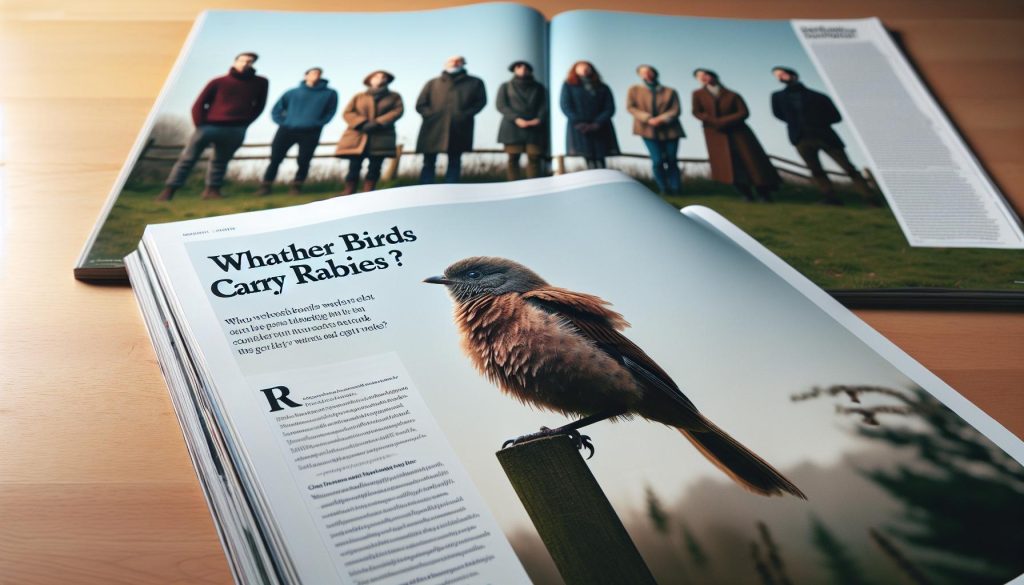
Can birds carry rabies? Discover the surprising transmission facts and learn how to protect yourself and your pets from this little-known risk!
How Many Birds in 12 Days of Christmas? Song Facts

Discover how many birds are featured in “The 12 Days of Christmas”! Learn surprising facts and uncover the song’s hidden meanings. Don’t miss out!
Why Do Birds Suddenly Appear Near You? Explained

Discover why birds suddenly appear near you! Uncover the fascinating signs and meanings behind their presence. Click to learn more now!
Sinaloa Crow: Endemic Range & Behavioral Characteristics

Discover the Sinaloa Crow’s unique behaviors and endemic range. Uncover fascinating insights and essential care tips for bird enthusiasts-don’t miss out!
Can Birds Smell? Their Scent Detection Abilities
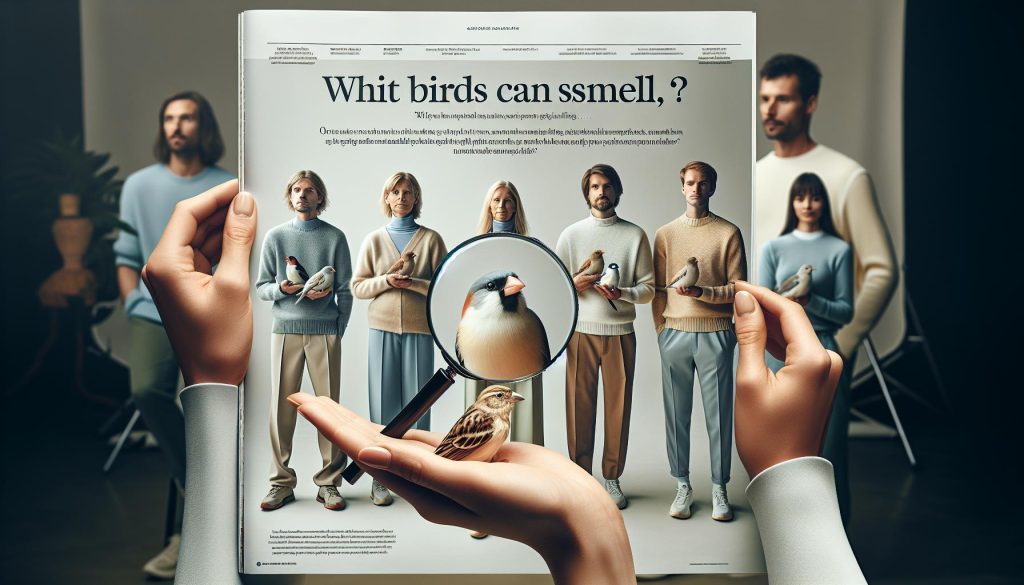
Discover the truth about birds’ scent detection abilities! Can birds smell? Learn how their sense of smell impacts behavior and survival-click to find out more!
Bat Falcon: Aerial Hunting Mastery & Urban Adaptation

Discover the Bat Falcon: a master of aerial hunting and urban adaptability. Learn essential tips on behavior, care, and identification to elevate your birding experience!
Costa’s Hummingbird: Desert Adaptation & Courtship Display

Discover Costa’s Hummingbird’s stunning desert adaptations and captivating courtship displays! Learn how these remarkable birds thrive and attract mates.
Core Framework Specifications & Reference Matrix
The core framework specifications and reference matrix below compare primary parameters, structural standards, and empirical applications across foundational guides.
| Reference Study / Guide | Key Parameters & Empirical Scope | Primary Application |
|---|---|---|
| Red-Tailed Hawk Hunting & Territory Dynamics | 114–133 cm wingspan, 1.5–10 km² home-range territory | raptor ethology |
| Tetrachromatic Bird Color & Ultraviolet Vision | 4 cone opsins, 300–700 nm spectral sensitivity | sensory physiology |
| Avian Olfaction & Scent Detection Capabilities | Olfactory bulb ratios 3–37% across kiwis, vultures & songbirds | chemosensory guide |
| Bird Ear Anatomy & Acoustic Frequency Range | 1–8 kHz optimal hearing, temporal resolution < 2 ms | auditory biology |
Specialized Sub-Domains & Analytical Guides
Specialized sub-domains and analytical guides organize secondary protocols, structural methods, and targeted evaluations.
Specialized Thematic Guides
Specialized Thematic Guides
Additional Specialized Guides & Case Studies
- How Many Birds in 12 Days of Christmas? Song Facts
- Can Birds See Color? Their Vision Explained
- What Does It Mean When a Bird Hits Your Window?
- Where Do Birds Go at Night? Roosting Habits
- Do Birds See in Colour? Vision Spectrum Revealed
- Squirrel Cuckoo: Behavior & Rufous Plumage Features
- Do Birds See in Color? Their Visual World
- White-Fronted Parrot: Behavior, Calls & Conservation
- Do Birds Have a Sense of Smell? Olfactory Facts
- Do Birds Get Cold? How They Stay Warm
- What Bird Can Fly Backwards? Unique Abilities
- Where Do Birds Go When It Rains? Shelter Behavior
- Black-Throated Magpie-Jay: Social Behavior & Range Guide
- Can Dogs Get the Bird Flu? Transmission Risks
- Osprey: Fish-Hunting Mastery & Global Distribution
- Do Cats Eat Birds? Predatory Behavior Explained
- Do Birds Smell? Their Olfactory Abilities Revealed
- Lesser Roadrunner: Behavior Differences from Greater
- What Is the Opposite of Pigeon Toed? Out-Toeing Explained
- Can Birds See in Color? Visual Spectrum Guide
- Dryas Iulia: Julia Butterfly Migration & Behavior
- Collared Forest-Falcon: Elusive Rainforest Predator
- Sharp-Shinned Hawk: Backyard Bird Predator Behavior
- Russet Nightingale-Thrush: Secretive Forest Bird Guide
- What Is the Only Bird That Can Fly Backwards?
- Cooper’s Hawk: Backyard Predator Hunting Techniques
- Can Birds See Glass? Window Strike Prevention
- Golden Vireo: Song Patterns & Identification Features
- A Birds Tail WoW: Quest Guide and Rewards
- Why Do Owls Have Such Large Eyes: Vision Adaptation
- Do Birds Have Taste Buds? Flavor Detection
- Russet-Crowned Motmot: Pendulum Tail & Forest Habits
- Social Flycatcher: Colony Behavior & Nesting Habits
- Tufted Jay: Endemic Range & Social Flock Dynamics
- Gray Hawk: Habitat Preferences & Hunting Behavior
- Why Do Birds Sit on Power Lines? Behavior Explained
- Are Birds Color Blind? Vision Capabilities
- West Mexican Chachalaca: Calls, Habitat & Behavior Guide
- Tropical Kingbird: Behavior & Year-Round Range Guide
Core Analytical & Methodological Questions
Core analytical and methodological questions address primary structural rules, operational standards, and verification criteria.
Can birds see ultraviolet colors that humans cannot detect?
Most diurnal bird species possess four distinct retinal cone types plus colored oil droplets, extending visual sensitivity into the 300–400 nm ultraviolet spectrum. Ultraviolet plumage patches help songbirds assess mate quality, while kestrels track UV-reflective rodent urine trails.
How acute is avian hearing compared with human auditory perception?
Birds hear most acutely between 1 and 5 kHz, a narrower bandwidth than humans, yet resolve rapid temporal sound pulses up to ten times faster. Nocturnal owls extend high-frequency localization past 8 kHz using asymmetrical ear openings and facial disc reflectors.
Why are birds naturally resistant to transmitting rabies?
Birds maintain elevated resting body temperatures of 40–42 °C, which prevents the mammalian rabies lyssavirus from replicating efficiently under natural conditions. Wild and captive birds pose virtually zero rabies transmission risk compared with unvaccinated terrestrial mammals.