
Owl Species, Anatomy, and Nocturnal Adaptations: A Complete Guide
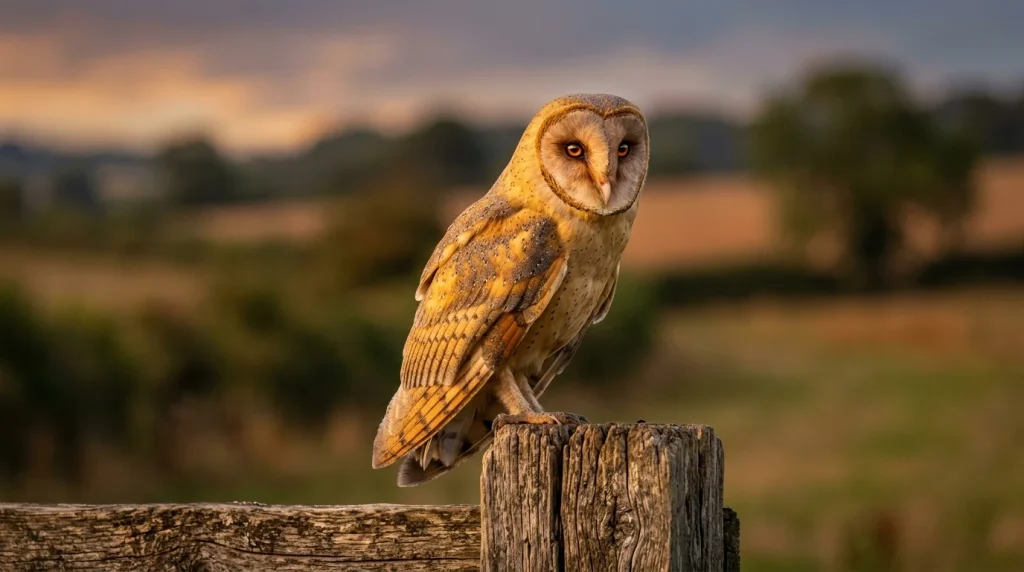
Owls (order Strigiformes) represent one of the most evolutionarily distinct, anatomically specialized, and ecologically successful lineages of avian apex predators on Earth. Inhabiting every continent except Antarctica, these enigmatic nocturnal hunters have captured human fascination for millennia. From silent flight aerodynamics and asymmetric auditory localization to specialized tubular ocular anatomy and digestive pellet regurgitation, this […]
Owl Dietary Preferences in Arid Ecosystems: A Complete Pellet Analysis Guide
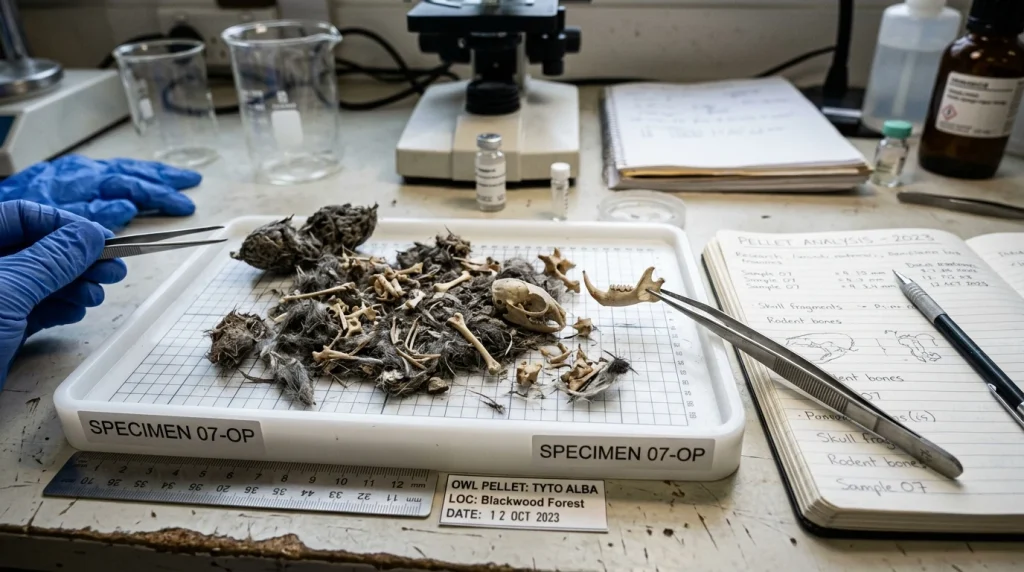
In the fragile and resource-constrained landscapes of arid and semi-arid ecosystems, understanding trophic food webs is essential for biodiversity conservation. Among nocturnal apex predators, owls (order Strigiformes) serve as invaluable ecological bio-indicators. The determination of owl dietary preferences through pellet analysis provides a non-invasive, quantitative window into predator-prey dynamics, small mammal community structure, and desert […]
Will King Become Strong Owl House: Character Analysis
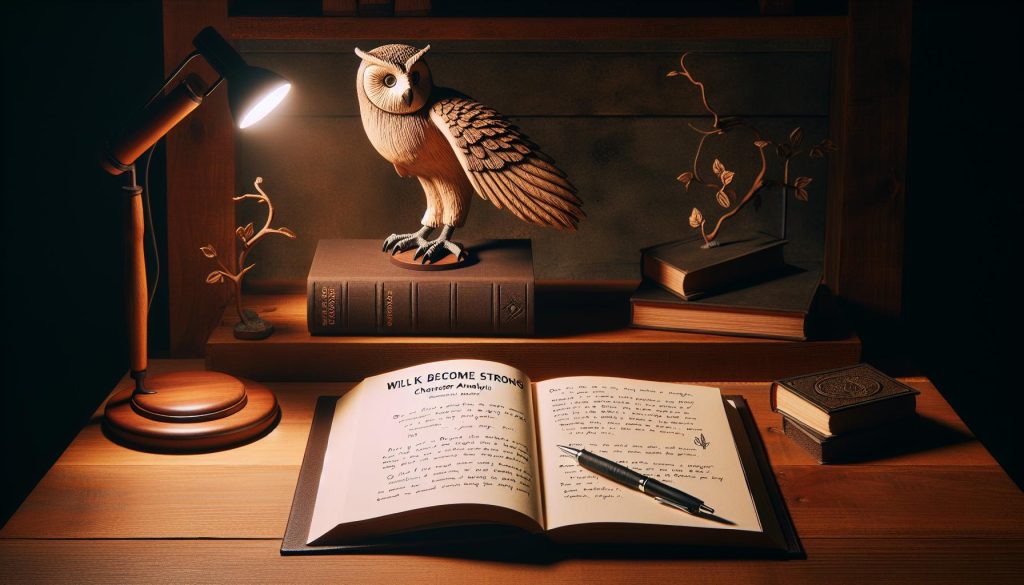
Will King Become Strong Owl House: Character Analysis dives into King’s evolution! Discover his journey, challenges, and potential in this must-read analysis!
What Does It Mean When U See a White Owl: Rare Sighting

Discover the meaning behind rare white owl sightings! Learn why spotting one can be a powerful symbol and what messages nature might be sending you.
How Far Does an Owl Turn Its Head: 270-Degree Facts

Discover how far an owl can turn its head! Uncover 270-degree facts about these fascinating birds-learn their secrets and enhance your birdwatching experience.
How Tall Is an Owl: Height Comparison by Species

Discover how tall owls really are! Learn the height of different owl species and compare them-get ready to be amazed by their size and beauty!
What Does a Screech Owl Sound Like: Audio Guide

Discover what a screech owl sounds like in our comprehensive audio guide! Learn to identify these enchanting calls and enhance your birdwatching experience today.
Do Owls Eat Bats: Nocturnal Hunter vs Nocturnal Prey

Discover if owls eat bats in this fascinating exploration of nocturnal hunters and their prey. Learn essential insights about their behaviors and survival!
What Sound Does an Owl Make: Calls and Hoots Explained

Discover the enchanting sounds owls make! Get insights on calls and hoots, and learn how these beautiful creatures communicate and thrive in the wild.
What Is a Group of Owls Called: Fascinating Collective Nouns

Discover what a group of owls is called and dive into the world of fascinating collective nouns! Uncover unique insights that bird lovers can’t miss!
Core Framework Specifications & Reference Matrix
The core framework specifications and reference matrix below compare primary parameters, structural standards, and empirical applications across foundational guides.
| Reference Study / Guide | Key Parameters & Empirical Scope | Primary Application |
|---|---|---|
| Complete Owl Anatomy, Silent Wings & Night Vision Guide | Comb-like primary leading edges, 70° binocular overlap | pillar synthesis |
| Owl Egg Laying, Asynchronous Hatching & Cavity Nesting | 2–10 spherical white eggs, 26–35 day female-only incubation | reproductive guide |
| Biomechanical Head Rotation & Vascular Neck Buffers | 270° horizontal sweep across 14 cervical vertebrae | anatomical mechanics |
Specialized Sub-Domains & Analytical Guides
Specialized sub-domains and analytical guides organize secondary protocols, structural methods, and targeted evaluations.
Specialized Thematic Guides
Specialized Thematic Guides
Additional Specialized Guides & Case Studies
Core Analytical & Methodological Questions
Core analytical and methodological questions address primary structural rules, operational standards, and verification criteria.
How do owls fly almost silently compared with hawks and falcons?
Owls combine unusually large wing area for low wing loading with three acoustic structures: stiff serrations along the leading primary edge that break up turbulence, a soft velvety barbule pile on top feathers, and frayed trailing fringes that dampen vortex noise above 2 kHz.
Why do Great Horned Owls begin incubating eggs in freezing January weather?
Large owls such as Bubo virginianus require 30–35 days of incubation plus 6–7 weeks in the nest and months of parental hunting practice. Laying eggs in midwinter ensures owlets reach hunting independence during peak summer small-mammal abundance.
What causes asynchronous hatching inside an owl clutch?
Female owls start incubating immediately after laying the first egg rather than waiting for the final egg, spacing chick hatch dates 2 to 4 days apart so parents can raise elder chicks reliably if prey becomes scarce.