
How Long Does a Pigeon Sit on Her Eggs Before They Hatch? Incubation Timeline & Nesting Habits
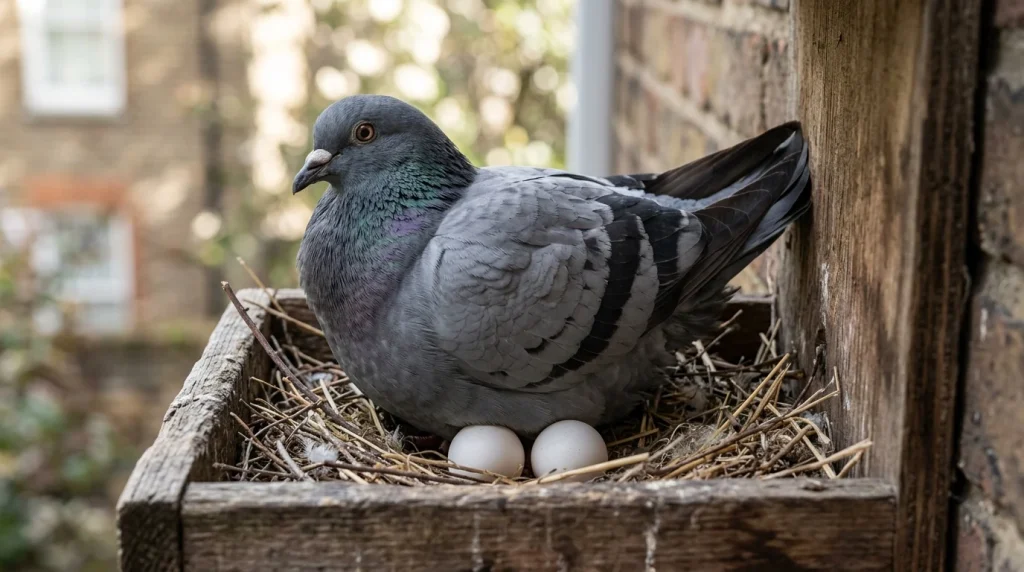
If you have observed pigeons nesting on a balcony ledge, windowsill, or in a backyard loft, you have likely marveled at their relentless brooding dedication. Determining exactly how long a pigeon sits on her eggs before they hatch is a foundational question in columbid reproductive biology. While the short answer is typically 17 to 19 […]
Pigeon Egg Embryo Development: Day-by-Day Stages & Incubation Guide
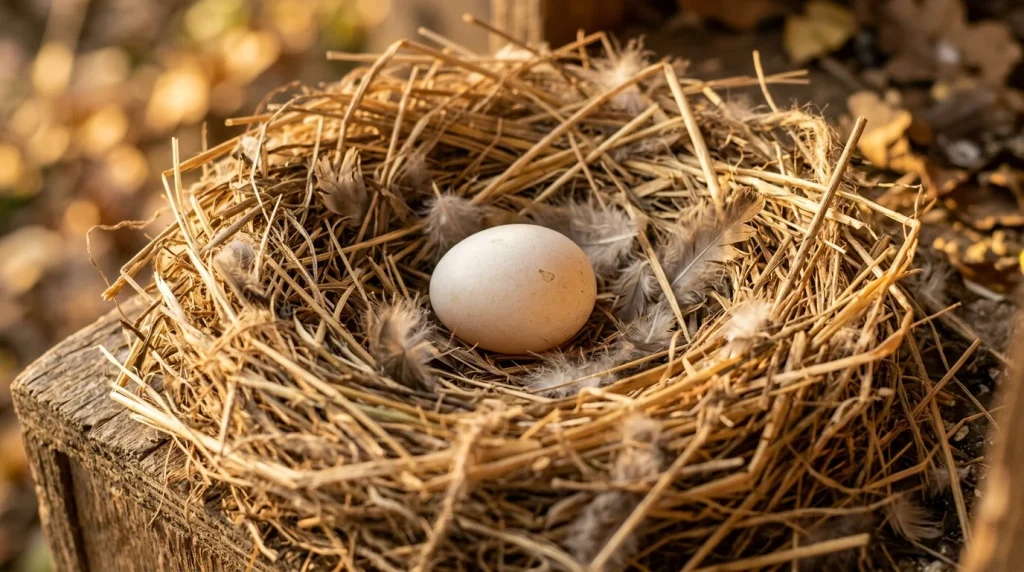
The embryonic development of the pigeon egg (Columba livia) is one of the most rapid and precisely coordinated biological phenomena in avian biology. Transforming from a microscopic blastoderm atop a nutrient-rich yolk into a fully formed, vocalizing squab in just 17 to 19 days, the pigeon embryo exhibits remarkable physiological adaptations. For ornithologists, avian veterinarians, […]
Where Does the Pigeon Live? Global Habitats Explained

Discover where pigeons thrive in “Where Does the Pigeon Live? Global Habitats Explained.” Learn about their habitats and care essentials today!
Do Pigeons Make Milk? Crop Milk Facts Uncovered

Discover the truth! Do pigeons make milk? Uncover the surprising facts about crop milk and learn how these fascinating birds nourish their young.
Can Pigeons Fly? Flight Abilities & Limitations

Can pigeons fly? Discover their incredible flight abilities and limitations! Learn how these birds navigate the skies and what holds them back. Don’t miss out!
Why Don’t We See Baby Pigeons? Mystery Solved
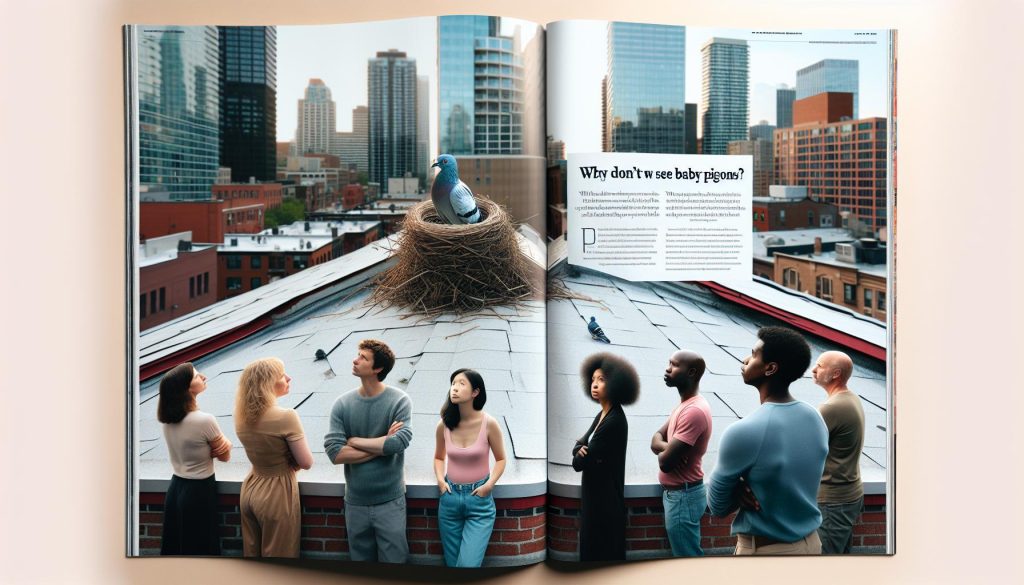
Why don’t we see baby pigeons? Discover the surprising truth behind their hidden lives and learn fascinating facts about these elusive young birds!
How Much Does a Pigeon Cost? Purchase & Care Expenses

Discover how much a pigeon costs and the essential care expenses involved. Learn tips to keep your feathered friend happy and healthy-start your journey today!
Is Pigeon Forge Flooded? Current Status & Weather Updates

Is Pigeon Forge flooded? Get the latest updates and urgent weather alerts! Discover if safe travel is possible and what you need to know before your trip.
How to Get Rid of Pigeons Fast & Humanely

Eliminate pesky pigeons fast & humanely! Discover effective strategies to reclaim your space without harm. Act now for a peaceful, bird-free environment!
What Can I Feed a Pigeon? Safe Foods & Portions

Discover safe foods and portions for feeding pigeons! Find out what delights these birds and keep them healthy. Click now for expert tips and feeding secrets!
Core Framework Specifications & Reference Matrix
The core framework specifications and reference matrix below compare primary parameters, structural standards, and empirical applications across foundational guides.
| Reference Study / Guide | Key Parameters & Empirical Scope | Primary Application |
|---|---|---|
| Global Habitats of Rock Pigeons & Wild Columbids | Every ice-free continent from sea cliffs to 4,000 m Andean ledges | habitat atlas |
| Prolactin-Driven Crop Milk Production in Both Sexes | Holocrine esophageal lining sloughed for 14-day squab nutrition | physiological trait |
| Wild Street Lifespan vs. Domestic Pet Pigeon Longevity | 3–5 yr street average vs. 12–18+ yr protected loft lifespan | lifespan metrics |
| Columbid Egg Incubation & Shared Parental Shift Cycles | 17–19 day incubation; male 10:00–16:00 shift, female overnight | incubation guide |
Specialized Sub-Domains & Analytical Guides
Specialized sub-domains and analytical guides organize secondary protocols, structural methods, and targeted evaluations.
Specialized Thematic Guides
Specialized Thematic Guides
Additional Specialized Guides & Case Studies
Core Analytical & Methodological Questions
Core analytical and methodological questions address primary structural rules, operational standards, and verification criteria.
How do pigeons and doves drink water differently from nearly all other birds?
Whereas passerines and chickens scoop a billful of water and tilt their heads skyward to swallow by gravity, pigeons and doves immerse their bills and draw water upward continuously via rhythmic esophageal suction pumps.
Are wild pigeons major vectors for spreading avian influenza to humans?
Experimental virology studies demonstrate that Columba livia exhibit substantially lower susceptibility and viral shedding for highly pathogenic avian influenza compared with aquatic waterfowl and domestic poultry, though sensible hygiene around sick wildlife remains essential.
What precaution makes cleaning dried pigeon droppings on balconies safe?
Dried guano deposits can harbor fungal spores such as Cryptococcus or Histoplasma when swept dry into breathable dust. Soaking droppings thoroughly with disinfectant water before scraping while wearing gloves and an N95 mask prevents spore inhalation.