
How Many Eggs Does a Toucan Lay: Breeding Facts

Discover how many eggs a toucan lays and unlock essential breeding facts! Learn about their nesting habits and care tips to support these vibrant birds.
Does the Guinness Toucan Have a Name: Character Info

Discover the secrets behind the Guinness Toucan-does it have a name? Uncover fascinating character info and intriguing facts that you never knew!
Is a Toucan a Vertebrate or Invertebrate: Biology
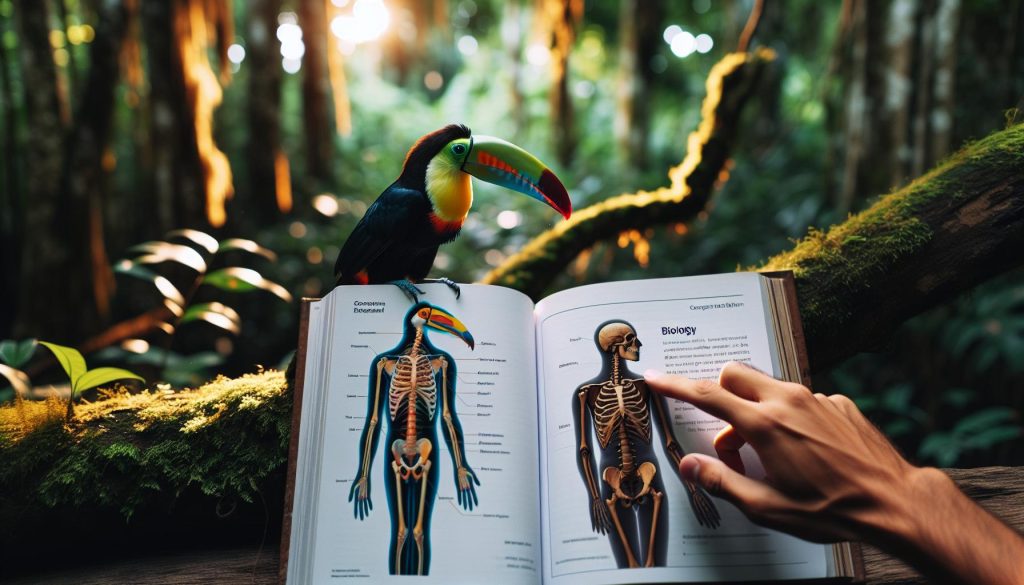
Discover the answer to “Is a Toucan a Vertebrate or Invertebrate?” Learn fascinating biology facts and find out why these vibrant birds captivate so many!
What Type of Bird Is Toucan Sam: Character Origins

Uncover the fascinating origins of Toucan Sam! Discover what type of bird he is and learn how his colorful personality influences our favorite cereal brand.
How Does a Toucan Move: Flight & Hopping Behavior

Discover how does a toucan move! Learn about their unique flight and hopping behaviors. Get insights that will deepen your appreciation for these vibrant birds!
How Tall Is a Toucan: Height & Measurement Guide

Discover how tall a toucan really is! Learn essential height facts and measurement tips in our comprehensive guide. Find out everything you need today!
What Cereal Is Toucan Sam On: Froot Loops History

Discover the colorful history of Froot Loops and the beloved Toucan Sam! Learn how this iconic cereal became a morning favorite. Click to satisfy your curiosity!
How Does a Toucan Look Like: Detailed Description
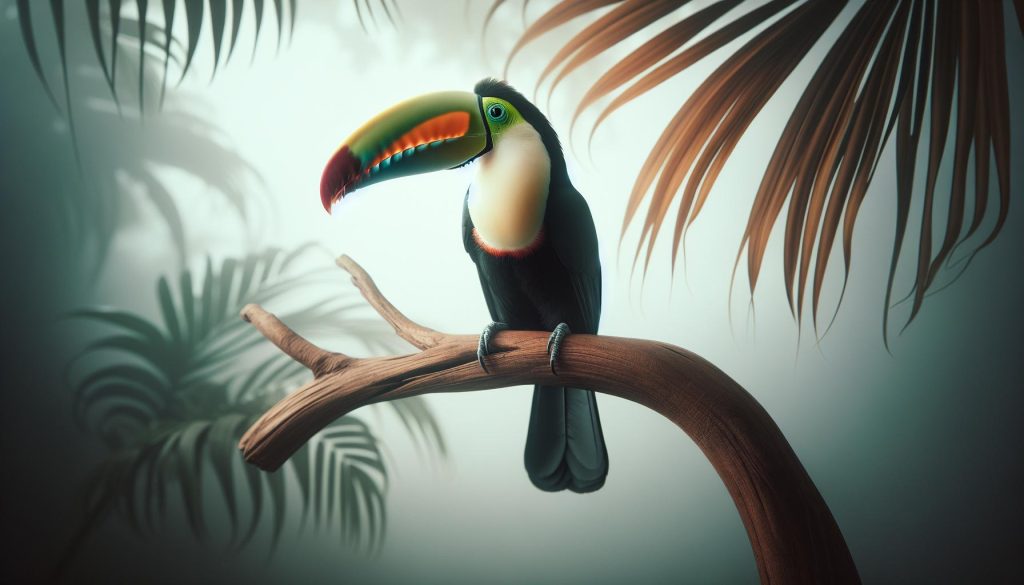
Discover how a toucan looks with our detailed description! Learn about their vibrant colors, unique beaks, and fascinating behaviors that make them a must-see.
How Does a Toucan Adapt to the Rainforest: Survival

Discover how a toucan adapts to the rainforest for survival! Learn their unique traits and behaviors that help them thrive in this vibrant ecosystem.
Short-Tailed Hawk: Morphs & Soaring Flight Patterns

Discover the stunning adaptations of the Short-Tailed Hawk! Uncover its unique morphs and mesmerizing soaring patterns-learn more and elevate your birdwatching experience today!
Core Framework Specifications & Reference Matrix
The core framework specifications and reference matrix below compare primary parameters, structural standards, and empirical applications across foundational guides.
| Reference Study / Guide | Key Parameters & Empirical Scope | Primary Application |
|---|---|---|
| Toucan Omnivory: Frugivore Core & Protein Supplements | 75–85% tropical fruit + 15–25% insects, frogs, lizards & nest eggs | trophic classification |
| Toco Toucan (Ramphastos toco) Savanna & Forest Diet | 550–860 g largest toucan eating figs, palm fruits & bird eggs | species diet |
| Keel-Billed Toucan (Ramphastos sulfuratus) Rainforest Diet | 45–55 cm rainbow-billed canopy specialist in Central America | species foraging |
| Daily Toucan Routine: Canopy Chorus, Bill Fencing & Roosting | Dawn territorial croaks, communal hollow sleep & berry tossing | behavioral overview |
Specialized Sub-Domains & Analytical Guides
Specialized sub-domains and analytical guides organize secondary protocols, structural methods, and targeted evaluations.
Specialized Thematic Guides
Core Analytical & Methodological Questions
Core analytical and methodological questions address primary structural rules, operational standards, and verification criteria.
How do wild toucans sleep inside cramped tree holes with such enormous bills?
Before settling inside a communal tree hollow at dusk, a toucan turns its head 180 degrees backward to rest its bill cleanly down the center of its spine, then flips its long tail vertically forward over the head like a warm feathered blanket.
Why are toucans considered keystone seed dispersers inside tropical rainforests?
Toucans swallow whole large-seeded tropical fruits such as wild nutmeg and palm drupes, digest the fleshy outer aril within 25–40 minutes without damaging the embryo, and regurgitate intact seeds hundreds of meters away beneath open canopy gaps.
How do Keel-billed Toucans differ visually from Toco Toucans?
Keel-billed Toucans (Ramphastos sulfuratus) measure 45–55 cm with bright yellow bibs, red rumps, and multi-colored lime, orange, blue, and crimson bills across southern Mexico to Colombia, whereas larger 55–65 cm Toco Toucans sport orange-and-black-tipped bills and white throats across open South American woodlands.