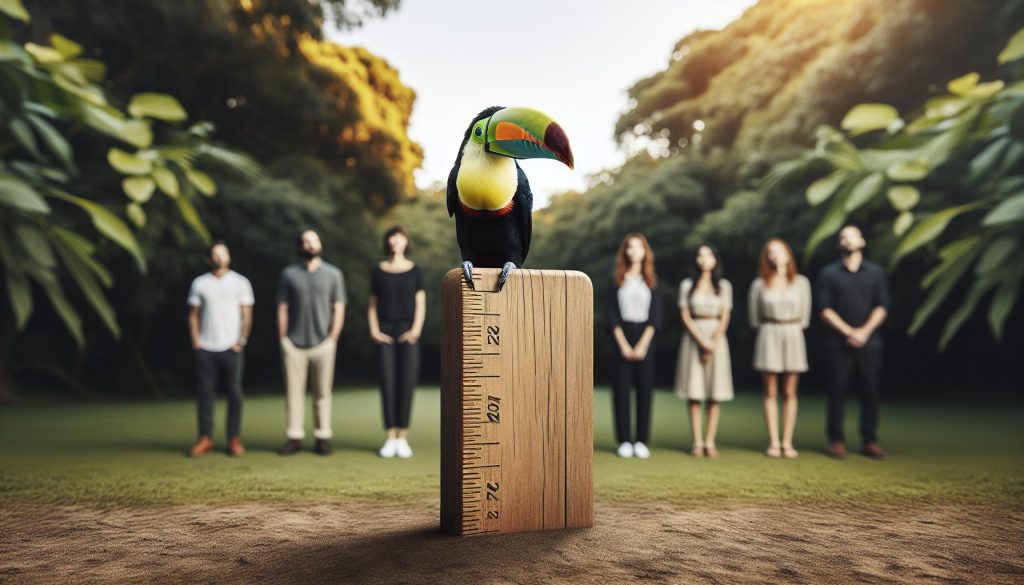
Have you ever marveled at the striking beauty of a toucan’s vibrant beak and colorful plumage? These iconic birds not only captivate our imagination but also spark curiosity about their physical characteristics-especially their height. Understanding how tall a toucan is can deepen our appreciation for these fascinating creatures and inform us about their habitat needs. Whether you’re a seasoned birder, a budding ornithologist, or simply an admirer of wildlife, knowing the size and measurements of toucans is crucial for their care and conservation. Join us as we explore the heights of different toucan species, providing valuable insights that cater to both novice enthusiasts and expert bird watchers alike. From practical tips for observing these birds in the wild to the vital role their size plays in their behavior, this guide promises to enrich your understanding of these remarkable avians.
How Tall Are Different Toucan Species?
The diverse world of toucans showcases a range of sizes, captivating bird enthusiasts and casual observers alike. Among the various species, the Toco Toucan stands out as the largest, reaching impressive heights of up to 25 inches (63 cm). With its iconic large bill and striking coloration, it serves as a fascinating representative of the toucan family. The next most notable species, the Keel-billed Toucan, is slightly smaller, measuring around 22 inches (56 cm), and is celebrated for its vividly colored bill that adds to its charm.
On the smaller side, the Channel-billed Toucan and Green-billed Toucan offer a contrast with their more modest sizes. The former typically reaches about 18 inches (46 cm), while the latter can be around 14-15 inches (35-38 cm) tall, making these toucans ideal for those with limited space for avian companions. Understanding these heights not only enriches our appreciation of these birds but also provides essential information for potential owners about the space and care requirements specific to each species.
When considering the size of toucans, factors like habitat, age, and nutrition can influence an individual’s height and weight. As they grow, younger birds often exhibit rapid changes in size that stabilize into adulthood. For example, a Toco Toucan chick will undergo significant growth in its first year, shaping its eventual stature. This growth dynamic is essential for prospective toucan owners who should ensure their birds receive a balanced diet conducive to healthy development.
The Science of Toucan Heights: What to Expect
Toucans are remarkable not only for their vibrant plumage and distinctive bills but also for their intriguing variations in size. Understanding the heights of different toucan species can enhance our appreciation of these birds and guide potential owners in selecting the right companion for their living space. The average heights of toucans can range significantly, with the Toco Toucan leading as the giant of the family at approximately 25 inches (63 cm) tall. This striking size can be surprising, especially when considering that some species, like the Green-billed Toucan, are considerably smaller, measuring only 14 to 15 inches (35-38 cm).
When discussing the specifics of toucan heights, it’s essential to recognize that these birds experience growth influenced by various factors. Among these are genetics, habitat conditions, and nutrition-each playing a crucial role in determining the adult size of a toucan. For instance, a well-nourished Toco Toucan chick in a rich and stimulating environment can develop into a healthy adult that reaches or exceeds expected heights. This aspect is vital for prospective toucan owners as they prepare for the responsibility of providing proper care and a suitable environment for their feathered companions.
To measure your toucan accurately, it is best to assess the bird’s height while it is perched in a relaxed position. Ensure you have a helper to hold the bird gently or use a perch that can be accurately measured from the ground to the peak of the head or the top of the bill. Using a tape measure for accuracy, record the length while taking care to maintain the well-being and comfort of your bird.
Understanding why and how different toucan species reach varying sizes is not merely of academic interest; it helps foster a deeper connection between the bird and its owner. This knowledge extends to the physical space required for enclosures, as larger species will naturally necessitate more expansive living environments to thrive. Equipping yourself with comprehensive insight into toucan heights, therefore, ensures both the wellbeing of your pet and the joy of observing these fascinating birds in all their grandeur.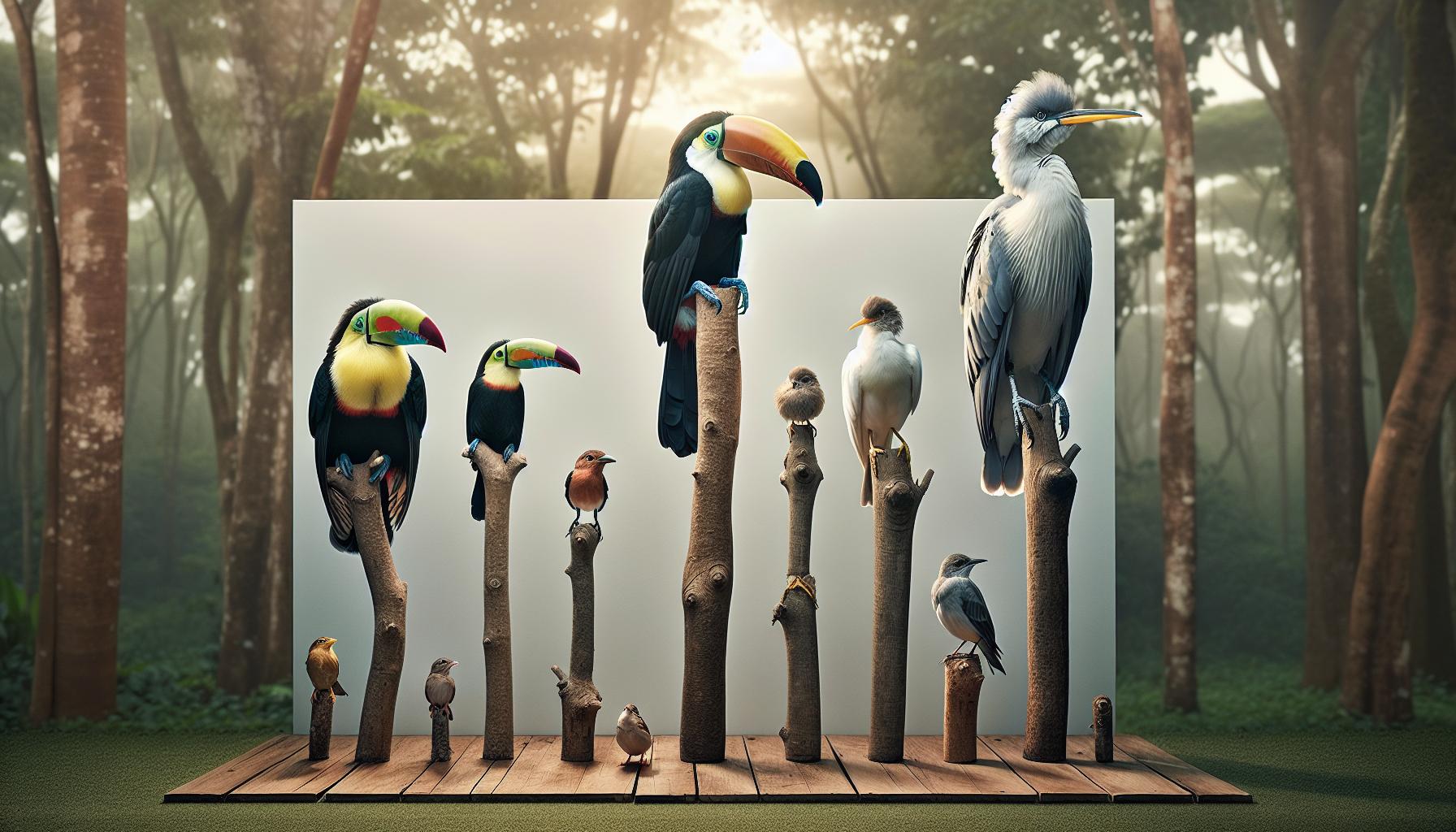
Comparative Heights: Toucans vs. Other Birds
When embarking on the journey of understanding toucan heights, comparing these vibrant birds to other avian species reveals fascinating insights into their size dynamics and ecological roles. Toucans, with their strikingly large bills and vivid plumage, can stand out not just for their looks but also for their impressive stature, particularly when contrasted with the more petite members of the bird world.
Consider the average heights of toucans: the Toco Toucan, often cited as the largest member of its family, reaches around 25 inches (63 cm) tall. This impressive height positions the Toco alongside other substantial birds but also highlights how varying species within the toucan family diverge considerably. For example, the Green-billed Toucan, measuring only 14 to 15 inches (35-38 cm), showcases this diversity and reminds us that not all toucans share the same grand scale. In comparison, many common backyard birds are notably smaller, such as the American Robin, which typically stands around 10 inches (25 cm), or house sparrows that average about 7 inches (18 cm).
Comparative Size Insights
To illustrate the differences further, we can examine a few high-profile avian species:
| Bird Species | Height (inches) |
|---|---|
| Toco Toucan | 25 |
| Green-billed Toucan | 14-15 |
| American Robin | 10 |
| House Sparrow | 7 |
| Canada Goose | 30 |
| Red-tailed Hawk | 18-25 |
Larger birds like the Canada Goose can reach an impressive height of 30 inches (76 cm), which surpasses even the grandest toucan, emphasizing the diversity in size across species. When taking all of this into account, it becomes evident that while toucans may be larger than many of their avian counterparts, they sit comfortably in the middle tier of avian heights overall.
Understanding these height comparisons not only enriches birdwatching experiences but also aids in selecting the right species for pet ownership. Given that size affects care requirements, from the size of cages to dietary needs, knowing how toucans measure up against other birds is crucial for enthusiasts and potential bird owners alike. Each bird, with its unique proportions, presents distinct care and engagement opportunities, adding to the joy of their companionship.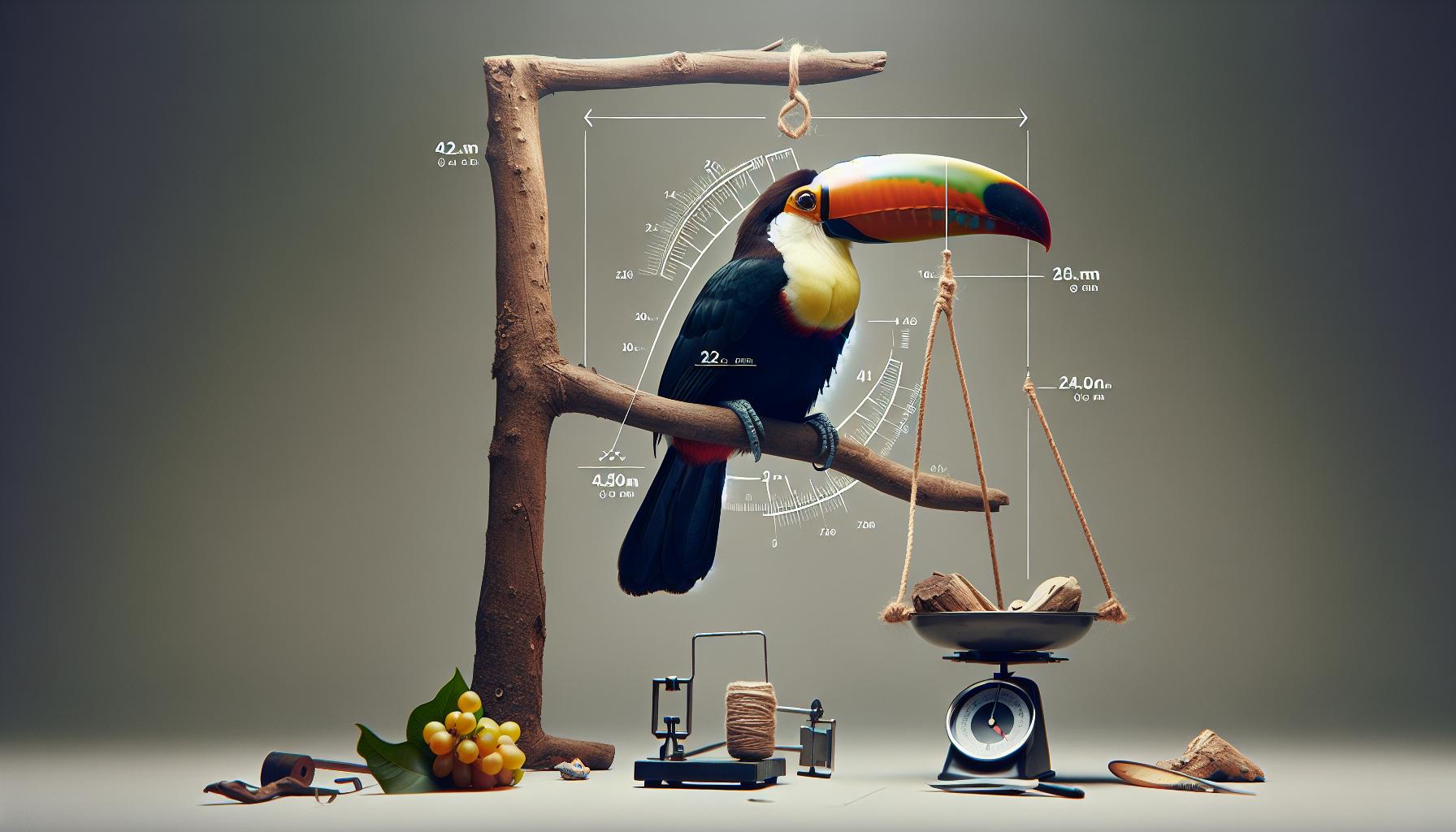
Understanding Toucan Body Measurements and Weight
When it comes to understanding the remarkable characteristics of toucans, one of the most intriguing aspects is their body measurements, including height and weight. A toucan’s distinctive bill, which can be several inches long, accounts for a significant portion of its overall appearance. This unique adaptation aids in foraging for fruit, the primary component of their diet. To appreciate fully the diversity within the toucan family, let’s delve deeper into their physical profiles and what they mean for their care.
Toucans vary considerably in size depending on the species. For example, the Toco Toucan, often regarded as the largest species, stands about 25 inches (63 cm) tall and weighs between 17 to 28 ounces (480 to 800 grams). In contrast, smaller species like the Green-billed Toucan reach only 14 to 15 inches (35 to 38 cm) in height and weigh approximately 11 to 19 ounces (300 to 540 grams). Such differences underline the importance of species selection for potential pet owners, as the size of the bird will influence its housing and dietary needs.
Measuring Average Body Dimensions
Here’s a breakdown of some key toucan species along with their typical height and weight:
| Toucan Species | Height (inches) | Weight (ounces) |
|---|---|---|
| Toco Toucan | 25 | 17-28 |
| Green-billed Toucan | 14-15 | 11-19 |
| Channel-billed Toucan | 22 | 21-36 |
| Yellow-throated Toucan | 18 | 20-26 |
Understanding these measurements is crucial for prospective pet owners. The larger the bird, the more substantial the cage space needed for your feathered friend to thrive. Additionally, different sizes also have implications for the kind of diet and social environment that the bird requires.
When considering adding a toucan to your life, take into account not just their size, but also the space needed for them to showcase their striking behaviors, like fruit foraging and social interactions within their species-specific groups. Each unique measurement offers insights into their ecological roles and behaviors, ultimately enriching our understanding of these fascinating birds.
Factors Influencing Toucan Size and Growth
The growth and size of toucans are influenced by a unique mix of genetic, environmental, and dietary factors, creating a fascinating narrative of their development. Each species of toucan possesses specific genetic traits that dictate not only their size but also their overall health and longevity. For example, while the Toco Toucan stands tall at around 25 inches, smaller species like the Green-billed Toucan typically measure only about 14 to 15 inches. This inherent genetic diversity ensures that each toucan species adapts optimally to its environment.
Diet plays an essential role in the growth rate and size of these birds. Toucans primarily consume fruits, but their nutritional intake can vary widely depending on availability. A rich, varied diet that includes high-quality fruits and vegetables can significantly boost growth and health, leading to more robust birds. In contrast, a monotonous or inadequate diet can stunt growth and negatively impact size. Moreover, young toucans that are raised in environments rich in nutrients during their critical developmental stages tend to develop better, resulting in more substantial adult size.
Environmental factors such as habitat and climate also contribute to the physical development of toucans. For instance, those living in dense tropical forests often have more opportunities to forage and roam, influencing muscle development and overall stature. Conversely, toucans kept in less stimulating environments may not reach their full growth potential due to lack of exercise and social interaction, which are vital for their development and well-being.
Lastly, the early stages of life are crucial for toucan growth. Nestlings are particularly vulnerable, and their survival and growth largely depend on the quality of parental care and food sources available. Those in nurturing environments with access to abundant food tend to grow more robustly, ultimately establishing a size that aligns with their genetic predispositions. Understanding these factors is vital for anyone interested in keeping toucans as pets or studying them in the wild, as it reflects how a myriad of influences shapes these extraordinary birds.
How to Measure Your Toucan Accurately
Measuring your toucan correctly can provide valuable insights into its growth, health, and overall well-being. To get an accurate measurement, gather some basic tools: a flexible measuring tape, a notepad for recording your findings, and perhaps a buddy to help keep your toucan calm during the process. The goal is to measure your toucan from beak to tail, as this full length gives the best overall idea of its size.
Start by gently placing your toucan on a flat, stable surface. It’s essential to keep your bird calm; a relaxed toucan is easier to measure accurately. If your toucan resists or becomes anxious, try distracting it with a favorite treat or toy to help it settle. When measuring, wrap the tape around the base of the beak, extending it all the way to the tip of the tail. This measurement should be taken in a straight line without the tape curling or bending. Record this measurement in inches or centimeters as you go.
It’s also helpful to measure the toucan’s wingspan and height. For wingspan, extend both wings fully and measure from the tip of one wing to the tip of the other. To measure height, place your toucan in a standing position and use your measuring tape from the bottom of the feet to the top of the head. This combination of measurements not only provides a comprehensive view of your toucan’s size but also aids in monitoring growth over time.
Finally, keep in mind that various species of toucans have different size ranges, so comparing your measurements with standard sizes for the species can help you assess whether your bird is growing appropriately. Whether you’re an experienced bird enthusiast or a curious beginner, accurately measuring your toucan can be a rewarding part of understanding and caring for these vibrant birds.
Caring for Toucans: Size Considerations for Enclosures
Providing a spacious and enriching habitat is crucial for the well-being of toucans, as these vibrant birds are not only visually striking but also highly active and social creatures. The dimensions of the enclosure you choose can greatly influence your toucan’s physical and mental health. Ideally, a toucan’s cage should allow for ample movement and play, as they need space to fly, climb, and explore. The minimum recommended dimensions for a toucan enclosure are at least 6 feet high, 4 feet wide, and 4 feet long, but bigger is always better when it comes to these dynamic birds.
One critical aspect to consider is that toucans are known for their strong and agile bodies, capable of making quick movements. An enclosure that is too small can lead to stress and detrimental behaviors, such as feather plucking or aggressive tendencies. Unlike many smaller pet birds, toucans thrive in environments that mimic their natural habitats, which often include tall trees and plenty of vertical space. Incorporating branches for climbing, perches at various heights, and safe toys for mental stimulation can help create a more natural and engaging environment for your toucan.
In terms of materials, it’s important to select sturdy, non-toxic options, as toucans have a natural tendency to chew. Wire mesh should be strong enough to resist their beaks, while also allowing adequate ventilation. Additionally, consider the placement of the enclosure; a well-lit area that avoids direct sunlight during the hottest parts of the day and minimizes drafts is ideal. Surrounding their living space with plants can also enrich their environment and provide a sense of security.
Finally, while each species of toucan may have different size specifications, consistently monitoring your bird’s growth and adjusting its habitat accordingly will ensure that it continues to thrive. Keep in mind that accommodating their size and spaciousness needs extends beyond just physical dimensions. By investing time in understanding these beautiful birds and their habitat requirements, you’ll create a nurturing environment where your toucan can flourish.
The Fascinating Lives of Toucans: Height and Habitat
Toucans are not just remarkable for their exuberant colors and distinctive oversized bills; they also exhibit fascinating variations in size among different species, each adapted to its unique habitat. The average height of an adult toucan can range from as little as 7 inches to 25 inches, depending on the species. For instance, the Toco toucan, the largest of them all, measures a striking 24 inches and can weigh between 19.4 to 28.2 ounces, showcasing how size can differ greatly even within this single avian family.
Toucans primarily inhabit the lush canopies of tropical and subtropical forests in Central and South America. Here, their impressive heights serve an essential role in their behavior and lifestyle. The vertical space provided by tall trees allows toucans to navigate through the forest efficiently, utilizing their keen eyesight and agile limbs to hop from branch to branch. Their height not only aids in foraging for food-primarily fruit, but also insects and small animals-but also provides them a vantage point to watch for predators. This elevated existence reflects their adaptability and evolution, highlighting the connection between their physical attributes and natural surroundings.
In terms of care considerations, understanding the specific height and habitat needs for each toucan species is vital for those who wish to welcome these birds into their lives. For a Toco toucan or other larger species, an enclosure that mimics the height of their natural habitat is crucial. Providing ample vertical space, along with diverse climbing structures, ensures they can express their natural instincts and playful behavior. As every toucan has its own size specifications, ensuring accommodations that respect these needs will lead to a happier and healthier bird.
When considering the captivating lives of toucans, one must appreciate the interplay between their size, habitat, and social behaviors. These beautiful birds not only stand out due to their height but also for how they fit into the complex tapestry of tropical ecosystems. By fostering an understanding of their habitat requirements and the significance of their size, bird enthusiasts can create optimal environments that nurture both the physical and emotional well-being of these vibrant creatures.
Emotional Bonding: How Size Affects Toucan Behavior
The connection between a toucan’s size and its behaviors is truly fascinating, particularly when it comes to emotional bonding and social interactions within their species. Research shows that larger toucans, such as the Toco toucan, can exhibit different social dynamics compared to smaller species. Their impressive size can contribute to confidence during interactions, making them more dominant within groups. Toucans often thrive in social settings, and their size allows them to establish clear visual and behavioral cues that facilitate communication with other birds.
When caring for toucans, it’s vital to consider how their size impacts both social behaviors and emotional health. Providing enough vertical space in their environment encourages natural behaviors like climbing and foraging, which can lead to improved emotional well-being. A well-structured habitat not only caters to their physical needs but also creates opportunities for social bonding, whether through play or courtship behaviors.
Understanding the relationship between size and behavior can also help enhance the care provided to these birds. For instance, larger toucans might require more robust perches and enrichment items that can withstand their weight. Additionally, fostering a setting that mimics their natural habitat promotes their instinctual behaviors and emotional connections, not only to their surroundings but also to their human caretakers. Creating such an environment can lead to a more fulfilling interaction between toucans and their owners, deepening the emotional bond that develops over time.
In summary, a toucan’s size profoundly influences its behavior, particularly concerning social dynamics and emotional bonding. By recognizing these relationships, caregivers can better tailor their environments to nurture both the physical and emotional needs of these vibrant birds, ensuring a happier and healthier life for their feathered friends.
Cultural Significance of Toucans in Myth and Art
Toucans are not just strikingly beautiful birds with their vibrant colors and large, colorful bills; they also hold significant cultural meaning in various societies, particularly in Central and South America. These birds play a prominent role in indigenous folklore and are often seen as symbols of strength, protection, and fertility. Their unique appearance and distinct calls have inspired numerous myths and tales that reflect the values and beliefs of the cultures that revere them.
For instance, in many traditional stories, toucans are believed to be messengers between the human world and the spiritual realm. Their striking beaks are often attributed with magical qualities, and their ability to thrive in the dense canopies of tropical forests has led to associations with the mysteries of nature. In some cultures, the toucan’s colors are representative of the sun, rain, and earth-elements essential for growth and sustenance, underscoring their importance in agricultural societies that rely on these natural forces.
In addition to mythology, toucans have also left their mark on visual art and literature. Their image can be found in traditional crafts, paintings, and sculptures, demonstrating the deep connection people have with these birds. Artists often depict toucans in vibrant colors that mirror their natural plumage, using them as symbols of beauty and grace. This artistic portrayal not only celebrates their physical attributes but also serves as a reminder of the biodiversity of the ecosystems they inhabit.
As we explore the many dimensions of toucans-from their biological characteristics to their cultural significance-it’s essential to recognize how these birds enrich our lives and surroundings. Understanding their role in myths and arts can enhance our appreciation for these unique creatures and inspire conservation efforts to protect their habitats. By fostering a connection to these birds through stories and art, we can encourage a greater respect for nature and its diverse inhabitants.
Fun Facts About Toucans and Their Unique Attributes
With their vibrant colors and distinctive beaks, toucans are fascinating creatures that captivate birdwatchers and nature enthusiasts alike. One of the most striking aspects of these birds is their size, which can vary significantly across different species. For instance, while the largest toucan, the Toco Toucan, can reach lengths of about 25 inches and has a commanding presence in the treetops, smaller species like the tawny-tufted toucanet measure only about 12.5 inches. This diversity in size not only affects their appearance but also their behavior and social structures.
Understanding toucan heights involves more than just numbers; it reflects their adaptations to their forest environments. Larger toucans, such as the Toco, often prefer to perch in open areas of the canopy where their size and visibility can deter predators and attract mates. In contrast, smaller species, like the aracaris, thrive in denser foliage, often moving in flocks to forage for fruits and insects. Their unique body shapes, which include long tails and hefty bills, help them balance as they navigate through branches while searching for food.
When considering the care and housing of toucans, size plays a crucial role. Toucans require spacious enclosures that accommodate their active lifestyle and need for climbing. A general guideline is to provide a cage that is at least twice the height of the toucan when fully extended. Attention must also be given to their diet, as their beaks influence their feeding habits; a well-rounded diet is essential to maintain their vibrant colors and health, with fruits being a major part.
In addition to their physical attributes, toucans are known for their playful and social behaviors. They often display affectionate interactions with one another, and their size can influence these social dynamics. Larger toucans may assert more dominance, while smaller species often exhibit cooperative behaviors during feeding or nesting seasons. Recognizing these nuances is key to appreciating the complexity of their lives and ensuring they receive adequate care in captivity.
Tips for Choosing the Right Toucan Species for You
Choosing the right toucan species can be both an exciting and daunting task, especially when considering the impressive range of sizes among these vibrant birds. Did you know that the Toco Toucan, the largest species, can reach up to 25 inches long? This size can significantly influence your choice, particularly regarding habitat requirements and social dynamics you might want to foster in your home.
When selecting a toucan, consider the specific needs of each species. For instance, the highly social Toco Toucan thrives best in pairs or small groups and needs ample space to move around, while smaller species like the tucanete can adapt to more compact environments. Here are some key factors to help guide your decision:
- Space Requirements: Larger toucans need bigger enclosures. Aim for a cage that’s at least two to three times the bird’s height to accommodate their active nature and foraging habits.
- Dietary Needs: Different species have unique dietary preferences. Most toucans heavily rely on fruits, but some may also incorporate insects or other food sources, necessitating a varied and well-rounded diet.
- Social Behavior: If you’re interested in having multiple birds, select species known for their social behaviors. Many smaller toucans enjoy communal living, enhancing their playful interactions.
- Habitat Considerations: Assess your available space and lifestyle. Some toucans may adapt better to indoor environments, while others might prefer a more natural outdoor aviary setting.
It’s also beneficial to research the cultural significance and unique behaviors of the various toucan species, which can enhance your appreciation and understanding of these stunning birds. For instance, smaller species often exhibit cooperative feeding behaviors, a delightful sight to behold and an enriching experience for observers.
Take your time to explore different species and their specific needs before making a commitment. Each toucan carries its own charm and quirks, making them not just pets but fascinating companions. Whether you’re a seasoned bird enthusiast or a newcomer to aviculture, embracing the unique traits of your chosen toucan will reward you with years of joy and engagement.
Q&A
Q: How tall can a toucan get?
A: Toucans typically range from 18 to 25 inches in height, depending on the species. The largest species, the toco toucan, can reach around 28 inches, including its long bill. Understanding toucan sizes helps in choosing the right species for personal preferences or habitat design.
Q: What is the average weight of a toucan?
A: The average weight of a toucan varies by species, typically ranging from 1.5 to 3.5 pounds. For instance, the toco toucan weighs about 3.3 pounds. Knowledge of a toucan’s weight is essential for proper diet and care.
Q: What factors affect a toucan’s height and size?
A: A toucan’s height and size are influenced by genetics, diet, and environmental conditions. A well-balanced diet rich in fruits and insects promotes healthy growth, while adequate space in enclosures also supports proper physical development.
Q: How does the bill size relate to a toucan’s body height?
A: The bill size of a toucan can make it seem taller; however, its actual height remains consistent. For example, the toco toucan’s bill can measure up to 8 inches long, making the bird appear more imposing despite its average body height.
Q: Are there significant size differences between toucan species?
A: Yes, there are considerable size differences among toucan species. The smallest toucans, like the aracari, can be around 15 inches tall, while larger species like the toco toucan can reach up to 28 inches, showcasing the diversity in size within this family of birds.
Q: How do you choose the right size toucan for pet ownership?
A: Choosing the right size toucan involves considering the bird’s space needs, dietary requirements, and personality traits. Smaller species may be more suitable for less spacious environments, while larger species may require ample room to thrive.
Q: What height should a toucan cage be for optimal well-being?
A: A toucan cage should ideally be at least 4 to 6 feet tall, allowing space for climbing and movement. This height helps accommodate the toucan’s natural behaviors and promotes exercise, crucial for their overall health.
Q: How do toucan habitats compare in size to their height?
A: Toucan habitats in the wild often feature towering trees that match their height, providing ample space for perching and foraging. Such environments support their physical growth and behavioral health, which is vital for keeping toucans in captivity.
Wrapping Up
Understanding how tall a toucan can grow not only enriches your bird knowledge but also enhances your appreciation for these vibrant creatures. As you explore the majestic world of toucans, remember that their height varies by species, with some reaching impressive lengths of up to 25 inches. If you’re considering adding a toucan to your avian family or simply want to learn more, dive into our comprehensive care tips and species-specific guides-all designed to help you make informed decisions and foster a nurturing environment.
Don’t miss out-subscribe to our newsletter for regular insights into avian care and behavior. Interested in exploring other fascinating birds? Check out our articles on the colorful macaws or the intriguing world of exotic parrots. We invite you to share your thoughts in the comments below and connect with fellow bird enthusiasts. Your journey into ornithology is just beginning-let’s soar together!
Get our latest guides, news, and insights highlighted in your Google Search & AI Overviews.