In the enchanting world of “The Owl House,” the character of King stands out as a source of both humor and depth. But will King evolve into a figure of strength and resilience as the series progresses? This character analysis delves into his journey, examining how his unique quirks and insecurities intertwine with the broader themes of friendship and personal transformation. Fans often wonder how King will navigate his challenges and what that means for his relationships within the show. By exploring his development, we not only uncover the layers of this beloved character but also reflect on the impactful lessons woven throughout the narrative. Join me as we unravel King’s potential path to becoming a stronger, more confident figure in the captivating realm of the Boiling Isles!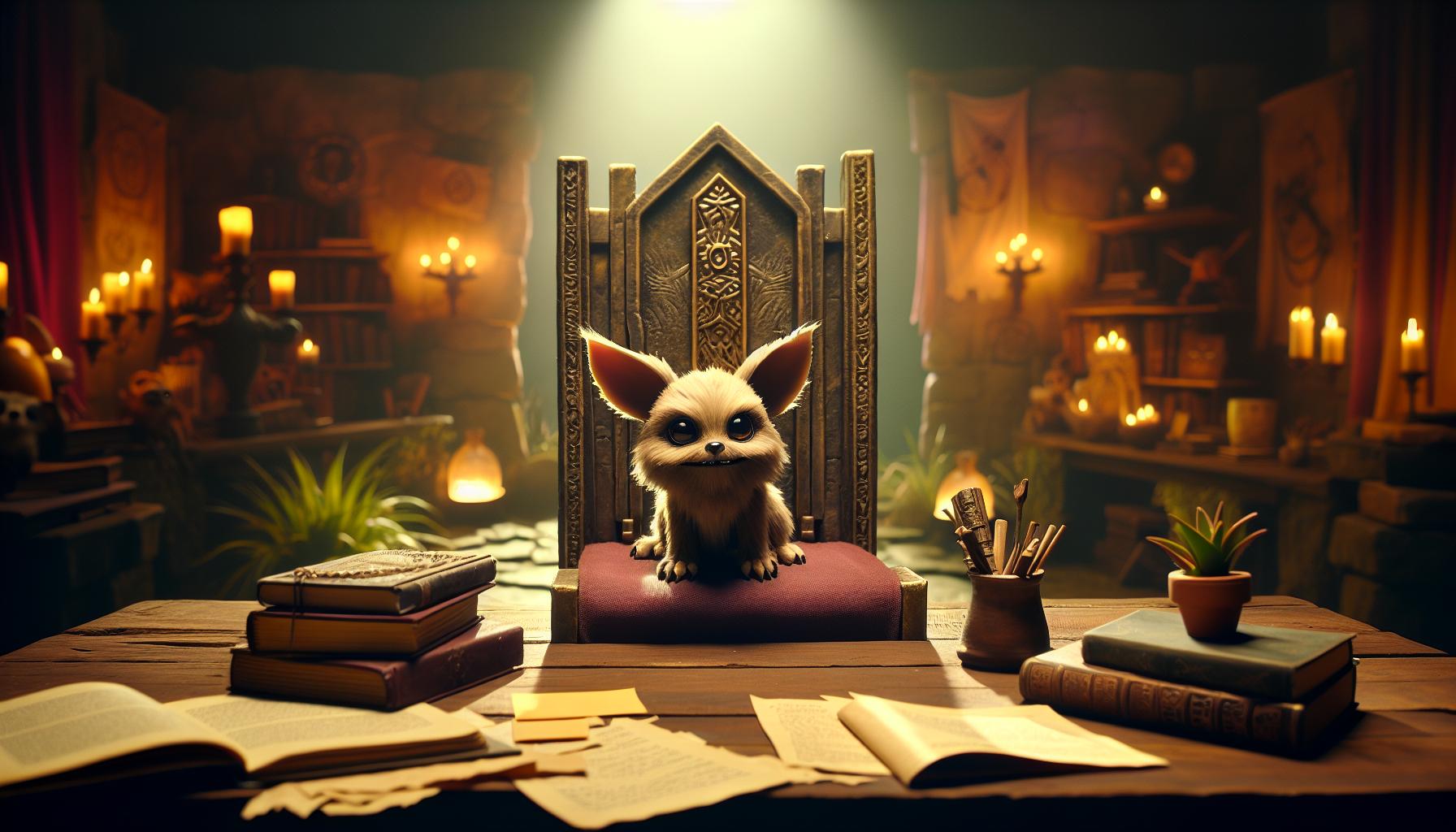
Understanding King: Personality Traits and Role in The Owl House
King is an intriguing character whose personality traits and role in The Owl House provide a rich tapestry for analysis. From the outset, he presents as a blend of enthusiasm, bravado, and a touch of insecurity. His larger-than-life persona masks a vulnerability that often manifests in his desire to be taken seriously, longing for recognition as a formidable being, despite being a pint-sized demon. This dichotomy makes him relatable, as many of us grapple with feeling inadequate or overlooked in our pursuits.
One of King’s defining traits is his unyielding loyalty to his friends, especially to Luz and Eda. This steadfastness reinforces his role as a heart of the group, often motivating the others to embrace their true selves and to stand against adversity. His playful nature often provides comic relief, but when the situation demands it, King reveals an unexpected depth of wisdom that belies his youthful exuberance. Throughout the series, we see how his relationships evolve, fostering a family dynamic that reinforces the show’s themes of belonging and acceptance.
King’s unique role as a companion and a struggling leader highlights not only his personal journey but also reflects broader themes of growth and courage. His motivation to assert himself and his search for identity underscore a common existential theme that resonates with viewers. This complexity makes King not just a sidekick or comic relief but a character of significance in the narrative, provoking discussions about strength, fear, and the importance of community. As The Owl House continues to unfold, King’s evolution will undoubtedly remain pivotal, offering viewers valuable insights into the strength that comes from vulnerability and the importance of authentic relationships.
King’s Unique Abilities: Powers and Skills Explored
King possesses a fascinating array of unique abilities and skills that set him apart in the vibrant world of The Owl House. Despite his small stature as a pint-sized demon who often projects a commanding presence, King harbors powers stemming from his mysterious origins. His ability to unleash bursts of energy and create shockwaves demonstrates a raw strength that belies his size, suggesting that there’s more than meets the eye with this character.
Additionally, King showcases a remarkable adaptability. His cleverness and resourcefulness allow him to navigate and manipulate situations to his advantage. This is particularly evident in moments when he uses his agility and cunning to escape danger or outsmart foes. King’s strategic thinking plays a crucial role in the team dynamics of Luz, Eda, and himself, often highlighting his depth as a character who can think on his feet and contribute significantly to their adventures.
King’s motivations also provide insight into his abilities. His journey is marked by a desire for power and recognition, driving him to explore and develop his latent talents further. As the series progresses, viewers are treated to glimpses of King’s potential through various encounters and challenges. Despite being comedic at times, these moments reinforce his serious ambition of becoming a “strong” ruler, which ties back to his self-proclaimed title as “King.”
In the context of his relationships, these skills highlight both his growth and the supportive role he plays with his friends. Whether he’s rallying them during challenges or offering guidance, King’s abilities reflect his evolution from a mere sidekick to a significant character whose powers are intertwined with themes of identity, belonging, and friendship. This spectrum of abilities not only captivates fans but also leaves room for speculation about how King’s character will evolve further as new challenges arise in The Owl House.
The Evolution of King: Character Development Throughout the Series
King’s journey throughout The Owl House is nothing short of transformative, mirroring the series’ exploration of identity and belonging. Initially introduced as a comedic sidekick with grand aspirations of being a ruler, King’s character evolves significantly over the course of the show. From a small creature struggling for recognition to a key player in the narrative, his development reflects the themes of friendship, power, and self-discovery that permeate the series.
In early episodes, King often exhibits insecurities tied to his size and perceived strength, frequently exaggerating his royal status to compensate. This comic bravado provides much of the series’ humor but also serves as a lens through which we can view his deeper motivations. As he interacts with Luz and Eda, their support fosters a growth spurt not just in confidence but also in his understanding of what it means to be a leader. Episodes that place him in situations where he faces challenges alongside his friends highlight his growth from reliance on bravado to a more nuanced understanding of leadership and teamwork.
As the series progresses, King’s complexity deepens. His backstory, gradually unveiled, adds rich layers to his character. Viewers learn about his mysterious origins and his longing for respect and power as both vulnerable and relatable aspects of his personality. Characters who once viewed him just as a tiny sidekick begin to recognize his potential as he contributes to the group’s efforts in significant ways. Notably, moments where he harnesses his unique abilities not only reinforce his development but also challenge the stereotypes surrounding strength and capability defined by size.
This evolution culminates in key episodes where King must confront his past and the expectations tied to it. Such narrative arcs encourage reflection on what true strength means, painting Kings as a character striving for authenticity, as opposed to merely wielding power. As he navigates the complications of friendship and family, King emerges as a symbol of resilience and growth, resonating deeply with audiences who relate to his journey of becoming comfortable with who he truly is. Ultimately, King’s path illustrates that true strength comes from understanding oneself and fostering meaningful connections, setting up compelling speculations about his future within the reluctant tales of his royal ambitions.
King’s Relationships: Bonds with Luz, Eda, and Other Characters
King’s relationships with Luz, Eda, and other characters in The Owl House are instrumental in his development, showcasing the impact of friendship and mentorship on his journey toward empowerment. These bonds serve not only to create comedic moments but also to deepen the narrative, reflecting the core theme of belonging within the series.
From the very beginning, King’s dynamics with Luz highlight a unique blend of loyalty and admiration. Luz, with her earnestness and bravery, acts as a catalyst for King’s growth. Her encouragement allows him to venture beyond his self-imposed limitations, helping him recognize that true strength comes from collaboration and support. For instance, when Luz faces challenges, King often finds himself stepping up to assist her, showcasing his evolving understanding of leadership. This change from comedic sidekick to invaluable ally enriches his character and allows viewers to witness his burgeoning confidence.
Eda, on the other hand, embodies both a mentor and a protector, shaping King’s perspective on self-worth. Her wild and carefree nature appeals to King’s desire to embrace adventure and power, while also teaching him about the responsibilities that come with these desires. Eda’s encouragement allows King to explore his abilities further, granting him the freedom to experiment and learn from his mistakes, leading to poignant moments where he confronts his fears and insecurities. Episodes that focus on their interactions often illustrate King’s growing resilience as he learns that vulnerability can be a form of strength.
As he interacts with other characters throughout the series, such as his occasional rivalries and friendships, King continues to evolve. These relationships, whether competitive or cooperative, contribute to his understanding of himself and his place in the world. Each new character introduces fresh obstacles and opportunities for growth, allowing King to adapt and develop a more complex identity that transcends his initial comedic portrayal.
Ultimately, King’s relationships encapsulate the spirit of The Owl House, emphasizing that growth is often facilitated by the connections we cultivate with others. These bonds teach him valuable lessons about bravery, loyalty, and the importance of support, paving the way for his transformation into a character who embodies strength in all its forms.
Symbolism and Themes: What King Represents in The Owl House
In The Owl House, King serves as a compelling symbol of growth, belonging, and the complexities of identity. Though he initially appears as a small, comedic creature eager to assert his dominance, King’s journey reflects deeper themes that resonate with audiences. His character is a poignant reminder that true strength often lies not in superficial power but in emotional resilience and the acceptance of one’s vulnerabilities.
King’s struggle for recognition and respect underscores a universal theme of self-discovery. He longs to be seen not just as a pet or comic relief but as a valued member of his community. This quest is emblematic of the challenges many face in seeking validation and purpose. As he navigates his relationships with Luz and Eda, he learns that strength isn’t merely about being the loudest or the best; it’s about understanding oneself and forming genuine connections. This evolution is beautifully illustrated in moments where he confronts his fears and showcases the importance of support from friends in overcoming adversity.
The contrasting dynamics between King and other characters further enrich his symbolic significance. His playful rivalry with Luz often provides humor, yet it also reveals a layer of their relationship built on mutual respect and admiration. In contrast, Eda’s mentorship offers King a roadmap to navigate his aspirations and insecurities, emphasizing that supportive relationships are foundational in one’s journey toward self-acceptance. This interplay illustrates how different influences shape our identities and perceptions of strength.
By manifesting themes of vulnerability, resilience, and the quest for belonging, King exemplifies the idea that true power comes from within. His journey challenges the traditional notions of heroism, showcasing that all individuals, regardless of size or appearance, can contribute meaningfully to their communities. Ultimately, King’s character not only entertains but also inspires viewers to embrace their complexities and recognize the strength found in honesty, friendship, and self-acceptance.
Fan Theories and Speculations about King’s Future
Speculation about King’s future in The Owl House is rife with excitement and curiosity, particularly as the series progresses, and fans become more invested in his development. One prominent theory suggests that King may embrace his true identity as a powerful being, not merely a small, demon-like creature but perhaps connected to a greater supernatural legacy. Viewers have glimpsed King’s potential during key confrontations, hinting that he possesses untapped powers waiting to be unleashed. As the series delves deeper into the lore of the Boiling Isles, there’s an opportunity for King to discover more about his origins, leading to an evolution that could elevate him from comic relief to a formidable character in his own right.
Another avenue of speculation revolves around King’s relationships with Luz and Eda. As both characters exhibit growth and complexity, some fans theorize that King could transition into a more prominent role as a protector or leader within their group. He may eventually take on responsibilities that align with the themes of friendship and loyalty, possibly stepping up during moments of crisis. This could culminate in an arc where King fights not just for recognition but to protect those he loves, illustrating the depth of his character beyond comedic exploits.
Speculations about King’s powers also bring to light potential transformations. Fans have theorized that, as King embraces his true self and gains more confidence, he might evolve into a more powerful form-perhaps even something akin to a “king” in a traditional sense, as his name suggests. This transformation could symbolize the culmination of his journey toward self-acceptance and leadership, allowing him to carve out a pivotal role in the overarching conflict of the series.
Ultimately, as viewers eagerly anticipate each new episode, it’s clear that King’s journey is far from over. His evolution holds significant potential for rich storytelling, allowing for a deeper exploration of themes related to identity, belonging, and the strength found in friendship. Whether as a powerful ally or a leader among his peers, King’s future is bright, and fans can’t wait to see just how far he will go.
Comparative Analysis: King vs. Other Characters in The Owl House
In the vibrant tapestry of characters within The Owl House, King shines as a compelling figure whose role and evolution can be analyzed through comparisons with key characters like Luz, Eda, and Belos. Each character brings unique traits and narratives, and observing how King interacts with these figures offers insights into his own growth and the broader themes of the series.
King’s contrast with Luz is particularly striking. While Luz represents courage and a strong sense of identity as she navigates her dual existence between the human world and the Boiling Isles, King begins as a character often seeking validation and recognition. This dynamic creates a beautiful narrative arc where King not only learns from Luz’s bravery but also begins to embrace his own capabilities as he ventures into moments of conflict. Whereas Luz often acts as a beacon of hope and optimism, King’s journey illustrates the complexities of self-worth and the pursuit of strength, enriching the storyline as viewers witness their bond deepen.
Eda, on the other hand, embodies a blend of fierce independence and wisdom. King’s relationship with Eda allows him to experience a blend of mentorship and familial ties, reflecting his growth from a mere sidekick to a more integral part of their adventures. Eda’s free-spirited nature contrasts with King’s longing for approval, and their dynamics showcase King’s evolution from seeking significance in Eda’s eyes to discovering his own value in the face of challenges. This relationship encourages viewers to see King not just as a comedic relief but as a character capable of substantial emotional depth and resilience.
In stark opposition, Belos serves as an authoritative figure whose goal contrasts deeply with King’s budding self-acceptance and growth. While Belos represents exploitation and control, King symbolizes the fight for freedom and individuality. This juxtaposition highlights King’s journey from comedic antics to a potential role as a leader who stands against oppressive forces, further complicated by the specter of understanding his own origin and power. As the series progresses and King learns to harness his capabilities, this dynamic sets the stage for potential confrontations that could redefine his role.
In essence, King’s journey is not just about his personal evolution; it is mirrored and accentuated by his interactions with Luz, Eda, and Belos. Each character serves as a foil that enhances our understanding of King’s struggles and aspirations. By juxtaposing King’s path with those of other significant characters, audiences can grasp the larger themes at play, particularly those related to identity, courage, and the quest for truth in a world filled with challenges. As the series unfolds, the question of whether King will ultimately rise to embody the strength his name implies remains a tantalizing prospect for fans, making his comparative analysis within the narrative all the more engaging.
Voice Acting and Performance: Analyzing the Actor Behind King
The character of King from The Owl House is not just notable for his mischievous personality and emotional depth; the voice acting behind him plays a crucial role in bringing his character to life. Voiced by the talented Alex Hirsch, who is also the creator of the show, King’s voice infuses the character with a distinct blend of humor, vulnerability, and occasional gravitas. Hirsch’s versatile performance allows King to seamlessly transition from comedic one-liners to heartfelt moments, showcasing the range necessary to capture the complexities of the character.
A key component of Hirsch’s portrayal is how he manages to encapsulate King’s child-like enthusiasm mixed with the insecurities that come from his desire for validation. This dynamic is especially evident in scenes where King faces challenges or moments of self-doubt. By employing a range of vocal inflections-from high-energy bursts during his playful antics to more subdued tones in moments of introspection-Hirsch effectively illustrates King’s growth and evolving self-awareness throughout the series. For instance, when King grapples with his identity or the expectations placed upon him, the subtle shifts in Hirsch’s voice reflect the internal conflict King experiences, making those moments resonate deeply with the audience.
Hirsch’s performance is further elevated by the strong writing of the show, which affords King rich dialogue that balances humor with poignant reflection. This synergy between the script and Hirsch’s vocal talent creates memorable interactions with other characters, notably Luz and Eda, where King’s witty retorts and earnest questions play off their established traits. For example, during tense moments or comedic exchanges, Hirsch’s timing and delivery enhance the impact of the scene, showcasing how voice acting can amplify the storytelling within animation.
The artistic choice of using Hirsch as both the creator and the voice behind King also invites an added layer of authenticity. Hirsch’s personal connection to the character likely informs his vocal choices, allowing for a performance that feels genuine and relatable. This behind-the-scenes synergy not only enriches King’s character but also engages the audience, drawing them further into the emotional arcs of The Owl House. As the story progresses and we witness King’s journey towards strength and self-acceptance, the nuances in Hirsch’s voice acting will undoubtedly continue to play a pivotal role in how fans interpret and connect with King’s evolution.
Merchandise and Fan Art: King’s Impact on The Owl House Community
King from The Owl House has not only captured hearts with his dynamic personality and growth but has also inspired a vibrant community through merchandise and fan art that reflects his impact on the fandom. This little demon’s journey is beautifully translated into various forms of expression, encouraging fans to create pieces that celebrate both his character and the series as a whole.
The abundance of fan art dedicated to King showcases a wide array of artistic talent and interpretations. From whimsical illustrations highlighting his cheeky side to more emotional pieces that delve into his struggles with identity and belonging, the diversity of fan art captures the multifaceted nature of King. Sites like Tumblr, Instagram, and DeviantArt are teeming with creations that allow fans to explore their connection to King further. Artists often depict scenes that resonate with their own experiences or reflect significant moments from the series, contributing to a broader dialogue about themes of friendship and family that King embodies.
Merchandise featuring King has also proliferated, ranging from officially licensed products like plushies and action figures to handmade crafts from independent creators. These items not only serve as collectibles but also as poignant reminders of King’s journey. Fans frequently share their excitement for these items online, creating a buzz that fosters community engagement. Participation in conventions and online marketplaces has allowed fans to celebrate their shared love for The Owl House, promoting discussions about King and his development as a character.
Moreover, King’s representation in merchandise and fan creations often sparks discussions about the lessons we can learn from his experiences. His journey toward self-acceptance resonates with many, encouraging fans to reflect on their personal growth. The arts and collectibles inspired by King become vessels for these conversations, making them significant not just as entertainment but as a way to connect deeply with the themes presented in The Owl House. Through their shared passion for King, fans cultivate a supportive and artistic community, celebrating not just the character himself but the broader messages of love, acceptance, and resilience that The Owl House conveys.
Memorable Moments: King’s Best Scenes in The Series
In the enchanting world of *The Owl House*, King stands out as a character filled with a blend of humor, vulnerability, and depth. His journey is enriched by numerous memorable moments that not only captivate viewers but also showcase his evolving character. One moment that truly highlights King’s growth occurs during the episode “If You Can’t Дeal With It,” where he confronts his own insecurities while pleading for recognition from Eda. This blend of desperation and determination illustrates his desire for validation and belonging, resonating with many fans who see reflections of their own struggles in his quest for acceptance.
Another standout scene is from “The First Day,” where King embodies the spirit of a true friend. When Luz faces the daunting challenges of the Boiling Isles’ school system, King is right there, using his quirky charm and boldness to lift her spirits. His unwavering support emphasizes the theme of friendship that is prevalent throughout the series. The playful banter and camaraderie between Luz and King not only provide comic relief but also solidify the bonds between the characters, highlighting King’s role as a steadfast companion.
Importance of King’s Identity
Kings’ identity is a recurring theme in the series, particularly in episodes like “The Folly of Youth,” where his origins and aspirations are explored. In this episode, we see him grappling with the weight of expectations and his desire to be seen as more than just a small demon. His interactions with others reveal vulnerabilities that deepen his character, inviting audiences to empathize with his plight. The emotional range displayed in these moments illustrates King’s journey toward self-actualization and triumph over adversity.
Additionally, King’s humorous moments often serve as poignant reminders of his resilience. In the “Lost in Language,” King’s antics while trying to comprehend the complexities of human emotions are both entertaining and enlightening. This balance between lightheartedness and deeper philosophical questions not only garners laughs but also prompts viewers to consider their own emotional landscapes.
King’s best scenes encapsulate the essence of *The Owl House*: the importance of community, the struggles for self-identity, and the genuine connections that can be formed in moments of vulnerability. His journey reminds us that strength is not always about physical prowess; sometimes, it’s about the courage to express one’s feelings and seek companionship. Each memorable scene adds layers to his character, enriching the narrative of the series and providing valuable lessons for fans of all ages.
Lessons from King: What We Can Learn from His Character
King exemplifies the idea that true strength lies not just in power, but in resilience, friendship, and the courage to embrace one’s identity. Throughout The Owl House, his character teaches us valuable lessons that resonate beyond the magical realm of the Boiling Isles, inviting us to reflect on our own lives.
One of the most significant lessons from King is the importance of vulnerability. In several episodes, particularly when he grapples with his self-worth, King reveals that admitting our feelings can be a source of strength. When he asks Eda for recognition or seeks reassurance from Luz, it underscores that seeking support from loved ones is not a weakness but a necessary part of personal growth. This teaches us that sharing our insecurities can foster deeper connections and understanding in our relationships.
Moreover, King’s adventures highlight the value of persistence in the face of adversity. His journey often involves setbacks, yet he approaches challenges with a mix of humor and tenacity. This resilience is an inspiring reminder that perseverance can lead to overcoming obstacles, no matter how daunting they may seem. King’s ability to find joy and laughter even in difficult situations encourages us to maintain a positive outlook and keep pushing forward, embodying the spirit of “never giving up.”
In addition to personal growth, King emphasizes the significance of true friendship. His unwavering support for Luz showcases the beauty of companionship-friends who uplift and encourage each other can make even the toughest situations more bearable. By nurturing these connections, like King does, we can create a strong support network that enriches our lives, reminding us that no one has to navigate their journey alone.
Ultimately, King’s character serves as a powerful reminder that strength can manifest in many forms-whether it’s through emotional vulnerability, persistent effort, or the bonds we share with others. As we reflect on his journey, we can take these lessons to heart, applying them to our lives and striving to cultivate our own version of strength, just like King.
The Cultural Impact of King in Fandom and Beyond
King, the pint-sized demon with a heart of gold, has embedded himself into the cultural fabric of fandom due to his unique blend of humor, resilience, and relatability. This character isn’t just a sidekick; he embodies themes that resonate deeply with viewers of all ages. From his journey of self-discovery to his humorous escapades, King has become a symbol of the complex emotions that many fans experience in their own lives. His struggles with identity and acceptance mirror real-world challenges, making him an endearing figure who encourages fans to embrace their quirks and vulnerabilities.
The impact of King extends beyond regular episodes; fan art, memes, and discussions proliferate across social media platforms. Many creative individuals celebrate his character through various mediums. Artists express their admiration by reimagining King in different styles, while writers explore fan theories that delve into his background and potential future developments. This vibrant fan engagement fosters a community spirit, drawing people together who share a common admiration for the show and its characters. Such cultural contributions not only enrich the fan experience but also illustrate how King has become a canvas for self-expression and creativity.
Moreover, King’s role as a friend to Luz and Eda highlights the importance of supportive relationships, which resonates with fans who value connection. His antics often serve as a reminder of the lighter side of facing adversity-an antidote to the more serious undertones of the show. Fans often discuss how King’s comedic moments bring much-needed levity, providing a balance to the emotional narratives. This dynamic has established him as a beloved character who brings joy while simultaneously fostering important conversations about friendship, belonging, and personal growth.
Ultimately, Kings’s influence is a testament to the powerful role that animation can play in shaping societal dialogue. His journey has provided comfort, laughter, and motivation to many, proving that even the smallest character can have an outsized impact. By embracing both the humorous and heartfelt aspects of his personality, King continues to inspire a diverse community of fans, leaving an indelible mark on the landscape of contemporary animated storytelling.
Frequently Asked Questions
Q: What are King’s main powers in The Owl House?
A: King possesses unique abilities such as enhanced strength, speed, and the power to project intimidating energy blasts. His size and agility allow him to maneuver in battles effectively, showcasing his potential as a powerful character in future conflicts in the series.
Q: How does King develop throughout The Owl House?
A: King’s character evolves significantly, transitioning from a comedic sidekick to a more complex figure. His journey explores themes of identity and belonging, as he learns about his heritage and gains confidence, impacting his relationships with others in the series.
Q: What role does King play in Luz’s journey?
A: King serves as an essential support character in Luz’s journey, providing comic relief and emotional depth. Their bond highlights themes of friendship and loyalty, which are central to the narrative, as they navigate challenges together in the Boiling Isles.
Q: What are some fan theories about King’s future in The Owl House?
A: Fans speculate that King may uncover more about his past, including his royal heritage and potential abilities. Some theories suggest he could gain new powers or play a pivotal role in major battles, impacting the narrative’s outcome significantly.
Q: How does King’s personality impact his relationships with other characters?
A: King’s quirky and sometimes arrogant personality creates dynamic interactions with characters like Luz and Eda. His loyalty and humor serve to strengthen their bonds, while also presenting challenges that drive character development and plot progression.
Q: What symbolism is associated with King in The Owl House?
A: King symbolizes themes of growth and self-acceptance. His journey reflects the struggles of finding one’s identity and belonging, as he grapples with his perceived worth and the legacy of his family, making him relatable to viewers.
Q: How does King’s past influence his character in the series?
A: King’s past, particularly his unknown royal lineage and separation from his kind, profoundly influences his behavior and motivations. Understanding his history is crucial, as it shapes his insecurities and fuels his desire to prove his worth to his friends and himself.
Q: What are King’s most memorable moments in The Owl House?
A: King’s memorable moments include his heroic acts during critical battles, heartfelt interactions with Luz and Eda, and humorous quips that highlight his personality. These moments not only entertain but also contribute significantly to character development and thematic depth.
Concluding Remarks
As we explored the intriguing character of King in “Will King Become Strong Owl House: Character Analysis,” we discovered the layers that make him both relatable and complex. King’s journey reflects themes of identity and strength, sparking important discussions about the characters we love. If you’re passionate about the show, don’t miss our in-depth articles on character growth and thematic elements in “The Owl House”.
Ready to dive deeper? Subscribe to our newsletter for the latest analyses, fan theories, and exclusive content tailored just for you. Share your thoughts in the comments below-how do you think King will evolve in the upcoming seasons? Your insights matter, and together, we can explore the vast world of “The Owl House” further. Keep your adventure going with our rich resources that celebrate every character’s journey, enhancing your viewing experience!
Get our latest guides, news, and insights highlighted in your Google Search & AI Overviews.