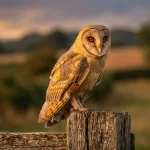
Did you know that owls can rotate their heads up to an astonishing 270 degrees? This remarkable ability not only helps them survey their surroundings but also highlights their unique adaptations as nocturnal hunters. Understanding how far an owl can turn its head is vital for bird watchers, wildlife enthusiasts, and anyone intrigued by nature’s wonders.
In this article, we’ll explore the fascinating mechanics behind this trait and what it means for their hunting strategies and survival. Whether you’re a seasoned birder seeking to deepen your knowledge or a curious beginner eager to learn more about these captivating creatures, you’ll find valuable insights and intriguing facts that will enhance your appreciation of owls. Join me on this journey as we unravel the mysteries behind their extraordinary neck flexibility and dive into the world of these enchanting birds.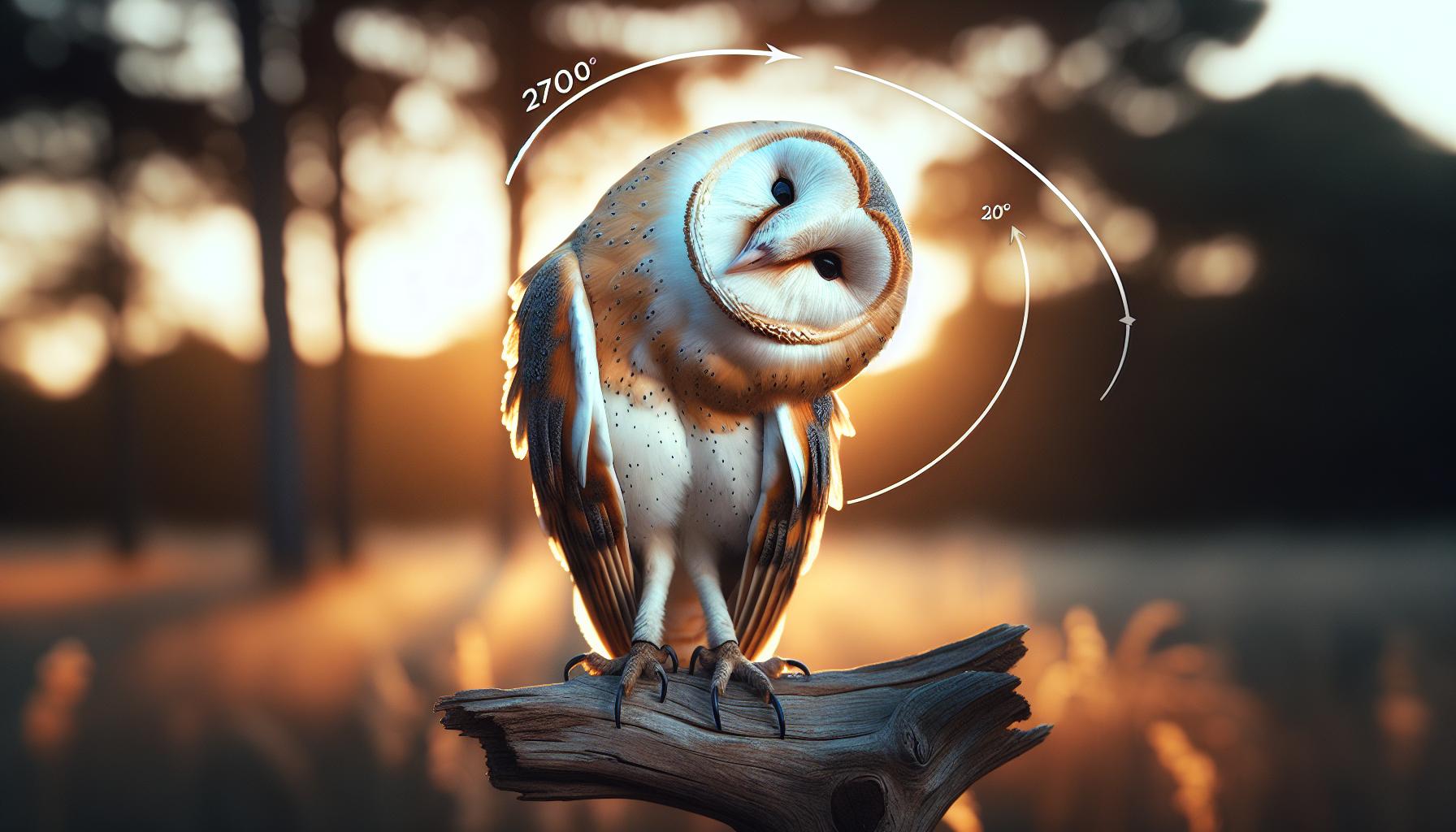
How Owls Rotate Their Heads: The 270-Degree Mystery
Owls are fascinating creatures, and one of their most striking features is their ability to rotate their heads nearly 270 degrees. This remarkable flexibility is due to a unique adaptation in their anatomy that sets them apart from most other birds. Unlike humans, who rely heavily on their eyes to see their surroundings, owls have large, forward-facing eyes that provide excellent binocular vision. However, because their eyes are fixed in their sockets, owls must rely on their head movements to scan their environment.
The secret behind an owl’s head rotation lies in its neck anatomy. Owls possess a particularly specialized skeletal structure, featuring 14 vertebrae in their necks, compared to just seven in humans. This additional vertebral count allows for greater freedom of movement. Additionally, owls have unique adaptations in their blood vessels; there’s a large vessel that allows blood to flow even when the neck is twisted. This means that even while pivoting their heads dramatically, owls maintain a steady supply of oxygenated blood to their brains, enabling them to rotate their heads without risk of injury.
This exceptional ability to turn their heads significantly enhances an owl’s hunting prowess. By rotating their heads, owls can pin down prey with remarkable accuracy, allowing them to detect even the slightest movements in the underbrush. Their keen sense of hearing, paired with this extraordinary neck mobility, enables them to hunt effectively in low-light conditions, making them one of the most efficient nocturnal predators. Observing an owl in action, smoothly rotating its head to listen and look around, can be a mesmerizing experience, showcasing nature’s ingenuity in adaptation and survival.
Anatomy of an Owl’s Neck: How It Works
Owls are remarkable not just for their nocturnal activities but also for the intricacies of their anatomy-especially their necks. An owl’s neck is a splendid example of evolutionary adaptation, designed to facilitate an extraordinary range of motion. With 14 vertebrae, owls possess more neck bones than humans, who have only seven. This anatomical configuration contributes significantly to their ability to rotate their heads almost 270 degrees. The flexibility of their necks allows them to look around effectively without moving their bodies, which is essential for hunting and avoiding detection by predators.
In addition to this impressive skeletal arrangement, owls have specialized blood vessels that ensure a continued flow of blood to the brain while they twist and turn their necks. These adaptations mean that even in extreme head rotations, their brains receive adequate oxygen, preventing any risk of vascular injury. This is crucial for maintaining the sharp sight and acute hearing needed for hunting in dim light, as their eyes, being fixed in place, can’t move to follow prey.
This unique neck structure not only enhances their field of view but also serves various functions related to survival and behavior. For example, the combination of head rotation and excellent hearing allows owls to accurately pinpoint the location of sounds, often allowing them to hunt successfully even in complete darkness. Their ability to turn their heads also plays a role in social interactions and communication within species, giving them a unique ability to display curiosity or alertness while remaining still. In a world filled with dangers, this remarkable neck flexibility is just one of the many traits that make owls such fascinating birds.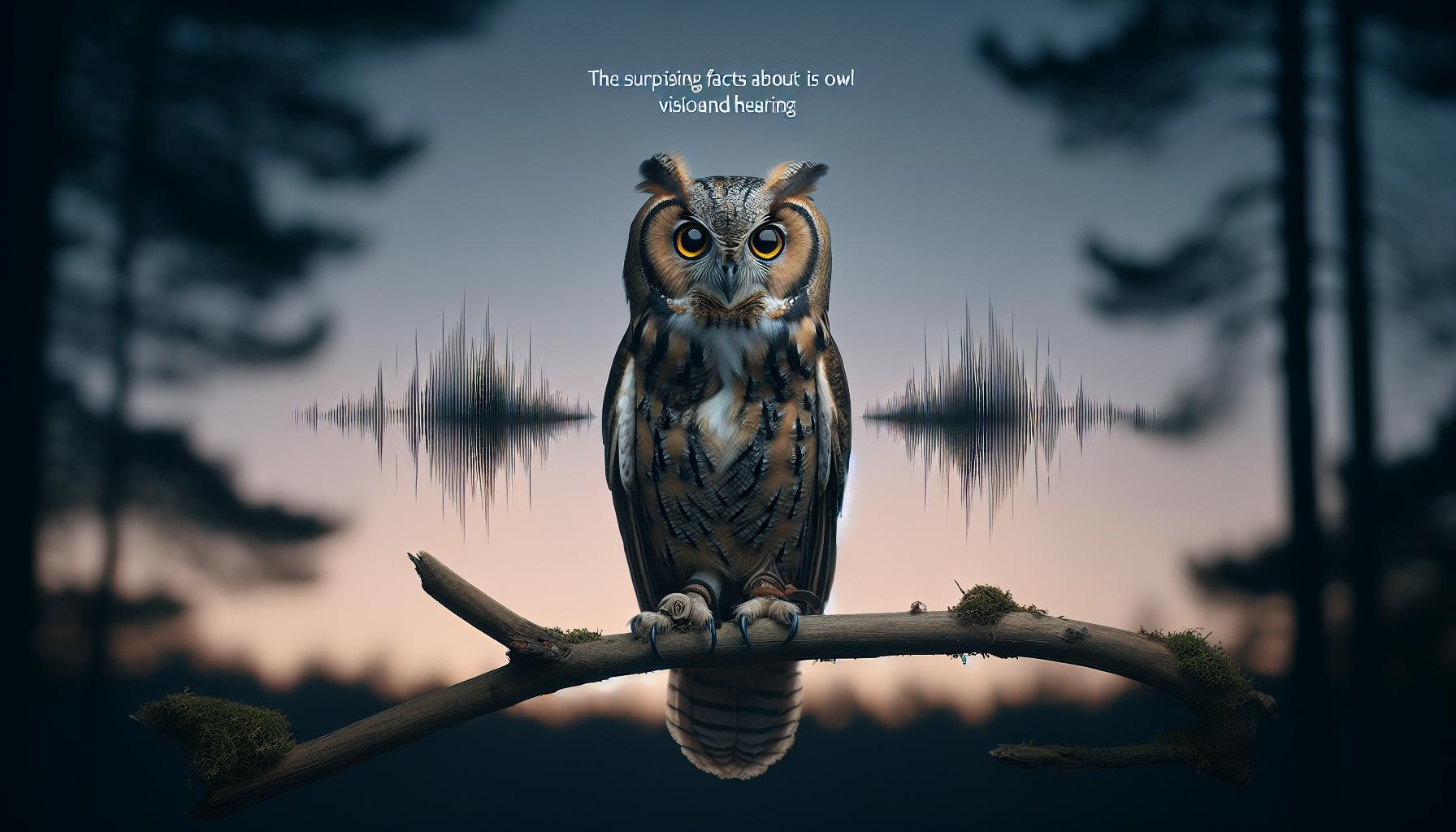
Surprising Facts About Owl Vision and Hearing
Owls are often revered for their remarkable eyesight and acute hearing, capabilities that are nothing short of astonishing and crucial for their survival, especially during the night. One striking aspect of owl vision is their ability to see in very low light. Their large, forward-facing eyes allow for binocular vision, which provides depth perception that is essential for hunting. The eyes are filled with rod cells, which are more sensitive to light than cone cells, enabling owls to detect even the faintest illumination when stalking prey under the cover of darkness.
Interestingly, owls possess a unique feature known as “facial discs”-the structures of feathers around their eyes that help funnel sound directly to their ears. This anatomical design not only improves their hearing but also enhances their ability to process sounds and locate prey accurately. Their ears are asymmetrically positioned, allowing them to pinpoint the location of sounds with remarkable precision. This adaptation is so effective that even the faint rustle of a mouse in tall grass does not go unnoticed.
Moreover, the combination of extraordinary vision and hearing allows owls to employ a hunting technique called “stealth ambush,” where they silently glide through the air, using their exceptional sensory abilities to detect and target unsuspecting prey. Their feathers are specially designed to muffle flight noises, enabling them to approach their targets stealthily.
In addition to these functional adaptations, owls have also developed interesting behavioral traits linked to their sensory capabilities. For instance, they are known to exhibit various head movements that help triangulate sounds, essentially enhancing their directional hearing. Observing an owl as it rotates its head elegantly in response to sounds can reveal just how finely tuned their senses are to their environment-making every sight and sound a potential indicator of dinner. Understanding these not only enriches our admiration for these remarkable birds but also enhances our birdwatching experiences.
Why Do Owls Turn Their Heads So Far?
Owls possess an extraordinary ability to rotate their heads as much as 270 degrees, a marvel that deeply enhances their survival skills. This remarkable flexibility stems from their unique skeletal and muscular structure, which allows them to survey their surroundings without the need to move their body. Unlike humans, who can only turn their heads a limited distance before feeling a strain, owls can pivot their heads significantly, providing a wide field of view that is crucial for spotting predators and prey alike. This ability is especially advantageous for nocturnal hunting, where every shadow and rustle could signify a potential meal.
Several anatomical features contribute to this fascinating capability. Owls have extra cervical vertebrae-typically 14 compared to the seven in humans-allowing for greater rotation. Their arteries are also uniquely adapted; when they turn their heads, the vascular system has a built-in mechanism that prevents blood flow restriction to the brain. This efficient design not only protects their vital function but also contributes to their keen hunting efficiency as they can scan their environment swiftly.
Understanding why owls turn their heads so far also relates to their exceptional sensory adaptations. With large, forward-facing eyes that excel in low-light conditions, they rely heavily on their ability to rotate their heads to track movement. Each turn is precise, as they triangulate sounds with their asymmetrically placed ears, which helps them locate prey even under the dense cover of foliage or snow. Observers in the field can notice how an owl might effortlessly swivel its head to capture and analyze sound, demonstrating an instinctual behavior that enriches their hunting repertoire.
For the enthusiastic birdwatcher, observing this head movement can be a captivating experience. When watching an owl in its natural habitat, pay attention to how its head rotates independently of its body. This not only provides insight into their hunting strategies but reveals the complexity of their interactions with the environment. If you’re patient and quiet, you might witness the silent, calculated motions of an owl as it searches for dinner, showcasing just one of the many adaptations that make these birds fascinating creatures of the night.
Common Misconceptions About Owls and Their Movement
The ability of owls to rotate their heads up to 270 degrees often leads to widespread misconceptions about these remarkable birds. One of the most common myths is that owls can turn their heads all the way around, similar to how some people think of cartoon characters. In reality, while they can swivel their heads extensively, they cannot complete a full 360-degree turn. This misunderstanding likely stems from the dramatic way they move their heads to survey their environment, which can create the impression of invincible flexibility.
Another prevalent misconception relates to the idea that owls depend solely on their remarkable head rotation to view their surroundings. While head mobility is indeed advantageous, it doesn’t mean that they are incapable of body movement. Owls tend to be very still when hunting, relying on a combination of their stunning vision and acute hearing, which helps them detect prey before making any significant movements. The famous head rotation serves more to enhance their sensory capabilities rather than replace basic locomotion.
Many also inaccurately believe that all owls possess the same neck flexibility or head-turning capacity. In truth, the degree to which they can rotate their heads may vary slightly between species, influenced by differences in anatomy and hunting strategies. For instance, the Great Horned Owl with its tufted ear-like features, may exhibit head movement patterns that differ from those of a Barn Owl, which has a more round face. This should inspire novice and experienced birdwatchers alike to observe the unique characteristics of different owl species.
In order to fully appreciate these amazing creatures, simply watching a local owl as it turns its head in pursuit of prey can offer eye-opening insights. Rather than focusing solely on head movements, birdwatchers should take note of how these adaptations fit into the broader context of the owl’s behavior and survival strategies. Understanding these misconceptions can deepen our appreciation for owls as master nocturnal hunters, showcasing a blend of physical prowess and sensory acuity that is truly fascinating.
How Owls Use Their Unique Neck Structure
As masters of the night, owls possess an extraordinary neck structure that enables them to rotate their heads up to 270 degrees. This remarkable ability is not just a party trick; it’s a critical adaptation for survival. Unlike many birds, owls have a unique skeletal and muscular arrangement that allows for this incredible range of motion. Their necks contain specialized vertebrae with extra cervical bones-typically 14 compared to 7 in humans-which provide the flexibility needed to survey their environment without moving their bodies.
The design of an owl’s neck is also complemented by its vascular system, allowing blood flow to the brain to remain uninterrupted as it twists and turns. This is vital, as the ability to turn its head aids in hunting; it allows owls to assess their surroundings quickly and efficiently. When hunting, this head rotation is particularly useful. By turning its head while keeping its body still, an owl can pinpoint the exact location of prey hiding in the underbrush or lurking in the shadows. This stealthy observation minimizes its presence, making it less likely to scare off potential meals.
Observing an owl’s head movement in natural settings provides fascinating insights into its hunting behavior. For example, the Barn Owl is known for its extraordinary night vision and acute hearing, which are further enhanced by its head-turning ability. When perched, you may see it scanning its surroundings, a movement that highlights the interplay between its vision, hearing, and head rotation. As an enthusiast watching from a distance, appreciate how this capability helps the owl perform its role as an apex predator.
It’s essential for birdwatchers, whether beginners or experienced, to recognize the significance of these adaptations. Understanding how owls utilize their neck structure not only enhances the birdwatching experience but also deepens our appreciation for these incredible hunters of the night. So the next time you spot an owl, take a moment to admire the science behind its head movement-it’s a powerful testament to evolution’s ingenuity.
The Role of Head Rotation in Hunting and Survival
The extraordinary ability of owls to rotate their heads up to 270 degrees plays a crucial role in how they hunt and survive in their environments. This unique adaptation not only enhances their field of vision but also allows them to remain still, thereby minimizing detection by both prey and potential predators. For an owl, the capacity to rotate its head so extensively can mean the difference between a successful hunt and a missed opportunity.
Owls typically rely on sound and sight to locate prey, often employing their keen hearing to detect even the slightest movements in the underbrush. By turning their heads, they can pinpoint the exact location of sounds, which is essential in the low-light conditions they favor. For example, a Great Horned Owl can discern the faint rustle of a small mammal hiding in the leaves even while remaining motionless. This stealthy approach is further enhanced by their exceptional night vision, which works in tandem with their head rotation, allowing them to survey their surroundings quickly and efficiently.
When utilizing their head-turning abilities, owls transition from being passive observers to active hunters. Instead of flying from a perch to investigate, they can scan vast stretches of their territory by simply swiveling their heads. This method conserves energy, a vital resource when hunting in the wild. Moreover, the ability to remain undetected while they hunt contributes to their survival; prey species are less likely to notice the movement of an owl’s head compared to a larger body shift.
For birdwatchers and enthusiasts, witnessing this behavior in action can be an enlightening experience. Next time you observe an owl in its habitat, take a moment to appreciate the intricacies of its hunting strategies. Whether it’s the silent rotation of its head or the hunting techniques it employs while perched, each moment reveals how these magnificent creatures have evolved to become masters of their nocturnal world. Understanding these behaviors not only enriches your birdwatching experience but also deepens your appreciation for these remarkable hunters.
Comparing Owl Head Movement to Other Birds
Owls are truly remarkable for their ability to turn their heads significantly, allowing them to observe their surroundings without moving their bodies. Unlike most birds, which can only turn their heads minimally-typically around 30 degrees-owls can rotate their heads up to 270 degrees. This extraordinary range is primarily due to the unique structure of their necks, which contain twice as many vertebrae as humans do. While smaller birds may rely more on quick body movements and flights to find food or evade danger, owls use their extensive head rotation to remain stealthy and energy-efficient.
The adaptation seen in owls contrasts sharply with birds such as sparrows and finches. Sparrows have less flexible necks and generally compensate for their limited range of motion by using quick bursts of flight or hopping to get a better view of their surroundings. This behavior can be quite energetic and conspicuous, attracting attention from predators. In contrast, when an owl notices potential prey, it can stay perfectly still and simply swivel its head, which helps it remain undetected by both its prey and potential threats.
Moreover, raptors like hawks and eagles also exhibit impressive head movement, but it differs from the owl’s method. These birds rely more on their keen eyesight and overall mobility. While they do have the ability to turn their heads significantly, their hunting style often involves soaring high above the ground or gliding silently over terrain. As a result, they expend energy differently, relying on their ability to cover large distances quickly rather than on precise head movements as owls do.
In summary, the adaptation of head rotation in owls represents a fascinating evolutionary strategy that distinguishes them from other birds. This uniqueness not only enhances their hunting prowess but also highlights the diverse adaptations found within bird species. Observing these behaviors can enrich birdwatching experiences, offering insights into the intricacies of how different species navigate their environments in search of sustenance and safety.
Fascinating Owl Species Known for Head Rotation
Many owl species are known for their impressive ability to rotate their heads nearly 270 degrees, a characteristic that aids them in hunting and navigating their environment. One of the most fascinating examples is the Great Horned Owl. This powerful predator possesses exceptional neck flexibility, allowing it to survey its surroundings without noticeable movement, making it an effective hunter. Its large tufts, often mistaken for ears, give it a regal appearance while its wide field of vision helps it detect both prey and potential dangers.
Another remarkable species is the Barn Owl, distinguished by its heart-shaped face and silent flight. The Barn Owl’s head rotation capabilities allow it to hunt effectively in total darkness. Its specialized facial structure enhances its hearing, enabling it to pinpoint the slightest sounds made by rodents even when the owl remains motionless, swiveling its head to catch every audible clue. This adaptability not only aids in hunting but also in evading larger predators, as the owl can maintain vigilance without exposing itself.
Owls like the Eastern Screech Owl exemplify how varied habitats can influence head rotation. This small owl, often found in woodlands and urban areas, uses its remarkable neck movement to blend into its surroundings. Its ability to rotate its head allows it to camouflage effectively, using its large eyes to scan the environment during both day and night. When it feels threatened, it often freezes, making use of its natural coloration to remain unseen, while utilizing its head rotation to keep an eye on intruders.
Owls in the Tyto genus, including the Spotted Owl, have similar adaptations. With their distinct hunting styles and habitat preferences, these owls showcase the diversity within the species. The Spotted Owl, for example, frequent old-growth forests, and utilizes its head rotation not only for hunting but also to communicate with vocalizations in dense woods. This ability to swivel and listen keenly plays an essential role in social interactions and territory establishment.
As birdwatchers and enthusiasts explore the world of owls, they will find endless intrigue in observing these species in their natural habitats. The combination of head rotation capabilities, unique hunting techniques, and remarkable adaptations makes owls truly captivating creatures of the night, offering endless opportunities for discovery and appreciation.
Captivating Cultural References to Owls and Their Abilities
Owls have been a source of fascination and awe throughout history, inspiring countless cultural references that highlight their remarkable abilities, including their extraordinary head rotation. From ancient myths to modern literature, owls symbolize wisdom, mystery, and the supernatural, often attributed to their eerie nocturnal habits and acute senses. For instance, in many cultures, owls are associated with the underworld or as omens, a belief stemming from their silent flight and the haunting sounds they produce under the cloak of night.
In literature, the beloved character of Hedwig, Harry Potter’s loyal snowy owl, embodies the themes of companionship and loyalty, while also showcasing the mystical qualities owls possess. The ability of owls to rotate their heads nearly 270 degrees becomes not just a biological curiosity but a captivating plot device, as it reflects their omnipresent awareness and strategic hunting skills. This functionality serves a broader narrative purpose in various stories, illustrating the blend of nature’s wonders with human imagination.
Owls have also made their mark in art and folklore, such as the portrayal of the owl in the myth of Athena, the Greek goddess of wisdom. The owl is often depicted as her companion, reinforcing the idea of wisdom and knowledge. This symbolism persists in various cultures, such as in Native American traditions where owls may be seen as protectors or guides, illustrating their significance beyond mere observation of their striking physical traits.
For birdwatchers and enthusiasts, understanding these cultural references enriches the experience of observing owls in their natural habitats. When you spot an owl quietly scanning its surroundings, remember that this incredible ability has captured human imagination for centuries. Whether deep in folklore or modern storytelling, owls continue to inspire curiosity about the natural world and the intricate behaviors that make them uniquely suited for survival. The next time you venture out into the night, let these cultural connections deepen your appreciation for the majestic creatures that are not only symbols of wisdom but also masters of their domain.
How to Observe Owls in Their Natural Habitat
Observing owls in their natural habitat can be one of the most thrilling experiences for a birdwatcher, but it requires patience, knowledge, and a bit of strategy. Did you know that owls possess an extraordinary head-turning ability, rotating their heads up to 270 degrees? This unique adaptation allows them to survey their surroundings without moving their bodies, which is crucial for both hunting and avoiding detection. To truly appreciate these remarkable birds, here are some effective ways to observe them in the wild.
Choosing the right location is crucial. Owls are primarily nocturnal and prefer dense forests, open fields, or urban parks that provide adequate cover during the day. Before heading out, research local owl species and their preferred habitats. For instance, the Great Horned Owl thrives in a variety of environments, while the Barn Owl is often found in open fields and agricultural areas. This knowledge will enhance your chances of spotting them.
Timing is everything; owls are more active during dusk and dawn, known as crepuscular hours. To increase your chances of a sighting, arrive a bit before sunset or stay late into the evening. During these times, listen for calls and sounds that can indicate their presence. Many species communicate through hoots, screeches, or chirps, so familiarize yourself with their calls. A helpful tip is to download owl call apps that can guide you in identifying the specific sounds of the owls in your area.
When you’re out observing, keep the following in mind:
- Stay quiet and move slowly, as owls can be easily startled.
- Use binoculars for a closer look, and consider bringing a camera with a good zoom lens.
- Look for signs of owl activity, such as pellets (undigested food remains), feathers, or roosting spots high in trees.
Lastly, remember that observing wildlife should be a respectful endeavor. Maintain a safe distance and avoid intruding on their space, allowing them to engage in their natural behaviors without disturbance. By following these guidelines, you’ll not only increase your chances of witnessing the owls’ fascinating head movements and hunting tactics, but you’ll also foster a deeper connection to these extraordinary creatures and their habitats. Happy owl watching!
Tips for Birdwatching: Spotting Owls at Night
As the sun sets and darkness blankets the landscape, the world of owls comes to life. Did you know that these fascinating creatures are not just masters of stealth, but also exceptional at navigating their environment through remarkable head rotation? To effectively spot owls at night, you’ll want to adopt a few strategies that play to their unique characteristics and behavior.
First, understand that owls are predominantly nocturnal hunters that thrive in darkness. This means your best chances to catch a glimpse of them are during twilight hours, just after sunset or just before dawn when they begin their hunts. Equip yourself with high-quality binoculars that enhance nocturnal vision and a flashlight with a red filter, which won’t disturb their sensitive eyesight. When you arrive at your chosen location-whether it’s a wooded area or a quiet park-take a moment to let your eyes adjust to the low light.
Listening is equally as critical as looking. Owls are vocal creatures; familiarize yourself with the calls of the local species you hope to encounter. Many owls, such as the Great Horned Owl and Barred Owl, have distinctive hoots that can guide you towards their location. Use apps dedicated to bird calls to practice identifying these sounds before you go out. Nail this aspect, and you’ll find your auditory skills enhancing your visual search, as the calls often give away their presence long before you can see them.
While scanning the area, focus your attention not only on the trees but also on open spaces where owls might be perched. Look for whitewash (owl droppings) or feathers that signal common roosting spots. Remember that owls are ambush hunters, and they prefer to remain hidden while waiting for prey. Be patient and quiet, as sudden movements or noise can send them flying away. Consider joining local birdwatching groups or attending owl prowl events, where experienced birders can share tips and help enhance your spotting skills.
With these strategies, you’ll not only increase your chances of witnessing the spectacular head movements of owls as they observe their surroundings but also appreciate the unique beauty of their nighttime world. Happy owling!
Frequently asked questions
Q: How much can an owl turn its head?
A: An owl can rotate its head an impressive 270 degrees. This remarkable ability allows them to look behind their bodies without moving their entire torso, compensating for their fixed eye sockets.
Q: Why do owls have such flexible necks?
A: Owls have flexible necks to enhance their field of vision. Since their eyes are front-facing and do not rotate, the ability to turn their heads extensively helps them locate prey and be aware of their surroundings.
Q: Can owls turn their heads 360 degrees?
A: No, owls cannot turn their heads a full 360 degrees. They can rotate their heads up to 270 degrees, which provides plenty of range for hunting and scanning their environment.
Q: What anatomical features allow owls to turn their heads so far?
A: Owls possess special adaptations, including extra neck vertebrae and a unique arrangement of vascular channels that ensure blood supply during extreme head rotation, enabling them to turn their heads 270 degrees without injury.
Q: How do owls see while turning their heads?
A: When owls turn their heads, they use their keen vision and specialized eye structure to observe their environment. The ability to rotate their heads compensates for their inability to move their eyes, providing a broad field of view.
Q: Are there other birds that can turn their heads like owls?
A: While some birds can turn their heads significantly, few can match the owl’s range. Birds like hawks and eagles exhibit impressive head movement but typically do not achieve the same degree of rotation as owls.
Q: How does head rotation help owls in hunting?
A: Head rotation aids owls in pinpointing prey in their environment. By adjusting their head position, they can accurately gauge distance and direction, enhancing their ability to hunt effectively in low-light conditions.
Q: What misconceptions exist about owl head movement?
A: A common misconception is that owls can rotate their heads 360 degrees. In reality, their head rotation is limited to about 270 degrees, which is enough for great maneuverability without causing strain.
Key Takeaways
Thank you for exploring the fascinating world of owls and their remarkable head-turning abilities! As we’ve uncovered, these incredible birds can rotate their heads an impressive 270 degrees, allowing them a unique perspective on their surroundings. If you’re eager to learn more about owl behavior, consider checking out our in-depth articles on “Common Owl Species” and “How to Attract Owls to Your Backyard.”
Don’t miss out-join our newsletter for exclusive insights and tips delivered right to your inbox! If you have any questions or want to share your owl-watching experiences, drop a comment below; we love hearing from fellow bird enthusiasts! Keep your curiosity soaring and continue your journey into the captivating realm of ornithology-there’s so much more waiting for you!
Get our latest guides, news, and insights highlighted in your Google Search & AI Overviews.