Have you ever wondered what makes a bird’s diet so intriguing? Oats, a staple grain in many households, can also be a nutritious addition to a bird’s diet, but is it appropriate for all species? In this guide, we’ll explore the role of oats in avian nutrition, addressing common questions about their benefits and potential concerns. Understanding what birds eat can enhance their well-being and longevity, while also enriching your birdwatching experience. Whether you’re a pet owner looking to diversify your feathered friend’s meals or an enthusiast eager to learn more about bird diets, this guide offers valuable insights into the nutritional power of oats. Let’s dive in!
Do Birds Eat Oats? Understanding Grain Nutrition for Birds
Birds are remarkably adaptable creatures, with diets that can vary widely from seeds and fruits to insects and small invertebrates. One common question among bird enthusiasts is whether these feathered friends enjoy oats-a staple in many human diets. The answer is a resounding yes! Oats can be a nutritious grain option for various bird species, offering a source of carbohydrates, fiber, and protein. Understanding grain nutrition is essential for anyone looking to attract or support wild birds in their backyard.
Oats are particularly beneficial for seed-eating birds, such as finches, sparrows, and doves. Being high in energy, oats provide the necessary fuel for birds during their active days. In addition to energy, the fiber content in oats aids digestion, making them a wholesome choice for hungry beaks. Whether served whole, rolled, or in a ground form, oats can easily be integrated into the diets of backyard birds. However, it’s important to note that while oats are nutritious, they should complement a varied diet that includes seeds, fruits, and greens to ensure birds receive all essential nutrients.
When feeding oats to birds, one should consider the preparation method. Plain oatmeal, without added sugar or flavorings, is suitable, but cooking isn’t necessary. Soaking or lightly steaming oats can enhance their digestibility and make them more enticing for birds. Presentation matters too; scattering oats on a platform feeder or mixing them into seed blends can attract a wide range of species. Observing which birds visit your feeders can provide insights into their preferences, allowing you to tailor offerings for maximum enjoyment and nutrition. In summary, oats are not only safe for birds but can be a delightful treat that supports their health when used wisely.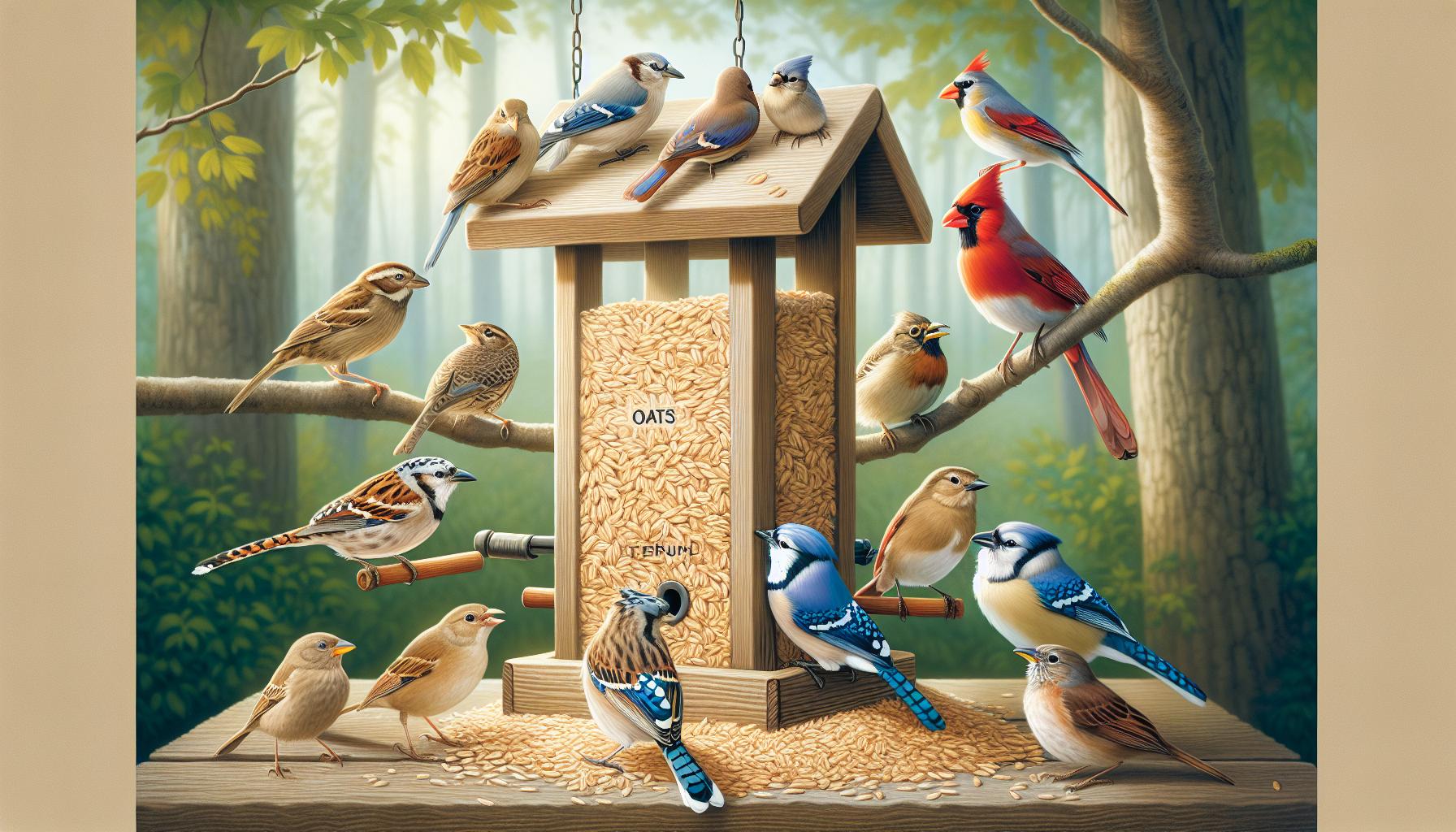
The Benefits of Oats for Different Bird Species
Birds are not just bound to seeds and insects; they are versatile foragers with diverse dietary needs. Oats, surprisingly, can be a fantastic addition to their diet, offering unique benefits that cater to various bird species. The carbohydrate-rich nature of oats provides an essential energy boost that many birds need, especially during colder months when food is scarce. This makes oats not only a tasty treat but also a vital food source for sustaining energy levels during long flights and active foraging.
Seed-Eaters
For seed-eating species like finches and sparrows, oats serve as a nutritious alternative to traditional seeds. These birds benefit from the high fiber content, which aids in digestion. You may notice your backyard finches scavenging for the bigger pieces of oats, especially in mixed seed blends. Sparrows, which typically prefer seeds rich in fat and protein, can also enjoy oats, making your feeder a hotspot for these energetic little birds.
Doves and Pigeons
Doves and pigeons, typically ground feeders, can greatly benefit from oats in several ways. Their gentle, slow eating style allows them to easily digest rolled or whole oats. These grains can be especially appealing when scattered on the ground or in a shallow dish, inviting doves to peck around. The energy-boosting properties of oats help maintain their stamina throughout the day, especially as they engage in their characteristic social behaviors.
Woodpeckers and Other Insect-Eaters
Surprisingly, even insectivorous birds such as woodpeckers can enjoy oats. While they primarily hunt insects, offering small amounts of oats can supplement their diet, especially in the winter months when insects are less abundant. It provides a secondary source of energy and can encourage diverse dietary habits in these versatile birds.
Oats aren’t just a nutritional powerhouse; they also foster fascinating bird interactions. Observing which species are drawn to oats can reveal a lot about local wildlife behaviors and preferences. By offering oats in a varied diet, we invite these birds to explore new textures and flavors, enriching their feeding experience while aiding their overall health.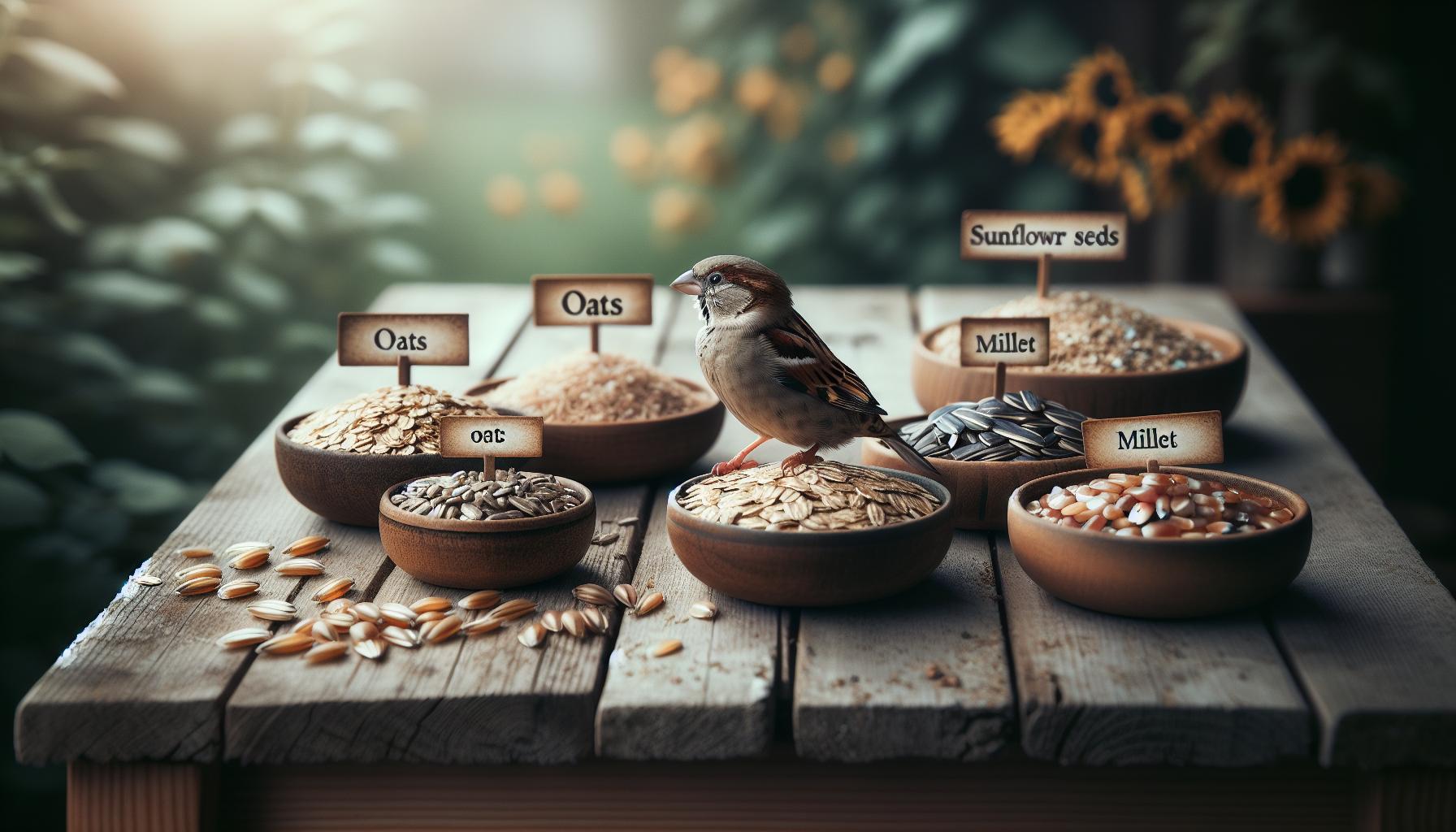
How Oats Compare to Other Grains for Bird Diets
When it comes to the dietary needs of birds, oats stand out as an excellent grain choice, but how do they stack up against other popular options like corn, wheat, and millet? Each grain offers unique nutritional benefits, and understanding these differences can help bird enthusiasts make informed decisions about their backyard feeding practices.
Oats are rich in carbohydrates and provide a hearty energy source, particularly important during challenging weather conditions or when birds need extra fuel. In comparison, corn is also high in carbohydrates, but it tends to be more starchy and less nutrient-dense than oats. While corn can attract a variety of species, it may not provide the same level of fiber that oats do, which is essential for proper digestion in birds. Wheat, on the other hand, is often used in birdseed mixes but can be less appealing to certain species due to its harder husk. In contrast, oats are easily digestible, making them a great choice for birds ranging from doves to sparrows.
Another aspect to consider is the protein content in these grains. While oats generally have a lower protein content than some other grains, they are a fantastic complement to seed-rich diets. Millet, for instance, is high in protein and is often favored by seed-eating birds. However, pairing millet with oats can provide a balanced diet that satisfies the diverse needs of different bird species visiting your feeder. Moreover, when offered together, these grains can cater to a wider range of avian preferences, making your feeder a bustling hub of activity.
In practice, offering oats alongside other grains can create a varied menu that encourages exploration and experimentation among birds. You may find that some species prefer oats over other grains, while others enjoy the mix. By understanding how oats compare to grains like corn, wheat, and millet, you can tailor your feeding strategy to enhance nutritional value and attract a richer diversity of feathered friends to your backyard.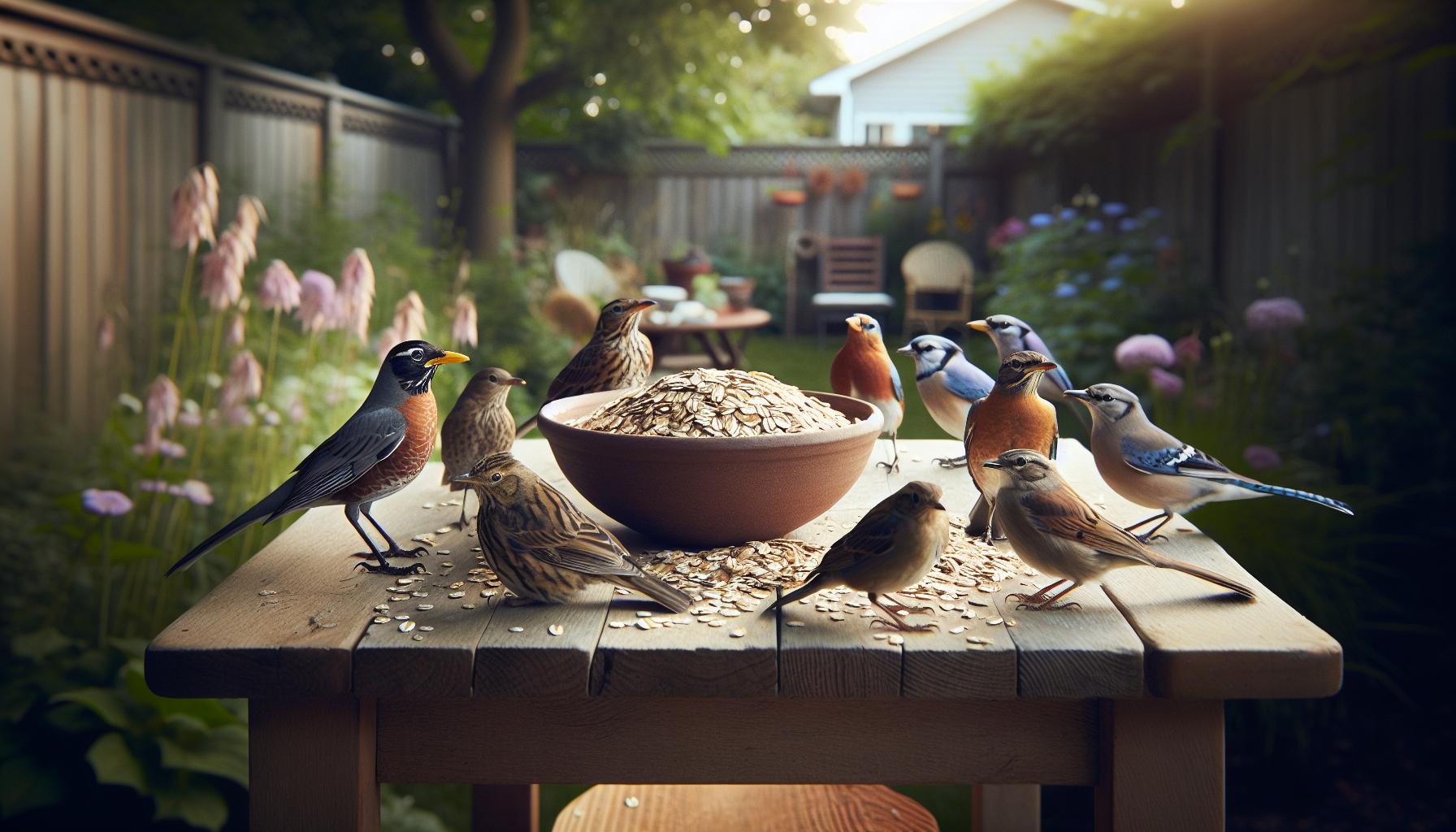
Preparing Oats for Backyard Birds: Tips and Tricks
Birds are more than just beautiful creatures that flit around our backyards; they are also discerning eaters that thrive on a variety of foods! Among these, oats stand out as a nutritious option, and preparing them correctly can enhance their appeal to our feathered friends. Offering oats in a safe and enticing manner ensures that birds receive the energy they need while making your feeders a bustling hub of activity.
To successfully prepare oats for backyard birds, one of the first steps is to choose the right type. Rolled oats or quick oats are excellent choices because they are more digestible than steel-cut oats, which can be tough for smaller birds to manage. You may want to avoid instant oatmeal, as it often contains added sugars and flavors which are not suitable for birds.
Once you’ve selected your oats, you can prepare them in a couple of different ways. A simple method is to place the oats dry in a feeder, allowing the birds to nibble at their own pace. If you prefer to take it a step further, you can cook the oats in water without adding salt or any other additives and serve them warm. Many birds appreciate warm food, especially in cooler months, and it can help to provide them with additional energy when they need it most. Just remember to let them cool to room temperature before placing them in your feeder or on a platform.
When feeding oats, consider mixing them with other seeds or grains. This variety not only caters to a diverse range of birds but also prevents any one type of seed from dominating the feeder. For example, you can combine oats with sunflower seeds, millet, and cracked corn to create a hearty and attractive mix. Exploring different combinations will keep the feeding experience engaging for the birds and increase the chances of drawing in various species.
It’s also vital to keep feeding areas clean to prevent mold and disease. Ensure you regularly check the feeders and the ground below to remove any leftover oats that may spoil. This practice not only promotes the health of your birds but also helps maintain a pleasant environment in your backyard. In no time, you will witness an influx of varied bird species drawn to your thoughtfully prepared oat offerings, enriching your birdwatching experience!
Signs Your Birds Enjoy Oats: Behavioral Insights
Birds have a keen ability to express their preferences, and observing their behavior can reveal whether they are enjoying the oats you’ve offered. One of the most telling signs is their eating patterns. If you notice the birds returning frequently to the feeder, especially during their usual feeding times, it indicates that they likely find the oats appealing. Additionally, watch how they interact with the oats; enthusiastic pecking and flinging of oats around often show their enjoyment, especially in larger species like cardinals or jays who tend to playfully engage with their food.
Another noteworthy behavior is the social dynamics that unfold around the feeder. When birds begin to congregate around the oats, it suggests that they are not only consuming them but also finding them appealing enough to invite others. This behavior can create a delightful spectacle as you witness various species all vying for access to the oats, enhancing the activity in your backyard. Species like finches and sparrows, known for their foraging habits, readily share these moments, further indicating the oats’ acceptance.
Monitoring changes in feeding times can also provide insights. If you switch to offering oats and notice birds appear earlier in the morning or stay longer at the feeder, it’s a promising sign that they enjoy the new addition. You might find them exhibiting less wary behavior, such as staying longer to feed or coming back multiple times throughout the day, signaling their comfort and satisfaction with the oats.
Lastly, consider the variety of birds attracted to your feeding area. If you begin to see new visitors that previously skipped your setup, such as woodpeckers or various warbler species, it’s likely that the oats have caught their interest as well. This inclusivity of species not only enriches your birdwatching experience but also tells you that you’ve successfully catered to diverse avian tastes with this nutritious grain. By paying close attention to these signs, you can ensure that your backyard remains a bustling hub for both familiar and new feathered friends!
Oats and Bird Health: Nutritional Considerations
Oats are more than just a human breakfast staple; they also hold significant nutritional value for our feathered friends. Packed with carbohydrates, fiber, and essential nutrients, oats can play a crucial role in enhancing the diets of many bird species. When introduced correctly, they can not only provide energy but also support overall avian health, making them an ideal supplement for backyard birds.
Understanding the health benefits of oats can help you cater to various bird species effectively. Oats contain a good amount of protein, which is vital for muscle development and overall health. For instance, smaller birds like chickadees and finches can benefit from the energy boost that oats offer, especially during the colder months when food sources are scarce. Moreover, the fiber found in oats aids digestion, making it easier for birds to process their food efficiently. This is particularly beneficial for seed-eating birds, as it helps manage their gut health and absorption of nutrients.
For the best results, it’s essential to prepare oats properly before offering them to birds. Whole oats or rolled oats are preferable, as they retain their nutritional content better than instant oats, which may contain additives. You might consider soaking oats in water or lightly toasting them to enhance their digestibility and flavor. Regardless of the preparation method, fresh oats should always be offered to ensure optimal nutrition.
It’s important to remember that while oats can be a great addition to bird diets, they should not be the sole food source. A well-rounded diet that includes seeds, fruits, and insects will provide essential nutrients that oats alone cannot fulfill. Additionally, monitoring your birds’ preferences and health will help you adjust their diet accordingly, ensuring that they receive the best nutrition for their health and wellbeing. By making informed choices when feeding oats, you can contribute to the happiness and vitality of your backyard visitors.
Addressing Myths: Can Birds Eat Oatmeal?
Birds have a reputation for being picky eaters, and many bird enthusiasts often wonder whether they can safely offer oatmeal to their feathered friends. The answer to this common query can be both reassuring and enlightening, as oats in various forms can indeed play a role in their diets. However, it’s essential to understand what oatmeal really entails and how to present it in a way that benefits our avian companions.
Oatmeal, often processed and cooked for human consumption, can vary significantly in its nutritional profile compared to the raw or minimally processed oats. While birds can eat oatmeal, especially cooked varieties, the best practice is to avoid instant oatmeal that may contain additives like sugars and flavorings. Instead, offering plain, cooked oatmeal, free from any additives, can be a nutritious treat for birds. In this way, oatmeal provides a soft texture, making it easy for smaller birds to consume, especially on colder days when they might appreciate a warm meal.
When introducing oatmeal to feeding routines, consider how different bird species might react to it. For instance, finches and sparrows may readily flock to oatmeal as an enjoyable energy source, particularly during winter months. Experimenting with small amounts alongside their regular feed can help gauge their preferences. This cautious approach allows you to observe how they interact with the food without overwhelming them with new offerings.
Ultimately, while oatmeal can be a delightful occasional treat, it should not replace the primary diet of seeds, fruits, and insects that birds thrive on. Maintaining a balanced diet is crucial for their health and wellbeing. By following these guidelines, you’ll not only dispel myths surrounding oatmeal’s safety for birds but also enhance their feeding experience with a nutritious option that they may come to cherish.
Homemade Bird Seed Mixes Featuring Oats
Offering homemade bird seed mixes that incorporate oats can really elevate your backyard bird-feeding game. Not only do oats provide an excellent energy source for various bird species, but they also serve as a versatile ingredient in custom blends that can attract a broader range of birds to your feeder. For instance, when mixed with high-nutrient seeds or dried fruits, oats can create an appealing, wholesome feast that many birds find irresistible.
To create a delectable mix that includes oats, consider the following ingredients:
- Rolled Oats: These are an excellent base because they are soft and easy for smaller birds to consume.
- Sunflower Seeds: High in fats, these are a favorite among many bird species, providing additional energy.
- Safflower Seeds: These seeds appeal to cardinals and other clinging birds and offer a unique flavor.
- Dried Fruits: Chopped raisins or cranberries can draw in fruit-loving birds like American robins.
- Nuts: Crushed peanuts or almonds add extra protein and fat content to the mix.
### Crafting Your Bird Seed Mix
When combining these ingredients, a good starting ratio can be 2 parts oats to 1 part sunflower seeds and 1 part of a selection of other seeds or nuts. Mix everything in a large bowl, breaking up any clumps to ensure an even distribution of ingredients. After preparing your blend, offer it in a platform feeder or a spill-proof feeder to allow birds easy access as they enjoy their meal.
### Tailoring to Bird Preferences
Different bird species have varying preferences, so personalizing your bird seed mix can significantly enhance your bird-watching experience. For instance, if you’re trying to attract finches, consider adding nyjer seeds to the mix. For sparrows and juncos, a higher percentage of oats and millet may be more appealing.
The best part about making your own bird seed mixes is that you can adjust ingredients based on the seasons or the birds visiting your yard. It’s a wonderful way to keep your feathered friends nourished while discovering their unique feeding preferences, ensuring your garden remains a vibrant habitat for a variety of birds.
Seasonal Considerations for Feeding Oats to Birds
As the seasons change, so do the dietary needs and preferences of the birds visiting your backyard. Understanding how seasonal shifts impact bird feeding can dramatically enhance your birdwatching experience, especially when incorporating oats into your offerings. During spring, many birds are actively pairing and nesting; thus, they require more protein-rich sources to support their growing families. In these months, supplementing oats with high-protein ingredients like crushed peanuts and mealworms will attract those nesting species eager for nutritious meals for their young.
In summer, the abundance of natural food sources means birds will be more selective about their diets, often favoring freshly available seeds, berries, and insects. However, oats can still play a critical role, serving as a versatile complement to your seed mixes. By adding dried fruits such as raisins or chopped sunflower seeds, you create a sweet treat that many birds find irresistible during the warmer months. Remember to refresh your mixes regularly to prevent spoilage in the heat, and consider offering a shallow dish of water to aid hydration.
As autumn approaches, many species begin their migration, and you’ll see a shift in the birds that frequent your feeders. Providing oats can help support the fattening-up process these migratory birds need before their long journeys. During this time, consider mixing oats with high-energy fats and seeds to create a powerhouse blend. For example, combining oats with sunflower hearts or nyjer seeds makes for an attracting mix for finches and goldfinches as they prepare for winter.
Winter presents a unique set of challenges. Many natural food sources are scarce, making your feeders all the more crucial. During the cold months, oats can serve as a fantastic source of energy! Birds such as juncos, sparrows, and cardinals will appreciate a blend that includes oats spiked with high-energy components like suet, nuts, and high-fat seeds to help them through harsh conditions. Using platform feeders can make it easier for ground feeders to access these hearty offerings.
By being mindful of these seasonal changes and adjusting your bird feed accordingly, you not only meet the dietary needs of different bird species but also increase the variety of feathered visitors to your garden throughout the year.
Exploring Optimum Serving Methods for Birds
Providing oats to our feathered friends can be a delightful way to enhance your backyard ecosystem and attract a variety of birds. To ensure you are offering them in the best possible way, consider methods that maximize accessibility, freshness, and appeal. The way you serve oats can significantly influence which birds visit your feeder and how often they come back for more.
One effective tactic is to mix oats with other food types that birds love. Create a delectable blend by combining rolled oats with ingredients like sunflower seeds, dried fruits, and nuts. This not only offers variety but also caters to different species’ preferences. For example, a mixture of oats and sunflower hearts will be particularly enticing for finches, while woodpeckers may appreciate oats mixed with suet. Offering a diverse range of textures and flavors can make your feeding station a hotspot for both common and rare avian visitors.
Serving Techniques
When it comes to serving oats, presentation matters! Here are some tried-and-true approaches:
- Platform Feeders: These make it easy for ground-feeding birds to access oats. Place a combination of oats and seeds in a shallow dish to attract species like sparrows and juncos, who prefer foraging on the ground.
- Suet Holders: Mix oats with suet to create high-energy treats for those cold winter months. Birds like chickadees and woodpeckers will be drawn to this rich mix.
- Hanging Feeders: Use mesh feeders to hold oats and allow easy access for cardinals and finches. The mesh provides better airflow and keeps the oats dry.
When preparing oats, consider wetting them slightly on colder days to prevent freezing. This simple step can make it easier for birds to consume the oats without the struggle of caked grains.
Freshness and Safety
Always aim to keep your offerings fresh and safe. Regularly check feeders for spoiled food, especially in warmer weather, as oats can go rancid quickly. Replace them every few days, and if you notice any mold or signs of spoilage, clean the feeder thoroughly before refilling. It’s also beneficial to set out smaller amounts of oats rather than a large batch-this way, the birds can eat quickly, and you reduce waste and the risk of spoilage.
By understanding how to serve oats effectively and appealingly, you’re not only providing nourishment but also fostering a vibrant birdwatching experience in your backyard. Whether you’re a beginner or a dedicated bird lover, experimenting with these methods can lead to exciting discoveries and delightful visits from a wide variety of birds.
Cultural Insights: Oats in Bird Feeding Traditions
Bird feeding traditions often reflect cultural heritage and practical knowledge passed down through generations. Oats, with their excellent nutritional profile and availability, have found a significant place in these customs. From rural homesteads to urban backyards, oats serve not only as a food source but also as a bonding element in various practices of bird feeding across the globe. Interestingly, oats have also been a symbol of sustenance, connecting people of different regions with their natural surroundings.
In many European countries, especially in the UK, feeding birds oats has been a time-honored tradition. During winter, when natural food sources become scarce, many bird enthusiasts prepare homemade seed mixes that include oats as a staple. The melody of chirping from garden visitors is not just a testament to attracting birds; it reflects a community spirit nurtured through shared feeding experiences. People often gather to observe species such as thrushes and sparrows partake in breakfast, making it a delightful ritual that enhances connection with nature.
Furthermore, oats are praised in folklore and local customs as powerful attractants for a variety of bird species, including finches and doves. In parts of North America, birdwatchers have adopted traditional practices from Indigenous cultures, integrating oats into seasonal blends specifically prepared for attracting migratory birds. The act of feeding becomes a celebration of biodiversity, highlighting the importance of natural ecosystems and encouraging younger generations to appreciate wildlife.
Incorporating oats into bird feeding rituals can also be a great way to teach children about wildlife conservation. When families mix oats with other bird-friendly ingredients, they can involve children in creating a simple treat, fostering an early appreciation for nature. As you engage with bird feeding, remember the roots of these practices-simple acts of kindness towards our avian friends can create a more beautiful and enriching backyard ecosystem while preserving cultural significance.
Expert Advice: Feeding Oats Safely to Wild Birds
When it comes to attracting feathered friends to your backyard, oats can be a delightful addition to their diet, provided you know how to feed them safely. Many bird enthusiasts, including myself, find that offering oats not only appeals to various species but enhances their nutritional intake. However, it’s crucial to remember that not all oats are created equal, and how you prepare and serve them can significantly impact bird health.
To safely incorporate oats into your bird feeding practice, use whole oats or rolled oats without added sugars, salts, or flavorings. Instant oatmeal is not advisable, as it often contains additives that can be harmful to birds. When serving oats, you might consider soaking them in water to make them easier for smaller birds to consume. This also helps prevent any potential choking hazards. As for quantities, moderation is key; oats should complement a diverse diet and not dominate it. A mix with seeds, nuts, and dried fruits can provide a balanced approach, catering to different bird species’ needs.
Monitoring your backyard for signs of enjoyment is essential. Birds like finches and sparrows will often show preference by returning to feeders consistently. If you’re observing a variety of birds frequenting your feeding station, it may indicate that your oat mix is well-received. You can further enhance their experience by offering oats during colder months when natural food sources are scarce, providing them a much-needed energy boost.
It’s also worth considering hygiene practices when feeding oats. Make it a habit to clean feeders and dishes regularly to avoid mold or spoiled food, which can be detrimental to bird health. Pay attention to any uneaten oats; if they remain for extended periods, remove them to prevent attracting unwanted pests. By being mindful of these tips and tailoring your feeding strategies, you’ll not only nurture a thriving backyard ecosystem but also ensure the safe enjoyment of oats for your wild visitors.
FAQ
Q: Can all bird species eat oats?
A: While many birds enjoy oats, not all species may find them appealing. Generally, grain-eating birds like sparrows, finches, and doves appreciate oats. It’s essential to observe which species frequent your feeding area to tailor your offerings appropriately. For detailed dietary preferences, refer to the section “The Benefits of Oats for Different Bird Species.”
Q: How should oats be prepared for birds?
A: Oats can be served raw, cooked, or mixed into homemade bird seed blends. If cooking, avoid adding salt or sugar, as these can be harmful. Crushed oats are easier for smaller birds to eat. For preparation tips, see “Preparing Oats for Backyard Birds: Tips and Tricks.”
Q: Are there any drawbacks to feeding birds oats?
A: While oats are generally safe, certain drawbacks include their lower protein content compared to other seeds. Over-reliance on oats may lead to nutritional imbalances. Ensure a varied diet to support overall health; check the section on “Oats and Bird Health: Nutritional Considerations” for more information.
Q: Do birds eat oatmeal or only raw oats?
A: Birds can eat both oatmeal and raw oats, but oatmeal should be prepared without added sugars or flavorings. Cooked oats may be easier for some birds to digest, but always ensure they’re served at a suitable temperature. Clarification can be found in “Addressing Myths: Can Birds Eat Oatmeal?”
Q: What types of oats are best for birds?
A: Rolled oats and steel-cut oats are ideal for feeding birds, as they retain nutrients better than instant oats, which often have additives. Always opt for organic, unflavored varieties to avoid harmful chemicals. For more on nutritional comparisons, refer to “How Oats Compare to Other Grains for Bird Diets.”
Q: Can oats attract unwanted bird species?
A: Yes, feeding oats can inadvertently attract larger or less desirable bird species, such as starlings or pigeons. To minimize this, mix oats with more selective seed types or try cage feeders that only allow specific birds access. Explore insights in “Exploring Optimum Serving Methods for Birds.”
Q: What seasonal changes should I consider when feeding oats to birds?
A: Oats can be fed year-round, but consider factors like nesting cycles or harsh winter conditions that may influence feeding patterns. Adjusting the frequency and amount you provide can help accommodate changing bird populations. Seasonal insights are discussed in “Seasonal Considerations for Feeding Oats to Birds.”
Q: How can I tell if my birds like oats?
A: If your birds regularly visit the feeding area or show noticeable excitement when oats are present, it’s a good sign they enjoy them. Look for behavioral indicators like picking or foraging. For further insights, see “Signs Your Birds Enjoy Oats: Behavioral Insights.”
In Summary
As we wrap up our exploration of whether birds eat oats, remember that the right grains can provide essential nutrition for your feathered friends. Oats can be a healthy addition to their diets, but always monitor their reactions and adjust offerings as needed. For more insights, check out our articles on “Best Grains for Birds” and “Budding Birdwatchers: Nutrition Tips.”
Feeling inspired to enhance your birds’ diets? Don’t miss our comprehensive guides and ensure you’re providing the best care possible. Subscribe to our newsletter to stay updated with the latest in avian nutrition, behavior, and care tips. Your journey in understanding birds doesn’t have to stop here; let’s continue to nurture your passion for avian enthusiasts everywhere! Share your experiences in the comments below and join our community to learn and grow together in bird care.
Get our latest guides, news, and insights highlighted in your Google Search & AI Overviews.