
Owl Dietary Preferences in Arid Ecosystems: A Complete Pellet Analysis Guide
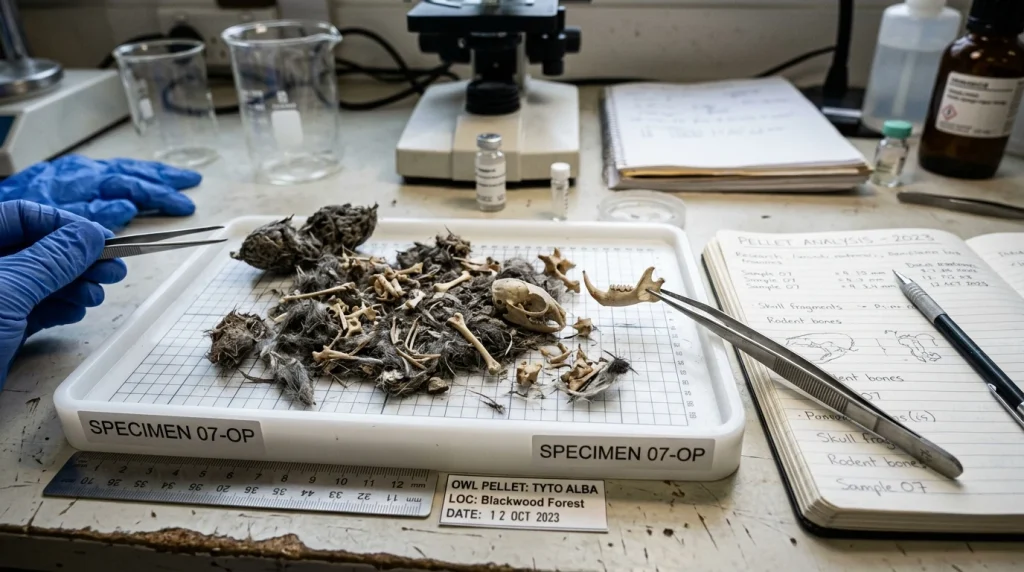
In the fragile and resource-constrained landscapes of arid and semi-arid ecosystems, understanding trophic food webs is essential for biodiversity conservation. Among nocturnal apex predators, owls (order Strigiformes) serve as invaluable ecological bio-indicators. The determination of owl dietary preferences through pellet analysis provides a non-invasive, quantitative window into predator-prey dynamics, small mammal community structure, and desert […]
Do Owls Eat Bats: Nocturnal Hunter vs Nocturnal Prey

Discover if owls eat bats in this fascinating exploration of nocturnal hunters and their prey. Learn essential insights about their behaviors and survival!
Do Owls Eat Birds: Surprising Hunting Targets Revealed

Discover if owls eat birds! Unearth surprising hunting targets and learn the truth behind these enigmatic hunters. Click to reveal their hidden secrets!
What Do Owls Eat Dreamlight Valley: Complete Feeding Guide

Discover what do owls eat in Dreamlight Valley! Uncover their feeding secrets and learn how to attract these fascinating birds to your garden today!
Do Owls Eat Cats: Protecting Your Pet from Predators
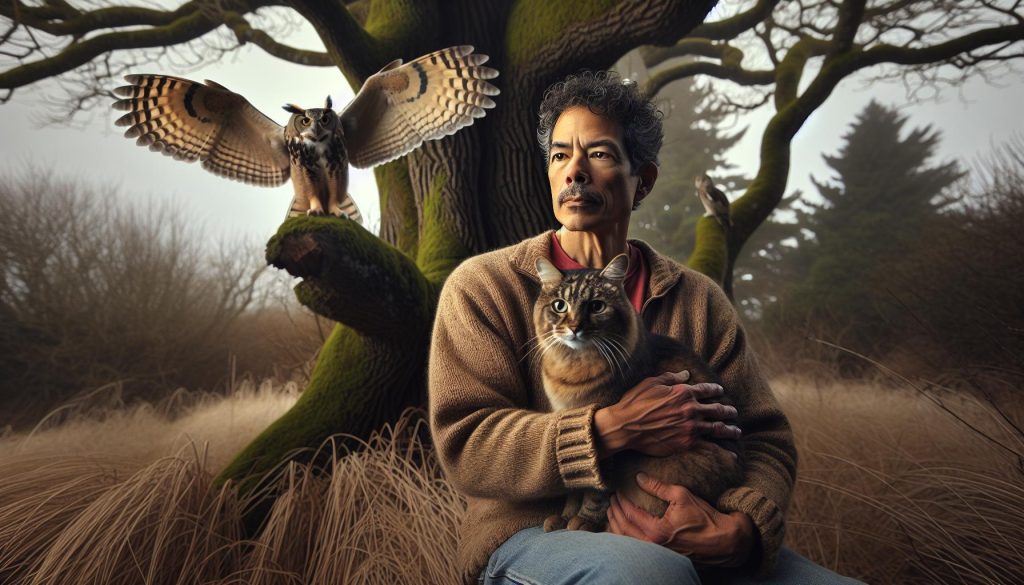
Worried about predators? Discover if owls eat cats and learn essential tips for protecting your pets from threats. Keep your furry friends safe today!
What Do Screech Owls Eat: Small Raptor’s Diet Guide
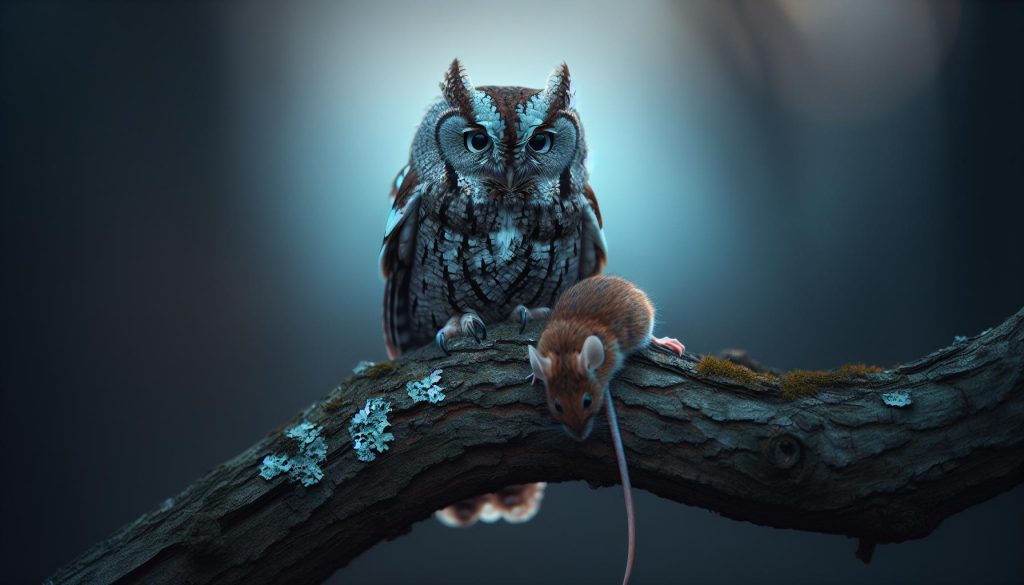
Discover what screech owls eat in our comprehensive diet guide! Learn essential insights on their favorite prey and unique feeding habits today!
Do Owls Eat Birds? Nocturnal Predator Diet

Discover the truth: Do owls eat birds? Uncover the surprising nocturnal predator diet, learn what these fascinating creatures really hunt, and more!
What Is an Owl Pellet: Fascinating Facts and Dissection Guide

Discover what an owl pellet is and unlock fascinating facts with our complete dissection guide! Learn how to explore wildlife mystery today!
Do Hawks Eat Owls: Raptor Rivalry Revealed

Discover the thrilling dynamics of the raptor rivalry in “Do Hawks Eat Owls: Raptor Rivalry Revealed.” Uncover the truth and surprising behaviors today!
Does Owl Eat Chicken: Protecting Your Poultry

Worried about owls preying on your flock? Discover effective strategies to protect your poultry from owls and ensure their safety today!
Core Framework Specifications & Reference Matrix
The core framework specifications and reference matrix below compare primary parameters, structural standards, and empirical applications across foundational guides.
| Reference Study / Guide | Key Parameters & Empirical Scope | Primary Application |
|---|---|---|
| Owl Pellet Osteology & Arid Ecosystem Prey Analysis | 1–2 daily pellets, > 85% rodent skull & jawbone recovery accuracy | ecological method |
| How Owls Form Pellets & Classroom Dissection Guide | 6–12 hour gizzard compaction, low stomach acidity (pH 2.2–2.5) | anatomical guide |
| Screech-Owl Seasonal Shifts: Beetles, Moths & Mice | 120–240 g owl shifting from summer insects to winter small birds | species diet |
| Opportunistic Bat Predation by Crepuscular Owls | Cave-emergence ambushes (< 5% typical diet, higher near roosts) | nocturnal ecology |
Specialized Sub-Domains & Analytical Guides
Specialized sub-domains and analytical guides organize secondary protocols, structural methods, and targeted evaluations.
Specialized Thematic Guides
Specialized Thematic Guides
Additional Specialized Guides & Case Studies
- What Do Owls Eat Dreamlight Valley: Complete Feeding Guide
- What Animals Eat Owls: Natural Predators Listed
- Can an Owl Eat a Snake: Predator vs Predator Showdown
- What Eats Owls: Natural Predators Revealed
- Do Owls Eat Hawks: Predator Hierarchy Revealed
- Will an Owl Eat a Cat: Risk Assessment for Pet Owners
- How Are Owl Pellets Formed: Digestion Process Revealed
- How to Get Cooked Owl in Grow a Garden: Game Strategy
- Do Owls Eat Squirrels: Backyard Predator Facts
- What to Feed Owls Dreamlight Valley: Complete Feeding List
- Snowy Owl Diet Revealed: What Do Arctic Owls Eat to Survive?
- What Do the Owls Eat in Dreamlight Valley: Game Feeding
- Do Owls Eat Other Birds: Avian Predation Patterns
- Can a Snake Eat an Owl: Predator vs Predator Battle
- Are Owls Carnivores: Diet and Feeding Behavior Facts
- Can You Eat Owl: Culinary History and Legal Issues
- Do Owls Poop: Everything About Owl Waste and Pellets
- Do Owls Prey on Cats: Pet Safety Facts Every Owner Needs
- What Do Barred Owls Eat: Forest Hunter’s Menu
- What Do Owls Eat? A Complete Diet Guide for All Species
- What Do Snowy Owls Eat: Arctic Hunting Habits Revealed
- Are Owls Omnivores: Dietary Classification Explained
- Would an Owl Eat a Cat: Predation Risk Analyzed
- Do Owls Eat Rabbits: Hunting Habits and Prey Selection
- Will Owls Eat Chickens: Coop Protection Strategies
- Do Owls Eat Mice: Primary Prey of Most Species
- What Do Great Horned Owls Eat: Powerful Predator’s Diet
- What Do Barn Owls Eat: Hunting Preferences Revealed
Core Analytical & Methodological Questions
Core analytical and methodological questions address primary structural rules, operational standards, and verification criteria.
Why do owl pellets preserve intact rodent skulls while hawk pellets dissolve bones?
Owls possess a higher gastric pH (around 2.2–2.5) than diurnal hawks and falcons (pH 1.3–1.8), leaving delicate mammal mandibles, teeth, and femurs uncorroded inside regurgitated fur-wrapped pellets. Scientists rely on these pellets for non-invasive small-mammal surveys.
Can a Great Horned Owl lift and carry away a full-grown adult house cat?
Great Horned Owls weigh only 1.1 to 1.8 kg and typically cannot fly off with prey heavier than their own body weight, though they may injure or kill kittens and small pets under 3 kg. Keeping cats indoors after sunset eliminates risk.
How frequently does a hunting owl regurgitate a compacted prey pellet?
Most Strigiformes birds regurgitate 1 to 2 tight oval pellets per 24-hour cycle, typically 6 to 12 hours after completing a nocturnal meal. An owl cannot swallow new large prey until the prior pellet clears its gizzard.