

Did you know that owl pellets can provide a fascinating glimpse into the diet of these mysterious nocturnal hunters? When owls digest their prey, the indigestible parts, such as bones and fur, are regurgitated as pellets. This natural occurrence not only captivates nature enthusiasts but also serves as a valuable educational tool, offering insight into local ecosystems. Whether you’re a beginner eager to learn or an experienced birder seeking an engaging activity, dissecting owl pellets can deepen your understanding of wildlife and enhance your observational skills. In this guide, we’ll dive into the intriguing world of owl pellets, explore their significance, and provide you with a step-by-step dissection guide that will spark your curiosity and appreciation for these remarkable creatures. Get ready for an adventure that combines science, exploration, and a touch of mystery!
What Are Owl Pellets and Their Purpose?
Owls are masters of the night, and one of their fascinating byproducts is the mysterious owl pellet. These compact, oval-shaped bundles are not just curious remnants but essential indicators of an owl’s diet and ecosystem role. When owls consume their prey, they digest the soft tissues and absorb the nutrients. However, the tougher parts, such as fur, bones, and teeth, are not digestible and end up being regurgitated as pellets. Typically, an owl will cast one pellet per day, often from its favored roosting spot, creating a clear sign of its presence in the area [1].
The primary purpose of owl pellets is to rid the owl’s body of indigestible materials. This process is not only vital for the owl’s health but also serves ecological functions. By casting these pellets, owls play a key role in nutrient cycling within their habitats. Researchers and bird enthusiasts often collect and analyze these pellets to gain insight into the dietary habits of owls, helping to identify the species they prey on and monitor population dynamics. In educational settings, owl pellets are particularly valuable, as dissection activities allow students to explore the anatomy of animals and understand food webs in a hands-on way [2].
From an ecological perspective, the contents of owl pellets can vary widely depending on the availability of prey in their environment. Researchers have found items such as insect exoskeletons, small mammals, and the remains of birds within these pellets, reflecting not only the owl’s diet but also the biodiversity of the area. Analyzing owl pellets can reveal important information about local ecosystems, making them a useful tool for conservationists [3]. This unique aspect of owls makes them not only interesting creatures to observe in the wild but also valuable allies in understanding and protecting our natural world.
The Fascinating Process of Owl Digestion
When it comes to understanding how owls thrive in their nocturnal worlds, the behind-the-scenes action of their digestive systems is nothing short of captivating. Unlike most birds, owls have a unique way of processing their food that allows them to thrive as apex predators. They consume prey such as rodents, birds, and insects whole, utilizing their formidable beaks and talons to capture and ingest their meals swiftly. Once inside the body, the soft tissues of their prey are digested in the stomach, absorbing the nutrients they need to survive and perform at their best.
However, not everything is digestible. The harder parts-like bones, fur, and feathers-are not broken down. Instead, these indigestible remnants are pushed into the gizzard, a muscular part of the digestive system that grinds the materials down. After a period of time, when the gizzard is full, these unprocessed leftovers are compacted into a tight mass, forming what we identify as an owl pellet. The owls will subsequently regurgitate these pellets, often once a day, usually from their preferred roosting spot, leaving behind an intriguing record of their diet for observant naturalists and researchers alike.
Understanding the process of owl digestion not only highlights the biology of these fascinating creatures but also emphasizes their ecological role. Through their unique method of food processing, owls help maintain the balance within their ecosystems. These pellets provide vital insights into the diets of owls and can reflect the health of their prey populations. As they produce these pellets, they facilitate nutrient cycling in their habitats, contributing to a healthier environment for multiple species. This fascinating process is a testament to the complex interactions that occur in nature and the importance of owls in our ecosystems.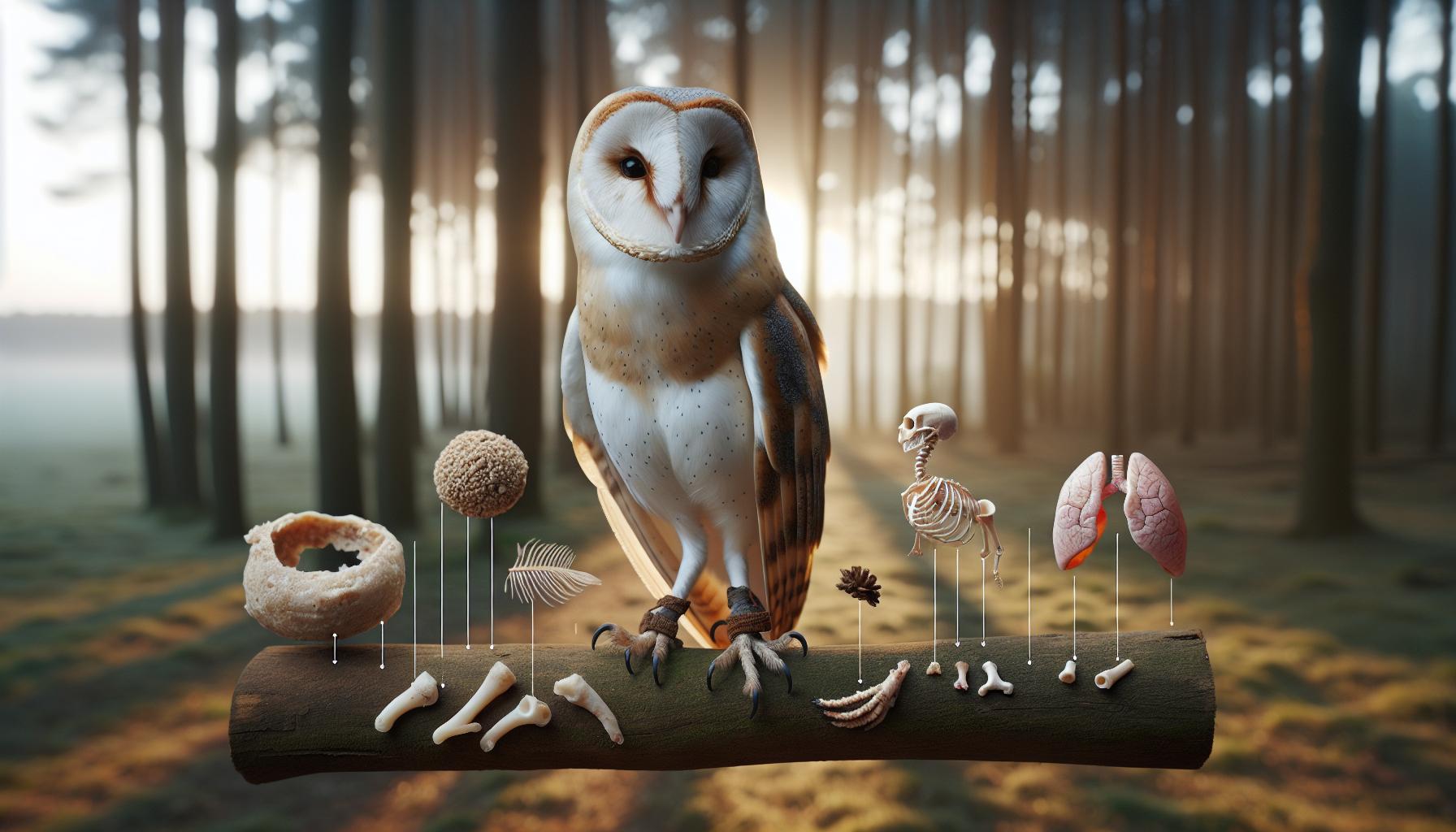
Identifying Common Objects in Owl Pellets
Owl pellets serve as a fascinating window into the diet of these intriguing birds of prey. When you dissect an owl pellet, you’re not just rummaging through clumps of fur and bone – you’re uncovering stories of the owl’s culinary adventures. Common objects found within these pellets reveal the owl’s preferred prey and can help identify the species of owl itself. The most frequent findings include small mammals like mice, voles, and shrews, as well as various birds and sometimes even insects. Each pellet carries a unique mosaic of remains, providing clues about the local ecosystem.
To help you identify these objects, here are some characteristics to look out for:
- Pellet Composition: Owl pellets can be compact and dense, easily recognizable by their cylindrical shape. Dissecting one often reveals fur, feathers, bones, and sometimes teeth or even insect exoskeletons.
- Fur and Bones: The fur is often clumped together, and if you carefully separate it, you may find small bones. Rodent bones are usually thin, cylindrical, and can include jawbones and vertebrae.
- Feathers: Bird feathers might be recognizable by their distinctive shapes and sizes. These can range from tiny downy feathers to larger flight feathers, often indicating the species of bird the owl has consumed.
- Other Remnants: Occasionally, you might stumble upon the remains of larger insects, like beetles, which could point to a varied diet in the owl‘s habitat.
By examining these elements, even novice birders can infer which prey species are thriving in their area and gain a clearer picture of the owls’ dietary habits. This makes pellet analysis not only an entertaining activity but also an enlightening experience, linking you to broader ecological dynamics at play. As you dive deeper into the process, consider keeping a journal to record your findings and reflect on the variety of life in the ecosystems where owls reside. Your observations can lead to a richer understanding of the natural world and the important role these captivating predators play within it.
Step-by-Step Guide to Dissecting Owl Pellets
Dissecting owl pellets is not just a science experiment; it’s an exciting adventure into understanding the diets of these amazing nocturnal hunters. With their compact structure, owl pellets serve as a treasure trove of information waiting to be unveiled. Here’s a straightforward guide to help you embark on this educational journey.
Begin by gathering your materials. You will need a clean workspace, a dissection tray or a white sheet of paper to catch any loose contents, tweezers, and a magnifying glass for a closer look. A good light source can also be beneficial, as it helps illuminate the details within the pellet. Wearing gloves is recommended to keep things hygienic.
Once you have your tools at hand, take the dried owl pellet and gently unwrap it if it’s in foil. Start by observing its shape and texture; owl pellets are typically elongated and can feel fibrous. Next, use your fingers or tweezers to gently pull the pellet apart. As you break it open, you will likely see clumps of fur, bones, and sometimes feathers.
As you start dissecting, separate the components. Place bones, fur, and feathers into distinct piles. Take your time to inspect each piece: bones may resemble small rods or fragments of skulls, while feathers will vary in size and structure. Document your findings in a notebook, noting the different items you uncover. This step can greatly enhance your understanding of what the owl has eaten and can lead to interesting discussions about local wildlife.
Finally, take a moment to reflect on your discoveries. Comparing your findings to guides or online resources can aid in identifying the various prey items, enhancing your knowledge of owl diets and the ecosystems around you. Engaging in owl pellet dissection not only reveals the dietary habits of these extraordinary creatures but also deepens your appreciation for the interwoven fabric of nature. Exploratory and educational, this activity is a gateway to understanding the vital role owls play in our ecosystems.
Uncovering the Science Behind Owl Pellet Analysis
Owl pellets are not just intriguing remnants of an owl’s meal but are also valuable scientific resources that unlock the secrets of the ecosystem they inhabit. Each pellet serves as a time capsule of the owl’s diet, reflecting the biodiversity of its surroundings. The analysis of these pellets provides critical insights into local wildlife populations, predator-prey dynamics, and even environmental changes over time. For naturalists and educators alike, diving into owl pellet analysis opens a window into the hidden lives of these nocturnal hunters and the myriad organisms they interact with.
When engaging in owl pellet analysis, the primary focus is on identifying the various undigested remains found within. This includes bones, fur, and feathers, each telling a story about the prey species consumed. For instance, through careful examination, one can determine whether an owl has primarily fed on rodents, insects, or birds by analyzing the skeletal remains present in the pellet. This kind of study not only fosters a deeper appreciation for a bird’s diet but also emphasizes the interconnectedness of species within their habitat.
Scientific Techniques in Pellet Analysis
Conducting a thorough analysis of owl pellets can utilize both qualitative and quantitative methods. Here are some common approaches:
- Bone Identification: Using comparative anatomy, enthusiasts can match bone fragments to known species, offering a direct link to the owl’s diet.
- Fur and Feather Sampling: By examining the texture and color of fur and feathers, contributors can further narrow down the potential victims of the owl’s hunting.
- Population Studies: By collecting and analyzing multiple pellets from a single location, researchers can estimate the abundance of various prey species in that area.
As the analysis progresses, documenting findings in a systematic manner-perhaps through sketches or photographs-can enhance understanding and enable further exploration. Additionally, teachers can incorporate these activities into their curriculum, creating a hands-on experience that aligns with biological and ecological studies. Understanding the richness of owl pellets transforms a simple dissection into an engaging investigation of nature, encouraging participants to ask questions about the roles different species play in their ecosystems.
In conclusion, the science behind owl pellet analysis is a captivating intersection of biology, ecology, and education. Whether you’re a newcomer or a seasoned bird watcher, unearthing the hidden information in each pellet can deepen your appreciation of wildlife and the intricate web of life that sustains our planet.
Educational Benefits of Owl Pellet Dissection
Engaging with owl pellet dissection opens a captivating door to understanding both avian biology and broader ecological principles. This hands-on experience not only ignites curiosity but also fosters essential scientific skills. As students meticulously dissect these fascinating remnants of owl digestion, they explore real-world applications of biology, ecology, and anatomy, turning a simple activity into an enriching educational experience.
Critical Thinking and Analysis
Owl pellet dissection encourages critical thinking as learners test hypotheses about what an owl has eaten based on the contents of the pellet. By identifying bones, fur, and feathers, they piece together the predator-prey dynamics within their local ecosystems. This analysis can lead to discussions on biodiversity, the role of different species within habitats, and the impact of environmental changes. Through guided inquiry, students learn not just to observe, but to question and interpret their findings.
Hands-On Learning and Engagement
The tactile experience of dissecting owl pellets makes scientific concepts more tangible. Students who may struggle with abstract notions in the classroom often find new enthusiasm when engaged in practical, hands-on activities. This method aligns perfectly with kinesthetic learning styles, making the exploration of biological concepts exciting and memorable. Moreover, the dissection process can spark interest in broader topics, such as conservation and the ecological roles that owls and their prey play in maintaining balance within their environments.
Collaboration and Communication Skills
Dissecting owl pellets is often a group activity that promotes teamwork and communication. As students work together, they develop collaborative problem-solving skills and learn to discuss their findings constructively. These interpersonal skills are invaluable, extending beyond the realm of science into general life skills. Engaging in group discussions encourages students to articulate their thoughts, fostering a deeper understanding of the subject matter while also building confidence in their scientific acumen.
Ultimately, the extend well beyond the classroom. Students gain practical experience in scientific methodology while developing a keen appreciation for the natural world. Whether in formal education settings or home science explorations, the journey into the world of owl pellets is a gateway to a lifetime of curiosity and learning.
Different Species of Owls and Their Pellets
Owls, some of nature’s most intriguing predators, come in various species, each leaving behind distinctive pellets that tell a unique story of their hunting habits. For example, the Barn Owl, known for its heart-shaped face and silent flight, produces pellets that are primarily composed of the bones and fur of small mammals like mice and voles. These pellets are often long and cylindrical, allowing a glimpse into their nocturnal menu. Meanwhile, Great Horned Owls, notable for their tufted “horns,” tend to consume larger prey, including rabbits and birds, resulting in larger, bulkier pellets that can contain feathers and more substantial bone fragments.
Species-Specific Pellet Characteristics
When examining pellets, enthusiasts often notice variations in size, shape, and content that can help identify the species responsible. Below is a brief overview of some common owl species and their pellet characteristics:
| Owl Species | Typical Prey | Pellet Features |
|---|---|---|
| Barn Owl | Mice, Voles | Long, cylindrical, often containing fur and small bones. |
| Great Horned Owl | Rabbits, Birds | Larger, bulkier, containing feathers and larger bones. |
| Eastern Screech Owl | Insects, Small Mammals | Compact, with a mix of fur and small insect fragments. |
| Snowy Owl | Lemmings, Birds | Fleshy pellets that may include fish scales, often rounder. |
Understanding these differences is not just fascinating; it opens the door to exploring each owl’s dietary habits and ecological role. It highlights how their hunting preferences influence local ecosystems. For instance, the Barn Owl’s diet predominantly of small rodents helps control their populations, illustrating the interconnectedness of predator and prey in maintaining ecological balance.
This identification process can be an exciting journey into the world of owls that captivates both beginners and seasoned birders. Engaging with these pellets during dissection not only enhances observational skills but also deepens appreciation for the intricate dynamics of nature. Whether you’re a budding naturalist or a seasoned researcher, delving into the world of owl pellets enriches your understanding of wildlife and encourages further exploration into conservation and habitat protection.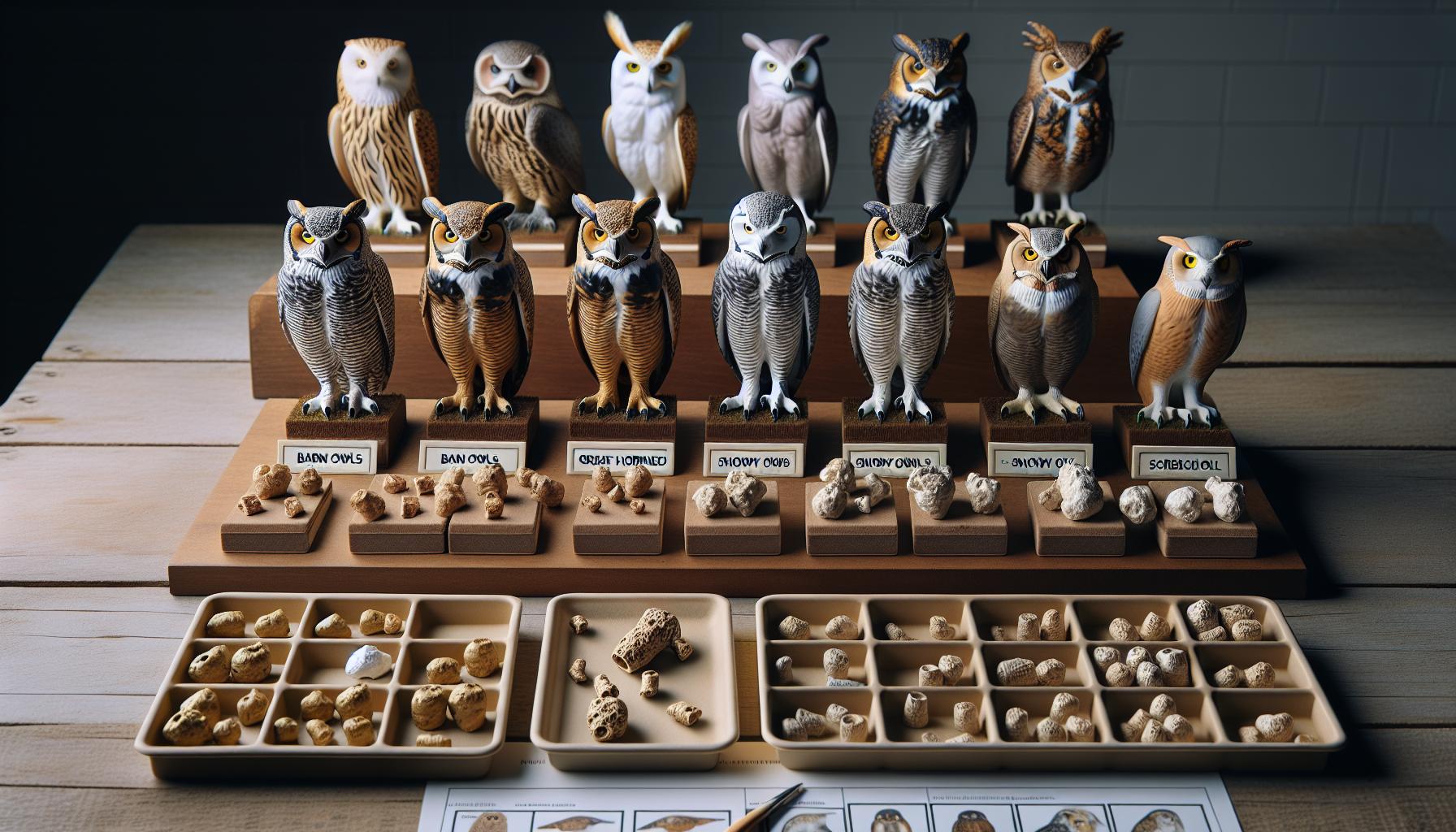
Integrating Owl Pellets into Classroom Learning
can ignite curiosity and bring the mysteries of nature right into the educational environment. The hands-on experience of dissecting owl pellets offers students a tangible connection to ecology, biology, and the food web. By examining what’s inside these fascinating pellets, learners can explore food chains and gain insights into predator-prey relationships. This immersive activity not only enriches their understanding of science but also fosters critical thinking and observational skills.
To effectively incorporate owl pellet dissection into the curriculum, educators can begin by aligning the activity with existing science standards. For example, lessons can focus on the anatomy of prey animals or the ecological importance of owls as apex predators. Preparation is key: ensure that students have access to the necessary tools, such as tweezers, magnifying glasses, and identification charts for the bones found in pellets. A quick class discussion on owl species and their diets can provide context, making the dissection more meaningful.
Moreover, engaging students in collaborative learning can enhance the experience. Organize students into small groups where they can share findings and discuss the implications of their discoveries. Encourage them to document their observations in a lab report or presentation format, which can reinforce their learning and allow them to present their insights to peers. This process also imbues a sense of responsibility and ownership over their learning.
Using technology can also elevate the educational experience. Consider integrating digital tools such as online databases where students can upload images of their findings or participate in virtual dissections. By blending traditional methods with technology, students can further appreciate the role of data collection in biological research. As they examine the ecological role of owls through this interactive approach, they are not just learning about the animals; they are also understanding the broader environmental issues that impact ecosystems, setting the stage for future conservation efforts.
Incorporating owl pellets into classroom learning transforms a simple dissection into a comprehensive educational exploration, enriching students’ scientific literacy while inspiring a deeper connection to the natural world.
Fun Facts About Owls and Their Habitats
Owls are one of the most fascinating creatures of the night, often shrouded in mystery and folklore. Did you know that these magnificent birds can rotate their heads almost completely around? This exceptional ability is due to their unique skeletal structure, which allows for a rotation of up to 270 degrees-a feature that helps them remain alert to sounds in their surroundings without moving their bodies. Owls can be found in diverse habitats, from dense forests and open fields to urban areas and wetlands. Their adaptability is a testament to their prowess as silent hunters.
In terms of diet, owls are voracious predators, primarily feeding on small mammals, birds, and insects. When they consume their prey, they swallow it whole, and the indigestible parts-like fur and bones-are later regurgitated as owl pellets. This process not only aids in digestion but also provides a unique opportunity for us to learn about their diets and the ecosystems they inhabit. For instance, dissecting owl pellets can reveal what types of prey are found in a specific area, offering insights into local food chains and ecological balance.
Owls come in various species, each with its own distinctive habits and preferences. For example, the Great Horned Owl, known for its tuft-like ear feathers, prefers forests and mountains, while the Barn Owl, with its heart-shaped face, favors open farmland and grasslands. Each species occupies specific niches in their habitats, balancing the presence of pests and small mammal populations, making them crucial for ecosystem health.
Incorporating fun facts about owls into classroom discussions can inspire curiosity and engagement among students. For example, sharing that owls don’t hoot exclusively-certain species are known for their eerie screams or whistles-can add an imaginative element. Additionally, introducing students to the concept of nocturnal versus diurnal animals can deepen their understanding of animal behaviors and adaptations. Owls, with their remarkable adaptations and ecological roles, serve as excellent study subjects, encouraging a closer look at the intricate ties between wildlife and the natural world.
Comparing Owl Pellets: What Makes Them Unique?
When exploring the fascinating world of owl pellets, what stands out is their unique composition. Unlike the pellets of other birds, owl pellets are compact balls of undigested materials, primarily composed of bones, fur, feathers, and exoskeletons of insects, all regurgitated after an owl has feasted on its prey. The contents of owl pellets can vary significantly, and this diversity is influenced by the owl’s diet, which reflects the local ecosystem and food availability. For instance, a Barn Owl may consume more small mammals, leading to a higher presence of rodent bones in its pellets compared to a Great Horned Owl that might have a more varied diet including birds and other small creatures.
One of the most fascinating aspects of owl pellets is how they provide insight into the dietary habits of different owl species. By examining the specific contents of pellets, researchers and enthusiasts can determine what types of prey are prevalent in an owl’s territory. This can inform us about local biodiversity and food web dynamics. Pellets from the same species in different environments can look markedly different, illustrating the importance of habitat in shaping dietary habits. Awareness of these nuances can enhance our understanding of the ecological role that these birds of prey fulfill.
Moreover, distinguishing between the pellets of various owl species can be an engaging part of the dissection process. For instance, the larger and furrier pellets of a Great Horned Owl may contain more complex structures compared to the more compact and bone-laden pellets of a Barn Owl. Dissections can lead to exciting discoveries; unexpected items like insect parts or the remains of small birds can sometimes surface, showcasing the adaptability and opportunistic feeding behaviors of owls. Whether you’re a passionate bird-watcher or a curious newcomer, the exploration of owl pellets opens a window into the secret lives of these majestic birds.
Best Tools for Owl Pellet Dissection at Home
To fully appreciate the intricate details embedded within owl pellets, having the right tools for dissection can transform a simple exploration into an engaging scientific adventure. While digging into these fascinating remnants of an owl’s meal, the right equipment helps unearth bones, fur, and feathers, allowing for a closer look at the dietary habits of these remarkable birds.
A basic dissection kit is essential for any enthusiastic learner. Here’s what you’ll need:
- Dissection Tray: A sturdy tray will provide a clean, contained workspace for your dissection. It keeps the pellets organized and prevents any mess.
- Forceps: These are invaluable for carefully picking apart the pellet and extracting delicate bones without causing damage.
- Dissection Scissors: Small, sharp scissors can help you cut through tough material quickly. They’re perfect for opening the pellet if it’s especially compact.
- Magnifying Glass: For those tiny bones or intricate fur details, a magnifying glass enhances your examination process, allowing you to discover all the minuscule features.
- Bone Identification Guide: Having a reference book or printout showing common prey items found in owl pellets can help you accurately identify the bones and other materials.
- Notebook and Pencil: Keeping notes during your dissection can be very helpful. Record your findings, sketches of what you discover, and any interesting observations you make.
- Gloves: While handling pellets, wearing gloves can keep everything sanitary and protect your hands from any potentially sharp objects.
Organizing Your Workspace
Before diving into dissection, it’s a good idea to have an organized workspace. Lay out your tools and materials within easy reach to maintain workflow. Charged with curiosity, students can quickly get distracted, so having everything organized prevents unnecessary interruptions.
Another fun tip is to gather other participants for a group dissection! Set up multiple trays and tools, and invite friends or family to join in. This can foster collaboration and lively discussions as everyone shares their discoveries and findings, turning the experience into a shared learning event that’s both informative and enjoyable.
With the right tools and a bit of preparation, dissecting owl pellets at home can be a thrilling experience that unveils secrets about these fascinating creatures and their diets. It’s not just about science; it’s also about connecting with nature and developing observational skills that can spark a lasting interest in ornithology and ecology. Happy dissecting!
Conservation and the Role of Owls in Ecosystems
The role of owls in ecosystems is not just fascinating-it’s crucial. As top nocturnal predators, owls help maintain the balance of various ecosystems by controlling the populations of small mammals, insects, and other prey. For instance, species such as the Great Horned Owl can consume a variety of prey, from rodents to rabbits, significantly influencing their populations and, in turn, the overall health of their habitat. This predation clears the way for diverse species to thrive, preventing any one species from overwhelming the ecosystem.
Owls also serve as bioindicators, meaning their presence, population health, and dietary patterns reflect the conditions of their environment. Because they are often at the top of the food chain, changes in owl populations can signal shifts in ecology or potential environmental problems, such as habitat loss or pollution. For example, if owls begin to decline in a given area, it might suggest that local prey species are disappearing, or that there are harmful substances affecting both the owls and their food sources.
In addition to their ecological roles, owls contribute to cultural and educational values. Many cultures revere owls as symbols of wisdom, and their unique adaptations, such as excellent night vision and silent flight, continue to intrigue nature enthusiasts and scientists alike. Educating communities about the importance of owls can foster greater conservation efforts, leading to enhanced protection of their habitats. Creating awareness helps motivate individuals to participate in conservation activities, from habitat restoration to supporting local wildlife organizations.
Ultimately, the preservation of owls and their habitats is essential, not only for biodiversity but for the ecological stability of our surroundings. By appreciating the integral roles that owls play, we can become more active stewards of the natural world, ensuring that these magnificent birds continue to thrive for generations to come.
Frequently asked questions
Q: What can you find in owl pellets?
A: Owl pellets mostly contain undigested remains of the animals owls prey on, such as small mammals, birds, and insects. By dissecting them, you can uncover bones, fur, feathers, and more, which provide insights into the owl’s diet and local ecosystem. For details on identifying these objects, check the section on identifying common objects in owl pellets.
Q: How are owl pellets formed?
A: Owl pellets are formed from the undigested parts of an owl’s food. After consuming their prey, owls digest the edible parts and regurgitate the indigestible remains, forming pellets. This process not only aids digestion but also helps keep the owl’s environment clean.
Q: Where can you buy owl pellets for dissection?
A: Owl pellets can be purchased from various educational suppliers and online retailers specializing in science kits. Ensure the pellets are ethically sourced from wildlife centers or educational organizations to support conservation efforts.
Q: Why dissect owl pellets in schools?
A: Dissecting owl pellets in schools provides a hands-on learning experience about ecosystems and predator-prey relationships. It engages students in biology and encourages critical thinking as they analyze and identify the contents, aligning with science curricula.
Q: What tools do I need for owl pellet dissection?
A: Essential tools for dissection include tweezers, scissors, a small magnifying glass, and a tray to collect findings. Optional tools like gloves and brushes can help maintain cleanliness. For a detailed list, refer to the “Best Tools for Owl Pellet Dissection at Home” section.
Q: How can you determine the species of owl from a pellet?
A: Identifying the size, shape, and contents of an owl pellet can suggest its species. Larger pellets may come from Great Horned Owls, while smaller pellets might be from Barn Owls. Analyzing the prey remains can provide additional clues about the specific owl species.
Q: What educational benefits does owl pellet dissection offer?
A: Owl pellet dissection fosters skills in observation, classification, and analysis. It enhances understanding of food chains and biodiversity, making complex ecological concepts more tangible. This hands-on activity often promotes excitement about learning science.
Q: When is the best time to collect owl pellets?
A: The best time to collect owl pellets is during late winter and early spring after a rainy season, when they are more likely to be found under trees and roosting sites. Timing can maximize your chances of finding fresh and intact pellets for dissection.
Explore more in your studies by diving deeper into the section on “Uncovering the Science Behind Owl Pellet Analysis.”
Wrapping Up
Now that you’ve uncovered the fascinating world of owl pellets, complete with their unique insights and dissection tips, it’s time to dive deeper into bird biology and ecology. Explore our related articles on birdwatching techniques and the importance of raptor conservation to further enhance your understanding and appreciation of these incredible creatures.
Don’t miss out on the chance to enrich your learning experience-sign up for our newsletter for exclusive content and tips straight to your inbox! If you have questions or want to share your owl pellet discoveries, drop a comment below. Your engagement not only helps us grow but also fosters a community of passionate bird enthusiasts.
Remember, every owl pellet tells a story! Continue your adventure by checking out our resources on other fascinating wildlife and join us as we uncover more secrets of the natural world. Happy exploring!
Get our latest guides, news, and insights highlighted in your Google Search & AI Overviews.










