Toucans are not just vibrant symbols of tropical rainforests; they also have fascinating breeding habits that intrigue bird enthusiasts and casual observers alike. Did you know that a typical toucan may lay two to four eggs in a single clutch? Understanding their breeding behavior is vital for those interested in conservation, breeding programs, or simply enjoying the presence of these extraordinary birds. Whether you’re a seasoned birder or a curious beginner, this exploration of toucan reproduction will unveil the secrets behind their nesting practices and the optimal environments they thrive in. Join me as we delve into the life cycle of toucans, uncovering the egg-laying process, care of the young, and tips for creating a conducive habitat for these charismatic creatures. This knowledge not only enriches your appreciation for toucans but also equips you with the tools to contribute positively to their conservation.
Breeding Behavior of Toucans: An Overview
Toucans are fascinating creatures not only because of their striking appearance but also due to their unique breeding behaviors. These vibrant birds generally engage in monogamous relationships, selecting a mate with whom they will breed for several seasons. The courtship rituals are often elaborate, involving vibrant displays, vocalizations, and mutual preening, which solidify pair bonds and increase intimacy within the partnership.
When breeding season approaches, which typically occurs during the dry months, toucans exhibit specific nesting preferences. They favor tree cavities or holes created by woodpeckers, where they feel secure and hidden from potential predators. The female usually lays two to four eggs, depending on the species, and the eggs are typically white and slightly oval-shaped. Both parents take turns incubating the eggs, ensuring they remain warm and safe until hatching. The incubation period lasts about 16 to 20 days, during which the parents will also engage in vocalizations to communicate with one another and signal nesting responsibilities.
Once the eggs hatch, parents continue to take an active role in raising their chicks. The young are altricial, meaning they are born featherless and completely dependent on their parents for food and warmth. Both parents participate in feeding the chicks with a diet primarily consisting of soft fruits and insects, gradually introducing them to more solid foods as they grow. Typically, the chicks fledge about 6 to 7 weeks after hatching, but they may remain with their parents for an extended period to learn essential survival skills. However, the breeding success of toucans can be influenced by various factors, including habitat availability, food resources, and environmental changes, making the conservation of their habitats vital for their ongoing reproductive success.
Nesting Habits: Where Do Toucans Lay Eggs?
Toucans have a remarkable knack for selecting their nesting locations, which play a critical role in their breeding success. They are often drawn to natural tree cavities or holes that have been excavated by woodpeckers. These spaces offer not only shelter but also a degree of protection from predators, which is vital for the safety of both the eggs and the developing chicks. The depth and structure of these cavities are ideal as they allow for easy access and a secure environment to nurture their young.
Typically, nesting occurs high off the ground in the safety of large trees, which adds another layer of security. The preferred trees are generally found in tropical and subtropical forests, areas where toucans can also find ample food sources nearby. Once a suitable cavity is chosen, the female toucan lays her eggs-usually between two to four-right inside, creating a snug and secure environment for her progeny. These eggs are often white and slightly oval-shaped, perfectly designed to fit in the confines of their chosen nesting spot.
An interesting aspect of toucan nesting behavior is their communal care approach. While it is primarily the female that lays and incubates the eggs, both parents are actively involved in the nurturing process. This shared responsibility not only strengthens their bond but also enhances the chances of successful hatching. The incubation period lasts approximately 16 to 20 days, during which both parents will meticulously monitor the eggs, ensuring they are kept at the proper temperature and protected from harm.
Overall, the nesting habits of toucans reflect their evolutionary adaptations to thrive in their environments. By utilizing existing cavities in trees and sharing parenting duties, they improve their chances of raising healthy chicks, ultimately contributing to the continuation of their species. These practices underscore the incredible role of habitat and ecology in the reproductive strategies of birds, and understanding them is crucial for conservation efforts aimed at preserving these vibrant and beloved creatures.
Average Clutch Size: How Many Eggs Are Laid?
The number of eggs a toucan lays can vary not only by the species but also by environmental factors and their breeding conditions. Typically, most toucan species exhibit a clutch size between two to four eggs. This modest clutch size is crucial in ensuring that both the parents can devote sufficient care to each egg. The eggs themselves are usually white and slightly oblong, designed to fit snugly within the confines of the nesting cavity.
For instance, the Toco Toucan, which is perhaps the most recognizable species, commonly lays about two to four eggs in a single nesting season, with around three eggs being the average reported clutch size. This pattern holds for other species, though there is some flexibility depending on specific circumstances such as food availability and environmental stressors. Parents are very selective about their nesting sites, often opting for cavities that provide protection and ease of access, which can enhance the likelihood of successful hatching.
Nestlings rely heavily on the available resources during their early days. A smaller clutch size allows each chick to receive adequate nutrition as parents can forage effectively and bring back enough food for all their offspring. This strategy not only maximizes the survival rate of the chicks but also showcases the parents’ adaptation to their ecological niche.
Interestingly, there can also be variations in clutch size within the same species based on geographic location. For instance, toucans in regions with abundant food and fewer predators may have slightly larger clutches since the environmental pressures are less intense. In regions where resources are scarce, toucans might tend toward laying fewer eggs and investing more time and energy in raising their limited brood. This flexible reproductive strategy underscores the remarkable adaptability of toucans in changing environments.
Incubation Period: How Long Do Toucans Sit on Eggs?
The incubation period for toucans is a fascinating aspect of their breeding behavior that showcases the dedication of these birds as parents. Generally lasting between 14 to 18 days, this crucial phase is where both parents play a significant role in ensuring the eggs are kept warm and safe until they hatch. The warm temperatures provided by the sitting parent help to maintain the ideal conditions for development, allowing the embryos to grow securely within their eggs.
During this period, you might observe a remarkable contrast in parental responsibilities. While one parent incubates the eggs, the other will forage for food to sustain both themselves and the incubating partner. This division of labor is not just efficient; it highlights the strong partnership that toucans uphold. Despite their occasional playful and interactive behaviors, their commitment to nurturing their young is taken very seriously, and each parent takes turns sitting on the nest to prevent exhaustion.
A notable adaptation in this process is how toucans strategically choose their nesting sites. They often select tree cavities that are well-hidden from potential predators, ensuring not only a stable environment for the eggs but also a safe retreat for the fledglings post-hatching. This protective instinct during the incubation phase is vital for enhancing the chances of survival for the newly hatched chicks. As a result, the choice of nesting location, combined with attentive parental care, sets the groundwork for a successful breeding season.
Overall, the incubation period for toucans exemplifies their strong family dynamics and adaptability to their ecological niches. Watching this period unfold provides a glimpse into the delicate balance of nature, where warmth, safety, and parental involvement intertwine to bring new life into the world.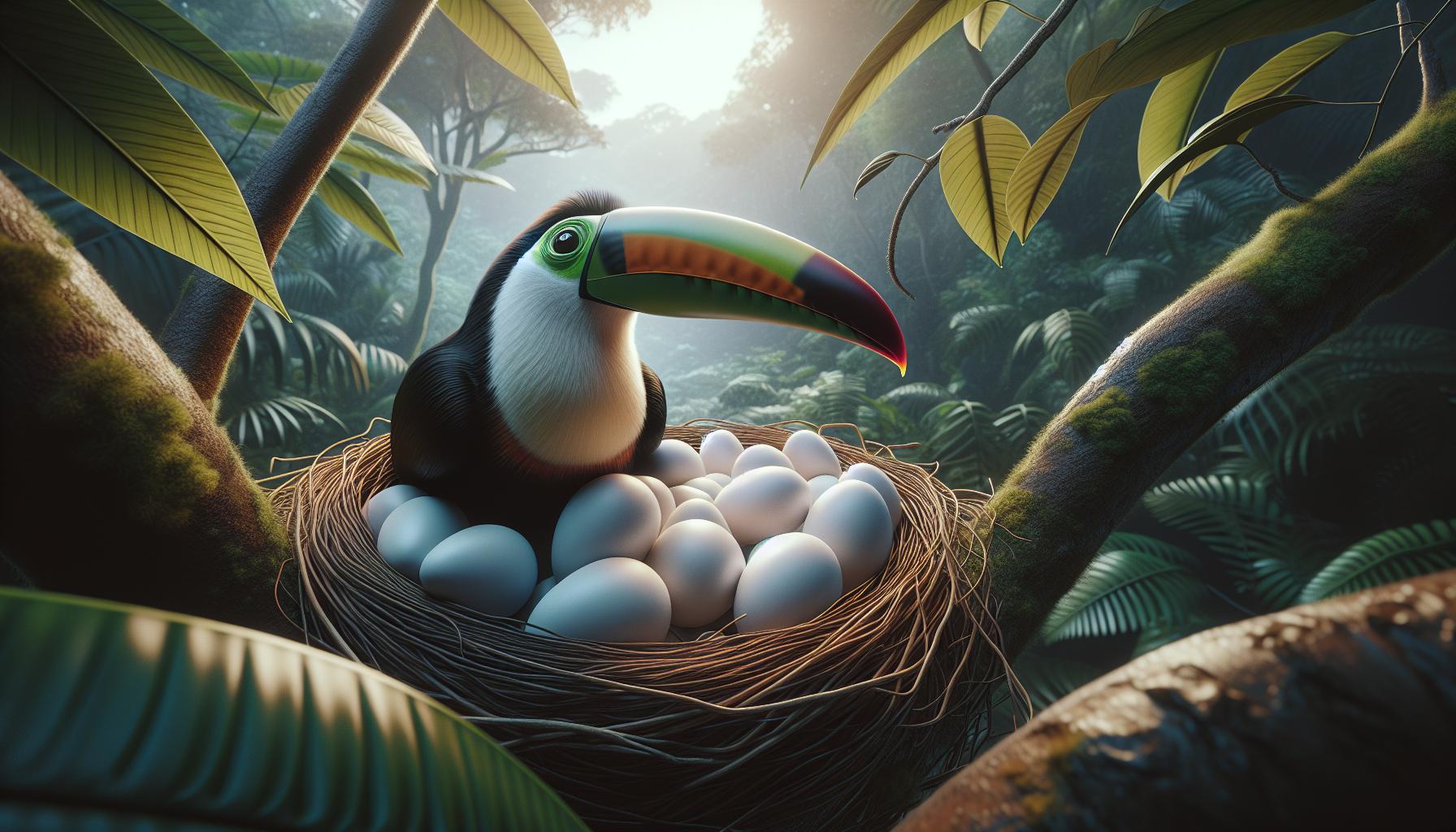
Role of Parents: Who Takes Care of the Eggs?
When it comes to toucans, the parental role is a magnificent display of cooperation and commitment. Both male and female toucans share incubation duties equally, ensuring that their eggs receive consistent warmth and protection. This strong partnership is vital; while one partner incubates, the other will forage for food, bringing back nourishment to sustain both themselves and the sitting parent. This energetic teamwork not only reflects their bond but is also crucial for the successful rearing of their young.
Toucans typically lay a clutch of 2 to 4 eggs, which both parents take turns incubating for about 17 to 18 days. This mutual involvement helps maintain stable temperatures, essential for the embryos’ development. While alternating incubation shifts, they exhibit a fascinating behavior of communication-soft calls can be heard exchanged between partners, reinforcing their connection and ensuring that both parents remain attuned to the needs of the eggs.
In their selected nesting sites, often deep within tree hollows, these birds prioritize safety and comfort. The choice of location is crucial: it needs to be secluded from predators and ideally at an appropriate temperature and humidity level for the eggs. Once the chicks hatch, the shared duties do not cease. Both parents continue to play a significant role in feeding and protecting their young, showcasing the exceptional level of care that distinguishes toucans in the avian world. Their nurturing instinct highlights not only their parental dedication but also the intricate behaviors that contribute to the success of their breeding cycle.
Through this strong collaborative effort, toucans not only enhance the survival rates of their offspring but also model a fascinating dynamic in avian parenting that many bird enthusiasts and casual observers alike can appreciate.
Hatching Process: What to Expect When Toucans Hatch
The moment is thrilling when toucan eggs begin to hatch; it’s a breathtaking event that marks the transition from potential life to lively reality. Typically, after an incubation period of around 17 to 18 days, you can expect to see the first cracks appearing on the eggshells. Toco toucans, the largest of their family, are particularly striking during this period, as their vibrant, colorful features become even more pronounced when accompanied by the bright-eyed chicks they nurture.
As the hatching process unfolds, you may notice a fascinating behavior called “egg pecking.” The newly hatched chick emerges from its shell by using its egg tooth-a temporary, pointed structure on the tip of its beak. This critical tool helps them break through the tough shell, and it usually takes several hours for the chick to fully emerge. Both parents are highly attentive during this process, offering encouragement with soft vocalizations, which undoubtedly aids in the newborn’s initial struggle.
Once the chick has hatched, it is completely dependent on its parents for food and warmth. The parents quickly begin to recognize the unique sounds of their chicks, ensuring they can identify them among the others. Toco toucan chicks are born with closed eyes and sparse downy feathers, making them look quite unlike their parents. At this stage, they rely on their parents to bring back regurgitated fruit and insects, which serves as their primary diet.
Moreover, the environment they inhabit plays a pivotal role in ensuring successful hatching and chick development. Nesting sites are a carefully chosen sanctuary within tree hollows, providing safety from predators and optimal conditions for raising their young. As the weeks progress, the chicks will rapidly develop their unique features, including their large beaks, necessitating attentive care and feeding from both parents to support their growth. The collaborative effort observed between the parents not only facilitates successful hatching but also lays the foundation for nurturing their young into healthy, independent toucans.
Raising Chicks: What Happens After They Hatch?
After the exciting moment of hatching, toucan chicks enter a world where survival hinges entirely on their parents. These new arrivals are not only adorable but also remarkably vulnerable. With their eyes closed and bodies covered in downy fluff, they are entirely dependent on their parents for nourishment and warmth. This period is crucial for their development, and the attentiveness of the parents is paramount.
Both the mother and father toucan engage in a remarkable process of caring for their young. Initially, the parents provide regurgitated food, which includes a mix of fruits and insects. Interestingly, the parents communicate with their chicks through soft vocalizations, helping the chicks identify their caregivers amidst possible noise and distractions. This early stage sets a foundation for social bonds that will be essential as the chicks grow.
As time progresses, toucan chicks will begin to shed their downy feathers, promoting the growth of their distinctive plumage. Their beaks, initially small and underdeveloped, will expand significantly, defining their unique toucan appearance. Parent toucans play an active role during this period, ensuring their chicks remain safe and well-fed. They must be vigilant against potential threats from predators while teaching their offspring essential survival skills.
By the time they reach about six weeks old, the chicks are typically ready to make their first exploratory ventures outside the nest. It’s a fascinating transition, as these brave little toucans will start to practice flying and foraging under the watchful eyes of their parents. The nurturing environment provided by their parents, combined with the safety of their hollow tree nest, equips them to develop into independent birds capable of sustaining themselves. This phase of raising chicks not only highlights the essential role of parental care in toucan breeding but also showcases the deep social bonds that are a hallmark of these remarkable birds.
Breeding Seasons: When Do Toucans Mate?
The vibrant and sociable toucan engages in its courtship rituals primarily around the onset of the rainy season, which varies depending on their geographical location. This is a critical time, as the abundance of food sources during wet months makes it ideal for breeding. Typically, toucans commence their mating season between late winter and early spring, although specific timings can differ among various species. For instance, tropical species might breed year-round, while those in temperate climates align their breeding with specific seasonal changes, correlating with fruiting cycles and resource availability.
These totemic birds exhibit fascinating courtship behaviors. Males will often perform elaborate displays, showcasing their spectacular bills as a way to attract females. This can involve wing-flapping, head-bobbing, and various vocalizations that contribute to their unique and expressive mating dance. Once a pair has formed a bond, they will often return to the same nesting site year after year, demonstrating a strong attachment not only to each other but also to their chosen environment.
In anticipation of laying eggs, toucans will seek out tree cavities or old woodpecker holes for nesting. Typically, the female lays her eggs shortly after mating, marking the beginning of a new chapter for the family. By nesting in well-structured habitats with plenty of food sources nearby, toucans can ensure better survival rates for their eggs and subsequent chicks. This timing and behavior highlight the adaptable strategies toucans utilize to maximize their breeding success amidst varying environmental conditions.
Therefore, understanding the nuances of toucan breeding seasons not only offers insights into the survival strategies of these remarkable birds but also enhances our appreciation for their role in tropical ecosystems. As a beginner or an experienced bird enthusiast, observing these behaviors can enrich your birdwatching experience and deepen your understanding of toucan ecology.
Factors Influencing Breeding Success
Toucans are remarkable creatures whose breeding success can be influenced by several critical factors, ranging from environmental conditions to individual behaviors. One of the primary elements is the availability of food resources during the breeding season. As these birds rely heavily on fruits, particularly during their nesting periods, a robust supply of ripe offerings can significantly enhance the likelihood of successful reproduction. For instance, regions experiencing abundant rainfall often see a surge in fruiting trees, providing a bounty for toucans that coincide with their mating and egg-laying season. This increase in food not only supports the health of the breeding pair but also offers essential nourishment for the growing chicks once they hatch.
Moreover, the health and age of the breeding pair play pivotal roles in breeding success. Younger toucans, while full of energy, may lack the experience required to effectively raise their young. In contrast, older, more seasoned pairs typically have better nesting sites and can exhibit improved care techniques, significantly enhancing chick survival rates. Additionally, toucans display a notable degree of monogamy; once paired, they often stay together for life, returning to the same nesting locations year after year. This loyalty not only strengthens their bond but also allows them to refine their nesting practices over time.
Nesting site availability is another crucial factor. Toucans typically choose tree cavities or old woodpecker holes for laying their eggs. The security and suitability of these sites can directly affect breeding outcomes. If a pair encounters a site that is compromised or located in an area with high predation risks, their chances of raising healthy chicks diminish. For instance, toucans nesting in well-protected sites, stocked with ample food nearby, tend to have higher success rates compared to those in exposed or resource-scarce environments.
Lastly, stressors such as habitat loss and environmental changes can drastically influence reproductive success. Urban expansion, deforestation, and climate shifts severely threaten their natural habitats, complicating access to crucial nesting sites and food sources. Conservation efforts aimed at preserving these habitats are essential to ensure that toucans continue to thrive and maintain their unique reproductive intricacies. By understanding and addressing these factors, bird enthusiasts and conservationists can play a role in supporting the future of toucan populations in their natural settings.
Common Breeding Issues: Challenges and Solutions
Breeding toucans can be an intriguing yet challenging endeavor, mainly due to various factors influencing their reproductive success. One common issue that arises is the accessibility of suitable nesting sites. Toucans favor tree cavities or old woodpecker holes for laying their eggs, but with deforestation and habitat destruction, these natural shelters are diminishing rapidly. The result? Toucans may find themselves forced to nest in less than ideal environments, increasing their risk of predation and decreasing their chances of successfully raising chicks. To mitigate this, conservationists and bird enthusiasts can collaborate to create artificial nesting boxes that mimic natural cavities, providing safe spaces for these birds to breed.
Another significant hurdle is the fluctuation of food resources, particularly during the breeding season. Toucans primarily feed on fruits, and a dip in food availability can lead to reproductive failures. For example, in years of drought or unusual weather patterns, less fruiting may occur, leaving breeding pairs stressed and unable to sustain themselves and their young. One solution is to engage in habitat restoration efforts, ensuring a diverse array of fruit-bearing trees are available in toucan habitats. This creates a more sustainable environment to support both adult birds and their chicks during the crucial breeding period.
Additionally, competition from other bird species for nesting sites can pose a challenge for toucans. They often face aggressive nesters like certain woodpecker species, which can displace toucans from their chosen cavities. To counteract this, it’s beneficial for toucan conservation programs to monitor these interactions closely and prioritize the protection of critical nesting areas. This can include habitat management practices that promote an increase in toucan-friendly tree species while controlling invasive or competing species that threaten their nesting success.
Lastly, monitoring the overall health of toucan populations helps identify breeding issues before they escalate. Regular assessments can signal when intervention is necessary, whether through habitat enhancement, artificial nesting site creation, or even temporary feeding stations during critical breeding windows. With a proactive approach in addressing these challenges, we can support toucan populations effectively, ensuring these vibrant birds continue to thrive in their natural environments.
Species-Specific Breeding Facts: A Closer Look at Different Toucans
When considering the fascinating world of toucans, it’s essential to recognize that different species come with their unique breeding behaviors and reproductive characteristics. For instance, the Toco Toucan, which graces many tropical habitats in South America, typically lays a clutch of two to four eggs. Their eggs are small, white, and nestled in tree cavities, where the parents will forgo nesting materials to keep the space clean and safe.
Another notable species is the Keel-billed Toucan, which also tends to lay two to four eggs. Interestingly, this species is especially known for its vibrant bill, which plays a role in attracting mates during the breeding season. Observation suggests that the brighter the bill, the higher the chances of a successful pairing, hinting at selective pressures based on physical traits related to reproduction.
Breeding Success and Challenges
The breeding success of toucans largely hinges on environmental factors. Both the Channel-billed Toucan and Ramphastos tucanus face challenges similar to other species, such as habitat loss and competition for nesting sites. These pressures can lead to reduced clutch sizes or even abandonment of eggs if conditions are suboptimal. Toucans are known to be quite sensitive to their surroundings; if a tree with a favorable cavity is cut down or if food supplies dwindle, their ability to reproduce can be severely impacted.
To ensure a higher chance of successful breeding, placing artificial nesting boxes in areas where natural cavities have become scarce can be incredibly beneficial. This initiative not only provides safe spaces for laying eggs but also promotes biodiversity in environments that toucans inhabit. Collaborating with local conservation programs can greatly enhance the breeding prospects for these stunning birds.
Species-Specific Insights
Here’s a quick comparison of some well-known toucan species and their breeding traits:
| Species | Clutch Size | Incubation Period | Notable Breeding Characteristics |
|---|---|---|---|
| Toco Toucan | 2-4 eggs | About 16-18 days | Strong pairs; both parents share duties. |
| Keel-billed Toucan | 2-4 eggs | About 15-20 days | Bright bill helps in attracting mates. |
| Channel-billed Toucan | 2-3 eggs | About 16-18 days | Uses old woodpecker holes; may face competition. |
| Ramphastos tucanus | 2-4 eggs | About 16 days | Adaptable to various nesting environments. |
Understanding these species-specific breeding facts not only offers insights into their reproductive behaviors but also highlights the critical nature of conservation efforts to protect these incredible birds and their habitats. If you’re interested in breeding toucans, awareness of these variations can guide your efforts and contribute to the overall success of toucan populations.
Conservation Status: Impacts of Habitat Loss on Breeding
As toucans dance through vibrant canopies, their reproductive success remains deeply intertwined with the health of their habitats. Unfortunately, these colorful birds face significant threats primarily due to habitat loss driven by deforestation, agriculture, and urban development. This destruction of their natural environment drastically affects their breeding behaviors and overall population sustainability.
Toucans nest in tree cavities, making the availability of suitable trees crucial for their breeding success. As forested areas diminish, fewer nesting sites mean that toucans must compete more fiercely for the limited resources available. This competition can lead to suboptimal nesting conditions, resulting in reduced clutch sizes or abandonment of eggs. Additionally, the loss of fruiting trees directly impacts food availability, as toucans primarily rely on fruit as a food source. Poor nutrition during breeding can impair their health and decrease reproductive success, creating a vicious cycle that threatens their populations.
To combat these challenges, conservation efforts are imperative. Initiatives such as establishing protected areas, promoting sustainable land-use practices, and encouraging the planting of native tree species can help restore and maintain critical habitats. For those who are passionate about supporting toucan populations, participating in local conservation projects or supporting organizations that focus on habitat restoration can provide meaningful avenues for contributing to the well-being of these fascinating birds and their ecosystems.
In an effort to ensure the long-term survival of toucans, it’s essential for bird lovers and conservationists alike to raise awareness about the impacts of habitat loss. Educating communities about the ecological importance of these birds and the need for habitat conservation can foster a deeper appreciation for toucans and their roles in their environments. By working together, we can help secure a future where toucans continue to thrive in their natural habitats, ensuring the continuation of their remarkable life cycles and breeding behaviors.
Frequently asked questions
Q: How many eggs do toucans typically lay?
A: Toucans generally lay between 2 to 4 eggs per clutch, depending on the species. The number can vary based on environmental factors and the health of the breeding pair. For specifics on different species, refer to the section on “Species-Specific Breeding Facts” in our article.
Q: What influences the number of eggs a toucan lays?
A: Factors like the health and age of the parents, environmental conditions, and availability of nesting sites significantly influence clutch size in toucans. Ensuring a suitable habitat can enhance breeding success.
Q: When do toucans usually start breeding?
A: Toucans typically begin breeding during the rainy season in their native habitats. This timing helps ensure ample food supply for raising chicks. For more on breeding seasons, see our section on “Breeding Seasons.”
Q: Do both parents care for the eggs?
A: Yes, both male and female toucans share the responsibility of incubating the eggs as well as caring for the chicks once they hatch. This cooperative breeding behavior is crucial for their survival.
Q: How long do toucan eggs take to hatch?
A: The incubation period for toucan eggs typically lasts around 17 to 18 days. Both parents take turns keeping the eggs warm during this critical time. More details can be found in our “Incubation Period” section.
Q: Can toucan eggs be affected by temperature changes?
A: Yes, temperature fluctuations can impact the development of toucan eggs. Excessive heat or cold may lead to unsuccessful hatching. It is essential for breeding pairs to nest in protected environments.
Q: What happens if a toucan’s eggs don’t hatch?
A: If toucan eggs fail to hatch, it can be due to various reasons such as infertility or environmental stressors. If you encounter this situation, evaluating the nesting conditions can provide insights into improving future breeding success.
Q: Are there specific conservation efforts to support toucan breeding?
A: Yes, various organizations focus on habitat preservation and education to protect toucan populations. Supporting conservation initiatives can help ensure sustainable breeding in the wild. For more, check our “Conservation Status” section.
Final Thoughts
Now that you’re equipped with essential facts about how many eggs a toucan lays and their fascinating breeding habits, it’s time to take your avian knowledge to the next level! Toucans are not just beautiful creatures; they are complex birds that require understanding and care. If you’re passionate about caring for birds, check out our detailed guides on Toco Toucan Diet and Care and explore the breeding behaviors of Toucans for deeper insights.
Feeling inspired? Engage with our community by sharing your thoughts or experiences in the comments below. Don’t miss out on the latest in aviculture; subscribe to our newsletter for tips and expert advice sent straight to your inbox. Remember, understanding the life cycle of toucans isn’t just about their eggs-it’s about fostering a thriving environment for these magnificent birds. Visit us frequently for more intriguing articles that enhance your journey into the world of avian care and appreciation!
Get our latest guides, news, and insights highlighted in your Google Search & AI Overviews.