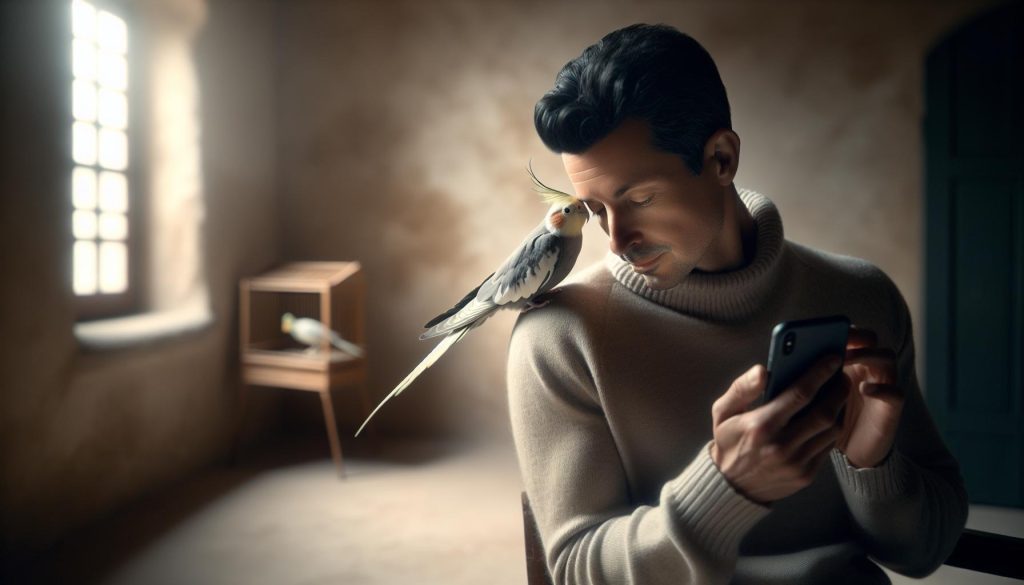
Did you know that cockatiels are not only captivating pets but also have the potential to mimic sounds and even words? If you’ve ever wondered whether your feathered friend could become your chatty companion, you’re not alone! Many bird lovers seek to understand the speech abilities of cockatiels, as these charming birds can develop impressive vocal skills with the right encouragement and environment. Whether you’re a new owner curious about your pet’s communication potential or an experienced bird enthusiast looking to deepen your knowledge, exploring the speech capabilities of cockatiels opens up a fascinating world. Join us as we delve into the nuances of their communication abilities, tips for encouraging speech, and what you can expect from your aspiring avian talker!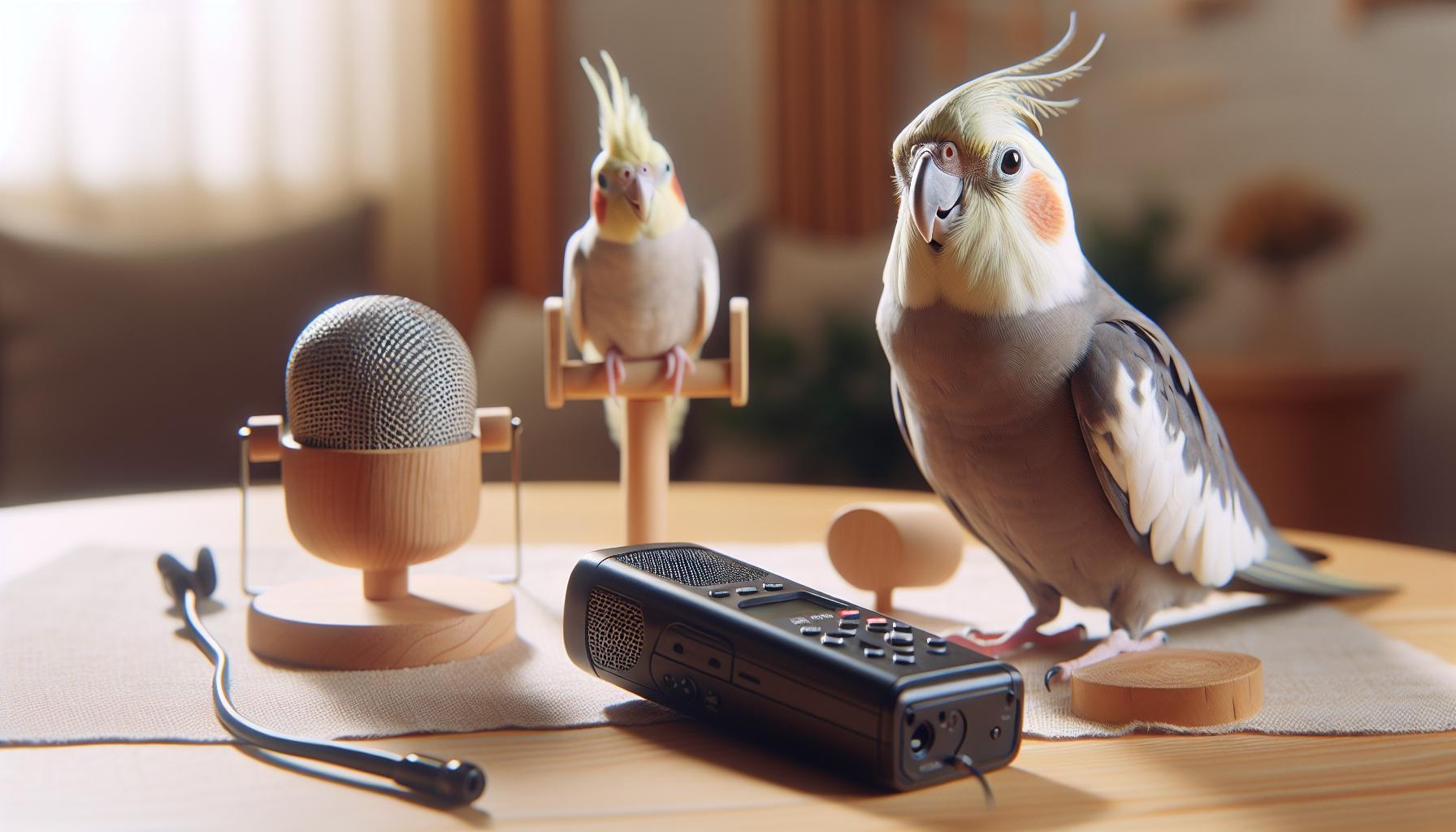
Can Cockatiels Really Talk? Understanding Their Speech Abilities
Cockatiels are more than just delightful companions; they possess an astonishing ability to mimic sounds and, in some cases, even human speech. While they may not have the extensive vocabulary of larger talking birds, these charming parrots can certainly learn a handful of words and phrases. Their vocal ability is attributed to their natural inclination for communication, which is vital for social animals that thrive in flocks.
When it comes to speech, cockatiels typically have a melodic quality to their voices, which can make their attempts at mimicking human language quite endearing. Unlike some other bird species, cockatiels tend to imitate sounds from their environment more than elaborate vocalizations. They can reproduce basic words in addition to whistles, chirps, and various calls, making them surprisingly versatile in their vocal range. This mixture of sounds forms a unique auditory signature reflective of their personalities and the interactions they have with their surroundings.
However, it’s essential to recognize that not all cockatiels will develop the same level of proficiency in speaking. Factors such as age, social environment, and individual temperament play significant roles in their speech capability. Young cockatiels are generally more receptive and apt at learning sounds as they are still developing their vocal systems. Moreover, a relaxed and stimulating environment encourages a cockatiel to be more vocal, increasing the chances of them picking up phrases and words.
In essence, while cockatiels might not be renowned as the most proficient talkers in the avian world, their ability to learn and mimic human speech is both a charming and engaging aspect of their behavior. Understanding their unique vocalizations and the factors that influence their speech can enrich your experience as a bird owner and deepen the bond you share with your feathered friend.
The Science Behind Bird Vocalization and Talking
Birds are remarkable creatures, not just for their ability to fly, but also for their complex vocalizations and communication skills. Understanding the science behind bird vocalization reveals how species like the cockatiel are capable of mimicking human speech and other sounds in their environment. The vocal apparatus of birds, often referred to as the syrinx, is responsible for producing a variety of sounds. Located at the base of a bird’s trachea, the syrinx can control multiple tones and pitches by using muscles to manipulate air flow, allowing birds to create an impressive range of vocalizations.
Cockatiels, belonging to the parrot family, are particularly interesting because they possess a specific vocal quality that is both melodic and expressive. Their ability to imitate human voices comes from their social nature; these birds are inclined to mimic sounds as a means of communication, mirroring the vocal patterns of their companions. This mimetic ability is not solely reserved for human speech; cockatiels can also replicate everyday sounds they encounter, such as whistles, phone rings, or even the chirps of other birds. Through repetition and social interaction, they learn to associate these sounds with context, which further enhances their communication skills.
Several factors influence the effectiveness of a cockatiel’s vocalization. For starters, the age at which a cockatiel is introduced to various sounds plays a significant role; younger birds are often more adept at imitation. Additionally, the social environment can spur vocal development-birds kept in stimulating, engaging surroundings are more likely to express themselves vocally. This means that owners who interact regularly with their cockatiels often enjoy a more chatty companion.
Lastly, like people, the individual personality of each cockatiel can greatly impact its talking ability. Some birds may be more inclined to vocalize than others due to inherent traits or even past experiences. Therefore, while not all cockatiels will develop extensive vocabularies, the science behind their vocalization underscores the importance of interaction, environment, and individual personality in nurturing their communicative abilities. Engaging with your cockatiel can transform your interactions into a joyful exchange of sounds, enriching your bond as you each learn from one another.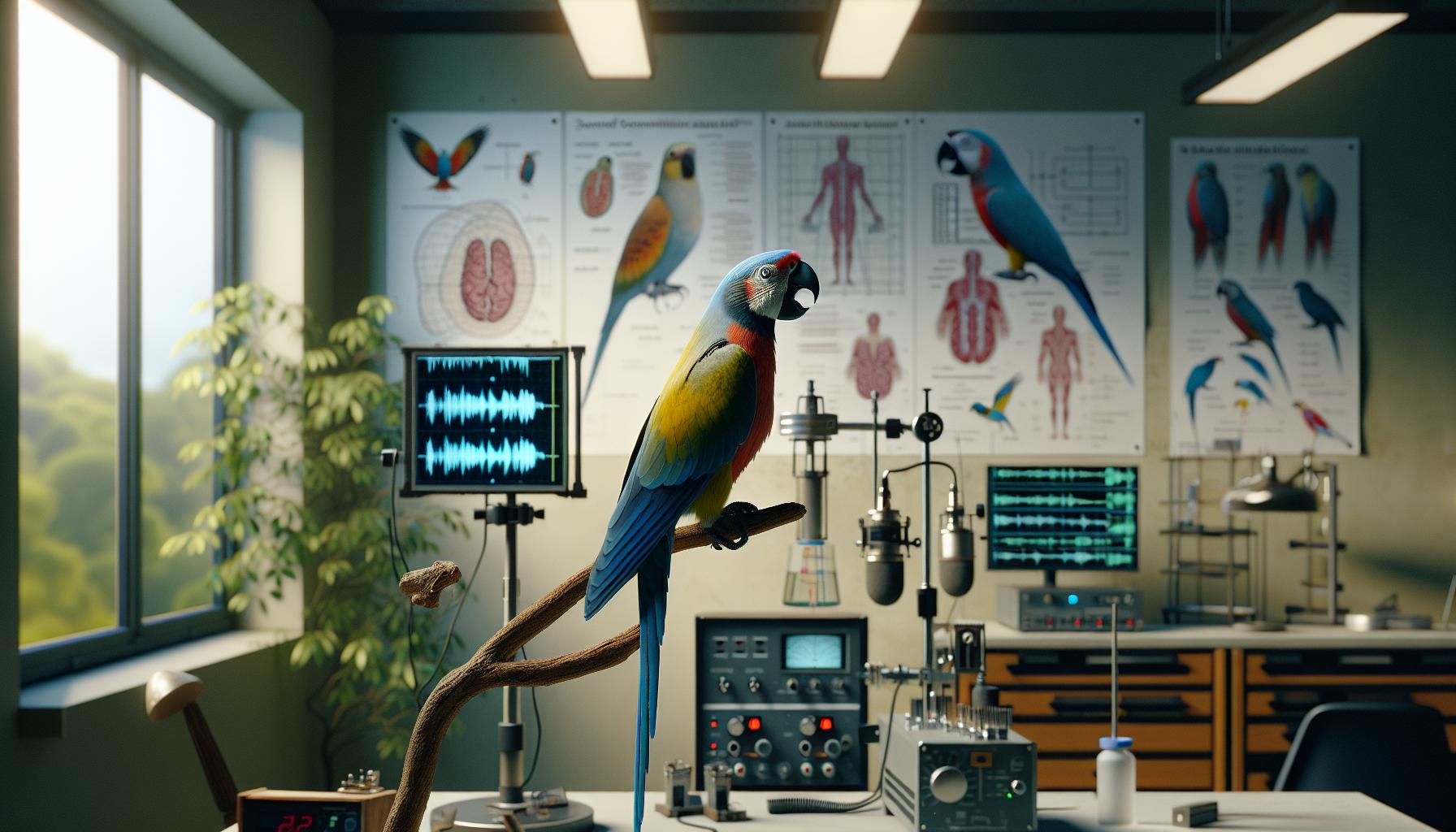
What Sounds Can a Cockatiel Make? Common Vocalizations
Cockatiels are incredibly vocal birds, capable of producing a wide array of sounds that can range from delightful whistles to conversational mimicry. As members of the parrot family, they possess a natural propensity for vocalization, often imitating not just human speech but also a variety of everyday sounds they hear in their environment. Understanding the common vocalizations of cockatiels can deepen your appreciation of their communication skills and help you connect with your feathered friend more meaningfully.
One of the most recognizable sounds a cockatiel makes is its distinct whistle, which can vary greatly in pitch and tone. Many cockatiels are known for their melodic whistles, often mimicking tunes from songs or even catchy jingles they’ve encountered in day-to-day life. This gift for melody is not only enjoyable for owners but also serves as a form of expression for the birds themselves. Beyond whistling, you may hear your cockatiel chirp, which can signal different emotions – from excitement and playfulness to the expression of curiosity when they are exploring their surroundings.
In addition to whistles and chirps, cockatiels are adept at mimicking short phrases and sounds. You’ll often find they can say simple words like “hello”, “pretty bird”, or even mimic laughter and other sounds from their human companions. The key to encouraging your cockatiel’s mimicking abilities lies in repetition and positive reinforcement; consistently saying a phrase during engaging interactions can lead them to associate the sound with a playful or rewarding experience.
Here are a few common vocalizations you might hear from your cockatiel:
- Whistles: Melodic tunes that can be both playful and engaging.
- Chirps: Short, sharp sounds often used to express excitement or curiosity.
- Words/Phrases: Commonly mimicked words and short phrases, especially when consistently repeated.
- Sound Imitations: Replications of everyday sounds, like phone rings or the barking of dogs.
Encouraging your cockatiel to vocalize involves creating a stimulating environment where they feel comfortable to express themselves. Engaging them with your voice, providing a rich array of sounds, and spending quality time together will not only enhance their calling repertoire but also strengthen the bond between you and your bird.
Factors Influencing a Cockatiel’s Talking Ability
The ability of cockatiels to learn and mimic human speech is influenced by a range of factors that can enhance or hinder their vocalization skills. To foster a talkative companion, it’s essential to understand these elements and how they contribute to your feathered friend’s ability to communicate. One prominent factor is socialization; cockatiels are highly social birds that thrive on interaction. The more time they spend with their owners or other birds, the more likely they are to pick up on sounds and words. Engaging in regular conversations with your cockatiel can significantly enhance its ability to learn speech.
Another crucial aspect is the individual personality of the bird. Some cockatiels are naturally more curious and outgoing, displaying a greater interest in imitating sounds and learning words. The environment in which your cockatiel lives also plays a pivotal role. A stimulating environment filled with varied sounds, such as music, chatter, and toys that encourage vocal play, can motivate a cockatiel to express itself more freely. For instance, if your home is filled with an array of interesting noises and interactions, it may prompt your cockatiel to explore its vocal abilities further.
Additionally, age can affect talking potential. Younger cockatiels are typically more adaptable and eager to learn new sounds compared to older birds. This eagerness can be harnessed with consistent training methods and positive reinforcement, such as treats or praise. By integrating these elements into your care routine, you can create a nurturing environment that encourages your cockatiel to develop its speech abilities, allowing for rewarding and communicative relationships.
By understanding the nuances of each cockatiel’s character and environment, owners can effectively nurture their avian companions’ talking potential.
Training Your Cockatiel to Talk: Step-by-Step Guide
Training a cockatiel to talk is not only an exciting endeavor but also a rewarding experience that strengthens the bond between you and your feathered friend. Cockatiels are known for their ability to mimic human speech, and with the right approach, patience, and consistency, your cockatiel can become quite the conversationalist. Here’s a step-by-step guide to help you embark on this delightful journey.
First, create a conducive environment for learning. Choose a quiet space where your cockatiel feels safe and comfortable, free from distractions. Having a consistent routine is also essential; set aside specific times each day for training. Birds thrive on routine, and this predictability helps them focus better.
Next, start with simple sounds or phrases. Choose a short word or phrase that you’ll repeat often, such as “hello” or “come here.” When you say the word, use a cheerful tone and accentuate it with positive body language, like smiling or gentle encouragement. Over time, your cockatiel will begin to associate the sound with that particular action or response. It’s also helpful to repeat the words during activities like feeding time, as birds often learn best during positive, engaging interactions.
Positive reinforcement plays a crucial role in training. When your cockatiel attempts to mimic the sounds, offer immediate rewards, such as a small treat, praise, or affection. This reinforcement encourages your bird and reinforces the behavior. Keep in mind that patience is key; if your cockatiel doesn’t pick up the words right away, don’t get discouraged. Celebrate small successes, and maintain a positive, fun atmosphere during training sessions.
Finally, practice consistency and patience. Training sessions should last no more than 10-15 minutes to avoid overwhelming your cockatiel. A good rule of thumb is to engage in regular short sessions throughout the day. If you notice your cockatiel growing bored or frustrated, switch to a different activity or sound, keeping the training enjoyable. Over time, with persistence, your cockatiel will not only learn to speak but will also bond deeply with you through this shared experience.
By following these steps, you can turn training into an enjoyable routine that enhances your cockatiel’s speech capabilities while fostering a strong companionship built on communication and trust.
Tips for Encouraging Speech in Your Cockatiel
Enthusiastic owners often find that the joyful sounds of a cockatiel can quickly become the soundtrack of their home. Beyond their delightful whistles and chirps, many cockatiels have an impressive capacity for mimicking human speech. Encouraging your cockatiel to talk isn’t just about picking up words; it’s about creating a supportive environment that fosters communication and connection. Here are some effective strategies to inspire your feathered friend to become a little more chatty.
To begin with, interaction is key. Cockatiels are inherently social creatures, and the more you speak to them, the more likely they’ll attempt to mimic your words. Engage in conversations with your cockatiel throughout the day, even if they can’t yet respond with words. Use a cheerful tone, and be consistent with the phrases you choose. Repetition is crucial; repeating a specific word or phrase during daily routines, like feeding or playtime, helps them make associations with sounds and actions.
Creating a stimulating environment also plays a significant role in fostering speech. Cockatiels thrive on varied sensory experiences. Ensure they have toys that challenge them, mirrors to stimulate curiosity, and opportunities for exploration outside their cage. A lively atmosphere filled with music or the sounds of your voice can spark their natural desire to communicate. Make sure your cockatiel feels confident and comfortable in their space, as a relaxed bird is much more inclined to experiment with sounds.
Another powerful tool is positive reinforcement. When your cockatiel tries to mimic a sound or word, respond enthusiastically! Offer treats, praise, or attention as encouragement. This approach not only reinforces their behavior but also deepens your bond. For instance, when your bird whispers “hello,” celebrating that moment with a small treat can motivate them to repeat the word-and even continue to expand their vocabulary over time.
Lastly, be mindful of your cockatiel’s personality and mood. Just like people, every bird is unique-some may take to talking more readily than others. If your cockatiel isn’t showing interest, don’t force it. Instead, adapt to their energy and offer training sessions when they are most active and engaged. Keeping the training light-hearted and enjoyable helps cultivate an environment where speech can flourish. With patience, consistency, and a touch of creativity, you’ll find that encouraging your cockatiel to talk can be a fun and rewarding journey for both you and your feathered companion.
Differences Between Cockatiel and Other Talkative Birds
Unlike the more renowned talkative parrots, cockatiels have a unique charm and vocal ability that distinguishes them among avian companions. While many people think of parrots like the African Grey or Amazon when it comes to birds that can mimic human speech, cockatiels bring a delightful blend of personality and vocalization that is equally endearing. Their ability to learn words and phrases is more limited than that of larger parrots; however, they excel in producing beautiful whistles, chirps, and some imitative sounds that can mimic human voices.
Speech Capabilities
Cockatiels typically can learn a handful of phrases-usually simple words or sounds-if nurtured in a conducive environment. Unlike larger talking birds, which can have extensive vocabularies, cockatiels generally pick up things like “hello,” “pretty bird,” and various whistles. In comparison, African Gray parrots are exceptional mimics, capable of reproducing complex sentences and even understanding contextual cues to some extent. Cockatiels may not achieve the same level of conversational ability, but their sweet tones and whistles create a warm ambiance in any home.
Vocalization Differences
When it comes to the sounds each bird species makes, cockatiels often have a softer, more melodious repertoire that includes not just speech but also various whistles and calls. This contrasts sharply with larger parrot species that can produce loud squawks and raucous noises. For instance, a cockatiel may express excitement with a series of soft chirps, allowing for a peaceful and less disruptive home environment. Conversely, birds like the Amazon parrot can be noisy, particularly when trying to garner attention.
Social Interaction and Learning
The social interaction required to train a talking bird is another aspect where cockatiels differ. Cockatiels rely heavily on their human companions for interaction, often forming strong bonds. This companionship fosters an environment ripe for learning, encouraging them to mimic essential sounds. Larger parrots may be more independent and can sometimes be more aloof in their socialization needs, which might make training them to talk more challenging as they may not engage as readily compared to friendly cockatiels.
In summary, while cockatiels may not be the most prolific speakers in the avian world, their unique vocalization capacity and charming personalities make them delightful companions. With dedicated interaction and a stimulating environment, they can learn to imitate sounds and engage meaningfully with their humans, creating rewarding dynamics that celebrate both their speech abilities and their affectionate nature.
Understanding Cockatiel Body Language During Vocalization
Observing a cockatiel vocalizing can be a captivating experience, but understanding the accompanying body language is crucial for fully interpreting their communication. When your feathered friend decides to whistle or imitate sounds, pay close attention to their posture, head movements, and wing positions, as these can provide essential clues about their emotional state and intentions.
A relaxed cockatiel will often exhibit open, slightly raised feathers and a calm posture. If your cockatiel is vocalizing happily, you might notice them bobbing their head or dancing. This behavior indicates contentment and excitement. Similarly, if your pet fluffs up its feathers and produces a series of cheerful whistles, they are likely expressing joy or playfulness. You’ll also want to listen for variations in their sounds; soft chirps may indicate a desire for interaction, while sharp calls might signal alarm or discomfort.
Conversely, if your cockatiel adopts a more tense posture-such as pulling back their head, flattening their feathers, or keeping their body low-this could suggest stress or fear. In these moments, their vocalizations might become more erratic or louder, which is their way of communicating urgency or distress. Understanding these signs can help you respond appropriately, ensuring that your bird feels secure and reassured.
In addition to direct observation, the context in which your cockatiel vocalizes plays a significant role in deciphering their body language. For instance, if they vocalize while perched near you, it could signal a desire for attention or connection. Alternatively, if they are vocalizing while interacting with another bird, it may be part of their social behavior. This interplay of sound and movement is essential for a deeper understanding of their needs and emotions.
By attuning yourself to your cockatiel’s vocalizations and accompanying body language, you can foster a stronger bond with your avian companion. Recognizing these subtle signals makes the journey of communication with your cockatiel more rewarding and enriching, allowing both you and your feathered friend to thrive in a shared language of love and interaction.
The Role of Socialization in Speech Development
Socialization is a fundamental aspect of speech development in cockatiels. These charming birds are naturally social creatures, thriving on interaction with both their human caretakers and other birds. The more they are engaged in a stimulating environment, the better their chances of picking up new sounds and words. This is because, much like humans, cockatiels learn through imitation and social interaction. When they hear words or phrases frequently, especially those that are associated with positive experiences, they are more likely to attempt to replicate those sounds.
Establishing a routine that incorporates regular social interaction can significantly enhance your cockatiel’s speech abilities. Consider setting aside dedicated time each day to talk to your bird, using a cheerful tone and clear pronunciation. Incorporate their name into conversations, as repetition can help reinforce their recognition of it. Moreover, including family members and friends in this routine can further promote a rich auditory environment, offering various voices and inflections for your cockatiel to mimic.
Additionally, the presence of another bird can also spur vocalization. If you have multiple cockatiels or other bird species that are known for their chatter, they often motivate each other to “talk.” This camaraderie not only enriches their social experience but also encourages them to explore vocalization in a playful and natural manner. However, care should be taken that the environment remains peaceful; too much competition or stress among birds can diminish their desire to vocalize.
In summary, an environment rich in social interaction is key to fostering your cockatiel’s vocal skills. By being patient and consistent, while providing ample opportunities for engagement, you set a solid foundation for your bird to express itself linguistically. Each interaction is a building block, helping your feathered friend to blossom into a proficient speaker over time.
Common Misconceptions About Cockatiel Talking Ability
Many new and even seasoned cockatiel owners hold various misconceptions about the talking abilities of these charming birds. One common belief is that all cockatiels can learn to talk, but the truth is more nuanced. While many cockatiels possess the potential to mimic sounds, not every individual will develop this skill. Factors such as personality, environment, and breeding play significant roles in determining whether a cockatiel will be chatty or prefer to remain quiet. It’s essential to understand that each bird is unique, and expectations should be adjusted accordingly.
Another misconception is that cockatiels only learn specific words or phrases they hear frequently. In reality, these birds often imitate sounds from their environment, including whistles, beeps, and other noises. This means that your cockatiel might just as likely learn to imitate the sound of a doorbell or a microwave as it is to learn to say “hello.” This broader range of vocalization highlights the importance of providing a varied auditory environment; you never know what your feathered friend might pick up!
Moreover, some people think that training a cockatiel to talk requires extensive, formal training sessions, but often, the best approach is more casual. Cockatiels thrive on social interaction, and simply engaging in daily conversations or creating a fun and stimulating atmosphere can naturally encourage them to replicate sounds. Offering praise and attention when your bird attempts to vocalize can also reinforce this behavior, making the learning process enjoyable and rewarding for both of you.
Lastly, the notion that once a cockatiel learns to talk, it will always do so is misleading. Just like humans, birds can become shy or reduce their vocalizations if they feel stressed or if their environment changes. A new pet, a move, or changes in your household can all impact a cockatiel’s willingness to engage verbally. Thus, maintaining a stable and positive environment is crucial for keeping your cockatiel chatty and confident. Understanding these misconceptions helps set realistic expectations and fosters a deeper connection with these delightful companions.
Why Some Cockatiels Never Learn to Talk
While many cockatiel owners may hope for a chatty companion, it’s essential to recognize that not all cockatiels will learn to talk. Understanding the reasons behind this is key for managing expectations and ensuring a fulfilling relationship with these captivating birds. One prominent factor affecting a cockatiel’s ability to talk is individual personality. Just like people, each cockatiel has its unique temperament, and some are naturally more vocal than others. Some birds may be shy or more inclined to communicate through body language rather than vocalizations, leading to limited speech developments.
Another significant influence is the bird’s environment. Cockatiels raised in a stimulating, interactive setting may be more likely to experiment with sounds and mimic speech. Conversely, a less engaging environment might stifle their vocal attempts. Stressors such as loud noises, sudden changes in the household, or the presence of other pets can also deter a cockatiel from vocalizing. It’s common for birds to withdraw when they feel insecure or threatened, leading to a quieter disposition. A stable, supportive environment is crucial for nurturing a cockatiel’s vocal potential.
Breeding history can also play a role. Some cockatiels come from lines known for being more talkative, while others may not possess that genetic inclination. This unpredictability means that even with training and interaction, some cockatiels simply may not acquire speech skills. Understanding this genetic variability can help owners appreciate their bird for the personality it presents, regardless of its talking ability.
Ultimately, patience and realistic expectations are fundamental in your journey with a cockatiel. Many bird owners find joy in their pets’ idiosyncratic sounds and behaviors, even if traditional “talking” doesn’t occur. Instead of focusing solely on vocal abilities, embracing your cockatiel’s unique ways of communication can enhance your bond and appreciation for these intelligent creatures.
The Joy of Communication: Bonding Through Speech
Bonding with a cockatiel through communication can be one of the most rewarding aspects of bird ownership. These charming birds possess unique vocal abilities that range from simple whistles to more complex mimicry, creating a rich tapestry of sound that fosters an emotional connection. Whether it’s their cheerful chirps or the occasional mimic of everyday sounds, every interaction with your cockatiel can strengthen your bond.
To truly appreciate the joy of communicating with your cockatiel, consider how you engage with them daily. Start by incorporating consistent, positive interaction during training sessions, as this not only encourages vocal attempts but also builds trust. Speak to your cockatiel in a soft, encouraging tone and pair your words with affection and treats. This approach can help your bird feel safe and open, which is often necessary for them to vocalize freely. For example, repeating phrases during daily routines can help your cockatiel associate those words with specific actions, enhancing their motivation to mimic you.
Additionally, understanding and responding to your cockatiel’s body language can deepen this communicative bond. Birds often express themselves through movement and posture, so recognizing when your cockatiel is excited, curious, or anxious can guide your interactions. When they turn their head toward you, exhibit playful behavior, or flap their wings in excitement, it’s a great opportunity to engage verbally, reinforcing their vocal efforts while showing that you are present and attentive.
Finally, remember that communication goes beyond words. Many owners find delight in their cockatiel’s playful sounds and behaviors that don’t directly relate to talking. Celebrate these unique vocalizations, and learn to interpret different pitches and rhythms. This perspective helps create a fulfilling relationship, allowing both you and your cockatiel to express yourselves freely and joyfully, deepening your connection through the nuances of sound and interaction. Embrace the moments of play and conversation; every sound-whether a mimicry of speech, a particular whistle, or a joyful chirp-adds to the beautiful dialogue you share with your feathered companion.
FAQ
Q: Can all cockatiels learn to talk?
A: Not all cockatiels will learn to talk, but many can develop some speech abilities. Their capacity to mimic sounds varies based on individual personality, age, and exposure to language. Understanding these factors can help set realistic expectations for your bird’s vocal skills.
Q: How can I tell if my cockatiel is trying to talk?
A: You might notice your cockatiel mimicking sounds, whistles, or phrases frequently. They may also “chirp” or “trill” in a manner that seems directed toward you. Observing these behaviors can be an indicator of their interest in vocalization.
Q: What age is best for teaching a cockatiel to talk?
A: The optimal age for teaching a cockatiel to talk is between 3 to 6 months old. Young birds are more receptive to learning sounds and mimicking speech patterns. Starting early can enhance their chances of acquiring language skills.
Q: Do male or female cockatiels talk more?
A: Male cockatiels are generally more likely to talk than females. Males tend to be more vocal and are often more motivated to mimic speech. However, individual personalities can vary, so some females may surprise you with their vocal abilities.
Q: How long does it take for a cockatiel to learn to talk?
A: Learning to talk can take time and varies widely among birds. Some cockatiels may start mimicking sounds within weeks, while others might take several months or longer to develop consistent speech. Patience and consistent practice are key.
Q: What phrases do cockatiels typically learn to say?
A: Common phrases that cockatiels learn include simple words like “hello,” “goodbye,” and their owners’ names. Many birds also mimic sounds they hear regularly, so use repetitive phrases during interactions to enhance their learning.
Q: Can I train my cockatiel to talk by using apps or recordings?
A: Yes, using apps or recordings can help in training your cockatiel to talk. Play the sounds or phrases frequently, ideally while interacting with your bird, to reinforce learning. However, personal interaction remains essential for bonding and effective learning.
Q: Are there any signs that my cockatiel doesn’t want to talk?
A: If your cockatiel seems disinterested in vocalizing or actively avoids interactions, it may not be inclined to talk. Signs of stress, lack of engagement, or consistent silence are key indicators. Respect their personality and focus on socialization instead.
The Conclusion
As we conclude our exploration into the speech abilities of cockatiels, remember that while not all cockatiels will chatter, those that do can bring delightful and engaging companionship. If you’re eager to find out more about how to nurture your feathered friend’s vocal talents or enhance their overall care, check out our articles on Cockatiel Behavior and Essential Cockatiel Care Tips.
Now is the perfect time to dive deeper into the enchanting world of bird ownership. Consider subscribing to our newsletter for expert advice, updates, and special resources straight to your inbox. Your journey into birdkeeping doesn’t end here-join our community and share your experiences or questions in the comments below! Together, let’s celebrate the wonderful quirks of cockatiels and more. Happy birding!
Get our latest guides, news, and insights highlighted in your Google Search & AI Overviews.