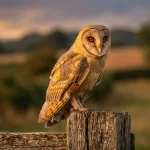
Have you ever spotted a white owl and felt a sense of wonder or intrigue? The rare sighting of a white owl is often laden with meaning and significance. These majestic birds are frequently associated with wisdom, transformation, and spiritual guidance. When you encounter one, it might signify a message from your spirit guide, urging you to embrace change or tap into your inner wisdom. Whether you’re an avid birdwatcher or simply curious about the deeper meanings behind nature’s wonders, understanding what it means to see a white owl can enrich your experience and connection with the natural world. Join us as we explore the captivating symbolism and significance of white owl sightings, unlocking the messages they may hold for you.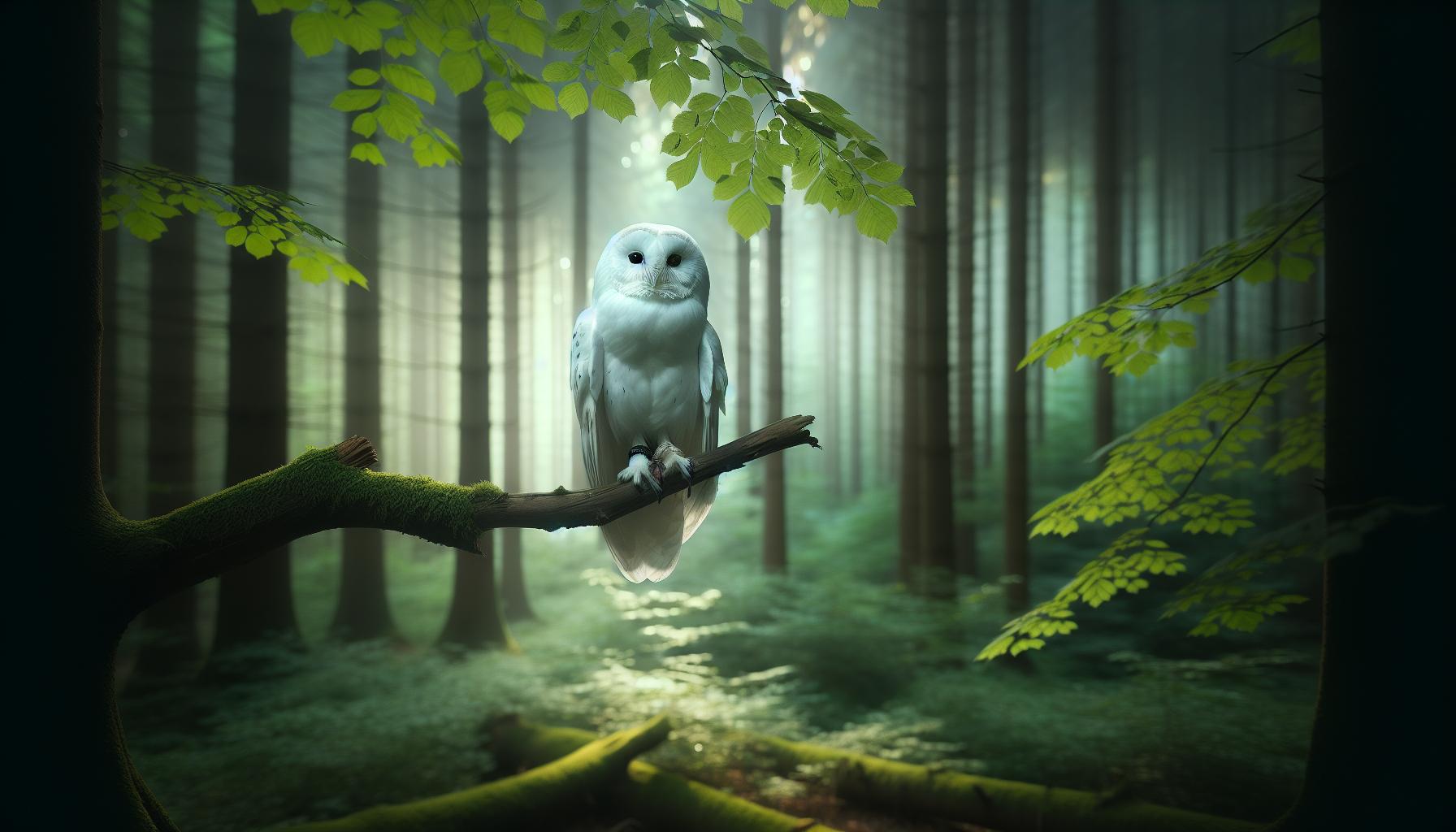
What is the Symbolism of White Owls?
White owls have long captivated humanity’s imagination, serving as powerful symbols across various cultures. In many traditions, they embody wisdom and knowledge, often being seen as messengers between the physical and spiritual worlds. Their haunting calls and ghostly appearances at twilight evoke a sense of mystery, leading people to associate them with transition and change. For instance, in Native American cultures, the white owl is frequently viewed as a harbinger of change or a guardian spirit, guiding individuals through personal transformations.
The notion of a white owl as a symbol of protection is also common. Many believe that encountering a white owl signals divine intervention or a reassurance that one is being watched over. This association can be traced back to ancient societies, such as the Greeks, who linked owls with Athena, the goddess of wisdom and strategy. As a totem animal, white owls also represent intuition and insight, emphasizing the importance of embracing one’s inner voice and instincts.
In addition to wisdom and protection, white owls are sometimes perceived as omens. For some, a sighting may symbolize the approach of significant change or a reminder to pay attention to their surroundings. As nocturnal creatures that thrive in the dark, they shed light on the hidden aspects of our lives, urging us to confront and explore our fears or uncertainties. The depth of symbolism surrounding white owls makes them powerful figures in folklore and spiritual practices, illuminating paths of understanding and self-discovery for those fortunate enough to encounter them.
Cultural Significance of White Owls Across Societies
The white owl, particularly in its majestic snowy form, holds a profound place in the cultural tapestry of societies around the world. Often associated with mystical qualities, these birds have inspired a wealth of symbolism that transcends geographical boundaries. In many cultures, white owls are revered as wise and benevolent creatures. For instance, in ancient Greek mythology, the owl is intricately linked to Athena, the goddess of wisdom. This association suggests that white owls embody not just intelligence but also strategy and insight, making them potent symbols of learning and vigilance.
In various Indigenous cultures, particularly among Native American tribes, the white owl frequently represents transformation and guidance. Seen as a protector, it is believed that these birds can offer spiritual support during times of change. Stories passed down through generations emphasize that encountering a white owl can signify approaching life transitions, urging individuals to embrace change rather than fear it. This transformative aspect engages the imagination and resonates deeply with the human experience, providing comfort and direction during uncertain times.
Global folklore further complicates the narrative surrounding white owls, introducing both reverence and caution. In some traditions, a sighting might be interpreted as an omen, hinting at impending events that warrant attention and mindfulness. Whether viewed as a harbinger of good fortune or a reminder of the unknown, these interpretations encourage individuals to reflect on their lives and surroundings. It underscores the owl’s role not only as a symbol but as a catalyst for introspection and personal growth.
The cultural significance of white owls reminds us how nature can inspire reflection, insight, and connection to the broader universe. By understanding these varied perspectives, we can cultivate a deeper appreciation for these remarkable birds and what their presence in our lives may signify. Whether you’re an owl enthusiast or a curious observer, the story of the white owl enriches our relationship with nature, urging us to explore the mysteries and lessons that arise from our encounters with these enigmatic creatures.
Common Myths and Beliefs About White Owls
The presence of a white owl often evokes a mixture of awe and intrigue, leading to a variety of myths and beliefs that have been passed down through generations. These striking creatures are not only beautiful but also steeped in symbolism that resonates deeply within cultural narratives. One common myth is that seeing a white owl is a precursor to significant life changes or transformations. In many Indigenous cultures, the white owl is viewed as a powerful spirit guide, foretelling a period of personal growth or the emergence of new opportunities.
Another widely held belief is that white owls can serve as omens or harbingers. While some interpret a sighting as a sign of good fortune, others approach it with caution, seeing it as a reminder to stay vigilant. This duality of interpretation reflects the owl’s role as a mediator between the known and the unknown, urging observers to reflect on their life choices and surroundings. Those in touch with nature often find themselves contemplating the lessons the owl brings, whether it be wisdom in times of uncertainty or a call to embrace change.
Additionally, in different cultures, white owls are associated with the spiritual realm, embodying a connection to ancestors or the afterlife. For example, some believe that these owls offer messages from loved ones who have passed on, serving as a comforting presence in moments of grief or reflection. This particular belief highlights the owl’s role not only as a symbol of wisdom but also as a bridge between worlds, encouraging individuals to seek solace in nature during turbulent times.
As you explore these diverse myths and beliefs surrounding white owls, consider how they can enrich your understanding of these remarkable birds. Whether you are an avid birdwatcher or someone drawn to their enchanting presence, recognizing the cultural significance of white owls may enhance your appreciation for their unique role in our environment and our lives.
What Does It Mean to See a White Owl?
Spotting a white owl in the wild can be a breathtaking experience, often leaving viewers with a sense of wonder and curiosity about the meaning behind this rare sighting. In many cultures, these majestic birds are seen as powerful symbols, often heralding important transformations or guiding individuals through times of change. Encountering one might suggest you are on the brink of a significant personal journey or that you should pay closer attention to your surroundings.
The white owl is frequently interpreted as a spiritual messenger. It is believed that seeing this bird can indicate a connection to the spiritual realm, serving as a sign from ancestors or loved ones who have passed. This connection may offer comfort during challenging times, inviting those who see the owl to reflect on their life choices and the path they are currently on. For some, witnessing a white owl can even provoke deep introspection, urging individuals to seek clarity and insight into their goals or current struggles.
Moreover, sightings of white owls can be seen as omens of change. Whether one interprets a sighting as an indication of good fortune or as a cautionary reminder to remain vigilant, the duality of potential meanings invites observers to embrace the uncertainty that accompanies life’s changes. If you encounter a white owl, it might be a moment to pause and consider what aspects of your life might be shifting, offering you a chance to welcome new opportunities or prepare for transitions ahead.
Understanding the context of your encounter can enhance your appreciation for this stunning creature and its significance. Whether you are an experienced birdwatcher or new to the avian world, take a moment to reflect on the deeper meanings that might resonate within you following a sighting of a white owl, as they often carry messages that encourage alignment with one’s true self and the natural world.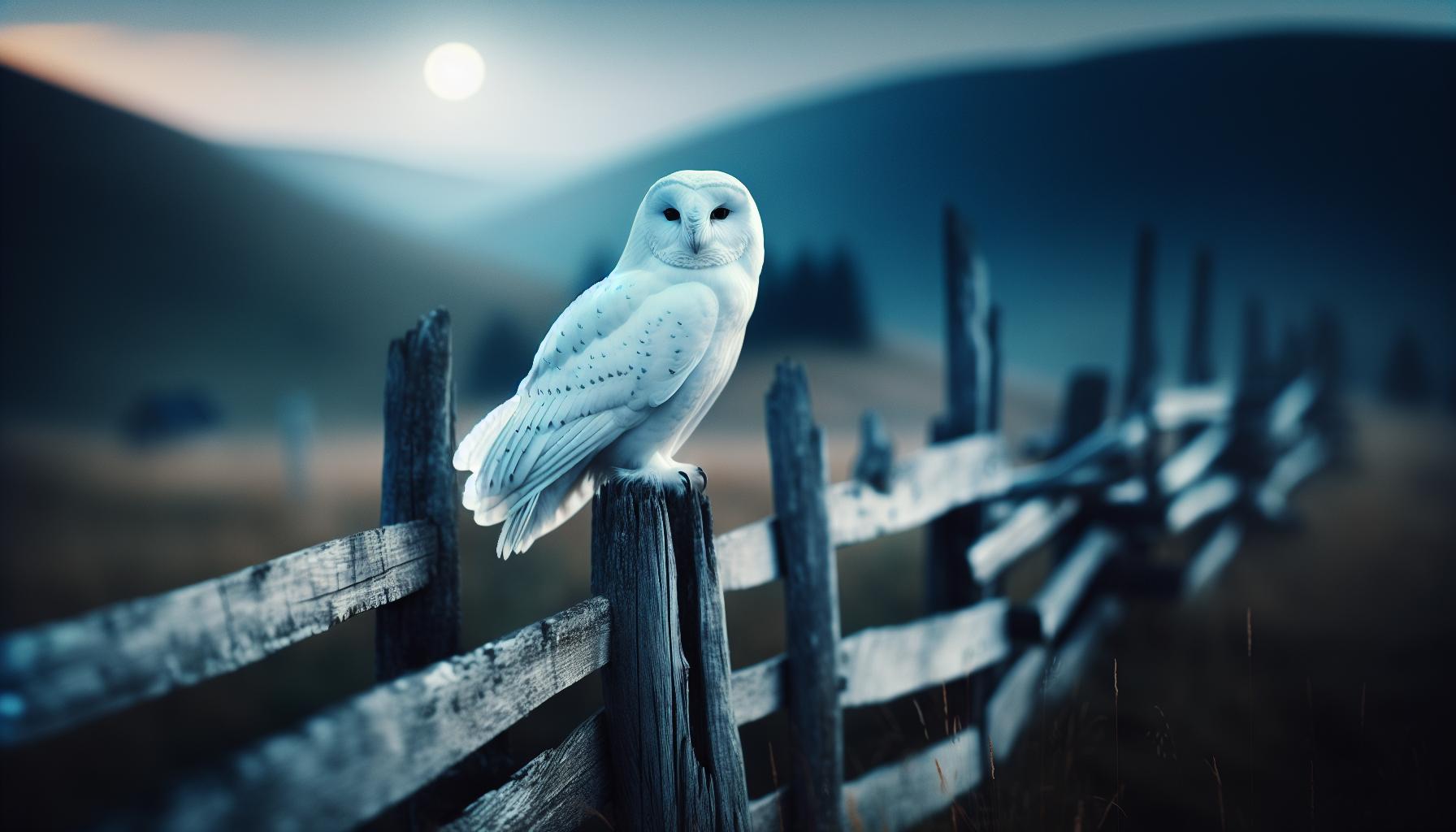
Characteristics and Behavior of the White Owl
The white owl is a stunning and remarkable bird, captivating the hearts of birdwatchers and nature enthusiasts alike. Known for its strikingly beautiful plumage and unique behaviors, the white owl, particularly the snowy owl, showcases an array of fascinating characteristics that make it a subject of admiration and intrigue. These majestic birds are not just visually appealing; they exhibit behaviors that are both strategic and graceful, especially in their hunting techniques.
White owls possess exceptional hearing and vision, adapting them for nocturnal hunting. Their large, forward-facing eyes provide outstanding night vision, allowing them to locate prey in low-light conditions. They primarily feed on small mammals such as lemmings and voles, using a silent flight to sneak up on their unsuspecting targets. With specialized feathers that dampen flight noise, white owls can swoop down stealthily, ensuring a successful hunt. The feathers are not only unique in their coloration but also contribute to effective camouflage against the snowy landscapes where they often reside, blending seamlessly into their surroundings.
In addition to their hunting prowess, white owls exhibit intriguing social behaviors. While they are generally solitary creatures, they may congregate in small groups during the breeding season to mate. Mating rituals can involve elaborate displays where males perform aerial displays to attract females. After a successful pairing, the female will scout for suitable nesting sites, often selecting elevated locations that provide safety from predators. The nesting process highlights the white owl’s commitment to their young, as mothers will fiercely defend their nests and care for their chicks until they are mature enough to fledge.
Understanding the characteristics and behaviors of white owls enriches the experience of spotting one in the wild, providing insight into the incredible resilience and adaptability of these majestic creatures. For anyone looking to increase their chances of seeing a white owl, knowing their active hours and preferred habitats can be helpful. They tend to be most active during dusk and dawn, often perching on elevated spots or gliding silently over open fields. Observing a white owl can be an unforgettable experience, one that highlights the beauty and mystery of the natural world.
How to Attract White Owls to Your Area
To invite white owls into your vicinity, it’s vital to create an environment that mirrors their natural habitat and provides the resources they need to thrive. These magnificent birds, especially snowy owls, are often found in areas that feature open fields, tundra-like landscapes, or places near water. Begin by evaluating your surroundings and enhancing them in ways that attract these majestic creatures.
Start by providing suitable hunting grounds. White owls primarily hunt small mammals such as lemmings and voles. You can encourage these prey species by maintaining a natural landscape that supports their populations. This can be achieved by minimizing the use of pesticides and creating areas with native vegetation that provides shelter and food sources for small mammals. Man-made structures, such as tall grasses or patches of untouched brush, can also serve as ideal hiding spots for these creatures, increasing the chances of attracting hungry owls.
In addition to creating a thriving ecosystem for their prey, consider incorporating owl-friendly nesting sites. Opt for tall, sturdy structures like large trees or artificial nesting boxes specifically designed for owls. Position these boxes at least 10 to 15 feet off the ground in elevated areas that are less disturbed by humans and other predators. Ensuring safety and adequate space for nesting will entice white owls during mating season, increasing your chances of not just a sighting but of witnessing their fascinating breeding behaviors.
Remember, patience is essential when trying to attract these elusive birds. Keep your distance and maintain a quiet presence in the area. The best times to observe white owls are during the early morning or late evening when they are most active. Why not integrate birdwatching into your routine? Spend time quietly observing your landscape, and who knows? You might just catch a glimpse of a white owl soaring gracefully overhead, bringing a touch of magic to your day.
Rare White Owl Sightings: What They Indicate
Encountering a white owl in the wild is an ethnologically profound experience that many bird enthusiasts recount with a sense of wonder. These sightings are considered rare and carry distinct meanings in various cultures and spiritual traditions. Generally, seeing a white owl is viewed as a significant omen or a message from the universe, often linked to introspection, transformation, or guidance.
When you catch a glimpse of one of these majestic creatures, it might indicate that you’re entering a phase of important change in your life. White owls, especially the snowy owl, are symbolic of wisdom and enlightenment. They are believed to serve as reminders to embrace new opportunities, trust your instincts, and follow your inner voice. For those familiar with their meanings, such sightings can signal a need for reflection and encourage you to seek clarity in your current circumstances.
Interestingly, the time and context in which you see a white owl can also influence its meaning. A sighting at dusk or dawn-when the owl is most active-often emphasizes a transition, whether emotional or situational. Beyond personal significance, these rare encounters can also represent a call to conservation, urging observers to respect and protect the delicate ecosystems these owls inhabit. Each sighting serves as a gentle nudge toward mindfulness and encourages us to listen closely to the wisdom that nature communicates.
Ultimately, whether you’re a seasoned birdwatcher or a curious newcomer, spotting a white owl invites you to explore its deeper cultural and spiritual meanings, making each encounter an enriching experience that resonates long after the moment has passed.
Top Locations for Spotting White Owls
Spotting a white owl can feel like a rare and magical experience, and knowing where to look can significantly increase your chances of an encounter. These magnificent birds prefer specific habitats that align with their hunting and nesting behaviors. Some of the best locations to observe white owls, particularly the snowy owl, include open fields, coastal areas, and locations near large bodies of water, where they can hunt for small mammals and birds effectively.
One prime habitat is the Arctic tundra, which serves as a breeding ground for snowy owls. Though many migrate south during winter, various sites within the northern United States and southern Canada, including regions like the Great Lakes and New England, are excellent spots for sightings. Coastal areas, such as Cape Cod in Massachusetts or the shores of Lake Erie, attract these owls searching for food during their winter migration. Local dunes, grasslands, and even airport lands often create ideal environments for these birds due to the open space for hunting and limited disturbances.
Urban Areas
Interestingly, white owls can also be spotted in urban environments. Snowy owls sometimes take up residence in cities with access to parks and open fields for hunting. In recent years, sightings have occurred in metropolitan areas such as New York City, where their fascinating white plumage starkly contrasts against the busy urban backdrop. To improve your odds of spotting them in urban areas, head to large parks like Central Park or green spaces near waterways at dusk or dawn, when these birds are most active.
Tips for Birdwatching
To enhance your birdwatching experience, consider these practical tips:
- Time Your Visits: Early mornings or evenings are best when owls are hunting.
- Stay Quiet: Move slowly and minimize noise to avoid startling the owls.
- Use Binoculars: A good pair of binoculars can help you spot these elusive creatures from a distance.
- Research Local Resources: Join local birdwatching groups or forums to find recent sighting reports and meet fellow enthusiasts.
By understanding the white owl’s preferred habitats and behaviors, along with being patient and observant, you’ll not only enhance your chances of spotting one but will also gain a deeper appreciation for these extraordinary birds and their significance in nature.
Differences Between White Owls and Other Owl Species
When observing owls, the striking contrast between white owls and their darker relatives can be captivating and serves as an invitation to explore their unique characteristics. The snowy owl, perhaps the most renowned among white owls, stands out not just for its stunning appearance, but also for its size, behavior, and habitat preferences that differ from other species.
While many owl species dwell in wooded areas and are primarily nocturnal, snowy owls are often found in open tundra, showcasing their preference for expansive, treeless landscapes. These formidable hunters are about the size of a Great Horned Owl, displaying a powerful build and a distinctive round face with striking yellow eyes. Unlike barn owls, which are characterized by a heart-shaped facial disc and tend to be more secretive, snowy owls are relatively conspicuous during the day, often perched visibly on low hills or fences as they survey their surroundings.
Differences in plumage are also noteworthy. Snowy owls typically sport a white coat with varying black or brown flecks, offering them some camouflage against the stark tundra. This contrasts sharply with the predominantly brown and mottled feathers of other owl species, such as the Barn Owl or Great Horned Owl, which help them blend into wooded environments. Behaviorally, snowy owls exhibit a different hunting strategy; they rely on their excellent vision and hearing to detect prey, primarily lemmings and other small mammals, while many other owls may exhibit more stealth-oriented hunting techniques.
In terms of social structure, snowy owls are often solitary or found in small family groups, particularly during the breeding season, whereas species like the Great Horned Owl may establish a more defined territory with a stronger emphasis on pair bonding. Understanding these distinctions not only enhances our appreciation for these magnificent birds but also enriches our birdwatching experiences by allowing for more informed identification and observation strategies in the wild.
How to Photograph White Owls Responsibly
Photographing white owls, particularly snowy owls, offers a thrilling opportunity to capture these magnificent creatures in their natural habitat. However, responsible photography is crucial not just for the owl’s well-being but also for the integrity of wildlife conservation. When venturing out to snap a shot, consider their habitat first; snowy owls often inhabit remote, open areas such as tundras and coastal dunes. Always maintain a respectful distance, using a telephoto lens to avoid disturbing them, especially during breeding season. Remember, the goal is to document their beauty without influencing their natural behaviors or disrupting their environment.
To enhance your chances of a successful shoot while ensuring that your presence is as unobtrusive as possible, try the following tips:
- Time Your Visits: Early mornings or late afternoons are ideal for good lighting and increased activity.
- Be Patient: Settle in quietly and wait for natural behaviors to unfold – patience is key!
- Observe First: Spend some time watching before shooting; this helps you understand their patterns and actions.
- Leave No Trace: Be sure to collect any trash and avoid trampling delicate vegetation, ensuring that the owl’s habitat remains intact.
Always be mindful of your actions. Use your camera to tell a story about the owl’s environment and behavior, instead of forcing interactions or getting too close. Utilize your camera’s settings to capture movement, focusing on the owl’s surroundings and natural behaviors. For instance, adjusting your shutter speed can allow you to freeze the action as the owl takes flight, which creates stunning imagery without disturbing them.
Engagements with wild owls can be rare and magical; therefore, it’s essential to safeguard these moments for future generations. By prioritizing ethics over simply getting a good shot, you not only contribute to the conversation of wildlife photography but also inspire a deeper appreciation for the beauty and fragility of nature.
Conservation Status: Protecting White Owls and Their Habitat
One of the most enchanting aspects of white owls, particularly snowy owls, is their role in ecosystem balance and the need for active conservation efforts to protect their habitats. These majestic birds, known for their striking appearance, face several challenges that threaten their existence, including habitat loss, climate change, and declining prey availability. Engaging with white owls in the wild can be an awe-inspiring experience, but it also carries a responsibility to safeguard their future.
To contribute meaningfully to the conservation of white owls, it’s essential to understand their habitat requirements. Snowy owls prefer expansive areas with tundra or open landscapes suitable for hunting their primary prey-small mammals like lemmings. Conserving these habitats ensures that they have the necessary resources to thrive. You can aid in these efforts by supporting organizations focused on habitat preservation, participating in local wildlife conservation programs, and advocating for policies that protect natural areas from development.
In addition to habitat preservation, public awareness and education play a crucial role in the conservation of white owls. The more people know about the importance of these birds and their ecosystems, the more likely they are to engage in protective actions. Engaging with local birding communities, attending conservation workshops, or even leading educational initiatives in schools can amplify the message of protection. Each small effort contributes to a broader movement towards the conservation of these magnificent creatures.
Lastly, reporting rare white owl sightings is vital for research and conservation. By sharing your observations with local wildlife agencies or using online platforms, you aid in data collection that can highlight the populations’ health and shifts in their ranges. Each sighting not only enriches the scientific understanding of these birds but also enhances community efforts to protect and appreciate them. Together, through informed actions and community engagement, we can help ensure that future generations will also marvel at the sight of a white owl gliding silently through the twilight sky.
Personal Stories: Encounters with White Owls
The sight of a white owl can be a thrilling experience, often leaving observers with a sense of wonder and curiosity. For those lucky enough to encounter these magnificent birds in the wild, the moment can feel almost magical. One memorable experience comes from a birdwatcher in Maine, who described a serene winter evening when a snowy owl landed just a few feet away while she was setting up her telescope. As it silently scanned the snowy landscape for prey, she felt an overwhelming sense of connection to nature, a moment that would stay etched in her memory long after the owl had flown.
Encounters like these often spark reflection on what it means to see a white owl. Many cultures believe that such sightings carry deep significance. For instance, some might see it as a message from the spirit world, while others consider it an omen of transformation or change. When a white owl crosses your path, it can serve as a reminder to pay attention to your intuition and embrace new opportunities. Sharing these personal stories fosters a deeper appreciation for white owls and encourages others to share their encounters, creating a community of bird enthusiasts who celebrate these remarkable experiences together.
Yet, not every encounter is straightforward. Another birdwatcher recalled a chance meeting with a white horned owl, which he spotted while hiking in the forest. Initially captivated by the sheer beauty of the bird, he soon realized it was facing distress as it seemed tangled in a low branch. With careful movements, he was able to assist the owl, freeing it and watching as it took off into the sky, a symbol of hope and resilience. This encounter reinforced the importance of being observant and proactive in nature, especially when it comes to the safety and well-being of wildlife.
As you embark on your own quest to spot white owls, remember that each sighting is an opportunity for mindfulness and connection with the natural world. Whether you’re a seasoned birder or just starting out, take notes of your experiences-what you observed, how the owl behaved, and the feelings it evoked in you. These moments not only enhance your personal journey but also contribute valuable insights to conservation efforts and the broader understanding of these enigmatic creatures.
Frequently asked questions
Q: What should I do if I see a white owl?
A: If you see a white owl, take a moment to appreciate the sighting. White owls are often seen as symbols of wisdom, transition, and spiritual messages. You might want to reflect on your current life situation and what changes or insights may be coming your way.
Q: Are white owls considered good luck?
A: Yes, many cultures view white owls as omens of good luck and positive change. Their rare sightings can indicate that something significant is about to happen in your life. Embrace the moment as an encouraging sign to pursue new opportunities.
Q: What is the spiritual significance of seeing a white owl at night?
A: Seeing a white owl at night can symbolize a period of introspection and inner guidance. It often encourages you to trust your instincts and listen to your intuition, especially regarding decisions or transitions in your life.
Q: Do white owls have any specific meanings in different cultures?
A: Yes, white owls hold various meanings in different cultures. For example, in Native American traditions, they are considered protectors of sacred knowledge, while in some European folklore, they are seen as harbingers of change and mystery. Understanding these cultural contexts can enrich your interpretation of a sighting.
Q: Why are white owls so rare to spot?
A: White owls are rare due to their specific habitat preferences and low population densities. Their camouflage in snowy environments and nocturnal habits make them less visible during the day, contributing to the rarity of sightings. Knowledge of their habitat can aid in spotting them.
Q: What does it mean to dream about a white owl?
A: Dreaming of a white owl often signifies wisdom, insight, or the arrival of hidden knowledge. It may prompt you to pay attention to your surroundings and inner thoughts, suggesting that clarity will come in a challenging situation.
Q: How can I increase my chances of seeing a white owl?
A: To increase your chances of spotting a white owl, visit areas known for owl activity, especially during dusk or dawn. Use binoculars for better visibility, and remain quiet to avoid startling them. Creating a wildlife-friendly habitat in your garden can also attract these beautiful birds.
Q: What does it symbolize if you see multiple white owls?
A: Seeing multiple white owls can amplify their symbolic meanings, indicating that significant changes or messages are imminent. This could be a reminder to pay close attention to your surroundings and take proactive steps towards personal growth and transformation.
Insights and Conclusions
Seeing a white owl is a rare and magical experience, often symbolizing wisdom and clarity. As we’ve explored, this sighting can carry significant meanings, from spiritual guidance to a call for deeper introspection. If this encounter has sparked your curiosity, don’t stop here! Dive deeper into the world of owls by checking out our articles on how to identify different owl species and the ecological importance of these magnificent birds.
Ready to expand your knowledge? Subscribe to our newsletter for insights into birdwatching tips and the latest articles delivered straight to your inbox. Your journey into the fascinating realm of birds awaits, and we’re here to guide you every step of the way! Share your thoughts or experiences in the comments below, and let’s continue this exploration together. Every owl sighting has its own story-what will yours reveal?
Get our latest guides, news, and insights highlighted in your Google Search & AI Overviews.