
Did you know that a parakeet can poop as often as every 15 to 30 minutes? Understanding your feathered friend’s droppings frequency is crucial not only for maintaining a clean living environment but also for monitoring their health. Regular, healthy droppings provide insight into their diet and well-being, while any changes can be a red flag for potential issues. Whether you’re a new parakeet owner or a seasoned bird enthusiast, knowing how often parakeets poop can help you better cater to their needs and enhance your bonding experience. So, let’s dive into the fascinating world of parakeet droppings and uncover what their bathroom habits reveal about their overall health and happiness!
How Frequently Do Parakeets Poop? Understanding Droppings Patterns
Understanding your parakeet’s droppings is essential for their overall health and well-being. On average, a healthy parakeet may poop anywhere from 10 to 20 times a day, but this frequency can vary based on several factors, such as their diet, health, and activity level. It’s fascinating to note that these little birds have a high metabolic rate, which influences how often they need to relieve themselves. Consequently, you might find little droppings scattered throughout their cage, often mixed with the remnants of their meals, showcasing their vibrant diets.
Several factors influence how often your parakeet pulls the trigger on their bathroom breaks. Their age, activity level, and the types of foods they consume can all play a significant role. For instance, young, active birds tend to poop more frequently than older, stationary birds. Additionally, a diet rich in fruits and vegetables can lead to increased droppings because of the higher water content in these foods. In contrast, a diet primarily consisting of seeds may produce firmer and less frequent droppings.
Recognizing inconsistent dropping patterns is crucial for spotting potential health issues. If you notice a significant change in frequency, whether an increase or decrease, it could indicate underlying health problems. Consistent changes in droppings can be alarming and may signify stress, dietary deficiencies, or more serious medical conditions. Therefore, keeping an eye on your parakeet’s bathroom habits is key to early intervention and ensuring a happy, healthy bird.
Monitoring the color and consistency of your parakeet’s droppings can provide valuable insights into their health. Healthy droppings are usually a combination of green, brown, and a white urate, which is a sign of proper digestion. If you observe changes-such as a shift to watery, very dark, or very light droppings-it’s advisable to consult your veterinarian. Addressing any concerns early on can prevent more serious health complications down the line.
Factors Influencing Parakeet Poop Frequency

Understanding your parakeet’s bathroom habits can reveal much about their health and well-being. One of the primary factors that influences how often your feathered friend will poop is their age. Younger parakeets, typically more energetic and active, tend to eliminate waste more frequently than older, less active birds. This is linked to their metabolic rates, which are higher when they are young and sprightly, prompting a more rapid digestion and frequent bathroom visits.
Diet plays a significant role as well. A parakeet’s food choices directly impact the quantity and consistency of their droppings. For instance, a diet abundant in fresh fruits and vegetables can lead to softer, more frequent droppings due to the high water content in these foods. On the other hand, a seed-based diet may result in firmer and less frequent poops. It’s essential to balance their diet to promote healthy digestion while keeping an eye on how different foods affect their output.
Environmental factors shouldn’t be overlooked either. The temperature and humidity of their habitat can influence how often they poop. Birds in warmer environments may drink more water, leading to more frequent bathroom breaks. Moreover, stress-whether from loud noises, sudden changes in their surroundings, or even a lack of companionship-can disrupt regular patterns, resulting in either an increase or decrease in droppings.
Finally, their overall health significantly impacts bathroom habits. Any changes in poop frequency can be a signal of underlying issues. If you observe your parakeet pooping more or less than usual, it’s often a good idea to consult with a veterinarian to rule out any health problems. Keeping a close watch on these factors will not only help you maintain the health of your parakeet but also deepen your connection with these vibrant companions.
Dietary Impacts on Parakeet Droppings
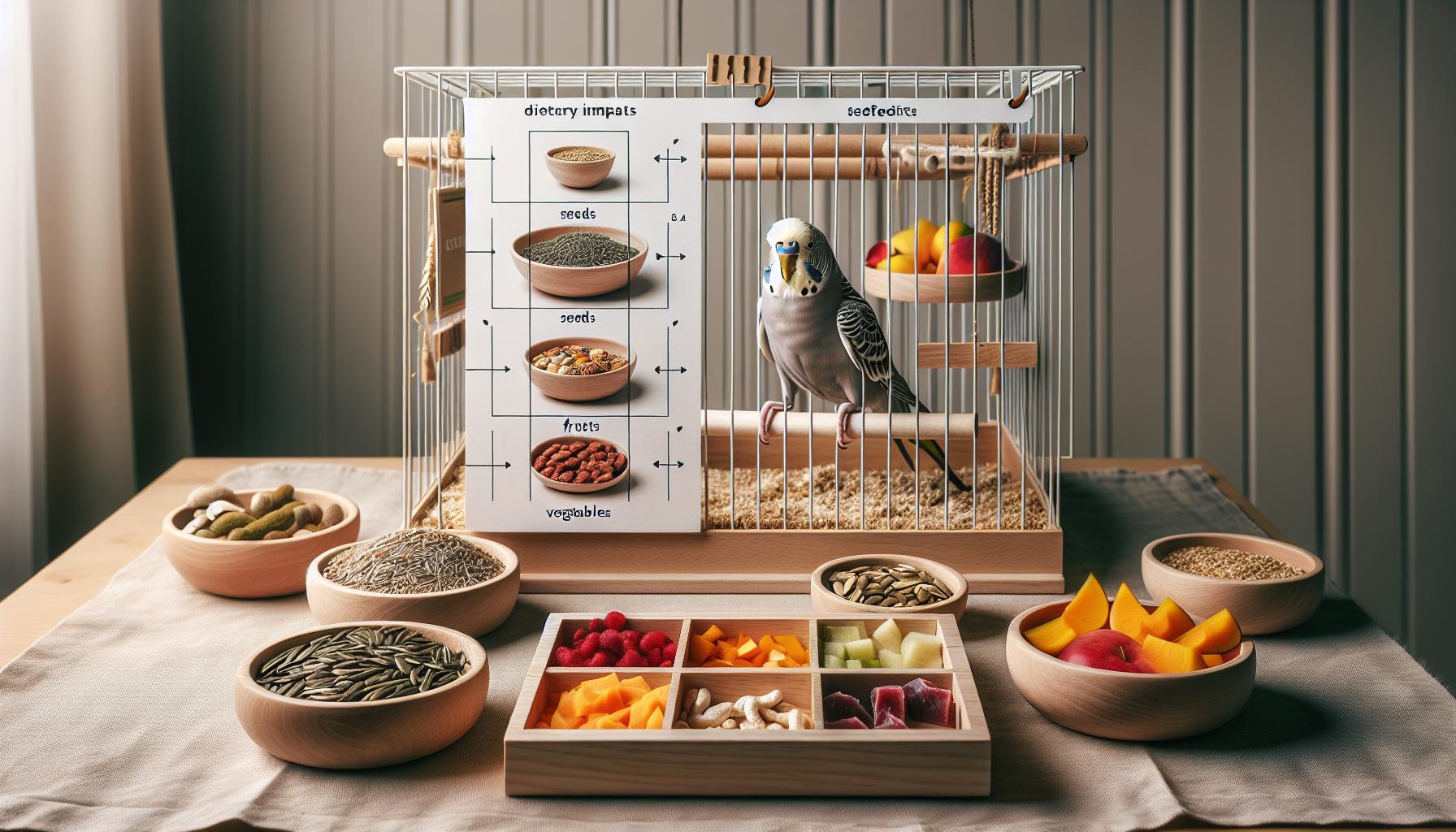
The relationship between what your parakeet eats and their droppings is both fascinating and essential for maintaining their health. A parakeet’s diet heavily influences not only how often they poop but also the consistency and color of their waste. For instance, parakeets that consume a diet rich in fresh fruits and vegetables tend to produce softer, more frequent droppings due to the high moisture content in these foods. This is an important aspect for pet owners to consider, as it indicates how well their bird’s digestive system is functioning.
Conversely, a seed-based diet can lead to firmer and less frequent droppings. Seeds, while nutritionally beneficial in moderation, lack some essential nutrients and moisture when compared to fresh produce. Therefore, it’s crucial to provide a balanced diet that incorporates a variety of foods. Here are some impactful dietary components to consider:
- Fruits and Vegetables: High in water and fiber, these foods assist in maintaining regular droppings. Common options include leafy greens, carrots, apples, and berries.
- Pellets: High-quality pellets can serve as a valuable part of your parakeet’s diet, offering balanced nutrition that can lead to healthier digestion.
- Seeds: While popular, seeds should be offered as a treat rather than the main meal to avoid potential health issues linked to obesity and vitamin deficiencies.
Monitoring your bird’s droppings after dietary changes can provide insights into how their body responds to various foods. For example, if you introduce a new type of fruit and notice an increase in frequency or a change in consistency, it could be a positive sign of digestive health or simply a reflection of the food’s water content.
Always remember that sudden changes in droppings can indicate underlying health issues. If your parakeet is pooping more or less than usual, consider not only what they are eating but also any recent changes in their behavior or environment. Keeping a detailed log of their diet and accompanying droppings can help you and your veterinarian make more informed decisions about their care. Engaging with your feathered friend through their diet not only fosters health but also allows for a deeper connection as you observe their preferences and dietary impacts on their health.
Health Implications of Inconsistent Pooping

A parakeet’s droppings can provide crucial insights into their overall health, much like a canary in a coal mine. When the frequency or consistency of their poop changes significantly, it can indicate underlying health issues that require attention. For instance, a sudden increase in droppings may suggest dietary changes, but it can also be a sign of digestive upset or illness. Conversely, if your parakeet’s droppings become infrequent or overly firm, this might indicate dehydration, stress, or even a potential blockage in their digestive system.
Understanding the is essential for any parakeet owner. Regular observation of your bird’s droppings can reveal patterns and help you pinpoint what might be going wrong. Here are some common health issues linked to irregular pooping habits-and how to spot them:
- Dehydration: If your parakeet’s droppings are small, hard, or very dark, it might not be getting enough water. Ensure that fresh water is always available and consider adding hydrating fruits to its diet.
- Infection or Illness: Unexplained changes in pooping frequency can suggest infections or other health problems, including gastrointestinal diseases. Pay attention to accompanying symptoms like lethargy or changes in behavior.
- Dietary Issues: An imbalanced diet can lead to inconsistent droppings. A sudden switch in food can disrupt a parakeet’s digestive tract, resulting in diarrhea or constipation. Keep a food diary to monitor how different items affect your bird’s health.
Changes in pooping habits may also be related to stress factors, including environmental shifts or social dynamics with other pets. All of these factors emphasize the importance of regular monitoring to quickly address any abnormalities. If you observe any significant changes, consulting with an avian veterinarian is wise to ensure that your feathered friend remains healthy and happy. The more you know about your parakeet’s poop, the better you can care for its needs!
Comparing Poop Frequency in Different Parakeet Species
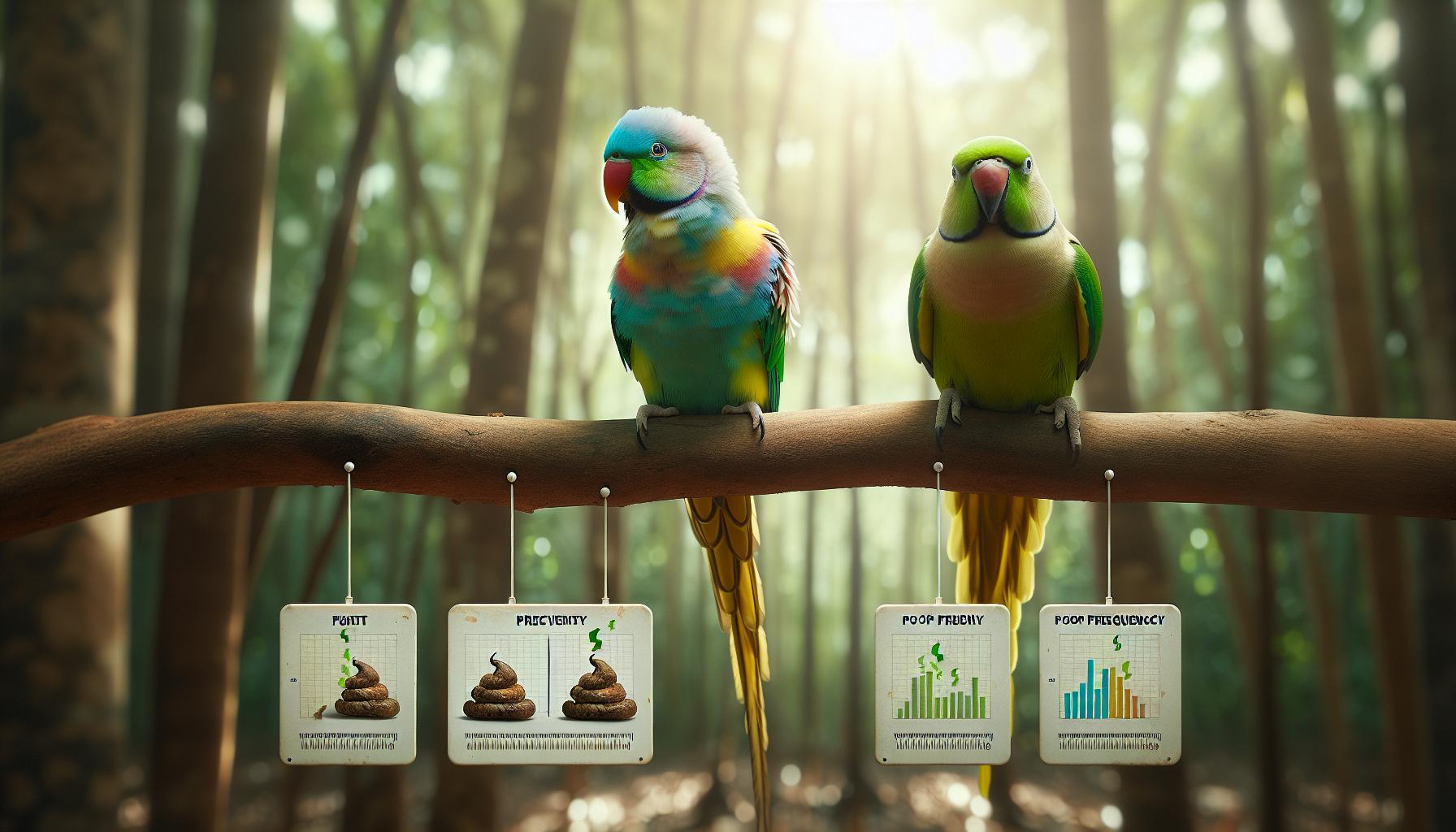
The frequency of droppings in parakeets can vary significantly among different species, each offering unique insights into their health and care needs. Understanding these differences can enhance your ability to provide tailored care for your feathered friend. Generally, parakeets tend to poop often, typically every 15 to 30 minutes, but this pattern may shift based on the species, age, diet, and environment.
For instance, the popular budgerigar, or budgie, is known for its quick digestion and regular droppings, typically associated with their active lifestyle and seed-based diet. In contrast, larger parakeets such as the Alexandrine parakeet may exhibit less frequent droppings due to their more substantial diet that includes a variety of fruits and vegetables, which can slow down digestion. Additionally, mutations, such as those seen in the English budgerigar, may lead to slight variations in digestive function, affecting poop frequency.
It’s crucial to observe species-specific behaviors in droppings. For example:
- Budgerigar: Often produces small, moist droppings, reflecting a high seed content and ample hydration.
- Monk Parakeet: With a higher fruit intake, their droppings may be larger and more water-rich, indicative of their diet.
- Himalayan Parakeet: Typically poops in a less frequent but larger quantity due to a high fiber diet of leaves and seeds.
Regular monitoring of your parakeet’s droppings is essential. If a parakeet is pooping significantly more or less than observed patterns for its species, it could signal dietary imbalances or health concerns. Each species presents its characteristics, so understanding these nuances will allow you to respond appropriately and maintain your bird’s health.
Signs of Healthy vs. Unhealthy Droppings
Observing your parakeet’s droppings is an essential part of their care, as the health of your feathered friend often reveals itself in this way. Healthy droppings generally have a well-defined structure, combining both solid and liquid components. You’ll typically notice that the droppings consist of a dark, solid portion, which reflects their digestion of seeds and greens, while the urate portion is usually white or cream-colored, resembling chalk. These characteristics indicate a balanced diet and proper hydration.
In contrast, unhealthy droppings can take on various concerning signs. For instance, excessively watery droppings may signal infection or dietary issues, while dry, hard droppings could indicate dehydration or a lack of fiber in their diet. Color can also provide clues; if the droppings appear green, it might suggest an overload of green vegetables or potential liver issues, while a bright orange hue could indicate a problem with their digestive system. Regularly checking the consistency and color of your parakeet’s droppings can help you catch any potential health issues early.
It’s helpful to maintain a log of your parakeet’s droppings, noting any significant changes in frequency, color, or consistency. This practice not only aids in identifying patterns over time but also becomes valuable information to share with your avian vet if you notice alarming symptoms. As a general rule, if you observe drastic changes-like increased or decreased pooping frequency-it’s wise to consult a veterinarian who understands avian health, as these changes might indicate underlying issues.
Ultimately, staying aware of your parakeet’s droppings is a simple yet effective way to monitor their health. By fostering good habits in your bird’s diet and environment, you can help ensure that their droppings remain a testament to their well-being, giving you peace of mind as a responsible bird owner.
Tips for Monitoring Your Parakeet’s Health Through Droppings
Keeping a close watch on your parakeet’s droppings is critical for ensuring their health. Did you know that the average parakeet can poop anywhere from 20 to 50 times a day? With such frequency, understanding their droppings offers valuable insights into their health status. By observing the frequency, color, and consistency, you can detect problems before they escalate. Here are some practical tips to help you monitor your feathered friend through their droppings.
Establish a Routine
As a dedicated bird owner, getting into the habit of observing your parakeet’s droppings after meals can provide essential baseline information. After feeding, take a moment to visually check their cage for droppings. Make it a part of your daily routine, just like feeding and cage cleaning. This consistent practice will help you recognize any changes over time.
Keep a Dropping Log
Consider maintaining a droppings log that records observations like frequency, color, and consistency. This log can be incredibly helpful for identifying trends, such as if your bird’s droppings have changed after introducing a new food. Additionally, having detailed notes will assist your veterinarian in diagnosing potential health issues.
- Frequency: Note how many times your parakeet poops in a day.
- Color: Document any changes in color; this could indicate dietary changes or health problems.
- Consistency: Record whether droppings are watery, hard, or anything unusual.
Observe Immediate Changes
Be vigilant about any sudden changes in your parakeet’s droppings. A shift from the expected frequency can be a red flag. For example, if your active parakeet suddenly produces fewer droppings or you notice an increase in watery stools, it may indicate an infection or dietary imbalance. Early detection allows for prompt action, which is crucial in avian health care.
Monitor Hydration and Diet
Your parakeet’s diet plays a critical role in their overall health and poop characteristics. If your bird eats a lot of fresh fruits and vegetables, it may have more frequent and wetter droppings. Conversely, a dry diet may lead to firmer, less frequent droppings. Pay attention to how different foods impact their droppings to maintain a well-balanced diet and prevent issues related to dehydration or excessive moisture.
Keeping an eye on your parakeet’s droppings is not just about cleanliness; it’s a proactive approach to avian care. By adopting these tips, you create a supportive environment ensuring your feathered companion stays healthy and vibrant. Regular monitoring equips you with the knowledge to act if something seems off, reinforcing your role as a responsible bird owner.
What to Do If Your Parakeet Is Pooping Too Much or Too Little
Monitoring your parakeet’s droppings is essential for gauging their health, and noticing significant changes in poop frequency can be a cause for concern. If your parakeet is pooping too much or too little, it’s crucial to understand the underlying factors and how to address the situation effectively. A sudden increase in droppings might indicate a dietary change, possibly from consuming more fruits and vegetables, leading to higher moisture content. Conversely, a decrease in droppings could reflect a serious health issue, dehydration, or dietary insufficiency.
To tackle this, first, assess your parakeet’s diet. Ensure it contains a balanced mix of seeds, pellets, fruits, and vegetables. If you recently altered their food, consider returning to the previous diet to see if this resolves the issue. Keep an eye on their water intake too; lack of hydration can lead to reduced droppings. If dietary adjustments don’t show improvement, observing your parakeet’s behavior can provide additional clues. A lethargic parakeet who is less interactive may warrant a closer inspection and possibly a visit to the vet.
In cases of excessive droppings, you might want to evaluate if there have been any recent stressors-environmental changes, new pets, or loud noises-that could be affecting your bird’s gut. Stress can lead to an upset stomach and increased droppings. If stress is the culprit, try to provide a calm, stable environment and consider using natural calming remedies. Meanwhile, if your parakeet is pooping too little, it’s vital not to delay in seeking veterinary assistance. Decreased pooping can often indicate a blockage or serious health concern, which requires prompt attention.
Finally, keeping a droppings log becomes invaluable. Not only does it help identify patterns or shifts in your parakeet’s health, but it also provides your veterinarian with crucial information during check-ups. Pay attention to the consistency, color, and frequency, and don’t hesitate to seek professional advice if you notice anything alarming. Understanding your parakeet’s body language, along with their droppings behavior, empowers you to maintain their health and happiness proactively.
Understanding the Color and Consistency of Droppings
Understanding your parakeet’s droppings offers a window into their health and well-being. Just like a gardener checks soil quality to gauge plant health, keen observation of droppings can reveal important insights about your feathered friend. The color and consistency of parakeet droppings are not just casual facts; they serve as vital indicators of dietary balance and potential health issues.
A healthy parakeet’s droppings typically consist of three components: the feces, urine, and urates (the white part). You should expect a range of colors, mostly light to dark brown for the feces, which can vary depending on diet. For instance, adding vibrant fruits and vegetables like carrots or beets can impart a more colorful appearance to droppings. It’s essential to note that if the droppings are extremely dark or black, this might suggest bleeding in the gastrointestinal tract, warranting immediate veterinary attention. Conversely, bright green droppings could indicate excessive vegetable consumption or potentially liver issues.
When it comes to consistency, healthy droppings should generally appear firm and well-formed but not overly hard, indicating proper hydration and a balanced diet. Watery droppings, on the other hand, can signal dietary changes, dehydration, or illness. If you observe consistently watery droppings, observing your bird’s overall behavior is crucial, as a lack of appetite or lethargy alongside this symptom can point to a more serious health matter.
In summary, regularly monitoring your parakeet’s droppings, specifically their color and consistency, is integral to promoting their health. Keeping a log of these observations can be an invaluable tool in tracking changes over time. If you notice drastic shifts in either aspect, consider re-evaluating their diet or reaching out to a veterinarian for advice. By staying vigilant and proactive, you can ensure that your parakeet thrives and enjoys a long, healthy life.
Adjusting Care Based on Pooping Behavior
Monitoring your parakeet’s pooping behavior can reveal surprising insights into their overall health and well-being. Did you know that the frequency and appearance of droppings can be one of the earliest indicators of a pet bird’s health status? Parakeets typically poop several times a day, with a normal range being around 20 to 50 times daily, depending on their diet, hydration, and individual metabolism. An increase or decrease in this frequency-especially if accompanied by changes in color or consistency-should prompt immediate attention and may require adjustments in care.
When observing changes in your parakeet’s droppings, it’s crucial to adjust their care accordingly. Here are several factors to consider:
- Diet: Ensure your parakeet has a balanced diet that includes a variety of seeds, pellets, fruits, and vegetables. A sudden change in diet can lead to changes in pooping behavior and should be monitored closely.
- Hydration: Dehydration can lead to smaller, harder droppings. Always provide fresh water and consider the ambient temperature and humidity, as these can affect your bird’s water intake.
- Environment: Stress from environmental changes, such as new pets, loud noises, or moving to a new home, can affect your parakeet’s poop frequency. Create a stable and secure environment to help minimize stress.
- Health Monitoring: Regularly observe your bird’s behavior and droppings. If you notice a significant shift in either, it may indicate underlying health issues that need veterinary care.
In cases where your parakeet is pooping more than usual, it may indicate dietary issues, such as excessive fruit or vegetable intake, while less frequent pooping can be a sign of constipation or illness. Keep in mind that certain species may also have different pooping patterns; for instance, larger parakeets may have less frequent but larger droppings than smaller breeds. By paying attention to these patterns, you can take proactive steps in managing their care and ensure your feathered friend remains healthy and happy.
Finally, regular vet check-ups are essential, and bringing along a log of your parakeet’s pooping behavior can be extremely helpful. This detailed record can give your avian veterinarian crucial insights into your bird’s health, allowing for better-informed care and faster resolutions to any potential issues. By being attentive and responsive to your parakeet’s pooping behavior, you can provide a nurturing environment that promotes a longer, healthier life.
Behavioral Changes Related to Pooping Frequency
Observing your parakeet closely can reveal fascinating connections between their behavior and pooping frequency. Changes in how often your feathered friend drops their droppings can signal significant behavioral shifts that warrant attention. For instance, an increase in pooping frequency could stem from heightened stress levels. Parakeets are exceptionally sensitive to their environment, and stresses ranging from the introduction of new companions to unexpected loud noises can lead to more frequent bowel movements as they react nervously. Monitoring these shifts not only helps to manage their living conditions but also provides insight into their emotional well-being.
Conversely, if your parakeet begins pooping less frequently, it may indicate a retreat into a more passive or anxious state. Illness or discomfort can also manifest as behavioral changes, leading to lethargy and limited movement. A previously active bird, suddenly sitting quietly and exhibiting a drop in droppings, should definitely raise red flags. Regular interaction and enrichment are essential to maintain your parakeet’s mental health; neglecting these factors can result in distress, which is often exhibited through changes in their pooping patterns.
H3: Factors to Monitor
To better understand the link between behavior and droppings, consider various external factors that may influence your parakeet:
- Social Interaction: Parakeets are social creatures that thrive on interaction. Lack of engagement with their owners or other birds can lead to boredom and stress, impacting their digestive health.
- Environmental Changes: Relocating their cage, introducing new toys, or altering their daily routine can disrupt their sense of security. Such changes can manifest in subtle behavioral shifts, affecting their pooping frequency.
- Health Monitoring: Regular observation of your parakeet’s behavior can help you catch signs of discomfort or illness early. Take note of both their activity levels and any changes in droppings to create a comprehensive picture of their health.
By staying attuned to your parakeet’s behaviors in relation to their pooping frequency, you can create a more enriching and supportive environment. Consistency and awareness are your best tools for ensuring your parakeet remains happy and healthy, and adjusting care based on their unique needs will foster a deeper bond between you and your delightful pet.
Faq
Q: How often do parakeets poop in a day?
A: On average, parakeets poop around 10 to 15 times daily. Factors such as diet, hydration, and activity levels can influence this frequency. Monitoring their droppings is crucial for assessing their health and adjusting their care accordingly.
Q: What does it mean if my parakeet is pooping more than usual?
A: Increased droppings may indicate a dietary change or a health issue, such as an intestinal infection. It’s important to evaluate any recent changes in their diet or behavior and consult an avian vet if the change persists.
Q: Can diet affect the frequency of parakeet droppings?
A: Yes, a parakeet’s diet significantly impacts poop frequency. Foods high in fiber, such as fruits and vegetables, can increase droppings, while a diet overly high in seeds may lead to decreased pooping. Ensure a balanced diet for optimal health.
Q: Should I be concerned about the color of my parakeet’s droppings?
A: Yes, the color can indicate health issues. Healthy droppings are usually green to brown, but abnormal colors, such as bright yellow or white, can signal concerns. Check the “Understanding the Color and Consistency of Droppings” section for details.
Q: How can I tell if my parakeet has digestive problems through droppings?
A: Signs of digestive issues include consistency changes, foul odor, or unusual colors in droppings. Regular monitoring for these symptoms will help you catch potential problems early. Refer to “Signs of Healthy vs. Unhealthy Droppings” for more info.
Q: Why does my parakeet occasionally produce liquid droppings?
A: Liquid droppings can occur due to dietary factors, such as excessive fruit intake or sudden changes in their diet. However, if it persists, it might indicate diarrhea or other health issues, necessitating a vet visit for assessment.
Q: How can I help my parakeet maintain a healthy pooping pattern?
A: Providing a balanced diet, fresh water, and regular exercise can promote healthy droppings. Additionally, routine health checkups will help ensure that your parakeet’s digestive health is on track.
Q: What factors can lead to decreased pooping in parakeets?
A: Decreased pooping may result from dehydration, an ill-suited diet, or underlying health conditions. Observe any changes in behavior or appetite, and consult an avian specialist if you notice persistent changes in their droppings.
Final Thoughts
Understanding how often parakeets poop is crucial for maintaining a clean and healthy environment for your feathered friend. Remember, their droppings frequency can vary based on factors like diet and health, so keeping a close eye on their habits can provide valuable insights into their well-being. If you’re looking for more tips on keeping your parakeet happy and healthy, check out our guide on essential parakeet care tips and discover how to create the perfect habitat for your budgie!
Don’t miss out on essential knowledge-subscribe to our newsletter for regular updates on parakeet care, behavior insights, and product recommendations. Your journey with your parakeet doesn’t have to stop here; explore related articles like “How to Take Care of a Parakeet” for deeper insights into feeding, grooming, and bonding with your new companion. Share your experiences or ask questions in the comments below; we love hearing from fellow bird enthusiasts! Together, let’s ensure your parakeet thrives.
Get our latest guides, news, and insights highlighted in your Google Search & AI Overviews.