

Did you know that parakeets, though small and seemingly resilient, can become severely dehydrated in just a few hours without water? Understanding how long a parakeet can go without water is crucial for any bird owner, as hydration is vital to their health and well-being. Whether you’re a seasoned bird enthusiast or a new parakeet parent, knowing the signs of dehydration and the proper care routines can help you ensure your feathered friend thrives. In this article, we’ll explore the factors influencing hydration needs, practical tips for keeping your parakeet hydrated, and what to do if you notice your pet isn’t drinking enough. Let’s dive in and make sure your parakeet stays healthy and happy!
How Long Can a Parakeet Last Without Water?
A parakeet’s survival without water can be surprisingly limited, with many sources indicating they can last only about 24 hours without hydration under normal conditions. Extended periods without access to water can quickly lead to severe dehydration, impacting their health and vitality. In contrast, in extreme heat or when under stress, even a few hours can be critical. Just like humans, parakeets depend on water to regulate their body temperature, facilitate digestion, and ensure metabolic processes work efficiently.
It’s important to note that the exact duration a parakeet can survive without water can vary based on several factors, including its diet, the surrounding temperature, and the bird’s overall health. Parakeets that have access to fresh fruits and vegetables may derive some moisture from their food, which can slightly extend their survival time without direct water consumption. Additionally, younger birds and those under physical stress may succumb faster than healthy adult parakeets.
To maintain your parakeet’s health, ensure they have consistent access to clean, fresh water daily. This proactive measure can prevent the onset of dehydration, which can lead to a range of serious health issues. Regularly check water levels in their dish or water bottle, especially in hotter months or if you’re away from home for extended periods. Implementing a routine that includes frequent checks will help you establish peace of mind regarding your feathery friend’s hydration needs.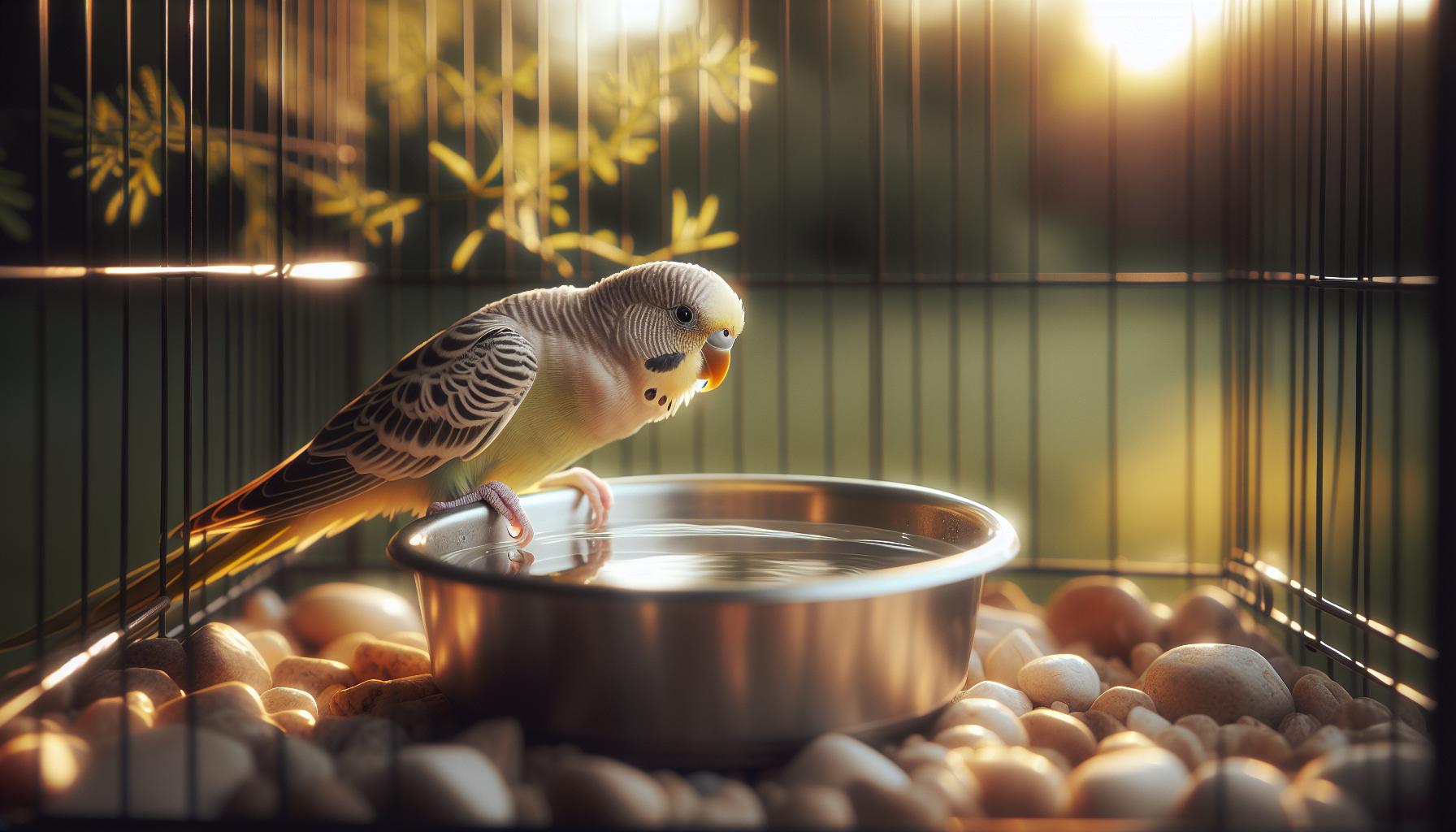
Signs Your Parakeet is Dehydrated
Recognizing the signs of dehydration in your parakeet is crucial for ensuring its health and longevity. Dehydration can set in quickly and can become severe if not addressed. One of the first noticeable behaviors of a dehydrated parakeet is a significant change in activity levels; you might observe your bird becoming unusually lethargic or spending excessive time resting. A hydrated parakeet is generally active, playful, and curious. If it shows signs of disinterest in its surroundings or seems to be less vocal than usual, these could be indicators that it’s in need of hydration.
Another key sign is the appearance of your parakeet’s feathers. When dehydrated, a parakeet’s feathers may become ruffled and lose their vibrant texture. You might also notice that its eyes appear sunken or dull, which can further indicate a lack of adequate moisture. Additionally, pay attention to its droppings; dehydrated parakeets often produce smaller, darker droppings that have a more concentrated appearance, as less moisture is available for proper digestion.
It’s important to note the difference between normal drinking behavior and signs of dehydration. If your parakeet suddenly stops drinking or appears to favor certain foods over water-rich fruits and vegetables, this could be a sign that something is amiss. Monitoring your parakeet’s drinking habits and being aware of any shifts can help you catch dehydration early before it leads to serious health issues. Regularly providing access to fresh, clean water and observing your parakeet’s overall behavior and appearance can aid in keeping your feathered friend healthy and hydrated.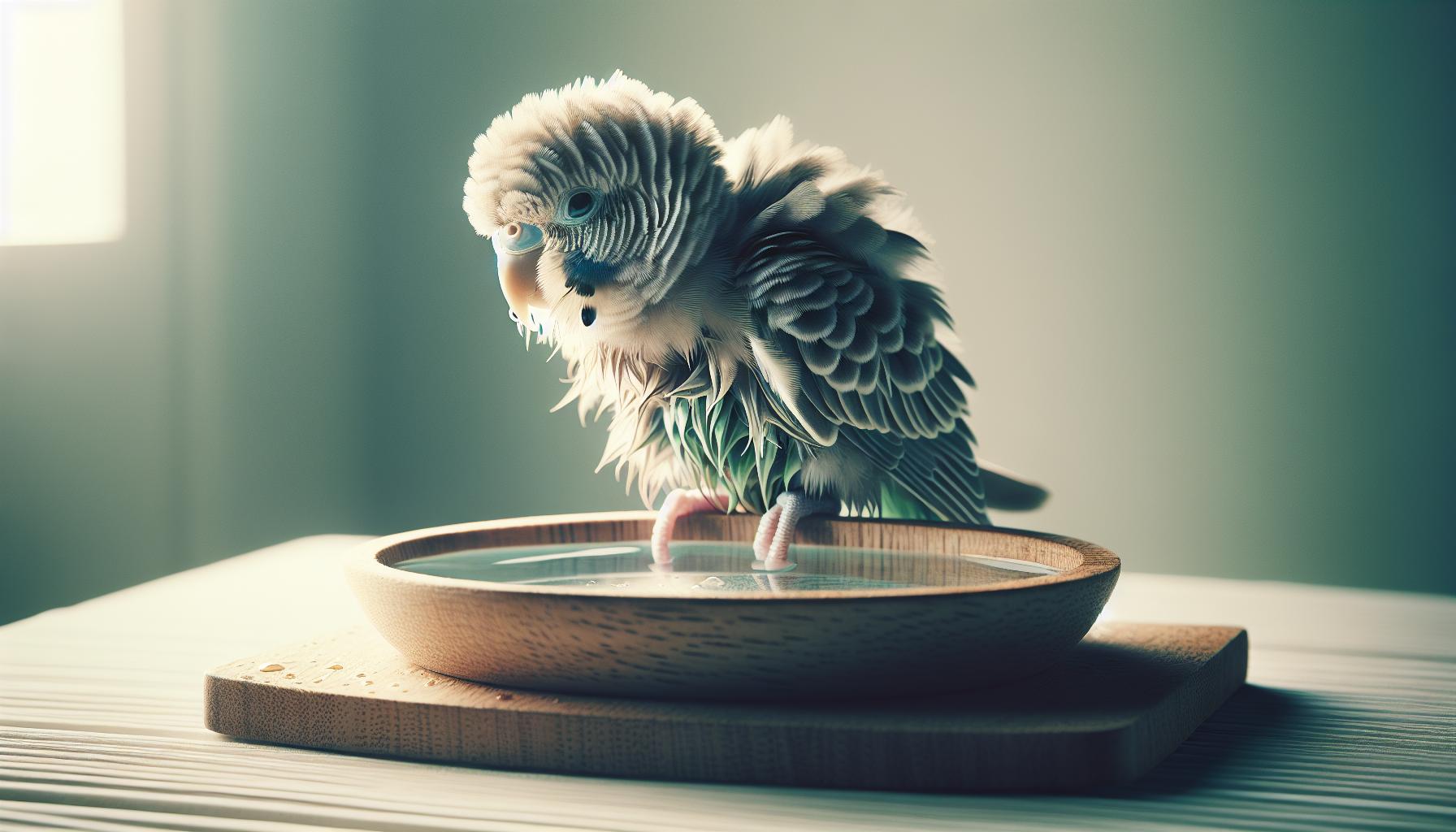
Factors That Affect Water Needs in Parakeets
Understanding the various factors that impact the water needs of parakeets is essential for ensuring their health and well-being. Hydration isn’t just about providing water; it’s influenced by a multitude of elements, including environmental conditions, diet, and individual differences among birds.
One significant factor is temperature and humidity. Parakeets thrive in a comfortable environment; extreme temperatures can lead to increased water loss through respiration and heat stress. In hotter climates, a parakeet may require more water to stay hydrated. Conversely, colder conditions can reduce their water intake since birds generally drink less when it’s cool. It’s important to adjust water availability accordingly, perhaps by ensuring fresh water is always accessible during particularly warm weather.
Diet also plays a crucial role in hydration needs. Parakeets that consume predominantly dry seeds will need more water compared to those that have a mixed diet that includes moisture-rich fruits and vegetables. Foods like cucumber, lettuce, and apples can help maintain hydration levels, providing both nutrition and moisture. If your parakeet is picky and avoids these hydrating foods, it could lead to an increased reliance on water sources.
Lastly, individual differences can greatly influence hydration requirements. Just like humans, birds have unique needs; some parakeets may be more active or have higher metabolisms, resulting in greater water consumption. Additionally, health status can play a role; a sick parakeet may require increased hydration, while others may drink less due to stress or discomfort.
By taking these factors into account, parakeet owners can better cater to their pets’ hydration needs, ensuring they remain healthy and vibrant. Always observe your feathered friend’s behavior and adjust their water supply based on their specific circumstances.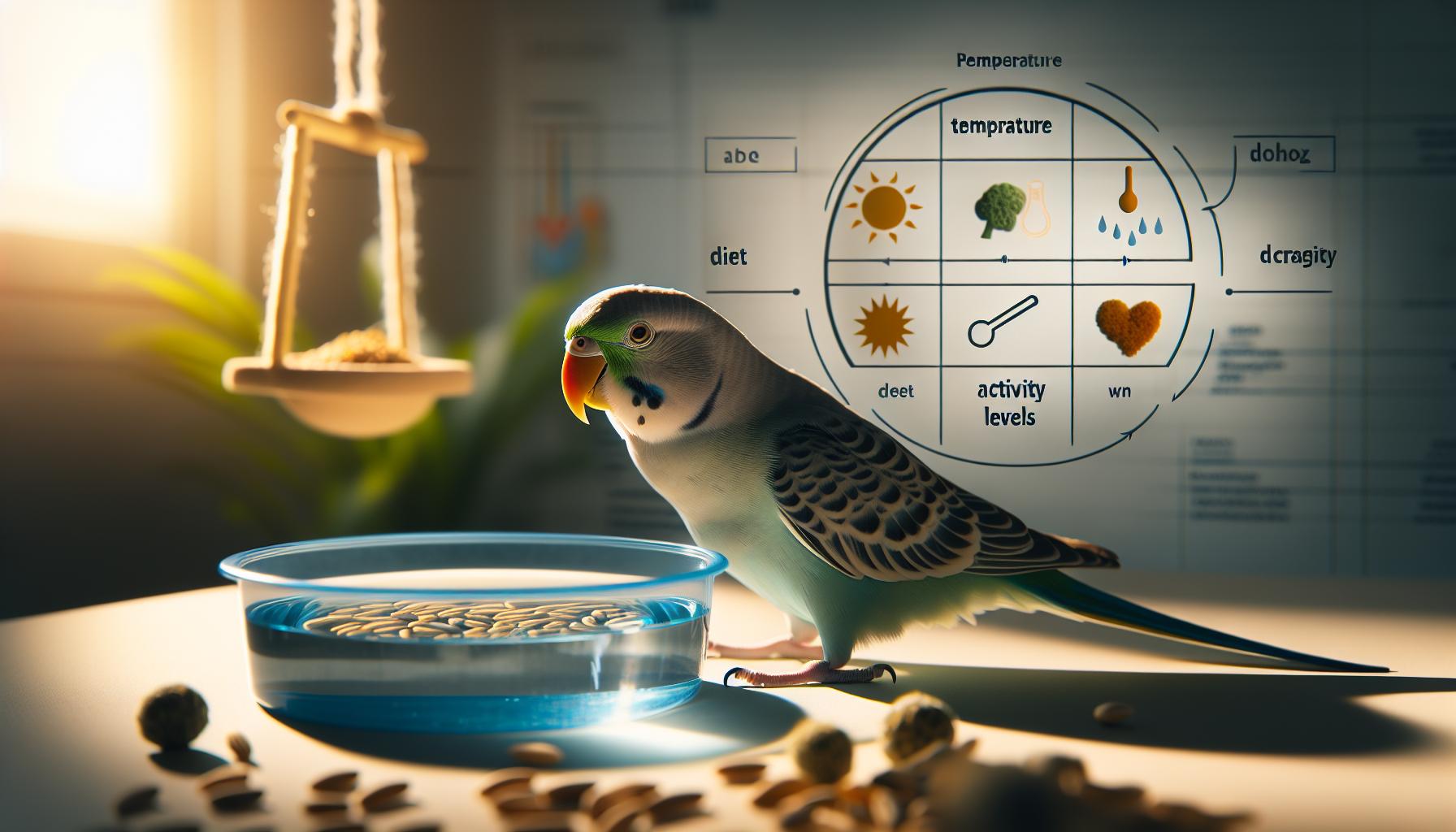
Understanding Parakeet Hydration Requirements
Parakeets are fascinating little creatures, renowned for their playful nature and vibrant colors. A crucial aspect of caring for these lively birds is understanding their hydration needs. Just like humans, birds cannot function properly without adequate water, making hydration critical to their well-being. The intriguing fact is that while parakeets can survive without water for a few days, their health significantly declines after just 24 hours of deprivation. This highlights the importance of providing continuous access to clean, fresh water to your feathered companion.
Several factors influence how much water a parakeet requires. Diet is one of the primary factors; a parakeet that eats a diet rich in fruits and vegetables can get hydration from the moisture content in those foods. In contrast, those who predominantly eat dry seeds may need to drink more water to compensate for the lack of moisture in their diet. Environmental conditions, such as temperature and humidity, also play a significant role. In warmer climates, parakeets will naturally drink more to replace fluids lost through increased heat stress. Conversely, in cooler conditions, they might not drink as much, necessitating that owners adjust the availability of water accordingly.
Additionally, individual differences among parakeets-such as age, activity level, and health-can affect their hydration needs. An active parakeet or one that is molting may require more water than one that is less active or healthy. For owners, it’s vital to observe these variations in behavior and adjust hydration strategies accordingly. If you’re ever uncertain, providing constant access to water is key. Consider placing a water dish in their cage and checking it regularly to ensure it’s clean and filled, promoting healthy hydration habits and preventing the onset of dehydration.
In summary, understanding the hydration requirements of parakeets is fundamental for their health. By paying attention to their diet, environment, and personal needs, you can ensure your parakeet remains vibrant and full of life. Stay proactive about their hydration, and you’ll have a happy, healthy companion.
How to Ensure Your Parakeet Stays Hydrated
To keep your parakeet healthy and hydrated, it’s essential to provide constant access to fresh, clean water. Parakeets, with their lively nature, depend on a well-maintained water source just as much as they do their nutritious diet. One effective way to ensure hydration is to use a combination of water bowls and water bottles. Water bottles often help keep the water clean and prevent spillage, but bowls allow for bathing, which many parakeets enjoy. Experimenting to find your bird’s preference can be beneficial.
In addition to offering plain water, consider incorporating fruits and vegetables into their diet. Many fruits, such as cucumber, watermelon, and oranges, have high water content and can help supplement your parakeet’s hydration needs. This dietary approach not only aids in hydration but also enriches their diet, bringing variety and excitement to their meals. Just be sure to wash these foods thoroughly and remove any uneaten portions to prevent spoilage.
It’s also crucial to monitor the water temperature. Parakeets may prefer room temperature water as extreme temperatures can deter them from drinking. During the hot summer months, you might observe that your parakeet is drinking more. Make it a habit to check daily and refill their water supply to maintain their interest. If you’re going on vacation or will be out for an extended period, consider using a larger water container or an automatic water dispenser to ensure they never run dry.
Lastly, keep an eye on your bird’s behavior. If your parakeet appears lethargic or is displaying diminished activity, it may be a sign of dehydration. Always observe them regularly, and if you notice changes, be proactive about their care. A happy, hydrated parakeet will not only thrive but be an entertaining companion, filling your space with joyful chirps and playful antics. With these tips, you can confidently nurture your feathered friend and keep them lively and healthy.
Effects of Dehydration on Parakeet Health
Dehydration can have profound and serious effects on the health of parakeets, impacting everything from their feather condition to their overall vitality. Just like humans, water is crucial for their bodily functions; a parakeet can only survive for a few days without water, and even a short period without it can lead to significant health issues. When a parakeet becomes dehydrated, it can experience a range of symptoms that signal distress and require immediate attention.
When hydration levels drop, parakeets may first exhibit subtle signs such as less vocalization and reduced activity. As dehydration worsens, these birds may become lethargic, losing interest in social interaction or their environment, which is particularly alarming considering their naturally playful disposition. Over time, chronic dehydration can lead to serious complications, including organ failure, constipation, and increased susceptibility to infections. Their droppings may become darker and drier, serving as a clear indicator of their deteriorating condition.
H3: Health Risks and Long-Term Effects
Severe dehydration is particularly dangerous for parakeets, leading to potential organ damage. The kidneys, which filter waste from the blood, require sufficient water to function effectively; without water, they can quickly become overwhelmed and cease to work properly. Additionally, a lack of water can interfere with the digestive processes, making nutrient absorption more difficult and compromising the bird’s health. Prolonged dehydration may also lead to feather plucking or deterioration, which not only affects their appearance but can also cause skin irritation or infections.
Key Signs of Dehydration:
– Reduced activity and engagement
– Dark, dry droppings
– Lethargy
– Loss of appetite
Recognizing these symptoms early can make all the difference. If you notice your parakeet showing any signs of dehydration, providing access to fresh, clean water is critical. Refresh their water supply at least once a day and consider adding fruits and vegetables with high water content to their diet, such as watermelon and cucumber, which can assist in hydration.
Nurturing a parakeet’s health goes beyond just keeping their water bowl full; it involves a delicate balance of hydration, nutrition, and regular observation. By educating yourself about their needs and monitoring their habits closely, you can ensure your feathered friend remains healthy, active, and vibrant.
Water Sources: Best Options for Your Parakeet
Providing your parakeet with the best water sources is essential for their hydration and overall health. Parakeets are sensitive to water quality; even small changes can impact their well-being. The first choice for water should always be fresh, clean tap water, which most birds readily accept. However, depending on water quality in your area, you may want to filter it to remove chlorine and other impurities that could affect your bird’s health.
Using a water dish is common, but ensure it is shallow enough for your parakeet to drink comfortably without risking drowning. Regularly clean the dish to prevent the growth of bacteria. Many bird keepers opt for water bottles as they provide a constant source of fresh water and reduce the risk of contamination. These bottles should have stainless steel spouts with a sip mechanism, which can help keep water cleaner for longer.
In addition to fresh water, incorporating moisture-rich fruits and vegetables can be beneficial for hydration. Items like cucumbers, oranges, and melons not only hydrate but also add essential nutrients to your parakeet’s diet. Offering a hydration supplement formulated for birds can also be considered, especially in cases of severe heat or illness, but should not replace fresh water.
Monitoring your bird’s water intake is key to identifying potential issues. Watch for changes in drinking habits; if your parakeet suddenly drinks significantly more or less water than usual, it may indicate health problems that require veterinary attention. Regularly refreshing water ensures your parakeet always has access to the hydration they need, especially during warmer weather or periods of increased activity. By prioritizing clean and accessible water sources, you can greatly contribute to your parakeet’s health and happiness.
Comparing Hydration Needs by Parakeet Species
When it comes to the hydration needs of parakeet species, it’s essential to recognize that their requirements can vary significantly. While all parakeets need constant access to fresh water, factors such as size, activity level, and natural habitat can influence how much they drink. A fascinating fact is that larger parakeet species may require a bit more water compared to their smaller counterparts, owing to their greater body mass and higher metabolic rates.
Budgerigar (Budgie)
Budgerigars, commonly known as budgies, are the most prevalent pet parakeets worldwide. These small birds thrive in a variety of environments but are not particularly demanding when it comes to hydration. On average, a healthy budgie drinks about 1-2 teaspoons (5-10 ml) of water daily. This could increase with temperature spikes or after more prolonged periods of flying or play. Moreover, incorporating juicy fruits and leafy greens into their diet can help bolster their hydration.
Indian Ringneck Parakeet
In contrast to the budgie, Indian Ringneck Parakeets may exhibit slightly higher hydration demands. These medium-sized birds typically consume around 2-3 teaspoons (10-15 ml) of water each day. Their playful and energetic nature often leads to a hot and active lifestyle, which in turn raises their water intake. Like budgies, they benefit from a diet that includes moisture-rich foods like apples and cucumbers, which not only aid in hydration but also keep them stimulated.
Other Parakeet Species
Larger parakeets, such as the Alexandrine or Monk Parakeet, can drink significantly more, averaging 3-4 teaspoons (15-20 ml) or more per day, particularly in hotter climates. For these species, access to clean water is critical, as their size and vigorous activity mean they can lose fluids quickly. Additionally, these birds often exhibit a preference for drinking over consuming moisture-rich foods, so ensuring adequate water supply is essential.
Understanding the nuances of species-specific hydration needs helps in not only preventing dehydration but also in fostering optimal health. As a caring owner, regularly observing your birds’ drinking habits provides invaluable insight into their overall well-being and should prompt immediate attention if any changes are noticed.
Emergency Care for Dehydrated Parakeets
Dehydration in parakeets is a critical issue that can escalate quickly if not addressed. When a parakeet has insufficient access to water, it can lead to severe health complications, as these birds can only go a few days without water before their health begins to deteriorate. If you suspect your parakeet is dehydrated, it’s crucial to act immediately to prevent serious harm.
First, look for signs of dehydration, which include lethargy, fluffed feathers, a decrease in activity, and darker or more concentrated urine. If your parakeet shows any of these symptoms, you might need to administer emergency care. One effective method is to offer fresh water in a shallow dish, allowing them to drink at their own pace. If your bird is reluctant to drink, you can gently offer water using a syringe or dropper, ensuring you are extremely careful to avoid choking.
Providing moisture-rich foods can also aid in rehydrating your bird. Offer foods like cucumber, watermelon, or leafy greens, which not only hydrate but also provide essential nutrients. Keep in mind that hydration efforts should be continuous; monitor your parakeet closely for any signs of improvement or further distress.
In extreme cases, where dehydration is severe, do not hesitate to consult an avian veterinarian. They may need to provide subcutaneous fluids or other medical interventions to ensure your parakeet recovers fully. Remember, maintaining constant access to fresh water is crucial in preventing dehydration in the first place, so regularly check and refill your bird’s water supply to promote optimal health and well-being.
Tips for Monitoring Your Parakeet’s Water Intake
Monitoring your parakeet’s water intake is crucial for keeping your feathered friend healthy and happy. Parakeets can only survive a few days without water, and even mild dehydration can lead to serious health issues. To ensure your parakeet remains properly hydrated, there are several effective strategies to implement.
One of the first steps is to establish a regular routine for checking and replenishing your parakeet’s water supply. Here are a few practical tips to keep in mind:
- Daily Checks: Make it a habit to check your parakeet’s water daily. Replace stale water with fresh, clean water to encourage drinking.
- Observe Drinking Habits: Pay attention to how much water your parakeet consumes. If you’re using a clear water bottle, check the levels regularly. If you notice your parakeet avoiding the water dish, it may indicate a hydration issue.
- Moisture-Rich Foods: Incorporate fresh fruits and vegetables with high water content into your parakeet’s diet. Foods like cucumbers, oranges, and leafy greens not only provide hydration but are also nutritious.
- Multiple Water Sources: Consider placing multiple water dishes around your parakeet’s cage. This not only encourages them to drink more but also ensures they can access water from various locations.
Engaging with your parakeet’s environment is equally important. Birds are curious creatures, so if something seems off, such as a change in behavior or activity level, investigate further. Keep an eye out for signs of dehydration, which include lethargy and fluffed feathers. By making these small yet significant adjustments in monitoring water intake, you can help ensure your parakeet remains hydrated and healthy.
Common Myths About Parakeet Hydration
Many bird owners might hold onto some common misconceptions about parakeet hydration that could potentially jeopardize their feathered friends’ health. One prevailing myth is that parakeets can survive for days without water, which is far from the truth. In reality, these birds can become seriously dehydrated within just 24 hours without access to clean, fresh water. It’s crucial to remember that, like all living creatures, hydration is vital for their overall health and well-being.
Another myth revolves around the assumption that parakeets meet their hydration needs solely through their diet. While it’s true that certain fruits and vegetables contain water, this should not replace their primary water source. Relying exclusively on moisture-rich foods can lead to inadequate hydration, especially if the bird is not consuming enough of these foods daily. Therefore, always ensure that your parakeet has a constant source of water available, complementing their diet with hydrating fruits and vegetables like cucumbers and melons.
Moreover, some may believe that warm weather increases a parakeet’s need for water far less than it actually does. During hot summer months, parakeets actually require more water, not less. Increased activity and perspiration can rapidly deplete their hydration levels, so it is essential to monitor their water intake closely, ensuring they stay properly hydrated regardless of the season.
Lastly, the idea that all parakeets, regardless of age or health, require the same amount of water is misleading. A young, active parakeet may need more water than an older or less active bird. Individual requirements can vary based on factors such as activity level, diet, and overall health. Keeping a close watch on your parakeet’s drinking habits is essential to ensure they meet their personal hydration needs.
In summary, debunking these myths is vital for today’s parakeet owners. Prioritizing access to fresh water, understanding the limits of moisture-rich foods, adjusting for climate conditions, and recognizing individual needs will contribute significantly to the longevity and vitality of your parakeet. Consistent hydration checks and adjustments can make all the difference in your bird’s health-a simple yet impactful part of responsible pet ownership!
Q&A
Q: How long can a parakeet survive without water?
A: A parakeet can typically survive for about 24 hours without water, but dehydration can set in quickly. It’s essential to ensure they have access to fresh water daily to maintain their health. Always monitor their water intake, especially in hot conditions.
Q: What are the signs that a parakeet is dehydrated?
A: Signs of dehydration in parakeets include lethargy, fluffed feathers, sunken eyes, and decreased droppings. If you notice these signs, it’s crucial to provide water immediately and consult a vet.
Q: How can I tell if my parakeet is drinking enough water?
A: To ensure your parakeet is drinking enough, observe its water usage daily. A healthy parakeet will drink regularly, and you can also monitor their droppings, which should be moist. If not, increase their water supply and check for health issues.
Q: Do different parakeet species have varying water needs?
A: Yes, different parakeet species may have slightly varying water needs based on size and activity level. Generally, a larger or more active bird will require more water. Always adjust their water supply according to their specific needs.
Q: Can I use flavored water for my parakeet?
A: It is not advisable to use flavored water for parakeets, as additives can harm their health. Stick to fresh, clean water to keep them hydrated. If you want to entice them to drink, try offering slightly different temperatures of water.
Q: What should I do if my parakeet refuses to drink water?
A: If your parakeet refuses to drink, try changing the water source or providing a different type of water bowl. You can also offer moist vegetables as an alternative hydration source, but seek veterinary advice if the refusal persists.
Q: How does temperature affect a parakeet’s water intake?
A: Temperature significantly influences a parakeet’s water intake. In hotter conditions, they will need more water to stay hydrated. Ensure they have ample water available, especially during hot weather or after exercise.
Q: What is the best way to provide water for my parakeet?
A: The best way to provide water for your parakeet is using a clean water bottle and a shallow dish. This ensures easy access and reduces spillage. Make sure to clean the water container regularly to prevent bacterial growth.
These answers are designed to be concise and informative, providing direct responses that address common queries related to parakeet hydration. For additional guidance on keeping your parakeet healthy and hydrated, feel free to explore further sections on parakeet care.
In Summary
Understanding how long a parakeet can go without water is crucial for their health and well-being. Always aim to provide fresh water daily, as even short periods without hydration can lead to serious health issues. If you’re concerned about your parakeet’s water intake or behavior, don’t hesitate to explore our in-depth resources on parakeet care and nutrition, as well as common health concerns.
Ready to take the next steps in ensuring your feathered friend thrives? Dive into our guide on “Parakeet Diet Essentials” and learn about the best practices for keeping them hydrated and healthy. Also, consider subscribing to our newsletter for the latest tips and insights on avian care that every bird owner should know. Your parakeet’s happiness is just a click away-let’s keep the conversation going!
Get our latest guides, news, and insights highlighted in your Google Search & AI Overviews.










