
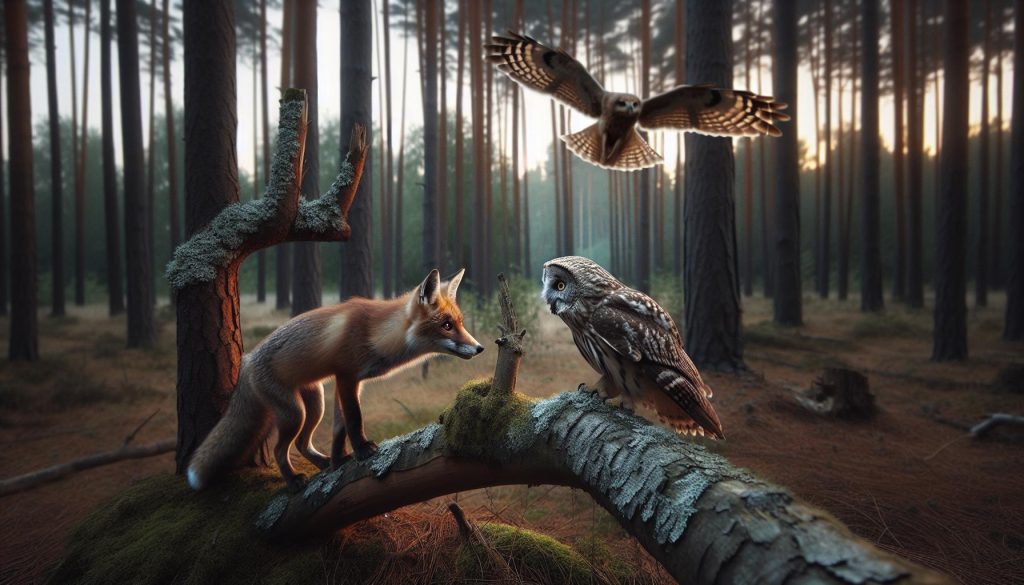
Did you know that owls, despite their reputation as fierce nocturnal hunters, have a range of natural predators? Understanding what animals eat owls is crucial not only for bird enthusiasts but also for anyone interested in the delicate balance of ecosystems. The top predators of owls play a significant role in their population dynamics and can influence local biodiversity. By exploring this topic, readers will gain insight into the challenges owls face in the wild and the intricate relationships within their habitats. Whether you’re a budding birder or a seasoned wildlife observer, uncovering the surprising enemies of these fascinating birds will enhance your appreciation for them and the ecosystems they inhabit. Join us as we delve into the world of owl predators, revealing the complexities of nature and the importance of every species in maintaining ecological harmony.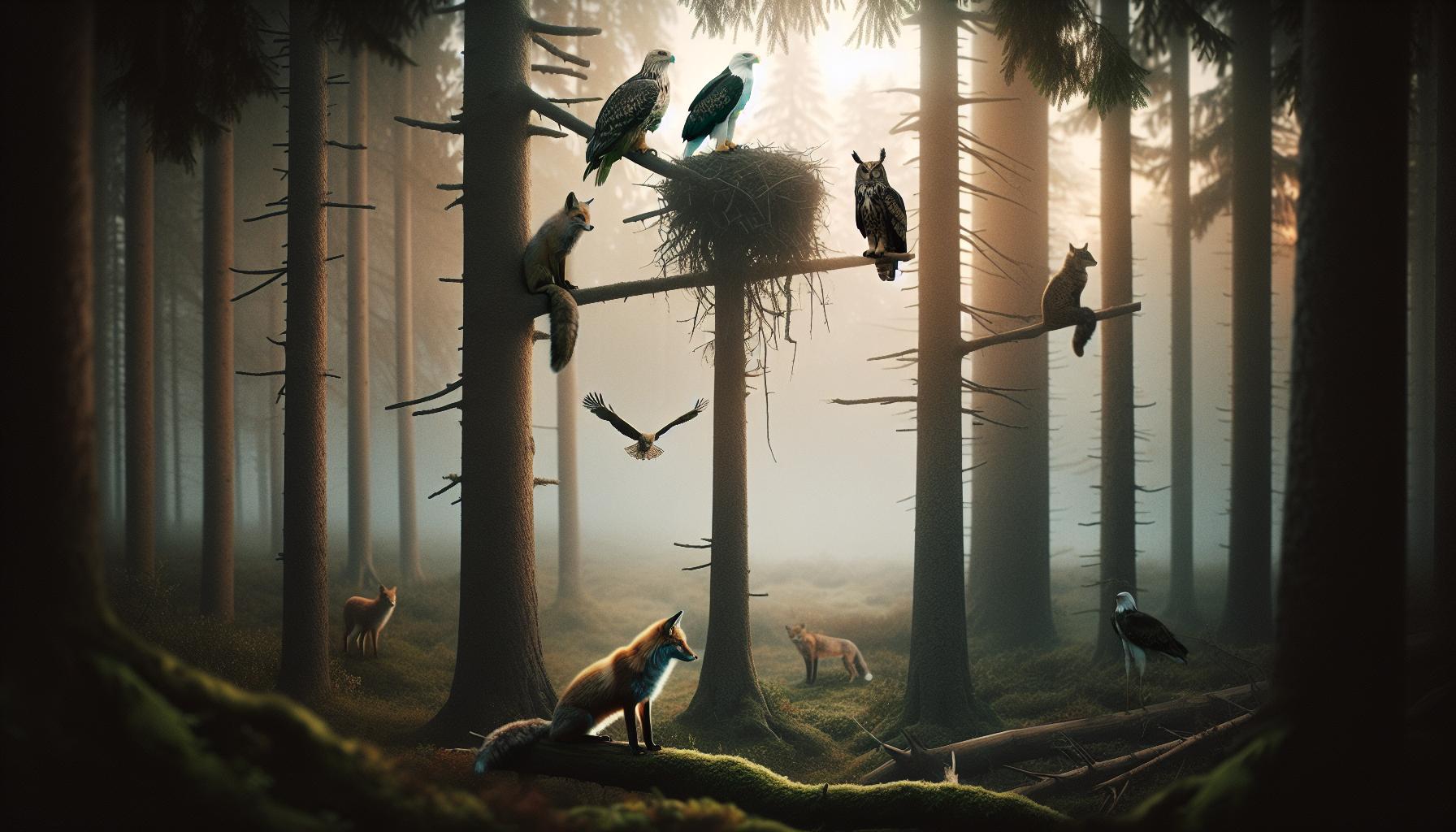
What Are the Natural Predators of Owls?
Owls, known for their nocturnal hunting prowess and exceptional camouflage, are not without threats in the wild. Although majestic and often regarded at the top of the food chain in their respective habitats, various predators target them. Understanding these threats is crucial not only for appreciating these fascinating birds but also for conserving their populations.
Among the most prominent natural enemies are larger birds of prey, particularly hawks and eagles. These formidable flyers are capable of catching owls off guard, especially during daylight hours when owls may be less alert. Besides avian threats, several mammals present significant risks, including foxes and raccoons. These opportunistic hunters can ambush owls, especially juvenile or injured individuals who may not have the advantage of flight. Additionally, larger snakes have been known to prey on smaller owl species, adding another layer to the already complex predator-prey dynamics in the avian world [1][3].
Interestingly, human activities also pose a critical threat to owl populations. Habitat destruction, hunting, and pollution contribute to declining numbers, making our species one of the most impactful predators in the ecosystem. Protecting owls and their habitats is essential to maintaining balanced populations of both owls and their predator species, highlighting the intricate web of life in which these birds exist [2].
In conclusion, while owls are powerful and resilient creatures, they are not invincible. Being aware of their natural predators and the influence of human actions can help foster a greater understanding of these remarkable birds and the ecosystems they inhabit. Conservation efforts must continue to ensure these magnificent creatures thrive amid the challenges they face.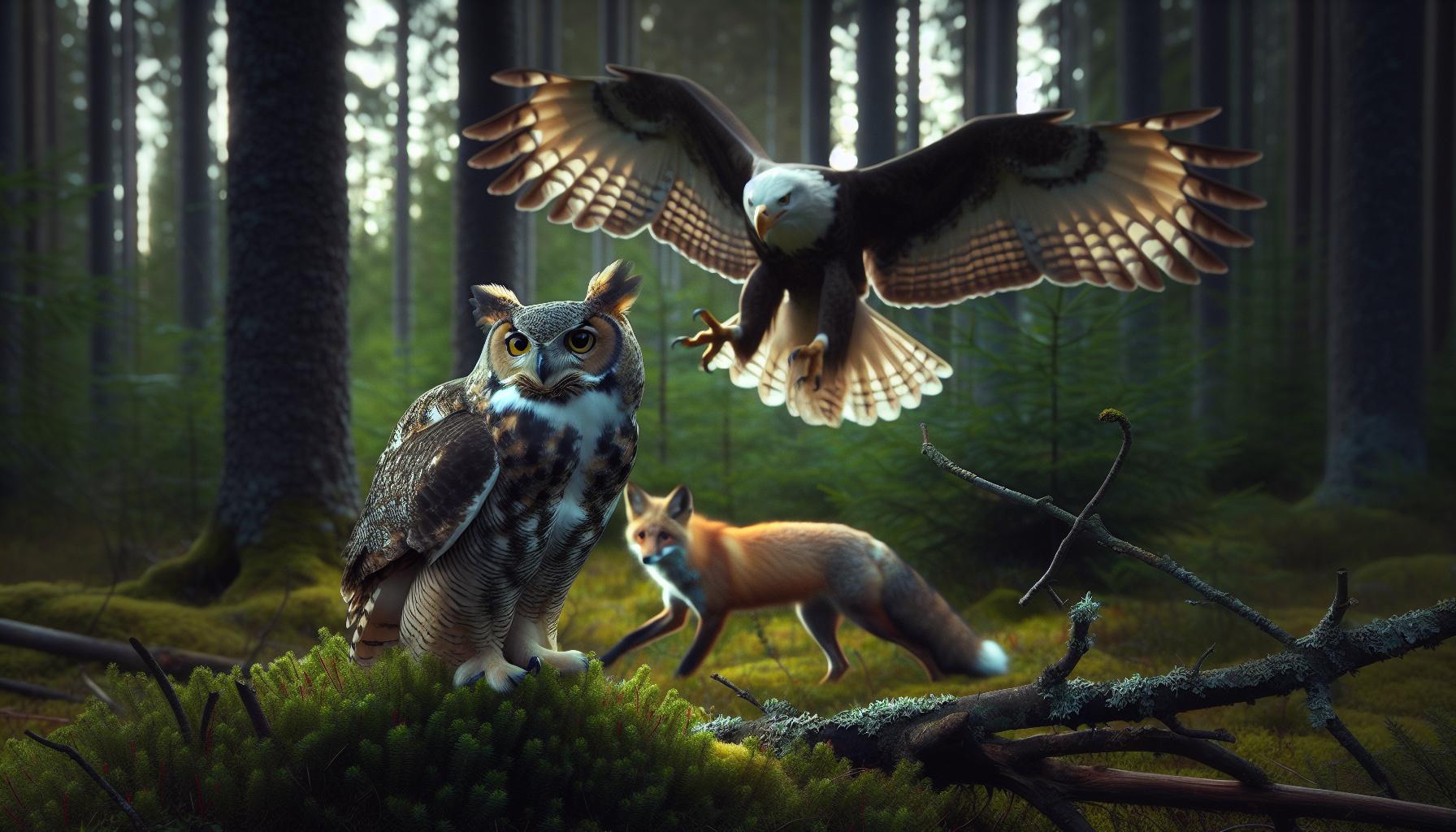
Top Predators: Which Animals Hunt Owls?
Among the many fascinating dynamics of the natural world, the relationship between owls and their predators reveals the relentless struggle for survival in the wild. While owls are often seen as top-tier predators themselves, they are not immune to the threats posed by larger birds and cunning mammals. Understanding which animals hunt owls can shed light on their ecological role and the pressures that their species face.
Larger birds of prey, particularly hawks and eagles, are among the foremost threats to owls. These formidable aviators have keen eyesight and fast flying capabilities, which allow them to exploit the vulnerability of owls, especially during daylight hours. Owls, being primarily nocturnal, often find themselves at a disadvantage when exposed to such aerial hunters. Notably, species like the Great Horned Owl, despite being powerful, can sometimes fall prey to larger raptors when caught off guard.
On the terrestrial front, several mammals also vie for an opportunity to hunt owls. Foxes, especially the red fox, are clever predators known to stalk and ambush owls, particularly juveniles or those that are weak from injury. Raccoons are equally opportunistic; their agility and intelligence help them navigate both urban and rural settings where owls might roost. Moreover, large snakes, such as the Eastern Pennsylvania Rat Snake, can pose a danger to smaller owl species, such as the cute but vulnerable Elf Owl.
The survival of owls is a test of adaptation against these top predators. As a bird enthusiast, it’s important to appreciate the intricate relationships in nature, understanding that while owls are skilled hunters, they too must employ various strategies for evasion and survival in a world where threats loom both above and below. By protecting their habitats and fostering awareness of their ecological role, we contribute to a balanced ecosystem that allows both owls and their predators to thrive.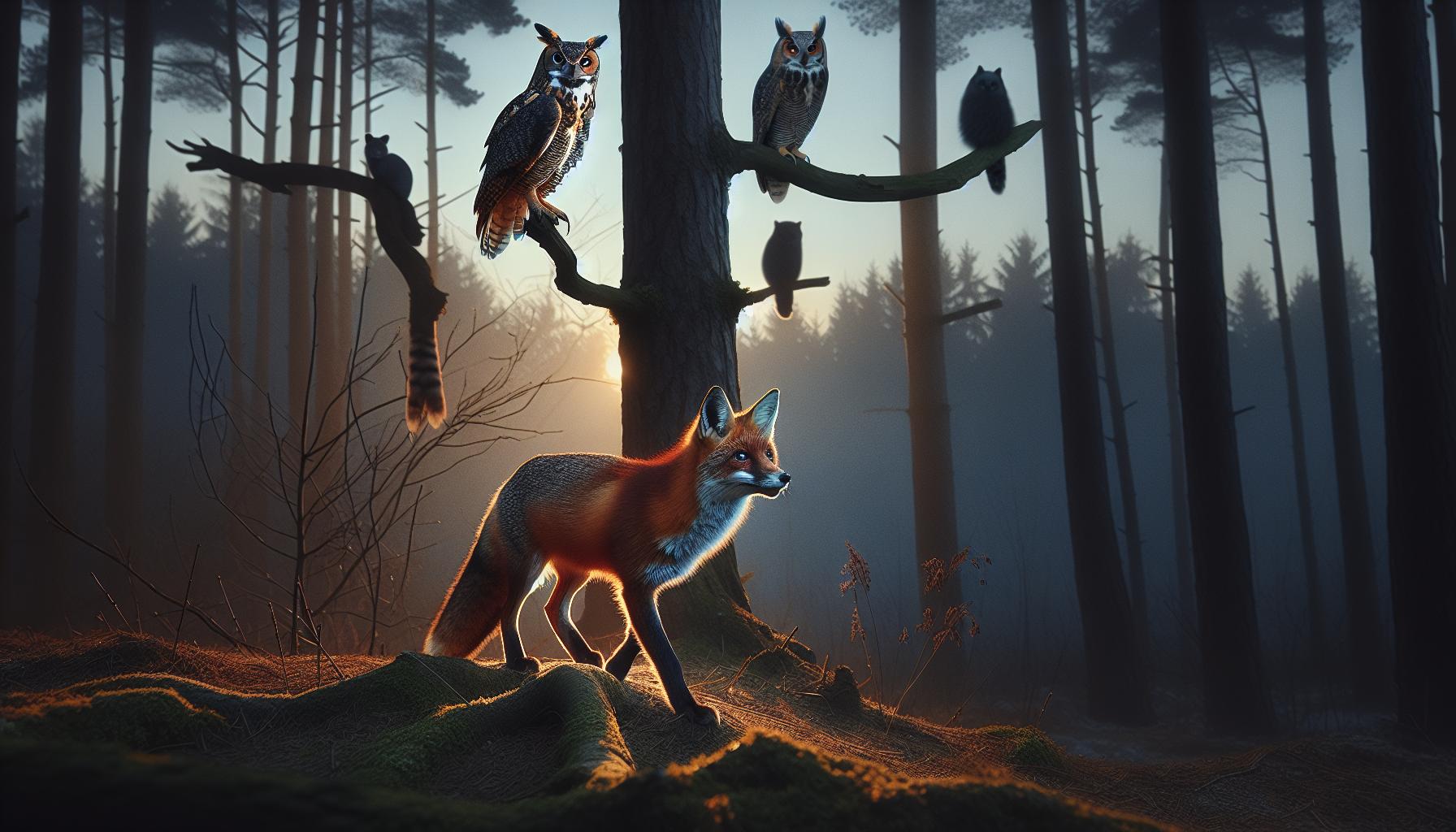
How Geography Affects Owl Predation
Geography plays a crucial role in the dynamics of owl predation, influencing which predators exert pressure on owl populations as well as the survival strategies that owls employ. The habitat in which owls reside not only affects their availability of prey but also determines the presence of potential threats. For instance, in open grasslands, owls like the Barn Owl may face significant predation from larger raptors such as hawks, which can easily spot them from above. Conversely, in dense forests, the cover provides a greater chance for owls to evade these aerial predators; however, it can also harbor terrestrial threats like foxes and raccoons that are adept at navigating such environments.
Different geographic locations also shape the types of owl species found in those areas, which in turn can affect the predatory relationships at play. In regions where smaller owl species, like the Elf Owl, exist, they may be more vulnerable to predators such as snakes or larger birds of prey than their larger counterparts, like the Great Horned Owl, which can defend themselves more effectively. This variance is essential for understanding the balance of ecosystems, as the removal or decline of one species can ripple through the food web, altering predator-prey dynamics.
Moreover, seasonal changes influenced by geography can impact owl behavior and predation risks. For instance, during winter months, food scarcity can drive both owls and their predators to alter their hunting patterns, leading to an increased likelihood of encounters that may impact owl survival rates. Wetlands can provide temporary shelter during migration or breeding seasons, but if these areas are disrupted due to human activity or climate change, the associated predation pressures may intensify as owls are forced into less suitable habitats.
In summary, to effectively understand how owls navigate their predation risks, we must consider the geographical context of their environment. The interplay between habitat characteristics, the presence of various predators, and the behaviors driven by seasonal changes are all essential elements in the ongoing survival game of owls against their natural foes. Observing these patterns helps birdwatchers and conservationists alike appreciate the complexity and fragility of avian ecosystems.
The Role of Ecosystems in Owl Survival
The intricate relationships within ecosystems play a crucial role in the survival of owls, providing both challenges and support for these remarkable birds. As apex or near-apex predators, owls are integral to maintaining balanced populations of various species in their habitats. Yet, this position also renders them vulnerable to specific threats. For instance, in forested regions, owls rely on cover for hunting and nesting, but that same structure can conceal their predators, including raccoons and foxes, which pose significant risks, particularly to young owls.
Key factors such as prey availability, habitat quality, and the presence of natural predators contribute to the dynamics of owl survival. Owls often find secure nesting sites in cavities or dense foliage, which offer protection from larger birds of prey, like hawks and eagles. However, these predators may still pose threats if they can access baby owls or invade well-camouflaged nests. Furthermore, owls like the Great Horned Owl demonstrate remarkable adaptability; even as they face competition and predation threats, they can occupy various environments, from urban areas to remote woodlands, showcasing their resilience and importance in differing ecological contexts.
For bird enthusiasts and conservationists alike, understanding these ecological interactions is vital. Observing owls in their natural habitats adds to our appreciation of their role in biodiversity. Recognizing how external factors, such as habitat loss, climate change, and introducing invasive species, disrupt these fragile ecosystems is equally crucial. These changes not only affect owl populations but ripple through the food web, impacting various species connected to the same environment. Thus, fostering habitats that encourage thriving owl populations benefits the overall health of ecosystems.
By supporting local conservation efforts aimed at preserving natural habitats and recognizing the importance of protecting owls, we help maintain the delicate balance these birds represent within their ecosystems. This way, we ensure that future generations will witness the awe-inspiring presence of owls in the wild, as they continue their critical role as both predator and prey in the ever-evolving narrative of life on Earth.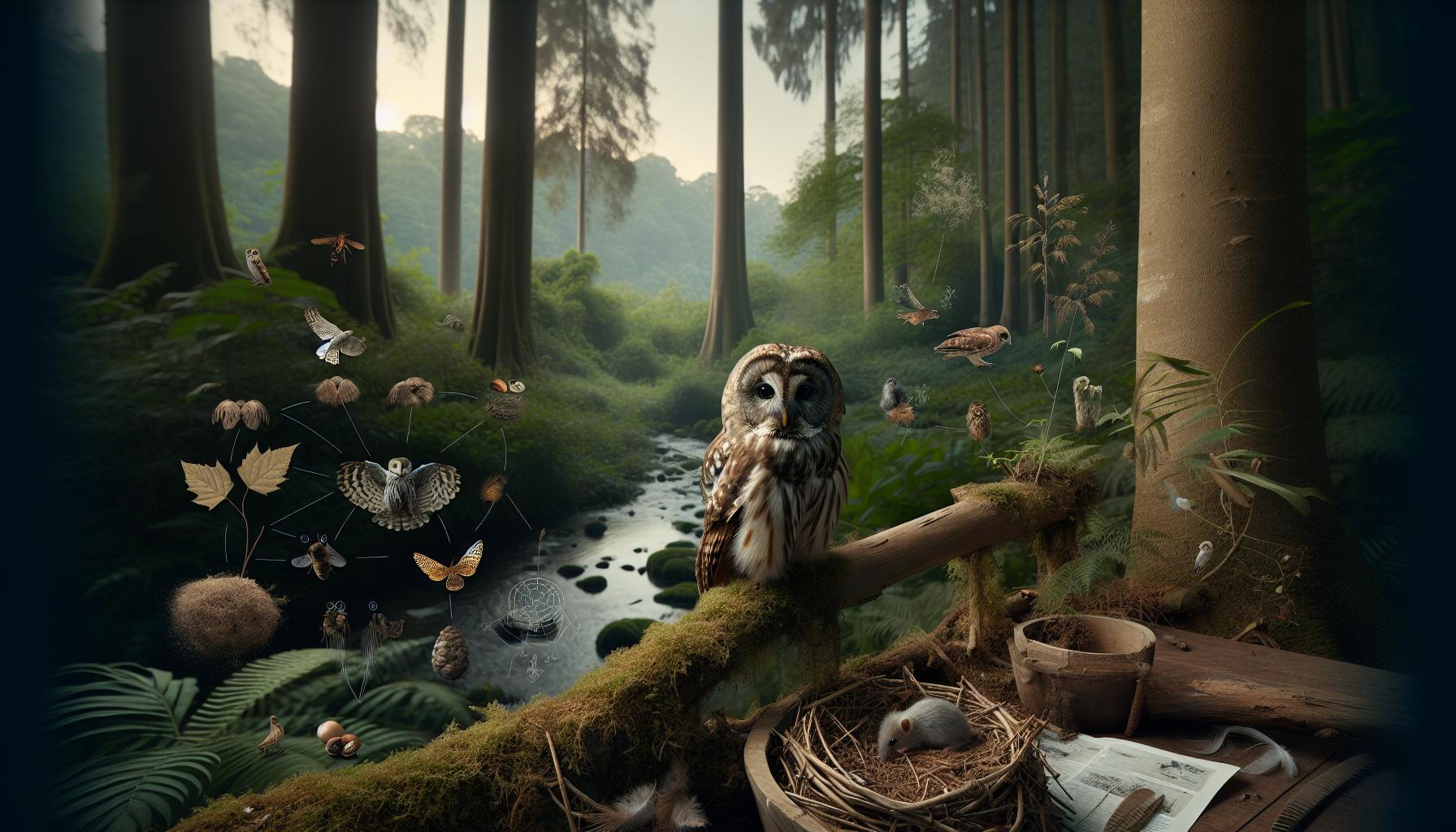
Commonly Known Owl Predators Explained
Owls, with their enchanting calls and silent flight, command a unique place in the ecosystem as skilled hunters. However, they are not without their vulnerabilities. The very adaptations that make owls exceptional predators also expose them to various natural threats from fellow creatures in their habitat. Understanding who hunts owls is not just an intriguing fact but crucial for appreciating the complex relationships that define avian life.
Among the most notorious predators of owls are larger birds of prey like hawks and eagles. These formidable hunters can overpower smaller owls, particularly when they are nesting or roosting. For instance, the Great Horned Owl, while a powerful predator itself, often faces threats from species such as the Bald Eagle, who may raid nests not only for eggs but also for the young owlets. Another significant predator in wooded areas includes red foxes, which can easily infiltrate nests to prey on chicks if given the chance.
In the realm of mammals, raccoons and even domestic cats pose a serious risk to nesting owls. Raccoons are notorious nest raiders and have a keen ability to locate owl nests hidden amongst foliage or in tree cavities. Their dexterous paws and intelligence allow them to pry open areas that owls may see as secure. Similarly, while domestic cats may seem harmless, they are one of the leading threats to many bird species, including young owls, as they hunt indiscriminately.
Environmental factors also play a crucial role in predation risks. In urban areas, habitat fragmentation can push owls into closer proximity with these potential predators. Consequently, understanding the behaviors of these threats can enlighten conservation efforts. For instance, placing owl boxes in less accessible or more sheltered environments can safeguard nests from common offenders, while providing a sense of security and promoting successful rearing of owlets.
Ultimately, the predator-prey dynamic is vital for maintaining ecological balance. Recognizing the various threats that owls face helps in implementing conservation strategies that ensure their survival and, by extension, the health of the ecosystems in which they play a pivotal role. Whether you are a seasoned birdwatcher or new to the world of ornithology, an appreciation of these complex interactions enriches our understanding of these majestic creatures and their habitats.
Unusual Threats: Lesser-Known Owl Enemies
While most people envision hawks and foxes as the principal threats to owls, a fascinating array of lesser-known enemies lurk in the shadows, each posing unique challenges to these remarkable birds. For instance, wild boars are often overlooked in discussions about owl predation, yet their ability to uproot vegetation can disturb nests hidden within dense underbrush, exposing vulnerable owlets to sun and predators alike. The sheer size and power of wild boars can create a significant disturbance in their habitat, making them unintentional enemies of nesting owls.
Another unexpected adversary is the great horned owl itself. While they are often seen as apex predators, instances of cannibalism have been documented, particularly during times when food is scarce. Larger adults may prey on younger or weaker owls, especially in overlapping territories. This grim reality emphasizes the competitive dynamics within owl populations and the harsh survival strategies they must adopt.
Cats, although commonly associated with domestic settings, present an extraordinary threat in many regions. Studies have shown that not only domestic cats but also feral cats are responsible for decimating local bird populations, including owl chicks in urban and suburban environments. It’s alarming to think that a creature often seen as harmless can be such a dynamic predator.
In addition to biological threats, climate change introduces unusual enemies that compound stresses on owl populations. Invasive plant species, which alter the habitat structure, can hinder owls’ ability to find hiding spots for their young. As these plants encroach on owl territories, they not only limit nesting options but also facilitate predation by larger ground predators that might not have been prevalent in their ecosystems before.
Understanding the diverse threats owls face extends beyond just identifying common predators. It invites us to consider the complicated web of ecological interactions and environmental factors at play. Protecting owls entails a deeper commitment to safeguarding their habitats and addressing the indirect threats posed by other species, invasive plants, and evolving environmental conditions. As birdwatchers and ecology enthusiasts, fostering awareness about these lesser-known enemies can help us play a part in conserving these magnificent creatures and the delicate ecosystems they inhabit.
Behavioral Adaptations: How Owls Stay Safe
Owls are masters of survival, exhibiting remarkable behavioral adaptations that help them evade their many predators. One fascinating strategy is their incredible camouflage, which allows various species to blend seamlessly into their surroundings. With feathers that mimic the colors and textures of tree bark, owls can stay virtually invisible to both potential threats and unsuspecting prey. This adaptive coloration is especially crucial for the young owlets, which rely on stealth during their vulnerable fledgling stage, quietly perched and almost indistinguishable from the branches above.
Another key behavior is their incredible ability to sense their surroundings. Owls possess exceptional hearing, thanks to the asymmetric placement of their ears, which allows them to pinpoint sounds with remarkable accuracy. This auditory prowess not only aids them in hunting but also in detecting approaching danger. When they sense a predator nearby, owls often remain motionless and silent, effectively using their stillness to avoid drawing attention. This behavior is complemented by their nocturnal nature, as many predators that threaten them, like hawks and eagles, are diurnal. Owls are primarily active at night, exploiting the cover of darkness to navigate and hunt, giving them an advantage over their daytime foes.
Defensive Behaviors
In addition to camouflage and heightened senses, owls display several defensive behaviors when threatened. Some species will engage in distraction displays, feigning injury to lure predators away from their nest or fledglings. This tactic is known as the “broken-wing display,” where an adult owl will flutter around on the ground, making it appear as if it is injured. This behavior effectively draws the predator’s attention away, ensuring the safety of its young.
Owls are also known to be surprisingly aggressive when defending their territory. Many species will fiercely defend their nesting sites from perceived threats, utilizing vocalizations and physical displays of dominance to ward off intruders. In instances where confrontation is unavoidable, they can engage in combat, using their talons and beaks as formidable weapons. For those interested in birdwatching, observing these behaviors can be both enlightening and thrilling, revealing the complex dynamics of predator and prey in the natural world.
Through these various adaptations, owls exemplify the intricate balance of nature, showcasing their resilience and strategic approaches to survival amidst the challenges posed by their natural enemies.
Owls vs. Their Predators: A Survival Game
Owls are often viewed as apex predators themselves, but they also navigate a complex landscape where they must contend with various threats. Among these predators are larger birds of prey, such as hawks and eagles, as well as terrestrial hunters like foxes and raccoons that might prey on them or their young. The dynamic between owls and their predators resembles a high-stakes game of survival; both parties are constantly adapting, where evasion and predation strategies shape their behaviors and ecological roles.
Allowing specifics to illuminate this survival game, it’s critical to note that many owl species employ nocturnal habits to evade their primary threats, who are mostly diurnal. This advantage of time allows them to hunt and forage under the cover of darkness, generally avoiding encounters with predators that are active during the day. When faced with immediate danger, an owl might resort to its repertoire of defensive strategies: motionless silence, aggressive displays, or distraction tactics are just a few ways they attempt to outsmart their adversaries. For instance, the Great Horned Owl may use powerful hoots to assert dominance in its territory or engage in a broken-wing display to mislead a potential threat away from its nest.
Adapting to Predation
While physical adaptations like keen eyesight and camouflaged feathers play a substantial role in their survival, owls also employ behavioral adaptations that decouple them from their predators. Collaborative hunting and nesting in groups can help dilute the risk of predation, as more eyes mean an increased likelihood of detecting threats. Such strategies extend beyond their immediate interactions with predators; they encompass a broader ecological perspective, emphasizing the balance of prey and predator populations that perpetuate healthy ecosystems.
The ongoing “survival game” between owls and their predators continues to evolve, with each encounter presenting opportunities for both learning and adaptation. This balance is crucial; not only does it help ensure that owl populations remain stable through natural selection, but it also fosters a rich biodiversity wherein both predator and prey thrive. For the passionate birdwatcher or nature enthusiast, witnessing this interplay can be immensely rewarding, as it reflects the intricate web of life that defines our natural world.
Impact of Predators on Owl Populations
The delicate balance of predator and prey is a fascinating aspect of nature, especially concerning owls. These masterful hunters, despite their prowess, are not immune to predation themselves, and this dynamic significantly impacts their populations. Predators such as larger birds of prey, raccoons, and even foxes exert pressure on owl numbers, influencing their reproductive success and overall survival in various ecosystems.
When a predator successfully hunts an owl, it not only reduces the individual owl population but can also have cascading effects on the local ecosystem. For instance, in areas where hawks and owls inhabit similar niches, competition for food can intensify. If hawks become more prevalent, they may drive owl populations down due to increased predation. This predation pressure can create a feedback loop where fewer owls lead to greater rodent populations (their primary prey), which may further alter the local biodiversity.
Owls have evolved several strategies to mitigate the risks posed by their predators. Many species are primarily nocturnal, hunting under the cover of darkness while their main predators, like hawks and eagles, hunt by day. This behavioral adaptation allows them to exploit a niche where they are less likely to encounter these threats. Furthermore, some owls, such as the Barn Owl, are known for their exceptional camouflaging abilities, which help them remain undetected while roosting or nesting.
Understanding the impact of predation on owl populations is crucial for conservation efforts. Protecting habitat areas where owls successfully breed and raise their young can help maintain stable owl populations amidst the pressures they face. Conservationists often focus on preserving these critical environments while also monitoring predator populations, maintaining a balance that ensures both owls and their predators can thrive in harmony. By appreciating this interplay, bird enthusiasts can foster greater respect for the complex relationships within ecosystems, recognizing that each species plays a vital role in the health of the environment.
Conservation Challenges for Owls and Their Predators
Conservation efforts concerning owls and their natural predators face numerous challenges, largely stemming from habitat loss, climate change, and human disruption of ecosystems. Owls, often at the top of their food chain, are vulnerable to changes in their environment that impact not only their populations but also those of their predators. For instance, the ongoing degradation of forests and grasslands directly limits the spaces where these birds can hunt, nest, and thrive, resulting in reduced numbers and genetic diversity.
Many owl species are already dealing with the pressures of declining prey availability, which can be exacerbated by the predation patterns of other species. If certain predator populations, such as raccoons and foxes, become overly abundant due to human activities (like urbanization or open land use), they may put extra stress on owl populations by increasing competition for the same food sources. This is a significant concern as some owls rely on specific rodents as their primary diet, and the reduction in these prey animals can have cascading ecological effects.
Moreover, conservation strategies must consider the interdependencies within ecosystems, as predators play critical roles in maintaining balance. For instance, if a predator like the Great Horned Owl declines, rodent populations may explode, leading to over-grazing of local vegetation, which can, in turn, affect other wildlife species. Thus, effective conservation must include protective measures for both owls and their predators, ensuring that mitigation efforts focus on preserving biodiversity as a whole.
Active community engagement in conservation is vital. Individuals can participate in local wildlife surveys, habitat restoration projects, and educational campaigns that highlight the importance of all species in an ecosystem. Documenting sightings and interactions with owls and their predators allows local conservationists to develop informed strategies that cater to the specific dynamics at play in their regions. Each action taken to safeguard habitats directly contributes to the survival of these fascinating birds and their natural ecosystem, highlighting our role in preserving the intricate balance of nature.
What to Do If You Spot a Predator Near Owls
Spotting a predator near owls can be both alarming and fascinating. Whether it’s a cunning fox, a soaring eagle, or even common domestic pets like cats, understanding how to respond is essential for the well-being of these majestic birds. If you see a predator in the vicinity of owls, your initial reaction might be concern for the owls’ safety, and rightly so. These interactions are part of the natural balance of ecosystems, but there are ways to ensure that our feathered friends are protected.
First, it’s important to observe from a safe distance. Use binoculars to get a closer look without disturbing the animals. Document the sighting if you can – the specific species of predator, the behavior displayed, and the time of day could provide valuable information for wildlife studies. Avoid approaching the predator or the owl directly, as intervention could disrupt their natural behavior. For instance, a young Great Horned Owl might be vulnerable to a hungry hawk, but interference could lead to distress for both bird species.
Additionally, educate yourself and others in your community about local wildlife. Many people are unaware that pets such as cats can be a significant threat to bird populations, including owls. Encouraging responsible pet ownership, such as keeping domestic cats indoors or supervised in enclosed spaces, can reduce predation risks. Community awareness can also help to foster a greater appreciation for the role all species play in maintaining ecological balance.
Lastly, if a predator is becoming habituated to the presence of owls in your area-frequently seen lurking close to nesting sites or hunting areas-it may be necessary to contact local wildlife authorities. They can assess the situation and determine if further action is needed to protect the owls, ensuring that both the predators and their prey maintain a healthy balance in the ecosystem. By engaging actively with the environment around you, you contribute to a safer habitat for owls, enabling them to thrive amidst the challenges posed by natural predation.
Respecting Nature: The Balance of Predation
In the intricate dance of nature, predation serves as a crucial pivot balancing the populations of various species, including owls. These majestic birds, renowned for their silent flight and sharp vision, are often seen as apex predators in their respective habitats. However, they are not without their own set of natural enemies. Understanding this balance can enhance our appreciation of the ecosystem’s complexity and help us take meaningful action to protect these remarkable creatures.
While many may think of larger birds of prey, such as eagles and hawks, as the primary threats to owls, the reality is more nuanced. Various mammals, like raccoons and foxes, have been known to prey on owl nests, particularly targeting eggs and fledglings. Even domestic pets, such as cats, can pose a significant risk to young or vulnerable owls when they venture near human habitats. Additionally, environmental factors play a role; urbanization and habitat destruction can alter the presence and behavior of potential predators, sometimes emboldening them to encroach closer to owl territories.
Respecting this delicate balance requires proactive measures. For example, if you have the privilege of observing owls in your area, consider advocating for practices that safeguard their nesting sites. Communities can take steps to maintain natural habitats while educating others about the importance of keeping pets supervised or indoors during critical nesting periods. This collaborative approach fosters a safe haven for owls and allows local ecosystems to flourish.
Ultimately, every interaction, whether observed in the wild or in our backyards, teaches us the importance of maintaining equilibrium within nature. By engaging responsibly and promoting awareness, we can help ensure that owls continue to thrive amid the challenges presented by their natural predation. Together, we contribute not only to the survival of owls but also to the health of the ecosystems they inhabit.
FAQ
Q: What animals commonly prey on owls?
A: Common predators of owls include hawks, eagles, foxes, and raccoons. In some cases, larger owl species may even prey on smaller owls. Understanding these relationships is crucial for conserving owl populations and their habitats. For more on specific predators, check out the section on commonly known owl predators.
Q: How do owls protect themselves from predators?
A: Owls use camouflage, silent flight, and strategic nesting to evade predators. Their nocturnal habits further reduce the risk of encounters. For deeper insights into their behavioral adaptations, refer back to the behavioral adaptations section in the article.
Q: Are urban environments safe for owls?
A: Urban areas can pose unique threats to owls, including traffic, habitat loss, and predators like dogs. However, some species adapt well to these environments. Explore more about how geography affects owl predation in the related article section.
Q: What role do ecosystems play in owl safety?
A: Ecosystems provide essential habitats that help protect owls from predators. A balanced ecosystem supports a diverse food chain and nesting opportunities. Discover more in the role of ecosystems in owl survival section of the article.
Q: How do different owl species interact with their predators?
A: Interactions vary by species; smaller owls often rely on stealth and flight to escape, while larger species might confront threats directly. To learn more, see the section titled “Owls vs. Their Predators: A Survival Game” for specific behaviors.
Q: What can I do if I spot a predator near owls?
A: If you see a predator threatening owls, it’s vital to observe without interference. Report any concerning behavior to wildlife authorities to maintain ecological balance. For further guidance, see the section “What to Do If You Spot a Predator Near Owls.”
Q: Why are some animals considered unusual threats to owls?
A: Unusual threats include invasive species and human activities, which can disrupt natural predator-prey dynamics. These impacts can lead to increased predation on owl populations. For a deeper dive, refer to the section on unusual threats.
Q: How does climate change affect owl predation?
A: Climate change alters habitats and food availability, impacting predator behaviors and owl populations. Monitoring these changes is essential for conservation efforts. For more on conservation challenges, explore the related conservation challenges for owls and their predators section.
In Summary
As we conclude our exploration of natural predators that eat owls, remember that understanding the delicate balance of ecosystems enhances our appreciation for these remarkable birds. If you found value in learning about the various threats to owls, you might be curious about their unique adaptations or the conservation efforts underway to protect them. Don’t miss our related articles on “The Habitats of Owls” and “How to Support Owl Conservation,” which delve deeper into their world.
We invite you to engage with us-share your thoughts in the comments below and subscribe to our newsletter for more insights into the fascinating lives of birds. Your voice can help foster a community of bird enthusiasts! By taking action today, you’re contributing to a greater understanding of wildlife and the steps we can take to preserve it. Keep exploring, and don’t forget to check out our ultimate guide on backyard birdwatching to see how you can bring these majestic creatures closer to home!
Get our latest guides, news, and insights highlighted in your Google Search & AI Overviews.










