Burrowing owls are fascinating creatures known for their unique habitats and intriguing diets. Unlike many of their avian counterparts, they make their homes in underground burrows, often seeking refuge in the tunnels dug by other animals. This lifestyle influences what they eat-primarily small mammals, insects, and even other birds. Understanding the diet of burrowing owls is not only crucial for appreciating their ecological role but also for conserving their populations, which face challenges from habitat loss and climate change. Curious about what makes up the menu for these remarkable underground dwellers? Join us as we explore their eating habits, discover what sustains these resilient owls, and uncover how their dietary needs impact their survival and the ecosystems they inhabit.
Understanding the Burrowing Owl’s Habitat and Behavior
Burrowing owls are truly unique creatures that defy the typical image of an owl often associated with dense forests and towering trees. Instead, these small raptors make their homes in open grasslands, deserts, and even golf courses, utilizing existing burrows dug by mammals like prairie dogs, ground squirrels, or simply creating their own shallow burrows. This habitat choice not only offers them shelter from predators and harsh weather but also provides easy access to their primary food sources which primarily consist of small mammals and insects, making habitat understanding crucial to grasping their dietary habits.
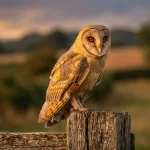
Fundamentally, the behavior of burrowing owls is closely linked to their dwelling environment. These owls are most active during dusk and dawn when they engage in hunting around their burrow entrances. Their hunting strategy often involves perching on elevated surfaces, such as fences or rocks, from where they can survey their surroundings for potential meals. Adapting to their habitat’s specifics, they have also been observed to use a unique foraging technique; they sometimes watch for the movement of prey and will dive swiftly into the underbrush to catch it. When hunting insects, burrowing owls demonstrate agility, often flicking their wings and darting towards their targets.
Interestingly, these owls also exhibit a fascinating behavior where they may gather around a burrow during the breeding season, creating a communal nesting area. This group dynamic enriches the social fabric of their species and also plays a crucial role in their hunting; juvenile owls often learn hunting skills from observing adults in these communal settings. As they adapt and thrive in varied habitats, understanding the behavior of burrowing owls provides insights not only into their dietary needs but also into the delicate balance of their ecosystem. To attract these intriguing birds to your area, consider maintaining natural grasslands free of excessive development and ensuring a healthy population of their prey species.
Key Components of a Burrowing Owl’s Diet
Burrowing owls are fascinating creatures that have developed a diverse diet to thrive in their unique habitats. These small raptors are opportunistic feeders, primarily preying on small mammals, insects, and even some reptiles. Their ability to adapt to available food sources is a vital component of their survival strategy, especially in environments where prey populations can fluctuate dramatically.
Among their favored prey are rodents such as prairie dogs, voles, and mice, which make up a significant portion of their diet. These small mammals not only provide a rich source of nutrients but also serve as a crucial component of the burrowing owl‘s hunting strategy. By utilizing the burrows of these rodents, owls can easily access their meals while maintaining a safe enclave from larger predators. Other common prey includes insects such as grasshoppers, beetles, and crickets, which are abundant in their grassland habitats during warmer months.
The role of insects in their diet cannot be overstated. Not only do they provide essential protein and energy, but their availability can also influence the burrowing owl’s overall feeding habits. Burrowing owls display remarkable agility when hunting insects, often employing various techniques to outmaneuver and catch them. For instance, they may hover or perch on elevated spots to gain a better vantage point before diving into the grass to seize a quick meal.
Dietary flexibility is a hallmark of the burrowing owl’s feeding behavior. Depending on the season and habitat, their diet can change significantly. In areas where small mammals flourish, these owls may primarily target them, while during insect booms, they may shift focus. This adaptability not only benefits the owls in terms of survival but also highlights the interconnectedness of their ecosystem. Maintaining a balance between predator and prey is essential, as fluctuations in prey populations can directly impact burrowing owl health and breeding success.
In summary, understanding the varied and adaptable diet of burrowing owls is critical for conservation efforts. By ensuring a thriving ecosystem with abundant prey, we can help support these remarkable birds and promote their successful habitation in grasslands, deserts, and other open areas. Observing their hunting tactics and dietary preferences can deepen our appreciation for these extraordinary raptors and underscore the importance of protecting their natural habitats.
Common Prey Species: What Burrowing Owls Eat
The burrowing owl’s adaptability is showcased beautifully by its diet, which consists of a wide variety of prey that reflects both its hunting prowess and the intricate ecosystems they inhabit. These small raptors are primarily known for their opportunistic feeding habits, which enable them to thrive in diverse environments, particularly grasslands and open fields. They primarily feast on small mammals, insects, and occasionally reptiles, demonstrating a dietary flexibility that is both impressive and essential for their survival.
Their mainstay prey includes various rodents, which are particularly abundant in the environments they occupy. Small mammals such as prairie dogs, voles, and mice make up a significant portion of their diet. Not only do these rodents offer rich nutritional value, but they also provide burrows that serve as ideal shelter for the owls. This symbiotic relationship allows burrowing owls to hunt effectively while remaining relatively safeguarded from larger predators.
In addition to mammals, insects play a critical role in the burrowing owl’s diet, especially during the warmer months when they are in plentiful supply. Species such as grasshoppers, beetles, and crickets become prime targets. Burrowing owls exhibit remarkable hunting strategies; for instance, they may perch on elevated locations, scanning the terrain for movement before diving with precision to catch their prey. This proactive hunting approach is vital, particularly when traditional mammalian prey is less accessible.
Moreover, the availability of these prey species can vary seasonally, prompting the owls to adjust their hunting methods and food preferences. In some regions, they might switch their focus between small mammals and insects based on the population of available prey. This diet adaptability is not just a testament to the burrowing owl’s survival skills; it also underscores the delicate balance within their ecosystems, where fluctuations in prey species can have direct consequences on their health and breeding success. Understanding these dietary choices is essential for fostering environments that support the thriving of these unique and fascinating birds.
Role of Insects in their Nutritional Needs
Insects are not just a minor supplement; they are a vital component of the burrowing owl’s diet, especially during the warmer months when these small raptors can take advantage of the abundance of insect life. With their sharp eyesight and keen instincts, burrowing owls display remarkable agility and adaptability in hunting these pests. You might find them perched on a fence post or low branch, scanning the ground for any movement from their desired targets-like grasshoppers, beetles, and crickets. This opportunistic feeding behavior demonstrates their ability to thrive in varying environments, highlighting the critical interplay between these owls and their insect prey.
Insect Diversity and Nutritional Value
Burrowing owls have a diverse palate when it comes to insects, which can include:
- Grasshoppers: Often abundant in grasslands, these are a preferred choice due to their high protein content.
- Beetles: Rich in nutrients and found in various habitats, beetles provide the energy needed for the owls’ active lifestyles.
- Caterpillars: These protein-packed larvae are sought after, particularly in the summer months.
- Crickets: Easy to catch and rich in nutrition, crickets are a staple during peak insect seasons.
The nutritional profile of these insects supports the owls’ energetic needs, especially during the breeding season when they require extra sustenance for raising their young.
Feeding Behavior and Strategies
To maximize their hunting efficiency, burrowing owls employ various strategies that make them unique among raptors. They often hunt in the late afternoon and evening, capitalizing on the heightened movement of insects. Their hunting techniques include:
- Ground Foraging: These owls often scuttle on the ground, actively chasing or ambushing insects that venture too close.
- Aerial Attacks: They are known to catch flying insects mid-air, showcasing impressive agility and reflexes.
- Use of Resources: They may also take advantage of other animals’ foraging behaviors, watching as larger animals disturb the ground, revealing hidden insect prey.
This flexibility in their hunting methods underscores their role as apex predators in their ecosystems and enhances their survival strategies.
Seasonal Dynamics
As seasons change, so do the availability and types of insects. During periods with lower insect populations, burrowing owls may switch their focus more towards small mammals. This seasonal adaptability not only showcases their hunting prowess but also indicates how insects significantly influence their dietary choices over time.
Overall, understanding the role of insects in the burrowing owl’s diet reveals not only an aspect of their nutritional needs but also the broader ecological interactions within their environment. The ability to pivot towards available insect species reflects a deeper ecological balance, demonstrating how these charming birds manage to thrive regardless of changing conditions in their habitats. By appreciating their dietary preferences, we can better support their conservation and ensure that these fascinating creatures continue to grace our grasslands and open fields.
Feeding Habits: How Burrowing Owls Hunt
The burrowing owl’s hunting techniques are a fascinating blend of agility, strategy, and opportunistic behavior that makes them unique among raptors. One of the most captivating aspects of their habits is how they actively adjust their hunting methods based on the time of day and the available prey. These resourceful hunters primarily operate in the early morning and late afternoon, when insect activity peaks, allowing them to capitalize on the abundance of food options. Watching them in action is a rewarding experience, especially as they scuttle across the ground or perch on low branches, scanning their surroundings with keen eyesight and hearing.
To catch their prey, burrowing owls exhibit a range of effective hunting strategies. One primary technique is ground foraging, where they chase or ambush insects that venture too close. This method showcases their agility as they can quickly dart across grasslands in pursuit of grasshoppers and beetles. In addition to chasing, they also utilize aerial attacks, demonstrating impressive reflexes by snatching flying insects mid-flight. For those who enjoy birdwatching, spotting this behavior can be particularly thrilling, as the owls often display acrobatic prowess during these hunting attempts.
Burrowing owls are not solo hunters; they often benefit from the activities of other animals in their environment. They may observe and follow larger animals like cattle or prairie dogs, waiting to pounce on insects stirred up during these animals’ movements. This use of resources reflects their adaptability and intelligence, reinforcing their role as apex predators in their ecosystem.
As the seasons change, so do the hunting tactics and prey preferences of burrowing owls. While insects dominate their diet in warmer months, these owls are highly adaptable and may switch to hunting small mammals or reptiles when insect populations decline. This flexibility not only highlights their resourcefulness but also underscores the integral role that environmental changes play in shaping their feeding habits. Overall, understanding how burrowing owls hunt enriches our appreciation of their ecological niche and the remarkable adaptations that enable them to thrive in diverse habitats.
Seasonal Dietary Changes and Adaptations
The diet of burrowing owls is as dynamic as their environment, showcasing their remarkable adaptability in response to seasonal changes. During the warmer months, these resourceful hunters primarily rely on a wealth of insect species. Grasshoppers, beetles, and crickets dominate their menu, especially when the ground is buzzing with activity. This not only provides ample nutritional benefits due to the high protein content of insects but also aligns with the increased hunting opportunities available in lush, blooming habitats. However, come autumn and winter, when the temperature drops and insect populations decline, burrowing owls display their flexible feeding habits by shifting their diet to smaller mammals such as voles and mice, as well as occasionally targeting reptiles like lizards.
As they transition through the seasons, these owls also adjust their hunting strategies. In the spring and summer, their keen eyesight allows them to spot fast-moving insects from a distance. They often employ methods such as ground foraging, where they can chase after prey or wait stealthily before making their move. In contrast, as they target small mammals during the colder months, they may rely on ambush tactics from strategic perch points. Knowing when and where to hunt based on time of day and environmental cues enhances their success, demonstrating a sophisticated level of predatory behavior.
Understanding these dietary adaptations not only enriches our appreciation of burrowing owls but also highlights the impact that local ecosystems have on their feeding strategies. Factors such as habitat availability, climate variations, and prey fluctuations play critical roles in determining their food sources throughout the year. Observing these changes can be particularly rewarding for birdwatchers, who might take note of the shifting population densities of insects or mammals in their area as seasons change. By tuning into their surroundings, we can further admire the resilience and resourcefulness inherent in these fascinating birds.
Impact of Habitat on Dietary Choices
The burrowing owl is a remarkable example of adaptability, thriving in diverse habitats ranging from grasslands to urban areas. These environments significantly influence their dietary choices, as the availability of prey varies greatly between regions and seasons. In the arid plains, for instance, the owl might rely heavily on insects during the warmer months, while in more temperate areas, small mammals may dominate their diet throughout the year. Precise knowledge of their habitat can provide insights into the various prey items they exploit and their overall survival strategies.
One vital aspect to consider is how habitat structure impacts food sources. For example, burrowing owls often benefit from open spaces that allow them to spot moving prey, whether it’s a grasshopper hopping between blades of grass or a mouse darting across a field. The presence of burrows-either self-dug or abandoned by other animals-also plays a crucial role. These underground shelters not only provide safe nesting sites but also serve as strategic locations from which to hunt. Consequently, areas with dense populations of small mammals or rich insect life, combined with suitable burrowing opportunities, are often preferred by these owls.
Urban environments present a unique scenario where burrowing owls may adapt their hunting habits. In cities, they often shift their focus to the abundance of insects attracted to lights or the varied small mammals adapting to human-dominated landscapes. This flexibility highlights their remarkable ability to thrive despite the changing landscapes around them. As habitats continue to evolve due to human impact and climate change, maintaining robust ecosystems with a variety of food sources will be vital for the continued survival of the burrowing owl.
To enhance your chances of observing burrowing owls in their preferred habitats, consider exploring areas with low vegetation and plenty of open ground. As you watch these agile hunters navigate their environment, keep in mind the delicate balance they maintain with their habitat and the profound impact it has on their diet and survival.
Nutritional Challenges: Diet Restrictions and Variability
The burrowing owl faces numerous nutritional challenges, primarily shaped by its environment and the variations in prey availability throughout different seasons. Despite being adaptable hunters, these small raptors must navigate significant dietary restrictions that can impact their health and survival. For instance, in regions where agricultural practices dominate or natural habitats are fragmented, the competition for prey intensifies, making it difficult for them to secure enough food. This situation often leads to reliance on a narrower range of prey than ideal, contributing to the variability in their diet and affecting their overall energy intake.
Understanding how seasonal changes influence prey availability is crucial. For example, during warmer months, burrowing owls may find an abundance of insects, which are critical for meeting their nutritional needs. However, as winter approaches and temperatures drop, these food sources dwindle, and the owls must shift their focus to smaller mammals, which may not provide the same caloric value. This seasonal variability necessitates a flexible hunting strategy, wherein burrowing owls must rapidly adapt to changes in prey populations-a skill that may not only affect immediate survival but also long-term reproductive success.
Predation pressures and competition from other species further complicate their dietary landscape. In regions where larger raptors or mammalian predators are present, burrowing owls might be forced to hunt less vulnerable or more abundant prey, even at the cost of nutritional quality. Adapting to these pressures requires keen observational skills and responsive hunting tactics, which can be quite challenging. Also, fluctuations in predator populations can alter the owls’ foraging patterns, as they may need to hunt during different times of the day or change locations frequently to avoid predation.
In urban environments, burrowing owls face additional challenges due to human influences, such as the use of pesticides, which can reduce insect populations and, in turn, limit the available food sources. This aspect of urbanization highlights the importance of sustainable practices that can help mitigate the impact of human activity on local ecosystems. By maintaining habitat integrity and supporting local wildlife through conservation efforts, we can help ensure that burrowing owls have access to the diverse diet they require to thrive.
Observing these incredible birds in their natural settings can be a rewarding experience, but always remember to respect their habitat and the dynamic tapestry of life that supports them.
Interaction with Ecosystem: Predators and Competitors
Burrowing owls are not just fascinating for their unique underground habitats, but their position within the ecosystem reveals intricate relationships with predators and competitors that affect their feeding strategies and survival. These small raptors, often found in open grasslands and deserts, engage in constant vigilance against larger birds of prey-such as Red-tailed Hawks and Great Horned Owls-that may see them as potential meals. The challenge of evading such predators shapes their foraging behavior and dictates when and how they hunt, as they often opt for low-profile hunting methods to minimize attention.
Competing for food with other species adds another layer of complexity to their diet. In habitats where burrowing owls reside, they often share foraging grounds with several other small predators, including kestrels and even other owl species like the Western Screech Owl. This competition compels burrowing owls to adapt their hunting techniques and dietary preferences. For instance, they may gravitate towards hunting during dawn or dusk-hours when larger raptors are less active-allowing them to exploit the abundance of insects and small mammals more effectively without confrontation.
Being aware of their competitors also helps in understanding what burrowing owls opt to eat. They are opportunistic feeders, and their diet consists not just of insects but also small rodents, lizards, and occasionally the young of larger birds. This flexibility allows them to thrive in varying conditions. For instance, when insect populations surge during the warmer months, burrowing owls will take advantage, but when cold weather diminishes insect availability, they adapt by increasing their consumption of small mammals-an aspect of their hunting strategy that showcases their resourcefulness.
To best observe a burrowing owl in its habitat, consider the time of day and surroundings. These owls stealthily patrol fields and meadows, often utilizing the cover provided by low vegetation and burrows. By respecting their space and remaining patient, bird watchers can witness the dynamic interplay between burrowing owls, their prey, and their predators, providing a deeper appreciation for their role in the ecosystem. Supporting local wildlife through conservation efforts is essential, ensuring these adaptable birds continue to thrive amid challenges posed by their environment and human activity.
Conservation Concerns: Food Sources in Decline
The survival of burrowing owls is intricately linked to the health of their ecosystems, particularly concerning their food sources. As open grasslands and deserts, their preferred habitats, face increasing development and agricultural pressures, the availability of prey diminishes. This decline poses significant concerns for these unique birds, whose diets predominantly consist of insects and small mammals. Understanding the impact of habitat loss on their feeding patterns is crucial for effective conservation efforts.
To protect these owls, it’s essential to recognize that they are opportunistic feeders heavily reliant on a vibrant ecosystem teeming with diverse prey, including insects like grasshoppers and small mammals such as voles. As habitats are altered or destroyed, the entire food web is affected, reducing not only the quality but the quantity of food available. Over time, this can lead to nutritional stress for the owls, forcing them to expend more energy searching for food or competing with other species.
Community-driven conservation efforts can play a pivotal role in addressing these challenges. Simple actions like promoting native landscaping in urban areas, creating wildlife corridors, and preserving existing grasslands can significantly enhance the habitat suitability for burrowing owls. Additionally, raising awareness about the importance of maintaining healthy ecosystems can inspire collective action to combat habitat destruction. Organizations focused on wildlife conservation encourage citizens to participate in local stewardship initiatives, which could range from volunteering for habitat restoration projects to advocating for policies aimed at preserving natural spaces.
Moreover, habitat enhancement projects, such as creating artificial burrows in strategic locations, can directly benefit burrowing owls. These efforts not only provide refuge but also increase the chances for successful breeding and foraging. By supporting initiatives that focus on protecting and restoring the natural environments where burrowing owls flourish, we can help ensure that these remarkable birds continue to inhabit our landscapes for generations to come.
Tips for Observing Burrowing Owls in the Wild
If you’ve ever been captivated by the unique charm of burrowing owls, then the thrill of observing them in their natural habitat is an experience not to be missed. These small, ground-dwelling raptors are incredibly social and often seen perched at the entrance of their burrows, making them more approachable than many other owl species. To enhance your chances of spotting these wonderful birds, timing and location are key. Early mornings and late afternoons are typically the best times for observation when burrowing owls are most active.
Choosing the Right Location
Finding the right habitat is crucial. Look for open grasslands, golf courses, or areas near agricultural fields, as these environments provide the ideal conditions for burrowing owls. Typically, they prefer places with abundant open space to hunt insects and small mammals, their primary food sources. Use local resources or birding apps to discover known burrowing owl habitats in your area; many wildlife organizations maintain maps of their nesting sites.
Observing with Respect
Once you find a potential observation site, approach it with care. Burrowing owls are sensitive to disturbances, so use binoculars or a spotting scope to view them from a distance rather than approaching too closely. This not only respects their space but also allows for more natural behavior, increasing your chances of witnessing characteristic activities like hunting or interaction with their chicks.
Ensure you are equipped with a notebook or a camera to document your observations. Noting details such as their feeding habits, the types of prey they catch, or interactions with other wildlife can deepen your understanding and appreciation of these fascinating creatures. Also, consider visiting during the breeding season, which is typically from early spring to summer. This is when you may observe young owlets peeking out of burrows, adding another layer of excitement to your experience.
Ultimately, observing burrowing owls is a rewarding endeavor that encourages deeper engagement with wildlife and conservation. Whether you’re a seasoned birdwatcher or a curious beginner, these tips will help you appreciate the enchanting world of the burrowing owl and perhaps inspire further efforts to protect their habitat and food sources for generations to come.
How to Create a Burrowing Owl-Friendly Environment
Creating a supportive environment for burrowing owls not only helps maintain their population but also enriches the ecosystems they inhabit. These small, charming raptors thrive in landscapes that offer open areas for hunting and nest burrows. If you’re eager to attract these fascinating birds into your neighborhood or preserve their natural habitat, consider taking some deliberate steps to foster their well-being.
To get started, assess the landscape around your home or in your community. Burrowing owls prefer open grasslands, sparse landscapes, and areas with minimal tall vegetation that can obstruct their view of potential predators or prey. If you have an area that fits this description, maintain it as an open space. This could mean avoiding overgrown shrubs or tall grass, which can deter their hunting activities. Instead, promote low vegetation that allows for easy movement and visibility.
Support Their Diet
A critical factor in attracting and supporting burrowing owls is ensuring they have access to their dietary staples. Besides providing suitable habitats, you can encourage a healthy population of small mammals and insects, which are their primary food sources.
- Insect-Friendly Gardens: Plant native flowering plants that attract insects. This not only provides a food source for owls but also supports the local ecosystem.
- Control Pests Naturally: Avoid using chemical pesticides that could harm the insects that burrowing owls depend upon.
- Maintain Grasslands: If you have space, consider creating a small grassland area, as this will attract rodents, which are also a part of their diet.
Provide Artificial Burrows
Though burrowing owls often dig their own burrows or take over existing ones, you can help by creating artificial burrows in suitable areas. These can be constructed using materials like PVC pipes buried horizontally in the ground, mimicking the burrows they would use. Ensure they are in open areas with good visibility and are away from disturbances.
- Placement and Maintenance: Place these burrows in areas where natural ones are scarce. Regularly check to ensure they remain unobstructed and suitable for habitation.
By implementing these strategies, you contribute positively to the local environment and increase the likelihood of observing these enchanting owls. Whether you’re a nature lover, a bird watcher, or simply someone looking to make a difference, creating a burrowing owl-friendly environment is a rewarding endeavor that helps ensure these remarkable birds thrive in your area.
Frequently Asked Questions
Q: What types of insects do burrowing owls primarily eat?
A: Burrowing owls primarily feed on a variety of insects, including grasshoppers, crickets, beetles, and ants. These insects are crucial for meeting the protein needs of these owls, especially during the breeding season. For more detailed insights, check the section on the Role of Insects in their Nutritional Needs.
Q: How do burrowing owls adapt their diet based on seasonal changes?
A: Burrowing owls adapt their diet by shifting their prey according to seasonal availability. In summer, they may consume more insects, while in winter, small mammals become a more significant part of their diet. Seasonal Dietary Changes and Adaptations gives further context on these shifts.
Q: Where do burrowing owls typically find their food?
A: Burrowing owls typically find food in open grasslands, deserts, and agricultural fields where prey is abundant. Their hunting habits allow them to efficiently locate and capture insects and small mammals in these areas.
Q: Do burrowing owls hunt during the day or night?
A: Burrowing owls are primarily diurnal, meaning they hunt during the day. However, they can also be active at dusk and dawn, which helps them take advantage of increased prey movement. This behavior is explored in more detail under Feeding Habits: How Burrowing Owls Hunt.
Q: How do burrowing owls locate their prey?
A: Burrowing owls use their keen eyesight and hearing to locate prey from above ground. They often sit on a perch to scan the area and then swoop down to capture their target. Explore the section on Feeding Habits for additional insights.
Q: What are the main competitors of burrowing owls for food?
A: Main competitors for food include other raptor species, such as hawks and kestrels, as well as mammals like foxes that may prey on similar species. Their interaction with the ecosystem is a critical aspect discussed in the Interaction with Ecosystem section.
Q: Can burrowing owls store food for later consumption?
A: Yes, burrowing owls can store food by caching prey in their burrows. This behavior allows them to have a food reserve during times when hunting is less productive. Learn more in the Nutritional Challenges: Diet Restrictions and Variability section.
Q: How does habitat loss affect the diet of burrowing owls?
A: Habitat loss significantly impacts the diet of burrowing owls by reducing prey availability and forcing them to adapt to less favorable foraging conditions. This issue is highlighted in the Conservation Concerns: Food Sources in Decline section of the article.
In Conclusion
As we’ve explored the diet of burrowing owls, it’s clear these fascinating creatures play a crucial role in their ecosystems. Their varied diet not only showcases their adaptability but also highlights the importance of preserving their habitats. If you’re intrigued by these remarkable birds, don’t miss out on our articles about Birdwatching Tips and How to Create a Bird-Friendly Backyard.
Feeling inspired? Join our newsletter for expert insights and updates on all things avian. Share your thoughts or questions in the comments below; we love hearing from fellow bird enthusiasts! Your journey into the world of burrowing owls can also lead to a passion for conservation-consider checking out our resources on protecting local wildlife. Let’s delve deeper into the wonders of nature together!
Get our latest guides, news, and insights highlighted in your Google Search & AI Overviews.