
Did you know that the calls of British owls can range from haunting hoots to eerie screeches, each uniquely tied to their species? Understanding these vocalizations not only adds depth to your birdwatching experience but also becomes a gateway to appreciating the rich avifauna of the UK. Whether you’re a seasoned birder or simply curious about wildlife, knowing what an owl says can enhance your outdoor adventures and deepen your connection to nature. This guide will delve into the distinct calls of common UK owls, providing insights into their behavior and habitats. You’ll learn not just to identify these captivating creatures by sound, but also to understand their ecological roles and how to support their conservation. Join us as we explore the symphony of calls, inviting you to listen closely to the night and discover the stories that each owl has to tell.
Understanding the Unique Calls of British Owls
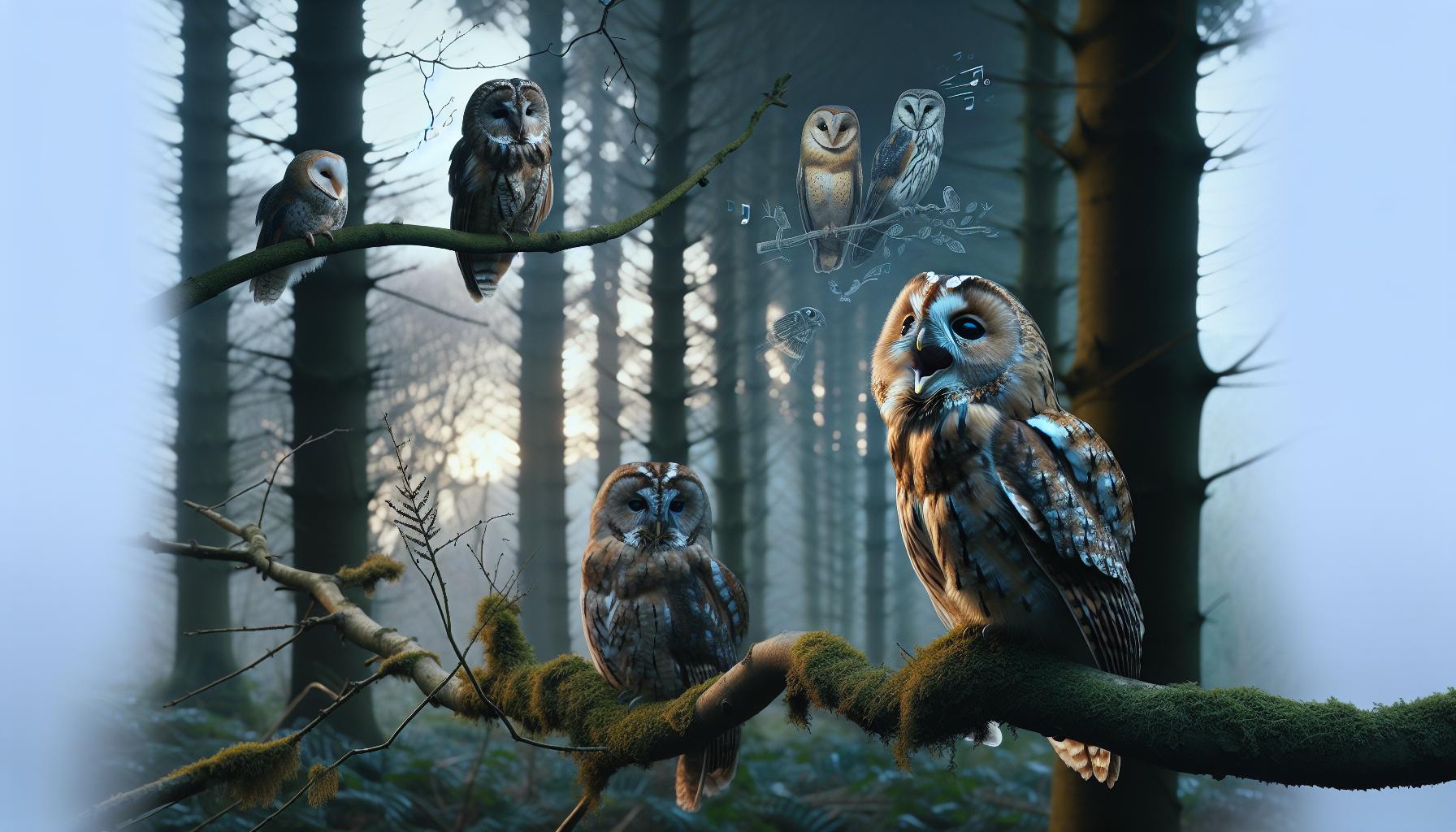
The calls of British owls are as diverse and unique as the species themselves, creating a symphony of sounds that resonates throughout the countryside at night. Whether you’re a seasoned birdwatcher or a curious beginner, understanding these calls can greatly enhance your appreciation of these enigmatic birds. For instance, a familiar “hoo” might belong to the common tawny owl, while the piercing screech of a barn owl can send chills down your spine. Each sound serves a purpose, from territory defense to attracting mates, and learning to identify them can be an exhilarating experience.
To get started, familiarize yourself with the primary species and their associated calls. The tawny owl, often referred to as the quintessential “night owl,” has a distinctive two-part hoot that’s often described as “tu-wit tu-woo.” On the other hand, the barn owl, with its eerie and haunting scream, is more commonly heard than seen, making its vocalizations crucial for identification. The long-eared owl’s low and deep hoots contrast sharply with the quick, high-pitched calls of the little owl, which are often heard during the day.
To enhance your listening skills, consider taking notes during your observations. Record the time of day, location, and the specific calls you hear-this practice helps in recognizing patterns and differences among species. If you’re venturing into rural areas, keep in mind that environmental factors can influence the clarity and volume of owl calls, with woodland habitats providing a rich backdrop compared to urban settings where echoed sounds may mask their calls.
Whether you’re in the woods at dusk or your back garden at night, the calls of owls provide a direct connection to the natural world. Engage with these calls through dedicated listening activities, and you may uncover a fascinating world of communication and behavior that has intrigued humans for centuries. Each call is a story waiting to be understood, connecting us to the nocturnal rhythms of nature.
Top British Owl Species: Identification and Calls
With their captivating calls echoing through the night, British owls are truly remarkable creatures that deserve our attention. Each species exhibits unique vocalizations that serve various purposes, from marking territory to attracting mates. Understanding the diverse calls of owls can enhance your birdwatching experience profoundly and open your ears to the nocturnal world around you.
Tawny Owl
One of the most recognizable species in the UK, the tawny owl is often heard before it is seen. Its characteristic “tu-wit tu-woo” is a two-part call regularly echoed between male and female partners. These calls are used primarily for communication during the breeding season. Tawny owls are often found in wooded areas and can be spotted year-round, but their calls are especially prevalent during the breeding season from late winter to early spring.
Barn Owl
The barn owl is another iconic species, known for its ghostly appearance and eerie shriek. Unlike the tawny owl, it does not hoot; instead, it emits a sharp, piercing screech that can send shivers down your spine. This call serves to maintain space and territory among competing barn owls, as well as a way to communicate between mates. While more often heard than seen-especially in rural, open habitats-the barn owl’s call is a unique identifier in the nocturnal soundscape.
Little Owl
If you’re lucky enough to hear the little owl, you might mistake its distinctive calls for a songbird. They produce rapid, high-pitched notes that can echo around rural gardens and farms. Their call, often described as “kwik, kwik, kwik,” is utilized both during the day and at dusk. These owls are adaptable and can often be spotted perched on fence posts or buildings, making them a favorite among birdwatchers eager to hear their sweet sounds.
Long-Eared Owl
The long-eared owl might be less common, but its calls are no less intriguing. They emit a deep, mournful hoot that is both haunting and beautiful. These calls can travel quite far, making it essential for male long-eared owls to be vocal during the breeding season to attract females. Preferring dense woodland for nesting, they are more secretive and can be difficult to spot compared to other species.
Learning to identify these unique calls enhances your experience as a birdwatcher, providing a connection to the often misunderstood nocturnal world. Take a note of their calls and behaviors as you venture out-perhaps during an evening stroll in your local park or a night spent in the countryside. With continued practice, you’ll soon recognize who is singing in the twilight, turning each outing into an exciting auditory treasure hunt.
What Do Night Owls Say? Common Nocturnal Calls
In the quiet hours of the night, British owls produce an enchanting symphony of sounds that can tell you much about their habits and behaviors. Each species has its own distinct calls, which serve important purposes such as territory establishment and mate attraction. Listening closely can enhance your connection to nature, transforming a nighttime stroll into a fascinating auditory expedition.
The tawny owl, often considered the voice of the night, gives off a familiar “tu-wit tu-woo” call that rings through the woodlands. Males and females use this duet not only for communication but also to defend their territory. You may hear this call especially during the breeding season, when it resonates strongly in late winter through early spring. It’s an unmistakable sound that can signal the presence of these owls when you’re out and about.
In contrast, the barn owl communicates through a chilling screech rather than a hoot. This sharp sound serves to establish territory and signal presence, creating a uniquely haunting soundscape. It’s typical to hear this call across open fields at dusk, where barn owls hunt in silence, only revealing their presence through this eerie call. Understanding the difference in vocalizations can help you appreciate their unique ecological roles and behaviors.
Then there’s the charming little owl, which pops up in our soundscape with rapid “kwik, kwik, kwik” calls. Found in farmland and rural gardens, their high-pitched notes can easily be mistaken for those of a songbird. This adaptive species is diurnal, making it easier to spot during daylight hours, and their vocalizations are a delightful reminder that owls are not solely creatures of the night.
Lastly, the long-eared owl adds a deeper, more mournful hoot to the nocturnal chorus. Their calls may be less frequent, but when heard, they invite attention to these secretive birds that prefer the cover of dense woodlands. By tuning into these different calls, birdwatchers can unlock the secrets of owl behavior, making nighttime outings all the more rewarding.
By immersing yourself in the sounds of the night and recognizing these calls, you’ll develop a richer understanding of Britain’s owls. Each call serves as a piece of a larger puzzle, assisting you in identifying which owl is nearby, creating a connection not just to the birds themselves, but to the ecosystem they inhabit.
Rural vs. Urban Owl Calls: Differences Explained
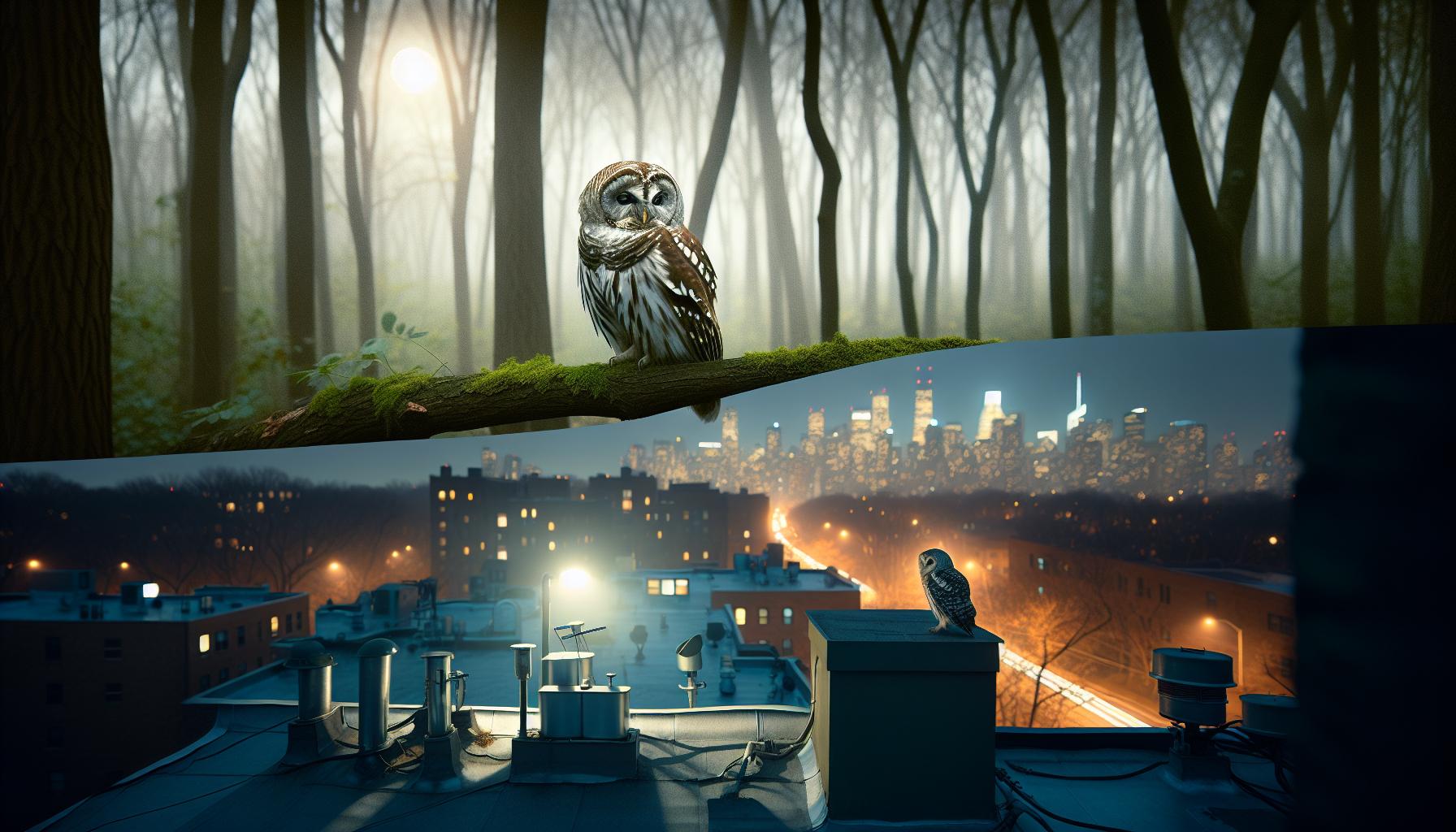
In the diverse habitats of the UK, the calls of owls reveal a fascinating interplay between their rural and urban environments. Owls have adapted their vocalizations to suit these distinct landscapes, influenced by factors like ambient noise levels and prey availability. For instance, the tawny owl, which can be heard hooting melodically in serene woodlands, faces different challenges in urban areas where human activity may drown out its calls. To compete with the hustle and bustle, tawny owls in cities often call out at a higher volume or modify the timing of their hoots to ensure they still attract mates or communicate effectively with neighboring individuals.
The typical screech of the barn owl is another poignant example. In rural settings, these owls punctuate the stillness of open fields and farmland with their eerie calls, which carry over long distances. However, in urban environments, barn owls may be found hunting along edges of parks or gardens and are often more reliant on stealth than sound. Here, their calls become less frequent and nuanced, partly because they utilize their hunting skills to navigate around noise pollution and human presence. Witnessing a barn owl glide silently above a city park at dusk, punctuated by its soft calls, can be a thrilling experience that contrasts sharply with the rural landscape.
Understanding these adaptations is essential for birdwatchers and nature enthusiasts. When venturing into either environment, take note of the background sounds; in a quieter rural area, you’ll likely hear the full range of the tawny owl’s calls, while an urban night might only reveal muffled or sporadic sounds. Additionally, context is key when identifying calls. You might mistake a distant tawny owl call in a city for a lesser heard urban version, not realizing it’s simply responding to the modified soundscape.
In summary, recognizing the differences in owl calls across rural and urban settings not only enhances your birdwatching experience but also fosters a deeper appreciation for how these magnificent creatures thrive in various circumstances. Listening attentively can reveal the rich tapestry of owl communication, making every evening outdoor excursion an opportunity to connect with wildlife in its ever-evolving habitats.
The Role of Owl Calls in Communication and Mating
Owls possess an intricate vocal repertoire that plays a critical role in their social lives, particularly in communication and mating. Whether it’s the haunting wail of the barn owl or the resonant hoots of the tawny owl, these calls serve functions that extend beyond mere sound; they are a vital part of attraction and territorial behavior. Each species has adapted its calls not only to be heard over environmental noise but also to convey distinct messages to potential mates or rivals.
When it comes to mating, calls are often the first signal of interest. During the breeding season, male owls are particularly vocal, using their cries to attract females. For example, tawny owls’ soft but far-reaching hoots are commonly heard throughout woodlands in the UK as males announce their presence and readiness to mate. In contrast, the barn owl employs a shrill screech that echoes in the quiet of rural settings, often attracting both potential mates and signaling territory to other males. The nuances in pitch and frequency can indicate the size and health of the calling individual, thus influencing mate choice.
Communication Among Individuals
Owl vocalizations are not limited to mating calls; they also play a pivotal role in territorial disputes and social interactions. Fellow owls within a neighborhood use a variety of sounds to establish boundaries without the need for physical confrontations. For instance, a series of hoots may establish dominance over a territory, while other softer, more intimate calls can serve as greetings among mated pairs or family groups. The ability to modify calls in response to urban noise or rural calmness showcases the adaptability of owls, making their communication ever more complex in varying habitats.
For birdwatchers, recognizing the different sounds and contexts of these calls can enhance the experience of observing owls in the wild. It’s not just about identifying the species by sight; understanding the context in which they call offers insight into their behavior and social dynamics. Listening for specific calls during breeding seasons-typically late winter and early spring-can provide clues not only to the presence of owls but also to their current mating status or territorial claims.
Engaging with owl calls opens up a wealth of knowledge about these fascinating creatures. Enthusiasts can find joy not just in spotting an owl but in interpreting the acoustic signals that fill the night sky. Armed with this knowledge, you can step outside during early evenings, tuning in to the symphony of calls, and perhaps even observing the intricate dance of nature’s nocturnal communication.
How to Identify Owls by Their Calls: A Beginner’s Guide
Identifying owls by their calls can be one of the most rewarding aspects of birdwatching, especially when you realize how distinct and varied their vocalizations can be. Each British owl species has unique calls that can give you clues about their identity and behavior, making it easier for you to spot them in the wild. For instance, if you hear a series of soft hoots echoing through a woodland, you might just be in the presence of a tawny owl, known for its characteristic ‘hoo-hoo’ sound that can resonate over long distances. By fine-tuning your ear to these calls, you’ll enhance your overall birdwatching experience.
To begin your journey in owl call identification, focus on a few key species commonly found in the UK. The Barn Owl emits a distinctive, sharp screech rather than a hoot, often described as a haunting sound that pierces the night air. This differs significantly from the Tawny Owl, whose familiar two-tone hoots have led many to recognize it as the quintessential owl sound. Other species, like the Little Owl, produce a rapid series of ‘pee pee pee’ calls that are quite different from the deeper, more resonant hoots of larger species. Make a habit of listening for these specific sounds during your outings; using apps that feature owl calls can further assist you in practicing their identification.
Practical Tips for Identifying Owl Calls
- Observe the Environment: Pay attention to the habitat. Some owls prefer specific types of areas, such as the Barn Owl typically found in open fields, whereas the Tawny Owl is often associated with wooded regions.
- Take Notes: Keep a birdwatching journal where you can jot down the time, location, and type of calls you hear. Tracking your observations can help you identify patterns and recognize calls over time.
- Utilize Technology: There are numerous audio apps and websites dedicated to bird calls; using them alongside your outings can enrich your learning experience.
To deepen your understanding of how calls function, consider the context in which you hear them. Mating calls are often more pronounced in the spring, while calls during other times can signify territorial claims or alarm signals. By mastering these calls, not only can you identify the owls around you, but you also gain insights into their behaviors and interactions, adding another layer to your birdwatching pasión.
Capture the Sound: Owl Call Recording Techniques
Capturing the enchanting sounds of British owls can be a thrilling endeavor, adding another layer to your birdwatching experience. Engaging with their calls allows you to connect with these mysterious creatures on a deeper level. However, recording their vocalizations requires some strategic considerations to ensure you achieve the best results.
To start, investing in a high-quality audio recorder can make a significant difference. Look for a device that features a good microphone and windscreen capability; this will help filter out background noise and enhance the clarity of the owl calls. If you’re using a smartphone, consider downloading specialized recording apps that provide options for sound quality adjustments. Additionally, an external microphone can greatly enhance the recording quality, especially in a natural setting where ambient noise can be a challenge.
Timing and location are crucial factors in successful recordings. Owls are more vocal during certain times of the year, particularly in the breeding season when males call to attract females. Late at night or just before dawn are prime recording windows. Position yourself in areas known for owl activity, such as open fields or woodland edges, and remain still and quiet to avoid startling them. Use a technique called “passive listening,” where you record for an extended period without trying to attract the owls with calls of your own. This helps ensure you capture the natural sounds without interference.
When recording, it’s important to keep your distance. Being too close can distort the call and may scare the owls away. If you do manage to record a call worth noting, consider tagging the location and date for future reference. An organized catalog will not only help in identifying patterns in vocalizations but will also offer valuable insights into the behavior of different species throughout the seasons. Recording owl calls not only enhances your personal experience but can also contribute to citizen science projects aimed at studying owl populations and their habitats.
Overall, capturing the sound of British owls can be just as fulfilling as spotting them. By employing the right techniques and tools, you’ll be well on your way to building a rich audio library of these magnificent nocturnal birds. Happy recording!
The Impact of Habitat on Owl Call Variation
Understanding how habitat influences owl calls can significantly enhance your birdwatching experience. Owls are finely tuned to their environments, and this adaptability is reflected in the variations of their vocalizations. In the UK, different habitats, like woodlands, farmlands, and urban areas, can alter the frequency, tone, and purpose of the calls. For instance, owls in dense forests may have deeper, more resonant calls that carry further through thick foliage, while urban owls often adopt higher-pitched calls to stand out amidst traffic noise and other city sounds.
Factors such as the availability of prey and the presence of competitors can also shape how and when owls call. In rural settings, where food sources are abundant, owls may establish clearer territories and call more often to attract mates or ward off rivals. Conversely, in urban landscapes, where resources can be scarcer, calls may be less frequent or adapted to be more discreet. Observing these nuances not only enriches the enjoyment of listening to their calls but also provides insight into their behavior, helping birders identify different species based on the context of their sounds.
To get the most from your owl listening experience, consider the following tips:
- Familiarize yourself with local species: Knowing the specific calls of owls in your area can aid in identification and enhance understanding of their behavior.
- Choose the right time and place: Habitat influences calling times; owls are most vocal during their breeding season and at dusk or dawn.
- Use sound as a guide: Note that the same species may vary their calls significantly based on their habitat, allowing you to distinguish between them even without visual confirmation.
The interplay between habitat and call variation underscores the ecological diversity of British owls. By tuning in to these calls and understanding their context, you’ll not only enjoy the night soundscape but also become more attuned to the vital roles these magnificent birds play in our ecosystems.
Conservation Status of UK Owls: Calls and Habitats
Owls are not only fascinating creatures due to their enigmatic calls and nocturnal behavior but also serve as indicators of broader environmental health. Many species of owls in the UK, such as the Barn Owl and the Tawny Owl, face varying degrees of conservation challenges. Their calls, which can tell a story of ecological balance or disturbance, are a vital aspect of their existence and can reflect the state of their habitats.
Continued habitat loss due to urban development, agricultural practices, and climate change poses a significant threat to these birds. For instance, Barn Owls have seen drastic declines in population due to the reduction of suitable nesting sites and hunting grounds. In contrast, Tawny Owls, while more adaptable, still face pressures from environmental changes and competition. Understanding their calls can help us assess how well these species are adapting to changing habitats, as their vocalizations often vary in response to stressors in their environment.
The conservation status of UK owls is increasingly intertwined with habitat conservation efforts. Protecting diverse habitats that support prey availability and nesting opportunities is crucial for maintaining healthy owl populations. Engaging in local conservation initiatives, such as habitat restoration projects and community education programs, can not only help secure the future of these remarkable birds but also enhance our opportunities for observation and appreciation of their unique calls.
To help in conservation efforts, birders and nature enthusiasts can make a proactive difference by participating in citizen science projects that monitor owl populations or by creating owl-friendly environments in their own backyards by providing nesting boxes and ensuring local habitats remain intact. Every small action contributes to the safeguard of these incredible nocturnal hunters and ensures that their haunting calls continue to echo through our countryside.
Local Owl Species to Spot: A Regional Call Guide
Spotting owls in the British landscape is not only a thrilling experience but also an excellent opportunity to immerse yourself in their unique calls. Each species boasts a distinct vocalization that serves various purposes-communication, territory marking, and attracting mates. Whether you’re nestled in a quiet rural area or exploring urban green spaces, listening for owl calls can present rewarding moments of wildlife observation.
Tawny Owl
The Tawny Owl, perhaps the most well-known British owl, has a rich and distinctive call resembling a haunting “twit-twoo,” typically attributed to a pair of owls communicating. The male will often initiate this call to establish territory, followed by a response from the female. Their calls are usually heard at dusk and during the night, particularly in woods and parks. If you hear it, look for an owl with brownish feathers often perched low in trees, blending subtly with the bark.
Barn Owl
The eerie, raspy screech of the Barn Owl is unmistakable and often sends chills through the air. Unlike the Tawny Owl, Barn Owls are mostly silent during the breeding season, but their calls can be heard in open farmland and along the edges of fields. Their vocalization is more a haunting scream than a classic hoot. Look for these graceful birds gliding silently over fields at dusk, their white, heart-shaped faces easily recognizable.
Little Owl
The Little Owl is unique in its approach to vocalization, often expressing itself through a series of short, sharp “kew-kew” calls. This species prefers open countryside and can frequently be spotted perched on walls or posts during the day. Their small size and distinctive yellow eyes make them a delightful find. Keep an ear out for their calls on warm summer evenings when they are most active.
Long-eared Owl
The Long-eared Owl is an enigmatic presence in the UK. Its calls are less common, often described as a deep, resonant “hoo” sound. These owls prefer dense forests and shrublands, hiding expertly among thick underbrush, making them a challenge to find. They mainly call during the breeding season, so late winter and early spring are the best times to listen for their calls, usually resonating in the stillness of the night.
Owl Call Comparison
| Species | Call Description | Best Time to Listen |
|---|---|---|
| Tawny Owl | “Twit-twoo” vocalization | Dusk and Night |
| Barn Owl | Rasping screech | Dusk in Open Fields |
| Little Owl | Sharp “kew-kew” calls | Warm Summer Evenings |
| Long-eared Owl | Deep “hoo” sound | Late Winter and Spring Nights |
For aspiring birdwatchers, recognizing these calls will enhance your experience outdoors immensely. Consider bringing a field guide or downloading owl call recordings on your smartphone. Pay attention to the environment and times when you’re most likely to hear these wonders of nature. Engaging with these nocturnal creatures not only deepens your connection with wildlife but also supports conservation efforts as you become more aware of their presence and importance in the ecosystem. With patience and awareness, you’ll soon become fluent in the language of British owls.
Myths and Facts about Owl Sounds: Debunking Misconceptions
The allure of owls captivates many, but misconceptions about their vocalizations often overshadow the true wonders of these nocturnal birds. A common myth is that all owls hoot; in fact, many species have distinct calls that serve specific functions. For instance, the Barn Owl doesn’t hoot but emits a raspy scream, which is crucial for communication, especially in open farmland. Understanding these differences enriches the birdwatching experience and fosters a deeper appreciation for each species’ unique role in the ecosystem.
Another prevalent belief is that owl calls are only heard at night, which isn’t entirely accurate. While many owls are indeed nocturnal, some, like the Little Owl, are active during the day and can be heard issuing their characteristic “kew-kew” calls in the afternoon light. This highlights the importance of being present at various times, expanding opportunities to listen and learn about these fascinating creatures. Engaging in daytime explorations can reveal a surprising world of owl sounds that many might miss under the quiet cover of night.
Moreover, it’s crucial to debunk the idea that owl calls predict the weather or signify an impending demise. While folklore often romanticizes these sounds, there’s little scientific backing to support such claims. Instead, owl calls primarily serve functions such as territory establishment, mating communication, and signaling alarm. By appreciating these vocalizations as expressions of critical behaviors, bird enthusiasts can connect more meaningfully with their surroundings.
Incorporating personal experiences can enrich this understanding. For example, I once spent a chilly evening in a wooded area, captivated by the haunting call of a Tawny Owl echoing through the trees. As I listened, I realized that every hoot served not just as a song but as a conversation, a statement of presence in the wild. So, the next time you’re out listening for owls, remember to approach their calls with an open mind and a willingness to learn; you may find that these sounds tell remarkable stories about the nature that surrounds us.
Engaging with Owls: Listening Activities for Birdwatchers
One captivating way to deepen your connection with owls is through listening activities that enhance both awareness and appreciation of their unique vocalizations. Each owl species in the UK possesses its own signature calls that not only signify their presence but also convey essential information about their behavior and environment. Engaging in listening activities can transform your birdwatching experience from a simple pastime into a profound encounter with nature.
Active Listening Techniques
When venturing into habitats where owls might reside, position yourself quietly at dusk or dawn-these are peak times for owl activity. Bring along a notebook to jot down the different calls you hear. Focus on identifying distinct sounds; for instance, the familiar “hoo-hoo” of the Tawny Owl or the eerie scream of the Barn Owl. Recording these calls, if permissible, can help you compare and recognize them later. Listening apps or field guides with sound clips can also enhance your identification skills.
Field Trips and Owl Walks
Consider joining organized owl walks or field trips led by local wildlife groups or ornithological societies. Such events often provide insights not only on owl calls but also on owl behavior and their role in the ecosystem. Being in a group allows you to share your experiences and learn from more seasoned birders. Additionally, these excursions encourage a more immersive experience; for example, the stillness of the night might yield an unexpected call, like that of the Little Owl chirping during daylight hours-a reminder of their varied activity patterns.
Community Engagement
Don’t underestimate the power of community. Participating in local birdwatching forums or social media groups can provide valuable insights about owl calls in your area. Sharing your observations and hearing others’ encounters creates an enjoyable collective learning experience. Some members may even share recordings of their own owl encounters, enhancing your auditory library and sharpening your identification skills.
By immersing yourself in these listening activities and fostering a curious mindset, you will not only enhance your birdwatching abilities but also cultivate a deeper appreciation for the enchanting world of British owls. Each call you hear is a tantalizing thread in the rich tapestry of nature, inviting you to listen further and explore the mysteries of these fascinating nocturnal creatures.
Faq
Q: What are the most common owl calls in the UK?
A: The most common owl calls in the UK include the hooting of the Tawny Owl, which sounds like “hoo-hoo,” and the screeching call of the Barn Owl, often described as a long, spooky scream. Familiarizing yourself with these calls can enhance your birdwatching experience.
Q: How can I identify an owl species by its call?
A: To identify an owl species by its call, listen for distinct patterns: the Tawny Owl has a two-tone hoot, while the Little Owl produces a series of short, rhythmic hoots. Refer to your guide on owl calls to compare recordings and improve your identification skills.
Q: Why do owls call at night?
A: Owls call at night primarily for communication and mate attraction. Their nocturnal calls help establish territory and signal presence to potential mates. Understanding these calls can deepen your appreciation for their behavior during evening excursions.
Q: When is the best time to hear owls in the UK?
A: The best time to hear owls in the UK is during the twilight hours, especially just after sunset and before sunrise. This is when they are most active, making it an ideal time for listening and locating them in the wild.
Q: What do different owl calls mean?
A: Different owl calls can signify various messages: hoots may establish territory, while screeches can indicate distress. By studying these calls, you can better understand owl behavior and enhance your birdwatching or conservation efforts.
Q: How do urban environments affect owl calls?
A: Urban environments can alter owl calls due to noise pollution. Owls may increase their call volume to compete with background sounds. Observing how species adapt can provide insights into their resilience and communication in changing habitats.
Q: What is the role of owl calls in mating rituals?
A: Owl calls play a crucial role in mating rituals, as males often vocalize to attract females and establish territory. Learning these patterns enhances your understanding of their reproductive behavior. Check out our section on communication for more details.
Q: Can I record owl calls for identification purposes?
A: Yes, recording owl calls can be a helpful tool for identification. Use your smartphone or a portable recorder during owl activity hours. Make sure to consult our guide on capturing sounds effectively to improve your recordings and identification effort.
To Wrap It Up
Thank you for exploring “What Does a British Owl Say: UK Species Call Guide”! You’ve unlocked the fascinating world of British owls and their distinctive calls, enriching your understanding of these incredible nocturnal birds. Don’t miss out-download our free guide to owl identification for a deeper dive into their behaviors and habitats!
If you’re eager to hear more about local wildlife, check out our articles on “Top 10 Birds to Spot in the UK” and “Nighttime Wildlife: Best Practices for Observation.” Join our community by subscribing to our newsletter for tips and updates on birdwatching events near you. Share your owl encounters in the comments below; we love hearing your stories! Remember, every hoot has a story-continue your journey into the wonder of British wildlife today!
Get our latest guides, news, and insights highlighted in your Google Search & AI Overviews.










