Owls are fascinating creatures, and understanding their diet is crucial for anyone interested in wildlife or looking to care for these majestic birds. In Dreamlight Valley, where nature blends with whimsical charm, knowing what owls eat can enhance your experience, whether you’re a budding birdwatcher or an avid gamer exploring this enchanting world. With their enigmatic hunting habits and nocturnal lifestyle, owls can inspire curiosity about their feeding behavior and the ecosystems they inhabit. In this complete feeding guide, we will delve into what these amazing birds consume, offering valuable insights that will help you appreciate their role in nature and maybe even aid in their care in various scenarios. Join us as we uncover the dietary preferences of owls, equipping you with the knowledge to nurture your love for birds and enrich your adventures in Dreamlight Valley.
What Do Owls Typically Eat?
Owls are fascinating hunters, and their diet reflects a wide range of adaptive strategies that vary by species and environment. Primarily, these majestic birds of prey have a carnivorous diet that consists of small mammals, birds, insects, and, in some cases, fish. Their hunting technique is a testament to their evolutionary success; they utilize their keen senses-especially acute hearing and exceptional night vision-to locate prey in darkness.
Most owls primarily hunt nocturnally, but some species also engage in daytime foraging when food availability dictates. The typical meal for an owl often includes voles, mice, rats, and other rodents, which makes them vital for controlling these populations in their ecosystems. Depending on their habitat, some owls may also eat rabbits, squirrels, and even larger birds. For instance, the Great Horned Owl is known to prey on everything from small squirrels to large birds like hawks, showcasing their versatility as hunters.
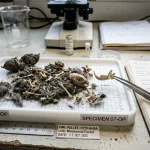
While the types of prey vary across species, what remains constant is the owl’s method of consumption. They usually swallow their prey whole, and it may take time for food to digest. Undigested parts, such as bones and fur, are later regurgitated in the form of pellets, which provide valuable insights into their diet for ornithologists. Observing these pellets can inform us about local prey availability and the overall health of the owl population.
To support a balanced diet, pet owls often require a mixture of whole prey, including rodents and birds, to meet their nutritional needs. It’s essential to replicate their natural diet as closely as possible to ensure their well-being, utilizing specialized suppliers for frozen or fresh food that closely resembles what they would catch in the wild.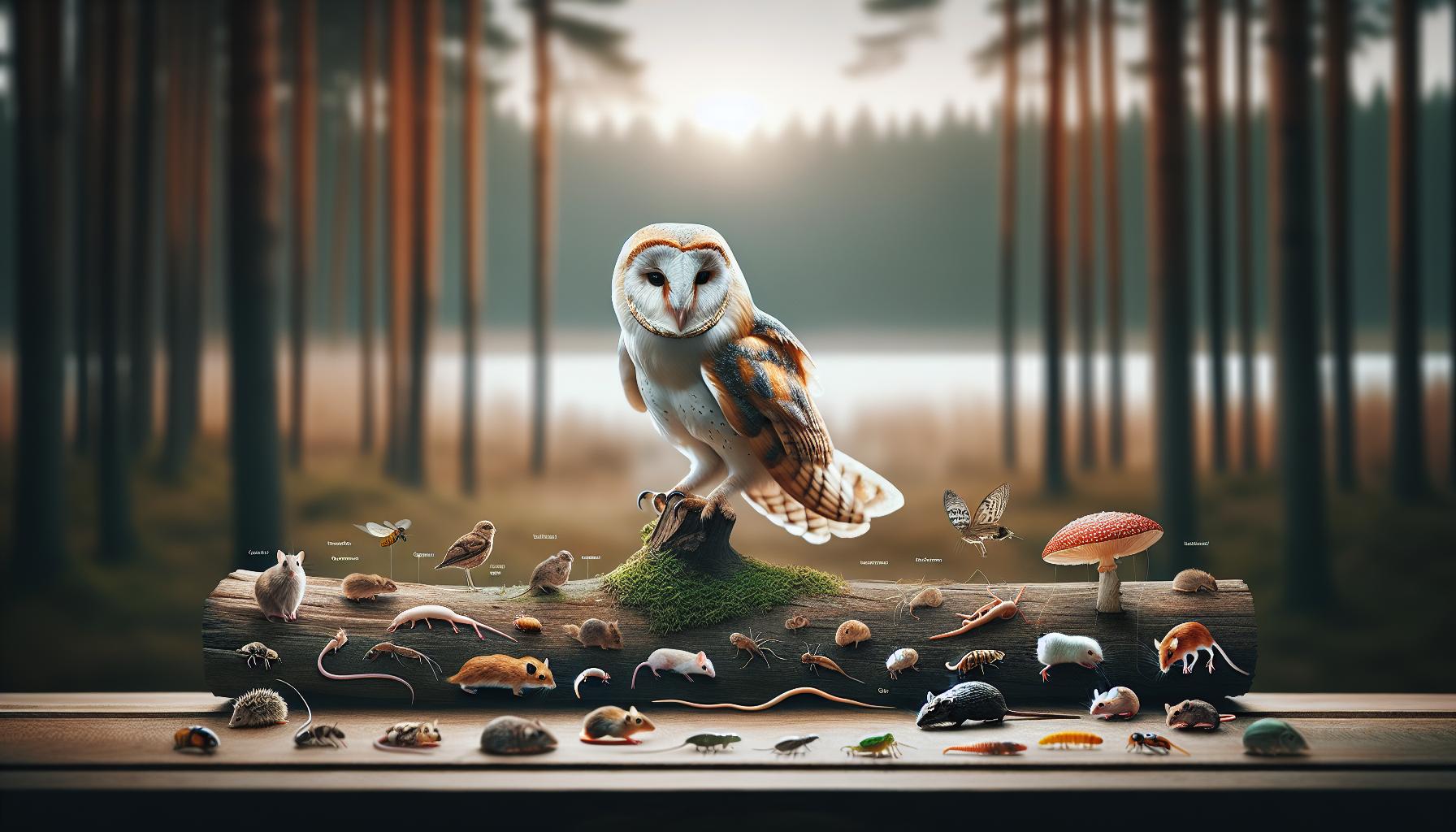
Understanding Owl Diet Variations
Owls are remarkable creatures whose dietary habits are a fascinating reflection of their ecological niches and hunting adaptations. The variations in owl diets are influenced by several factors, such as species, geographic location, and availability of prey. While many people might picture owls as solely rodent hunters, their feeding habits encompass a diverse range of food sources which allow them to thrive in various environments.
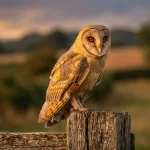
For instance, the diet of the Eastern Screech Owl can be vastly different from that of a Barn Owl. The Eastern Screech Owl primarily feasts on insects, small mammals, and even some amphibians, adapting their hunting techniques to utilize more of the forest’s upper canopy. In contrast, the Barn Owl often relies heavily on small rodents, showcasing its exceptional ability to hear and locate prey in total darkness. Such dietary variations underscore the owls’ remarkable adaptability and the role they play in their respective ecosystems.
Another important aspect of owl diet variation is seasonal change. During winter months, as prey availability may fluctuate, some owls are known to adapt their diets to include larger prey like rabbits and birds. This flexibility not only aids their survival but also affects the dynamics of their local ecosystem by influencing prey population controls. Observing changes in diet can reveal much about the health of owl populations and their habitats, providing valuable insights for conservation efforts.
Understanding these diverse feeding behaviors can aid both novice and seasoned bird enthusiasts in appreciating the ecological significance of owls. By recognizing the specific dietary needs and preferences of various owl species, we can better participate in their conservation and support efforts to create habitats that promote rich biodiversity. Whether it’s ensuring that backyard settings provide appropriate nesting sites or simply appreciating the role owls play in our surrounding environments, every effort counts towards maintaining the delicate balance of nature.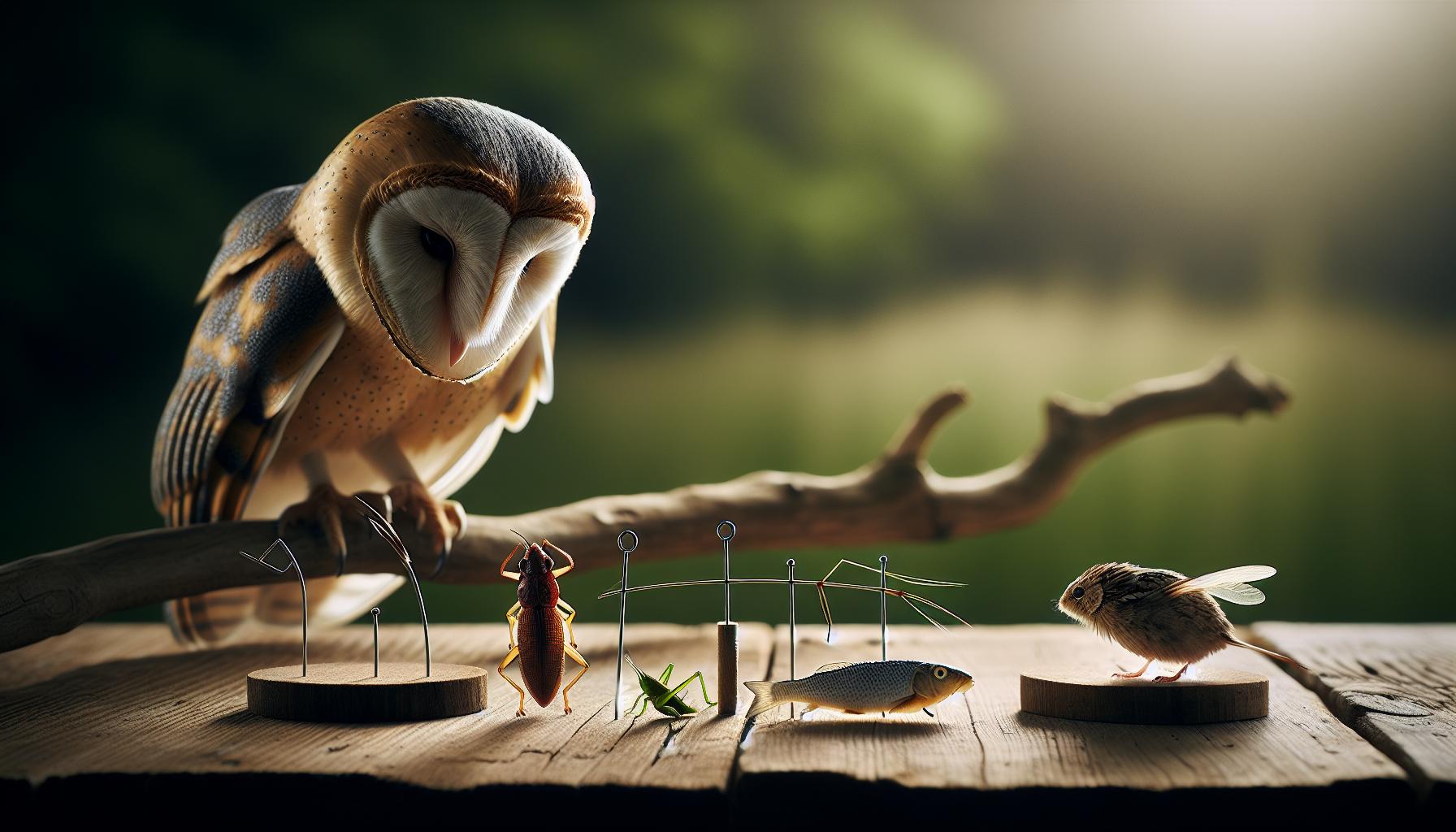
Top Prey Choices for Different Owl Species
Owls are masterful hunters, and their diets are as diverse as the environments they inhabit. Understanding the specific prey choices of different owl species not only highlights their adaptability but also reveals their vital roles in maintaining ecosystem balance. For instance, the size and habitat of an owl often dictate its preferred prey, making it crucial to recognize these patterns for both birdwatching enthusiasts and wildlife conservationists.
The Barn Owl is a prime example, known for its reliance on small mammals, especially rodents. Its exceptional hearing allows it to locate prey in darkness, typically consuming 10-20% of its body weight each night. As nocturnal specialists, they primarily feed on voles, mice, and shrews, showcasing their predatory prowess.
Prey Preferences by Owl Species
- Eastern Screech Owl: This adaptable hunter enjoys a varied diet that includes insects, small mammals, and occasionally amphibians. They balance their hunting techniques between the forest floor and the tree canopy, accommodating their diverse prey range.
- Great Horned Owl: Known for being one of the most formidable owls, the Great Horned Owl preys on larger animals, including rabbits, birds, and even skunks. Its strength allows it to take down formidable prey, emphasizing its position at the top of the food chain.
- Snowy Owl: This Arctic marvel often hunts lemmings and other small rodents, relying on its keen eyesight and remarkable flight capability to spot prey across the expansive tundra.
- Barred Owl: A versatile predator, the Barred Owl favors a mix of small mammals, birds, and even unsuspecting amphibians. Its vocalizations are a distinct part of its hunting strategy, as they may call to locate mates or assert territory.
The hunting patterns of these owls illustrate how their diets are intricately linked to their habitats. Understanding such preferences enhances appreciation for their ecological role and can aid in creating supportive environments for these iconic birds. Whether you’re hoping to attract owls to your garden or simply enjoying them in the wild, recognizing what they eat is a fundamental step towards fostering a healthy ecosystem.
Feeding Behavior: How Owls Hunt and Capture
Owls are fascinating predators, skillfully tuned to their nocturnal hunting lifestyle. Their unique adaptations make them some of the most effective hunters in nature. Equipped with acute hearing, exceptional night vision, and silent flight, owls can locate and capture their prey with incredible precision, often under the cover of darkness. This ability to thrive in low-light conditions is a blend of anatomical features and learned behaviors that make them formidable hunters.
The hunting technique varies among species, tailored to their specific environments and prey types. For instance, the Barn Owl utilizes its superior hearing to detect the faint sounds of rodents scurrying through grass or underbrush. Once the prey is located, it swoops down silently, using its serrated feathers to muffle any sound, ensuring that it remains undetected. On the other hand, the Great Horned Owl employs a more brute force approach; its powerful build allows it to tackle larger prey, often using ambush tactics from a perch or while in flight.
Owls also exhibit various styles of hunting behavior, often employing a combination of patience and stealth. Some species, like the Barred Owl, are known for their vocalizations, which can serve multiple purposes such as calling a mate or asserting territorial dominance, but also play a role in luring prey closer. This behavior is particularly effective during mating seasons when other animals might be more territorial or distracted.
In addition to their physical capabilities, the choice of habitat heavily influences their hunting strategy. Owls that dwell in dense forests may hunt differently than those in open fields or tundras. By understanding these behaviors and techniques, birdwatchers and wildlife enthusiasts can better appreciate the sophisticated hunting mechanisms that make owls essential players in their ecosystems. Acknowledging these nuances not only fosters a deeper wildlife appreciation but also supports efforts in conservation and habitat preservation aimed at maintaining their populations.
Nutritional Needs of Pet Owls
Owls are captivating creatures, and understanding their nutritional needs is essential for anyone looking to care for them as pets. Each species of owl has specific dietary requirements that reflect both their natural hunting habits and their health needs. Owls are primarily carnivorous, thriving on a diet consisting mainly of small mammals, birds, insects, and occasionally reptiles or fish, depending on their species and availability of prey.
For pet owls, it’s crucial to replicate their natural diet as closely as possible. This typically involves providing a variety of whole prey items, which can include mice, chicks, quail, and even small rabbits for larger species. These whole prey items not only offer the necessary nutrients but also allow the owl to exercise its natural hunting behaviors even in captivity. Many owners also choose to incorporate a high-quality commercial owl diet, which can provide a balanced nutritional profile while being convenient.
Feeding Frequency and Portion Sizes
Owls should be fed every 1 to 3 days, depending on their size, age, and species. A good rule of thumb is to provide roughly 10-15% of their body weight in food at each feeding. For example, a 500-gram owl might require around 50-75 grams of food per feeding. It’s important to monitor your owl’s weight and adjust the feeding frequency and portion sizes accordingly to maintain a healthy body condition.
Supplements and Treats
To ensure that your pet owl receives all the necessary vitamins and minerals, consider offering occasional supplements, particularly calcium and vitamins D3 and A. These can be found in specialized products for avian pets. However, over-supplementation can be harmful, so it’s best to consult with an avian veterinarian for tailored recommendations.
Signs of a Healthy Diet
A well-fed owl will display a healthy, fit appearance with bright, alert eyes and robust feathers. Regularly monitoring your owl’s droppings can also provide insights into their health: well-formed droppings indicate proper digestion and nutrient absorption. If you notice any changes in behavior or physical condition-such as lethargy, feather loss, or unusual droppings-consult an avian veterinarian promptly.
By aligning their dietary needs with their natural instincts, you can help your pet owl thrive, ensuring they remain healthy, active, and happy while living in your home. Each meal is not just sustenance but also a way to engage their natural behaviors, contributing to their overall well-being.
How to Prepare a Balanced Diet for Your Owl
Preparing a balanced diet for your owl is essential to ensure their health and well-being. Owls are natural predators, and replicating their diet in captivity can be both an enjoyable challenge and a vital responsibility. A varied diet not only meets their nutritional needs but also keeps them mentally stimulated, mimicking their instinctual hunting behaviors. Start by offering whole prey items similar to what they would hunt in the wild, including mice, small birds, and insects, each providing different essential nutrients.
To create a nutritious meal plan, consider the following components:
- Whole Prey: Incorporate a variety of whole animals like mice, rats, quail, and chicks, ensuring they are appropriately sized for your owl species.
- Quality Commercial Diets: These can supplement natural prey and offer a balanced profile, especially during times when live food might be scarce or impractical.
- Supplements: Depending on your owl’s specific needs, you might consider adding calcium or vitamin supplements. However, consult with an avian vet to avoid over-supplementation.
When feeding, balance the quantity and frequency based on your owl’s size and activity level. Most species thrive on a feeding schedule of every 1 to 3 days. A good rule of thumb is to provide around 10-15% of their body weight during each feeding session. For example, a 500-gram owl may need 50-75 grams of food per feeding. Monitoring their weight regularly will help you adjust portions as necessary.
Additionally, be mindful of the dietary preferences of different owl species. Some owls may have specific requirements based on their natural habitat or hunting strategies. Researching your owl’s species can provide insight into their preferred prey items and dietary needs. Incorporating variety in texture and type not only promotes health but also engages their natural instincts, making feeding time an enriching experience for your feathered friend.
Common Myths About Owls’ Feeding Habits
Owls are often surrounded by myths that shape our understanding of their feeding habits and diet. One prevalent misconception is that all owls solely hunt at night and rely exclusively on rodents as their primary food source. While many owl species are nocturnal and do favor small mammals, they have adapted to a variety of prey items depending on their habitat and the availability of food. For instance, larger species like the Great Horned Owl might also consume birds, reptiles, and even small deer when necessary, showcasing their versatility as hunters.
Another common myth suggests that owls are exceptionally ruthless predators, often leading to the belief that they are unselective in their hunting. In reality, owls exhibit a sophisticated level of hunting behavior and select their prey based on size, availability, and hunting technique. Many species use stealth to approach their target, utilizing their excellent hearing and sight to pinpoint movement in the dark. This selective feeding not only helps control prey populations but also ensures that their dietary needs are met without overexploiting any one species.
Moreover, there’s a misconception that owls do not need to drink water because they derive all hydration from their food. While it’s true that many of their prey, like rodents, contain sufficient water, owls do drink water when it’s available, especially in warmer climates or during certain life stages. They often take advantage of rain puddles or streams to hydrate.
Lastly, many people believe that feeding owls is a simple task, requiring little knowledge of their specific dietary needs. However, understanding that different owl species have unique diets is crucial. For instance, a Barn Owl primarily hunts small mammals, whereas a Eurasian Eagle-Owl might have a broader diet that includes larger prey. To properly care for pet owls or those in rehabilitation, knowing their species-specific nutritional requirements and providing a balanced diet is key for their health and well-being.
As you explore the feeding habits of owls, debunking these myths can enhance your appreciation for these fascinating creatures and their important role in the ecosystem!
Understanding the Importance of Rodents in an Owl’s Diet
Rodents play an essential role in the diet of owls, serving as a primary source of nutrition across many species. Their abundance, accessibility, and nutritional composition make them a favored prey choice for these nocturnal hunters. For instance, the common barn owl has been specifically noted for its remarkable ability to hunt and consume voles, mice, and other small mammals, which can significantly impact local rodent populations. This predator-prey relationship not only supports the health of owl populations but also contributes to maintaining ecological balance by controlling rodent numbers.
Owls have evolved a set of hunting skills finely attuned to capturing these small mammals. With their exceptional hearing and silent flight, they can stealthily approach their prey even in total darkness. For example, the Great Horned Owl, one of the most versatile hunters, often hunts rodents during its nightly forays. Its powerful talons are designed to grasp and immobilize prey swiftly, ensuring a high success rate in hunting. Research shows that up to 70% of the barn owl’s diet can consist of rodents, underscoring their significant contribution to the owl’s overall nutritional intake.
Feeding swaths of rodents not only provides high levels of protein and fat essential for an owl’s survival but also offers important minerals and vitamins. The hunting efficiency and dietary preferences vary among different owl species, with some preferring specific types of rodents. For instance, the Eastern Screech Owl might favor smaller species like shrews, while the larger Eurasian Eagle-Owl is capable of taking down rabbits. The diversity within rodent species allows owls to adapt their hunting techniques and dietary habits based on availability in their environment.
For those interested in maintaining healthy owl populations or caring for pet owls, understanding the importance of rodents in their diet is crucial. Prospective caregivers should ensure a balanced diet that mimics natural feeding habits, incorporating various types of rodents to meet nutritional needs. Utilizing local resources, like small rodent breeders or specialized feed, can help replicate the natural diet of these fantastic raptors. By prioritizing rodents as a staple food source, we can help support the health and well-being of owls in both the wild and in captivity.
Seasonal Changes in Owl Diet
As the seasons change, so too does the dietary landscape for owls. These versatile hunters adapt their feeding habits according to the availability of prey, which can vary dramatically from one season to another. For instance, as autumn progresses into winter, many owl species find that their preferred prey, particularly small mammals like voles and mice, become more concentrated as they seek shelter from colder temperatures. This shift often results in increased hunting success, as owls exploit the reduced cover and easier accessibility of these rodents.
Winter Adaptations
During the winter months, owls such as the Great Horned Owl and Barn Owl become reliant on the abundance of small mammals that remain active beneath the snow. This behavior leads them to hunt more aggressively, often covering larger territories in search of food. For example, the snowy landscape not only allows owls to spot their prey more easily but also can impact their hunting methods. They might employ a characteristic silent flight combined with short, calculated descents to catch unsuspecting rodents, capitalizing on the limited movement of prey affected by harsh weather.
Spring and Summer Changes
As spring arrives, owls adapt again, taking advantage of the dramatic increase in small mammal populations that comes with the warmer weather. The breeding season also influences their dietary choices; many owls need higher caloric intake to support nesting and raising their young. In this season, the addition of birds-particularly fledgling birds and their eggs-becomes a significant part of their diet, as the young and vulnerable are more readily available, providing necessary nutrients for growing owlets.
Conversely, summer introduces challenges such as increased competition from other predators and a decline in prey availability during particularly hot and dry spells. This can require owls to diversify their diet further, incorporating insects, amphibians, or even reptiles depending on the habitat and specific owl species. For instance, the Eastern Screech Owl might feast more on crickets and other insects when the rodent population dips, showcasing their adaptability in dietary habits based on seasonal conditions.
Overall, understanding the seasonal variations in owl diets not only enhances our appreciation for these remarkable creatures but also underscores the importance of conserving their habitats. Providing a healthy environment rich in native plants and sufficient prey resources can help ensure the survival of these eloquent nocturnal hunters all year round.
Feeding Guidelines for Baby Owls
Caring for baby owls can be a rewarding yet challenging experience, especially when considering their specific dietary needs. Owlets, especially in their early stages, rely heavily on a diet rich in protein to support their rapid growth and development. The right feeding practices are crucial not just for survival but also for ensuring that these young birds flourish into healthy adults.
In the wild, owlet diets typically consist of small mammals such as mice, voles, and even small birds. If you find yourself needing to care for a baby owl, it’s essential to replicate this natural diet as closely as possible. Here are some guidelines to follow:
- Protein-Rich Diet: Offer a variety of protein sources, including appropriately sized mice or day-old chicks. For larger species, consider presented prey items that are more sizeable.
- Feeding Frequency: Young owls need to be fed frequently, often every 3 to 4 hours. It’s important to stick to a consistent feeding schedule to mimic what their parents would do in the wild.
- Hydration: While owlets primarily obtain moisture from their food, providing fresh water in a shallow dish can encourage them to hydrate properly.
- Introducing Variety: As they grow and develop, gradually introduce other prey items such as insects (crickets or mealworms) and even some small reptiles, which helps to diversify their diet, akin to what they would find in their natural habitat.
Monitoring the owlet’s growth and health is essential. Healthy baby owls should be active and alert during their waking hours, displaying an eagerness to eat. Furthermore, the droppings should appear normal, indicating a balanced diet. If any irregularities arise, it’s crucial to consult an avian veterinarian experienced with raptors.
Finally, always ensure that any prey items provided are free of pesticides and toxins. By closely following these guidelines, you can help foster a successful start for baby owls as they grow towards independence.
How to Create an Owl-Friendly Environment
Creating an environment that supports owls is not only vital for their well-being but also deeply rewarding for any bird enthusiast. Owls are incredibly sensitive to their surroundings, and a suitable habitat can enhance their feeding behavior and overall health. One of the best ways to foster an owl-friendly environment is to ensure that it mirrors their natural habitat as closely as possible. Let’s look at several key elements that can make your space more welcoming for these magnificent birds.
First, consider the landscape. Owls thrive in areas with a mix of open spaces and dense cover. Planting native trees and shrubs will provide roosting sites, while open fields can attract the small mammals that are integral to their diet. Additionally, tall grasses and brush piles can serve as hiding spots for prey, increasing feeding opportunities. If you have the space, create varied elevations by adding logs and rocks which could attract different species of rodents and insects.
Next, focus on food sources. Understanding what attracts owls to a feeding area can set the foundation for their dietary needs. Ensure that your environment comprises elements that draw in their natural prey. Leaving some areas of your yard wild can encourage populations of rodents and other small animals. Implementing a bird feeder stocked with seeds can also attract smaller birds, which some owls might hunt. Just remember, consistency is key-keeping your setup intact will ensure a steady food supply and encourage owls to return.
Moreover, create a safe space away from predators. Recognize that young or vulnerable owls are at risk from larger animals. By placing feeders high up or using barriers, you can help shield them from potential threats, thus making your setup more suitable for them to hunt and feed safely.
Lastly, engage with your local wildlife community and educate others about the importance of preserving owl habitats. Your enthusiasm can help others create spaces conducive to owls and enrich the ecosystem. Active participation in conservation efforts can make your region friendlier for owls and ensure these beautiful creatures thrive.
Incorporating these elements will not only contribute to a nourishing environment for owls but will also enrich your experience as a nature lover and caretaker of one of the most fascinating groups of birds in the animal kingdom.
Signs of a Healthy Owl Diet: What to Look For
A vibrant and healthy owl is often reflected in its diet, which plays a crucial role in its overall well-being. Observing the signs of good nutrition in owls can enhance your understanding of their needs, whether in the wild or in a sanctuary setting. A well-fed owl typically exhibits a glossy and well-groomed plumage, indicative of proper nutrition and vitality. This shiny appearance suggests that the owl is receiving the right balance of essential nutrients from its prey, which primarily consists of rodents, birds, and various small mammals.
One significant indicator of a healthy diet is the owl’s behavior during hunting. Healthy owls are agile and exhibit keen hunting skills, actively engaging with their environment to locate prey. If you notice a decline in hunting activity, it may signal nutritional deficiencies. Additionally, pay attention to their weight; a healthy owl should maintain a stable weight appropriate for its species without being overly thin or excessively plump.
To provide a balanced diet, you should ensure a variety of prey options. Owls thrive on a diverse menu, which might include mice, voles, insects, and small birds. Using a variety of feeding techniques, such as scatter feeding or using specific feeders, can mimic natural conditions and keep owls stimulated while promoting healthier feeding habits. Regular observation will help you determine if prey is being eaten efficiently and if there’s any leftover, as this can indicate preferences or dietary aversions that might need addressing.
In summary, signs of a healthy owl diet encompass physical appearance, behavior while hunting, and stable weight conditions. A well-rounded diet, rich in a variety of nutrients, is essential for maintaining the health and balance of these magnificent creatures. By remaining attentive to these factors, you can contribute significantly to the welfare of owls in your care or those you observe in their natural habitats.
Q&A
Q: What is the primary diet of owls in Dreamlight Valley?
A: Owls in Dreamlight Valley primarily eat small mammals, such as rodents. Their diet may also include insects, birds, and occasionally reptiles, reflecting the diverse habitats they occupy. For optimal health, it’s essential to understand specific dietary needs based on the owl species you encounter.
Q: How do seasons affect an owl’s diet?
A: Seasonal changes significantly impact an owl’s diet. In winter, they may rely more on stored food or hunt different prey as small mammals become scarce. Understanding these shifts can help ensure that pet owls receive a balanced diet throughout the year. Refer to the article’s “Seasonal Changes in Owl Diet” section for in-depth insights.
Q: What are common myths about owls’ feeding habits?
A: Many myths exist about owls, such as the idea that they only hunt at night. While they are crepuscular or nocturnal, owls can also hunt during the day depending on their species. Dispelling these myths is crucial for understanding their behaviors and needs. Check the “Common Myths About Owls’ Feeding Habits” section for more.
Q: How can I ensure my pet owl has a balanced diet?
A: To ensure a balanced diet for your pet owl, provide a variety of foods that mimic their natural hunting choices, including rodents, insects, and specialized pellets. Always consult a vet for nutritional advice specific to your owl’s species. See the “How to Prepare a Balanced Diet for Your Owl” section for detailed guidance.
Q: What signs indicate a healthy owl diet?
A: Signs of a healthy owl diet include consistent energy levels, regular feeding habits, and proper weight maintenance. Healthy feathers and vibrant eyes are other indicators. Refer to the “Signs of a Healthy Owl Diet” section in the article for detailed descriptions of what to look for.
Q: How do you create an owl-friendly environment for feeding?
A: Creating an owl-friendly environment involves providing natural habitats that mimic their wild surroundings, offering safe perches, and limiting distractions. Incorporating elements like trees and bushes can enhance their hunting experience. More tips are available in the “How to Create an Owl-Friendly Environment” section.
Q: Why are rodents such an important part of an owl’s diet?
A: Rodents are crucial for owls as they are easily accessible prey and provide essential nutrients necessary for owls’ health. Their abundance in various ecosystems makes them a staple food source. Explore the “Understanding the Importance of Rodents in an Owl’s Diet” section for further insights.
Q: What should I feed baby owls?
A: Baby owls require a diet rich in protein and fats to support their growth. Ideal foods include small mice, insects, and specially formulated owl feed. It’s vital to mimic parental feeding behaviors. See the article’s “Feeding Guidelines for Baby Owls” section for extensive care tips.
The Conclusion
Thank you for exploring our complete feeding guide on what owls eat in Dreamlight Valley! Now that you have a clear understanding of their dietary preferences and habits, you can confidently enhance your gameplay experience. Remember, feeding these majestic creatures not only helps them thrive but also contributes to the rich biodiversity of your valley.
To deepen your knowledge, check out our related articles on “How to Attract Owls in Dreamlight Valley” and “Top Tips for Birdwatching in Your Garden.” These resources will offer valuable insights and encourage your engagement with the vibrant wildlife around you. Don’t miss out on the chance to subscribe to our newsletter for the latest updates and exclusive tips!
Your adventure with owls doesn’t stop here. Join the conversation by sharing your experiences in the comments below, and let us know what you’d like to learn next. Every interaction helps our community grow-so dive in and keep discovering the wonders of Dreamlight Valley!
Get our latest guides, news, and insights highlighted in your Google Search & AI Overviews.