

Did you know that owls, often portrayed as wise and mystical creatures, have a diverse diet that may include birds? Exploring the eating habits of these fascinating nocturnal hunters reveals surprising insights into their role in the ecosystem. Understanding what owls eat, from rodents to smaller birds, can deepen your appreciation for their ecological significance and adaptability. Whether you’re an avid birdwatcher or a curious beginner, this investigation into the dietary preferences of owls will not only satisfy your curiosity but also highlight the intricate balance of nature that these skilled predators maintain. As we dive into the surprising targets of owl hunting behaviors, you’ll gain valuable knowledge that enhances your understanding of avian life and the mysteries of the night sky.
Do Owls Really Eat Birds? Insights from Experts
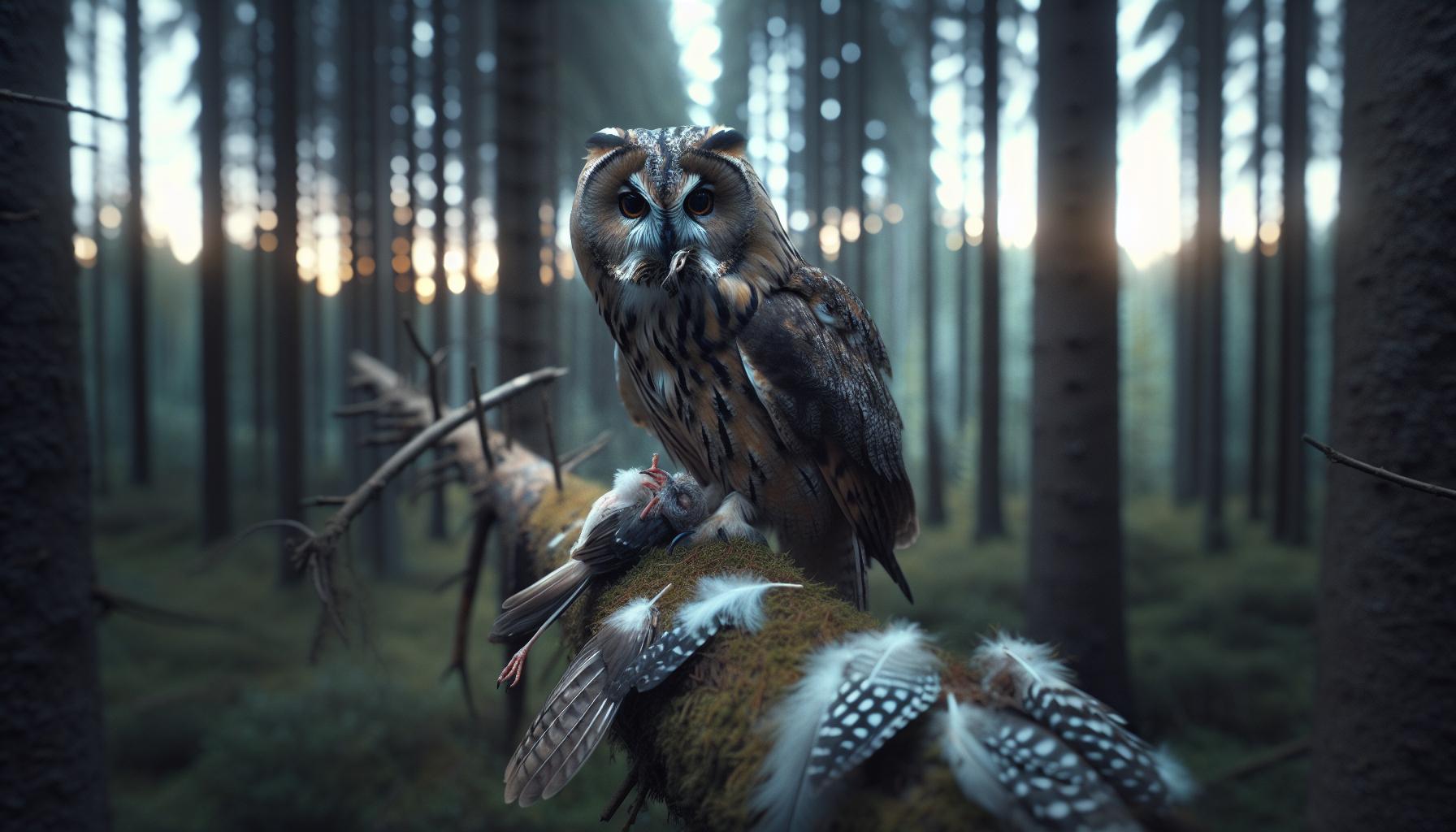
Owls are often shrouded in mystery and allure, and one of the most fascinating aspects of their behavior is their varied diet, which frequently includes birds. Experts agree that while owls are versatile hunters, the specific species they prey on can vary widely based on their habitat and availability of food sources. For instance, the great horned owl, one of the largest and most powerful North American owls, is known to take down birds as small as hummingbirds to as large as great blue herons. This adaptability showcases their prowess as hunters and their opportunistic feeding behavior.
Various owl species tend to target different birds based on their size, hunting techniques, and habitat. Smaller owls like the Eastern screech owl primarily hunt smaller birds such as sparrows and finches, while the larger barn owl might hunt medium-sized birds like starlings or even pigeons. These predatory patterns highlight not just the dietary preferences of owls but also the ecological balance they help maintain. By controlling small bird populations, owls play a crucial role in their ecosystems, ultimately influencing the populations of other wildlife.
When it comes to hunting strategies, owls have developed specialized techniques that enhance their effectiveness. They employ stealth and silent flight to surprise their prey, aided by their keen night vision and acute hearing. Hollow feathers allow them to glide soundlessly, making it easier to approach unsuspecting birds. Furthermore, their ability to rotate their heads almost completely around provides a unique advantage for locating and tracking potential meals. This remarkable predatory skillset makes owls highly successful hunters in various environments.
Understanding the dietary habits and hunting mechanisms of owls not only enriches our knowledge of these magnificent birds but also sheds light on their ecological roles. Whether you’re a beginner looking to observe these nocturnal creatures or an experienced birder wanting to identify different species, recognizing what owls eat and how they hunt can enhance your appreciation for their remarkable adaptability and contributions to natural ecosystems.
The Diet of Owls: What Do They Hunt?
Owls are some of nature’s most skilled predators, with diets that vary significantly depending on their species, habitat, and the availability of prey. While many people may envision owls primarily hunting rodents or insects, the reality is that a substantial portion of their diet consists of birds. For instance, the great horned owl is renowned for its ability to capture a diverse range of avian prey, from tiny sparrows to larger birds like ducks and even hawks. In some cases, these formidable creatures have been known to take down prey that is nearly as large as themselves, demonstrating a remarkable adaptability and ferocity in hunting behavior.
Different owl species exhibit distinct hunting preferences that are often closely linked to their physical characteristics and ecological niches. The Eastern screech owl, a smaller species, typically targets smaller birds such as finches and wrens, using its keen eyesight and camouflage to blend into wooded surroundings. On the other hand, barn owls, with their unique heart-shaped facial disks and silent flight, often hunt in open fields and will prey on medium-sized birds, including starlings and blackbirds. This flexibility in prey choice highlights not only the owls’ adaptable natures but also their importance in maintaining ecological balance by regulating bird populations within their habitats.
To understand more about what owls hunt, let’s consider their feeding habits. Owls are opportunistic feeders, which means they will take advantage of whatever prey is most readily available. During a night’s hunt, these birds utilize their exceptional hearing and night vision to locate prey. Their silent flight, aided by specially adapted wing feathers, allows them to approach birds without detection. It’s not uncommon for an experienced birder, like myself, to witness an owl swooping down on a unsuspecting bird, utilizing its powerful talons to secure a meal swiftly.
Ultimately, the dietary choices of owls are crucial for their survival and the health of their ecosystems. By preying on various bird species, they help control populations, thereby influencing the composition of wildlife in their territories. For those looking to observe these fascinating hunters in action, understanding their diverse diets and hunting strategies can greatly enhance your birdwatching experience, opening up opportunities to glimpse the intricate dance of predator and prey in the wild.
Common Owl Species and Their Prey Preferences
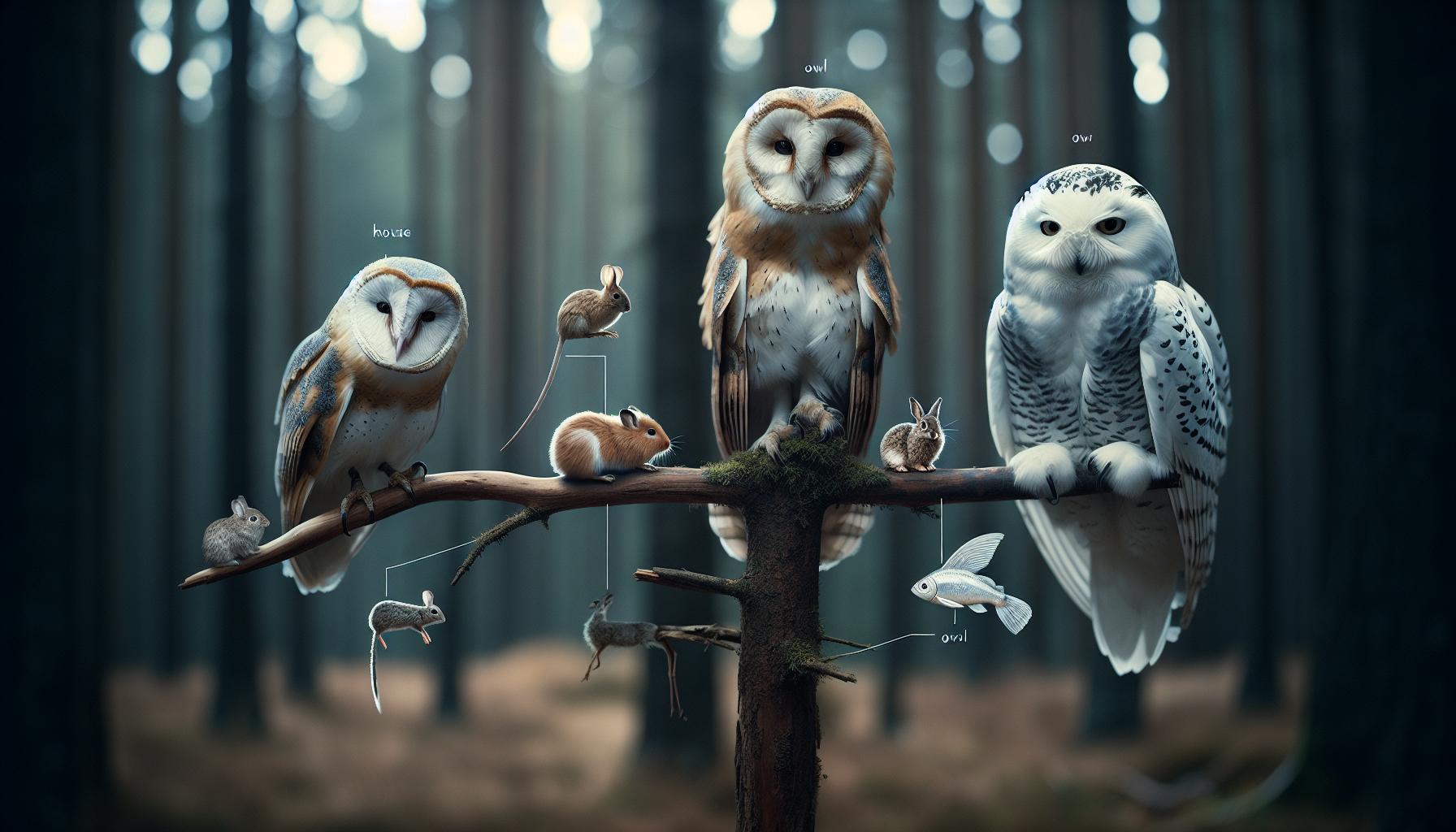
Many enthusiasts are surprised to learn just how diverse the hunting preferences are among various owl species. Some owls are specialized hunters, focusing on particular types of prey based on their anatomy and habitat, while others exhibit a more opportunistic approach, taking advantage of whatever presents itself. Understanding these differences not only deepens our appreciation of these magnificent birds but also shines a light on their role within our ecosystems.
The Great Horned Owl, for instance, stands out as one of the most adaptable predators, capable of taking down a wide range of prey. From small birds like sparrows to larger fare such as ducks and even the occasional hawk, these owls harness their impressive size and strength to dominate the food chain. During my own birdwatching excursions, I’ve seen them swoop silently from the branches, their broad wings creating minimal noise, making them highly efficient hunters.
Another captivating example is the Barn Owl, easily identifiable by its heart-shaped face and strikingly pale feathers. This species is particularly adept at hunting in open fields, primarily targeting small mammals but also taking medium-sized birds, such as starlings and blackbirds. Their exceptional hearing enables them to locate prey even under thick cover, demonstrating a fascinating adaptation to their environment.
The Eastern Screech Owl, on the other hand, showcases the remarkable variations among owls. These smaller owls often prefer hunting smaller birds like finches and wrens in wooded areas. Their ability to camouflage within their surroundings provides them a significant advantage over their avian prey, allowing them to blend seamlessly into the trees.
Opportunistic Feeding Behaviors
Most owl species are opportunistic feeders, making their diet versatile depending on what’s available in their environment. During my nighttime outings, it’s common to observe how a Barred Owl might take advantage of the rich diversity in its habitat, including not just birds, but also rodents, amphibians, and insects. This flexibility in their diet not only sustains individual owls but also plays a crucial role in managing the prey populations within their ecosystems.
By understanding the hunting preferences of these common owl species, we can appreciate the intricate relationships they maintain with their environment. This knowledge not only enhances our birdwatching experiences but also fosters a deeper connection to the wildlife around us, inviting further curiosity into the behavior of these fascinating nocturnal hunters.
Surprising Animals That Owls Target
Owls are fascinating predators, and their diets can be surprisingly varied, extending far beyond the common small mammals and birds we often associate them with. Many owl species are diverse in their dietary preferences, showcasing an adaptability that allows them to thrive in a variety of environments. For instance, the Great Horned Owl, a highly versatile hunter, frequently targets not only smaller birds like sparrows but also mammals, reptiles, and even the occasional house cat. This owlish opportunism exemplifies their ability to exploit available resources, making them successful in myriad habitats.
Another surprising prey species includes amphibians. The Barred Owl, known for its distinctive hooting call, often hunts frogs and toads, particularly in wetland areas where these creatures abound. Their keen hearing enables them to detect the slightest movements of these hidden treats beneath the water’s surface or dense vegetation, demonstrating a remarkable adaptation to their specific hunting grounds.
Some owls, like the Barn Owl, may also target larger insects, such as grasshoppers and crickets, especially in agricultural fields. This behavior highlights the flexibility of their diet and their role in controlling pest populations. Additionally, there are reports of owls taking down bats during summer evenings, which adds another unexpected layer to their hunting prowess.
In short, the hunting diets of owls are as dynamic as the ecosystems they inhabit. By understanding the variety of animals that owls prey upon, we can further appreciate their essential role in maintaining ecological balance. If you’re a birdwatching enthusiast or simply curious about these nocturnal hunters, keeping an eye out for the surprising range of their targets can deepen your understanding and appreciation of these incredible birds.
How Owls Catch Their Prey: Hunting Techniques
Owls have honed their hunting techniques over millions of years, making them some of the most efficient predators in the avian world. One of the most captivating aspects of owl hunting is their stealth. With their silent flight-thanks to specialized feather structures that reduce noise-owls can approach their unsuspecting prey without alarming them. This ability is essential when targeting various animals, including the small birds they occasionally hunt. By gliding quietly through the night, they capitalize on their acute hearing and exceptional eyesight, allowing them to detect even the slightest rustle in the underbrush.
A common strategy employed by owls is to perch silently in a tree, scanning the ground for movement before diving toward their target. This hunting method is particularly effective for species like the Great Horned Owl, which may wait motionless for long periods until an opportunity arises. When they spot a potential meal, they leverage their powerful talons and swift flight to capture it with astonishing precision. The force of their grip is formidable; a Great Horned Owl can exert around 500 pounds of pressure per square inch, ensuring that their catch stands little chance of escape.
Additionally, some owls, like the Barn Owl, utilize a technique known as “quartering,” where they fly in a zigzag pattern while low to the ground. This approach increases their visibility and helps them cover more ground as they hunt for rodents, insects, and even birds. By varying their height and flight path, owls are able to adapt to different environments, whether it be dense forests, open fields, or urban areas, showcasing their versatility as hunters.
Understanding these fascinating hunting techniques enhances our appreciation for these remarkable creatures and highlights their critical role in the ecosystem as both predators and indicators of environmental health. Observing owls in action can provide incredible insights into their behaviors and is a thrilling experience for birdwatchers and nature enthusiasts alike. Consider spending an evening in owl-rich habitats or your local woods-you may just witness one of nature’s most skilled hunters in action.
The Role of Habitat in Owl Diet Choices
The landscape where owls dwell plays a pivotal role in shaping their diet and hunting behaviors. For instance, an owl residing in a coastal marsh will have a markedly different diet than one inhabiting a dense forest. Owls are highly adaptable, and their opportunistic feeding habits allow them to exploit the most available resources in their environments. This flexibility often means that their diet can be quite diverse, including not only small mammals and insects but also a range of birds.
The choice of habitat also influences the specific types of prey that owls will hunt. For example, the Eastern Screech Owl is commonly found in suburban areas and woodlots, where it can take advantage of smaller birds such as sparrows or starlings. Conversely, the Barn Owl, known for its remarkable ability to hunt in open fields, often targets rodents like voles and mice, making it a valuable ally for farmers. This difference showcases how location informs not just the variety of prey available but also the particular hunting strategies that an owl might employ.
Furthermore, suitable habitats provide essential cover and nesting opportunities, enabling owls to thrive and successfully raise their young. Many species prefer environments with thick vegetation or tall trees, which not only aid in their camouflage while hunting but also offer safety from larger predators. Factors like urbanization, agricultural practices, and landscape changes can seriously impact these habitats, influencing owl populations and their dietary choices.
Understanding the relationship between habitat and diet deepens our appreciation for owls’ roles in the ecosystem, emphasizing their importance not only as predators but also as indicators of environmental health. So, whether you’re a seasoned birdwatcher or a casual observer, take note of the types of habitats around you-they’re not just scenic; they’re the very framework that supports the rich diversity of owl life.
Seasonal Variations in Owl Hunting Behavior
As the seasons change, so do the hunting behaviors of owls, adapting to the shifting availability of prey and environmental conditions. In winter, for example, many owl species ramp up their hunting efforts, as the scarcity of food leads them to target a wider range of potential meals, including small birds that may be less vigilant in colder weather. This strategic shift allows owls to optimize their feeding based on what is most accessible; for instance, the Great Horned Owl may hunt during the day in snowy conditions when its prey, such as rabbits or rodents, is more conspicuous against the white backdrop.
During the spring, the nesting season brings additional dynamics to their hunting behavior. The need for protein-rich food to support breeding and raising young often leads owls to focus on larger mammals and birds. This is particularly evident in species like the Barn Owl, which may change its preferences to include more avian prey, especially young birds, as they begin to fledge. The shift not only influences their diet but also affects their hunting locations; they may expand their range in search of optimal nesting sites that coincide with abundant food sources.
In the summer, as the young owlets are learning to hunt, the adult owls may demonstrate fascinating teaching behaviors. Observations have shown that adult Great Horned Owls will sometimes bring back various types of prey to teach their offspring, allowing them to witness and practice different hunting techniques. Understanding these seasonal variations in hunting behavior is crucial for birdwatchers and researchers alike, enhancing our appreciation for the complexities of owl life and their ecological importance.
Moreover, the timing of prey availability is often linked to seasonal changes in the environment. Certain small mammals breed and become more abundant in specific seasons, influencing the timing of the owls’ hunting efforts. For instance, when voles are most plentiful in late summer and fall, the Northern Saw-whet Owl will optimize its hunting periods to coincide with their peak activity, often changing its hunting hours to dusk and dawn when these prey are most active. By tuning into these seasonal rhythms and behaviors, enthusiasts can gain a deeper insight into the life cycles of owls and the natural world around them.
Impact of Owl Populations on Bird Species
The delicate balance of ecosystems can be profoundly influenced by the presence of owls within a habitat. As expert hunters, these birds of prey play a significant role in controlling populations of smaller animals, including various bird species. Their predatory behavior can have surprising effects on local avian communities, creating a dynamic interplay among species.
Owls typically hunt smaller birds, particularly during nesting seasons when some species of birds are most vulnerable. For example, the Eastern Screech Owl is known to prey on songbirds, which can lead to fluctuations in local populations. This predation can, in turn, offer a sort of environmental check: if certain species become overly abundant, owls help maintain balance by reducing their numbers. In managing these populations, owls contribute indirectly to the health of the ecosystem, allowing for a greater diversity of species to thrive.
However, the impact of owl populations extends beyond just predation. As apex predators, they can influence the behavior and distribution of smaller bird species. The mere presence of owls may cause some avian species to alter their nesting and foraging habits. For instance, smaller birds may choose different locations to build their nests or change their feeding patterns to avoid detection, thereby affecting their own survival rates. In this way, owls instigate changes in the structure of bird communities, demonstrating a fascinating interplay between predator and prey.
Moreover, conservation efforts aimed at protecting owl populations can lead to broader ecological benefits. By ensuring that owls have sufficient habitat and food sources, we indirectly support the myriad of bird species that share their environments. Promoting healthy ecosystems that benefit both owls and their avian prey ultimately helps preserve biodiversity. For birdwatchers and nature enthusiasts, understanding these interactions adds a layer of appreciation for the role owls play in shaping the avian landscape around us.
Myths vs. Facts: Separating Truths About Owls
Owls have long captivated our imaginations, shrouded in mystery and superstition. Yet, many of the beliefs surrounding these nocturnal predators are often based on myths rather than facts. It’s time to uncover the truths about these fascinating birds of prey, particularly in relation to their diet and hunting behaviors.
One prevalent myth is that owls exclusively hunt small mammals, with birds as a secondary food source. In reality, while small mammals comprise a large portion of their diet, many owl species actively hunt and consume birds as well. For instance, the Eastern Screech Owl is known to prey on songbirds, which can be quite surprising to those who envision owls as simply hunting rodents. This predilection for birds is particularly pronounced during nesting seasons when smaller avian species are most vulnerable, showcasing how owls contribute to controlling local bird populations.
Another common misconception is that all owls are silent hunters due to their ability to fly without making a sound. While it’s true that many owls possess specialized feathers that minimize flight noise, they can also be quite vocal during hunting. The hoots and calls of owls serve various purposes, including mating, marking territory, and sometimes even signaling the presence of food to other local owls. Their hunting techniques can vary significantly based on the species, with some, like the Great Horned Owl, employing stealth and surprise, while others might rely on persistence and patience in stalking their prey.
Understanding these myths not only debunks common misunderstandings but also highlights the ecological roles owls play. They act as indicators of environmental health, and their presence in a habitat often indicates a rich diversity of prey, including birds. For those who want to learn more about attracting these magnificent birds to their backyards, providing good habitat, such as dense trees and open fields, can help draw them in and offer a closer look at their fascinating behaviors. Owl populations and their predation habits remind us of the intricate balance within ecosystems and how every species, whether predator or prey, contributes to biodiversity.
How to Attract Owls to Your Backyard
Creating an inviting environment for owls in your backyard can be both rewarding and engaging. These magnificent birds of prey, known for their silent flight and acute hunting skills, can be an extraordinary addition to your local wildlife. Owls are not just fascinating to observe; they also play a crucial role in controlling rodent and small bird populations. To make your backyard a welcoming haven for them, consider these practical strategies.
Begin with habitat enhancement. Owls thrive in areas with plenty of trees and open spaces where they can hunt. Plant native trees and shrubs that provide shelter and nesting opportunities. Species like oaks, pines, and willows not only offer concealment but also attract small creatures that owls prey upon. If space allows, set up a nesting box. Ensure it’s located high enough off the ground and that it mimics natural cavities, as many owls prefer these safe spaces for breeding.
Another essential factor is food availability. While owls are skilled hunters, they will appreciate a habitat rich in diverse prey. To support this, consider creating a landscape that attracts small mammals and birds. Maintaining a natural brush pile can offer shelter for these creatures, making your yard a buffet for owls. Additionally, reducing the use of pesticides can help ensure that the small mammals, which are integral to an owl’s diet, flourish in your environment.
Lighting can also influence owl behavior. Bright lights might deter owls from visiting your backyard. Opt for minimal lighting or install motion sensors that can illuminate areas as needed without creating constant glare. This allows owls to feel safer and more likely to explore your yard under the cover of darkness.
Finally, patience is key. Fellow birders have shared that it may take time for owls to visit regularly. Consider keeping a log of your observations to track which species might be attracted to your area and the time of year they appear. There’s a unique thrill in the quiet of the night when you might first hear the soft hoots of an owl, a sound that connects us to the natural world.
By carefully crafting a conducive environment, you not only invite these beautiful creatures into your life but also contribute positively to their conservation. Engaging with wildlife in your own backyard can deepen your appreciation for nature and the intricate relationships that sustain it.
Tips for Identifying Owl Calls and Types
Listening to the night can reveal a hidden world of owls, each with distinctive calls that reflect their species and behaviors. Owls are known for their unique vocalizations, which can vary significantly, not only between species but also depending on the time of year and the context of the call. Understanding these calls can enhance your owl-watching experience and help you identify them in the wild.
To identify owl calls, start by familiarizing yourself with the sounds of common species. For example, the familiar hoots of the Great Horned Owl are deep and resonant, often described as “whooo-whooo.” In contrast, the Eastern Screech Owl offers a softer, trilling call that resembles a high-pitched whistle. Recording owl calls with a smartphone or digital recorder can also be helpful, allowing you to compare sounds later in a quiet setting.
While listening for calls, pay attention to the context in which they are made. Male owls often call to attract mates or establish territory during spring. In contrast, throughout the rest of the year, calls might serve different purposes, including signaling an alarm or coordinating with a mate. Monitoring the time of year and the time of night can provide clues – for instance, many owls are most active right after sunset or just before dawn.
Furthermore, consider keeping a field journal of your owl sightings and their calls. Documenting the exact time, location, and weather conditions can create a richer understanding of owl behaviors in your area. With practice, you will become more adept at identifying not only the types of owls around you but also the nuanced conversations they engage in under the cover of darkness.
By immersing yourself in the sounds of the night, you can develop a deeper appreciation for these remarkable creatures and the ecosystems they inhabit. Happy owl listening!
Conservation Efforts for Owl Species and Their Prey
In the intricate web of nature, the conservation of owl species and their prey is crucial not only for the health of ecosystems but also for maintaining biodiversity. Owls, as apex predators, play a significant role in controlling rodent populations, which can impact agricultural practices and the balance of local habitats. Effective conservation efforts focus on protecting both the owls and the various species upon which they depend for food.
To understand these dynamics, we must first recognize that conservation strategies vary depending on the owl species and the habitats they occupy. For instance, the Northern Spotted Owl, which relies on old-growth forests, is threatened primarily by habitat loss due to logging and urban development. Conservation groups are actively advocating for the preservation of these forests, emphasizing the need for sustainable forestry practices that protect these vital ecosystems. This approach not only aids in the recovery of the Spotted Owl population but also supports countless other species that inhabit these lush environments.
Moreover, initiatives to manage invasive species have become a focal point in owl conservation efforts. The Barred Owl, which has encroached upon the habitats of native owls like the Spotted Owl, poses a significant threat to their survival. Researchers advocate for humane population control measures, such as culling, as a method to protect the native species. Such interventions, while controversial, are backed by rigorous scientific studies indicating they are necessary for the long-term survival of the endangered species. These targeted conservation efforts exemplify a proactive approach to wildlife management, ensuring that owls and their ecological niches are preserved for future generations.
Additionally, habitat restoration projects are essential in creating and maintaining the environments owls need. Efforts to rehabilitate wetlands, forested areas, and grasslands not only benefit owls but also enhance the overall health of the ecosystem, bringing a multitude of species back to balance. Community involvement is crucial here, too; educational programs can encourage local residents to create owl-friendly habitats in their backyards, such as installing nest boxes or planting native vegetation that supports local prey species.
In summary, the conservation of owl species and their prey calls for a multifaceted approach that includes habitat preservation, management of invasive species, and community engagement. Through these collective efforts, we stand a better chance of ensuring that owls continue to thrive as vital components of our natural world.
Faq
Q: What types of birds do owls commonly eat?
A: Owls typically consume small to medium-sized birds, such as sparrows, starlings, and doves. Their hunting preferences can depend on the species and habitat, as seen in the article sections on “The Diet of Owls” and “Common Owl Species and Their Prey Preferences.”
Q: How do owls hunt birds at night?
A: Owls are nocturnal hunters, utilizing their exceptional night vision and hearing to locate prey in darkness. They perch silently and listen for sounds, then swoop down with precision. This is explored further in the “How Owls Catch Their Prey” section.
Q: Are all owl species known for eating birds?
A: Not all owl species focus on birds; some primarily hunt rodents or insects. Species like the Barn Owl often prefer small mammals, while others, such as the Great Horned Owl, will readily prey on birds. Further details can be found under “Diet of Owls.”
Q: Do owls have specific hunting techniques for capturing birds?
A: Yes, owls employ various techniques, such as gliding silently and using their sharp talons for a swift capture. Their hunting methods adapt based on their environment and prey type, which is detailed in the “Hunting Techniques” section.
Q: How do seasonal changes affect what owls hunt?
A: Seasonal variations influence prey availability, leading owls to adapt their hunting patterns. During winter, they may target small birds more heavily due to reduced rodent populations. This topic is addressed in the “Seasonal Variations” section.
Q: What habitat features attract birds that owls eat?
A: Habitat features like dense vegetation, open fields, and nearby water sources attract birds that owls hunt. These elements provide shelter and food resources for the birds, making these areas ideal for owl hunting. More details are found in the section on “Role of Habitat in Owl Diet Choices.”
Q: Can the presence of owls affect local bird populations?
A: Yes, owls can impact bird populations by preying on them, which may regulate those populations. Their role in the ecosystem is significant, as discussed under “Impact of Owl Populations on Bird Species.”
Q: How can I observe owls hunting birds in the wild?
A: To observe owls hunting, look for them during dusk or dawn in wooded areas or near fields. Using binoculars can enhance your experience. You can attract them with specific calls and habitat setups, as discussed in “How to Attract Owls to Your Backyard.”
To Conclude
Now that you’ve uncovered the surprising hunting targets of owls, stay curious and delve deeper into the captivating world of these remarkable birds. If you’ve enjoyed learning about their predatory habits, you wouldn’t want to miss our article on “Top 5 Owl Species You Need to Know” and how they adapt to their environments. Don’t forget to check out our guide on “Building an Owl-Friendly Habitat”, ensuring you can attract these nocturnal wonders to your backyard.
Feeling inspired? Subscribe to our newsletter for exclusive tips, updates, and enticing insights on birdwatching and wildlife conservation. Your journey into the fascinating behaviors of owls and their ecosystems is just beginning. Share your thoughts or questions in the comments below; we love connecting with fellow bird enthusiasts! Keep exploring, and remember: every owl sighting is a chance to learn something new!
Get our latest guides, news, and insights highlighted in your Google Search & AI Overviews.










