

Did you know that screech owls, despite their small size, are formidable hunters in the night? Understanding what these fascinating raptors eat is essential for anyone interested in their behavior and conservation. In this guide, we’ll explore the diverse diet of screech owls, shedding light on their feeding habits, prey choice, and nutritional needs. Whether you’re a budding birdwatcher looking to expand your knowledge or a seasoned enthusiast keen on ensuring the health of these captivating creatures, you’ll find valuable insights here. Join us as we dive into the world of screech owl diets, gaining a deeper appreciation for their role in the ecosystem and learning how to support their well-being in the wild.
What Do Screech Owls Eat? An Overview of Their Diet
Screech owls are fascinating little raptors known for their distinctive calls and remarkable adaptability. A key aspect of their survival strategy is their varied diet, which primarily consists of small mammals, birds, and insects. These owls possess excellent night vision and acute hearing, making them effective hunters in low-light conditions. While generally nocturnal, screech owls are often seen at dusk or dawn, taking advantage of these twilight hours to forage for their next meal.
Hunting mainly involves a combination of stealth and sudden bursts of flight. Screech owls are adept at perching quietly for extended periods, scanning their surroundings for potential prey. Their small size, ranging from about 6 to 10 inches in length, allows them to blend seamlessly into their environment, especially among tree bark and foliage. This camouflaged appearance is complemented by their ability to remain motionless, effectively ambushing unsuspecting animals.
Their diet can be quite diverse. In areas with abundant prey, they may consume various species, including:
- Mice and voles – These small rodents constitute a significant portion of their diet, providing essential protein and energy.
- Insects – Particularly during warmer months, insects like crickets, beetles, and moths become prevalent in their meals.
- Small birds – On occasion, they may target species smaller than themselves, such as sparrows or finches.
- Reptiles and amphibians – Less frequently, they might capture small lizards or frogs when the opportunity arises.
The variety in their diet not only highlights the screech owl’s adaptability but also underscores the importance of maintaining a healthy ecosystem. These owls play a crucial role in controlling pest populations, which benefits agricultural practices and contributes to biodiversity.
Understanding what screech owls eat is essential for appreciating their role in the environment and ensuring their conservation. As habitats change and prey populations fluctuate, awareness of their dietary needs is vital to support their survival in the wild.
Understanding the Screech Owl’s Hunting Techniques
When it comes to hunting, screech owls showcase a masterful combination of stealth, patience, and precision. These small raptors have evolved hunting techniques that allow them to successfully capture a variety of prey, ensuring their survival in diverse habitats. One fascinating aspect of their hunting strategy is their exemplary capability to remain motionless for long periods. A screech owl can blend seamlessly into its surroundings-often perched on a tree branch or nestled among foliage-waiting for the perfect moment to strike.
Screech owls primarily hunt during the twilight hours or at night, taking full advantage of their exceptional night vision and acute hearing. Their ears are asymmetrically placed, which enhances their ability to pinpoint the direction and distance of sounds, a critical skill when tracking down prey hidden under leaves or snow. Once they detect potential food, these owls will employ a rapid and silent approach, gliding downwards to ambush their target. This tactic is essential for successfully capturing small mammals or birds, which are often quick to escape.
Strategies and Techniques
The hunting behavior of screech owls can be broken down into several key strategies:
- Vantage Point Hunting: Screech owls often choose high vantage points, such as tree branches, where they can survey the ground for movements. This allows them to assess potential prey without drawing attention to themselves.
- Patience and Stealth: These owls are patient hunters, able to remain still for long periods, which is crucial given their small size. They wait for the right moment before making decisive and rapid movements toward their prey.
- Surprise Ambush: By relying on their camouflage, screech owls can often surprise their prey. They employ a technique known as “still hunting,” where they remain at rest, relying on their natural blending in with their environment.
- Gliding and Silent Flight: The structure of their wing feathers allows for silent flight, which is vital for sneaking up on unsuspecting victims. This adaptation is what sets them apart from larger raptors who may rely more on speed.
Overall, understanding the intricacies of screech owls’ hunting techniques not only enriches our knowledge of these remarkable birds but also underscores their vital role in controlling prey populations and maintaining ecological balance. Whether you’re an avid bird watcher or simply curious about local wildlife, observing a screech owl in action is truly a remarkable experience.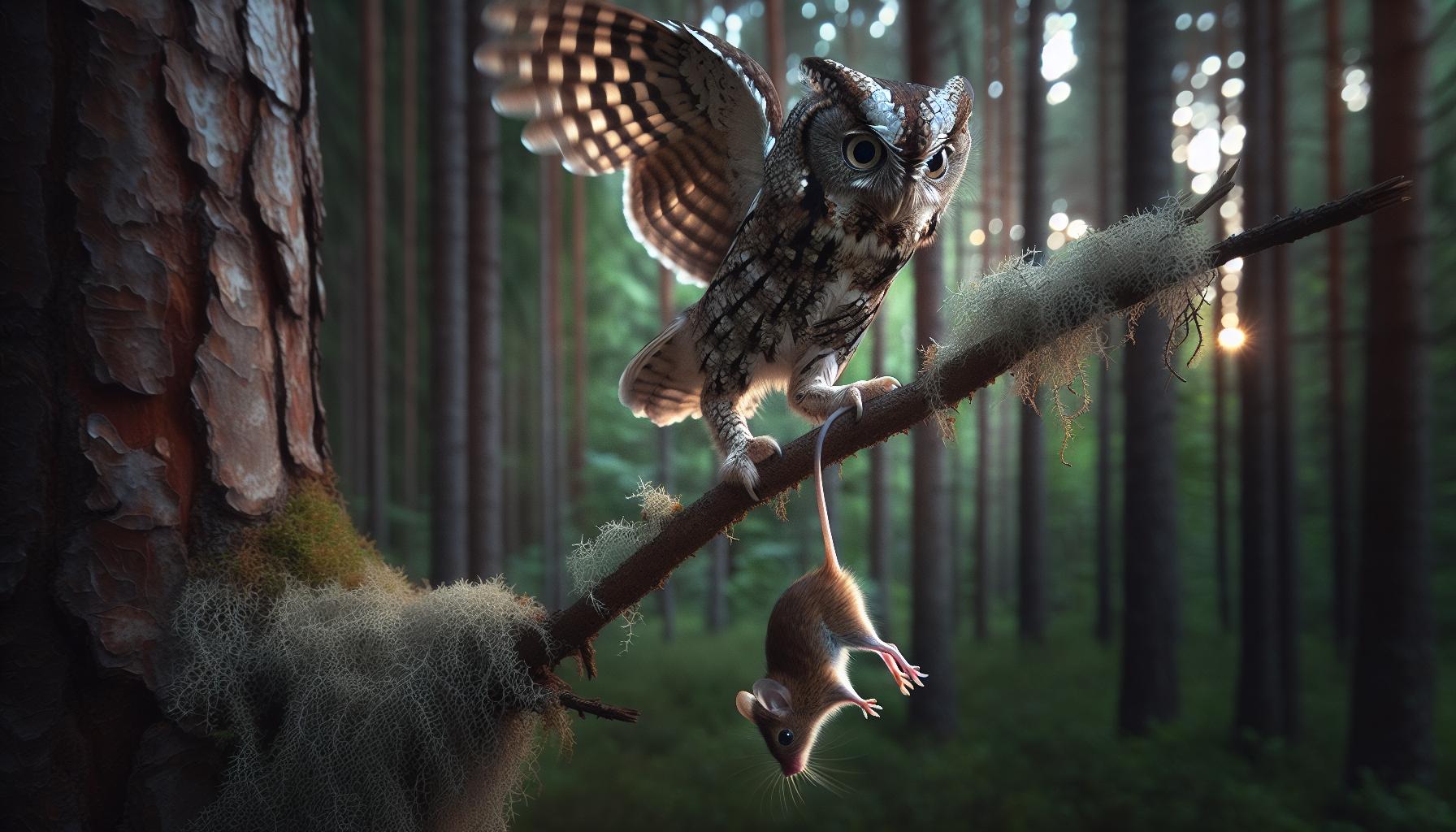
Top Prey Species: A Closer Look at Screech Owl Diet
Screech owls are opportunistic predators, showcasing an impressive adaptability in their diet that reflects their ability to thrive in diverse habitats. These small raptors primarily feed on small mammals, birds, and a variety of invertebrates, which makes every nighttime hunt a unique adventure. One captivating fact is that screech owls can consume prey nearly their own size, often demonstrating remarkable hunting prowess in the face of seemingly disproportionate challenges.
In terms of specific prey species, mammals constitute a significant portion of their diet, with a preference for rodents such as mice, voles, and shrews. These small creatures are not only abundant but also provide the necessary nutrients for the owls’ energy needs. When hunting, a screech owl may rely on its exceptional hearing and night vision to locate these mammals, which often venture out under the cover of darkness. Moreover, they have been known to catch small birds like sparrows and wrens as well, adding variety to their dietary intake.
Invertebrates and Seasonal Variability
In addition to mammals and birds, screech owls also incorporate a range of insects into their diet, especially during warmer months when availability peaks. Beetles, grasshoppers, and moths are common targets, and their consumption of these invertebrates helps provide essential proteins. This flexibility in diet is crucial, as it allows screech owls to adjust their feeding habits based on seasonal changes, ensuring their nutritional needs are met year-round.
The precise diet of a screech owl may vary significantly based on geographic location and habitat type. For instance, those living in forested areas will have different access to prey compared to their counterparts in urban environments. By understanding the specific prey species that screech owls favor, bird watchers and wildlife enthusiasts can better appreciate the ecological roles these fascinating birds play in their respective ecosystems, highlighting the importance of conserving their habitats to maintain these delicate food webs.
Seasonal Variations in Screech Owl Food Choices
As the seasons shift, so too does the menu for screech owls, showcasing their remarkable adaptability and opportunistic feeding habits. These small raptors adjust their diet based on the availability of prey, responding to fluctuations in environmental conditions and food sources. For those of us who enjoy observing wildlife, the seasonal variations in a screech owl’s diet not only reveal the versatility of these birds but also provide insight into the ecological dynamics of their habitats.
During the warmer months, when insects are abundant, screech owls seize the opportunity to feast on a variety of invertebrates. This includes beetles, moths, and crickets, which not only offer a protein-rich meal but also contribute to the owls’ nutritional needs during the breeding season when energy demands are higher. As twilight descends, a screech owl might be spotted skillfully hunting moths around porch lights or diving after grasshoppers on grassy knolls, demonstrating their agility and stealth.
As temperatures drop in autumn and winter, the landscape changes, and so does their focus. Small mammals, particularly rodents like mice and voles, become the primary targets. The increased need for calories during the colder months drives these owls to hunt more actively at night, utilizing their excellent hearing and sight to locate hidden prey beneath snow or leaf litter. The reliance on mammals also underscores the essential role these prey species play in the screech owl’s survival, making their protection vital for the owl’s continued presence in diverse ecosystems.
In essence, the ability of screech owls to shift their diet based on seasonal changes not only highlights their resilience but also reflects the intricate relationships between predator and prey in the wild. For bird watchers and enthusiasts, understanding these patterns can enhance the experience of observing these fascinating creatures in their natural habitats, particularly as one learns to identify key signs of their presence and the effects of seasonal shifts in food availability.
Impact of Habitats on Screech Owl Feeding Behavior
The feeding behavior of screech owls is deeply intertwined with their habitats, showcasing their remarkable adaptability and hunting skills. These small raptors are found in a variety of environments, including woodlands, suburban areas, and even urban settings. The diversity of their habitats not only influences the availability of prey but also dictates the strategies they use to hunt and capture food.
In forested areas, screech owls primarily rely on small mammals and birds, which are abundant among the foliage and tree trunks. The presence of dense vegetation provides ample cover for these owls, allowing them to ambush unsuspecting prey. Their distinctive calling, often mistaken for a whistle or a sad “screech,” serves as a means of communication, especially during mating season when establishing territory is crucial. Consequently, understanding the acoustic landscape of their habitat can be key in locating them during nighttime excursions.
Conversely, in suburban regions, screech owls exhibit a different hunting strategy. Here, they take advantage of human-made structures, hunting in residential gardens and parks where light attracts a plethora of insects-one of their favored dietary components, especially in warmer months. The adaptability of these owls shines through; they may hunt around porch lights to catch moths or scavenge through scattered pet food left outside. If you’re a bird watcher or photographer, pay attention to areas with outdoor lighting, as these are prime spots for observing their captivating hunting behavior.
Ultimately, the choice of habitat not only affects what screech owls eat but also how they hunt. For those interested in supporting local screech owl populations, creating owl-friendly environments is essential. Consider implementing native vegetation in your garden and minimizing pesticide use to maintain a healthy insect population, thereby providing a sustainable food source for these fascinating creatures. Their resilient nature and adaptability to different environments remind us of the intricate relationships among wildlife and their ecosystems, all contributing to the balance of nature.
Understanding the Role of Insects in Their Diet
Screech owls possess a fascinating adaptability in their diet, with insects playing a pivotal role, especially as the seasons shift. These small raptors are not just opportunistic hunters; they actively seek out insects, which serve as a vital source of protein and energy. During warm months, when insects are abundant, screech owls often modify their hunting strategies to capitalize on this rich food resource.
Insects like moths, beetles, and crickets comprise a significant portion of their diet, particularly in suburban environments where artificial lighting attracts these creatures. As a result, night-time forays around porch lights and streetlamps can yield fruitful results for these nimble hunters. They skillfully swoop down upon unsuspecting insects, showcasing their agility and remarkable night vision. This preference for insects not only highlights their versatility but also serves as a critical element of their ecological role, aiding in the control of insect populations in their habitats.
Understanding the seasonal variations in insect populations can enhance your birdwatching experience or any conservation efforts you may wish to pursue. During the warmer months, consider planting native flowering plants in your backyard. These not only attract beneficial insects but also foster a healthy ecosystem that supports both screech owls and their food sources. Engaging in such eco-friendly practices can help sustain screech owl populations while enriching the wildlife in your area, aligning with their dietary needs and hunting behaviors.
As you observe these remarkable birds, you’ll likely notice that a healthy balance of insects contributes to their overall vitality, proving once again how interlinked our ecosystems are. Whether you’re an enthusiastic birdwatcher or a casual observer, appreciating the intricate role insects play in the diet of screech owls deepens our understanding of nature and highlights the importance of maintaining biodiversity around us.
How Size and Age Influence What Screech Owls Eat
The feeding habits of screech owls are intriguingly connected to their size and age, influencing both the type of prey they hunt and how they hunt it. Young screech owls, or owlets, are typically more reliant on their parents for food as they learn essential hunting skills. During this developmental stage, they primarily consume what their parents bring back, often consisting of smaller prey such as insects and small rodents. This reliance teaches them about their dietary preferences and helps them hone their hunting techniques, setting the foundation for their future independence.
As these owls mature, their diet expands significantly. Adult screech owls can hunt larger prey, which includes a wider variety of small mammals, birds, and even amphibians. An adult’s size provides it with the strength and capability to tackle bigger prey, while its experience allows for more refined hunting techniques. For instance, an adult owl might master the art of stealth and ambush, waiting patiently and using cover to launch a successful attack. In contrast, younger owls might rely more on sheer chance or opportunistic encounters with smaller, less challenging targets.
Moreover, the size of the screech owl can also dictate its competition and predatory behavior. The Eastern screech owl, for example, tends to prefer environments where it can capitalize on its size to navigate successfully through varied habitats, impacting its prey choices. In contrast, a smaller species like the Western screech owl may focus on different prey to avoid competition. This variance in foraging strategies highlights the adaptability needed in their diets across different environments.
To give you a clearer picture, here’s a comparative look at the diet preferences based on size and age:
| Type | Age/Size | Main Prey Choices |
|---|---|---|
| Owlets | Young | Insects, small rodents |
| Adults | Fully grown | Small mammals, birds, amphibians |
Understanding the connection between size, age, and diet not only helps in appreciating screech owls as skilled hunters but also underlines the importance of providing suitable habitats for them to thrive. By observing these behaviors, you can gain deeper insights into their ecological roles and the biodiversity they support in their environments.
Screech Owls and Their Nutritional Needs
Screech owls have fascinating dietary requirements that not only reflect their opportunistic hunting nature but also highlight their adaptability across various habitats. As small raptors, these owls require a balanced diet rich in proteins, vitamins, and minerals to sustain their energy levels, especially during the active night hours they prefer for hunting. A typical screech owl feeds predominantly on small mammals, birds, and insects, but these dietary preferences can vary significantly based on seasons and local prey availability.
Understanding their nutritional needs is crucial for both wild and captive care. In the wild, screech owls primarily target rodents such as mice and voles, as well as small birds and an array of insects. This diverse diet allows them to thrive in various environments, from woodlands to urban areas. A well-rounded intake is essential; therefore, they sometimes consume amphibians and even small reptiles when other food sources are scarce. This adaptability ensures they can maintain their health and energy levels despite the fluctuations in prey populations.
In captivity, providing a nutritionally balanced diet mirrors their natural feeding habits and supports optimal health. For those caring for pet screech owls, a mix of high-quality protein sources is essential. This can include:
- Commercial raptor pellets
- Fresh or frozen mice and rats
- Chopped insects like crickets and mealworms
- Occasional vitamin supplements
It’s also critical to offer a variety of prey types occasionally to enrich their diet and stimulate their natural hunting instincts. Monitor their weight and behavior to ensure they’re receiving the proper nutrition, which is crucial for a healthy lifestyle.
Ultimately, whether in the wild or in captivity, fulfilling their nutritional needs is vital for screech owls to thrive. By understanding their dietary habits, we can better appreciate these remarkable raptors and contribute to their conservation. This insight also reminds us of the importance of preserving natural habitats that support diverse prey populations essential for the survival of all raptor species.
Diet in Captivity: Feeding Your Pet Screech Owl
Feeding a pet screech owl can be as fascinating as observing these small raptors in their natural environment. As a keeper of such an extraordinary bird, understanding their dietary needs is crucial for ensuring their health and happiness. Screech owls, like their wild counterparts, thrive on a diet rich in protein, replicating their natural feeding habits as closely as possible. This not only supports their nutritional needs but also encourages natural behaviors that are essential for their well-being.
To create a balanced diet for your pet screech owl, include a variety of protein sources that mimic what they would hunt in the wild. A practical feeding regimen might consist of:
- Commercial raptor pellets: These provide a convenient and nutritionally balanced option replicating whole prey.
- Fresh or frozen mice and rats: These are the most common food items in a screech owl’s diet, mimicking their natural predation of rodents.
- Chopped insects: Crickets and mealworms offer valuable protein and enrich the diet with variety.
- Occasional vitamin supplements: These can help ensure proper nutrient intake, especially if certain food groups are limited.
Offering varied prey types not only meets their nutritional needs but also stimulates their hunting instincts. For instance, I’ve found that my screech owl enjoys the challenge of catching insects, which simulates their natural foraging behaviors. Regular observation of your owl’s weight and behavior is essential, as it helps in assessing whether their dietary intake is adequate. A healthy screech owl should be active and alert, and maintaining their body condition is key.
Lastly, while nurturing a pet screech owl, it’s vital to research local laws and regulations related to keeping wildlife, as these birds require specific permits in many areas. By providing the correct diet and care, you will contribute positively to their health, ensuring they remain lively companions and a joy to observe.
Common Misconceptions About Screech Owl Diet
It’s a common belief that screech owls are strictly nocturnal hunters that only eat small mammals, but the reality of their diet is much more diverse. Many assume these charming raptors limit themselves to rodents and insects, overlooking the broader spectrum of prey that varies based on availability and location. In truth, while small mammals are a primary food source, screech owls also consume a variety of birds, amphibians, and even fruit. This adaptability is a remarkable trait that allows them to thrive in various ecosystems.
Another misconception surrounds the size of prey that these owls will hunt. Some bird enthusiasts often think that screech owls, given their small stature, are incapable of taking down larger prey. However, I’ve witnessed screech owls successfully catch animals much bigger than expected, including adult voles and even small birds. Their impressive hunting skills and keen eyesight enable them to assess their surroundings and seize opportunistic moments, making their hunting strategies as adaptable as their diet.
Additionally, there is a prevalent myth that captive screech owls can only thrive on a singular type of food. This is simply not true. Providing a diverse diet rich in protein sources is key to their health, both in the wild and in captivity. For instance, in a controlled setting, I have found that integrating a mix of commercial raptor pellets, fresh mice, and a variety of insects keeps my pet screech owl stimulated and healthy. The right variety not only fulfills their nutritional needs but also encourages normal hunting behavior, essential for their psychological health.
Finally, some people mistakenly believe that all screech owls have the same dietary preferences based on their species. While common screech owls (Megascops asio) do share certain dietary habits with their relatives, local factors such as habitat and prey availability significantly influence their feeding behaviors. Understanding these nuances can help birders and enthusiasts appreciate the ecological roles these owls play. Maintaining an awareness of their dietary complexity enhances our respect for these incredible creatures and emphasizes the importance of preserving their natural habitats.
Screech Owls vs. Other Small Raptors: Dietary Comparisons
Comparing the diets of screech owls with other small raptors reveals fascinating insights into how different species adapt their feeding strategies based on their ecological niches, prey availability, and individual hunting behaviors. While screech owls, such as the common screech owl (Megascops asio), are known for their varied diet that includes small mammals, birds, amphibians, and insects, other small raptors like kestrels and merlins exhibit unique dietary preferences that cater to their hunting styles.
Screech owls typically have a flexible approach to hunting, often taking advantage of their excellent nocturnal vision and stealth. They are adept at capturing prey that is abundant in their habitat, which can include everything from voles to small birds. In contrast, the American kestrel primarily hunts during the day and relies heavily on a diet of insects and small rodents. Kestrels are known for their remarkable hovering technique, allowing them to spot prey from above before diving down, which differs significantly from the ambush tactics employed by screech owls.
Moreover, while the diet of screech owls can be quite seasonal-shifting in response to the availability of food-other small raptors may have more specialized diets that remain consistent throughout the year. For example, merlins predominantly hunt small songbirds, employing high-speed chases and agility, unlike the more opportunistic feeding habits of screech owls. This focus on specific prey types allows merlins to thrive in environments where their preferred birds are abundant, showcasing a different dietary strategy.
When it comes to dietary nutrition, all these small raptors require a balanced intake to flourish. Screech owls benefit from a diet rich in protein from diverse prey sources, ensuring they get essential nutrients needed for their growth and energy. Similarly, kestrels and merlins must also consume a range of animals to meet their nutritional demands, with variations in diet reflecting their hunting techniques and available resources.
Understanding these dietary comparisons not only highlights the adaptability of screech owls but also enriches our appreciation of the intricate balance within ecosystems. The feeding behaviors of raptors like screech owls, kestrels, and merlins underscore the importance of habitat preservation, as the loss of specific prey species can directly impact their survival and health. As bird watchers and nature enthusiasts, recognizing these dynamic relationships can enhance our efforts in wildlife conservation and habitat protection.
Wildlife Preservation: Protecting Screech Owl Food Sources
As keystone species in their ecosystems, screech owls are vital players in maintaining ecological balance. Their diverse diet, which includes small mammals, birds, amphibians, and insects, not only showcases their adaptability but also highlights the importance of preserving their food sources. Protecting the habitats that support their prey is essential for ensuring the health and longevity of these remarkable raptors. By safeguarding these regions, we not only benefit screech owls but the entire biodiversity that relies on similar habitats.
To promote conservation efforts, one effective action is to participate in habitat restoration initiatives. This could involve activities such as planting native vegetation, which can provide cover and foraging opportunities for the insects and small mammals that screech owls prey upon. Urban areas can also support these efforts by fostering green spaces and reducing pesticide use, which can decimate insect populations. By encouraging local wildlife gardens and native plant landscaping, we can create small sanctuaries that support various prey species vital to screech owl survival.
Engaging in public education about the ecological role of screech owls is another critical avenue for wildlife preservation. Sharing knowledge about these birds and their dietary needs can foster a greater appreciation and encourage community action. Schools, wildlife organizations, and local governments can collaborate to create awareness campaigns that emphasize the need to protect raptor habitats. Simple measures like installing owl boxes can help provide nesting sites and reinforce local populations, making a significant impact.
Additionally, understanding the threats posed by habitat destruction and climate change can inform conservation strategies. Encouraging local conservation groups to advocate for policies that protect natural areas and promote sustainable land use practices is essential. By supporting legislation that limits urban sprawl and prioritizes the conservation of natural habitats, individuals can play a pivotal role in ensuring that screech owls continue to thrive in the wild.
Active participation in these efforts not only protects screech owls but contributes to a healthier ecosystem for all species. Whether you’re an experienced birder or a newcomer to wildlife observation, every action counts toward preserving these enchanting raptors and their environment for future generations.
Faq
Q: What types of small animals do screech owls primarily feed on?
A: Screech owls primarily eat small mammals, birds, insects, and amphibians. Common prey includes mice, voles, and small songbirds, making them versatile hunters in their habitats. For more specifics on their diet, see our section on “Top Prey Species.”
Q: How do screech owls locate their prey?
A: Screech owls use their excellent night vision and acute hearing to locate prey. They often listen for the sounds of movement in the underbrush and utilize their silent flight to get close to their targets before striking.
Q: What impact does the changing season have on the screech owl’s diet?
A: The screech owl’s diet varies with the seasons as prey availability changes. In winter, they may rely more on small mammals, while in summer, they can eat a greater variety of insects and small birds. Learn more in our section on “Seasonal Variations in Screech Owl Food Choices.”
Q: Do screech owls eat insects, and if so, which types are preferred?
A: Yes, screech owls eat a variety of insects, especially during warmer months. Their diet includes beetles, grasshoppers, and moths, which provide essential nutrients. For further details about their diet, refer to our section titled “Understanding the Role of Insects in Their Diet.”
Q: How does habitat influence what screech owls eat?
A: Screech owls adjust their diet based on habitat type. In forested areas, they may hunt small mammals, while in more urban settings, they could adapt to eating more birds and insects. Explore more in “Impact of Habitats on Screech Owl Feeding Behavior.”
Q: What nutritional needs should be met for screech owls in captivity?
A: In captivity, screech owls require a diet rich in protein and appropriate fat levels, typically achieved through a mix of rodents, insects, and specially formulated owl pellets. Refer to our section on “Diet in Captivity: Feeding Your Pet Screech Owl” for more details.
Q: Are there any misconceptions about what screech owls eat?
A: Yes, a common misconception is that screech owls primarily hunt only small mammals. In reality, their diet is quite diverse, including birds and insects. For a better understanding, check out our section on “Common Misconceptions About Screech Owl Diet.”
Q: How does the age of a screech owl affect its diet?
A: Younger screech owls have different dietary requirements and may focus more on easily catchable prey like insects, while adults hunt larger animals. For insights on how size and age influence catch, see “How Size and Age Influence What Screech Owls Eat.”
The Conclusion
As you explore the fascinating diet of screech owls, remember that understanding what these small raptors eat is essential for appreciating their role in the ecosystem and their care in captivity. From small mammals to insects, the varied palate of screech owls showcases their adaptability and hunting prowess. If you’re eager to dive deeper into owl care or bird watching tips, check out our guides on “Caring for Owls in Rehabilitation” and “Top Tips for Birdwatching Beginners.”
Don’t miss out on more engaging content! Subscribe to our newsletter for the latest insights and resources directly in your inbox, and feel free to share your own experiences with screech owls in the comments below. Your journey into the world of birds is just beginning-explore our related articles to learn more about their behavior, habitats, and conservation efforts. Join our community of bird enthusiasts and let’s continue this adventure together!
Get our latest guides, news, and insights highlighted in your Google Search & AI Overviews.










