

Did you know that toucans, with their vibrant beaks and playful personalities, have a diverse diet that classifies them as omnivores? Understanding whether a toucan is a herbivore, carnivore, or omnivore is essential, especially for bird enthusiasts and potential owners. This knowledge not only enhances your appreciation for these incredible creatures but also guides you in providing proper care. As you explore the nutritional needs and eating habits of toucans, you’ll uncover fascinating insights about their roles in the ecosystem and how their diet contributes to their health and longevity. Whether you’re a seasoned bird lover or a curious newcomer, learning about toucan diets opens a world of understanding about their behaviors, care requirements, and the importance of balanced nutrition in captivity. Join us on this exploration of what makes toucans unique eaters and how you can ensure their well-being through informed dietary choices!
Is a Toucan a Herbivore, Carnivore, or Omnivore? Understanding Their Diet Habits
Toucans are fascinating birds with a unique dietary profile that classifies them as omnivores. While they are famous for their brightly colored bills and love for fruit, their diet is much more diverse than it may appear at first glance. Toucans primarily feast on a variety of fruits, which form a significant portion of their diet due to their availability in their natural habitats. However, maintaining a balanced diet is crucial, as fruit alone does not provide sufficient protein. To meet their nutritional needs, toucans also include other food sources such as insects, small invertebrates, and even occasional small vertebrates in their meals.
This omnivorous nature allows toucans to adapt to changes in food availability throughout the year. In the wild, toucans can shift their eating habits considerably, depending on seasonal changes. This flexibility is essential for survival in the diverse ecosystems of the rainforests where they reside. For example, during certain seasons when fruit is abundant, toucans may consume large quantities of it, but as the seasons change and fruit becomes scarce, they are quick to supplement their diet with protein-rich insects and other animal matter.
Given the omnivorous tendencies of toucans, it’s important for those caring for them in captivity-whether as pets or in zoos-to replicate this varied diet. Providing a combination of low-iron pellets, fresh fruits, and occasional protein sources like insects can help ensure a balanced diet that supports their health and well-being. Understanding the dietary habits of toucans not only enriches our knowledge of these remarkable birds but also highlights the importance of meeting their nutritional needs responsibly, both in the wild and in human care.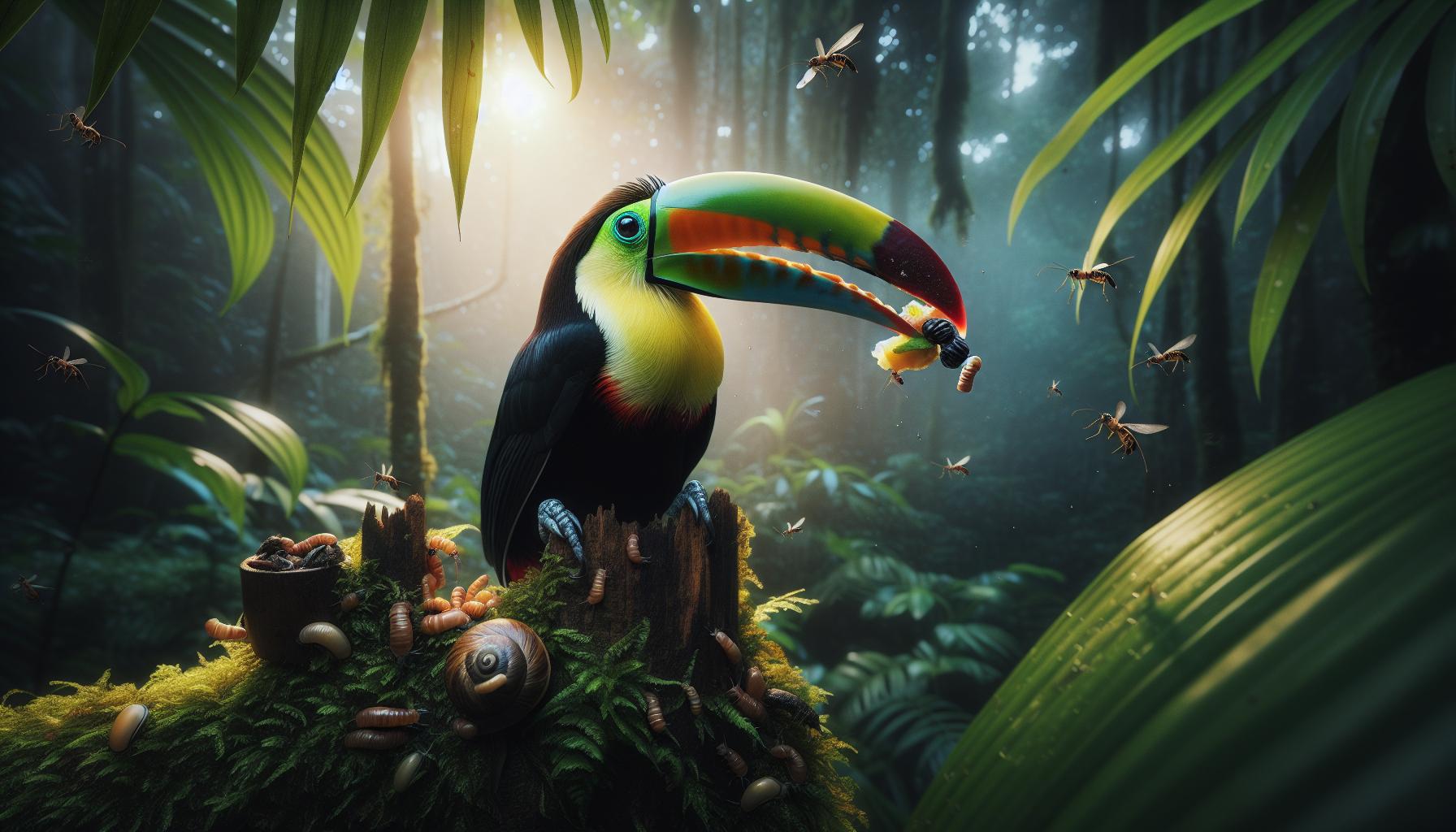
The Unique Diet of Toucans Explained
Toucans are not just eye-catching with their vivid plumage and oversized bills; they also possess an incredibly diverse diet that reflects their adaptation to life in the intricate ecosystems of Central and South America. While many of us picture these birds primarily munching on brightly colored fruits, their dietary habits extend far beyond this simple image. Toucans are classified as omnivores, and their feeding behaviors highlight an astonishing versatility that allows them to thrive in their habitats.
A toucan’s love for fruit is undoubtedly a hallmark of its diet, making up a large portion of what they consume. Fruits such as figs, berries, and various tropical produce are not only abundant but also rich in essential vitamins. However, it’s critical to note that fruit alone does not meet the nutritional needs of these birds. To ensure a balanced intake, toucans also incorporate a range of other food sources into their meals, including insects, small reptiles, and occasionally the eggs of other birds. For instance, young toucans, or chicks, primarily rely on soft fruits and insects as they transition to a broader diet as they mature, illustrating the dynamic nature of their feeding habits [2].
Seasonal fluctuations play a significant role in shaping the toucan’s diet. As the availability of food changes throughout the year, these birds exhibit remarkable adaptability, shifting their preferences to include more protein-rich options during leaner times. This ability to adjust their diets not only aids survival but also highlights the toucan’s ecological role as seed dispersers in the rainforest. By consuming fruits and later excreting seeds away from the parent plant, they help maintain and regenerate their habitats [1].
For those caring for toucans in captivity, perhaps as pets or in zoological settings, it’s essential to mimic this dietary diversity to ensure their health and well-being. A diet consisting of low-iron pellets, complemented by an array of fresh fruits, vegetables, and occasional protein sources like insects, can help replicate their natural eating behaviors. Embracing this approach not only aids in the physiological health of toucans but also allows us to appreciate the intricate relationship these birds have with their habitat while respecting their dietary needs [3].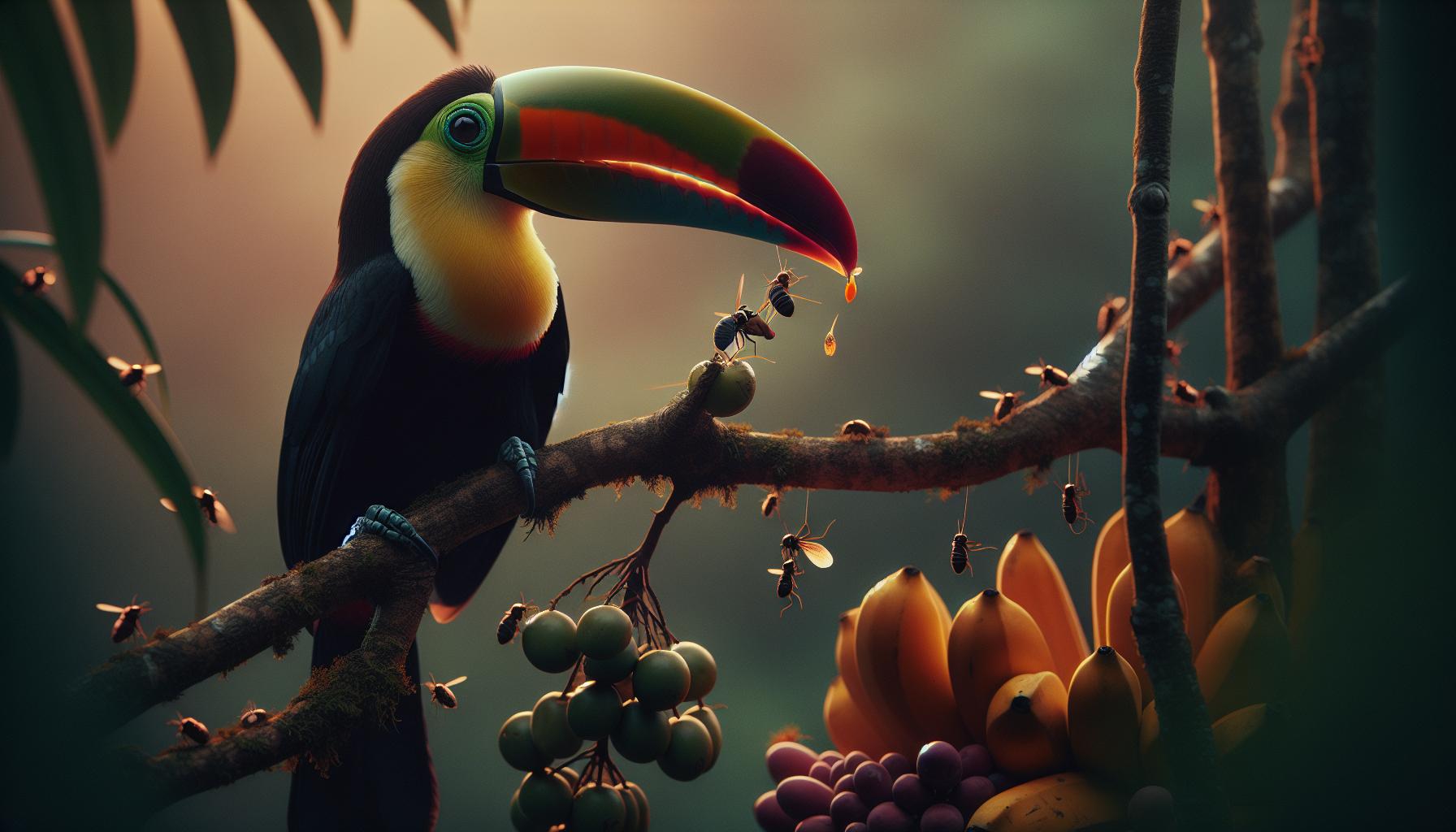
Herbivorous Tendencies: What Do Toucans Eat?
Toucans are often celebrated for their vibrant colors and distinctive bills, but there’s much more to these fascinating birds than meets the eye, especially when it comes to their dietary preferences. While it’s widely known that fruit constitutes a significant portion of their diet, the reality of what toucans consume is much richer and more varied. They thrive not only as frugivores but also exhibit considerable herbivorous tendencies, enjoying a wide range of plant-based foods that help support their health and well-being.
Fruits such as figs, berries, and various tropical offerings are often their mainstay, providing essential vitamins and nutrients. However, it’s important to highlight that toucans don’t solely feast on fruit-they require a mix of different plant materials to meet their nutritional needs. In the wild, toucans frequently nibble on leaves, blossoms, and even soft seeds. This diverse diet aids in their digestion and ensures that they receive a balanced set of nutrients. For instance, a common practice among toucans is foraging for fruits that are at varying levels of ripeness, allowing them to take advantage of different nutrient profiles throughout the year.
To mimic the diverse dietary habits of toucans while caring for them in captivity, owners should offer a wide array of choices. Fresh fruits should be diced or sliced into appropriate sizes, and while vegetables can be included, they should not dominate the diet. Instead, sticking to low-iron pellets along with a rotating selection of fruits like papaya, mango, and berries can help replicate their natural feeding behavior. This thoughtful provision not only enhances their enjoyment and health but also addresses common misconceptions that toucans are exclusively fruit eaters. By understanding their herbivorous tendencies, caregivers can better nurture these remarkable birds, contributing to their overall well-being and longevity.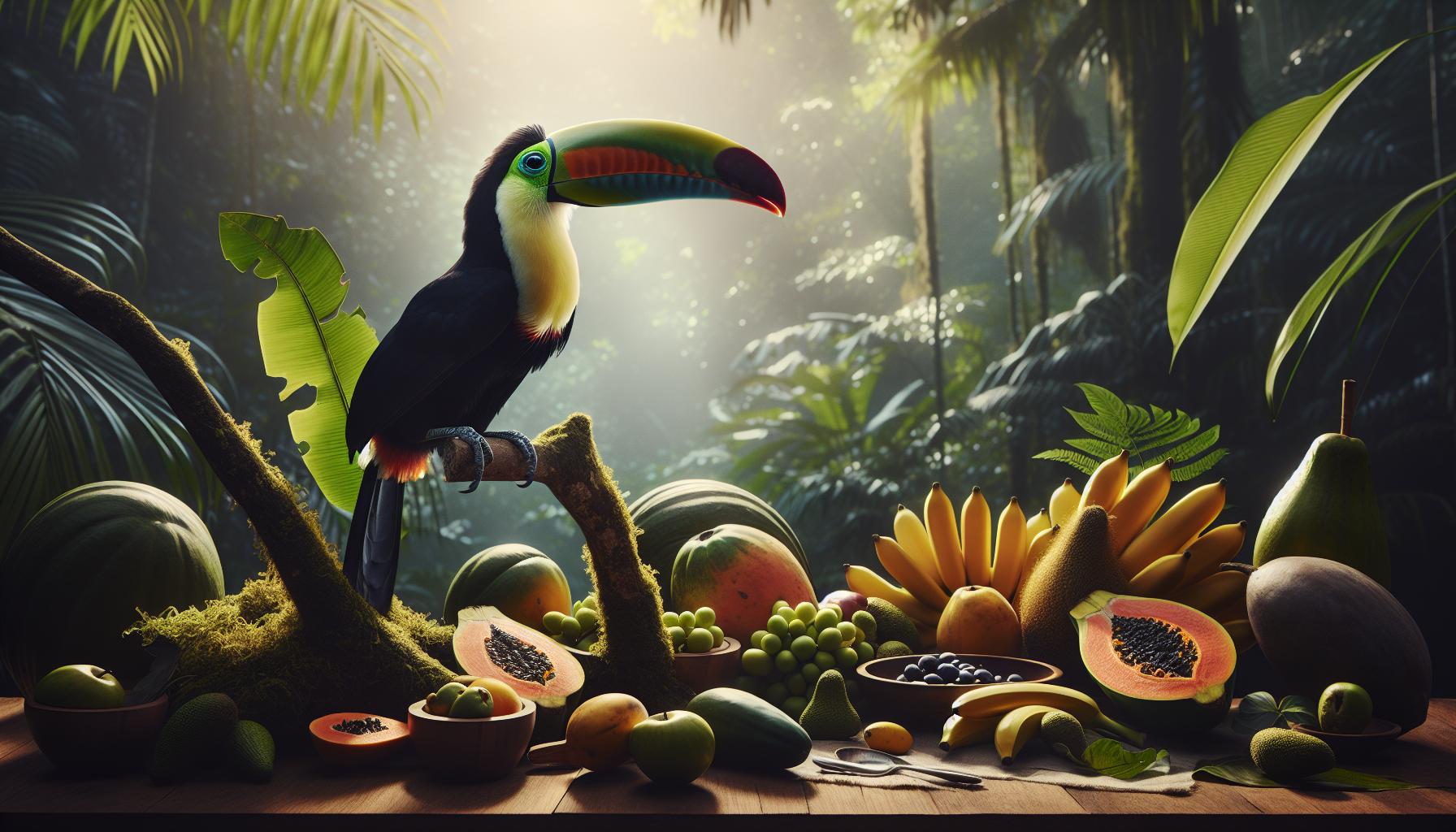
Carnivorous Choices: Insects in a Toucan’s Diet
Toucans are often pigeonholed as fruit-obsessed birds, but what’s fascinating is their willingness to embrace a more varied diet that includes insects. This aspect of their feeding behavior highlights their omnivorous nature, allowing them to thrive in diverse environments. Insects form an essential part of their nutrition, providing essential proteins and nutrients that fruits alone cannot supply. Whether in the wild or in captivity, these charming birds instinctively seek out insects, showcasing their adaptability and resourcefulness.
In the wild, toucans have been observed foraging for ants, beetles, and caterpillars. The protein and fat content in these insects becomes particularly important during certain life stages and during breeding season when their nutritional needs increase. For example, young toucans, requiring more protein for growth and development, will often rely on insects as a key food source. Observing toucans in a natural setting reveals how they expertly use their long, dexterous bills to reach into nests or tree bark, extracting any insects they find.
When caring for toucans in captivity, replicating this aspect of their natural diet is vital. You can supplement their fruit-based meals with safe insects such as mealworms or crickets. These additions not only boost the nutritional variety in their diet but also engage their foraging instincts. Remember to source insects from reputable suppliers to ensure they are free from pesticides and other harmful chemicals. Offering a balanced mix of fruits and insects will help maintain your pet toucan’s health, reflecting the dynamic diet they would naturally pursue in the wild. This balanced approach enriches their life and fosters a healthier, happier bird.
The Omnivorous Nature of Toucans: A Balanced Approach
Toucans are often regarded simply as vibrant, fruit-loving birds, but their dietary habits reveal a rich world of culinary diversity that reflects their adaptability. These fascinating avians possess an omnivorous appetite that enables them to thrive across varied landscapes, primarily in the tropical regions of Central and South America. By incorporating both plant-based and animal-based foods into their diet, toucans can access a broader range of nutrients, which is crucial for their overall health and development.
In the wild, toucans use their impressive bills not just for snacking on fruits, but also for foraging insects and other small creatures. This ability to adapt their diet based on availability showcases their resourcefulness. For instance, during the breeding season, when energy demands are notably higher, toucans turn to protein-rich insects like ants, beetles, and caterpillars. This dietary flexibility is particularly vital for young toucans, who require more protein for proper growth. Observing how they adeptly use their bills to extract insects from tree bark or crevices is a testament to their skillful foraging behavior.
For those caring for pet toucans, replicating this omnivorous diet is essential. A diet limited to fruits can lead to nutritional deficits, so it is important to include protein sources such as mealworms, crickets, or specially formulated pellets designed for omnivorous birds. Not only does this diverse diet meet their nutritional needs, but it also mimics their natural foraging instincts, helping to keep them mentally engaged and physically healthy. Always source insects from reputable suppliers to avoid harmful pesticides. By fostering a balanced diet, pet owners can ensure their toucans lead fulfilling lives, echoing their wild counterparts.
In conclusion, the omnivorous nature of toucans serves as an excellent example of how adaptability in diet can maximize survival in ever-changing environments. Whether in the wild or captivity, understanding and respecting this dietary complexity can significantly enhance the well-being of these striking birds.
Seasonal Diet Variations of Toucans
In the lush ecosystems where toucans thrive, their diets undergo notable changes with the seasons. This adaptability is one of the many traits that define their omnivorous nature. During certain times of the year, specific food sources become more abundant, prompting toucans to alter their feeding habits to optimize their nutritional intake and energy levels.
One striking example of seasonal variation can be seen in the abundance of fruit. Toucans are renowned for their appetite for fruit, particularly during the wet season when their favorites-such as papaya, figs, and berries-are ripe and plentiful. This time of year allows them to feast on sweet, soft fruits that provide essential vitamins and sugars, energizing them for their active lifestyles. Conversely, during the dry season, fruit becomes scarcer, and toucans must lean more heavily on protein sources. They turn to insects, small reptiles, and even the eggs of other birds to maintain a balanced diet. This shift not only highlights their dietary flexibility but also their adeptness in foraging, as they utilize their long bills to probe deeper into tree bark and foliage for hidden food sources.
Understanding these seasonal diet variations is crucial for anyone involved in the care of pet toucans. It is essential to replicate these natural patterns in captivity to foster health and well-being. As fruits may not always be available in pet food markets, incorporating a mixture of insects, pellets low in iron, and supplementary protein sources can ensure a balanced diet. Adjusting the diet based on the season, akin to what these birds experience in the wild, keeps pet toucans engaged and thriving, promoting natural foraging behaviors and overall vitality.
In conclusion, the seasonal variations in the diet of toucans underscore their omnivorous adaptability and resourcefulness. By being attuned to these changes, both pet owners and bird enthusiasts can appreciate the complexities of their feeding habits and provide environments that reflect their natural behavior, ultimately enriching the lives of these magnificent birds.
How Habitat Influences Toucan Diet
In the vibrant and diverse ecosystems where toucans reside, their diet is intricately linked to their habitat. Toucans typically inhabit tropical and subtropical forests, where a rich variety of fruits, insects, and other food sources are available. This rich environment shapes not only what they eat but also how they find their food. Unlike many other birds, toucans are equipped with large, colorful bills that allow them to reach fruits nestled deep within tree canopies. This adaptation makes them incredibly efficient foragers, capable of accessing food that some other species cannot.
The specific habitat can significantly influence the available food sources throughout the year. For instance, in dense rainforests, toucans tend to favor the fruits of certain trees like figs and palms, which provide abundant nutrition. However, when these fruits are out of season, toucans will pivot towards alternative food sources. This flexibility is critical for their survival. They might turn to insects, small reptiles, or even the eggs of other birds. The abundance or scarcity of particular food types can dictate their feeding behaviors, showcasing their remarkable adaptability as omnivores.
Moreover, the habitat doesn’t just influence diet through food availability, but also through the competition for resources. In areas where toucans coexist with other frugivorous birds, they may change their feeding strategies to minimize competition. This can lead to variations in their foraging times, types of fruits they prefer, or the specific trees they exploit. For bird enthusiasts or pet owners, understanding these dynamics can provide valuable insights into the dietary needs of toucans in captivity.
To replicate their natural diet effectively, pet owners should consider the importance of a varied habitat that includes a mix of fruits, insects, and supplements to mimic the seasonal changes. Providing a diverse selection will not only contribute to a balanced diet but also stimulate natural behaviors in pet toucans, keeping them healthy and engaged. Feeding practices rooted in the ecological understanding of toucan habitats enhance both their physical well-being and psychological health, allowing these magnificent birds to thrive even outside their natural environments.
Feeding Habits: What Can Toucans Teach Us?
Toucans possess a fascinating relationship with their diet that offers valuable insights into healthy feeding habits, whether for understanding their wild behaviors or caring for them as pets. These striking birds are primarily frugivorous, but their meals are enriched by a varied diet, showcasing the importance of adaptability and nutrient diversity. Observing how toucans forage can inspire us when we consider our own and our pets’ nutritional needs, emphasizing the benefits of a balanced diet.
In the wild, toucans are not picky eaters; they actively seek out fruits from various trees, including figs and palms, while also turning to insects, small reptiles, or bird eggs when fruits are scarce. This omnivorous approach is a testament to their resourcefulness and the need for dietary balance. For pet owners, replicating this dietary behavior is crucial. Providing a wide assortment of fresh fruits, complemented by proteins from insects or high-quality pellets designed for toucans, can help simulate their natural foraging habits. It’s essential to include low-iron pellets in their diet, as excess iron can lead to health problems such as hemochromatosis [3].
This dynamic feeding strategy demonstrates how varied nutrition can enhance well-being and vitality. For instance, incorporating seasonal fruits not only captures the essence of their natural behaviors but also ensures a rich array of vitamins and minerals. Just as toucans adapt their eating habits according to food availability, we can adopt a flexible approach to nutrition that considers both variety and quality.
Moreover, understanding toucan feeding habits can educate us about broader ecological principles. Toucans play a significant role in seed dispersal, contributing to the health of their forest ecosystems. By valuing the interconnectedness of food sources in nature, we can foster a deeper appreciation for biodiversity and the importance of sustainable practices. Whether you are a bird enthusiast or a pet owner, adopting a mindset that prioritizes diverse, nutritious feeding habits can lead to healthier, more fulfilling lives for our avian companions and ourselves.
The Role of Fruit in a Toucan’s Diet
The vibrant toucan, with its strikingly large bill and colorful feathers, is often celebrated for its fruit-loving diet. In fact, these birds are predominantly frugivorous, meaning that fruits form the core of their nutritional intake. Their role as vital foragers in tropical ecosystems makes them essential contributors to seed dispersal, helping to maintain the health and diversity of their habitats. The variety of fruits they consume, from berries to figs and palms, not only provides nourishment but also supports the regeneration of forest ecosystems.
Toucans have a unique feeding technique that allows them to grasp a piece of fruit with their bill and maneuver it into a position that facilitates easy chewing and consumption. This adaptability in their feeding habits is one of the reasons why fruit is crucial in their diet. The sugars and vitamins found in fruit offer quick energy, making it an effective fuel source as they navigate through dense rainforests and arboreal environments. It’s fascinating to observe how their foraging habits change seasonally, depending on the availability of different fruits, showcasing their remarkable ability to adapt to their environment.
When caring for pet toucans, offering a balanced diet that mirrors their natural preferences is key. Fresh fruits should constitute a significant part of their diet, with recommendations including bananas, papayas, and melons. However, variety is essential; mixing in high-quality pellets specifically designed for toucans and supplementing with insects helps mimic the diverse diet they thrive on in the wild. Always avoid feeding them fruits high in iron, such as grapes, to prevent health issues associated with iron overload.
Incorporating seasonal fruits not only keeps your toucan’s menu exciting but also enriches their diet with varying nutrients, enhancing their overall health. Regularly rotating the types of fruits provided can also stimulate their natural foraging instincts, promoting a happier and more engaged pet. The relationship between fruit and toucans is a testament to the beauty of nature’s design-showing how crucial these birds are in their ecosystems while also inviting us to consider their dietary needs thoughtfully.
Common Misconceptions About Toucan Diets
The colorful toucan is often viewed solely as a fruit enthusiast, but this perception can lead to several misconceptions about their diet. Many people assume that because toucans are frequently depicted eating tropical fruits, they are strictly frugivorous. While fruit constitutes a significant portion of their diet, this vibrant bird is actually omnivorous, meaning it also consumes a variety of other foods, including insects, small animals, and even bird eggs. Understanding this diversity is crucial for anyone interested in avian diets and the care of pet toucans.
One common myth is that all toucans only eat fruit and nothing else. In reality, while fruits provide essential sugars and nutrients, toucans also require protein found in insects and animals to maintain a balanced diet. Insects such as beetles, ants, and caterpillars play a vital role in their nutritional intake, especially during breeding seasons when their energy needs increase. Therefore, a diet limited to just fruits can lead to nutritional deficiencies in pet toucans, which could affect their health and vitality.
Another misconception is that the types of fruit consumed by toucans are interchangeable. In fact, toucans are selective eaters and have preferences that vary by species and individual. Some fruits, like bananas and papayas, are popular among toucans, while others, such as grapes, should be avoided due to their high iron content, which can cause health issues. A pink flush or similar signs can indicate iron overload, a serious condition that can be prevented by careful dietary choices.
When caring for pet toucans, it is important to recognize and debunk these myths. A varied diet that includes high-quality pellets, a variety of fruits, and appropriate insects will not only satisfy their dietary needs but also promote a healthier and happier pet. By understanding toucans’ omnivorous nature, we can provide them with the nutrition they require to thrive.
Tips for Providing a Healthy Diet for Pet Toucans
Providing a healthy diet for pet toucans is crucial for maintaining their vibrant health and well-being. These captivating birds thrive on a balanced and varied diet that mirrors their natural omnivorous tendencies. A diet strictly limited to fruits can lead to serious nutritional deficiencies, so it’s essential to understand what they need to flourish.
To create an optimal diet for your toucan, start with high-quality, low-iron pellets as a staple. It’s essential to choose pellets that are specially formulated for toucans or other similar species, as these can provide the necessary vitamins and minerals. Make sure to consult your veterinarian for recommendations on the best pellet brands. In addition to pellets, offer an array of fresh fruits daily, such as papayas, bananas, and berries-though it’s wise to avoid grapes due to high iron levels. Fruits can be sliced or diced to encourage foraging and engagement, much like it would occur in the wild.
Incorporating protein sources is equally important. While toucans may exhibit a preference for fruits, they also require the nutrients found in insects such as crickets, mealworms, and various other invertebrates. These foods not only boost their protein intake but also stimulate their hunting instincts and provide mental enrichment. During the breeding season, increasing the protein content of their diet is vital for supporting their elevated energy needs.
Another critical aspect of toucan care is maintaining dietary variety. Rotating the fruits and vegetables you offer can keep mealtime exciting and ensure that your pet receives a broad spectrum of nutrients. In addition, you can include small amounts of leafy greens and specific vegetables to supplement their diet, but always remember that the focus should remain on fruits and protein sources. Finally, always keep an eye out for signs of iron overload, such as lethargy or abnormal coloration, and consult a veterinarian if you have concerns.
In summary, providing a healthy diet for your pet toucan involves a combination of appropriate pellets, a colorful array of fruits, and protein-rich insects. By staying attuned to their dietary needs, you can help ensure a long and healthy life for your avian companion. Embrace the adventure of feeding your toucan, and watch as they thrive with the right nutrition!
Exploring Cultural Views on Toucans and Their Diet
The vibrant toucan, with its stunningly colorful bill and playful personality, not only captivates bird enthusiasts but also holds significant cultural value across various regions, particularly in Central and South America. In many indigenous cultures, the toucan is regarded as a symbol of the rainforest, representing prosperity and the interconnectedness of life within its lush habitat. This reverence extends to their diet, which is seen not only as a means of survival but as a reflection of the health of their ecosystem.
In traditional beliefs, the toucan is often associated with communication and the spirit world. Its ability to thrive on a diverse diet made up of fruits, insects, and sometimes small reptiles underscores a deeper connection to the environment. This omnivorous nature illustrates a balance vital to maintaining the biodiversity of the rainforest. The fruits trees that nourish toucans are also crucial for many other species, including other birds and animals. Consequently, the health of toucans directly impacts the health of their habitat, emphasizing the importance of a balanced ecosystem.
Moreover, toucans are intertwined with cultural practices, particularly in the art and mythology of local tribes. They are frequently depicted in folklore and are considered messengers between the earthly and spiritual realms. This connection highlights how understanding their dietary habits provides insight into the cultural significance they hold. For instance, many tribes utilize local fruits, similar to the toucans’ diet, in ceremonial practices, honoring the natural world and its resources.
Recognizing the role of toucans in their environment adds a layer to our understanding of their dietary needs. This omnivorous adaptability not only allows them to survive but also positions them as vital players in maintaining ecological balance. By reflecting on these cultural views and practices, bird lovers and pet owners alike can appreciate the broader implications of providing a proper diet to these fascinating creatures, fostering a deeper appreciation for their presence in our world.
Frequently asked questions
Q: What is the primary diet of a toucan?
A: Toucans primarily eat fruit, making them frugivores. However, their diets are varied, and they also consume insects, small animals, and seeds, classifying them as omnivores. Understanding their diet helps in creating a balanced environment for pet care.
Q: How does a toucan’s habitat affect its diet?
A: A toucan’s habitat significantly influences its diet by determining the availability of food sources. In tropical forests, they have access to a rich variety of fruits and insects, while in drier areas, they may rely more on seeds and other plants. Check out the section on how habitat influences toucan diet for more details.
Q: Are toucans purely fruit eaters?
A: No, toucans are not purely fruit eaters. While fruit constitutes a large part of their diet, they also consume insects and small vertebrates, reflecting their omnivorous tendencies. This dietary diversity is essential for their health in the wild and in captivity.
Q: What insects do toucans eat?
A: Toucans enjoy a variety of insects, including beetles, ants, and caterpillars. These protein sources are vital for their nutrition and help balance the fruit-heavy diet they prefer. Learning more about their carnivorous choices can provide insights into their dietary needs.
Q: How do seasonal changes impact toucan diets?
A: Seasonal changes can impact toucan diets by altering the availability of preferred food sources. For example, during fruiting seasons, fruit becomes abundant, while in dryer months, toucans may rely more on seeds and insects. This adaptability showcases their omnivorous nature.
Q: Can toucans eat pet food?
A: While toucans can eat certain pet foods, it’s crucial to choose those specifically formulated for birds, ensuring they meet their unique dietary needs. Consulting with an avian veterinarian can help you choose the best feeding options for pet toucans.
Q: What cultural significance do toucans have regarding their diet?
A: Toucans hold cultural significance in many regions, often symbolizing abundance due to their fruit-heavy diets. They are often featured in local myths and art, representing the lush environments they inhabit. Exploring cultural views on toucans can deepen appreciation for these birds.
Q: How can I provide a healthy diet for a pet toucan?
A: To provide a healthy diet for a pet toucan, offer a mix of fresh fruits, specially formulated bird pellets, and occasional insects. Regularly varied menus can help mimic their natural feeding habits, promoting overall health. For detailed tips, refer to the section on healthy diets for pet toucans.
To Wrap It Up
Understanding the diet of toucans reveals their fascinating role as omnivores in their ecosystems, thriving on a diverse range of fruits, insects, and small animals. If you’re eager to dive deeper into the world of these colorful birds, check out our posts on Toucan Care Essentials and Foraging Behavior. Don’t miss out on our detailed guide to their habitats and feeding behaviors, which further enrich your knowledge!
Now that you’ve explored the dietary habits of toucans, why not subscribe to our newsletter for the latest insights and tips on bird care? Join our community of bird lovers and ensure you’re well-equipped to venture into the world of avian marvels. Have questions or experiences to share? We’d love to hear from you in the comments! Remember, knowledge is power when it comes to caring for our feathered friends, and every interaction helps us grow together. Happy birding!
Get our latest guides, news, and insights highlighted in your Google Search & AI Overviews.










