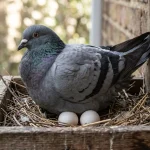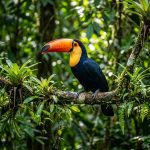
Did you know that toucans, with their vibrant beaks and striking colors, are not just mesmerizing birds but also face threats from various predators in their natural habitats? Understanding what animals eat a toucan is crucial for appreciating the delicate balance of ecosystems and the survival challenges these fascinating creatures face. From formidable raptors like eagles and hawks to stealthy wild cats such as jaguars, toucans must navigate a world filled with danger. This exploration reveals not only the predators that target these beautiful birds but also highlights the complexities of their role within the food chain. Join us as we delve into the predatory landscape surrounding toucans, unraveling the intricate relationships that define their existence. Whether you’re a seasoned birdwatcher or simply curious about wildlife, this knowledge will deepen your appreciation for toucans and the environments they inhabit. Keep reading to discover the surprising array of predators that lurk in the shadows, ready to strike!
What Predators Hunt Toucans in the Wild?
Toucans might appear to be vibrant and lively creatures perched high in the canopy, but they are not without their adversaries in the wild. These birds, known for their colorful bills and unique social behaviors, face a variety of predators that can pose serious threats to their survival. Among their top natural enemies are large birds of prey such as eagles and hawks, which can swoop down from great heights to catch unsuspecting toucans off guard. Additionally, terrestrial predators like jaguars and margays, along with constrictor snakes such as boa constrictors, are formidable hunters that target toucans, particularly when they venture close to the ground.
Top Natural Enemies of Toucans
Predators of toucans exhibit a diverse range of hunting techniques and habitats. Consider the following:
- Eagles and Hawks: These birds of prey are the primary aerial threats. Their keen eyesight allows them to spot toucans from far above as they navigate the treetops.
- Jaguars: As one of the largest cats in the jungle, jaguars possess the strength to climb trees and ambush toucans. Their stealth and power make them one of the most significant threats.
- Margays: Similar to jaguars but much smaller, margays are also adept tree climbers. They can follow toucans into the canopy, where they can pounce unexpectedly.
- Boa Constrictors: While typically ground-dwelling, these snakes can strike from the underbrush or even scale trees to capture toucans that may be resting low in the branches.
Understanding the plethora of predators that target toucans is crucial in recognizing the delicate balance of the ecosystems they inhabit. With the pressures of predation, toucans have developed several defense mechanisms to evade threats, but the constant vigilance required can take a toll on their populations. By appreciating the role these predators play within the ecosystem, we can better understand the challenges faced by toucans and the importance of conservation efforts aimed at protecting these stunning birds and their habitats.
Top Natural Enemies of Toucans Explored

Toucans, with their stunning plumage and distinctive oversized bills, might seem invulnerable perched high in the treetops, but these vibrant birds face numerous threats from various predators in their rainforest habitats. Understanding who hunts these birds offers valuable insight into the complexities of their ecosystem and the pressures they face daily.
Among the most significant aerial challenges to toucans are large birds of prey, particularly eagles and hawks. These formidable hunters possess exceptional vision, enabling them to dive at incredible speeds to capture unsuspecting toucans as they flit between branches. Their acute senses make them adept at detecting movement, heightening the vigilance toucans must maintain while traversing their habitat.
On the ground, nimble predators such as jaguars and margays present a dangerous reality for toucans, especially when they descend to lower branches or ground level. Jaguars are powerful hunters capable of ambushing from below with stealth and strength, while margays, though smaller, are equally adept at climbing and hunting within the canopy. These terrestrial threats require toucans to constantly be on guard, employing evasive tactics to evade capture.
Additionally, boa constrictors pose a unique threat to toucans. These constrictor snakes can stealthily scale trees, lying in wait for an opportunity to strike. With their ability to blend into the underbrush and their remarkable patience, boa constrictors can catch toucans off guard, particularly when they rest low in the branches. This combination of aerial and terrestrial hunting strategies highlights just how complex the predator-prey dynamics are in the toucan’s environment.
In facing these diverse enemies, toucans have adapted remarkable strategies to evade predation. However, the constant need for alertness can impact their energy reserves and overall well-being. Understanding these predation pressures is critical for appreciating toucans not merely as beautiful avian creatures but as integral components of their ecosystems, necessitating efforts to protect them and their habitats from further threats.
The Role of Habitat in Predator Dynamics
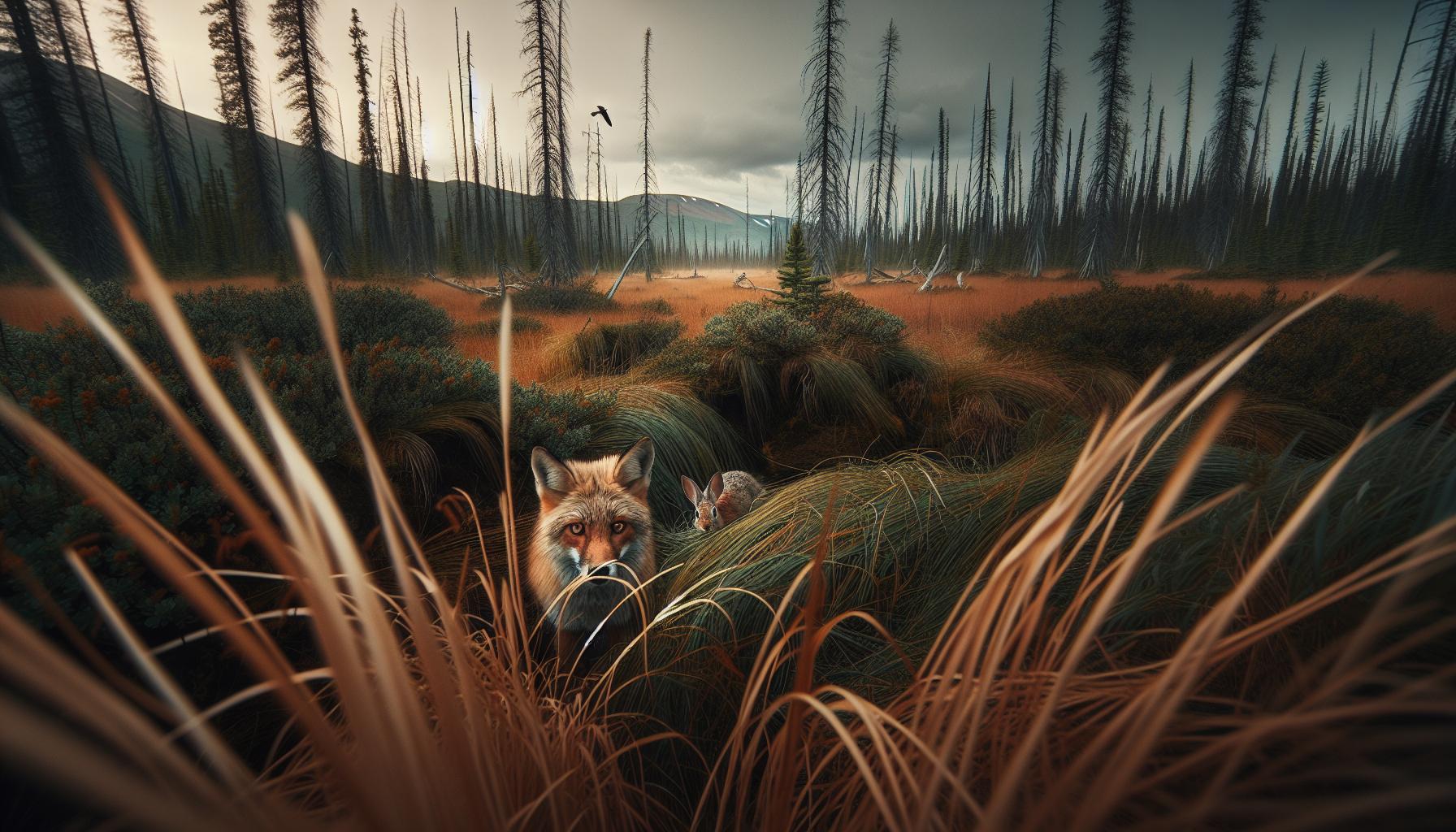
The complex relationship between toucans and their predators is deeply intertwined with their habitat, a vibrant tapestry of dense rainforest that plays a crucial role in shaping predator dynamics. The structural features of their environment-such as the distribution and types of trees-significantly influence both the presence of potential threats and the safety of the toucans dwelling within. Tall canopy trees provide essential vantage points for both toucans and their aerial predators. While these high perches allow toucans to scout for food and avoid ground threats, they also expose them to hawks and eagles, which rely on keen eyesight to spot movement from above.
Structural Complexity and Shelter
Dense foliage and a variety of tree heights create a multi-layered habitat that can either confound or aid predators. A richly diverse plant life allows toucans to exploit various niches for feeding and nesting while offering them crucial cover to evade their foes. For example, when toucans retreat into denser vegetation, they can dramatically reduce the likelihood of detection by predators such as marginally-sized margays, who thrive on both agility and stealth to hunt within the shadows of the canopy.
Impact of Seasonal Changes
Additionally, seasonal changes can alter habitat dynamics, affecting prey availability and predator behavior. In periods of fruit abundance, toucans may lower their guard while feeding on ripe fruits, inadvertently increasing the risk of predation from species like jaguars that adapt their hunting strategies based on prey movement and density. The timing of these fruiting seasons can influence predator-prey interactions, giving predators seasonal opportunities to capitalize on the momentary vulnerabilities of their avian targets.
In summary, understanding is essential for bird watchers and conservationists alike. Protecting the diverse and intricate environments that toucans and their predators inhabit ensures that this delicate balance can be maintained. Efforts to preserve natural habitats not only safeguard toucans but also contribute to the resilience of the entire ecosystem, ultimately fostering the conditions necessary for these incredible birds to thrive.
Understanding Toucan Defense Mechanisms
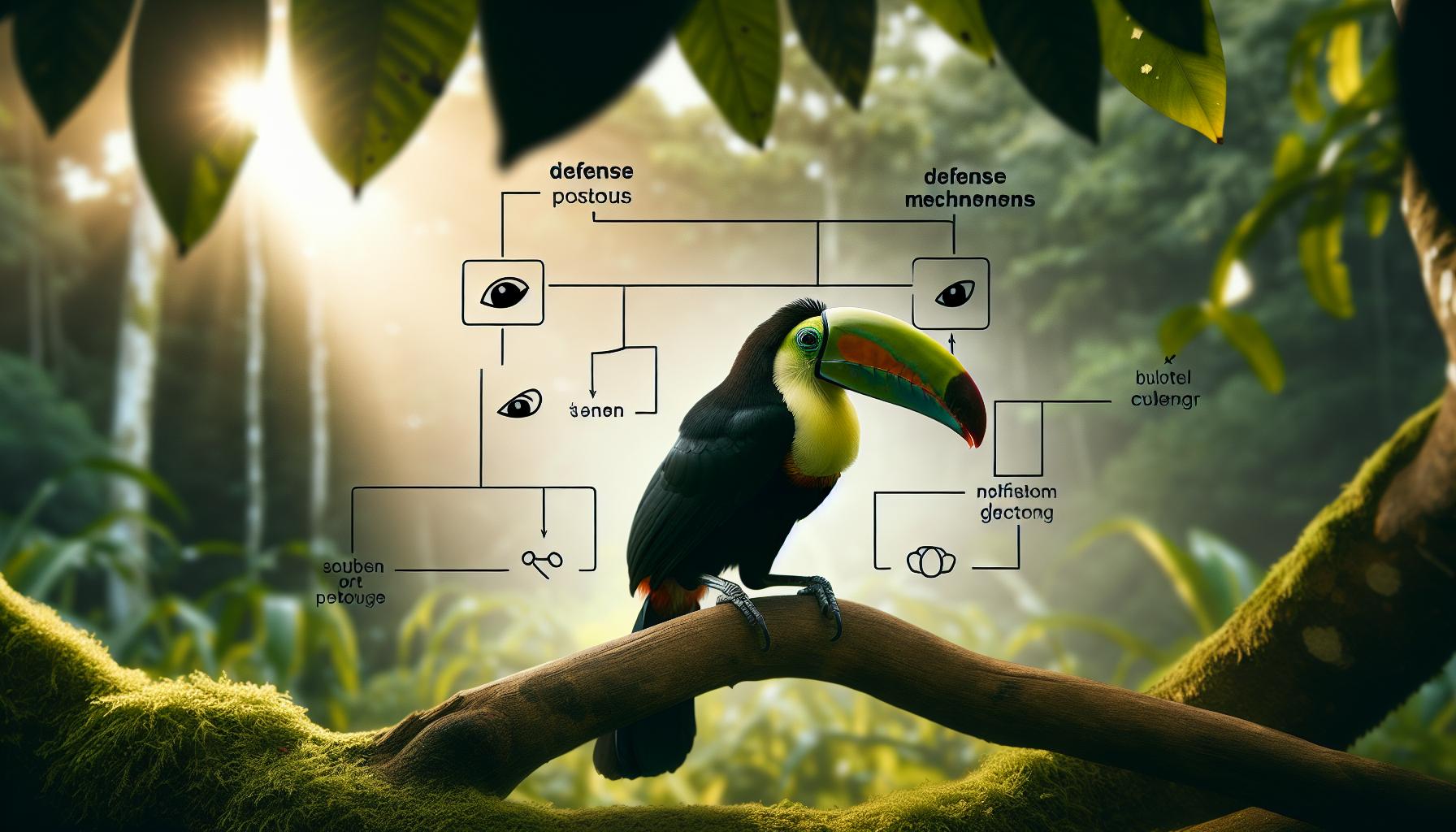
The toucan’s striking beak and vibrant plumage might capture your attention, but it is their adaptive defense mechanisms that truly showcase their survival strategies in the wild. Toucans are not just colorful characters of the rainforest; they are equipped with an array of behavioral and physical adaptations that help them evade predators in a variety of scenarios.
One of the primary defense tactics toucans employ is their ability to camouflage within the dense foliage of their habitat. Their bright plumage, while noticeable, also blends surprisingly well with the dappled sunlight filtering through the leaves, allowing toucans to remain hidden from above when perched among the branches. This natural camouflage is particularly effective against aerial predators like hawks, which rely on sight to hunt. Toucans often choose to nest in tree cavities, providing them with an additional layer of protection from ground-based threats such as jaguars and snakes.
Moreover, toucans exhibit a behavior known as “mob foraging.” This entails foraging in groups, which not only helps in locating food but also provides a collective defensive strategy against predators. When one toucan spots a potential threat, it alerts others in the flock through distinctive vocalizations. This communal awareness dramatically increases the chances of detecting and evading predators before they become a significant danger.
In moments of extreme threat, toucans can also use their agility to escape. Their lightweight bodies and strong, flexible wings allow them to maneuver through the dense tree canopy. When startled, a toucan can dart from branch to branch, utilizing rapid bursts of flight combined with quick changes in direction to confuse and evade pursuing predators.
Understanding these defense mechanisms is crucial for bird watchers and conservationists alike. By appreciating how toucans navigate their complex environment and avoid predation, we can better protect their habitats and the intricate balance of the ecosystems they inhabit.
A Deep Dive into Toucan Diet and Ecosystem
Toucans are not just remarkable for their vibrant colors and striking beaks; they play a crucial role in their ecosystems as both consumers and seed dispersers. They primarily feast on a diverse diet that includes fruit, insects, small reptiles, and even bird eggs. Their preference for fleshy fruits, such as those from figs and palms, makes them significant agents of seed dispersal in their habitats, contributing to forest regeneration and plant diversity.
While hunting for food, toucans exhibit a unique feeding behavior. They often use their long, robust bills to access fruits that are difficult for other birds to reach. This adaptation allows them to forage in the upper canopy where competition for food can be fierce. In addition, their diet changes based on seasonal availability, showcasing their adaptability and resourcefulness.
In terms of ecosystem interactions, toucans are both prey and predator. They must always be vigilant due to their position in the food web. As tasty snacks for a variety of larger predators-like hawks, snakes, and even jaguars-toucans are constantly at risk. This predator-prey dynamic influences their foraging behavior and choice of nesting sites, usually opting for tree cavities that offer protection from ground-based threats.
Moreover, the health of toucan populations is closely tied to the health of their habitats. Deforestation and climatic changes threaten both their food supply and nesting sites, highlighting the interconnectedness of ecosystems. Protecting toucans and their environments is not just about preserving a single species; it’s about safeguarding the intricate web of life in which they play a pivotal role. Engaging in conservation efforts can support toucans directly and indirectly by maintaining the biodiversity of their rainforest homes.
Are Toucans Endangered? Predators as a Threat
Toucans, with their vibrant plumage and iconic oversized bills, captivate the imagination of many. However, these striking birds face a range of threats in the wild, including predation. As being part of a complex ecological web, toucans are nestled firmly within the predator-prey dynamic, featuring various natural enemies that put them at risk. Large birds of prey, such as hawks and eagles, are notorious for hunting smaller bird species, and toucans are no exception. Their relatively slow flight and bright coloration can make them more conspicuous to aerial hunters.
Understanding Predator Dynamics
In addition to birds of prey, snakes pose a significant threat to toucans, especially during nesting seasons when adult toucans and their chicks are vulnerable. Various snake species have been observed preying on toucan nests, which are often located in tree cavities near the ground. Ground-based predators such as jaguars and certain mammals can also pose risks, particularly if toucans venture too low or are caught off guard while foraging.
Moreover, the relationship between toucans and their predators is not solely a matter of survival; it plays a crucial role in the delicate balance of their ecosystem. The constant threat from predators drives toucans to make strategic decisions regarding their nesting sites, often opting for locations that offer sufficient cover. By selecting more secure cavities high above the ground, they reduce their chances of being discovered.
Conservation and Protection
As human activities continue to encroach on toucan habitats through deforestation and land conversion, the pressures they face from natural predators may increase. The fragmentation of their habitats forces toucans into smaller territories, raising competition and vulnerability. While not classified as endangered overall, certain toucan species are considered threatened, primarily due to habitat loss exacerbated by the presence of predators. Conservation efforts are vital in mitigating these risks, ensuring that toucans maintain adequate habitats where they can thrive safely away from both natural enemies and human-induced threats.
Awareness and action are paramount in supporting these magnificent birds. By understanding the dynamics between toucans and their predators, we can appreciate the complexity of their existence and advocate for their protection, thereby ensuring that future generations can marvel at the beauty and ecological significance of toucans.
Comparative Analysis: Toucans and Other Birds
Understanding the interactions between toucans and other bird species in their habitats offers a fascinating glimpse into avian relationships and ecological balance. Toucans, known for their vibrant colors and impressive bills, occupy a unique niche in tropical forests. However, they are not only preyed upon by larger birds of prey but also share crucial behavioral adaptations and competition with various bird species in their environment.
For instance, hawks and eagles are significant threats to toucans, particularly when these smaller birds are exposed during their flight or foraging activities. In habitats where these raptors abound, toucans have developed strategies such as staying in dense foliage or choosing higher nesting sites to minimize visibility from above. This contrasts sharply with ground-nesting bird species like the American robin, which faces threats from different predators, such as snakes and mammals. Toucans, by nesting in tree cavities, leverage the vertical space of their forest habitat as a defensive tactic against these dangers.
Additionally, competition for resources with other fruit-eating birds also shapes toucan behavior. Species such as orioles and figbirds may overlap in diet, leading to a dynamic interplay where toucans must exhibit social behaviors or adaptively shift feeding patterns to access food. Toucans are particularly skilled at using their large bills to reach fruit that is otherwise out of reach for many birds. This ability not only helps them survive but also plays a crucial role in the dispersal of seeds, aiding forest regeneration and health.
The adaptability of toucans in the face of predation and competition reflects a broader lesson in the avian world. Observing how toucans navigate their environment alongside other bird species enriches our understanding of avian ecology. It also highlights the interconnectedness of ecosystems, where the survival strategies of one species directly influence those of another. By appreciating these relationships, we can foster better conservation practices that support not only toucans but the entire community of birdlife that depends on thriving forest ecosystems.
Uncommon Predators: Who Else Feasts on Toucans?
Toucans, while celebrated for their striking plumage and distinctive bills, face a range of threats beyond the obvious predation from larger birds. In the lush environments they inhabit, various less-intuitive predators can target these colorful birds, illustrating the complexities of tropical ecosystems. Some of the more uncommon predators include snakes, which can be particularly adept at climbing trees to reach nests, and even certain species of larger mammals that may prey on juvenile toucans or eggs.
Snakes: Silent Threats
Among the more stealthy assailants, snakes such as the Fer-de-Lance (Bothrops asper) have been known to sneak up on toucan nests. These green and brown camouflaged serpents can blend seamlessly into the leafy canopy, making them difficult to spot until it’s too late. Snakes prey not only on eggs but can also strike at fledgling birds when they leave the safety of the nest. Observing the behaviors of snakes in toucan habitats can reveal fascinating insights into the predator-prey dynamics that occur in these rich ecosystems.
Mammals: Ground-Level Danger
On the ground level, creatures like coatis and monkeys can pose a threat to toucan eggs and young birds. Coatis, in particular, are known for their dexterous climbing abilities and are opportunistic feeders that raid bird nests when food is scarce. Howler monkeys, while primarily fruit-eaters like toucans, have been observed causing disturbances around nests, sometimes resulting in young toucans becoming vulnerable to other predators during these chaotic moments.
Comparative Defense Strategies
To mitigate the risks from these uncommon predators, toucans employ several effective defense mechanisms. For instance, they often build nests in hard-to-reach cavities of trees, providing some protection against climbing predators. Additionally, adult toucans engage in vigilant behavior, keeping an eye out for both aerial and ground threats while foraging or nesting.
While toucans are well-adapted to their environments, understanding the breadth of their predators helps highlight the importance of protecting their habitats. By recognizing the range of threats-from serpents slithering in the underbrush to stealthy coatis scouring for eggs-conservation efforts can aid in creating strategies that better protect these vibrant birds and their complex ecological role.
How Climate Change Affects Toucan Predation
As global temperatures rise and weather patterns shift, the delicate balance of tropical ecosystems is profoundly affected, influencing the predator-prey dynamics involving toucans. For instance, altered rainfall patterns disrupt the availability of fruits, which are vital for both toucans and their predators. When food resources dwindle, predators like snakes and larger birds may be forced to venture deeper into toucan habitats in search of alternative prey, increasing direct competition for food and nesting sites.
Moreover, climate change can alter the distribution of certain species. As temperatures increase, toucan habitats may shift, pushing them into less optimal areas. This encroachment can lead to increased overlap with predators that are adapting to the changing environment. For example, urban development and agriculture driven by climate fluctuations can expand human activity into toucan territories, intensifying encounters with both natural predators and human threats.
The impact of climate change extends to the broader ecosystem as well. Changes in vegetation due to shifting climates can influence nesting sites. Consequently, as toucans seek refuge in these new environments, they may be exposed to different predators that are previously non-existent in their original habitats. Snakes and mammals might become more prevalent as the toucans adapt to diminished cover or altered food systems.
In essence, the interconnected nature of climate effects illustrates the need for comprehensive conservation strategies. Protecting toucan habitats is essential not only for the birds themselves but also for maintaining the broader ecological balance that sustains both toucans and their predators. Supporting conservation efforts can help ensure that these colorful birds have the resources they need to thrive despite the challenges posed by a changing climate.
Cultural Significance of Toucans and Their Predators
Toucans, with their vibrant plumage and distinctively large bills, play a significant role in the cultures and ecosystems of Central and South America. Their striking appearance has made them symbols of tropical biodiversity, often featured in art, folklore, and tourism promotions. However, as charming as they are, toucans are linked to broader ecological narratives that include their interactions with predators, which can be equally fascinating.
Culturally, toucans are often celebrated in local folklore and myths. In many indigenous cultures, these birds represent a connection to nature and its abundance. Their impressive size and unique features have inspired stories that highlight the balance of life in the rainforest. For instance, in some traditions, toucans are viewed as messengers or symbols of good fortune. This cultural significance underscores the importance of preserving their habitats, not just for the wildlife but for the stories and identities intertwined with them.
At the same time, the predators that threaten toucans-such as eagles, hawks, and large snakes-are also embedded in the cultural narratives of region residents. These predators embody strength and survival, often revered or feared, depending on the local context. For instance, the presence of a jaguar, one of the toucan’s natural predators, in stories can represent the untamed force of nature, showcasing the inherent struggles for existence within the ecosystem.
Engaging with the cultural significance of both toucans and their predators encourages a deeper understanding of biodiversity and conservation. It invites individuals, especially those who are passionate about birds and the environment, to appreciate the complexity of these relationships. As we consider how to protect toucans amid the increasing threats they face-from habitat destruction to climate change-it becomes essential to recognize their role not only as ecological players but as cultural icons that reflect the health of their ecosystems and the human stories woven through them. By fostering respect and admiration for all creatures sharing their habitat, we contribute to a more sustainable future for the vibrant life of the tropics.
What Can We Do to Protect Toucans?
Taking action to protect toucans is crucial in safeguarding not just these vibrant birds but the delicate ecosystems they inhabit. One of the most effective ways to contribute is through habitat preservation. Toucans thrive in lush, tropical forests, so supporting initiatives that protect these environments from deforestation and degradation should be a priority. Get involved with local and international conservation organizations that focus on rainforest protection. By advocating for sustainable land use practices and restoring degraded habitats, we can provide toucans with a secure home to thrive.
Community engagement is another powerful tool in the fight to protect toucans. Educating local populations about the ecological role of toucans can lead to more positive attitudes towards these birds and their habitats. Programs that encourage sustainable agricultural practices can reduce human-wildlife conflict and minimize the threats to toucan populations. Participating in or supporting ecotourism can also offer financial incentives for locals to protect wildlife rather than exploit it. Ecotourism not only creates jobs but also fosters a sense of pride in local biodiversity, encouraging communities to preserve their natural heritage.
It’s also vital to confront the impact of climate change on toucan survival. Supporting policies aimed at reducing carbon emissions and promoting renewable energy can help combat global warming, which threatens the habitats of many species, including toucans. You can make a difference in your own life by adopting more sustainable practices, such as reducing plastic use, conserving water, and supporting carbon offset initiatives.
Finally, you can contribute by simply spreading the word. Sharing information about toucans and their plight on social media or in community gatherings raises awareness and inspires others to take action. Every effort counts, no matter how small, and together, we can create a wave of change that secures a safe future for toucans and the rich biodiversity they represent. By appreciating the beauty and importance of these birds, we not only enhance our own lives but also promote a sustainable coexistence within our precious ecosystems.
FAQ
Q: What are the main predators of toucans in their natural habitat?
A: Toucans face predation from a variety of animals, including large snakes, birds of prey like hawks and eagles, and even larger mammals such as jaguars. These predators take advantage of the toucan’s reliance on trees for nesting and feeding, making them vulnerable during specific life stages.
Q: Do toucans have any natural defenses against predators?
A: Yes, toucans utilize their agility and the ability to camouflage themselves among foliage to evade predators. Their bright colors can also serve as a distraction, allowing them to escape quickly from approaching threats, making it important for them to choose safe nesting sites that conceal them.
Q: How does habitat loss impact toucan predation?
A: Habitat loss increases the exposure of toucans to predators as they become concentrated in smaller areas. This creates a higher likelihood of predation because they encounter their natural enemies more frequently when their living spaces are diminished.
Q: Are toucans affected by climate change in terms of predation?
A: Climate change disrupts ecosystems, potentially increasing predator populations or altering their hunting strategies, which can lead to higher predation rates on toucans. Changes in food availability may drive both toucans and their predators into closer proximity, intensifying these interactions.
Q: What role do toucans play in their ecosystem despite being prey?
A: Toucans are vital for seed dispersal in their ecosystems. While they are preyed upon, their feeding habits contribute to plant propagation, which helps maintain the health of their habitats. Their interactions support biodiversity, showcasing their importance beyond being mere prey.
Q: Can toucans be invasive in areas where they have no natural predators?
A: In some regions where toucans have few or no natural predators, they can become invasive. This can lead to competition with local species for food and nesting sites, potentially disrupting local ecosystems.
Q: How do juvenile toucans fare against predators compared to adults?
A: Juvenile toucans are significantly more vulnerable to predators compared to adults due to their less developed flying skills and limited ability to escape quickly. During their early stages, they rely heavily on parental care and the safety of the nest.
Q: What measures can be taken to protect toucans from predation?
A: Protecting toucan habitats is crucial to reducing predation. Conservation efforts should focus on preserving trees and preventing habitat fragmentation, which can help maintain a balanced ecosystem that supports toucans while keeping predators at bay. You can learn more about protective measures in our article section on “What Can We Do to Protect Toucans?”
Feel free to explore the various aspects of toucan behavior and threats further by checking the detailed sections in our article!
Closing Remarks
Thank you for exploring the intriguing world of toucans and their potential predators! Now that you know what animals eat toucans, including various reptiles and birds of prey, consider how these dynamics impact the rainforest ecosystem. If you’re curious about more fascinating bird behaviors or want to delve deeper into the rainforest’s unique species, check out our articles on “The Role of Birds in Ecosystem Balance” and “Top 10 Unique Bird Species Around the World.”
Don’t miss out on our exciting newsletter, where you can receive the latest insights and tips about avian wildlife. We invite you to join our community by subscribing! Have further questions or stories to share? We’d love to hear from you in the comments below. Keep your passion for birds alive; there’s so much more to learn and explore right here!
Get our latest guides, news, and insights highlighted in your Google Search & AI Overviews.