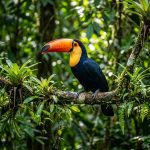
Did you know that toucans, with their vibrant beaks and cheerful calls, are not just a symbol of tropical rainforests but also face serious threats to their survival? The question of whether toucan birds are endangered is crucial, as these striking creatures embody the beauty of biodiversity in their native habitats. Understanding their current species status not only helps raise awareness about their plight but also encourages conservation efforts that we all can support. As their populations dwindle due to habitat loss and illegal trade, it’s essential to delve into the factors impacting toucan survival. Join us as we explore the latest updates on toucan species status, the challenges they face, and what we can do to protect these remarkable birds for future generations. Your concern could be the spark for change!
Are Toucan Birds Endangered: Current Status and Trends
The vibrant toucan, characterized by its strikingly large beak and colorful plumage, captivates bird lovers worldwide with its playful demeanor and intelligence. However, beneath this charming exterior lies a concerning reality: many toucan species are facing significant threats that place their survival in jeopardy. Current assessments indicate that while some toucan populations are stable, others are experiencing declines due to various environmental pressures and habitat loss. As rainforests shrink due to deforestation and land conversion for agriculture, the natural habitats of these exquisite birds are becoming increasingly fragmented, directly impacting their populations.
Recent statistics reveal a complex picture of toucan conservation status. For instance, the International Union for Conservation of Nature (IUCN) lists several species under varying degrees of threat, including the Toco Toucan, which is currently evaluated as Least Concern, while others like the Plate-billed Mountain Toucan face greater peril. Reports highlight that human activity, including logging, urban development, and the illegal pet trade, poses substantial risks to their survival. In addition, climate change further exacerbates these threats by altering their habitat and food availability, making adaptability a crucial yet challenging factor for these species.
In the context of conservation trends, efforts are being mobilized around the globe to safeguard toucan populations. Various research initiatives and local conservation programs are burgeoning, aimed at raising awareness about the ecological role of toucans and restoring their habitats. By understanding these threats and the status of different toucan species, conservationists hope to devise strategies that ensure the vibrancy of these remarkable birds continues for generations to come. Engaging in community-driven conservation efforts is essential, and individuals can support initiatives that promote habitat protection and responsible tourism, playing a vital role in the future of toucans.
Understanding the Threats to Toucan Populations
The strikingly colorful toucan is more than just a pretty face; it plays a vital role in its rainforest ecosystem, yet it faces numerous threats that endanger its survival. One of the most pressing issues is habitat loss due to deforestation. As forests are cleared for agriculture, logging, and urban development, the natural homes of toucans are vanishing. This destruction not only reduces the space available for nesting and feeding but also fragments the populations, making it difficult for them to thrive and reproduce. Toucans are arboreal and heavily reliant on specific forest environments; without these, their survival is at significant risk.
In addition to habitat loss, toucans face threats from illegal wildlife trade. Their vibrant appearance makes them attractive as exotic pets, leading to poaching and capturing from the wild. This practice has devastating effects on local populations, particularly for species already considered vulnerable. Furthermore, the influx of human activity brings increased competition for food resources and introduces foreign predation pressures. Urban development can also lead to road construction and increased traffic, resulting in a higher mortality rate for these birds.
Climate change compounds these challenges by altering the climatic conditions that toucans depend on. Changes in temperature and precipitation patterns can disrupt the availability of ripe fruits and nesting sites, making it increasingly difficult for toucans to find adequate food. Even small shifts in climate can affect their migratory patterns and breeding cycles, pushing them beyond their adaptive capacity.
Addressing these multifaceted threats requires a concerted effort from conservationists, governments, and local communities. Engaging in habitat restoration projects and enforcing laws against illegal poaching are crucial steps that can help alleviate the pressures on toucan populations. Promoting sustainable agricultural practices can also minimize habitat destruction while maintaining local economies. By understanding these threats and advocating for both wildlife protection and ecological sustainability, we can contribute to a brighter future for these remarkable birds and the ecosystems they inhabit.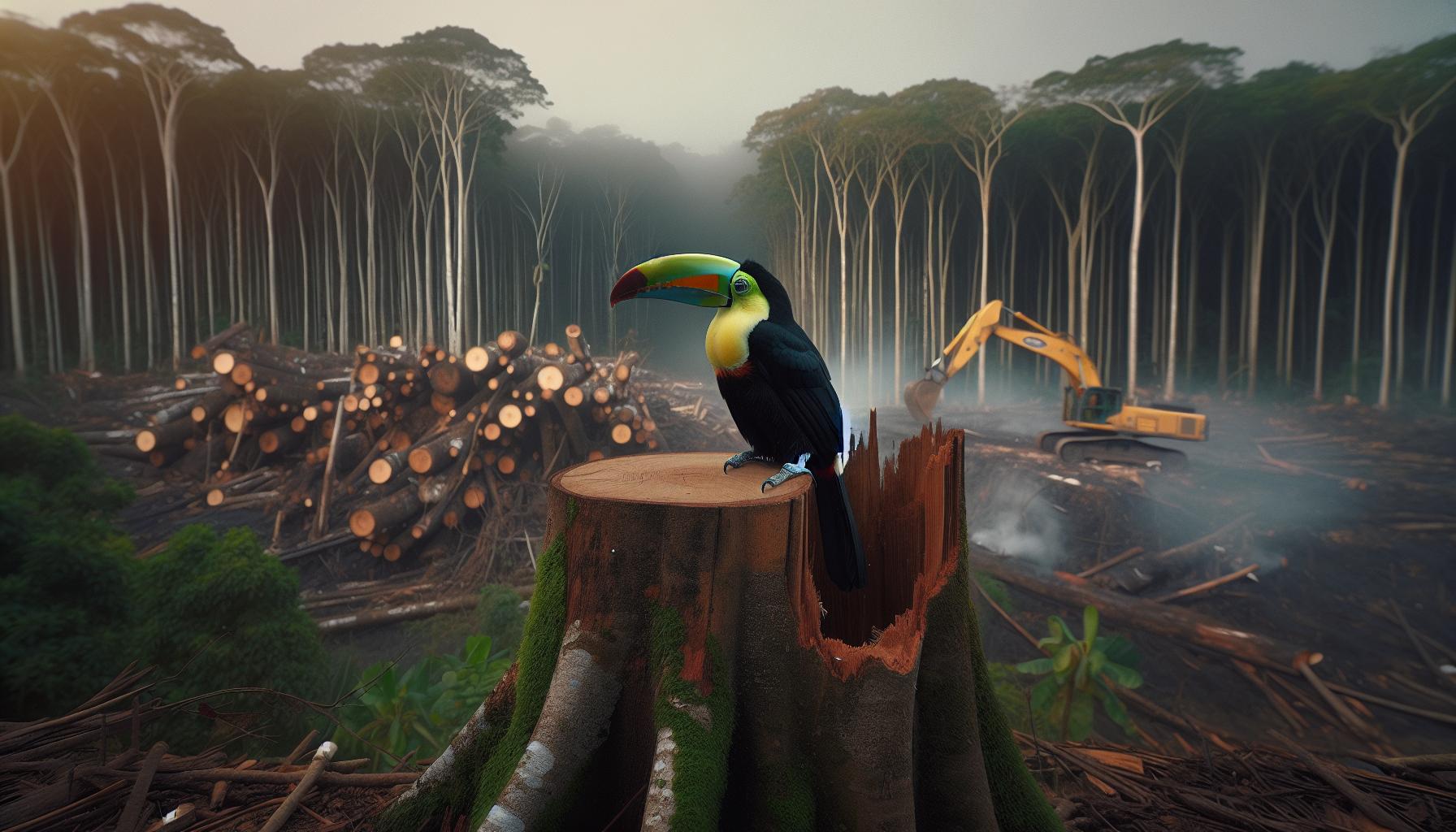
Key Factors Contributing to Toucan Endangerment
The challenges facing toucans are as vibrant and complex as their colorful bills. As beautiful as they are expressive, these magnificent birds find themselves increasingly at risk due to a variety of interrelated factors. One significant threat stems from habitat loss, primarily driven by human activities such as deforestation for agriculture, logging, and urban expansion. This relentless encroachment not only diminishes their habitats but also fragments the forest landscapes that are vital for their survival, leading to isolated populations that struggle to find mates and food.
Additionally, illegal wildlife trade poses a serious risk to toucan species. Their striking appearance makes them prime targets for poachers and the exotic pet market, further depleting wild populations. As a reflection of this, certain species have been designated as vulnerable or near threatened, which starkly underlines the urgent need for awareness and action. A real-world example can be seen in the iconic Channel-billed Toucan and the Toco Toucan, both of which face pressures from legal and illegal capture, endangering their numbers in the wild.
Climate change further complicates the survival of these avian wonders. Shifts in temperature and weather patterns can alter the availability of food sources, such as specific fruits they rely on for nutrition. As a result, even minor fluctuations in climate can disrupt their natural behaviors, including breeding and migration, potentially pushing them beyond their adaptive capacities. It is paramount that conservation efforts are tailored to address these multilayered issues for toucans, as their resilience hinges not just on the protection of individual species, but on the ecosystems they inhabit.
By understanding these key factors contributing to the endangerment of toucans, we can better appreciate the intricate web of life they are part of and recognize the importance of collective action in safeguarding their future. Whether it’s advocating for sustainable forestry practices or supporting wildlife protection laws, each of us can play a role in preserving these extraordinary birds.
Diverse Species of Toucans: What You Should Know
The toucan family is a vibrant and captivating group of birds, boasting over 40 species that range widely in size, color, and behavior. Among these, the most well-known is the Toco Toucan, easily recognized by its large, colorful bill that can reach up to 8 inches long. This impressive beak not only serves as a striking visual feature but also plays a crucial role in their foraging habits, helping them to reach fruit high in trees or crack hard-shelled seeds.
Each species exhibits unique characteristics and adaptations that reflect their diverse habitats. For example, the Keel-billed Toucan, known for its psychedelic bill, thrives in the humid lowland rainforests, whereas the smaller and less colorful Aracari, with its shorter bill, prefers to inhabit more open woodland areas. Notably, these birds often occupy layered habitats ranging from the dense canopy to the forest floor, which influences their feeding strategies and social structures. Understanding these differences can be essential for birdwatchers and conservationists alike, as it highlights the importance of habitat conservation tailored to specific species’ needs.
Toucan species also display fascinating social behaviors, often forming strong bonds within their groups. They are generally social birds, and many species engage in cooperative breeding, where non-breeding members help care for the young. Witnessing a group of toucans feeding together is a remarkable sight, as their interactions can be both dynamic and entertaining. Birdwatchers should be aware that spotting these colorful birds often involves being patient and alert in their natural habitats, where they can be seen either alone or in lively small groups.
In addition, the diverse species highlight the importance of ongoing conservation efforts. Certain toucan species, such as the Channel-billed Toucan, have been listed as nearly threatened due to habitat loss and illegal trapping. Recognizing the different species and their specific vulnerabilities will allow conservation initiatives to be more effective and targeted. Supporting these measures not only contributes to the survival of toucans but also helps preserve the rich biodiversity of the ecosystems they inhabit.
In summary, the world of toucans is as diverse as it is colorful. From their various adaptations to their unique social behaviors, each species plays a vital role in maintaining the health of their ecosystems. Engaging with this diversity not only enhances our understanding of these remarkable birds but also emphasizes the need to protect their habitats for future generations.
Conservation Efforts for Toucans Worldwide
To save toucans from the brink of endangerment, a multitude of global conservation efforts are underway, aimed at addressing the challenges these vibrant birds face due to habitat loss and illegal trade. One exciting initiative includes the establishment of protected areas across Central and South America, where many toucan species thrive. These reserves play a crucial role in conserving not just the toucans, but the intricate ecosystems they inhabit. Organizations such as BirdLife International and local NGOs actively advocate for these protections, working with governments to enhance legal frameworks and enforcement against habitat destruction.
Community Engagement and Education
Engaging local communities is vital for the long-term success of conservation strategies. Education programs raise awareness about the ecological importance of toucans and their role as seed dispersers, which is essential for forest regeneration. Through workshops and community involvement, conservationists foster a connection between local populations and their natural heritage. For instance, many programs encourage sustainable practices, such as eco-tourism and organic farming, which provide economic benefits without compromising the habitats that toucans rely on.
Research and Tracking Projects
Research initiatives are also crucial. Scientists and volunteers are employing methods such as satellite tracking to monitor toucan movements and breeding behaviors, providing valuable data that can inform conservation strategies. By understanding the migratory patterns and ecological needs of different toucan species, researchers can identify critical habitats that require protection. For example, studies have shown that certain toucan species, like the Toco Toucan, rely heavily on specific fruiting trees during breeding season, highlighting the need for habitat conservation that considers food sources.
Combating Illegal Trade
The illegal pet trade poses a significant threat to toucan populations, leading to aggressive conservation measures aimed at eradicating this practice. Enforcement agencies are working alongside wildlife protection groups to track and dismantle trafficking networks through raids and increased patrols in known hotspots. Furthermore, public awareness campaigns aim to dissuade potential buyers from participating in the trade, educating them on the ethical implications and the devastating impacts on wildlife populations.
By supporting these conservation efforts through donations, volunteering, or simply spreading awareness, individuals can contribute to the protection of toucans and their habitats. Every small action counts in the collective effort to ensure these remarkable birds continue to thrive for generations to come.
How Habitat Loss Affects Toucan Survival
Toucans are emblematic of the lush tropical forests they inhabit, yet these magnificent birds face significant threats due to habitat loss. As deforestation accelerates across Central and South America, primarily driven by agricultural expansion and logging, toucans are losing their homes at an alarming rate. This habitat destruction not only reduces the areas where toucans can nest and breed but also directly impacts their food sources, which rely heavily on specific fruits from diverse trees within these ecosystems.
The survival of toucan populations is intricately linked to their habitat. With an immense reliance on trees for nesting, many toucan species, such as the Toco Toucan, depend on a wide variety of fruiting trees. When these trees are cut down or destroyed, toucans face food scarcity, leading to a decline in their population. The loss of a single tree can create a ripple effect: if the primary fruit source vanishes, toucans may find it difficult to sustain their young, which typically require specific types of fruit for optimal growth.
Impacts of Fragmentation
Moreover, habitat fragmentation poses another critical risk. As forests are cleared, remaining toucan populations become isolated in smaller patches of suitable habitat, preventing them from mating and leading to decreased genetic diversity. This isolation not only threatens the long-term viability of toucan populations but also makes them more vulnerable to other environmental pressures, such as climate change and disease.
To aid in the survival of toucans, it is crucial that we support habitat conservation efforts, such as the establishment of protected areas and reforestation projects. By prioritizing these initiatives, we can help secure the future of toucans and the rich biodiversity of their ecosystems. Understanding the vital role that habitat plays in their survival empowers us to advocate for the preservation and restoration of the lush environments that these enchanting birds call home.
The Role of Toucans in Their Ecosystem
Toucans are not just stunningly beautiful birds; they play a vital role in maintaining the health of their ecosystems. One of their most crucial functions is as seed dispersers. By feeding primarily on fruits, which make up a significant portion of their diet, toucans help to propagate many tree species. As toucans consume fruit, they pass the seeds through their digestive system, often depositing them far from the parent tree. This natural process contributes to forest regeneration and biodiversity, allowing new growth and species to thrive in the lush environments they inhabit.
In addition to seed dispersal, toucans are also important indicators of ecosystem health. Their presence signals a thriving habitat, as they depend on a variety of fruiting trees and a balanced ecosystem for survival. Studies show that a decline in toucan populations can indicate broader environmental issues, including deforestation and habitat fragmentation, which affect not only toucans but also countless other species that share their environment. By monitoring these birds, conservationists can gain insights into the condition of tropical forests and implement necessary conservation strategies effectively.
Toucans also contribute to the food web within their habitats. They serve as prey for larger birds of prey and even some mammalian predators. This dynamic adds to the biodiversity and complexity of their ecosystem, showing how interconnected all species are. Ensuring the survival of toucans is not merely about saving a single species; it’s about preserving the intricate webs of life that encompass diverse flora and fauna.
To support toucans and their roles within ecosystems, consider engaging in local conservation initiatives. Participate in reforestation projects or support wildlife sanctuaries that protect tropical forests. Simple actions at the local level can ensure that these vibrant birds continue to thrive and provide their essential ecological services. By nurturing the environments where toucans live, we help sustain the rich biodiversity critical to our planet’s health.
Engaging the Community: How You Can Help Toucans
The vibrant toucan, with its iconic oversized bill, is not just a beautiful bird; it’s also a crucial player in maintaining the health of tropical ecosystems. Engaging the community in conservation efforts is essential for ensuring that these remarkable creatures continue to thrive amidst the threats they face, such as habitat loss and poaching. One of the most impactful ways individuals can contribute is by participating in local conservation initiatives. Joining or supporting organizations focused on reforestation and habitat restoration can make a significant difference. Many communities run tree-planting events in areas where toucans and other wildlife are threatened. By getting involved, you not only help to restore their habitat but also foster a sense of community pride and responsibility towards nature.
Education plays a pivotal role in conservation, and you can help by spreading awareness about toucans and their importance in the ecosystem. Organizing workshops or presentations in schools, community centers, or even social gatherings can inspire others to take action. Sharing facts about toucans’ roles as seed dispersers can illuminate their significance in promoting forest regeneration and biodiversity. Encourage local groups to adopt conservation measures that protect wildlife habitats. For example, advocating for reduced pesticide use can benefit toucan populations, as these chemicals often harm the fruits they rely on for food.
Participating in citizen science projects is another exciting way to engage with toucan conservation. Many organizations develop platforms for birdwatchers to record their observations of toucans and other species. Such data contribute to larger scientific research efforts, providing valuable insights into population trends and behaviors. By reporting your sightings, you actively contribute to monitoring toucan populations, helping researchers develop effective conservation strategies.
Finally, consider supporting responsible ecotourism operators when visiting regions where toucans reside. This not only helps local economies but also promotes conservation efforts. Sustainable tourism can incentivize communities to protect their natural resources while allowing visitors to enjoy the beauty of toucans in their natural habitats. Your choices can have a ripple effect, encouraging conservation-focused practices that benefit both the local environment and its wildlife. Engaging your community in these various ways fosters a deeper connection to nature and helps ensure the survival of toucans for future generations.
The Importance of Biodiversity for Toucans
Biodiversity in tropical ecosystems is not just a backdrop but a vital pillar supporting the health and survival of many species, including the iconic toucan. These birds thrive in environments rich with a variety of plants and animals, which help sustain their diet and behavior. For example, toucans are primarily fruit eaters, relying on diverse fruiting trees to find sustenance. Without a diverse array of plant species, their food sources would diminish, ultimately threatening their survival and the ecological balance of their habitats.
Toucans play a significant role as seed dispersers, facilitating forest regeneration. By consuming fruits and excreting the seeds far from the parent tree, they help to maintain plant diversity. In turn, this diversity ensures a stable environment for countless other species, illustrating the interconnectedness of life in these ecosystems. As such, protecting toucan habitats is crucial to preserving their role in the ecosystem. The decline in biodiversity often leads to increased vulnerability not only for toucans but for many other species that share their environment.
Conservation efforts that focus on preserving biodiversity can significantly benefit toucans. Initiatives that protect large tracts of forest, promote reforestation, and restore degraded landscapes create living spaces for toucans and maintain the intricate web of life they depend on. Local communities can contribute significantly by engaging in sustainable practices and supporting policies that protect natural habitats.
Involving yourself in biodiversity conservation can also be an enriching experience. Participating in local conservation groups, tree-planting initiatives, or educational workshops helps raise awareness about and other wildlife. By fostering a community-centric approach to conservation, we can make a positive impact on the survival of toucans and ensure that future generations can enjoy the vibrant diversity of life that these remarkable birds represent.
What You Need to Know About Toucan Care
To truly appreciate and care for toucans, understanding their unique needs and behaviors is fundamental. Known for their vibrant plumage and striking beaks, these birds are not just aesthetically appealing; they’re also vital to their ecosystems as seed dispersers. Whether you’re a budding birdwatcher or a seasoned enthusiast looking to provide a suitable habitat for these magnificent creatures, there are essential care guidelines to consider.
Toucans thrive in environments that mimic their natural habitat – humid, lush tropical forests filled with diverse fruiting trees. If you’re considering fostering a toucan, ensure they have a spacious enclosure that allows for climbing and flight. Accommodating their social nature is equally important; toucans often live in pairs or small groups, so interactions with other similar species can help meet their social needs. Within their space, incorporate various perches made of different materials to mimic natural conditions and keep their beaks active.
Feeding is one of the critical aspects of toucan care, as they are primarily frugivores. A well-balanced diet for your toucan should include a variety of fresh fruits such as bananas, apples, and berries, supplemented with specially formulated toucan pellets to ensure they receive necessary nutrients. Avoid feeding them avocados and chocolate, as these can be toxic to birds. Regular vet check-ups and maintaining an eye on their weight ensures that they remain healthy and active, as toucans can be prone to obesity.
In terms of behavior, toucans are incredibly intelligent and inquisitive. They enjoy mental stimulation through toys and foraging opportunities that challenge them. For example, you can hide their food in puzzle toys to keep them engaged. Additionally, maintaining a quiet environment can reduce stress and allow them to flourish. Remember, engaging with toucans daily not only cements your bond but also provides them with essential social interaction that mirrors their natural behavior in the wild.
Being a toucan owner or enthusiast is a rewarding experience, but it comes with the responsibility of understanding and meeting their needs thoroughly. With the right care and environment, we can contribute to the well-being of these stunning birds and further the conversation around their conservation, especially as many species face risks from habitat loss and other anthropogenic effects.
Spotting Toucans in the Wild: Tips and Techniques
Walking through a vibrant tropical forest, the sound of a distant, echoing “quack” piques your interest-only to discover that it’s a toucan announcing its presence. Spotting these magnificent birds in their natural habitat can be an exhilarating experience, especially given their current endangered status due to habitat loss. To maximize your chances of seeing toucans in the wild, you need to understand where to look, the best times to observe them, and their unique behavior.
Toucans are primarily found in the lush rainforests of Central and South America, particularly in countries like Brazil, Costa Rica, and Colombia. They prefer areas with fruit-bearing trees, so focusing your search in these rich areas increases your odds. Look up high in the canopy, where they spend much of their time perched on branches, watching over their territory. Since toucans are non-migratory and often inhabit the same areas year-round, familiar spots like nature reserves, national parks, or even birdwatching tours can yield great results.
Timing is crucial when searching for toucans. Early mornings and late afternoons are typically the best times to observe them, as they are most active during these cooler parts of the day. As you trek through their habitat, remain quiet and patient-toucans are known for their curious but cautious nature. If you hear their characteristic calls, take a moment to stand still and listen; you may be rewarded with a stunning view as they approach the sound or flit between branches.
When trying to spot these birds, binoculars can significantly enhance your experience. Look for their vibrant plumage, often showcasing bright yellows, oranges, and blues, which stand out against the green foliage. Keep an eye on tree openings where the toucans might be feeding on fruits, as their large, colorful bills can be a dead giveaway. Remember, the key to successful birdwatching is patience and respect for wildlife-always maintain a safe distance to avoid disturbing them.
By immersing yourself in their habitat and understanding their behaviors, you can become an effective toucan spotter, contributing to awareness about their vulnerable populations and promoting conservation efforts to protect their environments. Each sighting is not just a moment to treasure, but an opportunity to engage with nature and advocate for the preservation of these extraordinary birds.
Future Outlook for Toucan Populations
The future for toucan populations holds both hope and challenges, depending on concerted conservation efforts and changes in environmental policies. As vibrant and iconic symbols of the tropics, toucans are deeply woven into the ecological fabric of their rainforest habitats. Despite facing significant threats, there are several avenues for improvement that can pave the way for their recovery and sustainability.
One of the most notable aspects influencing their future is conservation awareness. Organizations focused on preserving tropical ecosystems are actively working to protect the habitats where toucans thrive. These initiatives often involve reforestation projects that restore fruit-bearing trees essential for toucan diets. Enthusiastic birdwatchers and nature lovers can make a difference by participating in local conservation programs or supporting ecotourism, which promotes sustainable practices. Engaging with local communities to educate them about the ecological importance of toucans and the benefits of conserving their habitats is crucial.
Moreover, the role of technology in conservation cannot be overlooked. Increasingly, scientists are utilizing tracking devices and monitoring programs to gather data on toucan movements and population dynamics. This information is vital for creating effective conservation strategies tailored to specific species’ needs and behaviors. For example, studies show that certain toucan species may adapt better to altered environments than others, a factor that can guide targeted conservation efforts.
The importance of collaboration across borders should also be emphasized. Many toucan species span multiple countries, and protecting their migratory routes requires international cooperation. Programs that unify neighboring countries in conservation efforts can foster resilience in toucan populations. By sharing resources, knowledge, and strategies, we can create a stronger front against habitat destruction and climate change.
In conclusion, the is contingent upon our ability to foster awareness, support ongoing research, and collaborate on a global scale. Each positive action amplifies our hope that future generations will continue to experience the delight of spotting these magnificent birds in their natural habitats, enhancing both ecological balance and human appreciation for these remarkable creatures. Engaging more individuals in conservation efforts can create a ripple effect, contributing to the overall health of tropical ecosystems, which benefits not just toucans but a multitude of species that share their environment.
Frequently Asked Questions
Q: What are the main threats to toucan populations?
A: The main threats to toucan populations include habitat loss due to deforestation, illegal logging, and agricultural expansion. Additionally, the pet trade and hunting also contribute to their decline. Conservation efforts focused on habitat preservation are crucial for their survival.
Q: How does habitat loss impact toucans?
A: Habitat loss significantly impacts toucans by reducing their access to food sources, nesting sites, and safe environments. As forests are cleared for agriculture and development, toucans struggle to find suitable habitats, leading to population declines. For more on this, see the section on habitat loss in our article.
Q: Are all toucan species endangered?
A: Not all toucan species are endangered, but several are facing threats. Some species, like the Keel-billed Toucan, are more stable, while others, such as the Toco Toucan, are at risk due to habitat loss. Specific conservation statuses can vary across species.
Q: What role do toucans play in their ecosystem?
A: Toucans play a critical role in their ecosystem as seed dispersers. By consuming and excreting seeds from fruits, they help maintain forest diversity. Their presence supports the overall health of their habitats. For details on their ecological role, check the relevant section in our article.
Q: How can individuals help toucans survive?
A: Individuals can help toucans by supporting conservation organizations, participating in reforestation projects, and advocating against illegal wildlife trade. Additionally, promoting sustainable products can contribute to habitat preservation. Learn more in our community engagement section.
Q: What conservation efforts are currently in place for toucans?
A: Current conservation efforts for toucans include habitat restoration, legal protection in various countries, and awareness campaigns about their ecological importance. These programs are vital for sustaining Toucan populations and their habitats. More information can be found in the conservation efforts section of our article.
Q: Where can I see toucans in the wild?
A: Toucans can typically be spotted in tropical and subtropical rainforests across Central and South America. National parks and protected reserves in these regions are ideal locations for observing these vibrant birds in their natural habitats. For tips on spotting toucans, refer to our detailed suggestions.
Q: What is the future outlook for toucan populations?
A: The future outlook for toucan populations varies by species and location. With dedicated conservation efforts and habitat protection, some populations may stabilize. However, ongoing threats require continuous action and support. For more on this topic, check our future outlook section.
In Retrospect
As we’ve explored the challenging conservation status of toucans, it’s clear that these vibrant birds face significant threats. Understanding their plight is the first step in making a difference. If you’re passionate about wildlife, consider taking action today-support local conservation efforts or promote awareness within your community.
For deeper insights into toucan behavior and habitat, check out our articles on their unique diets and the importance of their rainforest ecosystems. Join our community by signing up for our newsletter, where you’ll receive the latest updates on bird conservation and tips on how to help protect these incredible creatures. Let’s work together to ensure that future generations can marvel at the colorful toucan in the wild! Your involvement truly matters.
Get our latest guides, news, and insights highlighted in your Google Search & AI Overviews.