
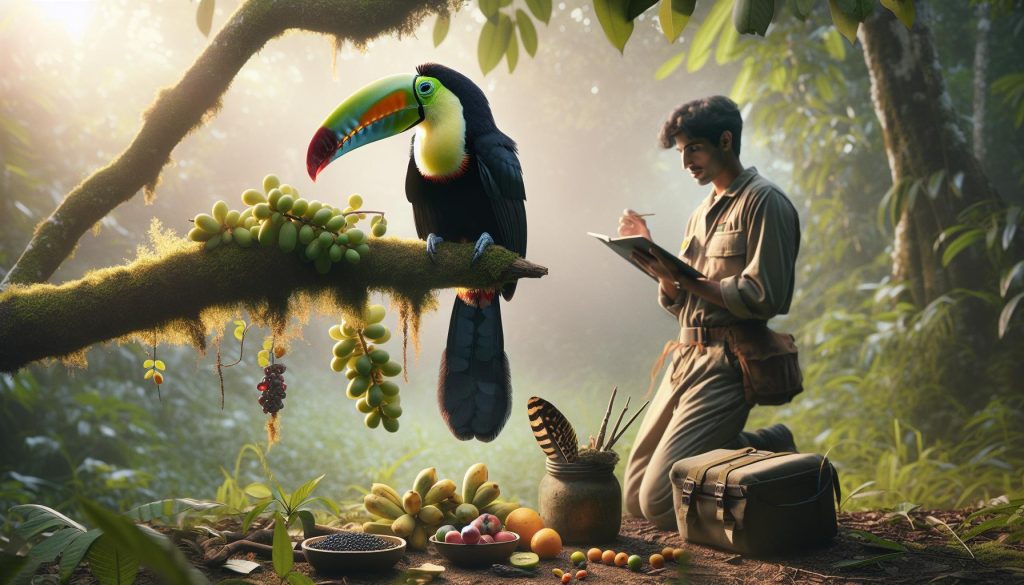
Did you know that the Toco Toucan, with its vibrant, oversized bill, is not just a stunning spectacle of nature, but also has a fascinating diet? Understanding whether these colorful birds are herbivores can enhance your appreciation for their role in the ecosystem and help you make informed choices if you’re considering their care. As you delve into the dietary habits of the Toco Toucan, you’ll discover how their feeding behaviors contribute to forest health and biodiversity. This knowledge is not only essential for bird enthusiasts but also enriches our connection with wildlife. Join us as we unravel the dietary secrets of this iconic bird and explore the specifics of what sustains it in the wild!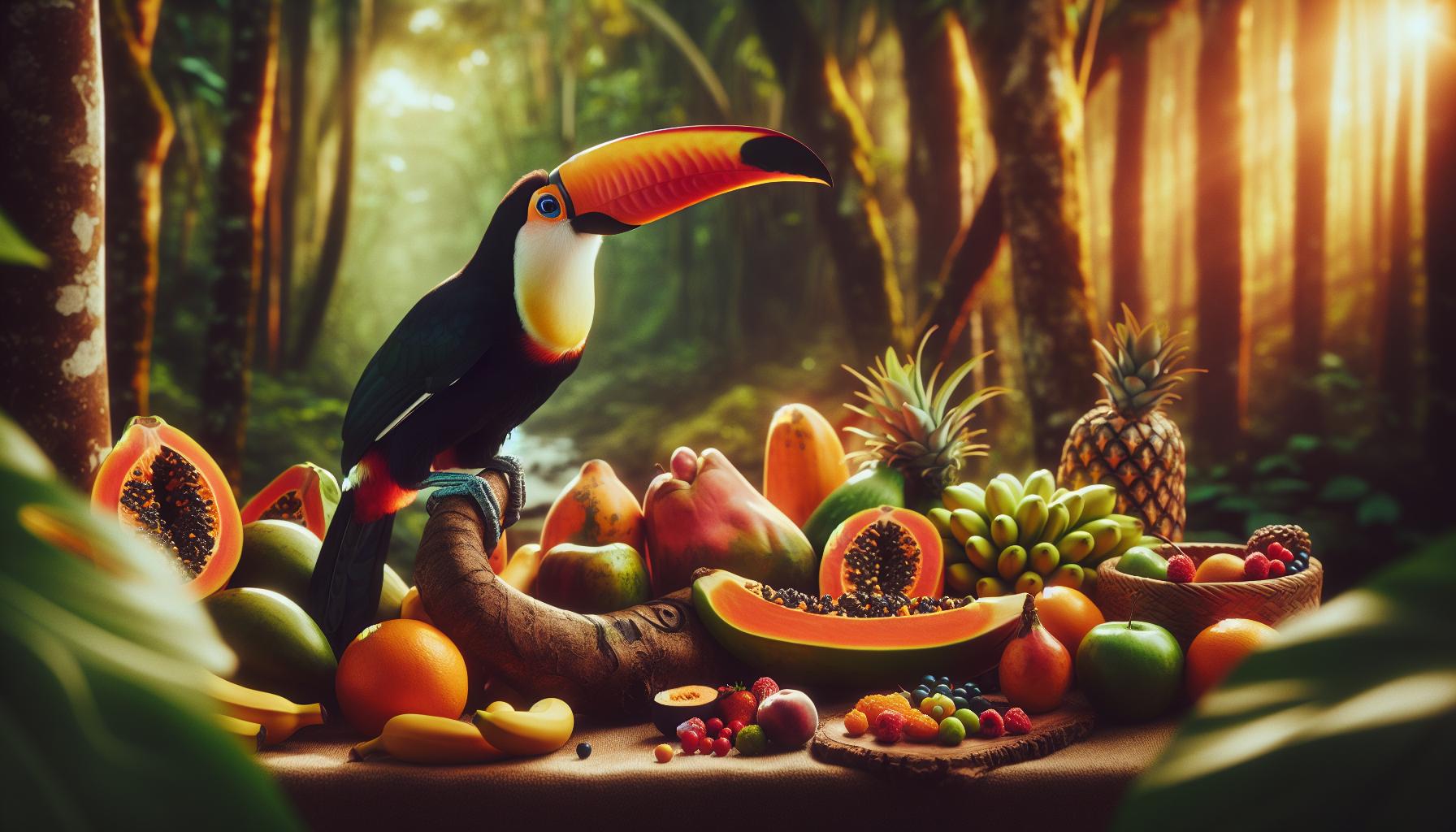
Understanding the Toco Toucan’s Diet
Toco toucans are not just visually striking with their vibrant colors and large, colorful bills; they also boast a fascinating and diverse diet that underpins their herbivorous lifestyle. These birds primarily inhabit the tropical forests of Central and South America, where their feeding habits contribute significantly to seed dispersal and the overall health of their ecosystem. Understanding what these striking birds eat can provide insight into their roles within their habitats, as well as considerations for those interested in caring for them in captivity.
One of the hallmarks of the Toco toucan’s diet is its focus on fruits. They have a particular affinity for a variety of tropical fruits, including figs, bananas, and berries, which provide not only hydration but also essential nutrients. The toucan’s unique bill allows it to reach fruits that are often out of reach for smaller birds, making the toucan a crucial player in the dispersal of many tree species in its environment.
In addition to fruits, Toco toucans incorporate seeds and nuts into their diet, which serve as substantial energy sources. Their strong bills are not only suited for plucking fruits but also for cracking open nuts, showcasing their adaptability. While seeds and nuts provide important fats and proteins, toucans also occasionally consume insects and small invertebrates. These protein sources can be vital for breeding birds or young chicks, highlighting the toucan’s flexibility when it comes to food sourcing based on nutritional needs.
Lastly, when considering a Toco toucan as a pet, it’s essential to replicate their natural dietary habits as closely as possible. A well-rounded diet that includes a variety of fruits, specialized toucan pellets, and occasional protein sources will help ensure a healthy, thriving toucan. Observing their feeding patterns and preferences, along with providing a stimulating environment that mimics their natural habitat, can further enhance their well-being. By paying careful attention to their dietary needs and preferences, you can ensure that your Toco toucan not only thrives but also showcases the vibrant personality that makes these birds so beloved.
What Do Toco Toucans Eat?
Toco toucans are fascinating creatures not only for their vibrant appearance but also for their diverse eating habits that play a crucial role in their ecosystem. These birds primarily thrive in the tropical forests of Central and South America, where their diet significantly impacts seed dispersal and forest health. With their distinctively large, colorful bills, Toco toucans have adapted perfectly to access a range of foods, making them both effective foragers and essential contributors to their habitats.
Their diet is predominantly herbivorous, characterized by an impressive variety of tropical fruits such as figs, bananas, and berries. These fruits provide the necessary nutrients and hydration that keep them healthy. The toucan’s specialized bill allows it to reach fruits that many smaller birds cannot, enabling it to exploit a niche in the food web that supports the growth and regeneration of various tree species. It’s also noteworthy that during breeding seasons, the availability of these fruits is crucial for providing the necessary sustenance to growing chicks, highlighting the connection between their feeding habits and reproductive success.
While Toco toucans primarily feast on fruits, they also consume seeds and nuts, which enhance their nutritional intake by offering essential fats and proteins. This adaptability in dietary choices underscores the resilience of these birds in their natural environment. Occasionally, they will supplement their diet with insects and small invertebrates, particularly during critical growth periods, ensuring they meet their protein needs. For those considering keeping a Toco toucan as a pet, it’s vital to replicate this natural diet, which should include a wide variety of fruits, high-quality specialized pellets, and occasional protein sources to maintain their health and vitality.
Herbivorous Habits: Exploring Their Plant-Based Diet
Toco toucans exhibit fascinating herbivorous habits deeply integrated into their thriving ecosystem. Their diet is primarily plant-based, showcasing their adaptability and the critical role they play in their environment. With large, vibrant bills that are not just for show, these toucans can access a vast array of food sources that smaller birds often cannot reach, allowing them to thrive in the diverse habitats of Central and South America.
Fruit is the cornerstone of the Toco toucan’s diet, with favorites including figs, bananas, and various tropical berries. This reliance on fruit not only provides essential nutrients and hydration but also makes them vital agents of seed dispersal. As they consume fruit, Toco toucans inadvertently help cultivate new plants by excreting the seeds in different locations. This natural process fosters forest health and diversity. During breeding seasons, the availability of fruits becomes even more critical, as it supplies the necessary energy for breeding pairs and their chicks, highlighting the interconnectedness of their feeding habits and reproductive success.
Additionally, Toco toucans often consume seeds and nuts, which further enrich their diet. By incorporating these high-fat and protein-rich foods, they ensure a well-rounded intake that supports their metabolic needs and contributes to their energetic lifestyle. While primarily herbivorous, Toco toucans do not shy away from the occasional insect or small invertebrate, particularly during the chick-rearing phases, when protein intake is essential for developing young. Replicating these dietary requirements is crucial for anyone considering keeping a Toco toucan as a pet. Providing a balanced diet that mirrors their natural intake-rich in fruits, supplemented with seeds, nuts, and specialized pellets-ensures optimal health and vitality for these vibrant birds.
In understanding Toco toucans’ herbivorous habits, it becomes clear that their diet is more than just a means of sustenance; it is a pivotal component of their ecological role. By preserving their natural feeding behaviors, we not only support their well-being but also contribute to the health of their habitats, maintaining the delicate balance within their ecosystems.
Fruits: The Primary Food Source for Toco Toucans
With their striking appearances and lively personalities, Toco toucans are not just a delight to observe; they’re fascinating representatives of the avian world largely due to their diet, particularly their love for fruit. These vibrant birds predominantly feast on a diverse array of fruits, making them a quintessential example of avian herbivores. Their unique, oversized bills are tailor-made for reaching and consuming fruits that many other birds cannot access, allowing them to exploit a variety of food sources in their lush habitats.
Fruits such as figs, bananas, and a plethora of tropical berries form the backbone of their nutritional intake. Each fruit provides essential vitamins and hydration, crucial for their energetic lifestyle. Toco toucans are not only consumers but vital pollinators and seed dispersers in their ecosystems. As they devour fruits, they inadvertently facilitate the growth of new plants by dispersing seeds, thereby playing a significant role in maintaining the biodiversity of their environment. Particularly during breeding seasons, an abundance of fruit is essential, providing energy-rich sustenance necessary for mating pairs and their young chicks, reinforcing the symbiotic relationship between their feeding habits and reproductive success.
To care for a Toco toucan in a domestic setting, it’s vital to replicate their natural diet as closely as possible. A balanced diet rich in fresh fruits should be supplemented with seeds, nuts, and specially formulated pellets to ensure they receive comprehensive nutritional benefits. Fruits like mango, papaya, and berries should be offered daily, while avoiding high-sugar fruits in excess. Not only does this mimic their natural feeding habits, but it also supports their overall health and vitality.
Understanding the role of fruits in the Toco toucan’s diet opens the door not only to appreciating these birds in the wild but also to fostering their wellbeing in captivity. By maintaining a fruit-centric diet enriched with a variety of foods, we can support their unique physiology and encourage a vibrant, healthy life for these captivating creatures.
Seeds and Nuts: Nutritional Contributions
Toco toucans may primarily be known for their fascination with fruits, but seeds and nuts play a critical role in their diet, contributing essential nutrients that support their overall health. These birds have evolved to consume a variety of foods, and their foraging behavior encompasses both their well-known fruit selections and a selection of seeds and nuts found in their tropical habitats. The beak of a toco toucan, impressive and adaptable, allows them to access these harder food items, showcasing their unique feeding strategies.
In the wild, seeds from fruits and nuts such as palm seeds serve as vital energy sources for toco toucans, especially during the dry seasons when fruits may be less abundant. These crunchy morsels are rich in fats and proteins, essential for maintaining their high energy levels. Additionally, the high calcium content found in some seeds aids in bone health and is particularly important for breeding birds, as strong bones are critical when laying eggs or rearing chicks. Integrating diverse seeds into their diet can mimic the natural variety they encounter in the wild.
For those caring for a toco toucan in captivity, it’s important to incorporate seeds and nuts into their diet thoughtfully. Hulled sunflower seeds, pine nuts, and raw pumpkin seeds are excellent choices that provide not only nutrition but also mental stimulation, as toco toucans enjoy the challenge of cracking open tougher shells. Conversely, it’s essential to avoid salted or seasoned varieties, which can lead to nutritional imbalances and health issues. Offering a mix of seeds and nuts a few times a week, alongside their regular fruit selection, ensures that their diet remains balanced and mimics their natural foraging habits.
In conclusion, while fruits may take center stage in the toco toucan’s diet, seeds and nuts are indispensable allies in their nutritional intake. Understanding and providing for these dietary needs not only fosters the health of these vibrant birds but also encourages their natural behaviors and well-being both in the wild and in captivity. By nurturing these dietary habits, we can better appreciate and support the remarkable life of the toco toucan.
Insects and Protein: Occasional Dietary Choices
Though primarily herbivorous, toco toucans exhibit a fascinating adaptability in their diet that occasionally includes insects and other protein sources. This unexpected behavior not only highlights their nutritional resourcefulness but also underscores their role in the ecosystem. Insects present a valuable source of protein, particularly during breeding seasons when the energetic demands on these birds significantly increase.
The inclusion of insects in their diet can occur through varied foraging habits. Toco toucans, with their exceptional beak structure, can extract insects hidden in crevices of trees, or they might catch flying insects mid-flight. This skill not only supplements their fruit-heavy diet but also provides essential nutrients that can be scarce in their typical plant-based selections. Sourcing protein is crucial, especially for growing chicks, as it supports muscle development and overall health.
For those keeping toco toucans in captivity, understanding this aspect of their diet can be beneficial. Offering occasional treats like mealworms or crickets can create a more balanced nutritional profile and enhance their well-being. It can also engage their natural foraging instincts, making feeding time more stimulating and enjoyable. However, it’s important to select feeder insects that are appropriate in size and quantity to match their dietary needs and avoid overfeeding, which can lead to health issues.
In summary, while fruits and seeds are the mainstays of a toco toucan’s diet, the occasional consumption of insects serves a vital role in their nutrition and behavior. Members of this species are not just simple fruit-eaters; they are adaptable foragers that contribute to their habitat’s ecological balance through these diverse dietary practices. By understanding and accommodating this aspect of their diet, we can better support the health and happiness of these vibrant birds, whether in the wild or in captivity.
How Habitat Influences Toco Toucan Feeding
The diverse habitat in which toco toucans reside plays a significant role in shaping their feeding behaviors and dietary choices. Primarily found in the lush, tropical rainforests of South America, these colorful birds thrive in areas rich in biodiversity, where food sources are abundant and varied. Their habitat influences not just the types of foods available, but also the methods they use to forage, highlighting the intricate relationship between the environment and their dietary habits.
Toco toucans are especially adept at exploiting the fruits available in their environment, which forms the foundation of their diet. They are often spotted in the canopy, where they use their large, impressive beaks to reach fruits growing on trees. The availability of ripe fruits varies seasonally, affecting their feeding patterns and requiring them to adapt to the fluctuating food supply. In some cases, they may travel significant distances to locate their preferred food sources, making them quite active foragers.
Foraging Techniques and Habitat
Their exceptional beak not only allows them to reach fruits but serves other purposes as well. Toco toucans utilize their beaks to fend off smaller birds and also to break open tougher fruits, ensuring they can maximize their nutritional intake. In addition, this adaptability extends to their occasional consumption of insects, which can be found in various habitats, including arboreal crevices and on the forest floor. The presence of water bodies nearby can also enhance insect populations, further diversifying their diet during certain times of the year.
For bird enthusiasts caring for toco toucans in captivity, it’s essential to replicate aspects of their natural environment to encourage natural foraging behaviors. Providing a variety of fruits, occasional insects, and even seeds and nuts can help mimic their wild diet, ensuring a well-rounded nutritional profile. Understanding how their habitat influences their feeding practices will aid caretakers in promoting not only their health but also their wellbeing through engaging feeding experiences.
In essence, the relationship between the toco toucan’s habitat and its diet is a testament to the adaptability of these vibrant birds. By appreciating and acknowledging the unique ecological conditions that influence their feeding habits, we can better support their needs and understand their role within the ecosystems they inhabit.
Caring for a Toco Toucan: Dietary Considerations
Caring for a toco toucan requires a nuanced approach to their dietary needs, which reflects the complexity of their natural foraging behaviors. These vibrant birds, while primarily fruit-eaters, thrive on a balanced diet that mimics their wild habitat. Understanding the nuances of their nutrition can enhance their wellbeing and promote longevity, whether in a naturalistic setting or domestic care.
To support the health of your toco toucan, it’s vital to replicate the diverse range of food they encounter in their native environments. The foundation of their diet should consist of fresh fruits, particularly those rich in vitamins and moisture, such as papaya, mango, and berries. These fruits facilitate hydration and provide essential nutrients. Additionally, you can incorporate a mix of vegetable matter, such as leafy greens and tender shoots, to ensure they receive a broader spectrum of nutrients.
It’s also beneficial to include occasional protein sources in their diet. While they are primarily herbivorous, some insects, like mealworms or crickets, can boost their protein intake and mimic their natural feeding behavior. Be cautious not to overdo it with protein, as too much can upset their gastrointestinal health. Introducing seeds and nuts can provide healthy fats, but they should be offered in moderation due to their high caloric content. Additionally, always ensure that any seeds provided are unsalted and appropriate for avian consumption.
One important aspect of caring for these birds is to monitor their feeding habits closely. Observing what fruits they prefer can help you tailor their diet to ensure they stay engaged and active during feeding times. Rotating the available fruits and introducing new selections periodically can also prevent boredom and ensure that they receive a well-rounded diet. Remember, a varied diet not only meets their nutritional needs but also encourages natural foraging behaviors that are crucial for their psychological health.
In conclusion, effectively caring for a toco toucan’s dietary requirements goes beyond simply providing food; it’s about understanding their natural habits and preferences. By offering a well-rounded diet rich in fruits, vegetables, occasional insects, and controlled portions of seeds and nuts, you’ll promote not only their physical health but also their emotional well-being, ensuring a happy and healthy life for your feathered companion.
Toco Toucan Feeding Patterns: What to Know
The feeding patterns of the Toco Toucan reveal much about its foraging behavior and dietary preferences, which are crucial for anyone interested in their care or conservation. These stunning birds are known for their vibrant bills and playful nature, but their feeding habits are just as captivating. Toco Toucans engage in a predominantly frugivorous diet, meaning they consume a large variety of fruits, but their dietary habits extend beyond just fruits.
In the wild, Toco Toucans have adapted to take advantage of seasonal fruit availability. They prefer ripe, fleshy fruits that are high in moisture and nutrients, such as bananas, papayas, and berries. With their strong, serrated beaks, they can efficiently cut and access fruit in hard-to-reach places, often feeding in the canopy of trees. They tend to forage in pairs or small groups, which allows them to watch for potential predators while they eat. This social feeding behavior not only enhances their safety but also encourages a diversified diet as they learn from one another which fruits to seek out.
While fruits remain the primary component of their diet, it’s important to note that Toco Toucans are opportunistic feeders. This means they will consume a range of other foods when fruits are scarce. Occasionally, they will feed on seeds, nuts, and even insects or small vertebrates. Such dietary flexibility ensures that they can thrive in various habitats, adapting to the foods available while also maximizing their nutrient intake. During certain times of the year, particularly when fruits are less plentiful, you might find Toco Toucans more actively foraging for seeds and insects to supplement their diet.
For those caring for a Toco Toucan, understanding these feeding patterns is essential. Mimicking their natural diet is key to their health and happiness. Observing their feeding behavior can also guide caregivers in providing a balanced diet. For instance, if you notice your toucan favoring a particular fruit or type of food, you can tailor their diets to include more of those preferences, ensuring that they remain engaged and satisfied. Additionally, rotating their food options not only helps in preventing dietary boredom but also promotes natural foraging instincts, which are vital for their psychological well-being.
The Importance of Diet in Toco Toucan Health
The health of a Toco Toucan is intricately linked to its diet, making it essential for caregivers and bird enthusiasts to understand and replicate its nutritional needs. A well-balanced diet not only enhances the toucan’s vibrant coloration and lively behavior but also significantly impacts its overall wellness and longevity. These birds, primarily frugivorous, rely on a rich variety of fruits as their main food source. Providing them with fruits such as bananas, papayas, and berries ensures they receive the necessary vitamins and minerals for optimal health.
To support a Toco Toucan’s health, caregivers should strive for a diet that mimics their natural feeding habits. This involves incorporating a diverse array of fruits, as well as occasional seeds, nuts, and even insects, into their diet. Here’s a practical approach to maintaining their health through diet:
- Variety is Key: Rotate fruits regularly to prevent dietary boredom and ensure a well-rounded nutrient intake.
- Watch for Preferences: Observe which foods your toucan favors and adjust the diet accordingly-this promotes engagement and satisfaction.
- Supplement Wisely: Include occasional protein sources, such as insects, particularly when fruits are less abundant in their environment.
Additionally, it’s crucial to monitor their weight and condition regularly, adapting their diet as needed to prevent obesity or nutritional deficiencies. The importance of diet extends beyond physical health; it also impacts their behavior and mental well-being. Engaging feeding strategies, like scattering food in their habitat or using foraging toys, can stimulate their natural instincts, promoting not just health but happiness in captivity.
In summary, a proper diet is fundamental for Toco Toucans, affecting everything from plumage quality to behavior. Understanding their dietary needs enables caregivers to foster a responsive and enriching environment, ensuring these stunning birds thrive both physically and psychologically.
Common Misconceptions About Toco Toucan Diet
Toco Toucans are often misunderstood when it comes to their diet, leading to several misconceptions that can adversely affect their care in captivity. One of the most common myths is that these vibrant birds are exclusively fruit eaters, which is misleading. While it is true that fruits form the bulk of their diet, Toco Toucans benefit from a varied intake that includes seeds, nuts, and even the occasional insect. Relying solely on fruits can lead to nutritional deficiencies, as fruits do not provide the complete range of nutrients these birds require for optimal health.
Another misconception is that all fruits are suitable for Toco Toucans. Not all fruits are created equal; some are high in sugar and may lead to obesity if offered excessively. Caregivers should prioritize a selection of nutrient-rich fruits like bananas, papayas, and berries while avoiding sugary or processed options. Different fruits should be introduced gradually, allowing the toucan to develop preferences, while ensuring a balanced and diverse diet to prevent diet-related health issues.
Additionally, there’s an assumption that Toco Toucans can thrive on a diet similar to that of other birds, such as parrots. This is a critical error, as each bird species has unique dietary needs. For instance, unlike some seed-eating birds, Toco Toucans require certain vitamins and minerals that are abundant in fruits and other plant materials, but not in seeds or pellets designed for other bird species. It’s essential for caretakers to tailor Toco Toucan diets specifically to their needs, incorporating varied dietary options while practicing moderation to maintain health.
By busting these myths and understanding the complex dietary requirements of Toco Toucans, caregivers can create an enriching environment that supports their physical and mental well-being. A well-informed approach to feeding these fascinating birds not only enhances their quality of life but also deepens the bond between caregiver and companion.
Environmental Challenges Affecting Their Diet
Toco Toucans, with their vibrant beaks and striking plumage, are more than just a beautiful sight in the rainforest; they play a vital ecological role through their unique feeding habits. However, these iconic birds face significant environmental challenges that can impact their diet and overall health. Deforestation, climate change, and habitat fragmentation are just a few of the threats that disrupt their access to the diverse range of foods they need to thrive.
One of the primary challenges Toco Toucans encounter is habitat loss, primarily driven by logging and agricultural expansion. As trees are cut down, the availability of fruits, seeds, and nuts-key components of their diet-diminishes. This not only restricts their food sources but also affects the variety of dietary options available. For instance, many fruit-bearing trees that Toco Toucans depend on for sustenance can take years to mature, meaning that the loss of these trees can lead to long-term food scarcity for the birds. Consequently, caregivers and enthusiasts should be aware of the ecological conditions surrounding Toco Toucans to better understand their dietary needs in captivity.
Climate change further compounds these challenges by altering weather patterns and shifting the flowering and fruiting cycles of the plants that toucans rely on. Increased temperatures and erratic rainfall can lead to reduced food availability, forcing Toco Toucans to adapt their feeding habits. In the wild, this might lead to a diet that is less varied than what is optimal. To support their health in captivity, it is crucial to recreate a diet that reflects their natural variety, including a selection of seasonal fruits and nuts, potentially supplemented with protein sources during times when they might otherwise struggle to find sufficient nutrition in their environment.
Lastly, competition with other species for diminishing resources can create additional stress on Toco Toucans. As their habitat shrinks, they must compete with other fruit-eating birds and animals, which can lead to even less access to the food they need. It becomes essential for caregivers to take these environmental factors into account, ensuring that the diet provided to Toco Toucans in human care is not only diverse but also mimics the conditions and variety they would naturally encounter in the wild.
By recognizing and addressing these environmental challenges, we can commit to better care practices that align with the natural needs of Toco Toucans, ensuring they remain healthy and vibrant-both in captivity and in their natural habitats.
Frequently Asked Questions
Q: What is the primary diet of a Toco Toucan?
A: The primary diet of a Toco Toucan consists of fruits, which make up the majority of their food intake. They enjoy a variety of fruits, including figs and berries, which provide essential nutrients and energy for their daily activities.
Q: Do Toco Toucans eat insects as part of their diet?
A: Yes, Toco Toucans occasionally include insects in their diet. While they are primarily herbivorous, these birds will consume insects and other small protein sources to supplement their nutrition, especially during breeding season or when fledging young.
Q: How does habitat affect the Toco Toucan’s diet?
A: Habitat plays a crucial role in determining the availability of food for Toco Toucans. They thrive in tropical rainforests where their favorite fruits and insects are abundant, affecting their feeding patterns and overall health. Deforestation can severely impact their food sources.
Q: What are common plant-based foods consumed by Toco Toucans?
A: Toco Toucans commonly eat a variety of fruits, seeds, and nuts. Fruits like bananas, papayas, and mangoes are particularly favored, providing necessary vitamins and hydration. Nuts and seeds contribute additional nutrients that help maintain their health.
Q: How can I properly care for a pet Toco Toucan’s diet?
A: To care for a pet Toco Toucan’s diet, ensure they have a diverse range of fresh fruits, berries, and high-quality pellets specifically designed for toucans. Regularly provide snacks like nuts and occasional insects to mimic their natural dietary habits and support their health.
Q: Are Toco Toucans purely herbivorous?
A: Toco Toucans are not purely herbivorous; they have an omnivorous diet. While they primarily eat fruits, seeds, and nuts, they also consume insects and occasionally small animals, depending on food availability and nutritional needs.
Q: What nutritional benefits do fruits provide for Toco Toucans?
A: Fruits provide essential vitamins, minerals, and hydration for Toco Toucans. These nutrients support their immune system and overall health, while the sugars in fruits offer a quick energy source needed for their active lifestyle.
Q: Can environmental changes impact Toco Toucan feeding habits?
A: Yes, environmental changes such as habitat loss and climate change can significantly impact Toco Toucan feeding habits. Reduced food availability forces them to adapt their diet or seek alternative feeding grounds, which can affect their health and breeding success.
In Conclusion
Understanding the dietary habits of the Toco Toucan is essential for anyone interested in these remarkable birds. While they primarily feed on fruit, their omnivorous nature allows for a varied diet that can include insects and small animals, making them fascinating creatures to observe. If you’re thinking about incorporating a Toco Toucan into your life or simply want to appreciate their role in the ecosystem, remember that an informed approach is key to their well-being.
Ready to dive deeper? Check out our article on “Caring for Exotic Birds” for practical care tips and insights. Don’t miss “The Importance of Fruit in a Bird’s Diet” to learn more about their nutritional needs. And if you’re passionate about avian conservation, our guide on local habitats will help you understand how to support these beautiful creatures in the wild.
Join our community by subscribing to our newsletter for the latest updates on bird care and conservation. Share your thoughts in the comments below-your experiences can enrich our discussion! Keep exploring and celebrating the wonders of the avian world.
Get our latest guides, news, and insights highlighted in your Google Search & AI Overviews.










