
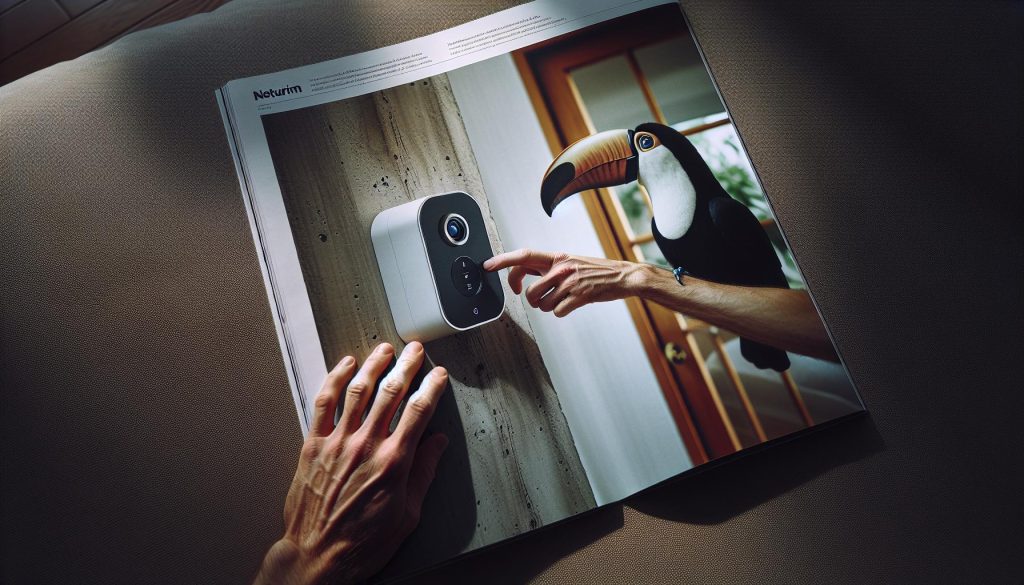
In today’s digital landscape, understanding how to turn off your Toucan Camera is essential for maintaining privacy and controlling your digital experience. Whether you’ve encountered a frustrating moment when the camera unexpectedly engages or simply wish to conserve battery life, knowing how to quickly disable it can enhance your device’s functionality. Many users grapple with camera settings, often unaware of how straightforward this process can be. By mastering this simple task, you gain peace of mind and streamlining of your daily tech interactions. Ready to learn the straightforward steps to turn off your Toucan Camera? Let’s dive in!
How to Locate the Toucan Camera Power Button
To easily locate the power button on your Toucan Camera, start by familiarizing yourself with the design and layout of the device. The power button is typically positioned on the top or side of the camera body, allowing for quick access. A common marker to look for is a symbol resembling a small circle with a vertical line through the top, which universally indicates the power function.
When holding the camera, ensure you are facing the lens. The power button may be slightly recessed to prevent unintentional activation. You can use your fingertip to feel for it if visibility is limited, especially in lower light conditions. Once identified, a simple press should activate or deactivate the camera, depending on the current state. If you’re unable to find it right away, consult the user manual for a diagram that specifies the location in detail, as different models may have slight variations.
By mastering the location of the power button, you’ll be better equipped to manage your filming sessions efficiently. Whether you’re capturing stunning wildlife moments or documenting memorable family outings, knowing how to quickly power on and off your Toucan Camera will enhance your overall experience, ensuring you don’t miss those fleeting opportunities.
Step-by-Step Guide to Powering Off

To effectively power off your Toucan Camera, it’s essential to follow a systematic approach that ensures you don’t accidentally leave it on, which could waste battery life or lead to unwanted recordings. Start by locating the power button, typically found on the top or side of the camera body. As previously mentioned, look for a symbol resembling a circle with a vertical line; this is the universal indicator for the power function.
Once you’ve identified the power button, hold the camera securely. If you’re unsure about its exact location, feel for any distinct tactile features that may guide you in low visibility situations. Press the power button gently. In most cases, a brief press will turn the camera off, but some models might require you to hold the button for a couple of seconds; this can prevent unintentional activation. After powering off, you should see the LED indicators on the device fade, confirming that the camera is no longer active.
If your camera does not turn off after pressing the button, try holding it for a longer duration. Another option is to check for software-based power-off options within the camera menu itself. Sometimes, troubleshooting steps may include resetting the camera, which can resolve lingering issues preventing it from powering down. Always refer to the user manual for model-specific instructions in such cases. By mastering this simple task, you not only ensure the longevity of your device but also maintain the readiness of your camera for your next adventure.
Troubleshooting Common Issues

It’s not uncommon for users to encounter issues when trying to power off the Toucan Camera, leading to frustration and confusion. One of the most common problems is that the camera may not respond to the power button immediately. If you find that pressing the button does not turn the camera off, try holding it for a longer duration, typically around three to five seconds, which usually triggers the shutdown sequence.
Another area to investigate is the camera’s battery status. Low battery can sometimes cause the device to behave erratically, including difficulties in powering down. If you suspect this might be the issue, ensure that your camera is charged or replace the battery if it’s removable. In some cases, the camera may still be in use due to an active recording or process. Double-check if any recording functions are active by verifying LED alerts or on-screen notifications, which could indicate that it is not safe to power down.
If the camera remains unresponsive, a software glitch might be the culprit. Look into the menu settings for a software-based power-off option; sometimes, performing a reboot via the menu can resolve the issue effectively. In extreme cases, performing a hard reset (consult the user manual for instructions) can clear out any corrupt data or settings preventing shutdown. This simple trick can often restore normal functionality.
Lastly, always keep your camera’s firmware updated. Manufacturers frequently release updates to fix bugs and improve the user experience. Regularly checking for updates can prevent many common issues from arising, including those related to powering down the device. By being proactive and informed about these troubleshooting tips, you will ensure a smoother experience with your Toucan Camera.
Understanding Camera Modes and Their Effects
Understanding the various camera modes available on the Toucan Camera can enhance your photography experience significantly. Each mode is tailored for specific environments and scenarios, allowing you to capture moments more effectively. For instance, the “Night Mode” is exceptional for low-light conditions, utilizing advanced sensor capabilities to brighten images while reducing noise. If you’re venturing out at dusk or in poorly lit indoor spaces, toggling to this mode can make a marked difference in the clarity and quality of the photos.
Another essential mode is the “Burst Mode.” It captures a rapid series of images in quick succession, making it perfect for action shots or lively subjects like birds in flight or toddlers at play. This is ideal for ensuring you get that perfect shot, especially when timing is critical. Just keep in mind that using this mode can quickly consume storage space, so it might require a little bit of management after your shoots.
To take full advantage of these modes, it’s important to explore the settings menu of your Toucan Camera. Many users may overlook the customizable features, but tweaking options such as exposure, focus, and resolution can greatly influence the final results. Familiarizing yourself with these settings before an important shoot can alleviate potential challenges. Always check whether you need to switch modes to fit the lighting conditions or the subject you are capturing, which can lead to better outcomes and help you avoid frustration later on when trying to recall what exactly went wrong in a photograph.
Overall, the camera modes are designed to cater to varying needs, and understanding their effects will empower you to make the most of your Toucan Camera, ensuring that every photo you take is a captivating one.
Impact of Powering Down on Battery Life
Powering down your Toucan Camera might seem like a simple task, but it plays a crucial role in prolonging your camera’s battery life. Each time you power off the camera, you help minimize unnecessary power consumption, which is especially beneficial when you’re not using it for extended periods. This can be a game changer in situations where you forget to charge your camera before an important shoot or when you’re out birdwatching all day with limited access to power sources.
One of the primary reasons cameras experience rapid battery drain is that many functions-such as Wi-Fi connectivity and sensor processing-remain active even when the camera is not in use. By ensuring you properly power down after your photography sessions, these energy-intensive components can rest, allowing your battery to last much longer. Even features like the LCD screen and any active stabilization systems can contribute to battery drain if left on. Thus, powering down the camera not only saves juice but also contributes to maintaining the overall health of the battery.
To enhance battery management, it’s also effective to adopt a few best practices. For instance, if you know you won’t be using the camera for a while, consider removing the battery altogether. This prevents any chance of phantom drain, which can occur even when the camera is switched off. Regular maintenance, such as ensuring the battery contacts are clean and not leaving the camera in extreme temperatures, can further extend battery life.
In conclusion, taking the time to power down your Toucan Camera properly is more than just a routine task; it’s an essential habit that can save you time and frustration in the long run. Keeping your camera charged and ready for action means that every moment you capture, especially in the dynamic world of birdwatching, is full of life and clarity.
Alternative Methods for Disabling the Camera
Powering down your Toucan camera is essential to conserving battery life, but there are several alternative methods to effectively disable the device without using the standard power button. Here are some techniques that can enhance your camera management and ensure you are maximizing your shooting time.
First, you can disable specific functions instead of turning the entire camera off. By accessing the settings menu, you might find options to turn off Wi-Fi or Bluetooth connectivity, alongside other features that consume power. This selective approach allows the camera to remain in a low-power state while still being ready for quick access. Turning off features like live view or image stabilization during non-use periods can also greatly reduce battery drain.
Another practical option is to remove the memory card, which can sometimes trigger a powered-down state in certain models. This simple action not only protects your data from corruption if the camera is accidentally turned on but can also help in minimizing the internal processes that keep the camera awake. Just be cautious to ensure that the camera is properly powered down before removing any components, as abrupt disconnections can lead to data loss or corruption.
For those who often use the camera sequentially during the day but might take extended breaks, consider using the camera’s hibernation feature (if available). This mode dramatically reduces power usage while allowing for quick reactivation when you’re ready to shoot again. Refer to your user manual for specific instructions on how to activate this mode, as it varies by model.
Lastly, familiarize yourself with any third-party camera management apps that could offer remote control of your camera’s settings. Some apps allow you to power down, manage settings, or even adjust modes directly from your smartphone. This is particularly useful in active shooting environments where physically accessing the camera might be inconvenient.
By exploring these avenues, you can effectively manage your Toucan camera’s power consumption and ensure that it’s ready whenever inspiration strikes, whether you’re birdwatching or capturing landscapes.
How to Reset the Toucan Camera
If you find yourself needing to reset your Toucan camera, whether due to technical glitches or functionality issues, the process is straightforward and can often resolve many common problems. Resetting your camera can restore default settings, which can help clear errors and ensure optimal performance.
To perform a reset, start by locating the reset button on your camera. This is typically a small pinhole button found on the side or bottom of the device. You will likely need a paperclip or a similar tool to press it. Once you’ve situated the button, follow these simple steps:
- Power On: Ensure your Toucan camera is powered on.
- Press the Reset Button: Using your paperclip, press and hold the reset button for about 10 to 15 seconds.
- Wait for the Indicator: Watch for the indicator light on the camera. After releasing the button, a change in the light pattern will typically signify that the reset process was successful.
- Reconfigure Settings: After resetting, you’ll need to re-enter your settings, including Wi-Fi configurations and any personalized adjustments you had made.
Additional Considerations
Resetting the camera can also be particularly useful if you’re planning to sell or give it to someone else. It ensures that your settings and data are cleared from the device. Always refer to your user manual for model-specific instructions, as some variations may exist.
If problems persist after a reset, consider troubleshooting additional issues. Checking for firmware updates or even repowering (turning off and on) can sometimes eliminate residual glitches.
By understanding how to effectively reset your Toucan camera, you will not only improve its functionality but also extend its usability, ensuring that you capture those fleeting moments in nature or on your adventures without interruption.
Tips for Future Camera Management
To keep your Toucan camera functioning smoothly, it’s essential to develop effective management habits that will enhance its performance and longevity. Regular attention to your camera’s settings and maintenance can prevent issues and ensure you always capture those precious moments.
First, actively manage your camera’s battery life by turning it off during periods of inactivity. Understanding how each feature consumes power can help you make informed decisions about what to enable or disable. For instance, turning off Wi-Fi when not in use can significantly prolong battery life, especially during long shoots. Using a dedicated camera case or pouch not only protects it from physical damage but also helps in managing its space efficiently, making it easy to transport and less prone to accidental power activation.
Additionally, consider developing a routine checkup plan for your camera. Regularly inspect the lens for dirt or smudges and clean them with a soft cloth specifically designed for optics. This ensures clear image quality and enhances the overall performance of your device. Moreover, updating the firmware as recommended by the manufacturer can fix bugs and introduce new features, so keeping an eye out for updates can enhance your camera’s functionality.
Lastly, keeping a journal of your camera settings and shooting conditions can provide invaluable insights into what works best for you. Not only can this help in perfecting your technique, but it also allows you to replicate successful shots in the future. Engage with communities or forums for user reviews and experiences. Sharing insights and tips can pave the way for new techniques and enhance your overall photography experience. Managing your Toucan camera effectively will lead to improved results and a more seamless shooting experience, allowing you to focus on your passion for capturing stunning images.
User Reviews and Experiences with the Toucan Camera
User reviews reflect a spectrum of experiences with the Toucan camera, highlighting both its impressive capabilities and occasional frustrations. Many users praise the camera for its ease of use, particularly when it comes to turning off the device after a session. A frequent point of discussion is the clarity of instructions on powering down; users appreciate straightforward steps that help them conserve battery life, especially during prolonged photo sessions.
In particular, individuals value the reliability of the power button’s location, often highlighting how a quick press can save them from draining the battery inadvertently while transporting the camera. One user noted how, after a day of shooting, they had forgotten to turn off the camera when swapping lenses, resulting in a dead battery for their next outing. Sharing your own experience can enhance the community: you’re likely to discover many others grappling with similar issues when it comes to remembering to power down.
Moreover, user feedback often emphasizes the importance of regular maintenance and how it plays a role in their overall satisfaction with the camera. Reviews frequently recommend keeping a checklist for powering off the camera and checking for firmware updates to ensure all features function optimally. This proactive approach can minimize the chance of technical difficulties that might arise due to neglect.
In summary, experiences shared in forums and reviews serve as valuable learning tools, allowing new users to navigate common challenges effectively. The collective wisdom of the community underscores the importance of understanding not just the mechanics of powering off, but also the broader implications for performance and longevity. Engaging with user stories can provide crucial insights and help refine your own camera management practices.
Comparison with Similar Camera Models
When considering the Toucan camera, it’s insightful to compare it with similar models on the market. Understanding how it stacks up not only helps in appreciating its unique features but also aids potential buyers in making informed decisions. For instance, many entry-level cameras like the Nikon Coolpix series and the Canon PowerShot range offer user-friendly interfaces, often prioritizing simplicity and portability, much like the Toucan camera. However, the Toucan distinguishes itself with its compact design and robust connectivity options, making it particularly appealing for users who value seamless integration with smartphones and social media platforms.
In terms of functionality, the Toucan camera may feature specialized shooting modes that enhance its versatility. Comparatively, models like the GoPro Hero series focus heavily on action shots and durability, targeting thrill-seekers and adventure enthusiasts. The Toucan’s ability to capture high-quality images in various settings is commendable, yet its operational ease during power management-like turning off the camera quickly-allows users to save battery life efficiently, something that can be a challenge for users of more complex models.
Notably, price points can also vary significantly across these camera brands. While the Toucan may offer a middle ground in terms of features and affordability, competitors like Sony’s RX series provide high-end capabilities that can sometimes justify a steeper price, but often require a steeper learning curve. Consumers looking for a blend of performance and simplicity often find Toucan cameras a great choice, particularly for casual photography or social media usage where ease of use is paramount.
Ultimately, while comparing the Toucan camera with similar models, it’s crucial to weigh not only the specifications but also the user experience. Many users might appreciate features such as a quick power button function that can enhance their workflow. By evaluating these aspects, potential buyers can select a camera that best fits their photographic needs and lifestyle.
Essential Maintenance Tips for Your Camera
To ensure your camera remains in top condition, regular maintenance is imperative. Like the vibrant toucan, known for its stunning colors and active lifestyle, your camera too requires attention to thrive and deliver the best performance. Here are some essential maintenance tips to help you keep your Toucan camera functioning optimally.
Firstly, always ensure your lens is clean. Use a soft, lint-free microfiber cloth to gently wipe the lens before and after each use. This simple step can prevent smudges and dust from ruining your photos. For tougher spots, a few drops of lens cleaner can be applied to the cloth-never directly on the lens-to maintain its clarity.
Battery Care
Battery health is crucial for your camera’s performance. To maximize battery life, avoid letting the battery drain completely before recharging. Ideally, charge your battery when it reaches about 20-30% power. Also, if you plan on not using your camera for an extended period, remove the battery to prevent potential leaks, which can damage the internal components.
Firmware Updates
Make it a habit to check for firmware updates regularly. Manufacturers often release updates that enhance performance and add new features. Connecting your camera to your computer or the manufacturer’s app can provide a straightforward way to stay current, ensuring you get the best possible functionality.
Storage and Handling
How you store your camera makes a significant difference in its lifespan. Keep it in a cool, dry place away from direct sunlight, preferably in a padded case that protects against drops. Additionally, exercise care when handling the camera and avoid exposing it to extreme temperatures or moisture, which can lead to malfunctions.
By following these essential tips, you’ll not only extend the life of your Toucan camera but also enhance your overall photography experience. Just as a birdwatcher learns to observe and care for the delicate habits of their feathered friends, nurturing your camera will ensure it remains a trusty companion in your photographic adventures.
Q&A
Q: How do I turn off the Toucan Camera?
A: To turn off the Toucan Camera, locate the power button, usually found on the side or back of the device. Press and hold the button for a few seconds until the camera powers down. Refer to the “Step-by-Step Guide to Powering Off” in your manual for detailed instructions.
Q: What should I do if my Toucan Camera won’t turn off?
A: If your Toucan Camera doesn’t turn off, try holding the power button for a longer duration (around 10 seconds). If it still doesn’t respond, check your battery and ensure it’s charged. For persistent issues, consult the “Troubleshooting Common Issues” section of your manual.
Q: Can I disable the Toucan Camera without turning it off?
A: Yes, you can disable the camera by switching it to ‘Idle’ mode or ‘Standby’ mode if available. This will stop recording without powering it down. Check the “Understanding Camera Modes” section to explore available options.
Q: Will powering down the Toucan Camera save battery life?
A: Yes, powering down the Toucan Camera when not in use significantly extends battery life. To learn more about how different modes impact battery usage, refer to the “Impact of Powering Down on Battery Life” section in your manual.
Q: How can I reset my Toucan Camera if it won’t turn off?
A: To reset your Toucan Camera, press and hold the reset button (if available) or the power button while the camera is off. This will restore factory settings, potentially resolving issues. Check the “How to Reset the Toucan Camera” section for detailed instructions.
Q: What are alternative methods to disable the Toucan Camera?
A: Other than the power button, you can disable the Toucan Camera through app integration if applicable, or simply remove the battery. This can be more effective for prolonged periods of non-use. See the “Alternative Methods for Disabling the Camera” section for more options.
Q: How do I manage my Toucan Camera for better performance?
A: For better performance, regularly charge your camera, update its software, and clean the lens. Refer to the “Tips for Future Camera Management” section to enhance user experience and maintain efficiency.
Q: Where can I find user reviews for the Toucan Camera?
A: User reviews can often be found on tech review websites, forums, or product pages. For insights, visit the “User Reviews and Experiences with the Toucan Camera” section in your product manual or online support pages.
In Summary
Now that you’ve learned how to turn off your Toucan Camera, it’s time to put your knowledge into action! Whether you’re wrapping up a video call or preserving battery life, mastering this simple task ensures you can always maintain control over your devices. If you have any lingering questions or need assistance with related settings, don’t hesitate to check out our detailed guides on maximizing camera performance and troubleshooting common issues.
Ready to dive deeper? Explore our articles on enhancing your videoconferencing experience or discover tips for maintaining your tech gear. Join our newsletter for the latest updates, tips, and tricks tailored just for you. We’d love to know how these instructions worked for you-share your thoughts or ask questions below! Your feedback is essential in helping us improve. Let’s stay connected as you navigate your tech challenges!
Get our latest guides, news, and insights highlighted in your Google Search & AI Overviews.










