

Did you know that the Short-Tailed Hawk is not just a striking bird of prey, but also a master of the skies, known for its unique morphs and impressive flight patterns? This captivating species showcases a variety of colorations, making it a favorite among birdwatchers and nature enthusiasts alike. Understanding the Short-Tailed Hawk’s diverse appearances and soaring techniques can enhance your appreciation of avian life and improve your identification skills in the wild. Whether you’re a beginner eager to learn or an experienced birder looking to expand your knowledge, uncovering the secrets of its remarkable behaviors and adaptations promises to enrich your birdwatching adventures. Join us as we delve into the fascinating world of the Short-Tailed Hawk, exploring its morphs, flight dynamics, and the ecological importance of this stunning raptor.
Short-Tailed Hawk: Overview of the Species
The Short-Tailed Hawk, known for its distinctive appearance and remarkable agility, stands out among raptors due to its unique adaptations and behaviors. With a wingspan of approximately 31 to 42 inches, this species exhibits a broad, short-tailed profile that aids in its impressive aerial maneuvers. Found predominantly in the tropical forests of Central and South America, these hawks thrive in environments that support their hunting techniques, primarily preying on small mammals, reptiles, and birds. Their plumage ranges from dark chocolate brown to a more rufous hue, which not only serves as camouflage but also plays a role in their social interactions during the breeding season.
One of the captivating aspects of the Short-Tailed Hawk is its incredible soaring capability. On a clear day, you might witness these hawks effortlessly gliding on thermals, allowing them to conserve energy while scanning large areas for prey. This soaring behavior is not just a means of locomotion but a tactical advantage, as it enables them to spot potential food sources from impressive heights. As they soar, their characteristic wings are often positioned in a slight dihedral, which gives them stability and efficiency in flight.
The diversity within the species is significant, with various morphs demonstrating different colorations and patterns. These adaptations may help in survival, as certain morphs can blend into their environments more effectively than others. Observing these differences in feather coloration and patterns can be particularly exciting for birdwatchers and enthusiasts. For anyone interested in birding, understanding the characteristics and behaviors of the Short-Tailed Hawk can greatly enhance your field experience, making each sighting not just a moment of appreciation but an opportunity to learn about these fascinating creatures.
By monitoring their behaviors and habits, birdwatchers can sharpen their skills in identifying this species in the wild. Whether you find yourself in a bustling rainforest or a tranquil coastal region, the Short-Tailed Hawk’s presence is often a testament to the health of the ecosystem, a reminder of the balance of nature, and a thrill for anyone lucky enough to observe one in flight.
Unique Morphs of the Short-Tailed Hawk
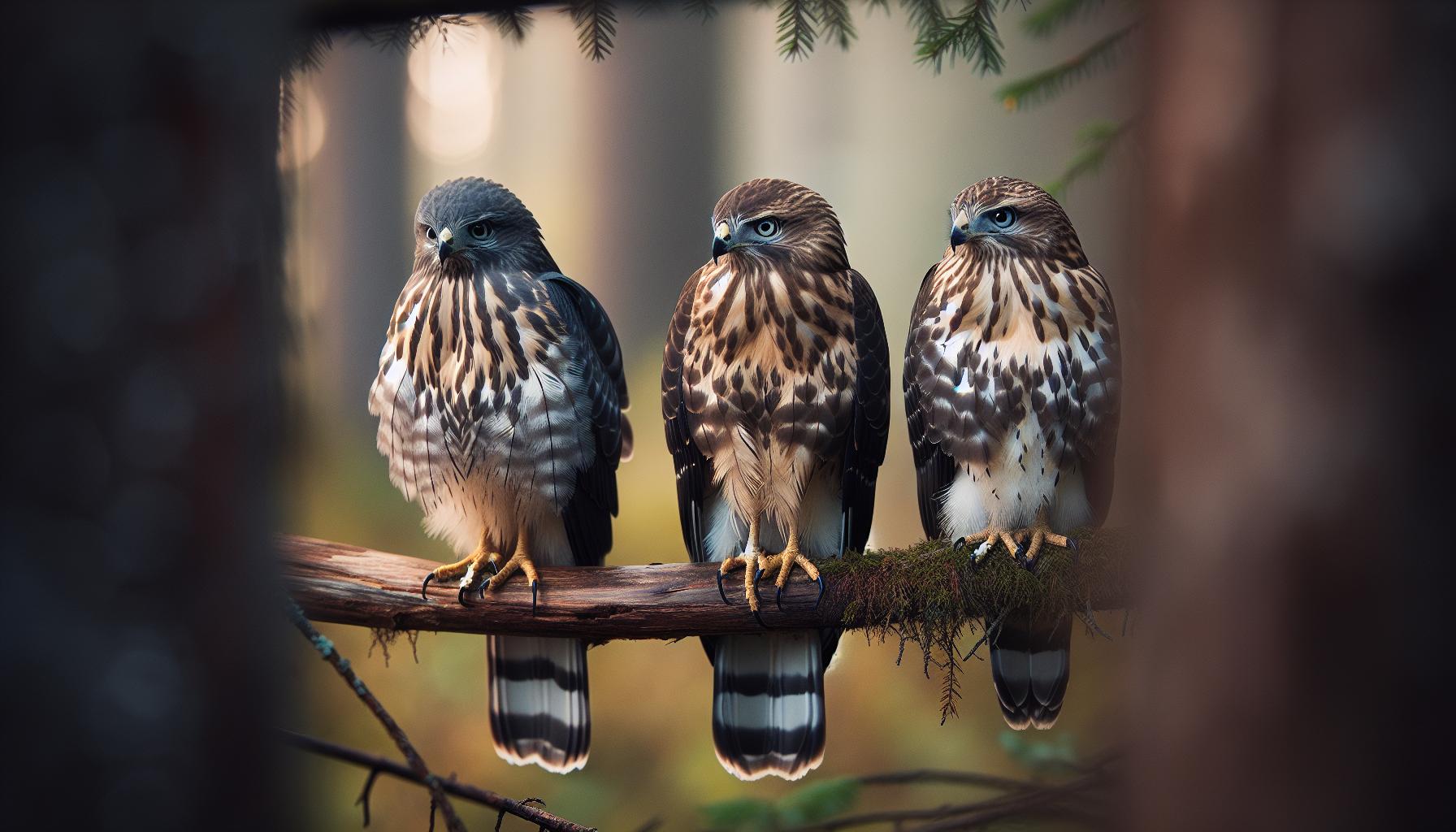
The Short-Tailed Hawk is a fascinating species not only for its remarkable agility and soaring capabilities but also for the diversity of morphs within its population. These variations in color and pattern are not simply aesthetic; they play crucial roles in adaptation and survival. Observing these unique morphs can be an exhilarating experience for bird enthusiasts, offering insight into the ecological dynamics at play in their habitats.
Each morph of the Short-Tailed Hawk presents a different set of visual characteristics, ranging from deep chocolate browns to vibrant rufous tones, sometimes even adorned with intricate patterns. These differences can enhance their camouflage within the lush environments they inhabit, assisting them in stealthily hunting their prey. For example, a darker morph may blend more seamlessly into a shadowy forest canopy, while a lighter variant might thrive in more open settings where sunlight filters through. This adaptability also reflects the ecological niches these hawks occupy, demonstrating the interconnectedness of species with their habitats.
Different regions may exhibit distinct predominant morphs due to local environmental conditions and prey availability. Birdwatchers keen on spotting these variations will often find that understanding these adaptations enhances their field experience. Keeping an eye out for the specific coloration of each individual can also aid in identification, especially when considering their compact, broad profiles and unique facial markings that differ slightly among morphs.
For those interested in documenting this diversity while birdwatching, consider the following tips: bring a good pair of binoculars to observe the subtle differences from a distance, record your sightings with notes on coloration and behavior, and if you’re lucky enough to photograph them, ensure you capture the environment that complements their unique features. Sharing these observations contributes to a richer understanding of the Short-Tailed Hawk and its ecological significance, inviting a deeper appreciation for the complexities of avian life.
Behavioral Patterns: Soaring Techniques Explored

The Short-Tailed Hawk’s soaring flight techniques are a spectacular display of agility and grace that captivate birdwatchers and nature enthusiasts alike. This species utilizes various soaring methods that not only facilitate efficient travel through its environment but also enhance its hunting capabilities. Whether gliding on thermal currents or executing sharp, agile turns, the Short-Tailed Hawk exhibits remarkable aerial prowess.
One of the most fascinating aspects of their behavior is the use of thermals. These rising columns of warm air allow the hawk to gain altitude without expending much energy. Observers often see these birds circling in a tight spiral as they ascend, riding the thermals to impressive heights. Once they reach the desired altitude, they can glide vast distances, scanning the landscape below for potential prey. Understanding these thermal patterns can greatly enhance the experience of spotting these hawks in the wild.
Another key aspect of their soaring techniques is dynamic soaring, which is particularly evident during hunting flights. When a hawk identifies prey, it will often transition from a high glide into a rapid, controlled dive, leveraging both gravity and aerodynamic efficiency to close in on its target with remarkable speed. This technique is crucial for hunting in open habitats where they rely on speed and precision to catch small mammals and birds. Recognizing the signs of a hawk preparing to dive, such as sudden changes in posture and flight angle, can help birdwatchers anticipate action and capture stunning moments in their photography.
For birdwatchers hoping to observe these techniques, it’s beneficial to choose locations that provide good visibility of the sky, where thermal activity is common. Bringing along binoculars can enhance your viewing experience, allowing you to appreciate the intricate maneuvers these birds perform high above. Documenting your observations each time you spot a Short-Tailed Hawk can also enrich your understanding and appreciation of their incredible flying abilities.
Habitat Preferences: Where to Find Short-Tailed Hawks

The Short-Tailed Hawk thrives in a variety of habitats that provide ample hunting opportunities and suitable nesting sites. Typically, these hawks prefer open, elevated areas where they can easily scan the ground for prey. They are often found in regions with a mix of forests and open fields, such as savannas, grasslands, and the edges of woodlands. This diverse habitat selection not only supports their hunting strategies but also allows them to leverage their impressive soaring techniques.
To spot these magnificent birds, consider exploring regions that feature significant thermal activity. In mountainous areas or locations with rolling hills, you may find them soaring gracefully on the warm currents of air. The hawks are particularly active during the warmer months when thermal columns are prevalent. If you are in areas with a combination of lowland forests and open fields, that’s another great opportunity; they often hunt in these spaces where their stealth and speed can be fully utilized.
Moreover, the Short-Tailed Hawk is known to adapt to urban environments, sometimes being spotted in parks or open spaces within cities, provided there are sufficient perches and hunting locations nearby. This adaptability can make birdwatching exciting, as you might encounter them even in more populated areas.
For those keen on observing these hawks, utilizing tools like birding apps can enhance your experience by pinpointing locations where sightings are reported frequently. Remember, patience is key; often, you may need to spend time in a chosen spot. With time and the right conditions, you may witness the stunning aerial displays and hunting prowess of the Short-Tailed Hawk.
Diet and Hunting Strategies of the Short-Tailed Hawk
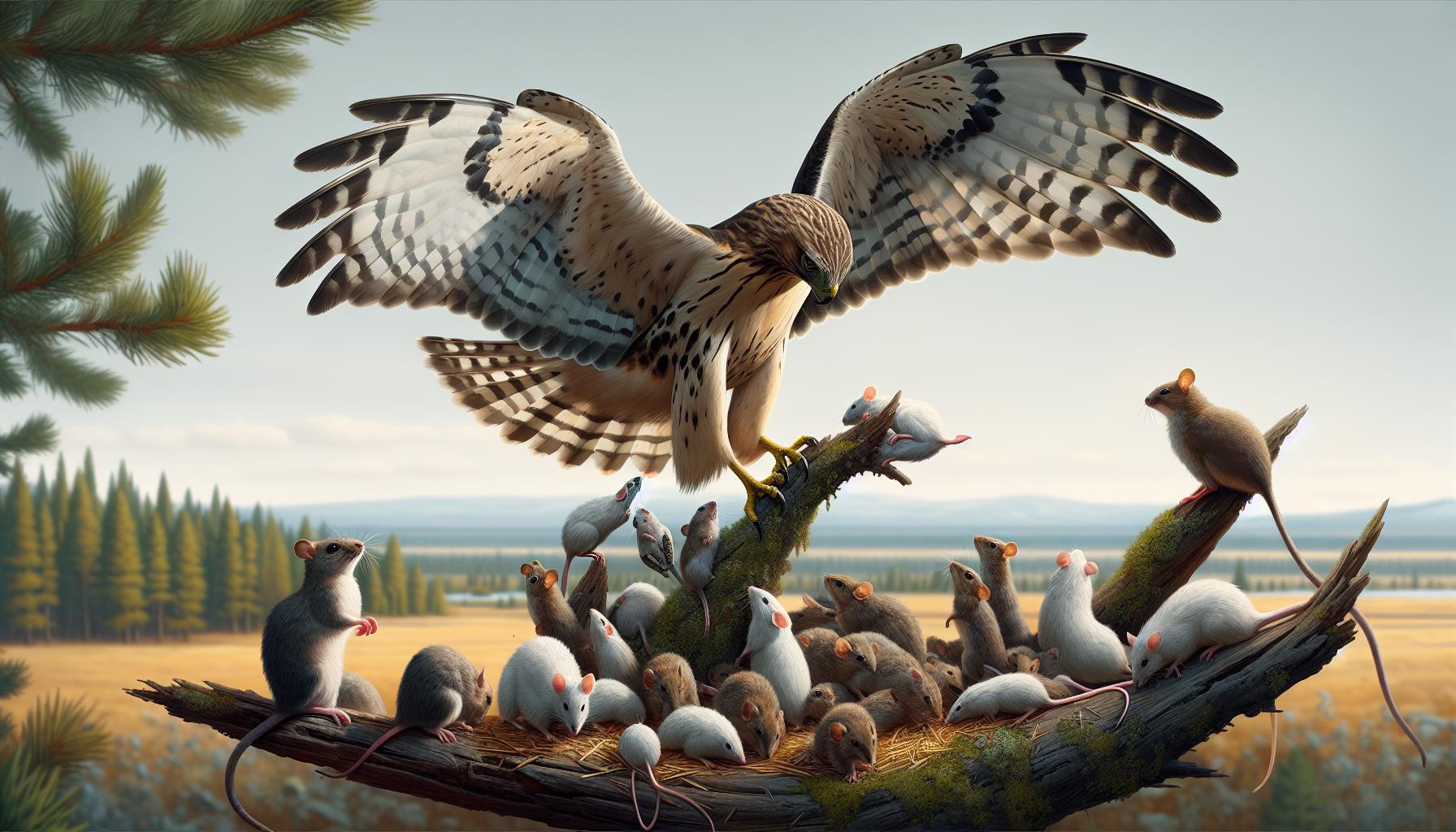
The Short-Tailed Hawk is not only adapted to varying habitats but also exhibits fascinating diet and hunting strategies that showcase its prowess as a raptor. Known for their remarkable aerial abilities, these hawks primarily hunt small mammals and birds, which they skillfully capture through a combination of stealth and speed. Their impressive eyesight allows them to spot prey from great heights, making them effective hunters in diverse environments.
Hunting Techniques
The hunting strategies of Short-Tailed Hawks can be categorized into two main techniques: soaring and ambush. Soaring is particularly effective in open areas, where these hawks utilize thermals to gain altitude effortlessly. From high vantage points, they can glide on rising warm air currents while scanning the ground for movement. Once they identify a target, they might dive down in a swift, controlled manner, often surprising their prey with the sudden attack.
Conversely, in forested or dense habitats, Short-Tailed Hawks may resort to ambush tactics. They will perch quietly on a branch, waiting for unsuspecting small mammals and birds to come within striking distance. With their powerful legs and sharp talons, they can make quick work of capturing their prey, often catching it off-guard.
Dietary Preferences
The diet of the Short-Tailed Hawk is diverse but mainly focuses on small species. Common prey includes:
- Rodents (such as mice and voles)
- Small birds (like sparrows and finches)
- Insects (caterpillars and grasshoppers)
Interestingly, their dietary habits can shift depending on habitat availability and the time of year. During certain seasons, when small mammal populations sway, these hawks may turn more towards birds or even reptiles when necessary, showcasing their adaptability. Birdwatchers often find them hunting actively during dawn and dusk, moments when their prey is most vulnerable.
Practical Birdwatching Tips
To observe these captivating hunting behaviors, keen birdwatchers should consider visiting areas during these key times. Bring binoculars to spot them soaring overhead or perched patiently in trees. Pay attention to their habitat preferences and the types of prey available in the area, as this will enhance your chances of witnessing a hunting attempt, elevating the excitement and thrill of hawkwatching.
Breeding and Nesting Habits Explained
The breeding and nesting habits of the Short-Tailed Hawk offer fascinating insights into their life cycle and reproductive strategies. These hawks typically initiate their nesting activities in the late winter to early spring, depending on their geographical location. The female plays a central role in selecting the nesting site, often choosing elevated locations such as tall trees or cliffs that provide a commanding view of the surrounding area, reducing the risk of predation.
The construction of the nest is a beautifully collaborative effort, as both sexes participate in building a sturdy structure made from sticks, leaves, and other natural materials. Nests are often lined with softer materials, like moss or feathers, to create a comfortable environment for the young chicks. On average, a female will lay two to four eggs, which she incubates for about 30 to 35 days. During this period, the male hunts diligently to bring food back to the incubating female, ensuring she remains nourished.
Once the eggs hatch, the chicks are altricial, meaning they are born helpless and require extensive care. Over the following weeks, both parents play active roles in feeding and protecting their young. As the chicks grow, they develop their renowned soaring capabilities, and by about six weeks, they begin to take short flights, practicing their skills under the watchful eyes of their parents. This extended parental care ensures a higher survival rate, as fledglings learn crucial hunting techniques and social behaviors before venturing out on their own.
Understanding the breeding patterns of the Short-Tailed Hawk not only enhances our appreciation of their adaptive behaviors but also reinforces the importance of protecting their nesting habitats. Preservation of their environment is critical for maintaining healthy populations of these remarkable raptors. Birdwatchers interested in witnessing these amazing birds should consider visiting known nesting areas during the breeding season, always keeping a respectful distance to avoid disturbing the families as they raise their young.
Comparative Analysis: Short-Tailed Hawks vs. Similar Species
The Short-Tailed Hawk is a fascinating raptor, distinctively characterized by its robust physique and remarkable flying abilities. In comparing it with similar species, such as the Red-Tailed Hawk and the Swainson’s Hawk, several key differences and similarities emerge, enriching our understanding of these incredible birds of prey.
One of the most defining features of the Short-Tailed Hawk is its short, square-shaped tail, which distinguishes it from the often longer-tailed Red-Tailed Hawk. The Red-Tailed Hawk’s tail is typically reddish-brown and helps in gliding for extended periods. In contrast, the Short-Tailed Hawk exhibits more agility and acrobatic prowess in flight, frequently adapting swift maneuvers to chase prey among dense vegetation. While both species can be seen performing soaring techniques, the Short-Tailed Hawk often combines soaring with rapid, agile turns, a behavior more commonly seen in its counterpart, the Swainson’s Hawk, which displays elegance in extended glides but usually over open terrain.
Examining their habitats reveals adaptations worthwhile noting. The Short-Tailed Hawk thrives in tropical and subtropical environments, favoring areas dense with forest cover. This preference contributes to its hunting strategy, where it often ambushes prey from hidden perches. Conversely, the Red-Tailed Hawk is highly adaptable, frequenting grasslands, deserts, and urban settings, allowing it a broader scope in finding food and nesting sites, thus making it one of the most familiar hawks across North America.
In terms of diet, Short-Tailed Hawks primarily hunt small mammals and birds, relying on stealth and sudden bursts of speed for their attacks, similar to the Swainson’s Hawk. However, the Swainson’s Hawk has a unique advantage in its migratory patterns, as it can cover vast distances, primarily preying on insects during migration. While not as migratory, the Short-Tailed Hawk demonstrates localized movements in response to prey availability, showcasing flexibility in survival strategies.
For birdwatchers and enthusiasts, understanding these comparative dynamics enhances the experience of observing these species in the wild. Each hawk represents a unique adaptation to its environment, making the study of their interactions and behaviors a rewarding endeavor in avian ecology. Whether you’re soaring high with your binoculars or digging into field guides, every moment spent observing these magnificent hawks reveals more about nature’s intricate web of life.
Tracking Migration Patterns of Short-Tailed Hawks
The Short-Tailed Hawk, with its striking appearance and impressive agility, presents unique insights into raptor migration patterns. Unlike more migratory raptors, such as the Swainson’s Hawk, the Short-Tailed Hawk remains less predictable in its migratory behavior. Specifically, they exhibit localized movements often driven by prey availability rather than a clear migratory route. This flexibility allows them to adapt quickly to seasonal changes in their tropical and subtropical habitats, where food sources may fluctuate throughout the year.
Understanding Migration Behavior
Interestingly, while Short-Tailed Hawks are not known for extensive migration like some of their relatives, individuals have been observed moving seasonally within specific ranges. These movements often align with the availability of small mammals and birds, their primary food sources. During times of low prey abundance, we might notice a group of these hawks moving to different forested areas in search of better hunting grounds. Birdwatchers frequently see them soar gracefully over their territories or perched strategically, always ready to pounce on unsuspecting prey.
Tracking Techniques
To effectively track these hawks, enthusiasts can employ various methods:
- Field Observations: Regularly visiting known habitats during different seasons can yield exciting sightings. Pay attention to shifts in weather and food supply; these factors often influence hawk activity.
- Community Science Projects: Participating in or following local birding groups can provide valuable insights. Collaborative tracking efforts enhance knowledge about migration patterns and frequency in different regions.
- Technology Use: Utilizing apps and websites that track bird movements and migrations can aid in finding Short-Tailed Hawks. Some researchers even use telemetry to monitor specific individuals, contributing to academic studies and public knowledge.
By engaging with these diverse methods of observation and tracking, birdwatchers can deepen their understanding of the Short-Tailed Hawk’s behavior and migration preferences. Spotting these agile raptors in the wild not only enriches our appreciation for nature’s intricacies but also highlights the importance of habitat conservation for these remarkable birds.
Cultural Significance of the Short-Tailed Hawk
The Short-Tailed Hawk occupies a notable position in cultural narratives and symbolism across various societies. Known for its remarkable adaptability and striking visual appeal, this bird often captures the human imagination, serving as a powerful symbol of insight and freedom. In many Native American cultures, the hawk is revered as a messenger between the earthly and spiritual realms, embodying vision and clarity. Its adept flying skills and keen hunting instincts are often likened to the wisdom of seeing beyond the ordinary and understanding the complexities of life.
Beyond its symbolic presence, the Short-Tailed Hawk plays a vital ecological role in its habitat, influencing local folklore and conservation efforts. As a top predator, it maintains the balance within its ecosystem, controlling populations of small mammals and birds, which in turn supports a diverse array of other species. This interconnectedness has led communities to celebrate the hawk’s presence in art, stories, and community events, emphasizing the importance of protecting its habitat for future generations.
For birders and enthusiasts, observing the Short-Tailed Hawk can bring personal meaning as well. Many find inspiration in its soaring flight patterns, which symbolize freedom and perseverance. Whether it’s through guided birdwatching tours or local conservation programs, engaging with these majestic birds can foster a deeper appreciation for nature and the critical role that every species plays in our environment. By sharing experiences and knowledge about this species among birdwatchers, we can encourage efforts to protect and conserve the habitats that sustain the Short-Tailed Hawk, ensuring that future generations may enjoy its beauty long into the future.
Conservation Status: Challenges and Efforts
In the dynamic world of avian conservation, the Short-Tailed Hawk illustrates both the beauty and the fragility of ecological balance. This remarkable raptor, known for its striking plumage and adept soaring techniques, faces a variety of challenges that put its populations at risk. Habitat destruction, primarily due to urban development and agricultural expansion, stands as one of the most significant threats. These activities not only reduce the available hunting grounds for these birds but also limit their nesting sites, essential for successful breeding.
Efforts to conserve Short-Tailed Hawks include habitat restoration projects and the creation of protected areas where these birds can thrive. Conservation organizations often collaborate with local governments and communities to establish awareness about the importance of preserving natural habitats. Community engagement plays a key role as local birdwatchers and enthusiasts can assist in monitoring populations and reporting sightings, which is crucial for tracking the hawks’ migratory patterns and nesting success.
Moreover, understanding their unique morphs and soaring flight patterns can aid in conservation strategies. For instance, education about these characteristics provides insights into their hunting methods, informing practices that can mitigate human-wildlife conflict, particularly in areas where the hawks share territory with agricultural activities. Birders can contribute to these efforts by sharing personal sightings and experiences, helping to cultivate a broader appreciation for the Short-Tailed Hawk and its ecological role.
Persistent threats from climate change are becoming increasingly pertinent, affecting prey availability and nesting conditions. As temperatures shift and weather patterns become more erratic, dedicated conservationists must adapt strategies to safeguard the Short-Tailed Hawk’s future. Active participation in local conservation initiatives and continuous monitoring are vital, ensuring these stunning birds continue to soar through our skies, exemplifying the resilience of nature. As you engage with the world of birdwatching, remember that every observation can contribute to meaningful conservation efforts that support the Short-Tailed Hawk and many other species in need.
Tips for Birdwatching: Spotting Short-Tailed Hawks
The thrill of spotting a Short-Tailed Hawk in its natural habitat is a rewarding experience for any birdwatcher. These magnificent raptors are known for their striking plumage and impressive flight techniques, making them a prized sighting among enthusiasts. Their distinctive characteristics not only enhance their beauty but also provide clues for effective birdwatching.
To begin your search, consider the morphs of the Short-Tailed Hawk, which include variations in color from dark brown to light gray. Understanding the differences can greatly aid in identification. This hawk often has a short, broad tail and relatively large wings, giving it a unique silhouette as it soars or glides. Look for them in open areas near forests or wetlands where they tend to perch on prominent trees or even power lines, scanning for prey. Mornings and late afternoons are particularly active feeding times, increasing your chances of spotting one.
Soaring Techniques
Short-Tailed Hawks are masters of soaring flight. They utilize thermals-columns of rising warm air-to gain altitude with minimal effort. By observing these flight patterns, you can spot them more easily against the sky. Look for their characteristic flap-and-glide style, which involves a few beats of the wings followed by extended gliding. If you see a hawk soaring high and circling with wings outstretched, there’s a good chance it’s a Short-Tailed Hawk, particularly if it’s in the appropriate habitat.
- Equipment: Bringing binoculars with a good range (at least 8x) can enhance your viewing experience. A field guide specific to raptors can also provide additional insights into behaviors and identification.
- Patience: Spend time observing potential hunting sites. Sometimes it might be necessary to wait quietly to catch a glimpse of these hawks in action.
- Documenting Sightings: It’s helpful to keep a birdwatching journal, noting the dates, times, and behaviors observed. This not only enriches your experience but also contributes to understanding migration patterns if shared with local birding communities.
By embracing these tips, you’ll not only improve your chances of spotting a Short-Tailed Hawk but also deepen your appreciation for this remarkable species and its role within the ecosystem. So grab your binoculars and embark on an adventure that honors both the thrill of discovery and the conservation of these extraordinary birds.
How to Photograph Short-Tailed Hawks Effectively
Capturing the essence of a Short-Tailed Hawk through photography requires not only a keen eye but also an understanding of their behavior and unique characteristics. These raptors offer stunning opportunities for photographers, especially with their varied morphs and dynamic soaring patterns. As you prepare your gear, remember that success lies in patience and planning.
To start, choosing the right equipment is crucial. A camera with a fast shutter speed will help freeze their impressive flight moments, while a telephoto lens (300mm or longer) allows you to capture detailed shots from a distance without disturbing them. Additionally, consider using a tripod or a stable surface to reduce camera shake, especially when tracking these agile flyers.
Timing your outings is just as important. Early mornings and late afternoons provide the best lighting, enhancing the colors of their plumage and the beauty of the landscape. During these hours, Short-Tailed Hawks are often more active, hunting or soaring in search of prey. Position yourself in open areas where these hawks are known to perch, such as tall trees near wetlands or expansive fields.
Focus on their behavior to increase your chances of getting that perfect shot. Watch for their soaring techniques, particularly when they utilize thermals-these rising columns of warm air help them gain altitude effortlessly. Capturing them while gliding with wings fully extended can create breathtaking images. A good tip is to anticipate where they’ll soar next-often, they’ll circle back to the same thermal, allowing for multiple shots.
Lastly, be respectful of their environment and space. Use a blind or camouflaged gear to keep a low profile, which helps in avoiding scaring them away. Remember, the goal is to observe and document their beauty while contributing to the understanding of their behaviors and habitats. With these strategies, you’ll be well on your way to capturing stunning photographs of Short-Tailed Hawks that showcase their grace and intrigue in the wild.
FAQ
Q: What are the different morphs of the Short-Tailed Hawk?
A: The Short-Tailed Hawk exhibits various color morphs, primarily categorized into gray-brown and rufous. These morphs can be distinguished by their plumage patterns, with rufous individuals displaying richer, reddish tones, while gray-brown morphs offer a more muted appearance. Understanding these variations aids in bird identification during observation.
Q: How do Short-Tailed Hawks soar and what techniques do they use?
A: Short-Tailed Hawks utilize dynamic soaring techniques, often soaring in circles to gain altitude. They can exhibit distinctive glides with minimal wing flapping, allowing them to efficiently cover large areas while searching for prey. Observing their flight patterns can enhance birdwatching experiences, offering insights into their behavior.
Q: When is the best time to observe Short-Tailed Hawks in flight?
A: The best time to observe Short-Tailed Hawks is during the warmer months, particularly from spring through early fall. They are most active during early morning and late afternoon, taking advantage of thermal updrafts for soaring. Plan your birdwatching trips during these peak periods for optimal sightings.
Q: Why do Short-Tailed Hawks prefer specific habitats for nesting?
A: Short-Tailed Hawks prefer open woodlands and forest edges for nesting due to the availability of suitable perches for hunting and reduced human disturbance. These habitats provide a balance of cover and open areas, crucial for their survival and hunting efficiency. Understanding habitat preferences can help in locating their nests.
Q: What role do Short-Tailed Hawks play in their ecosystem?
A: Short-Tailed Hawks are vital for controlling rodent and small bird populations, maintaining ecological balance. Their hunting strategies impact prey species abundantly, contributing to the overall health of their ecosystems. Observing their behavior provides insights into predator-prey dynamics that are essential for ecology enthusiasts.
Q: How can you tell a Short-Tailed Hawk apart from similar species?
A: To distinguish Short-Tailed Hawks from similar species, observe their size, wing shape, and coloration. They typically have shorter tails and broader wings compared to other hawks. Notably, their soaring flight patterns can also provide identification clues. Pay attention to these features when birdwatching for accurate identification.
Q: What are common threats to the Short-Tailed Hawk population?
A: Common threats to Short-Tailed Hawk populations include habitat destruction, climate change, and human encroachment. Conservation efforts focus on protecting their habitats and monitoring populations to ensure their survival. Awareness of these challenges can promote informed birdwatching practices and support conservation initiatives.
Q: How can birdwatchers best spot Short-Tailed Hawks in their natural habitat?
A: To effectively spot Short-Tailed Hawks, choose locations with open fields or woodland edges during their active periods. Utilize binoculars for a closer view and learn their calls for auditory identification. Understanding their behavior, such as soaring techniques, will increase your chances of successful sightings and enrich your birdwatching experience.
Concluding Remarks
Thank you for exploring the fascinating world of the Short-Tailed Hawk, where we’ve uncovered the beauty of their morphs and breathtaking soaring flight patterns. Remember, whether you’re a novice wanting to learn more about birdwatching or a seasoned enthusiast seeking deeper insights, the Short-Tailed Hawk offers endless opportunities for discovery. Don’t let this moment pass! Dive deeper into our articles on bird behavior or migration patterns to expand your knowledge.
Have questions or experiences to share? We invite your thoughts in the comments below and encourage you to sign up for our newsletter for the latest updates and expert tips delivered right to your inbox. Your journey in ornithology doesn’t have to end here-check out our guide to birdwatching techniques next, and let’s keep the conversation soaring! Embrace your passion and continue learning about these magnificent birds today.
Get our latest guides, news, and insights highlighted in your Google Search & AI Overviews.










