

Have you ever marveled at how pigeons effortlessly navigate the skies? While they might seem like everyday birds, their flight capabilities are impressive and deserve a closer look. Pigeons, particularly homing pigeons, can fly at astonishing speeds-averaging around 97 km/h (60 mph) over long distances and reaching up to 160 km/h (100 mph) in short bursts [[2]](https://en.wikipedia.org/wiki/Homing_pigeon). Understanding their flight abilities not only highlights their unique adaptations but also informs us about their behavior and care. Whether you’re a budding bird enthusiast or a seasoned aficionado, exploring the flight dynamics of pigeons unveils incredible insights into these remarkable creatures. Join us as we delve into the fascinating world of pigeon flight, uncovering the intricacies of their prowess and the limitations that come with it, to satisfy your curiosity and enhance your appreciation for these agile flyers.
The Anatomy of Pigeon Flight Mechanics
The intricate mechanics of pigeon flight are a marvel of nature, showcasing a combination of physical attributes, neurological precision, and environmental adaptation. Pigeons, specifically the rock pigeon (Columba livia), demonstrate remarkable aerodynamics thanks to their strong, lightweight bodies and powerful flight muscles. Their wings have a unique structure that allows for both rapid takeoffs and sustained gliding, making them exceptionally versatile flyers.
One of the key components that facilitate their flight is the pectoral muscle, which is among the strongest muscles in their body. This muscle allows pigeons to beat their wings at high frequencies-averaging 5 to 9 beats per second. Coupled with their hollow bones, which reduce overall weight, these features enable them to reach speeds of up to 77 miles per hour (124 km/h), making them one of the fastest birds in level flight. Alongside this, the shape of their wings creates a lift that supports quick maneuvers and agile flight patterns.
Their anatomy is not just about speed; it’s also about endurance. Pigeons possess a highly efficient respiratory system that includes air sacs, allowing for continuous airflow through their lungs. This adaptation is crucial during long flights, as it ensures they receive adequate oxygen. Nutritional factors also play a significant role in maintaining their flight abilities. A diet rich in carbohydrates and fats will enhance energy levels, facilitating longer flight durations.
When preparing pet pigeons for healthy flight, it’s important to mimic conditions they would find in the wild. This can be achieved by providing ample space for takeoffs and landings, ensuring they have the opportunity to stretch their wings freely and engage in natural flying behaviors. Encouraging exercise through regular flight sessions can also help maintain their muscle strength and coordination, crucial for their overall well-being and flight performance. Understanding these mechanics not only enriches our appreciation of these birds but also guides us in providing the best care for them in captivity.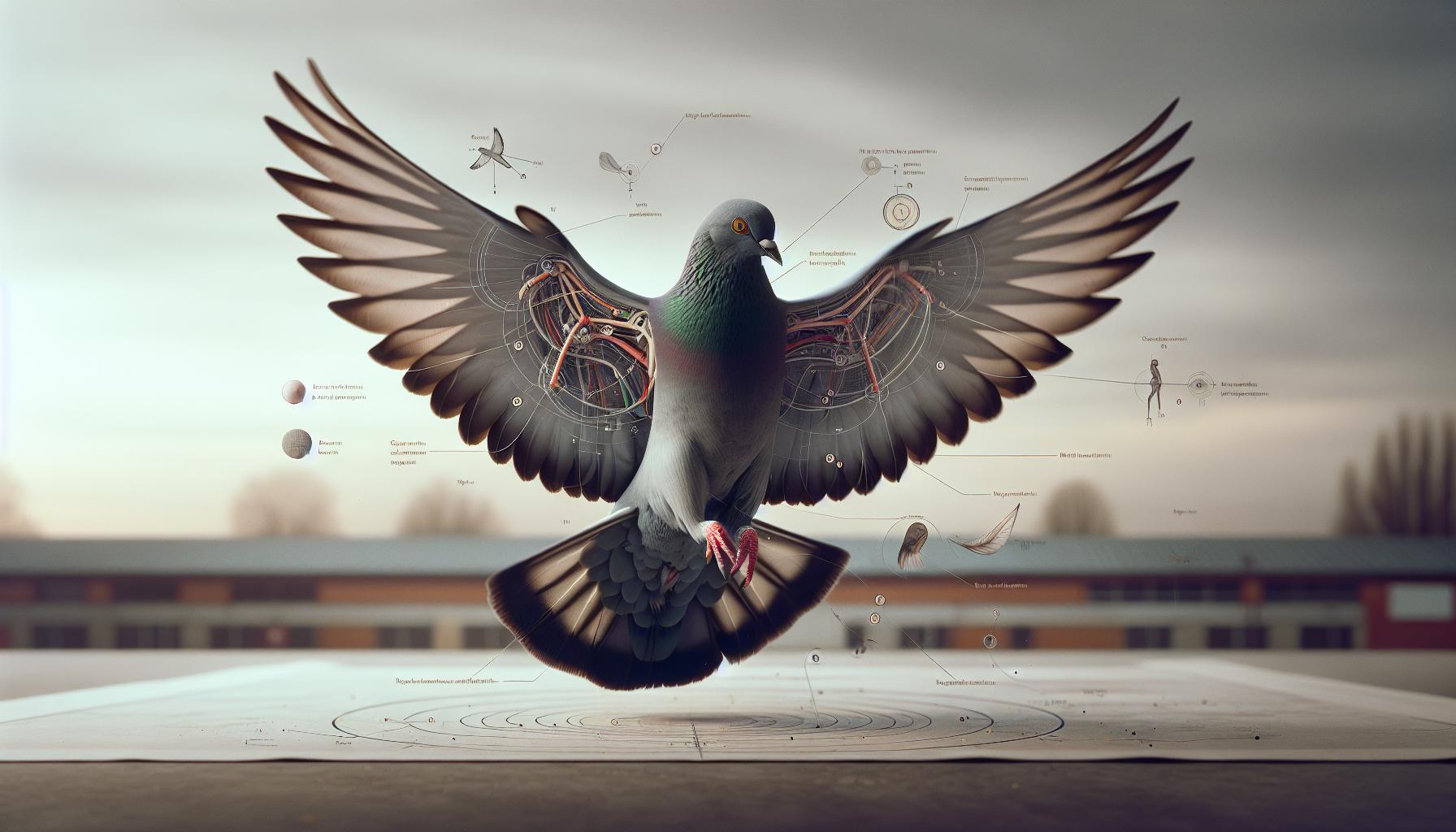
Pigeon Flight: Incredible Speed and Agility
Pigeons are not just ordinary birds; they are incredible athletes of the avian world. With the ability to reach speeds of up to 77 miles per hour (124 km/h), these remarkable creatures are built for both speed and agility. This phenomenal capability can be attributed to their specialized wing structure, which allows for quick takeoffs, sharp turns, and impressive aerial maneuvers. Observing a pigeon in flight is to witness the pinnacle of evolutionary engineering-each beat of their powerful wings propels them with a grace that belies their sturdy frame.
The mechanics behind a pigeon’s flight are equally fascinating. Their wing design, characterized by a broad and tapered shape, generates optimum lift while minimizing drag. When they take to the skies, pigeons flap their wings rapidly, thanks to their strong pectoral muscles, allowing them to ascend swiftly and cover distances with ease. During long-distance flights, pigeons conserve energy through a technique known as “gliding,” where they extend their wings and exploit thermals-rising columns of warm air-to maintain altitude without continuous flapping.
Moreover, their keen navigation skills complement their exceptional flight capabilities. Pigeons are known for their ability to find their way home over vast distances, a talent that enhances their agility during flight as they zigzag their path toward their destination. While many consider them urban dwellers, pigeons are extraordinarily adaptable, capable of navigating through both natural landscapes and bustling cityscapes.
To optimize the flight performance of pet pigeons, owners should consider several essential factors. Providing an environment that mimics their natural habitats-ample space for flying, room to land, and engaging in social behaviors-creates a stimulating atmosphere conducive to exercise and growth. Regular flying sessions can strengthen their muscles and improve coordination, vital components for maintaining that impressive blend of speed and agility that these birds are renowned for. As they interact with their surroundings, you’ll not only enjoy the spectacle of their flight but also contribute to their overall health and happiness.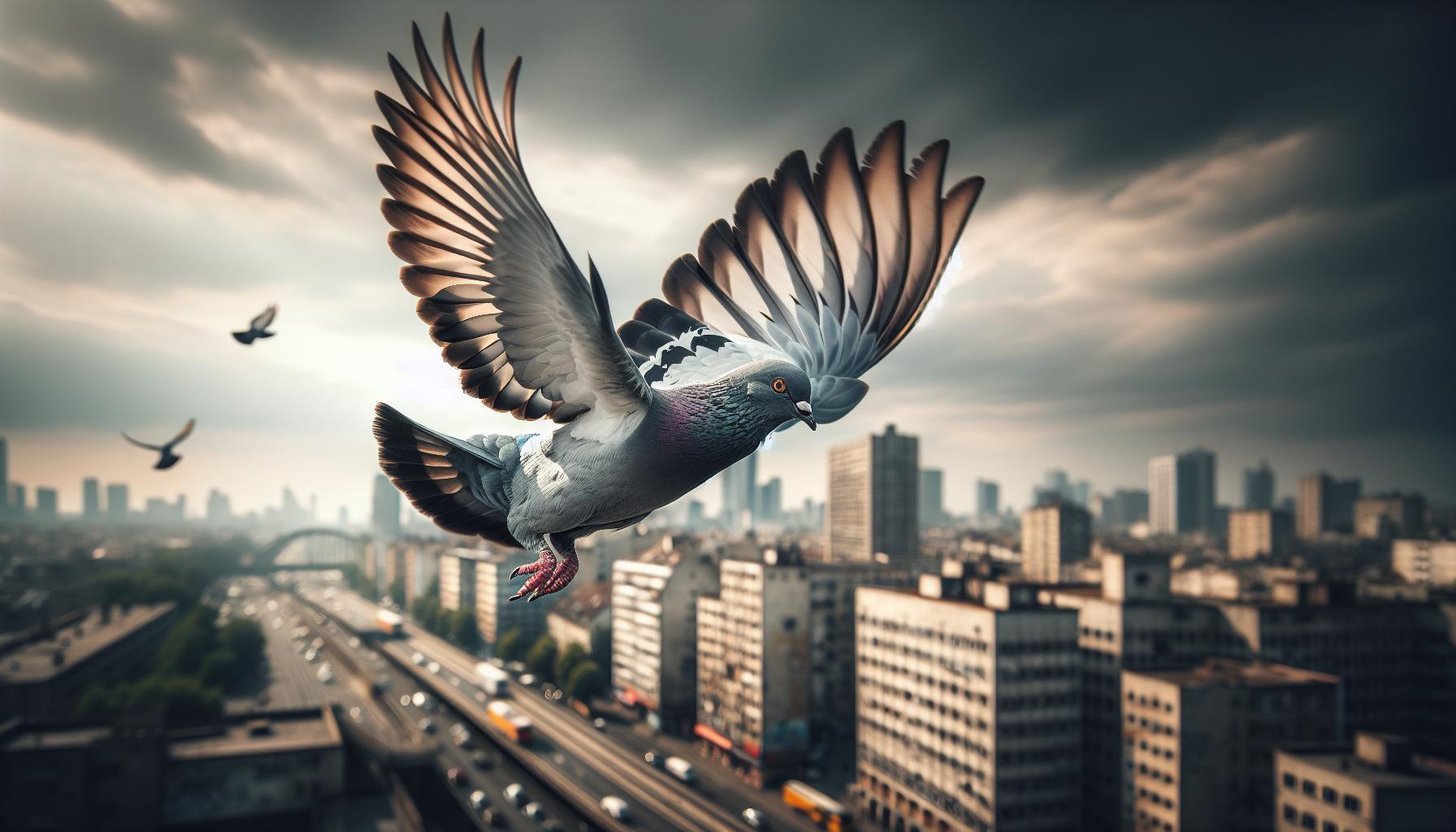
Factors Influencing Pigeon Flight Endurance
The endurance of pigeons during flight is affected by several fascinating factors, each contributing to their remarkable ability to cover long distances efficiently. One of the primary determinants is their physiology; pigeons possess powerful pectoral muscles, which are essential for sustained flapping and navigating complex aerial routes. These muscles allow them to maintain a steady pace, vital for long migrations or daily foraging flights. Importantly, a pigeon’s overall body condition, including factors like weight and health, plays a crucial role in flight endurance. Well-nourished pigeons with optimal body weight can fly longer distances without fatigue compared to those that are underweight or unhealthy.
Environmental Conditions
Pigeons are also highly influenced by their environment while flying. Wind direction and speed can either aid or hinder their flight. Favorable tailwinds can significantly boost their speed and reduce the energy required, while headwinds may force them to expend more energy to maintain their course. Additionally, temperature and weather play crucial roles; cooler temperatures can help prevent overheating during intense flights, while high humidity might affect their stamina negatively. Adaptable in nature, pigeons intuitively adapt their flying patterns to suit prevailing conditions, showcasing their resilience.
Training and Experience
Training is another significant factor influencing flight endurance in pigeons, especially in racing homers. Regular flying practice helps build endurance, similar to athletes who condition their bodies for performance. Experienced pigeons develop efficient flight patterns and learn to conserve energy while navigating familiar landscapes. For pet pigeon owners, engaging their birds in structured flight sessions can enhance both their physical fitness and instinctual flight behaviors, promoting a healthier and more active lifestyle.
Consequently, understanding these aspects can guide pigeon owners and enthusiasts alike in optimizing flight conditions, ensuring their feathered friends remain in peak physical condition, ready to show off their incredible endurance in the skies. With the right approach to care and environmental considerations, we can support these magnificent aviators, fostering their natural abilities while deepening our appreciation of their flight capabilities.
Common Flight Limitations in Pigeons
Pigeons are renowned for their impressive flying abilities, but even these remarkable birds face certain limitations that can impact their aerial performance. One significant factor is their body weight. A well-fed pigeon can easily exceed the ideal weight range, leading to difficulty in achieving lift-off and sustained flight. Overweight pigeons tend to tire more quickly and may struggle to maintain altitude, particularly during long flights. This highlights the importance of providing a balanced diet tailored to their activity level, ensuring they remain fit and agile.
Another common limitation arises from health issues. Just like athletes, pigeons require peak physical health to perform optimally. Respiratory infections and other ailments can severely hinder their ability to fly. Regular health checks, vaccinations, and a clean living environment are key to preventing such issues. Moreover, age plays a role; younger pigeons typically have more energy and better endurance than older birds, which may naturally slow down and become less active over time.
Environmental factors also contribute to flight limitations. For instance, adverse weather conditions, such as strong winds, rain, or extreme temperatures, can disrupt a pigeon’s flight patterns. Strong headwinds can exhaust them faster, while heavy rains can make it more challenging to maintain balance and control. Additionally, urban landscapes filled with buildings and obstacles can pose risks, forcing pigeons to adapt their flight paths to navigate around hazards.
Lastly, insufficient training can limit a pigeon’s flying capabilities. Racing pigeons, for example, require consistent training to build endurance and learn efficient flight patterns. For pet owners, engaging pigeons in regular flying sessions can enhance their physical fitness and improve their natural instincts. By understanding these limitations, pigeon enthusiasts can better support their feathered friends, ensuring they remain healthy and capable of showcasing their extraordinary flying skills.
How Do Pigeons Navigate During Flight?
Navigating the skies with incredible precision, pigeons possess an innate ability to find their way over vast distances, making them one of nature’s most remarkable navigators. Studies have shown that homing pigeons can return home from hundreds of miles away, showcasing their extraordinary navigational skills. How do they achieve this? The answer lies in a unique combination of sensory inputs and biological traits that allow them to interpret and interact with their environment effectively.
Pigeons utilize various navigational mechanisms, including the Earth’s magnetic field, visual landmarks, and even olfactory cues. The magnetic sense in pigeons enables them to detect magnetic fields, which they use as a compass, guiding them on their journeys. This instinct is crucial for long-distance travel, where familiar landscapes are absent. In addition, pigeons have exceptional vision, allowing them to recognize specific landmarks from high altitudes. They can use city structures, bodies of water, and other geographical features to orient themselves.
In terms of practical advice for pigeon owners, enhancing a bird’s natural navigational abilities requires a balanced approach. Regular exposure to diverse environments during training can strengthen their familiarity with visual cues. Setting up training flights that gradually increase in distance promotes confidence and reinforces their ability to navigate back to familiar territory. For instance, starting with short distances and progressively extending the range will help build their associative memory.
Lastly, social dynamics play a role in navigation as well. Pigeons often travel in flocks and can learn from one another, using the movements of their companions to assist in tracking their location. This communal aspect highlights the importance of social interaction in maintaining their flight instincts and navigation skills. By understanding and nurturing these instincts, pigeon enthusiasts can foster an environment that enhances their birds’ remarkable ability to navigate the skies.
The Role of Wing Design in Flight Efficiency
Pigeons are marvels of aerodynamic engineering, demonstrating how wing design plays a crucial role in their flight efficiency. Their wings are specially adapted to provide the lift and maneuverability needed for their unique flying style. What’s particularly fascinating is the combination of wing length, shape, and muscle control that contributes not only to their speed but also to their endurance during long flights.
The wing structure of pigeons, characterized by a relatively large surface area and a tapered shape, allows them to achieve both rapid acceleration and sustained flight. When a pigeon takes off, its wings are oriented to tilt dramatically downward, which helps to maximize lift and speed during the initial phase of flight. This technique is vital for escaping predators or quickly reaching high altitudes. In contrast, as they prepare to land, the wing position shifts to allow for controlled descent, reducing speed while minimizing stress on their bodies. Understanding this dynamic kinematic strategy can help pigeon owners appreciate the complexity of their pets’ behaviors and needs during exercise and play.
To enhance your pigeon’s flight efficiency and overall well-being, consider providing ample opportunities for exercise in safe, open areas. Setting up a flying path that encourages natural wing usage, slightly larger than your regular space, can promote healthier wing muscles and stronger flight patterns. It’s also beneficial to observe how your pigeon interacts with its environment, as the design and behavior of its wings can be affected by factors such as space constraints or lack of stimulation. Regularly interacting with your pet, allowing for gradual exploration, can support its natural instincts and ensure well-rounded development.
For those interested in enhancing their pigeons’ flying abilities, here are some practical tips to consider:
- Ensure enough space for your pigeon to stretch its wings fully and practice flight patterns.
- Introduce obstacles or perches at different heights to encourage agility and strength.
- Provide a varied diet rich in protein and essential nutrients to support muscle development and energy levels.
- Monitor your pigeon’s physical condition and adjust activity levels to prevent stress or injury.
By understanding the intricate relationship between wing design and flight efficiency, pigeon enthusiasts can foster an environment that encourages healthy behaviors and enhances the natural flying abilities of their beloved birds.
Seasonal Migration Patterns of Pigeons
Pigeons exhibit fascinating seasonal behavior, showcasing variations in migration patterns among different species. Though many people associate birds with long-distance migrations, it’s important to recognize that not all pigeons migrate in the same way, especially when comparing them to other avian species. The common rock pigeon, for example, relies on its adaptability in urban environments and does not typically migrate. In stark contrast, the band-tailed pigeon, found primarily along the northern Pacific coast, is known for its migratory habits, breeding in these regions and then moving to central areas during the colder months [1].
Notably, migratory species like the spotted imperial pigeon engage in fascinating seasonal travel patterns. These pigeons are known to leave their forest homes and congregate at specific coastal locations, such as Ilocos in the Philippines, during the dry season from May to August, sometimes forming large flocks of up to 80 individuals [3]. Such migration is not just a quest for food but a survival strategy to avoid harsh weather conditions and optimize breeding opportunities.
The seasonal changes significantly affect migratory pigeons’ flight routines and performance. During migration, pigeons must navigate diverse terrains, which tests their agility and endurance. The efficiency of their flight mechanics becomes particularly critical during this time as they travel longer distances to reach more hospitable environments. To support pet pigeons in developing their flight abilities, owners should create spacious environments where natural instincts can thrive, enabling them to practice flight in ways similar to their wild counterparts.
Ultimately, understanding these migratory patterns can enhance a bird enthusiast’s appreciation for these birds. By observing seasonal migrations, we can better cater to the needs of our pet pigeons through enriching environments that mirror the natural challenges faced by their wild relatives, making their flight experiences more fulfilling and healthy.
Comparing Pigeons to Other Bird Species
Pigeons are often dismissed as mere urban birds, yet their flight capabilities are truly remarkable when examined alongside other avian species. One striking feature is their speed; homing pigeons can reach speeds of up to 55 mph (89 km/h), with sprinting bursts even faster during races, making them contenders in the world of avian athletics. When compared to species like the common sparrow or the American robin, which typically cruise at about 20-30 mph (32-48 km/h), pigeons illustrate a unique blend of agility and endurance that sets them apart.
Flight Mechanics and Adaptations
The anatomy of pigeons plays a significant role in their impressive flight. Their wing design, characterized by broad, pointed tips, allows for efficient gliding and rapid take-offs. Unlike the more rounded wings of sparrows that are adapted for short bursts of speed and quick maneuvers in tight spaces, pigeon wings support long-distance travel and endurance. This disparity reflects each bird’s ecological niche, with pigeons thriving in open environments where longer flights are feasible.
Pigeon Navigation versus Other Birds
Navigational abilities also differ among species. Pigeons employ a sophisticated method of orientation, utilizing the Earth’s magnetic fields, sun position, and even visual landmarks to navigate across vast distances. In contrast, migratory birds like the Arctic tern use a combination of instinct and learned migration routes, which were honed through generations. This level of navigational expertise in pigeons demonstrates their evolutionary adaptation to urban and rural landscapes alike.
Comparing health and care needs, pet pigeon owners can take a cue from observing the flight behavior of wild counterparts. Pigeons benefit from regular flight opportunities which help maintain their muscle tone and overall health, similar to how birds in the wild develop strong flight skills through natural foraging and fleeing from predators. Owners can encourage this by providing ample space for flight and safe environments to mimic the wild, reinforcing their bird’s natural instincts and capabilities.
Understanding the differences between pigeons and other bird species can greatly enrich your knowledge as an enthusiast. It not only highlights the pigeon’s unique adaptations for flight but also informs best practices for caring for them in a domesticated setting, ultimately enhancing their quality of life.
Tips for Encouraging Healthy Flight in Pet Pigeons
To foster healthy flight in pet pigeons, it’s important to understand their innate needs and behaviors. Pigeons are naturally inclined to fly and exercise, meaning that providing them with ample opportunities for flight is essential for their physical and mental well-being. Regular flight not only helps maintain their muscle tone but also promotes overall health, reducing the risk of obesity and related diseases.
Creating a safe and stimulating environment is key to encouraging pigeons to exercise. Here are some practical strategies:
- Space to Fly: Ensure that pigeons have a dedicated area where they can fly freely. This could be a large cage, a bird-proofed room, or an outdoor aviary. The more vertical space and freedom you provide, the more likely they are to engage in flying.
- Regular Exercise Schedule: Allow pigeons to fly for at least an hour each day. Establish a routine so they learn when to expect this valuable exercise time. You can gradually increase the duration as they become more fit.
- Interactive Play: Incorporate toys and activities that engage their interest, such as mirrors and bells. You may also try using food puzzles or hiding treats around their flight space to stimulate natural foraging behavior.
- Companionship: Pigeons are social creatures; having a companion can encourage them to be more active. Consider adopting a pair or keeping them in groups to promote playful flying and interaction.
In addition to physical space, monitoring their diet plays a crucial role in supporting their flight abilities. A balanced diet rich in high-quality seeds, grains, and occasional fruits or vegetables can fuel their energy needs for active flying. Also, be mindful of hydration; fresh water should always be available to keep them well-hydrated during their flying sessions.
Paying attention to their health and behavior can also inform how well they are flying. Look for signs of fatigue or illness, such as changes in feather condition or lethargy, which may affect their desire or ability to fly. Regular check-ups with an avian vet ensure any issues are caught early, allowing your pigeons to remain healthy and active.
By creating an enriched environment filled with opportunities for flight, you can help your pet pigeons thrive and live a happy, active life. Engaging in their natural behaviors not only enhances their physical health but also strengthens the bond you share as a caregiver.
Understanding Pigeon Flight Behavior
Pigeons are remarkable flyers, showcasing a combination of grace and speed that captivates bird enthusiasts and casual observers alike. When discussing their flight behavior, it’s essential to recognize that these birds possess specialized adaptations, both anatomical and behavioral, that enhance their flying capabilities. For example, their wing structure is designed for efficient flapping and gliding, allowing them to achieve remarkable speeds and agility while navigating the urban landscapes they often inhabit.
One fascinating aspect of pigeon flight behavior is their instinctual patterns during flight. In various scenarios, like fleeing from predators or engaging in playful displays, pigeons exhibit distinct flight styles. During these interactions, you might observe them performing what is referred to as a “scooter dance,” where they flutter short distances and rapidly change direction-a behavior often observed in social contexts or when they feel threatened [2]. This dynamic movement not only ensures their safety but also highlights their social nature.
Environmental factors play a significant role in pigeon flight behavior, influencing their endurance and activity levels. For example, pigeons raised in open spaces may exhibit different flying patterns compared to those in more confined environments. An enriched flying space encourages natural behaviors, as pigeons thrive when given opportunities to explore and exercise. Establishing a well-structured environment can promote regular flight, reducing stress and enhancing overall health [3].
Understanding the behavioral cues and needs of pigeons can dramatically improve their flight experience. For instance, providing social companionship can inspire them to engage in more dynamic flight activities. Additionally, recognizing signs of fatigue or distress, such as drooped wings or a lack of enthusiasm for flying, allows caregivers to respond appropriately and monitor their health effectively. By fostering these conditions, not only do we support their physical abilities, but we also ensure that their flight behavior remains vibrant and engaging.
The Impact of Environment on Flight Ability
Pigeons are not only fascinating for their remarkable flight capabilities, but they also thrive in environments that promote their natural behaviors and well-being. The surroundings in which they live significantly influence their flight ability, shaping their endurance, agility, and overall comfort in the air. For instance, when given ample open space, pigeons can develop stronger flight muscles and stamina, as they engage in more vigorous and varied flying activities.
An enriched environment, filled with safe perches and ample room to explore, stimulates their instinctual behaviors. Pigeons that are kept in tightly confined spaces often show limited flight patterns, which can lead to reduced physical fitness and increased stress. By providing vertical space-such as shelves or indoor aviaries-owners can encourage their pigeons to fly more freely. Also, incorporating socialization opportunities, such as pairing with another pigeon or providing opportunities to interact with humans, enhances their emotional well-being, making them more likely to engage in dynamic flights.
To create an optimal flying environment for pet pigeons, consider the following practical tips:
- Provide Sufficient Space: Ensure that your aviary or living area has enough horizontal and vertical dimensions to allow for healthy flight.
- Include Perches and Platforms: Install various horizontal perches at different heights, allowing pigeons to dive, swoop, and land safely.
- Encourage Exploration: Use toys, natural vegetation, and other materials to create an engaging environment that stimulates their curiosity and encourages movement.
- Regular Exercise: Facilitate daily exercise sessions by allowing them to fly freely, either inside a safe space or outdoors under supervision.
Understanding the impact of environment not only enhances a pigeon’s flight ability but also enriches their quality of life. Observing how your pigeons react to these changes can give valuable insights into their preferences and needs, making it easier to customize their living spaces for optimal health and happiness. This attention to their environment is essential not only for their physical flight capabilities but also for their overall development and well-being as cherished companions.
Myths and Misconceptions About Pigeon Flight
With their graceful flight and agile movements, pigeons often captivate those who observe them. However, misconceptions abound regarding their flight capabilities. One common myth is that pigeons can only fly short distances. In truth, homing pigeons are renowned for their extraordinary navigation skills and can fly hundreds of miles, returning to their home lofts from distances as far as 600 miles or more. Their strong homing instincts, supported by an innate ability to orient themselves, allow them to undertake impressive journeys.
Another prevailing belief is that all pigeons are incapable of sustained flight. While it is true that some breeds, particularly fancy varieties, have physical traits that may limit their endurance, many wild pigeons and racing breeds are built for long-distance flight. Their well-adapted bodies, featuring a streamlined shape and efficient wing design, enable these birds to achieve remarkable speeds, sometimes exceeding 60 miles per hour. Understanding the differences among breeds can help dispel this myth; not all pigeons are created equal when it comes to flight ability.
It’s also a common misconception that pigeons are entirely dependent on urban environments and cannot thrive in the wild. In reality, while many pigeons have adapted to urban life, they also flourish in rural and wild settings. Pigeons are highly adaptable birds, capable of finding food and shelter in various habitats. Their success in urban areas has sometimes overshadowed their natural behaviors, which include nesting on cliffs and foraging in fields.
To foster a deeper understanding, it’s essential for bird enthusiasts to appreciate these nuances. Providing proper care and a stimulating environment is crucial, especially for pet pigeons, to help them develop their natural flight abilities. Always consider their species and individual needs to ensure they can soar to their fullest potential. By unraveling these myths, we can encourage a healthier appreciation for these remarkable fliers and their amazing capabilities.
Faq
Q: Can pigeons fly long distances?
A: Yes, pigeons are capable of flying long distances, often covering over 600 miles in a day. Their excellent navigation skills and endurance make them some of the best long-distance fliers among birds. For tips on encouraging flight endurance in pet pigeons, see the section on healthy flight practices.
Q: What factors affect a pigeon’s ability to fly?
A: A pigeon’s ability to fly is influenced by various factors, including its age, health, weather conditions, and environmental obstacles. Ensuring a healthy diet and regular exercise can significantly enhance a pigeon’s flight capabilities. Refer to the section on common flight limitations for more insights.
Q: Do pigeons have a specific flying style?
A: Pigeons are known for their unique flying style, characterized by strong, steady flapping and occasional gliding. They can adjust their flight patterns in response to wind and terrain, allowing for efficient movement. For a deeper understanding of their flight mechanics, explore the anatomy of pigeon flight mechanics.
Q: How do pigeons stay oriented while flying?
A: Pigeons possess remarkable navigational skills, using the Earth’s magnetic field, visual landmarks, and even olfactory cues to find their way. This allows them to return to their home lofts from vast distances. Learn more about their navigation in the related section on pigeon flight.
Q: Can pigeons fly in bad weather?
A: Pigeons can fly in various weather conditions, but severe storms or strong winds may hinder their ability. Most pigeons prefer clear weather for long flights. For tips on protecting your pet pigeons during inclement weather, refer to the environmental impact section.
Q: Are all types of pigeons good fliers?
A: While many pigeons, especially racing breeds, are exceptional fliers, not all types are equally adept. Some breeds may have limited flying abilities due to their size or breeding. Comparing pigeons to other bird species offers insights into their flight capabilities.
Q: How fast can pigeons fly?
A: Pigeons can reach speeds of up to 50 to 65 miles per hour during strong flights. Their agility and speed aid in avoiding predators and navigating obstacles while flying. For more details on pigeon flight speed and agility, check the relevant section in the article.
Q: What are common health issues that affect a pigeon’s flight?
A: Common health issues such as respiratory infections, wing injuries, or parasites can significantly impact a pigeon’s ability to fly. Regular health checks and a balanced diet are essential for maintaining flight health. For more on encouraging healthy flight in pet pigeons, see the tips section.
Key Takeaways
As we wrap up our exploration of pigeon flight abilities and limitations, it’s clear that these remarkable birds possess unique skills that are both fascinating and practical. From their impressive endurance to their remarkable homing instincts, pigeons are truly a testament to avian adaptability. If you’re curious about how to care for these incredible creatures or want to dive deeper into understanding their behavior, be sure to check out our guides on pigeon care essentials and the science behind bird migration.
Feeling inspired? Join our newsletter for more engaging articles like this one, and don’t hesitate to share your thoughts or experiences with pigeons in the comments below. Let’s keep the conversation going! For those looking to expand their knowledge, explore our sections on bird watching tips or the best foods for wild birds. Remember, understanding these birds can lead to a deeper appreciation and connection to nature. Thank you for flying alongside us in this journey-your next adventure awaits!
Get our latest guides, news, and insights highlighted in your Google Search & AI Overviews.










