

Owls are much more than just their iconic hoots; they communicate through a fascinating array of sounds that convey a rich tapestry of meanings. Did you know that different species of owls use unique vocalizations to signal everything from territorial claims to mating calls? Understanding these diverse calls not only enriches your appreciation of these incredible nocturnal creatures but also enhances your birdwatching experiences. Whether you’re a seasoned birder or a curious newcomer, discovering the various sounds owls make will deepen your connection to nature and illuminate the intricate behaviors that characterize these skilled hunters. Join us as we unravel the mystery behind the calls and hoots of owls, exploring their significance and the stories they tell in the twilight woods.
What Sounds Do Owls Make? An Overview
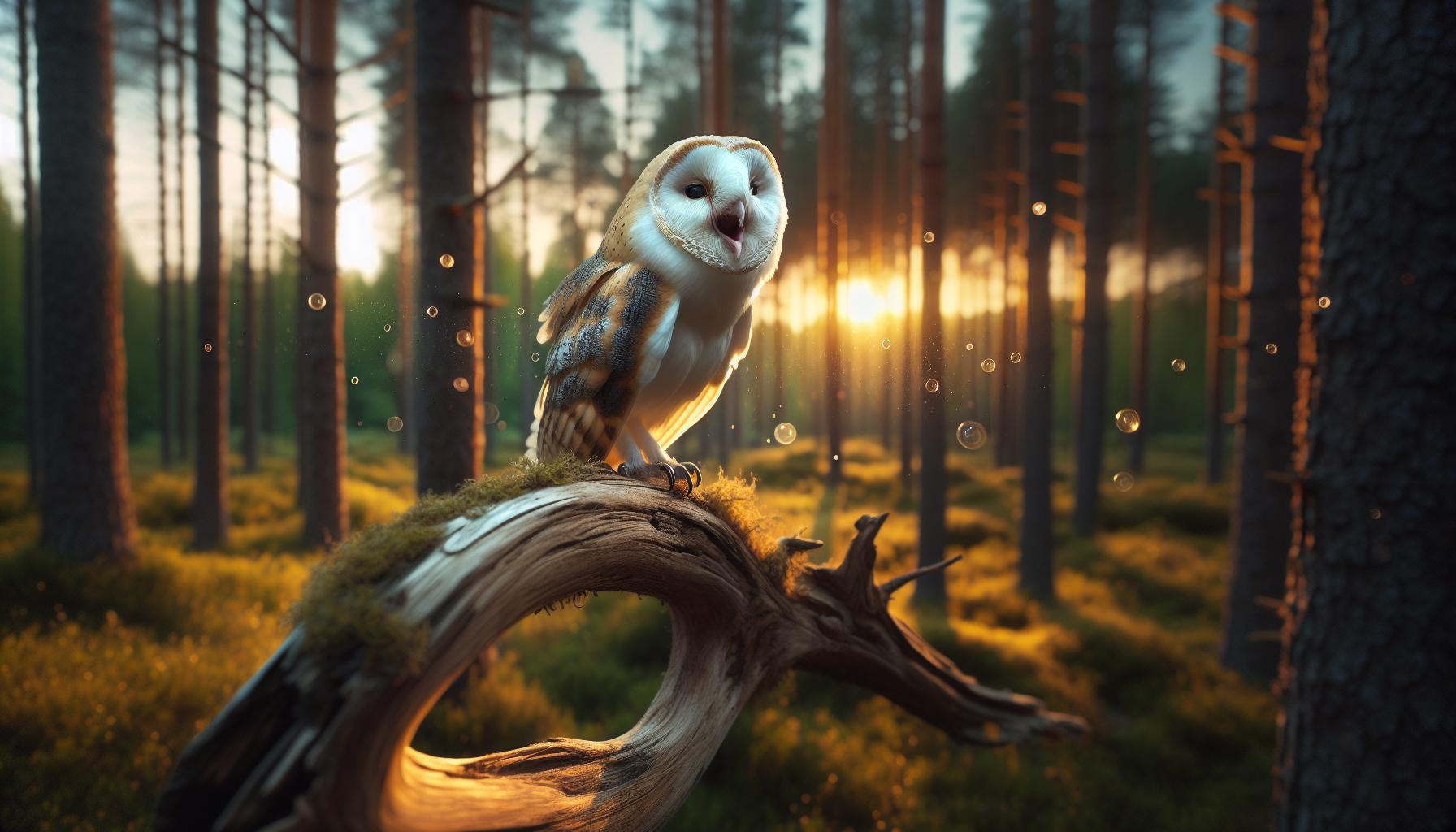
Owls are among the most intriguing birds in the avian world, not only for their captivating appearance but also for their distinctive vocalizations. Each species of owl boasts a unique array of sounds, ranging from the iconic hoots to a variety of whines, screeches, and barks. The sounds that owls make serve critical functions, such as communication, territory marking, and attracting mates, making them a fascinating subject of study for bird enthusiasts and researchers alike.
One of the most recognizable owl sounds is the classic hoot, often associated with the Great Horned Owl. This deep and resonant call can resonate for miles, echoing through the night. However, it’s essential to appreciate that owls communicate through a complex repertoire of sounds, each conveying different messages. For instance, the Barred Owl’s calls include a series of “who-cooks-for-you?” hoots that can sound almost melodic, while the Barn Owl’s eerie, raspy screeches are often haunting. Understanding these nuances can enhance your birdwatching experience, as you’ll be able to identify the species around you by listening carefully.
Owls typically vocalize during specific times, especially at dusk and dawn, which aligns with their hunting habits. Their calls are not just random noises; they often follow particular patterns that can indicate whether the owl is feeling threatened, establishing territory, or calling to a mate. For beginners, it can be helpful to familiarize yourself with these patterns by listening to recordings of different owl species. Websites such as Bird Watching HQ offer audio clips that can aid in this learning process. In addition to enhancing your observational skills, recognizing these sounds can delight any birdwatcher, creating a deeper connection to the wildlife around them.
As you explore the world of owl sounds, consider how their vocalizations have also woven into cultural narratives and folklore. Owls are often associated with wisdom and mystery, and understanding their calls can add a layer of appreciation to their role in various cultures. Whether you are a novice or an experienced birder, tuning into the sounds of owls will enrich your understanding and enjoyment of these remarkable creatures.
Understanding Hoots: The Signature Call

The hoot of an owl is more than just an iconic sound echoing through the night; it’s a sophisticated communication tool that these fascinating birds have honed over millennia. When you hear a Great Horned Owl’s deep and resonant call resonating across the landscape, it serves as an unmistakable signal of presence and territory. These vocalizations have unique characteristics that can be appreciated by anyone, regardless of their birdwatching experience.
Hoots, often attributed to the Great Horned Owl, are typically characterized by a series of deep notes that can resonate for miles, enabling communication across vast distances. Similarly, the Barred Owl is known for its distinctive and melodic “who-cooks-for-you?” call, which can blend beautifully into the quiet of the forest, making it a favorite among birdwatchers keen to identify species by sound. Each hoot serves a particular purpose, whether it’s a defensive display marking territory or a soft call meant to attract a mate. Thus, understanding the context in which these sounds are made is crucial for any enthusiast looking to deepen their connection to these incredible raptors.
In addition to the pleasantness of their calls, hoots often reflect the owl’s behavior and environmental responses. For instance, during breeding season, owls may hoot more frequently to establish their presence and weaken rival claims to territory. As a birdwatcher, you might find it rewarding to listen carefully to the patterns and rhythms of these vocalizations. Tuning into the variations can enhance your outings, making each experience richer as you learn to distinguish one hoot from another. Online resources and mobile apps that provide sound clips can be particularly useful in familiarizing yourself with these calls, as each species brings its own flavor to the nocturnal symphony.
Engaging with the sounds of owls not only enriches your understanding but also invites a deeper appreciation for their role in ecosystems and folklore. Many cultures around the world regard the characteristic hoots of owls as harbingers of wisdom or change, adding another layer to the cultural narrative surrounding these enigmatic birds. Whether you’re an avid birdwatcher or just someone drawn to the natural world, listening to and understanding owl hoots can lead you to a world filled with captivating mystery and profound connection.
Diverse Owl Calls: More Than Just Hoots
The world of owl vocalizations is a rich tapestry that extends far beyond the familiar hoots often associated with these majestic birds. Each species boasts its own unique range of calls and sounds that serve various purposes, from establishing territory to communicating with mates or alerting others to potential dangers. Understanding this diverse auditory communication can greatly enhance your appreciation for these nocturnal creatures.
Owls can produce an incredible variety of sounds, including yelps, whistles, barks, and even chirps. For instance, the Eastern Screech Owl has a haunting, tremolo-like call that can easily be mistaken for a distant horse whinny, while the Barn Owl emits a series of eerie screeches that resonate in the stillness of the night. The Barred Owl’s “who-cooks-for-you” call is not only melodious but functions as a primary means of communication during breeding season, demonstrating how different vocalizations can play crucial roles in social interaction.
To grasp the full scope of owl communication, it’s essential to consider the context in which these sounds occur. Owls typically call more frequently during the mating season to claim their territory and attract partners. This vocalization increases not only in frequency but also in diversity, reflecting the heightened stakes of competition and courtship. Beginners and experienced birders alike can benefit from paying attention to the variations in pitch, rhythm, and timing. For example, a series of quick, short calls might signify alarm or agitated curiosity, while deeper, slower hoots may indicate a more relaxed state or a territorial claim.
As you delve deeper into the world of owls, you may wish to engage with their sounds directly. Use birding apps or websites that provide audio clips of various owl calls. Practicing by listening and trying to match the sounds can help hone your auditory identification skills, transforming your birdwatching outings into immersive experiences filled with the subtle nuances of owl communication.
Owls of the World: Unique Sounds and Calls
The auditory world of owls is a fascinating exploration of communication that varies widely across different species. While many people can recognize the soothing, deep hoots characteristic of some owls, there’s an entire symphony of distinct sounds that speak to the diversity of these nocturnal hunters. For example, the Barn Owl (Tyto alba) does not hoot; instead, it emits eerie, drawn-out screeches that pierce the stillness of the night. In contrast, the Great Horned Owl (Bubo virginianus) produces a resonant hoot that can travel long distances, making it effective for establishing territory.
Diving deeper, we find that each species uses its calls in specific contexts. The Eastern Screech Owl (Megascops asio), known for its unique trill that resembles a horse’s whinny, has two primary calls-one for defending territory and another for courting. The Barred Owl (Strix varia) is famous for its “who-cooks-for-you” call, a rhythmic series of hoots that resonates within its forested habitat, signaling both presence and partnership during mating season. Understanding these specific sounds not only enriches the birdwatching experience but also provides insight into the behavioral patterns of these creatures.
When considering how to identify these calls in the wild, it’s important to recognize that different owls have distinct vocalizations that can serve various functions-territorial signaling, mate attraction, or alarm responses to predators. For instance, the Snowy Owl (Bubo scandiacus) is known for its soft coos and hisses, which are more nuanced than the traditional hoots, often reflecting its solitary nature. Similarly, the vibrant Elf Owl (Micrathene whitneyi) emits a series of high-pitched notes, giving away its presence in the arid southwestern landscapes where it resides.
As you embark on listening for owl calls, consider utilizing resources like birding apps that offer audio clips of various owl sounds. Engaging in practice sessions by trying to match these calls can help develop your auditory skills, enhancing your understanding and appreciation of owls. Whether you’re an enthusiastic novice or a seasoned birder, the journey into the soundscape of owls promises to be enlightening and rewarding.
Hooting Patterns: Communication and Mating
When owls hoot, they are not merely filling the night with sound; they are engaging in a complex conversation that centers around communication and mating. Each species has its own distinctive hooting patterns that function to establish territory, attract mates, and maintain social bonds. For instance, the iconic call of the Great Horned Owl can be heard echoing through the forests and fields, and its deep, resonant hoots not only declare ownership of territory but also serve as an invitation for potential mates to respond. This primal sound can travel over great distances, making it particularly effective in dense forests or open spaces where other noises might obfuscate softer calls.
Beyond simple territory establishment, the nuances of hooting patterns become especially pronounced during the mating season. During this time, males often engage in a duet with their partners, where the female responds to the male’s calls with corresponding hoots. This mutual exchange is pivotal in reinforcing pair bonds and signaling readiness to mate. The Barred Owl, known for its distinctive “who-cooks-for-you” rhythm, exemplifies such interactions, as males and females synchronize their calls to create a melodic backdrop that resonates throughout their nesting territory. These synchronized calls not only strengthen their relationship but also deter rival males from encroaching on their space.
Hooting also serves as a crucial alarm system among owls, allowing them to communicate threats. For example, an owl may emit a sharp series of hoots to alert its mate of a nearby hazard or predator, effectively mobilizing a defensive response. Observation of this behavior can provide keen birdwatchers with insights into the social dynamics at play within a given territory. By listening carefully to the context and variations in the hoots, enthusiasts can decode essential information about what is happening in the nearby owl community.
For those eager to immerse themselves in the cacophony of owl calls, a keen ear and regular practice can greatly enhance your ability to identify and interpret these vocalizations. Utilizing resources like birding apps that offer audio samples of different owl species can aid significantly in this process. By developing familiarity with specific calls and their meanings, birdwatchers can enjoy a richer, deeper connection with these magnificent creatures and appreciate the nuanced ways in which they communicate and bond throughout the seasons.
Decoding Owl Sounds: Meaning and Context
Every time I venture into the woods at dusk, I am reminded of the remarkable complexity behind the sounds of owls. These nocturnal predators produce a diverse range of vocalizations, each packed with meaning and context that can reveal much about their behavior, social structures, and even threats in their environment. Understanding these sounds isn’t just for ornithology enthusiasts; it’s an enriching experience for anyone fascinated by the natural world.
Owls communicate through a variety of vocalizations beyond the familiar hoots. For instance, Barred Owls are well-known for their quirky “who-cooks-for-you” call, which serves both as a mating call and a territory marker. This rhythm creates a fixed pattern that can help other owls identify it within their range. In contrast, the Eastern Screech Owl utilizes a series of soft, tremulous whistles or a sharp trill to communicate. These subtler sounds can often be overlooked but are essential for establishing territory and alerting mates or rivals to their presence.
Hooting patterns vary significantly between species, reflecting their ecological niches and social dynamics. For example, Great Horned Owls produce deep, booming calls that resonate through their habitats, signaling strength and dominance, while Barn Owls deliver a series of eerie screeches that can send shivers down one’s spine-these calls serve to warn or signal between mates. Understanding the context surrounding these vocalizations can deepen our appreciation for their behaviors. Mating season typically triggers these calls to intensify as males and females engage in duet-like exchanges that strengthen their pair bonds, clearly defining their territory and readiness to mate.
To decode these sounds, keen observation is crucial-listening not only to the calls but also to the surrounding environment can enhance understanding. For example, if you hear a rapid succession of hooting, it may indicate an alarm, signaling the presence of a predator. Recording these vocalizations can aid in identifying patterns over time, making it easier to predict when and why owls call in your area. Connecting these sounds to specific contexts can foster a richer relationship with these magnificent creatures and enhance your birdwatching experience.
When Do Owls Call? Timing and Seasonal Changes
As twilight descends and the world falls into shadow, a symphony of owl calls begins to rise from the depths of the forests and fields. Owls are not just creatures of the night; they have intricate schedules and vocalizations that vary significantly depending on the time of year and their specific species. Most owls typically call during dusk and dawn, capitalizing on the dim light when they are most active in hunting and social interaction. The timing of these calls aligns closely with their behaviors-primarily to establish territory, attract mates, and communicate with their young.
- Autumn and Winter: In the colder months, especially late autumn and winter, the calls of owls can be particularly prevalent. Many species, such as the Great Horned Owl and Barred Owl, become vocal as they prepare for the nesting season. They often begin their calls as early as November, creating a backdrop of haunting hoots and eerie screeches that filter through the frosty air. This early vocalization serves to attract mates and mark territories as they get ready to breed in the early spring.
- Spring: As spring approaches, owl calls tend to intensify, often culminating during the height of the mating season. The evenings are filled with melodious duet calls between mated pairs, echoing through the trees as they establish boundaries and reaffirm their partnership, which is critical for their reproductive success.
- Summer: Summer brings different dynamics, as the chicks begin to fledge and learn to hunt. While adult owls maintain their calls for communication, the sounds may shift to softer, rasping calls as they teach their young. This is also a time when the competition among males increases, leading to more vocalizations aimed at deterring rivals and securing breeding rights.
For those who are keen to listen for owl calls, the best times are during the twilight hours right after sunset and just before dawn, when the air is still and the calls can carry. The subtleties of different species’ vocalizations can be enchanting; by familiarizing oneself with the calls of local owls, such as the Eastern Screech Owl‘s mournful tremolos or the Western Barn Owl‘s screeches, birdwatchers can engage deeply with their environment.
Arming yourself with knowledge about owl vocalizations and their timing not only enriches your birdwatching experience but also enhances your connection with these fascinating nocturnal predators. Whether you are an experienced birder or just beginning, listening to the whispers of owls in the night can unfold a whole new layer of the natural world around you.
Listening for Owls: Tips to Identify Sounds
Being able to identify owl calls is a rewarding skill that immerses you in the nightly symphony of nature. As the sun sets and the world quiets, the haunting sounds of owls become more apparent, and understanding these vocalizations can enhance your wildlife experiences. Each species has a distinct sound, offering a unique window into their behaviors and communications. To effectively listen for and identify these sounds, you’ll want to prepare yourself properly.
Start by familiarizing yourself with the common owl calls in your area, whether it be the deep hoots of the Great Horned Owl or the distinctive screeches of the Barn Owl. Recording applications on smartphones can serve as an excellent resource; use them to capture and compare calls during your outings. Many online platforms also offer audio samples, making it easier for you to familiarize yourself with different species. Try to find a quiet area where ambient noise is minimal, allowing you to focus on the subtle nuances of the owl’s calls.
Timing is just as crucial as location. Evening hours after sunset and before dawn are optimal for listening, as these are peak activity times for many owls. When you hear a call, take a moment to pause and listen closely. Note the rhythm, pitch, and repetition, as these can all provide clues regarding the species and its intent, whether it be mating, territorial claiming, or signaling to young owlets. For instance, a Great Horned Owl might give a series of hoots spaced evenly apart, whereas a Barred Owl produces a more rhythmic call that sounds like “who cooks for you, who cooks for you all?”
Consider keeping a field journal to jot down your experiences, including the time, location, and exact calls you hear. This practice helps reinforce your learning while building your personal resource for future outings. Watching how and when the calls change with the seasons can also deepen your understanding of their behavior. With patience and practice, listening for owl calls will transform from a mere pastime into a profound connection with the nocturnal world.
The Science of Owl Vocalizations Explained
Owls possess an intriguing vocal repertoire that reflects their complex social lives and ecological roles. Each owl species exhibits distinct calls, serving various purposes such as territorial defense, mating, and communication with young chicks or other owls. For example, the Eastern Screech-Owl has two primary calls-a whinnying that echoes through the woods and a trill used for bonding with family. This vocal diversity is not merely an artistic expression; it is essential for the survival of these nocturnal hunters, allowing them to establish presence, mark territory, and attract mates.
When exploring owl vocalizations, it’s fascinating to note the scientific basis behind these sounds. Their unique calls are produced through specialized vocal organs called syrinxes, located at the base of the trachea. This organ allows them to create a range of sounds with different pitches and modulations, crucial for conveying specific messages. For instance, a series of spaced-out hoots from a Great Horned Owl can signify territorial warnings, while a softer cooing may indicate a call to young owlets seeking reassurance. Understanding these vocal patterns adds a rich layer to your bird-watching experience, helping you to interpret the behavior and needs of these enigmatic creatures.
Listening for owls can be as rewarding as identifying them. Opt for serene evenings when the ambient noise of the day subsides, allowing you to better distinguish the subtle nuances of their calls. Tools like local field guides or smartphone apps can bolster your efforts, providing audio examples for practice. Ultimately, mastering owl vocalizations can enhance your appreciation for these birds, transforming your nighttime encounters into an enriching dialogue with the natural world around you.
Cultural Significance: Owls in Folklore and Myths
Owls have long captured the human imagination, serving as powerful symbols steeped in myth and folklore across diverse cultures. Their haunting calls, often echoing through the night, have given rise to a myriad of beliefs surrounding their significance. In many ancient civilizations, owls were viewed as messengers between the living and the spirit world, embodying wisdom and mystery. For instance, in Greek mythology, the owl was associated with Athena, the goddess of wisdom, symbolizing knowledge and learning. This connection has persisted, with many cultures still referencing owls as indicators of intelligence and insight.
Despite their association with wisdom, owls have also carried ominous connotations. In various tribal cultures, the sound of an owl was often interpreted as a foreboding omen, signaling death or bad luck. This duality in perception can be fascinating; for example, in Native American folklore, the owl is seen as a protector and a guide for those embarking on new journeys, while in some African traditions, its call foretold loss or danger. Such interpretations illustrate how the owl’s vocalizations can invoke varied emotional responses, depending on the cultural context.
Understanding these cultural significances not only enhances our appreciation for these majestic birds but also informs birdwatchers and wildlife enthusiasts about how to interpret the sounds they hear in the wild. For instance, learning that a particular series of hoots might be a territorial call can deepen the experience of witnessing these birds in their natural habitats. Furthermore, many naturalists incorporate folklore into their outings, using local stories to enrich their encounters with owls, adding an element of narrative to the practice of bird-watching.
As you engage with the world of owls, consider how their calls intersect with human culture and history. The next time you hear a solitary hoot slicing through the silence of the night, remember the layers of meaning it carries and the stories that have been whispered across generations. Whether viewed as harbingers or wise mentors, owls continue to enchant and intrigue, reminding us of the rich tapestry of beliefs that intertwine our lives with the natural world.
How to Attract Owls: Calling Techniques
To bring these enchanting creatures closer, learn how to call owls into your vicinity, which can create an unforgettable experience during your outdoor adventures. Owls possess a remarkable ability to recognize sounds, and using calls can pique their curiosity or signal their territory. By mimicking their vocalizations, you can entice them to respond or approach.
Start by understanding the common calls of the species you hope to attract. The Great Horned Owl, for example, is known for its deep, resonant hoots that often echo, inviting a response. You can listen to various recordings online to familiarize yourself with the sound. Once you’ve prepared, finding the right environment is crucial. Seek out open spaces near wooded areas or fields, as these locations are more likely to host owls.
Effective Calling Techniques
- Hooting Technique: To imitate the Great Horned Owl, position your body to enhance sound projection. Use a series of loud “hoo” sounds, spaced a few seconds apart. You can also create variations in pitch and rhythm to mimic natural calls authentically.
- Use an Owl Call Device: For those who may feel self-conscious about their vocal imitations, consider using commercial owl call devices, which produce realistic sounds that can attract owls effectively.
- Timing is Key: Early evening or just before dawn is often the best time to call as owls are more active during these periods. Seasonal changes, such as during the breeding season in late winter and early spring, can also increase your chances, as owls are more vocal during mating calls.
Creating a peaceful environment when calling is essential; avoid loud noises and movement that can scare them away. Patience plays a key role-after calling, stay silent and still, allowing your efforts the chance to pay off.
In addition to vocal calls, setting up roosting or nesting boxes in your yard can subtly encourage owls to visit regularly, creating a mutually beneficial relationship. Providing food sources-such as small rodents-can also appeal to them, making your space more inviting.
Incorporating these techniques may not only enhance your owl-watching experience but also deepen your connection with nature, making each encounter more magical and engaging. Whether you’re a novice or an experienced birdwatcher, crafting these calls can open doors to the nocturnal world of these fascinating birds.
Owls As Pets: Understanding Their Vocalizations
Owls possess a rich vocal repertoire, and understanding their sounds can greatly enhance the experience of keeping one as a pet. Each species of owl has its own unique set of calls, and these vocalizations can tell you a lot about their mood, health, and needs. For instance, the Eurasian Eagle Owl, known for its deep and commanding hoots, often uses these sounds as a way to establish territory or communicate with a mate. If you’re considering an owl as a companion, getting familiar with these vocalizations can help you interpret their signals effectively.
Many pet owners find that owls are not just silent creatures but rather vocal companions that thrive on communication. A well-cared-for owl will exhibit a range of sounds beyond the typical hoots, including whistles, barks, and even soft trills. These sounds may indicate curiosity or contentment and can reflect the owl’s responses to their environment. If an owl is often vocalizing, it could mean they are bored or looking for interaction, and providing stimuli such as playtime or new perches can help address that need.
Understanding Specific Vocalizations
Common pet owl species, such as the Barn Owl or the Great Horned Owl, each have distinctive calls that vary in pitch and tone. Here’s a quick guide to help identify the sounds:
- Great Horned Owl: Known for a series of deep, resonating hoots, which can sound like “who’s awake, me too?”
- Barn Owl: Their calls can be described as screeches or hisses, which are often startling but serve important communicative functions.
- Eastern Screech Owl: These owls emit a chorus of trills and whinnies, often used during mating season.
Understanding these calls can greatly enhance your ability to bond with your pet owl. Responding to their vocalizations not only reinforces their communication but also strengthens the relationship you share. Regular engagement with your owl, whether through vocal mimicry or interactive play, can promote a happy and vocal pet.
Caring for an owl in a home setting requires patience and dedication to understanding their unique needs-both behavioral and vocal. By tuning in to their sounds, you create a nurturing environment where your owl can thrive, adding a layer of connection that makes care not just responsible but truly rewarding.
Q&A
Q: What types of sounds do owls make aside from hooting?
A: Owls produce a variety of sounds beyond hoots, including screeches, whistles, barks, and chattering. These vocalizations serve different purposes such as alerts, communication between mates, and signaling distress. Familiarizing yourself with these sounds can enhance your owl-watching experience.
Q: Why do owls hoot at night?
A: Owls hoot at night primarily to communicate with each other, establish territory, and attract mates. Their nocturnal habits allow them to utilize sound effectively in low-light environments, making hooting an essential part of their behavior and survival strategies.
Q: How can I identify different owl calls?
A: Identifying owl calls involves listening for unique patterns, pitches, and rhythms. Each species has distinct vocal characteristics; for instance, the Great Horned Owl has a deep, resonant hoot, while the Eastern Screech Owl has a soft, trilling call. Listening closely can help you differentiate between them.
Q: When are owls most vocal?
A: Owls are generally most vocal during dusk and dawn, known as crepuscular activity. This timing aligns with their hunting behaviors and mate communication. Observing now and then can provide insights into their patterns and increase your chances of hearing their calls.
Q: Do female and male owls have different calls?
A: Yes, male and female owls often have different calls. Males typically have deeper, more resonant hoots, while females may produce higher-pitched sounds. These distinctions help in recognizing the presence of both genders during mating season and can aid in birdwatching.
Q: How do environmental factors affect owl vocalizations?
A: Environmental factors like habitat type, time of year, and noise levels can influence owl vocalizations. For example, owls may call less frequently in urban areas due to noise pollution. Understanding these factors can help you better predict when and where to listen for their sounds.
Q: Can I attract owls with specific calls?
A: Yes, using recorded owl calls can attract owls to your location. Playing the call of a specific species, especially during their breeding season, can entice them to respond or approach. Ensure you’re familiar with the appropriate call to use for the species you want to attract for effective results.
Q: What cultural meanings are attributed to owl sounds?
A: Owl sounds have various cultural meanings, often associated with wisdom or omens. In some cultures, hoots signify protection or guidance, while in others, they may be seen as foreboding. Exploring these cultural interpretations can enrich your understanding of owls and their significance in different societies.
To Wrap It Up
Now that you’re equipped with a deeper understanding of the sounds that owls make, from their iconic hoots to the subtle chirps and whistles, you can enhance your wildlife-watching experiences. Remember, recognizing these calls not only enriches your personal knowledge but also connects you with nature in a more profound way. Don’t miss out on the chance to hear these fascinating sounds for yourself-head out on an owl-spotting adventure tonight!
For more insights, check out our guides on identifying owls by calls here and learn about the various sounds they make here. Join our community by subscribing to our newsletter for exclusive tips and updates on birdwatching. Your journey into the world of owls has just begun-let’s keep it going! Share your experiences in the comments below, and keep exploring the captivating world of birds!
Get our latest guides, news, and insights highlighted in your Google Search & AI Overviews.










