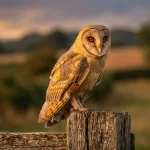
Did you know that even the subtle differences in owl calls can reveal their species, emotional state, and even territorial claims? Identifying these fascinating vocalizations is not just for seasoned birdwatchers; it’s a skill that every nature enthusiast can learn. Understanding owl calls enhances your outdoor experiences, helping you connect with these enigmatic creatures more profoundly. Whether you’re hoping to spot a Great Horned Owl or simply wish to impress friends with your newfound knowledge, mastering audio recognition is key. In this guide, we’ll explore practical tips and techniques for identifying various owl calls, empowering you to decipher their unique sounds and behaviors. Get ready to immerse yourself in the captivating world of owls and unlock the secrets they share under the moonlit sky!
How Owl Calls Vary by Species
Owls are among the most fascinating birds, known not only for their solitary and nocturnal behavior but also for their diverse vocalizations. Each owl species has developed unique calls that serve various purposes, from marking territory to attracting mates. Understanding these differences can significantly enhance your birding experience and help you identify the owls around you.
For example, the Great Horned Owl, one of North America’s most common species, emits a deep, resonant hoot that can be heard over long distances. This iconic call is often described as a series of two hoots followed by one softer hoot, which establishes its presence in a territory. In contrast, the Eastern Screech Owl produces a series of trills or whistles that sound more like a mechanical “screech,” which can easily be mistaken for other animals, making it challenging for novices to identify.
When trying to recognize owl calls, it can be helpful to familiarize yourself with some key species. The Barred Owl, for instance, is known for its distinctive “Who cooks for you? Who cooks for you all?” refrain. This call is not only memorable but serves as an intriguing conversation starter for local birders. Each species’ call can vary significantly even within local populations, influenced by factors such as age, environment, and the time of year, highlighting the importance of careful listening and study.
To effectively hone in on these calls, consider using audio recording devices or birding apps that include sound libraries of different owl species. This technology can facilitate learning and ensure you don’t miss these vocal wonders in the wild. Listening closely and consistently to owl calls is not just an enjoyable challenge; it opens the door to a deeper appreciation of these nocturnal hunters and their vital role in the ecosystem.
Understanding the Unique Sounds of Owls
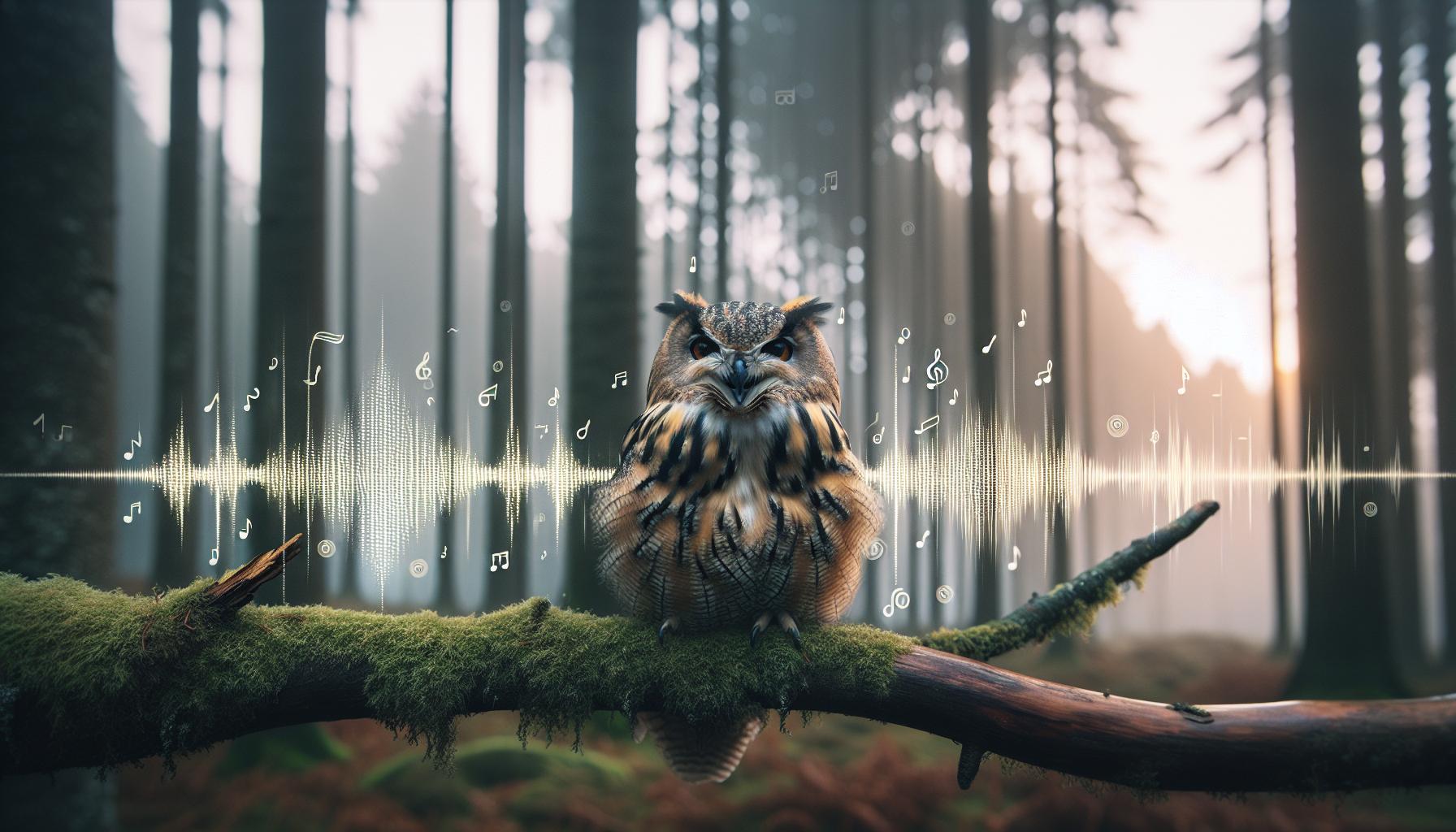
Owls enchant not only with their enigmatic appearances but also with a rich tapestry of sounds that can vary dramatically among species. Each call serves an essential role in their communication and survival, making it both fascinating and crucial for enthusiasts and birders to learn how to interpret these vocalizations. For instance, the classic hoot of the Great Horned Owl, often perceived as a symbol of wisdom, has a unique pattern that is readily identifiable: typically, it consists of two deep hoots, followed by a softer one, resonating through the night. This can be an exciting starting point for those interested in learning how to recognize different owl sounds.
When you step into the world of owls, consider the diverse range of calls that each species employs for varying purposes-territorial claims, mating rituals, and even alarm signals. The Barred Owl’s calls, for example, famously mimic its own question: “Who cooks for you? Who cooks for you all?” This memorable phrase not only aids in identification but also fosters conversations among birders, showcasing how sound can bridge communities through shared experiences. Moreover, the Eastern Screech Owl’s trilling calls, often mistaken for other wildlife sounds, illustrate why thorough listening observation is vital in differentiating owl calls from ambient noise.
If you’re eager to enhance your owl-call recognition skills, auditory technology can play a pivotal role. Leveraging mobile applications that provide sound libraries related to various owl species can be invaluable. Engaging with these tools allows you to listen to recordings, compare sounds, and become familiar with vocal patterns that might otherwise be challenging to discern in the wild. This type of auditory training not only sharpens your listening skills but also deepens your appreciation for the ecological role these birds play. As you embark on this journey, remember that patience and consistent practice are key to unraveling the intricate layers of owl communication in your local area.
Top Owl Calls You Need to Know

The world of owl calls is as diverse as the species themselves, each possessive of unique sounds that serve key functions in their behavior and communication. Understanding these calls not only enhances your birding experience but also deepens your appreciation for these fascinating nocturnal creatures. Whether you’re an aspiring birder or a seasoned enthusiast, knowing how to identify the top owl sounds is essential.
One of the most recognizable calls belongs to the Great Horned Owl. This owl produces a series of deep, resonant hoots that are often heard at night-typically two loud hoots followed by a softer, three-part call. Its sounds are synonymous with the classic image of an owl and can be a thrilling experience for any birder looking to identify these majestic birds in their natural habitat.
The Barred Owl offers another striking vocalization, known for its unique pattern that resembles the phrase, “Who cooks for you? Who cooks for you all?” This call not only helps in identifying the species but also captures the essence of its nature, often echoing through wooded areas at dusk and dawn. Listening for these calls creates a connection to the environment and can spark conversations among fellow birders engaged in the pursuit of owl watching.
Additionally, the Eastern Screech Owl adds a unique sound to the mix with its trilling calls, which are often confused with other wildlife. These soft, quavering sounds can be a bit tricky to discern, especially when compared to ambient noise. However, with practice, you’ll begin to appreciate the subtleties of its calls, which play a vital role in establishing territory and communicating with potential mates.
Having access to recordings of these owl calls can significantly enhance your ability to recognize them. Mobile applications, such as those offering extensive sound libraries, allow you to listen to these calls in various contexts. Spending time outdoors, particularly during twilight hours when owls are most active, while practicing recognition of these smells will not only improve your skills but also enrich your encounters with these captivating raptors.
Tips for Recording and Analyzing Calls
Capturing the enchanting sounds of owls can be one of the most rewarding experiences for any bird enthusiast. With the right techniques and tools, you can effectively record and analyze these calls, enriching your understanding of these remarkable creatures. Here are some essential tips to help you along your journey.
First, selecting the right equipment is crucial. A high-quality mobile recorder or a specialized audio recording device will yield the best results. Aim for equipment that has a low-noise floor and a good frequency response to accurately capture the nuances of calls. For example, parabolic microphones can amplify distant sounds, making them ideal for recording owls without disturbing them. Remember to check your device settings-opt for a high sample rate for clearer sound capture.
Next, understanding the timing and environment is key. Owls are most active during dusk and dawn, so plan your outings around these times. Seek locations with minimal ambient noise, such as forests or wetlands, where the owls are more likely to be heard. Stay still and quiet; sudden movements can scare them away. Use natural cover like trees or bushes to conceal yourself, allowing you to observe and record without causing disruption.
Once you’ve recorded a call, it’s important to analyze it effectively. Listening back to your recordings in a quiet setting can reveal details that might be missed in the field. Use audio analysis software that allows you to visualize sound waves and spectrograms, which can help identify different frequencies and patterns associated with various owl species. Take notes on the context of each call-were they territorial, mating calls, or alarm calls? This context will enhance your understanding of their behavior and communication.
Finally, sharing your recordings with local birding communities can foster learning and collaboration. Many enthusiasts appreciate the opportunity to discuss calls, share identification tips, and exchange insights about owl behaviors and habitats. Engaging in forums and social media groups dedicated to ornithology can deepen your knowledge and connect you with fellow birders who share your passion.
By embracing these techniques for recording and analyzing owl calls, you can enhance your birdwatching experience and contribute valuable observations to the study of these captivating raptors. Each call you capture brings you one step closer to understanding the rich communicative tapestry of owls in your area.
Using Technology for Owl Call Recognition
Listening to owl calls can feel like unlocking a secret language of the night, where each call carries meaning that conveys territory, mating, and alarm. Technology has become an invaluable ally in deciphering these vocalizations, enabling enthusiasts and researchers alike to identify and study hundreds of owl species more effectively.
Utilizing software like Raven Pro or Sound Analysis Pro, bird lovers can analyze recorded calls, providing visual representations of sound waves and spectrograms. This technology allows for better understanding of frequency variations, leading to accurate identification of specific owl calls. For example, the distinctive hoot of a Great Horned Owl exhibits a consistent pattern that can be easily recognized when viewed on these platforms. Additionally, mobile apps such as Merlin Bird ID and BirdNET have made it simpler for novice birdwatchers to label calls during field outings. Just by recording an owl’s call with your smartphone, these apps can analyze and suggest possible species matches based on their extensive libraries.
Another powerful tool in recognizing owl calls is the use of online databases and community forums. Websites like Xeno-canto and eBird allow users to upload their recordings and share them with a global network of bird enthusiasts. By engaging with these platforms, birders can not only enhance their recognition skills but also contribute to citizen science, tracking owl populations and behaviors across various regions. These resources often feature collections of calls categorized by species, allowing users to familiarize themselves with vocal variations specific to different geographical locations.
Finally, for those serious about combining technology with their love for birding, consider investing in sound recorders specifically designed for wildlife research. Devices that can be left in the field over extended periods, such as the Wildlife Acoustics Song Meter, enable the logging of owl calls without the need for constant human presence-which is particularly useful for studying shy or elusive species. Integrating these advanced tools into your owl-call identification practice not only enhances your auditory skills but also deepens your connection with these fascinating creatures of the night.
Decoding Owl Calls: Practical Examples
Listening to the night is a magical experience, and nothing personifies this better than the calls of owls. Each species has its own unique vocalizations that can tell a story about its behavior, mood, and even territory. To effectively decode these captivating sounds, gaining an understanding of a few practical examples of owl calls can greatly aid both beginners and seasoned birders.
Take the famous Great Horned Owl, for instance; its typical call is a deep, resonant “hoo hoo hoo” that can be heard from a distance. This series of calls is not just a communication method but claims territory and attracts mates. When you listen, pay attention to the pattern-they often have a distinctive rhythm, starting slowly and gradually increasing in speed. By recording this call and analyzing it with audio software, you can visualize its sound waves, helping you to recognize similar patterns in other owls.
Then there’s the Eastern Screech Owl, which may take you by surprise with its eerie, whinnying sound or a series of trills. Perhaps one of the most versatile voices in the owl family, this species adds complexity to your listening experience. By contrasting the tonal quality of its calls with that of a Barn Owl’s raspy scream, you begin to develop an ear for the nuances in pitch and cadence. Keeping a journal of these auditory experiences can help you track which owl you encounter during nighttime outings.
Lastly, technology can be your ally in this journey. Programs like BirdNET allow you to record calls in the field and identify them by comparing sound patterns to their extensive databases. This not only enriches your skills but also connects you with a community of bird enthusiasts who are passionate about sharing their findings. As you immerse yourself in the art of owl call recognition, remember that each vocalization is a window into the life of these nocturnal creatures, offering insights into their presence in the ecosystem.
The Importance of Owl Calls in Nature
Listening to owls at night can transport you into an enchanting world where each call plays a role in the rhythm of nature. These vocalizations are not just beautiful sounds; they are vital tools for survival and communication within their ecosystems. Understanding the importance of owl calls can deepen your appreciation for these mysterious birds and enhance your birdwatching experience.
Owl calls serve multiple functions, including territorial signaling and mate attraction. Each species has a unique call that conveys specific messages to others within their territory. For instance, the familiar “hoo-hoo” of the Great Horned Owl establishes territory and indicates presence to other owls, while the high-pitched cries of the Barn Owl can serve to warn off intruders. By recognizing these calls, birders can learn not just about the owls themselves but also about the dynamics of their habitats.
In addition to communication, owl calls are essential for maintaining ecological balance. Owls are top predators in their environments, and their calls can indicate overall health within an ecosystem. Monitoring these vocalizations contributes to conservation efforts, as changes in call frequency or patterns can signal population shifts or environmental issues. Engaging with local birding communities can provide firsthand insights into these changes and allow you to contribute to conservation initiatives.
For anyone interested in birding, taking the time to learn and appreciate the importance of owl calls can greatly enhance your field experience. Beyond just identifying owls, it invites you to listen closely and reflect on your surroundings, fostering a deeper connection with the natural world. Whether you’re recording their calls or simply enjoying the night chorus, owl vocalizations are a reminder of the intricate web of life that exists all around us.
Common Misconceptions about Owl Sounds
Many individuals are captivated by the hauntingly beautiful sounds that owls make, but there are several misconceptions that can cloud our understanding of these intriguing vocalizations. One common myth is that all owl calls sound alike. In reality, each species has its own distinct set of calls that serve various functions. For instance, the Great Horned Owl’s low, resonant hoots contrast sharply with the high-pitched screeches of the Barn Owl. Recognizing these differences is crucial for effective bird identification and adds richness to your birdwatching experience.
Another prevalent misunderstanding is that owls are solely nocturnal creatures with limited vocalizations. While it’s true that most owls are active at night, many species also exhibit vocal activity during the day, particularly during breeding season. This behavior is often overlooked, yet it provides an excellent opportunity for birders to expand their auditory repertoire. For example, the Eastern Screech Owl can often be heard calling during the twilight hours, giving early risers a chance to enjoy its distinctive trills and whistles.
Moreover, some people assume that owl calls are entirely defensive or territorial in nature. While these calls do indeed play a role in establishing territory and warding off rivals, they are also essential for mate attraction and social communication among family groups. The soft, melodic hoots of a female courting a male during the breeding season may be mistaken for an invitation to intruders, highlighting how nuanced these vocalizations can be.
To help dispel these myths and enhance your owl call recognition skills, consider engaging with audio resources that feature the calls of different species. Listening exercises that compare similar calls can fine-tune your ability to discern subtle differences, enriching your experience as you venture into the world of owls. Additionally, community birdwatching events can provide practical exposure to owl calls in their natural settings, fostering a deeper understanding of their communications.
How to Attract Owls with Vocalizations
Owls are not just masters of the night; they’re also vocal communicators that convey a rich array of messages through their calls. If you’re keen on attracting these enigmatic birds to your backyard or favorite birding spot, utilizing vocalizations can be an effective tactic. By mimicking owl sounds or playing recordings of their calls, you can pique their curiosity and encourage them to reveal themselves.
To start, it’s essential to know which owl species are native to your area and their corresponding vocalizations. For example, the distinctive hoots of the Great Horned Owl are quite different from the high-pitched toots of the Eastern Screech Owl. Begin by familiarizing yourself with their calls through audio resources or apps designed for birdwatching. Listen to examples of these vocalizations so you can confidently imitate them, as an accurate sound will have a greater chance of eliciting a response.
Using Calls to Attract Owls
When you’re ready to attract owls, here are some techniques to consider:
- Mimicking Calls: If you’re comfortable using your voice, try imitating the call of the specific owl species you hope to attract. Practice makes perfect, so repeat the sounds as you listen to real recordings.
- Playback Devices: For a more hands-off approach, consider using a speaker or playback device to play recorded owl calls. Set this up in a quiet part of your yard during dusk or dawn when owls are most active.
- Time Your Efforts: Owl calling is often most successful during breeding season, typically in late winter to early spring. This is when they are most vocal and likely to respond to calls.
- Be Patient and Still: Once you’ve made your attempts to call owls, remain silent and still. Any movement or noise can scare them away.
By engaging in owl vocalization, you can create an inviting atmosphere that encourages owls to come closer. Not only does this enhance your birdwatching experience, but it also provides a unique opportunity to study their behavior up close. As you continue to refine your call recognition and imitation skills, consider participating in local birding communities or events where you can share your experiences and learn from fellow enthusiasts.
Cultural Significance of Owl Calls Across the World
Owls have captivated human imagination for centuries, transcending cultural boundaries and embodying a plethora of meanings across the globe. Their calls, often shrouded in mystery, echo through folklore, mythology, and even modern lived experiences, signifying various cultural beliefs. For instance, in many Native American cultures, the haunting hoot of the owl is seen as a harbinger of change, reflecting a deep understanding of nature’s rhythm and signaling transitions in life. This reverence for owl vocalizations often parallels their perceived role as guardians or guides, linking the animal’s calls to spiritual insight and wisdom.
In contrast, some cultures view the owl’s call as an omen of death or misfortune. In parts of Europe and Africa, these nocturnal sounds have historically been associated with witchcraft and superstition, representing unknown dangers lurking in the night. Despite these varying interpretations, one factual outcome remains constant: the unmistakable calls of owls have fostered a sense of intrigue and sparked a desire to understand their identity. For birdwatchers and enthusiasts, recognizing these calls not only deepens their connection to the natural world but also enhances their ability to appreciate the diverse narratives that surround these enigmatic birds.
As you explore owl calls for identification and enjoyment, consider incorporating local cultural perspectives into your experience. Engage with community narratives, whether through listening to elders in your area or visiting cultural exhibits about native wildlife. This approach not only enriches your understanding but also highlights how the resonance of owl calls, with their unique acoustic qualities, connects people to their surroundings and to each other. The act of learning to identify these calls can be more than a hobby; it becomes a bridge to appreciating the intertwined relationships between nature, culture, and personal reflection, allowing experienced birders as well as newcomers to find a shared language in the night.
When immersing yourself in the world of owls, consider that each call may tell a story rooted in local history or folklore. Embracing this cultural significance enriches your experience as you hone your audio recognition skills, transforming simple birdwatching into a profound exploration of community and the natural world. So, as you practice listening for the owls in your area, think of their sounds not just as a call to be identified, but as a voice echoing centuries of human culture and understanding.
Engaging with Local Birding Communities
Connecting with local birding communities can significantly enhance your ability to identify owl calls and deepen your overall birdwatching experience. These communities are often brimming with knowledge and passion, offering a welcoming atmosphere where both seasoned birders and newcomers can share insights, tips, and resources. One of the best ways to expand your skills is to participate in birdwatching groups or clubs, where you can engage with members who share your enthusiasm for owls and their distinctive vocalizations.
Many local birding communities organize field trips during the evenings, when owls are most active and vocal. These outings provide a practical setting to practice your audio recognition skills while learning from experienced guides. During these trips, participants often bring along audio equipment to record owl calls, discussing the unique characteristics of each sound in real-time. This not only helps in identifying species by sound but also builds confidence in recognizing calls on your own during your future excursions.
Moreover, collaborating with local ornithological societies can be particularly advantageous. These organizations frequently host workshops focusing on bird identification, including the sounds that different species make. They might offer resources such as handouts listing regional owl calls, which you can use to reference during your field explorations. Engaging with birders online-through platforms like forums, social media groups, or local meetups-allows for the sharing of recordings, tips, and experiences that can enhance your understanding and appreciation of owls.
Another enriching aspect of participating in these communities is the opportunity to get involved in citizen science projects. Many organizations seek volunteers to help with owl surveys and studies, giving you practical experience while contributing to important conservation efforts. Engaging in community-led initiatives not only enhances your identification skills but also fosters a sense of connection with the natural world and those who are dedicated to its preservation.
By immersing yourself in local birding communities, you can significantly enhance your owl identification skills, connect with like-minded individuals, and deepen your appreciation for these majestic birds. The collaborative spirit of these groups transforms learning into a shared journey, where each call heard becomes part of a collective adventure in understanding nature.
Continuing Your Owl Learning Journey
The thrill of hearing an owl call in the wild can be a transformative experience, sparking curiosity and a desire to learn more about these enigmatic birds. The journey to enhance your audio recognition skills and deepen your understanding of owl calls doesn’t have to end with a single field trip or a casual observation. Instead, continue exploring this fascinating subject through varied resources and experiences that will enrich your knowledge and appreciation.
One effective approach is to invest in books and online courses specifically focused on owl identification and their vocalizations. Many enthusiasts find that auditory guides, which pair illustrations of owls with their respective calls, can be particularly useful. Engage with multimedia platforms such as podcasts or webinars that delve into owl behavior, biology, and calls; hearing experts discuss their experiences and tips can provide invaluable insights. Additionally, mobile apps designed for birding can play recordings of different owl calls and quiz you on identification, making learning interactive and fun.
Participating in citizen science initiatives, such as owl monitoring programs or local surveys, offers hands-on experience that can illuminate the practical aspects of owl vocalizations. These projects often involve compiling call data during specific seasons, which can help you become more attuned to the nuances of owl sounds, such as variations in pitch or rhythm between species. Joining forces with seasoned birders or local experts during these projects can fuel your enthusiasm while fostering connections with others who share your passion.
While practicing hearing owl calls, remember to reflect on the ecological roles of these sounds. The in-depth understanding of how owls communicate with each other-whether for mating, territorial defense, or signaling alarm-enhances your overall learning journey. Observing these interactions in a natural setting, while armed with your growing knowledge, can transform your birdwatching experience into a richer narrative of nature’s complex web. By continually seeking out new information, participating in community efforts, and applying what you learn in practical settings, you can elevate your owl call recognition skills to new heights.
Q&A
Q: How can I differentiate between owl species based on their calls?
A: You can differentiate owl species by listening for unique vocal patterns, pitch, and rhythm. Certain owls have distinctive calls; for example, a Great Horned Owl has a deep hoot, while a Barred Owl features a distinct “who cooks for you?” call. Refer to the section on “How Owl Calls Vary by Species” for a detailed guide.
Q: What time of year is best for listening to owl calls?
A: The best time to listen to owl calls is during their breeding season, typically late winter to early spring. This is when they are most vocal as they defend territory and attract mates. Consider visiting a local area that has owls to increase your chances of hearing their calls.
Q: What equipment do I need to record owl calls effectively?
A: To effectively record owl calls, use a digital audio recorder with a good microphone and windscreen. A parabolic microphone can help focus on distant sounds. Visit the “Tips for Recording and Analyzing Calls” section for more insights on equipment and techniques.
Q: How do I interpret the meaning behind different owl calls?
A: Owl calls can indicate various behaviors such as marking territory, attracting mates, or communication with their young. Understanding the context and time of day when the call occurs can provide clues to its meaning. Learning about specific calls will be beneficial-check “Decoding Owl Calls: Practical Examples” for assistance.
Q: Can I attract owls to my backyard using calls?
A: Yes, you can attract owls by mimicking their calls or using recordings. This is most effective during breeding seasons. Ensure you choose the correct species calls for your region. For techniques, refer to the “How to Attract Owls with Vocalizations” section for successful strategies.
Q: Why do owls call at night instead of during the day?
A: Owls are primarily nocturnal, which means they are adapted to hunting and communicating at night. Their calls serve various purposes, including defending territory and attracting mates. Familiarizing yourself with their nocturnal habits can enhance your owl observation experience.
Q: How do technology tools enhance owl call identification?
A: Technology tools, such as sound analysis software and mobile apps, can help identify and archive owl calls accurately. These tools allow for detailed comparison of calls, facilitating better understanding. Explore the “Using Technology for Owl Call Recognition” section for additional resources and recommendations.
Q: Are there online communities where I can learn about owl calls?
A: Yes, online birding communities and forums provide valuable resources for learning about owl calls. Engaging with platforms like BirdForum or local birding groups can enhance your knowledge through shared experiences. Check out “Engaging with Local Birding Communities” for tips on finding these groups.
In Retrospect
Now that you’ve learned how to identify owl calls, it’s time to put your new skills to the test! Next time you’re out in the wild or even in your backyard, listen closely. If you’re eager to deepen your understanding of these fascinating creatures, check out our related articles on “Owl Species Identification” and “The Behaviour of Nocturnal Birds.”
Don’t miss out on future insights; subscribe to our newsletter for expert tips and updates about birdwatching! Your journey doesn’t have to stop here-explore more about owl behavior and their habitats to enhance your knowledge. Remember, every visit brings you closer to mastering the art of listening to nature. Share your owl encounters in the comments below; we’d love to hear from you! Happy birding!
Get our latest guides, news, and insights highlighted in your Google Search & AI Overviews.