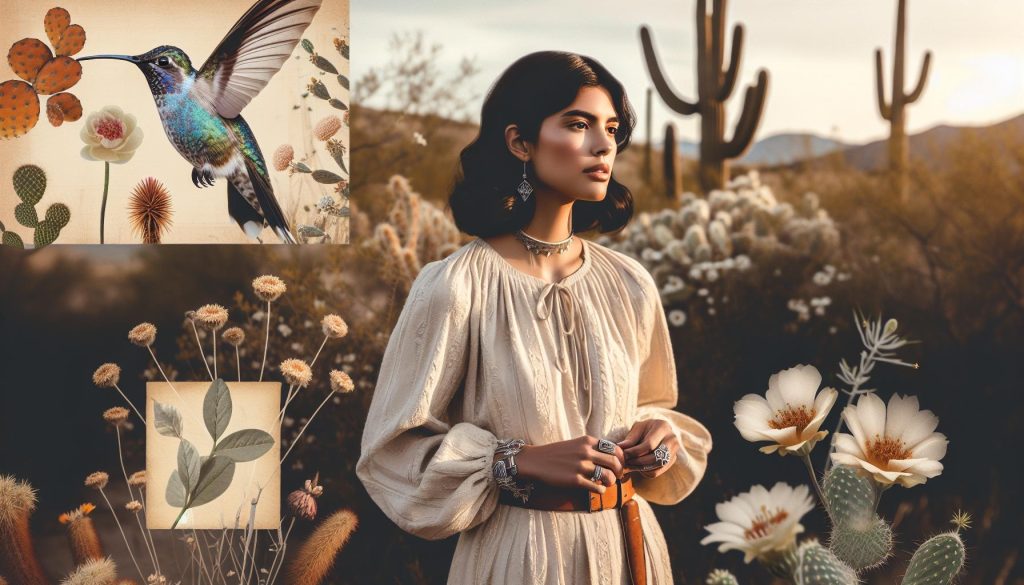
Did you know that the Costa’s Hummingbird, with its iridescent feathers and unique desert adaptations, is a true marvel of nature? Found primarily in the arid landscapes of the Southwestern United States and Mexico, this vibrant creature not only thrives in extreme environments but also showcases an impressive courtship display that captures the attention of birdwatchers and enthusiasts alike. As you delve into the world of the Costa’s Hummingbird, you’ll discover fascinating insights into how these remarkable birds have evolved to survive and flourish in their challenging habitats. Whether you’re an aspiring birder or a seasoned observer, understanding the behavior and adaptations of this species will enrich your appreciation for their role in our ecosystems. Join us as we explore their distinctive characteristics, behaviors, and the intricate dance of courtship that defines their breeding season, ensuring that you are well-equipped to observe and enjoy these enchanting birds in their natural setting.
Understanding Costa’s Hummingbird Habitat Adaptations
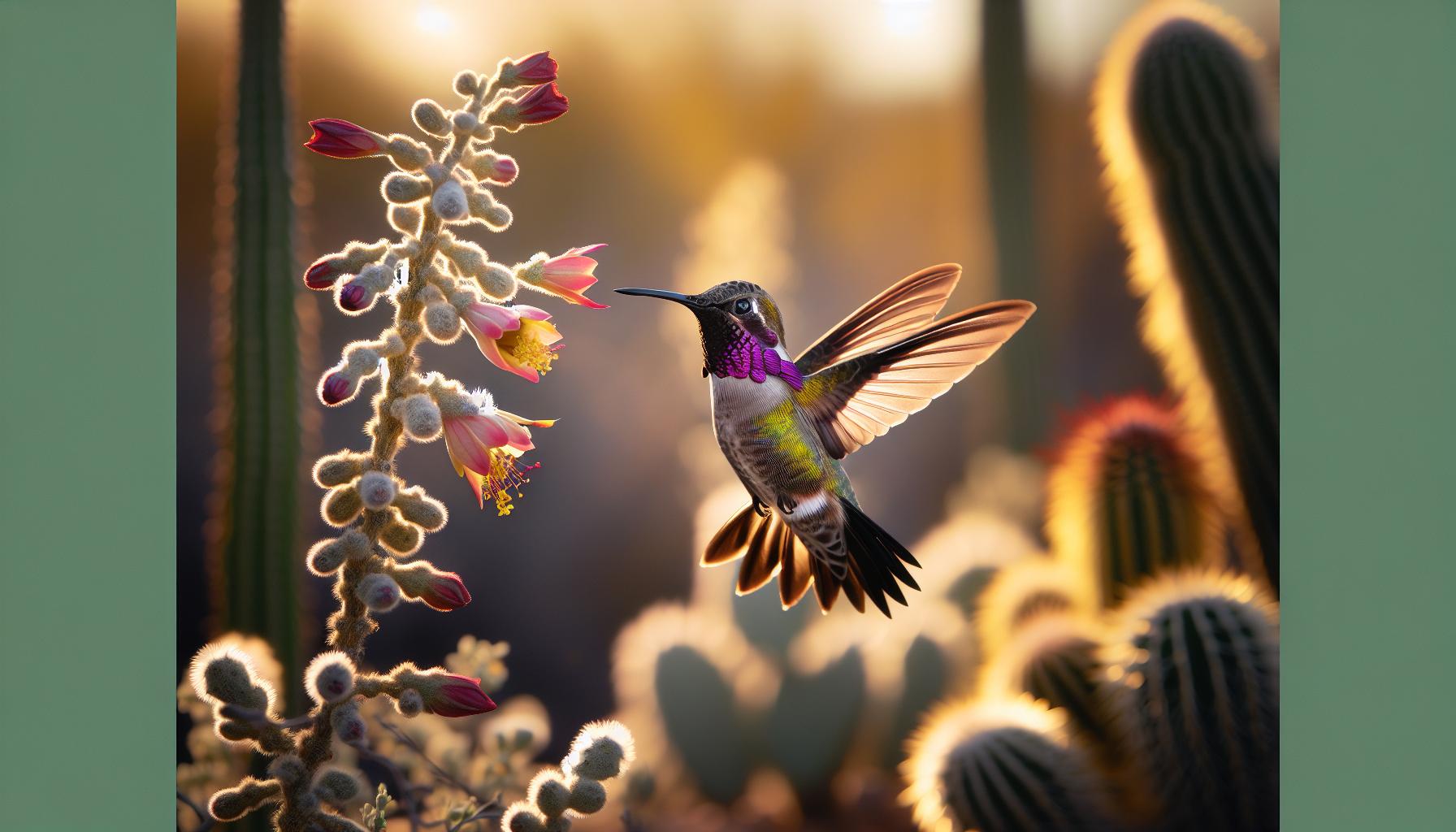
In the harsh yet captivating landscapes of desert regions, Costa’s Hummingbird exhibits remarkable habitat adaptations that enable its survival in such challenging environments. This small bird has evolved to thrive where water is scarce and vegetation is sparse, demonstrating incredible resilience and resourcefulness. Their ability to utilize a diverse range of desert flora, which often features brightly colored, tubular flowers, is critical for feeding on nectar-one of their primary food sources. Additionally, Costa’s Hummingbird has developed physiological traits such as a specialized digestive system that allows for rapid assimilation of sugars, which is essential for sustaining their high metabolism amid extreme temperatures.
Hiding in the crevices of rocky terrains and perching on cacti, these birds exhibit an incredible camouflage that protects them from both predators and environmental stresses. The dense foliage of desert shrubs provides essential shelter from the sweltering sun during the day and offers a safe haven from nocturnal threats. As you observe them flitting from flower to flower, notice how they deftly navigate their habitat, utilizing their keen eyesight to locate food sources while ideally positioning themselves for courtship displays to attract mates.
Another fascinating aspect of their adaptation involves their ability to enter a state of torpor. During times of extreme heat or when food is particularly scarce, Costa’s Hummingbird can significantly lower its body temperature and metabolic rate, conserving precious energy. This remarkable adaptability not only underscores their survival strategies but also hints at the intricate balance they maintain within the desert ecosystem-a balance that is crucial in the face of climate variability and habitat change. Understanding these adaptations deepens our appreciation for Costa’s Hummingbird and highlights the importance of preserving their unique habitats.
Unique Features of Costa’s Hummingbird Plumage
The plumage of Costa’s Hummingbird is as remarkable and vibrant as the desert landscapes it calls home. Notably, these birds exhibit a dazzling range of iridescent colors that can shift with the light, creating an eye-catching spectacle. Males are particularly stunning, adorned with brilliant green and blue hues that shimmer in the sunlight. This array of colors isn’t merely for show; it serves a critical function in their courtship displays. The striking plumage is essential for attracting mates, as male Costa’s Hummingbirds engage in elaborate aerial performances to showcase their beauty.
These displays include intricate flight patterns that highlight their colorful feathers, allowing them to flaunt their vibrant throat patch-known as a gorget. This iridescent patch can appear deep blue or vivid green, depending on the angle of the light and the position of the bird. The combination of agility and bright colors makes the male’s plumage a key element in attracting females, who are often selective and respond favorably to the most dazzling displays.
Moreover, the plumage offers more than just mating advantages. The coloration plays a role in thermoregulation, helping the birds manage their body temperature in the desert’s extreme heat. Darker feathers absorb heat efficiently, while the lighter colors may help reflect sunlight, reducing the risk of overheating. This dual purpose exemplifies how adaptations in their appearance contribute to their survival in a demanding environment.
In addition to their captivating colors, the texture of Costa’s Hummingbird feathers provides superb aerodynamics, allowing for agile maneuvers as they navigate quickly from flower to flower. The structural composition of their feathers reduces drag, which is crucial in both feeding and courting behaviors. Overall, the unique features of their plumage are vital, enhancing not only their appeal to potential mates but also their adaptability to the challenging conditions of their desert habitat.
Courtship Displays: The Dance of Attraction
The courtship rituals of Costa’s Hummingbird are a mesmerizing spectacle, showcasing a blend of agility, color, and aerial artistry. During the breeding season, male Costa’s Hummingbirds take to the skies to perform elaborate displays designed to attract the attention of potential mates. These aerial shows are not merely about flying; they incorporate intricate patterns and bold swoops that highlight their stunning plumage and iridescent throat patches, known as gorgets. As the males soar and dive, the sunlight dances off their vibrant feathers, creating a visual feast that can leave observers in awe.
In the wild, these displays often involve a series of aerial acrobatics, including rapid ascents and sudden drops, which can impress a female from a distance. The males create unique sounds by flapping their wings at high speeds, adding an auditory layer to their performance. For birdwatchers and nature enthusiasts, witnessing such displays can be rewarding, as these birds are known for their tenacity, often performing extensively until a female shows interest. The complexity of their routines further emphasizes the importance of physical fitness and skill in the selection process, with females typically opting for males that exhibit the most impressive displays.
Practical Tips for Observing Courtship Displays
- Timing: The best time to witness these courtship displays is during the early morning or late afternoon when males are most active.
- Location: Target areas with abundant flowering plants, as these attract both hummingbirds and their potential mates.
- Patience: Finding a good spot and being still can lead to exhilarating experiences as these birds engage in their captivating dances.
The courtship behaviors of Costa’s Hummingbirds not only exemplify the natural elegance of avian life but also highlight the adaptations these birds have developed to thrive in harsh desert environments. By understanding and appreciating these intricate behaviors, we can foster a deeper connection with these magnificent creatures and their ecosystems.
Feeding Behavior: Navigating Desert Resources
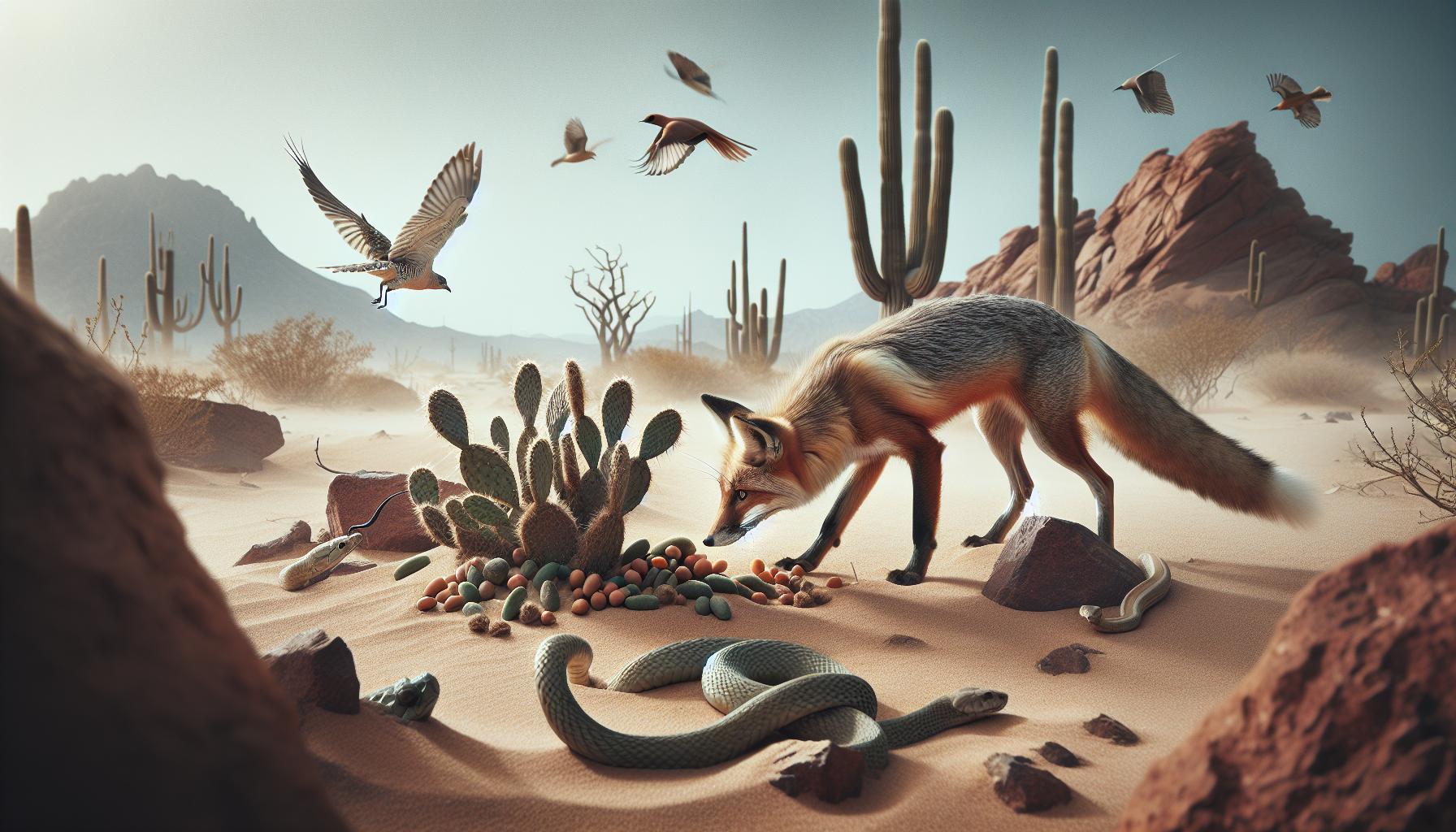
Costa’s Hummingbird possesses a remarkable adaptability that allows it to thrive in the sun-baked deserts of the Southwestern United States and Mexico. These tiny birds are expert foragers, navigating arid landscapes to seek out floral resources crucial for their survival. Their feeding behavior is a stunning example of ingenuity in the face of challenging environmental conditions.
During the breeding season, male Costa’s Hummingbirds establish territories around abundant flowering plants, which serve as essential food sources. These birds primarily feed on nectar, using their long, specialized bills to access the sweet liquid found within tubular blooms. They are adept at finding plants that bloom in quick succession, ensuring a continuous supply of food. Some favored plants include the Agave, desert sage, and various types of trumpet vine. Interestingly, they play a critical role as pollinators; as they transfer pollen from flower to flower, they help sustain the ecosystems in which they reside.
To optimize their feeding opportunities, Costa’s Hummingbirds exhibit an impressive range of foraging techniques. They can hover in mid-air, darting quickly from flower to flower, which allows them to maximize their nectar intake while also surveying their surroundings for any potential threats or competition. This agility not only aids in resource gathering but also comes into play during courtship displays, where their aerial skills impress potential mates.
Tips for Attracting Costa’s Hummingbirds to Your Garden
If you’re looking to invite these exquisite creatures into your outdoor space or simply wish to observe their feeding habits, consider the following:
- Plant Native Flora: Incorporate native flowering plants that attract hummingbirds, such as red or orange tubular flowers.
- Provide Fresh Water: Add shallow dishes or bird baths with clean water to support their hydration needs, especially in dry periods.
- Limit Pesticides: Reduce the use of chemicals in your garden to promote a healthier ecosystem that supports bee and butterfly populations, which also benefit hummingbirds.
By understanding and enhancing the feeding habitats around us, we can enjoy witnessing Costa’s Hummingbirds as they flit about, showcasing their incredible adaptations and vibrant presence. Whether you’re a seasoned birdwatcher or a newcomer, creating an inviting environment can lead to rewarding experiences observing these fascinating birds in action.
Breeding Habits and Nesting Strategies
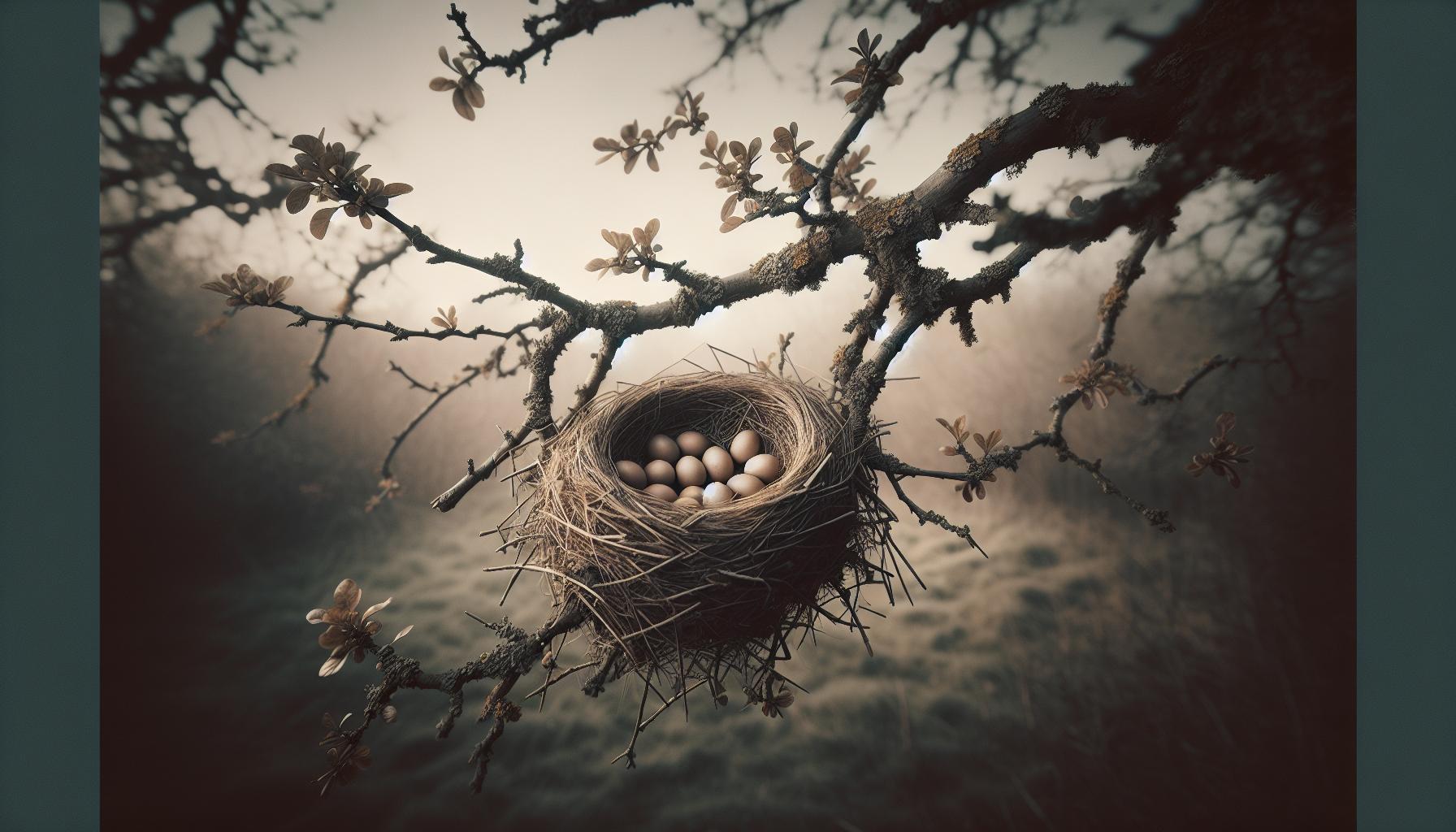
During the breeding season, Costa’s Hummingbirds display some fascinating behaviors that not only highlight their adaptability to arid environments but also their unique strategies for reproduction. Nesting typically occurs between March and August, with females making the critical decisions when it comes to selecting nesting sites. These industrious mothers often choose locations that are well-concealed among foliage, such as in shrubs or low branches, to protect their nests from potential predators. Interestingly, the nests themselves are crafted from a mixture of soft materials-including downy feathers, plant fibers, and spider silk-rendering them both securely anchored and flexible enough to withstand harsh weather conditions.
Once she has selected a suitable site, the female begins the nest-building process alone, which can take several days. The typical nest is small and cup-shaped, measuring about two inches across, and is often camouflaged by its surroundings. This strategic choice aids in keeping her eggs safe from natural threats while allowing her to remain near flowering plants that provide essential food resources during the demanding days of raising her young.
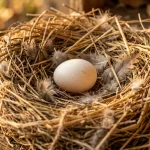
After laying two tiny white eggs, the female incubates them for about 15 to 19 days. During this period, she will defend her territory vigorously, often engaging in aggressive displays against other birds, including males. Upon hatching, the chicks remain dependent on their mother for food and protection. The female will feed her young a mixture of nectar and tiny insects, providing the protein necessary for their rapid growth. This period of nurturing may last up to three weeks before the fledglings are ready to leave the nest.
Observation of this section of their life cycle can be particularly rewarding for birdwatchers. Utilizing nesting boxes or planting dense flowering shrubs in your garden can not only provide appealing habitats for Costa’s Hummingbirds but can also increase your chances of witnessing this captivating phase of their life. As you encourage these remarkable birds to your yard, you contribute not just to their survival, but also to the intricate web of life they support in their desert ecosystems.
The Role of Territory in Mating Success
In the world of Costa’s Hummingbirds, territory plays a crucial role in mating success, serving not just as a space for foraging, but also as a stage for displaying their vibrant courtship behaviors. Male Costa’s Hummingbirds are known for their assertive territoriality-by establishing and defending a prime area filled with abundant flowers, they not only secure vital resources but also attract potential mates. When a male claims a territory, he vigorously patrols it, engaging in aggressive confrontations with other males to ward them off. This dominant behavior signals to females that he is a suitable partner; an ideal territory reflects both his vitality and genetic fitness.
Territorial displays are multifaceted and include a captivating aerial dance. Males perform spectacular aerial acrobatics, diving and fluttering at incredible speeds, punctuated by a unique sound made by their wings. These performances are more than just entertaining spectacles; they serve as visual and auditory cues that emphasize the male’s strength and agility. The more impressive the display, the more likely a female is to choose that male as her mate. For birdwatchers, observing these dramatic courtship displays can be an exhilarating experience, where the vibrant greens and purples of the male’s plumage come to life against the arid desert backdrop.
When it comes to nurturing this territorial behavior in your own backyard, consider planting a variety of native flowering plants. Establishing a territory-friendly environment increases the chances of attracting these hummingbirds, as they seek out areas rich with food sources. Additionally, setting up hummingbird feeders filled with nectar will further entice males to stake claim, leading to more vibrant courtship displays. Engage with their world through birdwatching, and you will not only contribute to the health of local ecosystems but also enjoy the lively interactions that unfold as these remarkable creatures seek to cement their place in the circle of life.
Migration Patterns and Seasonal Adaptations
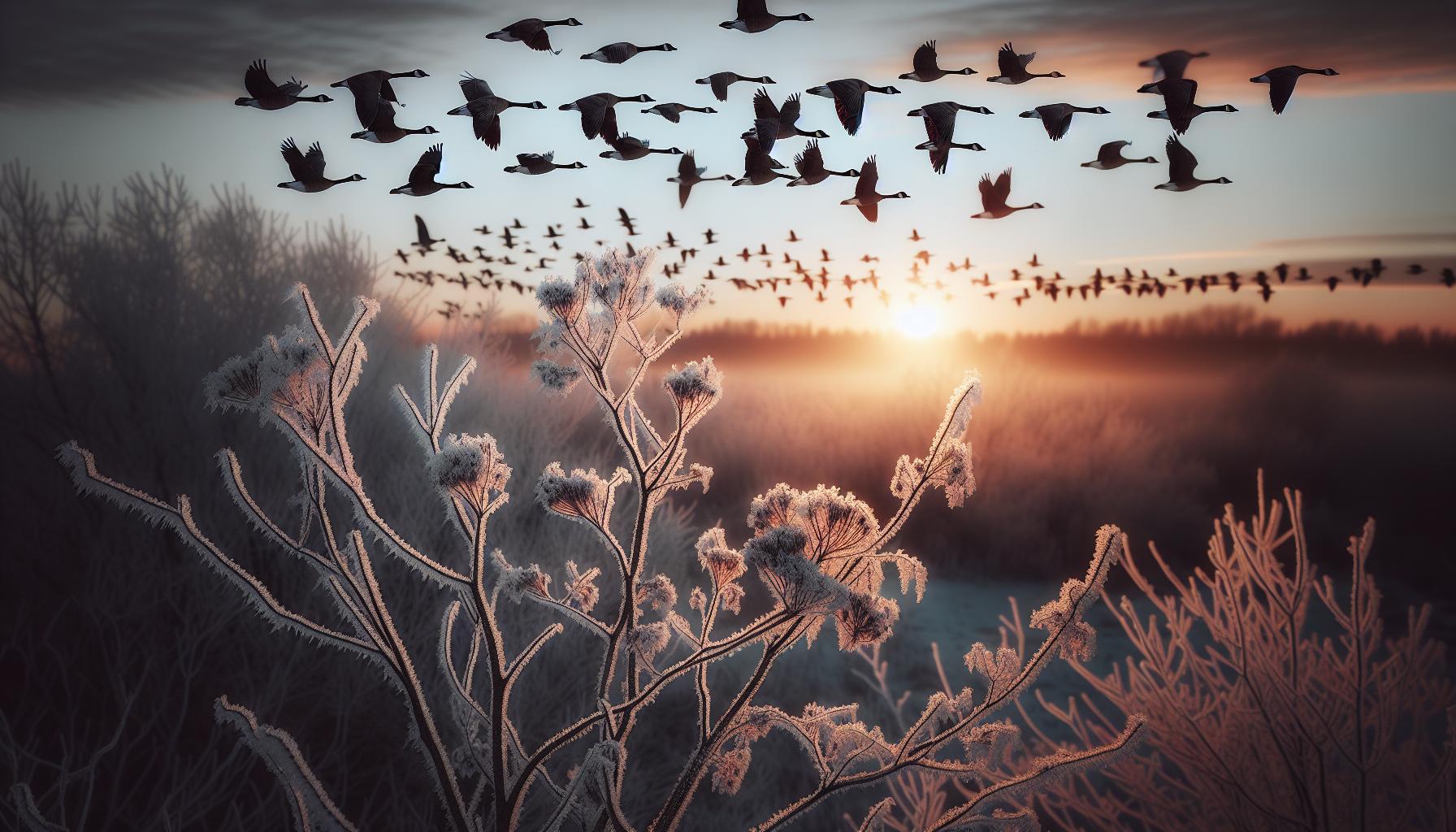
Migration is a fascinating aspect of Costa’s Hummingbird that not only showcases their remarkable adaptation to the environment but also highlights their amazing endurance and navigation skills. While many hummingbirds undertake long migrations, Costa’s Hummingbird exhibits a more localized dispersal pattern, usually remaining within their desert habitats year-round. This resilience is crucial for survival, especially during periods of extreme weather conditions that can affect food availability and nesting opportunities.
In the early spring, as flowers bloom and food sources become abundant, male Costa’s Hummingbirds typically establish and defend their territories vigorously. This is a prime time when these birds start to attract females with their courtship displays. During autumn, as temperatures dip and resources diminish, they may migrate short distances to areas that still provide the nectar-rich flowers they depend on. Their migration is often influenced by the availability of flowers and the weather, rather than a strict seasonal pattern, making them adaptable to varying environmental conditions.
Understanding the timing and behavior of these migrations can be particularly valuable for bird enthusiasts looking to attract Costa’s Hummingbirds to their gardens. Offering feeders filled with nectar during migration periods not only aids these birds in replenishing energy reserves but also enhances your garden’s appeal, providing a critical resource amidst changing seasons.
In addition, keeping an eye on local flowering plants can yield clues about potential visitation times, as Costa’s Hummingbirds are likely to frequent areas with blooming flora. By aligning your gardening efforts with these seasonal patterns, you can create a welcoming environment that supports their journeys while enjoying their spectacular presence during peak activity times. Engaging with these tiny aviators through observation and conservation will enrich your understanding and appreciation of their vital role in the ecosystem.
Conservation Status: Protecting Costa’s Hummingbird
The survival of Costa’s Hummingbird is a testament to its resilience in the harsh desert environment. However, as urbanization and climate change increasingly impact their natural habitat, these remarkable birds find themselves at a significant risk. Protecting Costa’s Hummingbird requires an understanding of their ecological needs and the threats posed to their environment.
One key aspect of their conservation is maintaining and restoring local habitats. Planting native flora that provides food sources, such as nectar-rich flowers, is essential for attracting these hummingbirds and supporting their breeding strategies. As enthusiasts and gardeners, we can play a significant role in conservation efforts by creating habitats that mimic their natural environment. This not only benefits Costa’s Hummingbirds but also promotes overall biodiversity.
Additionally, education and community involvement are critical. By raising awareness of the threats faced by Costa’s Hummingbird-such as habitat loss, pollution, and climate effects-we can foster a sense of stewardship that encourages conservation practices. Participating in local conservation initiatives or bird counts can further contribute to the health of their populations.
To support these vibrant pollinators effectively, it’s important to advocate for sustainable practices in landscaping and gardening. Using pesticides sparingly and avoiding non-native plant species can help preserve the delicate balance of their ecosystem and ensure that Costa’s Hummingbirds have access to the resources they need for survival. Engaging with local wildlife organizations can provide additional insights and support for ongoing conservation efforts aimed at ensuring the future of Costa’s Hummingbird in our shared environment.
How to Attract Costa’s Hummingbirds to Your Garden
Creating a haven for Costa’s Hummingbirds in your garden can be a rewarding experience for bird enthusiasts and novice gardeners alike. These remarkable birds thrive in environments rich with seasonal blooms, relying extensively on nectar sources for nourishment. By introducing specific plants and elements to your outdoor space, you can not only attract these dazzling creatures but also enhance local biodiversity.
To start, focus on planting native, nectar-rich flowers that bloom at different times throughout the year. Options such as salvia, bee balm, and desert marigold are not only visually appealing but also provide essential food sources for Costa’s Hummingbirds. These plants often produce tubular flowers that are perfectly suited for their long bills, allowing easy access to the sweet nectar. Additionally, including a variety of colors and shapes will appeal to their natural preferences and encourage visits throughout the seasons.
Providing Water Sources
Apart from food, access to fresh water is critical. Placing a shallow birdbath in your garden, with gently sloping sides, can create a perfect bathing spot for these hummingbirds. You can add pebbles for stability, allowing them to perch while they drink or bathe. To keep the water clean and fresh, change it regularly and place the bath in a sunny spot where the birds feel safe from predators.
Creating Shelter and Nesting Opportunities
Providing shelter is just as important as offering food and water. Hummingbirds favor dense shrubs or trees for protection and nesting. Incorporating native plants that provide natural cover, such as willows or oaks, can help them feel secure, especially during the breeding season. Additionally, consider hanging nesting materials like fine strands of yarn or coconut fibers around your garden to encourage mated pairs to establish nests nearby.
Minimize Chemical Use
To ensure your garden remains a sanctuary for Costa’s Hummingbirds, avoid pesticides and herbicides whenever possible. These chemicals can be harmful not just to the birds but to the entire ecosystem. Opt for organic gardening practices that promote a healthy environment, fostering a safe habitat for your feathered friends and other beneficial wildlife.
By following these guidelines and being patient, you may soon see Costa’s Hummingbirds flitting around your garden, bringing joy and vibrancy to your outdoor space. Observing their delightful behavior can deepen your appreciation for these extraordinary birds and the role they play in our ecosystems. Happy gardening!
Common Myths About Hummingbirds Debunked
Hummingbirds are often the subject of fascination, and with that fascination comes a variety of myths that can cloud our understanding of these remarkable birds. One popular misconception is that all hummingbirds migrate south for the winter. While many species do migrate, Costa’s Hummingbird is known for its unique adaptations, allowing it to survive in the desert climate of the southwestern United States and Mexico. This species can endure the harsh conditions that come with dry, hot summers by utilizing seasonal blooms and expert foraging techniques rather than relying solely on migration.
Another common myth is that hummingbirds exclusively feed on nectar and have no interest in other food sources. While nectar is a primary energy source, Costa’s Hummingbird also feeds on small insects and spiders. These protein-rich food sources are essential, especially when raising young, as they provide the necessary nutrients that nectar alone cannot supply. By understanding this food diversity, we can appreciate the bird’s ecological role in pest control and pollination.
Many people believe that hummingbirds are solely attracted to red flowers. While red tubular flowers are indeed popular among them, Costa’s Hummingbirds are drawn to a variety of colors and flower shapes. By planting a mix of nectar-rich flowers, including yellows, oranges, and even purples, you can attract these beautiful birds to your garden throughout the blooming season. The variety of colors mimics their natural habitat, enhancing the chances of sightings as they investigate new food sources.
Finally, there’s a pervasive belief that hummingbirds can be tamed or trained. In reality, these birds are wild creatures driven by instinct rather than domestication. While they can become accustomed to feeders in backyard settings, Costa’s Hummingbirds will always retain their natural behaviors. Encouraging them into your space with appropriate plants and feeders is the most effective way to enjoy their presence without attempting to domesticate them.
By debunking these myths, we not only foster a deeper understanding of Costa’s Hummingbirds but also enhance our appreciation for the complexity of their behaviors and the vital roles they play in our ecosystems.
Identifying Costa’s Hummingbird: A Visual Guide
Costa’s Hummingbird, a vibrant resident of the southwestern United States and parts of Mexico, is remarkable not only for its dazzling plumage but also for its unique adaptations to arid environments. This hummingbird is typically identified by its striking coloration and distinctive physical features, making it a favorite among birdwatchers and nature enthusiasts alike. Observing these birds in their natural habitat can be an exhilarating experience, and knowing what to look for can significantly enhance your birdwatching success.
To spot a Costa’s Hummingbird, focus on their size and color. Adults typically measure about 3.5 inches long, presenting a glossy green back and a striking purple crown and throat. Male Costa’s Hummingbirds are particularly eye-catching during courtship displays, which feature a flash of iridescent colors as they dive and perform intricate aerial maneuvers. When observing them, note that females possess a more muted palette with green and white underparts and a slightly less vibrant throat, often appearing less conspicuous.
Key Identification Features
- Size: 3.5 inches in length.
- Coloration: Males are adorned with bright green plumage and a distinct purple throat, while females are more subdued.
- Flight Pattern: Watch for their rapid wing beats and graceful hovering, often around flowering plants.
- Behavior: Males frequently engage in aerial displays for courtship, showcasing their vibrant colors.
It’s also beneficial to listen for their vocalizations. Costa’s Hummingbirds produce a series of chirps and whistles, which can be a clue to their presence, especially when hidden among the foliage. Observing their feeding habits can also aid in identification; they are commonly seen at nectar-rich flowers as they dart from bloom to bloom, delicately extending their long, slender bills to access sweet nectar.
Finally, the time of year can provide context for identification. During the breeding season, male Costa’s Hummingbirds will be more conspicuous as they establish territories and engage in courtship. By familiarizing yourself with these visual and behavioral cues, you can increase your chances of successfully identifying and appreciating Costa’s Hummingbirds in their natural environment.
The Importance of Pollination and Ecosystem Balance
The relationship between Costa’s Hummingbirds and their ecosystem is a fascinating interplay that highlights the crucial role pollinators play in maintaining ecological balance. These small yet impactful birds are not just beautiful additions to our gardens; they are vital in the pollination of numerous plant species, particularly in the arid regions they call home.
As Costa’s Hummingbirds move from flower to flower in search of nectar, they inadvertently transfer pollen, facilitating plant reproduction. This process is essential for the life cycle of many desert flora, contributing to the regeneration of plant communities and the stability of local ecosystems. For instance, many species of flowering plants rely heavily on hummingbirds for pollination, as their long bills are perfectly adapted to reach deep into tubular flowers that other pollinators might overlook. Without these birds, the plants would struggle to produce seeds and fruits, which are not only crucial for the continuation of plant species but also for the animals that depend on these plants for food.
To encourage Costa’s Hummingbirds and other pollinators in your garden, consider planting a variety of native flowering plants that bloom at different times throughout the growing season. This approach ensures a continual food source for the birds while also promoting biodiversity. Selecting plants such as trumpet vine, salvia, and penstemon can create a vibrant, hummingbird-friendly habitat. Additionally, minimizing pesticide use and providing water sources, like shallow bird baths, can help create a sanctuary where Costa’s Hummingbirds can thrive.
Maintaining a healthy ecosystem is not just beneficial for birds and plants; it also supports a diverse array of wildlife, including insects and other pollinators. By fostering an environment that supports Costa’s Hummingbirds, you are also encouraging the proliferation of beneficial species that contribute to a robust and balanced ecosystem, ultimately enhancing biodiversity and environmental health.
Frequently Asked Questions
Q: What adaptations help Costa’s Hummingbird survive in the desert?
A: Costa’s Hummingbird has several adaptations for desert survival, including specialized behavior to seek water and adjust feeding times to cooler parts of the day. Their ability to tolerate high temperatures and conserve energy through torpor during extreme heat is crucial for survival in arid environments.
Q: How does Costa’s Hummingbird attract mates during courtship displays?
A: Costa’s Hummingbird attracts mates through vibrant aerial displays, characterized by dives and intricate flight patterns. Males also showcase their iridescent plumage, which reflects sunlight, enhancing their visual appeal and signaling fitness to potential mates.
Q: When is the nesting season for Costa’s Hummingbird?
A: The nesting season for Costa’s Hummingbird typically occurs in the spring, usually from March to June, depending on local climate conditions. During this period, females seek safe locations to build nests and raise their young.
Q: What role do territorial disputes play in Costa’s Hummingbird mating success?
A: Territorial disputes are significant in ensuring mating success for Costa’s Hummingbirds. Males establish and defend territories rich in resources, which attract females. Dominant males often secure better territories, leading to higher chances of successful mating.
Q: How can gardeners create an inviting habitat for Costa’s Hummingbirds?
A: To attract Costa’s Hummingbirds, gardeners should plant native flowering plants, particularly those that bloom at different times to provide continuous nectar. Providing water sources and avoiding pesticides can enhance their habitat and encourage visits.
Q: What threats does Costa’s Hummingbird face in the wild?
A: Costa’s Hummingbird faces threats from habitat loss due to urbanization and agricultural expansion. Climate change also impacts their food availability and nesting sites, making conservation efforts essential for their survival.
Q: How does Costa’s Hummingbird contribute to pollination?
A: Costa’s Hummingbird plays a vital role in pollination by transferring pollen between flowers as they feed on nectar. This interaction not only supports the growth of native plants but is also crucial for maintaining ecological balance in their habitats.
Q: What conservation measures are being taken to protect Costa’s Hummingbird?
A: Conservation measures for Costa’s Hummingbird include habitat preservation efforts, public awareness campaigns, and research on population dynamics. Organizations are also working to restore native plant species that provide essential resources for these birds.
In Retrospect
As we wrap up our exploration of Costa’s Hummingbird and its incredible adaptations for desert life, remember that these remarkable birds are not just about their vibrant courtship displays; they also offer profound insights into survival in extreme environments. To dive deeper, check out our articles on “Top Desert Birds You Should Know” and “How to Create a Hummingbird-Friendly Garden.” These resources will enhance your understanding and appreciation of these fascinating creatures.
Don’t miss out on the chance to connect with fellow bird enthusiasts! Join our newsletter for expert tips, engaging articles, and updates about birdwatching events. Your journey into the world of hummingbirds doesn’t have to end here; explore more, share your thoughts in the comments, and witness the beauty of nature unfold right outside your window. Let’s keep the conversation going-every question or insight you share enriches our community.
Get our latest guides, news, and insights highlighted in your Google Search & AI Overviews.