
Have you ever been startled by the unmistakable thud of a bird hitting your window? It’s a common occurrence that many homeowners have experienced, yet it leaves us wondering: what does it really signify? Birds are remarkable creatures, intricately connected to our environment, and their behaviors can sometimes hold deeper meanings. When a bird collides with a window, it might indicate a range of possible messages, from the mundane to the spiritual. Understanding the reasons behind this behavior can help to ease our concerns, foster a deeper appreciation for these avian visitors, and even inspire proactive changes in how we interact with our homes and yards. Dive into this exploration to discover the fascinating insights behind this phenomenon and learn how you can create a more bird-friendly environment. Your curiosity will not only unveil the mystery but also enrich your connection with nature.
What Causes Birds to Fly into Windows?
Birds flying into windows is a more common occurrence than many might realize, and understanding the reasons behind it is crucial for both bird conservation and creating safer environments. One primary factor is the reflection of natural habitats. Birds often see their surroundings reflected in glass, such as the sky or nearby trees, and mistake the window for a continuation of their environment. This illusion can lead to collisions, especially if the window frames a space that looks inviting and familiar.
Another significant cause involves bird behavior and instincts. Many species, particularly during mating seasons, engage in territorial displays that can lead to them pecking at reflective surfaces, including windows. Additionally, during migration, fatigue and the need to navigate vast distances can impair their judgment, making them more prone to these collisions. Birds in urban areas, which are often filled with high-rise buildings and extensive glass façades, face increased risks due to the sheer number of reflective surfaces.
While it’s easy to overlook the impact of window strikes, it’s essential to recognize these incidents not merely as accidental collisions but as critical moments that can affect bird populations. By understanding what draws birds to windows, we can take proactive steps to mitigate these incidents and foster an environment that respects and protects our avian neighbors.
The Symbolism Behind Birds Hitting Glass
Birds striking glass windows often provoke a mixture of concern and curiosity regarding their meaning or significance. Many cultures view these collisions not just as unfortunate accidents but as symbols laden with deeper messages. For instance, in some Native American traditions, birds are seen as messengers or bearers of spiritual significance. A bird hitting a window may be interpreted as a warning or an indication to pay closer attention to one’s surroundings or spiritual state; it can signify a disruption in life’s usual rhythm, prompting introspection or the need for change.
Such interpretations aren’t confined to indigenous beliefs. In various cultures globally, birds are considered symbols of freedom, beauty, or even transformation. The sudden and jarring nature of a bird hitting a glass pane might resonate with human experiences of sudden changes or unexpected obstacles. This act may be seen as an invitation to reflect on one’s personal journey. Moreover, the idea of a bird struggling against a barrier can evoke empathy and serve as a reminder of the challenges individuals face in their pursuit of freedom and growth.
From a practical standpoint, understanding the symbolism behind these occurrences also encourages bird lovers and conservationists to take action. These collisions can be indicators of the need for interventions in urban areas to create safer environments. If we interpret such events as calls to responsibility towards our feathered friends, it can motivate us to install bird-friendly window treatments, reduce reflective surfaces, and advocate for wildlife-friendly architectural designs. In doing so, we not only honor the symbolism but also contribute to the welfare of birds in our lives and communities.
In light of these interpretations, the next time you witness a bird colliding with your window, consider the broader implications beyond the immediate scare. It may not only be a signal of a challenge within the avian world but an invitation for personal reflection, a call to action for wildlife conservation, or both. Embracing these perspectives can deepen our connection with nature and highlight the responsibilities we hold towards the creatures we share our spaces with.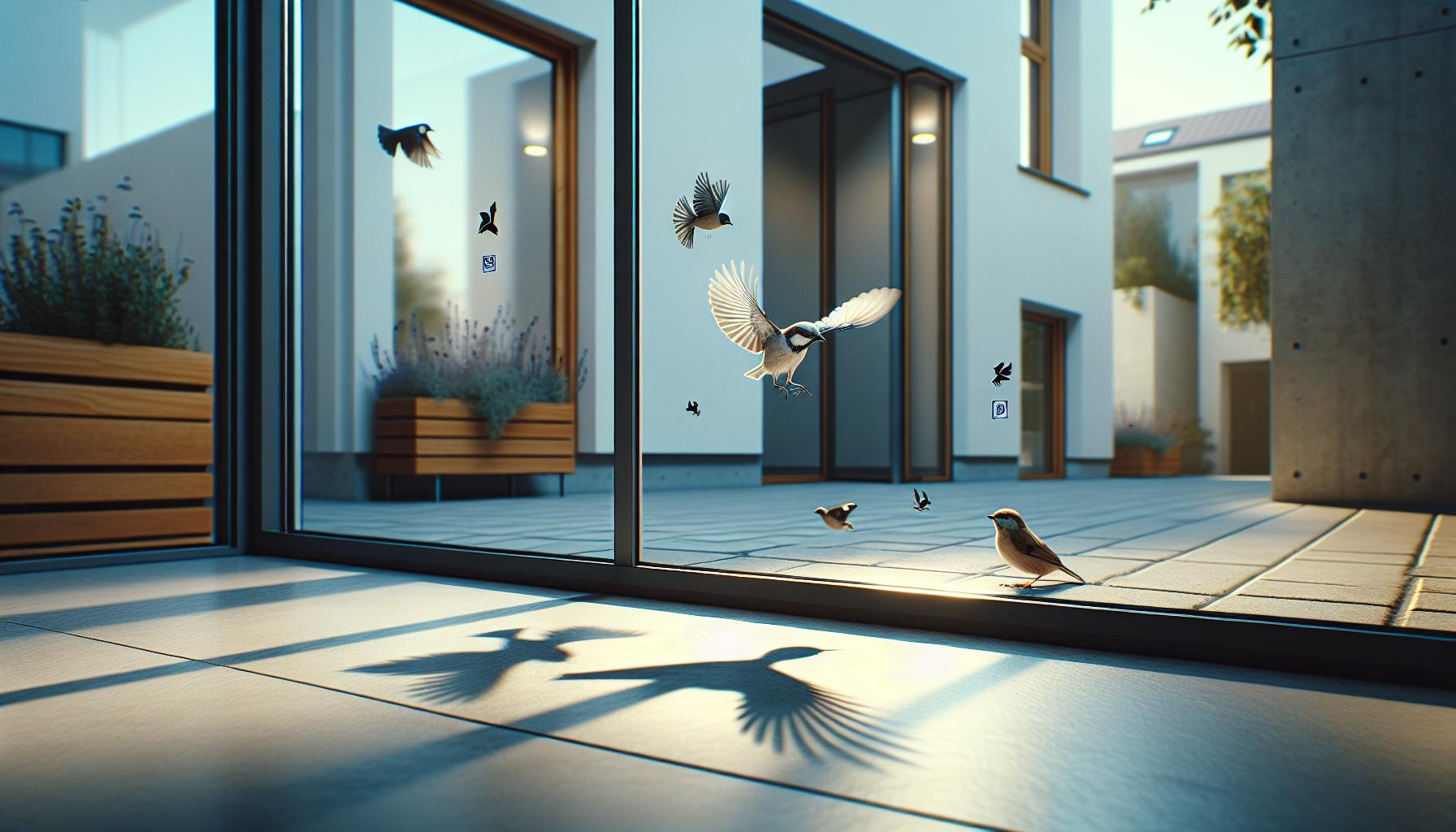
Common Bird Species and Their Window Collisions
Bird collisions with windows are a common concern, and understanding which species are most often involved can help raise awareness and inform preventative measures. Some of the most frequent culprits include songbirds that are drawn to reflections in glass or urban habitats where natural flight paths are disrupted. Species such as American Robins, House Finches, and Sparrows commonly collide with windows, especially during migration periods. Their vibrant colors and lively behavior make them popular among bird watchers, but they can be particularly vulnerable to window strikes due to their active, instinctual movements toward perceived open space.
Common Bird Species Involved in Window Collisions
Several bird species are notably affected by window collisions due to their habits and environments. Here are a few examples:
- American Robin: Known for their distinct orange-red breast, these birds often try to fly toward reflections of trees or sky, leading to dangerous encounters with glass.
- Black-capped Chickadee: With their curious nature, these small birds frequently explore their surroundings and can mistakenly perceive windows as open pathways.
- Blue Jay: Their bold presence and striking colors make blue jays a favorite, but their aggressiveness-especially during breeding season-can lead them to crash into windows they see as rivals in their reflection.
- House Sparrow: These adaptable birds thrive in urban settings, often finding themselves in conflict with glass structures while foraging or establishing nesting territories.
These species, among others, highlight a broader issue faced by many birds in urban landscapes, where glass surfaces reflect habitats that aren’t actually there.
Behavioral Factors Leading to Collisions
The instinctual behaviors of these birds play a significant role in their interaction with windows. During the breeding season, many species defend their territories vigorously, causing them to attack their reflections in glass. Moreover, migratory behavior, typically occurring at dawn and dusk when birds are most active, increases the likelihood of collisions as many birds are navigating toward familiar landmarks that may no longer exist or are obscured by buildings.
Understanding these behaviors not only sheds light on why birds hit windows but also opens avenues for effective solutions-whether through window treatments that reduce reflections or habitat conservation in urban planning. By being aware of the species most commonly affected, we can take proactive steps to safeguard our feathered friends while appreciating their presence in our lives.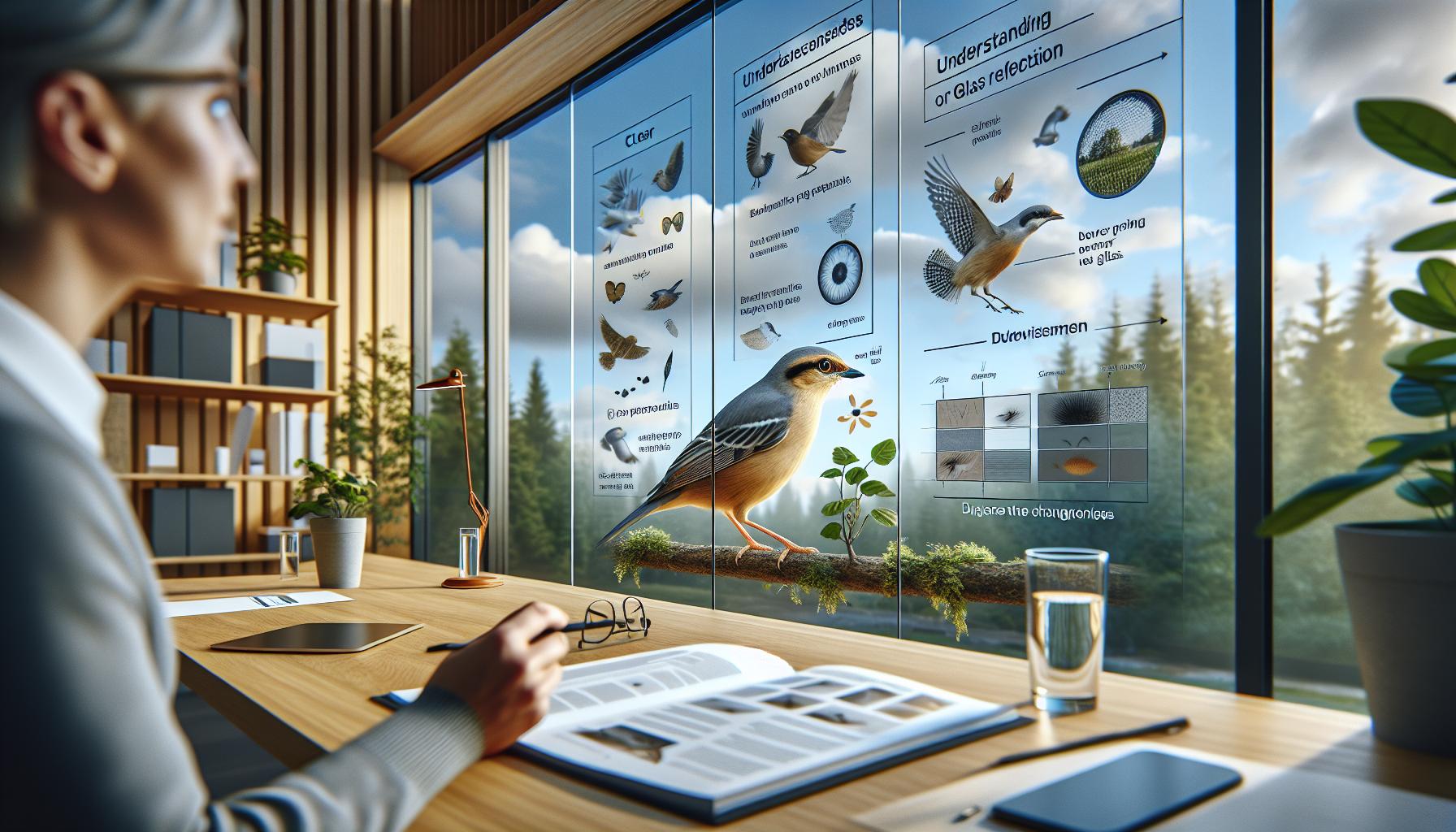
Understanding Bird Vision and Glass Reflections
Birds experience the world in ways that can be quite different from humans, particularly when it comes to vision. Understanding how birds see their environment is key to grasping why window collisions happen so frequently. Unlike our vision, many birds have a higher density of cone cells in their retinas, enabling them to see ultraviolet light and allowing them to perceive a broader spectrum of colors. This extraordinary vision helps them navigate, find food, and spot predators. However, it also means that reflections in glass can appear as open sky or lush green environments.
When an urban landscape is filled with mirrored buildings and glass windows, birds often misinterpret these surfaces as natural habitats, leading them to fly straight into them. For instance, a brightly colored bird like the American Goldfinch may see a reflection of nearby trees or even their own vibrant colors mirrored in the glass and instinctively dive toward it. This phenomenon is especially prevalent in migratory species that are actively searching for familiar landmarks during their journeys, often at dawn or dusk when visibility can be compromised.
Moreover, light conditions can greatly influence bird behavior around glass. In bright sunlight, reflections can be striking, making the glass appear as part of the sky, while low light or overcast conditions can create less distinguishable reflections. Urban light pollution also affects bird navigation and behavior, further enhancing the chances of collisions. Consequently, understanding these visual factors not only underscores the vulnerability of birds to window strikes but also highlights the urgent need for effective preventative measures, such as window treatments that obscure or break up reflections.
By becoming more aware of the intricacies of avian vision and the dangers posed by human structures, we can take practical steps to mitigate this problem, ensuring that our windows do not become traps for the beautiful, vibrant birds that brighten our lives.
How to Create Safer Spaces for Birds
Promoting safer environments for our feathered friends is not just a noble endeavor; it’s a vital necessity that can significantly reduce the instances of bird-window collisions. One of the most effective strategies involves modifying how glass surfaces reflect their surroundings. When birds perceive a clear pathway or habitat in reflective glass, they often misjudge their flight path, leading to accidents. Thus, our foremost task is to make these surfaces less deceptive.
Start by applying strategic modifications around windows. Utilizing window films designed to reduce reflectivity can be highly beneficial. These films can incorporate bird-safe patterns that disrupt reflections without obstructing the view for humans. Alternatively, consider adding visual markers such as stickers or decals that create a visual barrier for birds. Ensure these markers are placed in a grid pattern, with spaces no greater than 2-4 inches apart, to effectively catch birds’ attention. You can also hang lightweight, transparent curtains that can soften the brightness and blur reflections without completely blocking natural light.
Additionally, consider the landscape around your home. Introducing natural elements, such as shrubs, trees, or bird feeders away from windows, can create safer zones for birds to dwell. Birds are less likely to fly directly toward reflective surfaces if they have welcoming, natural habitats nearby. If you live in an urban area, strategically positioning birdhouses can help by providing birds with safe spots that cater to their nesting and foraging needs.
For those looking for more innovative solutions, external window screens and specialized architectural designs can significantly mitigate risks. In some cases, adding awnings or overhangs can also provide shade and alter how light reflects off your windows. Implementing these changes not only promotes a safer environment for birds but may also enhance your home’s aesthetics.
Lastly, vigilance plays a crucial role in this protective effort. Encourage your neighbors and local community to participate in creating safer spaces by initiating awareness campaigns about window collisions and their prevention. Engaging in local conservation initiatives and sharing resources can amplify this effort, making your community a better place for both humans and birds alike. By understanding the nuances of bird behavior and employing thoughtful strategies, we can transform our homes into sanctuaries that keep our avian friends safe from harm.
What to Do If a Bird Hits Your Window
When a bird collides with your window, it can be a distressing sight, often leaving us wondering how to help. Did you know that many birds experience a shock when they hit glass, which can lead to temporary disorientation? In the moments following a collision, your actions can significantly affect the bird’s chances of recovery. The first step is to assess the situation calmly.
First, check if the bird is still alive. If it’s on the ground, observe it from a distance to avoid scaring it further. In many cases, the bird might just need a few moments to regain its bearings. If it appears stunned but is still breathing, gently move it to a sheltered area away from potential predators, like cats or dogs, to give it time to recover. You can use a small box or an open container lined with a soft cloth to gently transport the bird, ensuring it has ventilation but feels secure.
If the bird is not moving or has visible injuries, you will need to handle the situation with care. Contact a local wildlife rehabilitation center or veterinarian, as they can offer specialized advice and may be able to provide assistance. It’s important to avoid trying to treat the bird yourself unless you have specific training; improper handling can do more harm than good. Make sure to take note of the bird’s species, behavior, and any noticeable injuries when you contact professionals, as this information can aid in its rehabilitation.
Another critical point to address is the psychological impact on the bird. If it’s recovering well, it may still be in shock. To help it regain its composure, keep it in a quiet, dark place for a few hours. Avoid excessive handling, and only intervene if it shows signs of distress or if the situation changes. After a few hours, you can release it outside in a safe, sheltered spot away from windows or other hazards.
By knowing how to react appropriately when a bird hits your window, you can make a tangible difference in its chance of survival. Whether it’s through careful observation or connecting with local wildlife services, every small effort contributes to the wellbeing of our avian friends. Remember, prevention is also key; implementing effective window solutions can protect birds from future mishaps.
Identifying Injured Birds and First Aid Tips
When a bird collides with a window, it can be a startling event, often leading to concern for the bird’s wellbeing. Understanding how to identify injuries and provide appropriate first aid is crucial for ensuring the bird’s swift recovery. Many birds may seem lethargic or stunned after the impact, yet with the right approach, you can significantly aid their chances of survival.
First, observing the bird from a safe distance is vital. Look for signs of movement and responsiveness; a bird that appears dazed may just need a moment to recover. If the bird is immobile, gently check for any visible injuries such as bleeding, opened wings, or signs of a broken leg. It’s important to act carefully, as stress can exacerbate injuries. After assessing the situation, transport the bird using a small box or container lined with a soft cloth, offering a quiet and secure environment. Ensure the box has ventilation and is kept away from potential threats like cats or dogs.
For birds showing clear signs of injury-such as bleeding, abnormal wing positions, or severe disorientation-contacting a wildlife rehabilitation center or avian veterinarian is critical. Note the bird’s species, condition, and behavior, as this information will be valuable for the professionals who will help. Avoid attempting to treat the bird on your own unless you have specific training; improper care can result in further harm or stress.
Understanding the immediate needs of the bird post-collision also involves addressing the psychological impact of the incident. A dark, quiet place can aid recovery, allowing the bird to feel safe and calm. After a few hours, when it seems more alert and stable, consider releasing the bird in a sheltered area away from windows. This thoughtful approach not only enhances its chance of survival but also contributes to a compassionate understanding of our avian friends. By being vigilant and responsive, you play an essential role in aiding birds in distress and promoting their wellbeing in our shared spaces.
Long-term Effects of Window Strikes on Birds
The impact of window strikes on birds extends far beyond the immediate shock of collision. Many bird species that survive such encounters may face persistent challenges that can affect their long-term health, behavior, and survival rates. Recent studies have shown that windows cause an estimated 1 billion bird deaths annually in the United States alone, highlighting the severity of this issue and inviting deeper examination into the consequences of these unexpected collisions.
Injuries sustained from window strikes can range from minor to life-threatening. Birds that appear to recover initially may suffer from hidden internal injuries or concussions that compromise their ability to forage or evade predators. For example, a songbird that collides with glass and feels seemingly unharmed could later face difficulties in flying or navigating its environment, severely affecting its chances of survival. Behavioral changes, such as increased aggression or fearfulness, are also possible; some birds may develop a wariness towards their environment that disrupts their natural instincts.
Moreover, the consequences are compounded when considering the ecological impact. Bird populations are intrinsically connected to local ecosystems, and the loss of even a few individuals from a species can reverberate throughout the food web. Consider the role of pollinators like hummingbirds or seed dispersers such as finches. Their diminished presence can lead to reduced plant reproduction and altered habitat dynamics, ultimately impacting other wildlife. This interconnectedness reveals that bird collisions with windows pose not just an individual threat but a broader risk to biodiversity.
To mitigate these long-term effects, we can take proactive steps. Implementing bird-friendly designs in our architecture, such as using transparent non-reflective materials, can drastically reduce collision rates. Simple measures like adding window decals, applying screens, or installing external awnings can create safer environments for our feathered friends. By recognizing our role in bird conservation and adapting our surroundings, we can contribute to ensuring the survival and well-being of these vital members of our ecosystem.
How Bird Collisions Impact Local Ecosystems
When we consider the impact of bird collisions with windows, it’s essential to recognize that the repercussions extend beyond the immediate injury or death of individual birds. These incidents can disrupt local ecosystems, causing a cascade of effects that threaten biodiversity and the delicate balance of nature. For instance, birds are pivotal in various ecological roles-many are pollinators, seed dispersers, and even predators of insects and rodents. The loss of even a small number of birds can have significant implications for plant reproduction and population control within their habitats.
Bird species like hummingbirds and finches facilitate the pollination of flowering plants and the dispersal of seeds, respectively. If their numbers dwindle due to collisions, we might see a decrease in the diversity of plant life, which, in turn, can affect other species that rely on those plants for food and shelter. This chain reaction can alter the habitat itself, leading to a less vibrant ecosystem that struggles to sustain a variety of wildlife. For example, a drop in pollinator populations might result in fewer fruit-bearing plants, negatively affecting not only birds but also other pollinators like bees and the mammals that rely on the fruits for sustenance.
Strong social structures exist among bird populations, and many species are also important indicators of environmental health. Significant declines in bird populations can signal changes in habitat quality, such as increased pollution or habitat destruction. Conservationists often use the decline of certain bird species as a warning system for ecological degradation. Therefore, when bird collisions lead to increased mortality, they not only threaten the birds themselves but can also obscure larger environmental issues that need attention.
To foster healthier ecosystems and protect bird populations, we must embrace a multifaceted approach. Implementing bird-friendly architecture in urban planning is a crucial step, but public awareness and education about the importance of birds in our ecosystems are equally vital. By enhancing our understanding of how birds contribute to ecological balance and taking action to mitigate window collisions, we can help protect these essential creatures and the interconnected systems that rely on their survival. This commitment to bird conservation not only aids biodiversity but enriches our human experiences through the beauty and vibrancy of nature.
Preventative Measures: Effective Window Solutions
Bird collisions with windows are a significant issue, contributing to millions of bird deaths each year. However, with a few thoughtful adjustments, we can create safer spaces for our feathered friends. One effective approach is to modify the appearance of our windows to make them more visible and less reflective to birds. Using window decals or films that create opaque or semi-opaque patterns can help. These designs should be spaced no more than 4 inches apart to be effective, as birds often fly through spaces they perceive as open.
Another valuable method is to implement external screens or netting around windows. These physical barriers act as a cushion, preventing birds from hitting the glass directly while still allowing you to enjoy your view. Additionally, the use of frosted or tinted glass is gaining popularity; it reduces glare, making glass less reflective and, hence, less confusing for birds.
For those who prefer not to alter window treatments, consider planting vegetation or installing awnings that reduce reflections and create a visual barrier between the glass and open sky. Placing bird feeders and bath areas within 3 feet of windows is also a smart move. When birds are close to the glass, they are less likely to gain enough speed for a fatal impact.
Lastly, bear in mind that timing matters. During migration periods, the risk of collisions significantly increases. Being proactive and making these adjustments not only aids in protecting birds but also enhances your connection with nature, creating a more harmonious living environment for all. Simple changes in our homes can lead to substantial differences in the lives of our avian companions.
Cultural Beliefs and Superstitions About Birds
Birds have occupied a central role in human culture and belief systems for centuries, often seen as messengers or symbols of transformation. When a bird strikes a window, it can invoke varied interpretations across different cultures. For many, such an event is considered to be an ominous sign-a herald of change or a suggestion to pay attention to one’s surroundings, often evoking questions about impending news or personal transformation. In various folklore, a bird tapping on a window is thought to be a signal from the spirit world, offering insights or warnings about life events.
In some traditions, specific birds are associated with distinct meanings. For instance, a blackbird’s presence might suggest the arrival of bad news, while a robin could symbolize renewal and new beginnings. The type of bird that collides with your window can contribute to this narrative, with interpretations varying greatly depending on local customs. For example, in some Native American cultures, the hummingbird is revered as a harbinger of joy and love, while in others, its sudden appearance might prompt reflection on one’s emotional state.
Furthermore, the sheer act of a bird hitting glass can be seen as a reminder of the delicate balance between nature and human-made environments. This incident not only speaks to the interconnectedness of all living things but also raises awareness of the importance of bird conservation efforts. Our built environments-despite our intentions-can inadvertently place wildlife at risk, which calls for both responsibility and action on our part. By creating safer spaces for birds, we respect these cultural beliefs and the physical presence of these creatures in our lives.
Moreover, consider the superstitions surrounding birds in dreams or as omens. A bird flying into one’s home is often regarded as a sign of good luck or a change in fortune, but when it strikes a barrier like a window, it may come across as a warning to be more mindful of the paths we choose. These beliefs encourage introspection, urging individuals to think deeply about their current situations and the potential need for change or caution in their lives.
The Role of Bird Conservation in Urban Areas
In urban environments, the delicate balance between nature and development has profound implications for local bird populations. With over 1 billion birds dying each year from window collisions in North America alone, the urgency for augmented conservation efforts is palpable. These collisions highlight not only the vulnerability of avian species but also the need for thoughtful urban planning that considers the well-being of wildlife. As cities grow, we must embrace a strategic approach to mitigate glass-related deaths and create supportive habitats for our feathered friends.
Bird conservation in urban areas necessitates innovative solutions that blend seamlessly into the fabric of city life. Implementing bird-friendly architectural designs-such as using patterned glass, installing screens, or applying window films-can significantly decrease collision rates. These adaptations help break up reflections that confuse birds as they navigate through their urban habitats. Additionally, encouraging the use of native plants in landscaping can promote bird biodiversity by providing essential food and nesting resources. Communities can take action by participating in local conservation programs or adopting guidelines that prioritize bird safety.
The impact of effective bird conservation strategies transcends the individual species level, fostering healthier ecosystems overall. For instance, birds play pivotal roles in seed dispersion and pest control, contributing to the ecological balance within cities. Urban green spaces that support bird populations not only beautify the surroundings but also improve human mental health and community cohesion. By prioritizing bird conservation, we can create urban spaces that are vibrant, ecologically sound, and inclusive of all living beings.
Incorporating educational programs that raise awareness about the significance of bird conservation offers an additional layer of community engagement. Workshops, school programs, and local bird watching clubs can empower residents to take an active role in preserving avian diversity. By nurturing appreciation and understanding of bird behaviors and their ecological roles, we foster a culture of conservation that extends beyond mere awareness to tangible action. In doing so, we honor the journeys of these remarkable creatures while enhancing the quality of urban life for both birds and people alike.
Frequently Asked Questions
Q: What should I do if a bird flies into my window?
A: If a bird hits your window, first check if it’s injured. If it seems stunned, gently move it to a safe area away from predators. If seriously injured, contact a wildlife rehabilitation center. For more tips on caring for injured birds, refer to the section on “Identifying Injured Birds and First Aid Tips.”
Q: Why do birds hit windows so often?
A: Birds often hit windows due to reflections that confuse them, making glass appear as open space. They may also be startled or chasing other birds. Understanding bird vision and glass reflections can help mitigate this issue further.
Q: What does it mean if a bird hits your window?
A: While interpretations vary, some believe that when a bird hits a window, it may symbolize a message or an omen. Throughout different cultures, it signifies intuition or a need to pay attention to one’s surroundings.
Q: Can a bird recover after hitting a window?
A: Yes, many birds can recover after a window collision, especially if they are just stunned. Provide a quiet, safe place to rest, and monitor their condition. If after some time they cannot fly, seek help from a wildlife expert.
Q: How can I prevent birds from hitting my windows?
A: There are several effective preventative measures, such as applying window decals, netting, or specific window films that break up reflections. Creating safer spaces for birds can significantly reduce collisions; more details can be found in the “Preventative Measures: Effective Window Solutions” section.
Q: What types of birds are most likely to collide with windows?
A: Smaller birds, especially songbirds like sparrows and warblers, as well as migratory species, are frequently involved in window collisions. To learn more about specific bird species, check out the section on “Common Bird Species and Their Window Collisions.”
Q: When are birds most likely to hit windows?
A: Birds are most likely to collide with windows during the early morning or late evening, especially during migration seasons. Understanding bird behavior can provide insights into the timing of these incidents.
Q: How do bird collisions impact local ecosystems?
A: Bird collisions can significantly impact local ecosystems by reducing bird populations, which in turn affects insect control, pollination, and seed dispersal. To understand more about these ecological effects, see the section on “How Bird Collisions Impact Local Ecosystems.”
These FAQs provide valuable insights while encouraging further exploration of the article’s content.
Concluding Remarks
Have you ever wondered about the deeper implications of a bird hitting your window? This intriguing event could serve as an invitation to reflect on personal meaning, the interconnectedness of nature, or simply the need to make your home more bird-friendly. Don’t let this moment pass without taking action! Consider exploring our comprehensive guides on attracting birds to your garden or understanding local bird species. Remember, helping our feathered friends can lead to meaningful experiences and enrich your connection with nature.
For those eager to delve further, check out our articles on bird behavior and window safety tips that can protect both your home and the wildlife around you. If you found this discussion captivating, why not sign up for our newsletter? Stay updated with the latest insights on birdwatching and conservation-your next favorite article could be just a click away! Join our bird-loving community, share your stories in the comments, and inspire others to appreciate the beauty of the avian world. Let’s keep the conversation going!
Get our latest guides, news, and insights highlighted in your Google Search & AI Overviews.










