

Did you know that the Sinaloa Crow is not only a fascinating example of avian adaptation but also plays a crucial role in its ecosystem? Endemic to the coastal regions of western Mexico, particularly in the state of Sinaloa, this intelligent bird is known for its complex social behaviors and problem-solving abilities. Understanding the Sinaloa Crow’s behavior and habitat is not just an exploration of an intriguing species; it offers insights into the health of their environment and the impacts of human activity on wildlife. Whether you’re an experienced birder or just beginning your journey into the world of birds, this exploration will equip you with essential knowledge about their behavior, care needs, and identification tips. Join us as we dive into the remarkable world of the Sinaloa Crow, uncovering the intricacies of its life and the significance of its presence in our ecosystems. Your journey into avian appreciation starts here!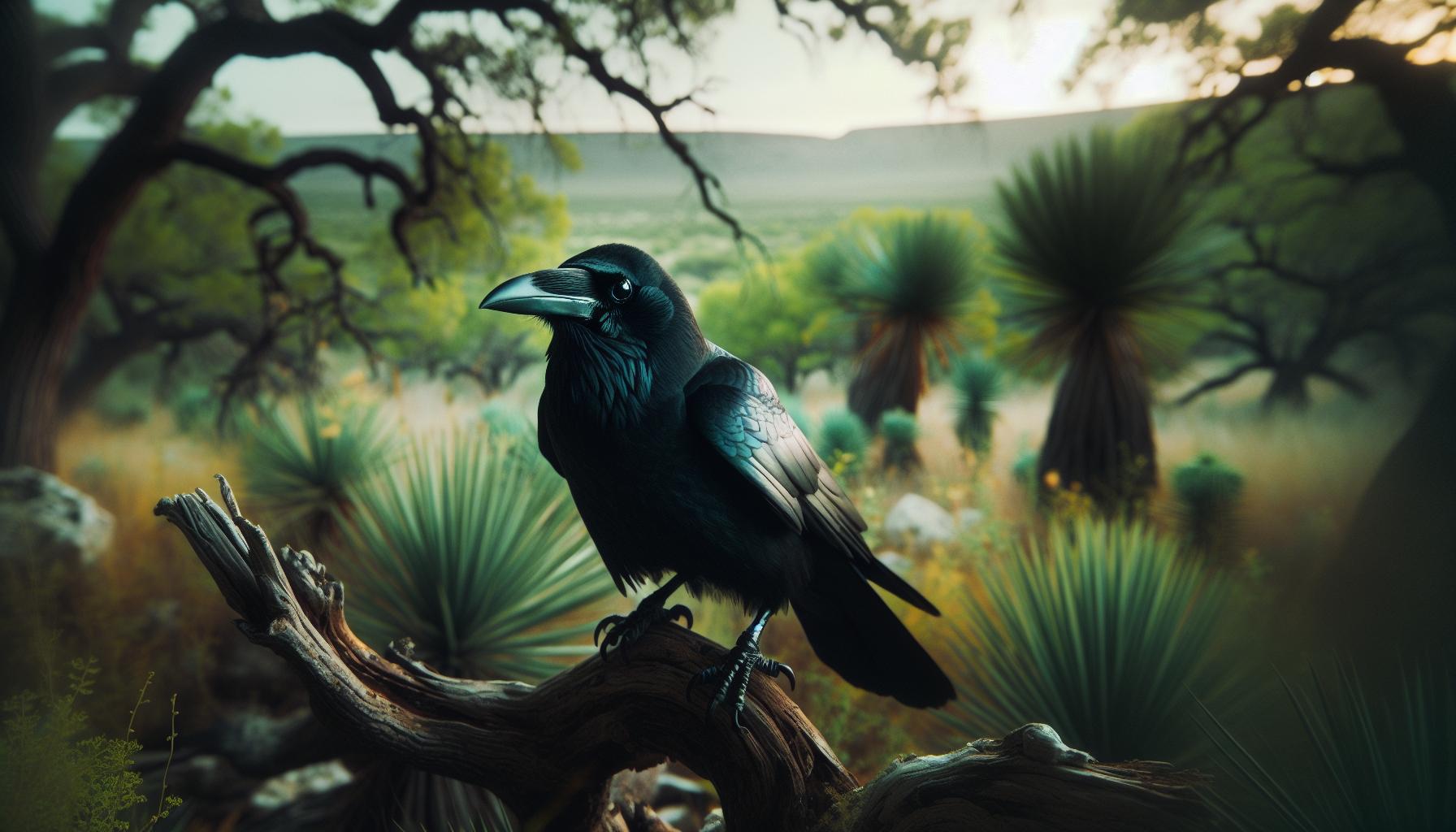
Understanding the Endemic Range of Sinaloa Crow
The Sinaloa Crow, or Corvus sinaloae, is a fascinating bird species that brings rich complexity to the avian diversity of northwestern Mexico. Found primarily in the states of Sinaloa, Nayarit, and parts of Durango, this bird occupies a range of arid habitats, including coastal shrublands and deciduous forests. Although its name suggests a strict association with Sinaloa, the Sinaloa Crow’s actual range spans a broader geographical area, demonstrating its adaptability to various ecological niches. This adaptability is crucial for birdwatchers keen on spotting this elusive species in its natural setting.
Understanding the endemic range of the Sinaloa Crow is essential for any bird enthusiast. It is most commonly sighted in well-defined territories where dry environments with scattered trees and bushes serve as both foraging grounds and nesting sites. These birds often thrive in areas with limited human interference, where they can establish their territories free from disturbances. Observers may spot them perched on low branches or foraging for insects and small fruits in their natural habitats.
In terms of conservation, the restricted range of the Sinaloa Crow makes it susceptible to habitat loss, primarily due to urban expansion and agricultural development. Birders and conservationists alike emphasize the importance of preserving these unique ecosystems not only to protect the Sinaloa Crow but also to maintain the biodiversity that characterizes the region. Ensuring the futures of birds like the Sinaloa Crow involves raising awareness about their critical habitats and encouraging responsible birdwatching practices that minimize human impact. For those hoping to see this distinctive crow in its native environment, planning visits during the early morning hours can increase chances of sighting, as this is when they are most active.
Ultimately, the Sinaloa Crow’s endemic range is not just a geographical fact; it showcases the intricate layers of ecological relationships that define its existence. Understanding these layers enriches our appreciation for this remarkable bird and the vibrant ecosystems it inhabits.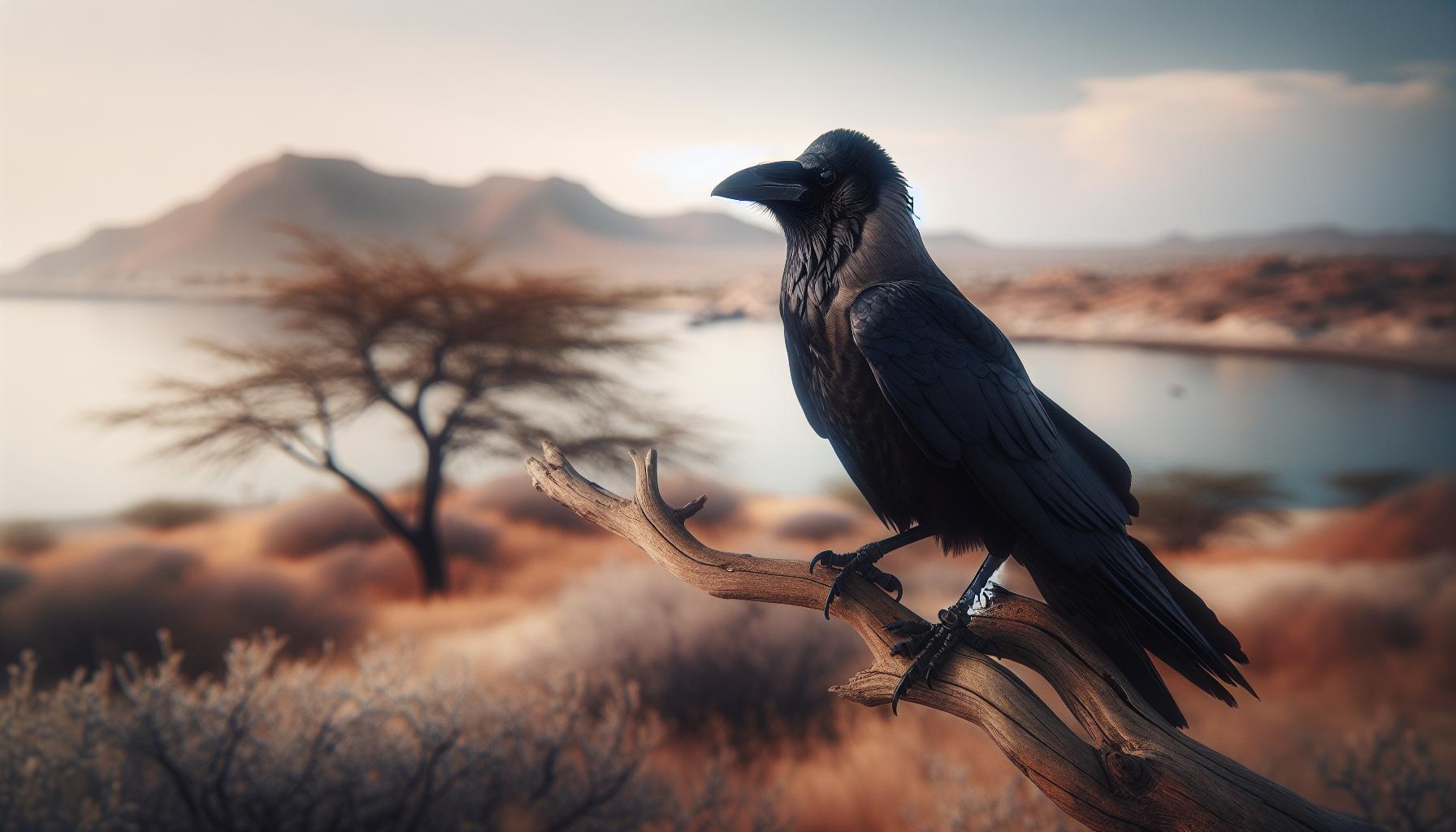
Physical Characteristics and Identification Tips
The Sinaloa Crow is a treasure of the avian world, adorned with a striking all-black plumage that shimmers with iridescent hues under the sunlight. One of the most distinguishing features of this species is its robust bill-sturdy and slightly curved-which makes it adept at foraging for a diverse diet, including fruits and insects. Mature Sinaloa Crows typically measure around 40 cm (15.7 inches) in length, with a wingspan that helps them navigate their arid habitats with grace. Whether perched on a low branch or soaring overhead, their sleek silhouette and unique characteristics make them a delightful sight for any birdwatcher.
When identifying the Sinaloa Crow in the wild, the best tips revolve around keen observation and awareness of its environment. Look for their distinctive calls, which can range from a soft caw to a sharp note, often echoing through their territories. Their vocalizations serve as crucial communication within their social structures. Moreover, explore areas with limited human activity, as these birds thrive in more natural settings. You might find them foraging among the roots of resilient shrubs or gleaning insects from the ground-watch closely for their agile movements!
Some identification tips include:
- Coloration: Their deep, glossy black feathers are a standout feature, especially when illuminated by sunlight.
- Size: These crows are medium-sized, somewhat larger than a typical American Crow.
- Bill Shape: A thick, slightly curved bill is perfect for their scavenging habits.
- Behavior: Observe their social interactions, as they often engage in play and communal foraging, a hallmark of their intelligent nature.
For those venturing into the habitats of the Sinaloa Crow, equipped with binoculars and patience, the reward lies not just in spotting these birds but in observing their intricate behaviors and roles within their environment. Understanding their physical characteristics is the gateway to appreciating their uniqueness and the ecological tapestry they contribute to in northwestern Mexico.
Social Behavior and Group Dynamics of Sinaloa Crow
The social behavior and group dynamics of the Sinaloa Crow reveal a fascinating world of intelligence and interaction that makes them stand out among corvids. These crows are not just solitary foragers; they exhibit complex social structures that enhance their survival and thrive in their native habitats. Typically found in small to medium-sized groups, Sinaloa Crows engage in various communal activities that foster their social bonds and allow for cooperative foraging. Watching them interact can be quite an enriching experience for birdwatchers.
In the wild, you’ll often see these birds playing, grooming, and even engaging in mock fights, showcasing behaviors that reflect their high cognitive abilities. They communicate effectively through a range of vocalizations, from soft caws to sharp notes, which serve as alerts to nearby dangers and signals during social interactions. Listening for these sounds can provide great insights into their social hierarchies and group movements. For anyone looking to spot these crows, spending time observing their social engagements can be just as rewarding as noticing their physical characteristics.
Another notable aspect of their social behavior is their communal foraging techniques. Sinaloa Crows are known to gather in larger numbers at abundant food sources such as rubbish dumps or agricultural fields. This not only increases their foraging efficiency but also plays a crucial role in their survival strategy as they collectively watch for potential threats. Additionally, this behavior helps younger crows learn about foraging strategies and predator avoidance, contributing to their development and the overall health of the population.
If you are keen on observing Sinaloa Crows in their natural environment, try to locate them near water bodies, towns, or semi-open areas where they often congregate. Bringing binoculars is advisable, as it will allow you to observe their intricate social behaviors from a distance without disturbing them. Take note of how they interact; their dynamics can be quite revealing about their social structures and communal living practices. You’ll likely find that watching these intelligent birds engage with one another provides profound insights into not only their lives but also the evolutionary traits that make corvids some of the most fascinating birds in the avian world.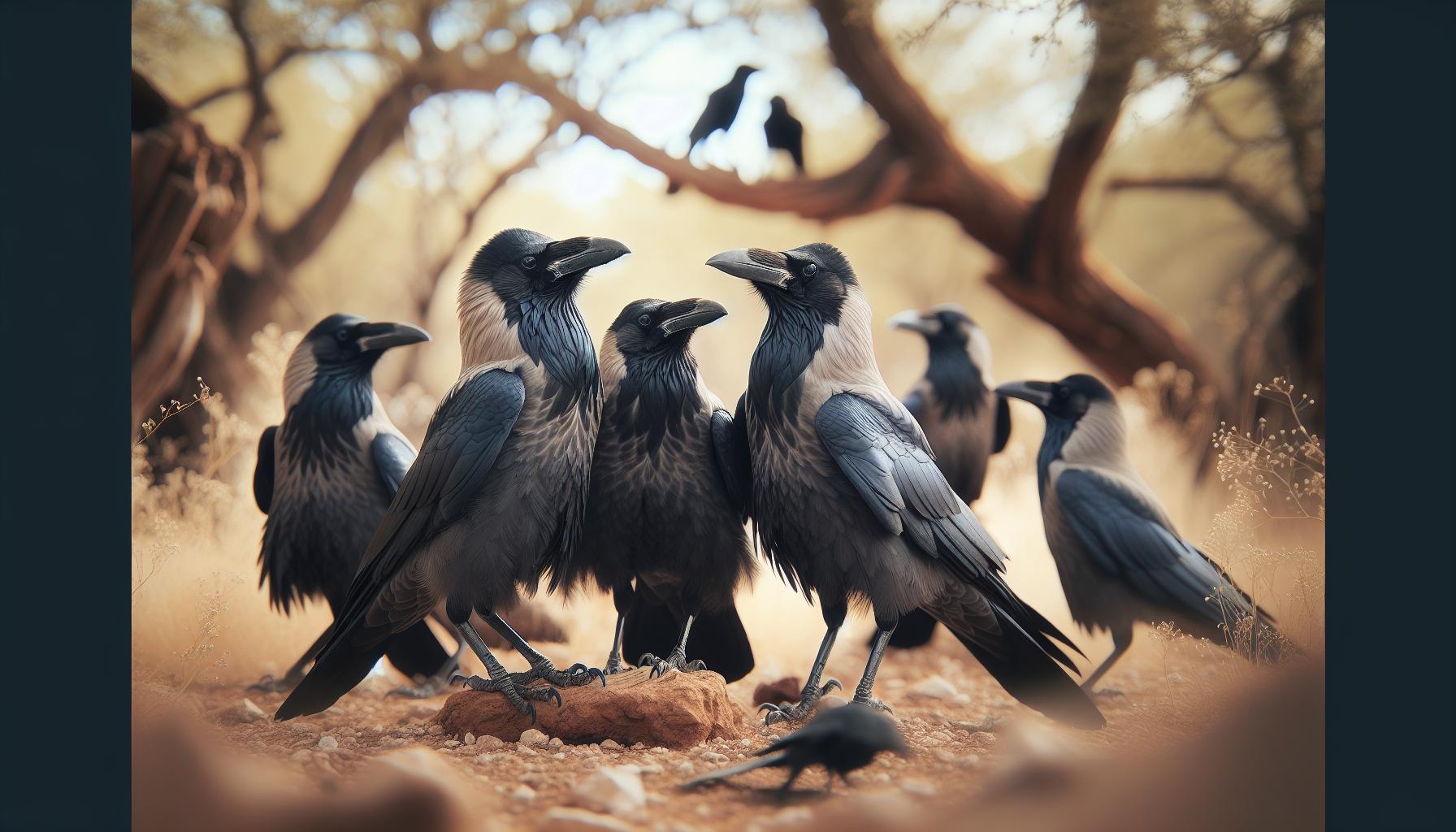
Vocalizations: Communication and Song of the Sinaloa Crow
Sinaloa Crows are not only remarkable for their intelligence and agility, but their vocalizations also reveal their social structures and interactions. These birds possess a diverse repertoire of sounds that serve various purposes, from alerting the flock to potential threats to communicating with one another during social activities. Their vocalizations vary greatly in pitch and intensity, allowing them to convey different messages based on context. Whether you’re a novice birdwatcher or a seasoned ornithologist, understanding these calls can provide incredible insight into the workings of their social world.
One of the most distinctive features of Sinaloa Crow communication is their ability to produce a wide range of vocalizations, which can be categorized into alarm calls, contact calls, and repertoire displays. Alarm calls are sharp and short, often signaling the presence of a predator, while contact calls are softer, helping members of a flock stay in touch with one another. In addition to these functional calls, Sinaloa Crows engage in what can be described as playful vocal exchanges, especially during courtship and social bonding. These vocalizations can include high-pitched chattering and rhythmic “caws” that resonate through their environment, enhancing their social cohesion.
Observing these vocalizations in action adds another layer of engagement during birdwatching. When trying to identify Sinaloa Crows, listening for their vocalizations can be just as important as watching their physical movements. Position yourself quietly near their habitats in towns or agricultural areas, and you may hear their distinctive sounds before you see them. Bringing along a audio recording device can capture their calls, allowing for closer study later and blending your gravitation towards both auditory and visual birdwatching experiences.
Understanding the vocal behaviors of Sinaloa Crows not only enriches your birdwatching pursuits but also highlights their complex social lives. With a keen ear and a little patience, you can glimpse the intricate communication networks that support this intelligent species, transforming a simple observation into an enthralling exploration of avian social dynamics.
Feeding Habits: Diet Preferences and Foraging Techniques
Sinaloa Crows are not just adept in their social behaviors; they are also skilled foragers, showcasing a fascinating variety in their feeding habits. These birds have a diverse diet that primarily consists of insects, fruits, nuts, and small vertebrates, allowing them to thrive in the varied landscapes of their endemic range across Sinaloa, Mexico. Their adaptability in food sourcing is a testament to their intelligence and resourcefulness, as they take advantage of seasonal food availability and local abundance.
When foraging, Sinaloa Crows exhibit several techniques tailored to different food sources. They often use their sharp beaks to probe into the ground, searching for hidden insect larvae and other small invertebrates. Additionally, they are known to scavenge, making them opportunistic feeders that will take advantage of carrion when it is available. In urban areas, you might see them rummaging through trash or following agricultural practices to scavenge for leftovers, demonstrating their keen ability to coexist with human environments.
Foraging Strategies
In the field, consider these successful foraging strategies employed by Sinaloa Crows:
- Ground Foraging: Look for them hopping or walking on the ground, using their sharp eyes to spot insects and seeds.
- Tree Climbing: They skillfully navigate trees, searching for fruits and nuts, often manipulating branches to access hard-to-reach foods.
- Social Foraging: Crows often forage in small groups, which can enhance their foraging success as they alert each other to potential food sources.
Their ability to adapt their feeding strategies not only aids in their survival but also highlights their intelligence, making Sinaloa Crows an exciting focus for birdwatchers and ornithologists alike. Observing their varied foraging behaviors can provide insight into their ecological roles, while also enriching your birdwatching experience as you track their movements and feeding patterns in their natural habitats.
Breeding Behavior and Nesting Habits
Breeding season is one of the most captivating times for the Sinaloa Crow, as their complex behaviors during courtship and nesting not only reveal their intelligence but also their adaptability to the varied landscapes of their endemic range in Sinaloa, Mexico. These birds typically begin their breeding activities in the spring, when they establish their territories and engage in elaborate displays. Males often court females with a series of vocalizations and aerial acrobatics, showcasing their physical prowess and fitness. This display is vital, as it helps to reaffirm their dominance and attract a mate.
Nesting normally takes place within the dense foliage of trees, shrubs, or sometimes on man-made structures, providing a safe environment for raising their young. The nests themselves are constructed with a mix of twigs, leaves, mud, and other available materials, allowing them to create a sturdy and insulated home. Both parents are involved in the building process, which builds a strong pair bond and ensures the security of their offspring. Once the female lays her eggs, usually 3-5 per clutch, she will incubate them while the male takes on the critical role of guarding the nest and sourcing food for the family.
Once the chicks hatch, they are altricial, meaning they are born helpless and rely entirely on their parents for nourishment and care. Foraging becomes a family affair; both parents actively feed and protect their young during this vulnerable time. The fledglings leave the nest after about 28-35 days, but parental assistance often continues for several weeks as they learn essential skills like foraging and social interactions with other crows.
Sinaloa Crows not only get the job done when it comes to breeding but also demonstrate remarkable parenting behavior that enhances the survival of their offspring. Observing these family dynamics can be a rewarding experience for birdwatchers, offering insights into the capabilities and social structures of these intelligent birds. Keeping an eye out during the breeding season in their natural habitats can prove fruitful, as you may witness the fascinating balance of nurturing and protection that defines these remarkable corvids.
Conservation Status: Threats and Protection Efforts
The Sinaloa Crow, a striking member of the corvid family, faces several conservation challenges that threaten its existence in its endemic range. Habitat loss due to urbanization, agricultural expansion, and deforestation has significantly impacted the populations of this intelligent bird. As natural habitats shrink, the crows struggle to find suitable nesting sites and foraging grounds. Moreover, pollution and pesticide use can further diminish their food sources and harm their health.
In response to these threats, various conservation efforts are underway. Protected areas have been established to safeguard critical habitats, where the Sinaloa Crow can thrive and breed. Engaging local communities in conservation activities has proven essential; educating them about the ecological role of these birds fosters a sense of stewardship and encourages practices that protect their habitats.
Additionally, ongoing research and monitoring programs aim to better understand the Sinaloa Crow’s behavior, population dynamics, and ecological needs. This data is vital for developing targeted conservation strategies, such as habitat restoration projects that help to reconnect fragmented environments. Birdwatchers and enthusiasts can actively contribute by participating in citizen science initiatives, reporting observations, and noting any significant changes in populations or behaviors.
For those passionate about the Sinaloa Crow, supporting local conservation organizations or participating in habitat clean-up events can make a tangible difference. The more we understand and advocate for these remarkable birds, the better we can protect them and ensure that their populations remain vibrant for future generations.
Cultural Significance of the Sinaloa Crow
The Sinaloa Crow is not just a fascinating bird; it holds a significant place in the cultural tapestry of western Mexico where it thrives. Known locally as “Cuervo de Sinaloa,” this glossy black corvid inspires local folklore, art, and traditions, reflecting the deep connection between communities and their natural surroundings. In villages and towns, the presence of these crows often becomes a source of inspiration for storytelling. They are sometimes associated with wisdom and cleverness, traits that many cultures attribute to corvids. Their adaptability to urban environments can even serve as a metaphor for resilience in the face of change.
In addition to its folkloric significance, the Sinaloa Crow plays a role in traditional festivals, where its calls and behaviors might be mimicked or celebrated through music and dance. This connection underscores the crow’s importance in local identities as people incorporate aspects of nature into their cultural practices. In art, representations of the Sinaloa Crow can often be seen in pottery, paintings, and crafts, symbolizing not only the local wildlife but also the spirit of the region itself.
Understanding the also extends to its ecological role. As omnivores, they aid in seed dispersal and serve as scavengers, contributing to the health of their ecosystems. This evokes a sense of stewardship among locals, who recognize that protecting these birds is intrinsically tied to preserving their heritage. Engaging in conservation efforts can be a way for communities to reaffirm their identity and commitment to the environment.
By fostering a deeper appreciation for the Sinaloa Crow, residents and visitors alike can participate in its ongoing story. Birdwatching activities, for instance, not only enhance awareness and education about the species but also strengthen community bonds as people come together to appreciate the natural world. As both a symbol and an active participant in the ecosystem, the Sinaloa Crow represents the intricate relationship between nature and culture, inviting us to cherish and protect the environments that shape our lives.
Captive Care Guidelines for Sinaloa Crow Enthusiasts
Caring for a Sinaloa Crow in captivity can be an incredibly rewarding experience, but it requires a solid understanding of their unique needs and behaviors. These intelligent birds thrive in environments that stimulate their mental and physical activity. To create a vibrant home for your Sinaloa Crow, consider the following aspects of their care:
Housing Requirements
The living space for a Sinaloa Crow should be spacious enough to allow for flight and exploration. A large aviary or cage with vertical height is ideal, as these birds enjoy climbing and perching. Ensure that the enclosure is secure to prevent escapes and protect against potential predators. Inside, include various perches of different sizes and textures, as well as toys that encourage problem-solving, such as puzzle feeders or foraging opportunities.
Diet Preferences
Sinaloa Crows are omnivorous, and their diet in captivity should reflect this. Offer a balanced diet consisting of:
- High-quality pellets formulated for corvids
- Fresh fruits and vegetables (e.g., apples, carrots, leafy greens)
- Protein sources such as boiled eggs, insects, and cooked meats
- Occasional nuts and seeds for added fat and enrichment
Monitor their food intake and adjust portions accordingly, as these birds can overindulge if given the chance. Provide fresh water daily, ensuring their drinking supply is clean and accessible.
Social Interaction
Sinaloa Crows are highly social and intelligent creatures, so it’s vital to engage with them regularly. Daily interaction helps develop a bond and reduces the risk of behavioral issues. Use positive reinforcement training methods to teach them simple commands and tricks-this can provide mental stimulation and strengthen your relationship. However, be aware that they may become overly attached, so maintain a healthy balance between interaction and independence.
Health Monitoring
Keeping an eye on your crow’s health is crucial. Regularly check for signs of illness or distress, such as changes in eating habits, droppings, or behavior. Routine veterinary check-ups with an avian specialist can help catch potential health concerns early.
By understanding and addressing the specific needs of Sinaloa Crows, enthusiasts can foster a fulfilling environment that mirrors their natural habitat while ensuring their well-being.
Comparative Analysis: Sinaloa Crow vs. Other Corvids
The Sinaloa Crow, known scientifically as Corvus sinaloae, stands out among corvids not only for its specific geographic range along the Pacific slope of Mexico but also for its unique behavioral characteristics that differentiate it from its relatives. One striking feature is its adaptability to arid coastal and semi-desert regions, where it flourishes in environments that might challenge other species. For bird watchers and enthusiasts, understanding how the Sinaloa Crow compares to other corvids can be both enlightening and beneficial in appreciating its role within the ecosystem.
When comparing physical traits, the Sinaloa Crow typically exhibits a more slender body than its larger corvid relatives such as the Common Raven (Corvus corax). While both species boast a glossy black plumage, the Sinaloa Crow can be distinguished by its slightly curved bill and a more streamlined profile. Furthermore, geographic range plays a crucial role; the Sinaloa Crow is confined to specific regions, while others like the American Crow (Corvus brachyrhynchos) have a more adaptable and widespread presence across North America.
In terms of behavior and social dynamics, Sinaloa Crows are notably sociable and form loose flocks that exhibit cooperative feeding and mobbing behaviors-similar to other corvids. However, they demonstrate distinct foraging techniques that reflect their specialized habitats. For instance, they often scavenge along beaches or river banks, utilizing their intelligence to find food sources that others might overlook. Unlike the American Crow, which is known for its ability to adapt to urban environments, the Sinaloa Crow remains primarily tied to coastal and semi-desert settings, making its behavioral patterns less versatile.
Vocalizations are another area of comparison. Sinaloa Crows are known for their unique calls, which differ contextually from those of species like the Carrion Crow (Corvus corone). Observing these interactions can be particularly rewarding, as they engage in varied vocal behaviors during social interactions and foraging. This distinctive communication adds to their identity within the corvid family and can be a fascinating aspect for bird watchers to document.
Understanding these comparisons not only enhances one’s appreciation of the Sinaloa Crow but also underscores the broader themes of adaptation and ecological specialization prevalent within the corvid family. Enthusiasts and researchers alike can gain insights into how various environmental factors shape behavior and physical traits, fostering a deeper connection with these intelligent and adaptable birds.
Frequently Asked Questions
Q: What is the geographic distribution of the Sinaloa Crow?
A: The Sinaloa Crow is endemic to the western coastal regions of Mexico, primarily found in the states of Sinaloa and Nayarit. Its habitat includes diverse environments such as coastal scrub, agricultural areas, and urban environments, allowing it to thrive in multiple settings.
Q: How does the Sinaloa Crow behave socially?
A: The Sinaloa Crow is known for its complex social structure, often forming large groups or flocks. These birds engage in cooperative behaviors such as foraging together and protecting their nesting sites, which fosters strong social bonds among members.
Q: What is the significance of vocalizations for Sinaloa Crows?
A: Vocalizations play a crucial role in the Sinaloa Crow’s communication. They use a variety of calls to signal alarm, mate attraction, and group coordination. Observing their vocal patterns can be essential for understanding their social interactions and territory dynamics.
Q: What does the Sinaloa Crow typically eat?
A: The Sinaloa Crow has a varied diet that includes insects, fruits, and small animals. Its opportunistic feeding behavior allows it to adapt to available food sources, making it successful in both natural and urban environments.
Q: How do Sinaloa Crows build their nests?
A: Sinaloa Crows construct their nests in trees or shrubs using twigs, grass, and other plant materials. They are known to be strategic about nest placement, often selecting locations that offer protection from predators and access to food sources.
Q: What threats do Sinaloa Crows face in their habitat?
A: Sinaloa Crows face several threats, including habitat destruction due to urbanization, agriculture, and climate change. Conservation efforts are vital to protect their remaining habitats and ensure their populations remain stable.
Q: How can I identify a Sinaloa Crow?
A: To identify a Sinaloa Crow, look for its shiny black plumage, long tail, and distinctive calls. Unlike other corvids, the Sinaloa Crow has a more slender build and can be observed foraging in groups, which is a key characteristic of its behavior.
Q: What is the cultural significance of Sinaloa Crows in the regions they inhabit?
A: In local cultures, Sinaloa Crows often hold symbolic meanings, associated with folklore and regional identity. Their presence is sometimes linked to agricultural practices, as their foraging behavior can indicate the health of local ecosystems.
Engaging further with the various dimensions of Sinaloa Crow can enhance your understanding and appreciation of this unique species. Explore our article sections for more in-depth insights!
Key Takeaways
As we wrap up our exploration of the Sinaloa Crow’s unique behaviors and endemic range, we hope you feel inspired to learn more about these remarkable birds. Recognized for their intelligent foraging and social structures, Sinaloa Crows are a fascinating subject for both novice birders and seasoned enthusiasts alike. Ready to dive deeper? Check out our in-depth guide on identifying local crow species, and don’t miss our tips on attracting them to your backyard!
If you have questions or want to share your own experiences with these birds, we invite you to leave a comment below. Your insights help build our community! For continuous updates and expert advice, consider signing up for our newsletter-stay informed about the latest in birdwatching trends and conservation efforts. Explore more of our resources to boost your birding journey and connect with fellow nature lovers. Your adventure begins now!
Get our latest guides, news, and insights highlighted in your Google Search & AI Overviews.










