

The Tufted Jay, an enchanting bird found only in the Sierra Madre Occidental of western Mexico, captivates not just with its striking appearance but also with its complex social structures. Did you know these jays interact in dynamic flocks, showcasing behaviors that reveal their intelligence and adaptability? Understanding their endemic range and social dynamics is essential for appreciating the broader implications of biodiversity and conservation. As threats such as habitat loss loom, exploring the life of the Tufted Jay provides insights into the vital relationships between species and their environments. Dive deeper to discover how these fascinating creatures navigate their world, and why protecting their habitat is crucial not only for their survival but for the ecological balance in their unique home.
Understanding the Tufted Jay: Species Overview
The Tufted Jay, a striking bird endemic to southwestern Mexico, particularly in the Sierra Madre Occidental, is not just a visual wonder but also a fascinating subject of study due to its unique social dynamics and ecological role. With its distinct tuft of feathers that stands proudly atop its head, this bird is easily recognizable. But beyond its appearance lies an intricate social structure that plays a crucial role in its survival. Tufted Jays are highly social creatures, often seen in groups. Their cooperative behavior allows them to thrive in their mountainous habitat, effortlessly adapting to the dense forests and canyons that mark their range.
Understanding the flock dynamics of Tufted Jays reveals much about their behavior and interactions. These birds typically form long-lasting bonds within their flocks, which can include family units and non-breeding individuals. This structure not only aids in locating food but also enhances their protection against predators. Each member of the flock plays a role, whether it be foraging, defending territory, or caring for the young, demonstrating a remarkable level of social cooperation that is fairly uncommon among avian species. Observing how they communicate through a range of calls and visual signals can be a rewarding experience, enriching one’s appreciation for their intelligence and social complexity.
In addition to their social structure, Tufted Jays exhibit notable behavioral traits. They are known for their inquisitive nature, often investigating new objects or changes in their environment. This adaptability is crucial in their natural habitat where food sources can vary seasonally. The diet of Tufted Jays mainly comprises acorns, seeds, and insects, which they skillfully locate by probing into bark crevices or digging in the ground. Their foraging habits not only meet their nutritional needs but also play a role in their ecosystem as they inadvertently contribute to seed dispersal, thus promoting forest growth.
Overall, the Tufted Jay’s unique combination of social interaction, adaptability, and ecological significance makes it a compelling species for both novice birders and seasoned ornithologists alike. Engaging with and observing these birds offers a deeper insight into the complexities of avian life and the intricate balances present in our ecosystems.
The Unique Habitat of the Tufted Jay
The Tufted Jay thrives in a specific and captivating habitat that greatly influences its social dynamics and behaviors. This species is predominantly found in the stunning forests of the Sierra Madre Occidental, ranging across parts of southwestern Mexico. These woodlands, characterized by their oak and pine-oak trees, provide not only shelter but also a rich environment for foraging and nesting. The cool, moist climate here sets the stage for a unique ecosystem where these birds can flourish.
One remarkable aspect of the Tufted Jay’s habitat is its limited geographic range, primarily confined to the mountainous regions of western Mexico. These areas include a mix of evergreen forests, semideciduous woodlands, and temperate rainforests, offering a diverse range of food resources. The dense forest structure allows these jays to engage in their complex social interactions, as they use the vertical space for communication and movement within their flocks. When traversing this habitat, Tufted Jays often display a fascinating behavior pattern, integrating their foraging and social activities seamlessly.
To spot a Tufted Jay in its natural habitat, birdwatchers should look for areas where tall trees reach for the sky, as these birds are skilled at navigating through the upper canopy. Engaging in activities like acorn and seed foraging, they can often be heard before they are seen, thanks to their loud, gregarious calls. Observing their interactions within the flock not only reveals the cooperative nature of their foraging but also highlights their social bonds, essential for their survival in these diverse forests.
Overall, is a testament to the intricate relationships between bird behavior and the environment. By understanding this connection, bird enthusiasts can enrich their observations, enhancing appreciation for these remarkable creatures and their ecological roles. Whether you’re an experienced birder or a novice, exploring the woods that shelter the Tufted Jay promises a captivating adventure into the heart of avian social dynamics.
Social Structure: Flock Dynamics Explained

In the captivating world of the Tufted Jay, social structure is not just an aspect of their existence; it is the backbone of how these birds thrive within their endemic range. Nestled in the lush, dense forests of the Sierra Madre Occidental in southwestern Mexico, Tufted Jays create dynamic social flocks primarily centered around a single breeding pair. This unique arrangement emphasizes cooperation and social bonding, essential for foraging and protection against predators.
The flock dynamics are remarkably intricate. Tufted Jays often form stable groups that can persist over generations, fostering strong relationships within the troupe. They are known to exhibit a fascinating behavior where they gather in larger flocks, primarily during foraging activities. This collective approach not only enhances their foraging efficiency but also facilitates vocalizations that serve multiple purposes, from locating food sources to alarming others of potential threats. In these interactions, you may often witness a delightful cacophony of calls, as each member contributes to the flock’s communication network, underscoring their social nature.
Tufted Jays can also be fiercely territorial, demonstrating aggressive behaviors toward rivals. They often engage in vocal harassment and mobbing tactics against predators, showcasing their strong group cohesion in protecting their territory. While flocks typically stay close to one another, overlaps in territories are rare, which minimizes conflict and supports peaceful cohabitation among neighboring groups. This social behavior is not just instinctual; it’s a learned skill passed down through generations, positioning Tufted Jays as intricate players in their forest ecosystem.
For those eager to observe these social dynamics in action, pay attention to their behaviors during early morning or late afternoon when flocks are most active. Their strong and buoyant flight, characterized by rapid wingbeats, often leads them through the forest’s upper canopy, where you can also catch a glimpse of their vibrant plumage. Watching a flock interact can provide invaluable insights into their complex social structure, revealing the delicate balance of cooperation and competition that governs their daily lives.
Behavioral Traits: Communication and Interactions

In the rich tapestry of avian behavior, the Tufted Jay stands out for its sophisticated communication and interaction strategies. These remarkable birds are not just known for their striking appearance; they engage in a complex web of vocalizations and social behaviors that play a crucial role in their survival and community cohesion. The Tufted Jay’s communication system is vital for coordinating social activities, finding food, alerting one another to danger, and reinforcing social bonds within their close-knit flocks.
One of the most compelling aspects of Tufted Jay interactions is their vocal repertoire. They produce an array of calls, each serving a specific purpose. For instance, sharp alarm calls can effectively alert flock members to the presence of predators, while softer tones are often used in the context of foraging, encouraging cooperation among flock members. Observers will often witness these birds engaging in what seems like a dynamic conversation, where each call responds to or builds upon the last, creating a lively auditory backdrop in their forest habitat. The changes in pitch and rhythm can indicate everything from excitement during feeding to the urgency of a threat, showcasing their advanced communication skills.
In terms of social interactions, Tufted Jays exhibit behaviors that highlight their cooperative nature. During foraging, they commonly form larger groups, which not only increases foraging efficiency but also fosters social learning. Younger jays watch and mimic their elders, learning key survival tactics and feeding strategies. This mentorship is pivotal in ensuring that essential knowledge is passed down through generations. Additionally, the Tufted Jay’s ability to engage in mobbing behavior against intruders further emphasizes their community-oriented mindset. When threatened, they band together, utilizing vocal threats and physical posturing to deter predators or rival birds, reinforcing their territory and fostering a sense of safety among flock members.
Understanding the nuances of Tufted Jay interactions allows bird watchers and enthusiasts to appreciate the intricate social tapestry these birds weave. For those lucky enough to observe them in the wild, the sight of a flock engaging in spirited communication and collective actions during foraging provides a rare glimpse into the social lives of these fascinating creatures. Watching how they navigate their environment and interact with each other not only enhances the birding experience but also deepens our appreciation for the complex behaviors that characterize avian life.
Diet and Feeding Habits of Tufted Jays
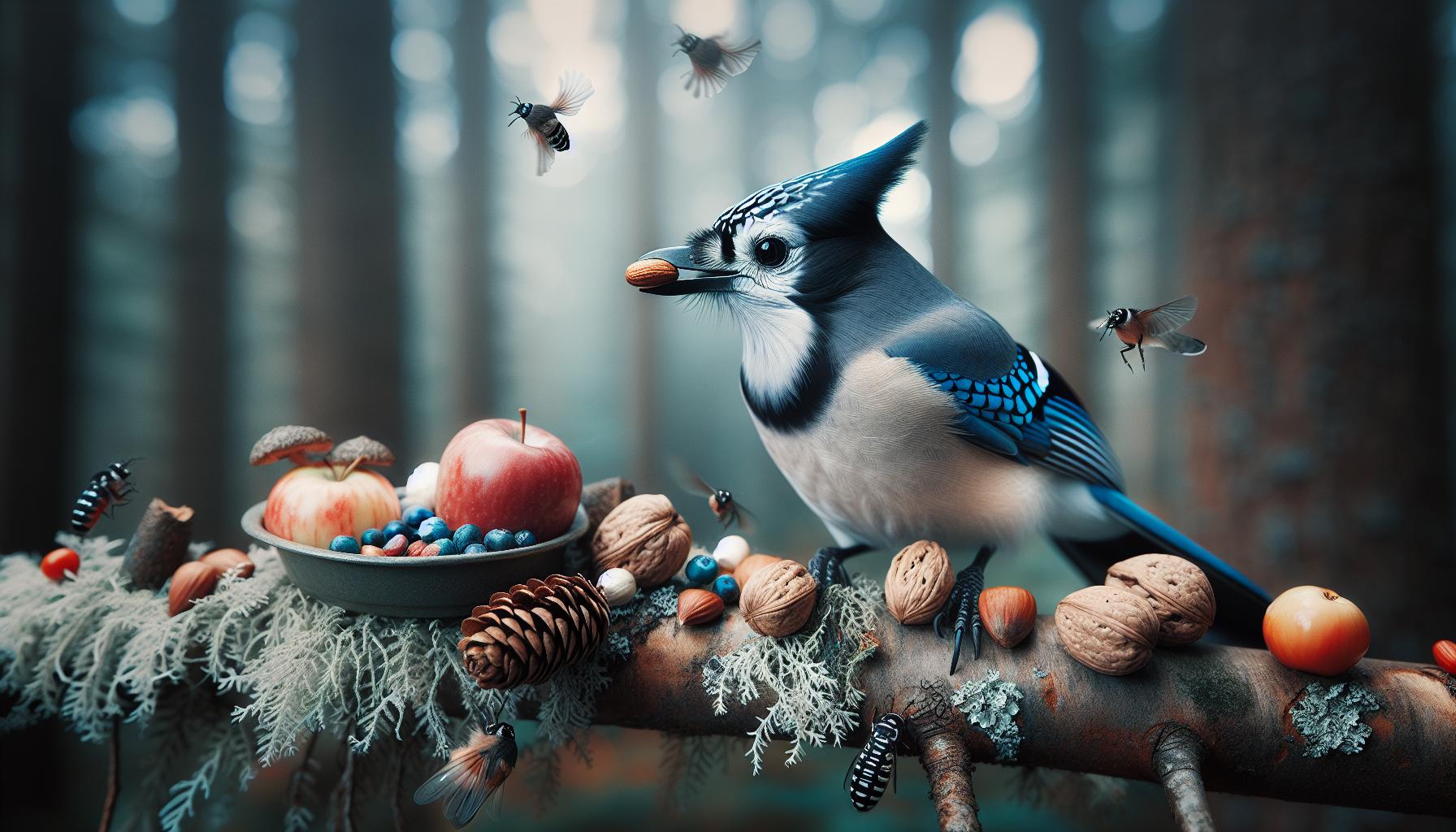
The Tufted Jay is an intriguing example of how birds adapt their feeding habits to thrive in their environment. These colorful birds are omnivorous, exhibiting a diverse diet that plays a crucial role in their ecosystem. What’s particularly fascinating is their reliance on both plant and animal sources, allowing them to effectively exploit the resources available in their habitat. Their feeding behavior is not just a casual affair; it is a dynamic process that reflects their intelligence and social structure.
Diet Composition
Tufted Jays consume a wide variety of foods, which includes:
- Invertebrates: They are particularly fond of insects, including wasp larvae, grasshoppers, beetles, spiders, and ants. Orthopterans, like katydids, are among their most frequently consumed insects.
- Fruits and Seeds: These birds also forage for berries, acorns, nuts, and various seeds. Their ability to locate and remember the locations of food supplies is fascinating and essential for their survival as they often cache food for later consumption.
Foraging is primarily a social activity for Tufted Jays. These birds often work in groups, which not only increases the efficiency of their foraging efforts but also promotes social learning among flock members. Juvenile jays learn critical feeding strategies by observing older, more experienced individuals. This mentorship is vital, as it equips younger birds with survival skills they will use throughout their lives.
Foraging Techniques and Behavior
The feeding habits of Tufted Jays showcase their intelligence and adaptability. While foraging, they exhibit specific behaviors tailored to different food types and contexts. For instance, when searching for insects in bark crevices or among leaves, they may use their sharp beaks to pry open surfaces and uncover hidden prey. During berry season, they may indulge in cooperative feeding, where flock members spread out to maximize the harvesting of fruits in a given area.
To truly appreciate the feeding dynamics of Tufted Jays, consider the communal aspect of their foraging behavior. Observing a group of these jays working together to find and share food enhances the birding experience, as it reflects both their social nature and intricate knowledge of their environment. Engaging with these birds in their natural habitat allows you to witness not just the feeding habits but also the beautiful interplay of cooperation and competition that defines their species. This understanding fosters a deeper appreciation for their role in the ecosystem and highlights the importance of conserving their natural habitats.
Breeding Habits and Nesting Patterns
The breeding habits of the Tufted Jay are as intriguing as their vibrant colors and social dynamics. These birds are known to breed in cooperative groups, which typically consist of one dominant breeding pair along with additional adults and younger birds, known as helpers. This social structure not only improves the chances of successful breeding but also fosters a nurturing environment where the younger birds gain valuable experience.
Nesting usually occurs in the months of April and May. The Tufted Jays construct their nests in trees, often choosing dense foliage to provide cover. The nests are typically built at various heights, depending on the availability of resources and safety from predators. During the nesting period, a single clutch can consist of two to five eggs, which are distinctive for their grayish-white color, densely speckled and mottled with browns and grays. The shared responsibility among the flock members for nurturing the young highlights the communal nature of Tufted Jays.
Nesting Care and Responsibilities
It’s fascinating to observe how the entire flock participates in the care of the chicks once they hatch. The adults not only take turns incubating the eggs but also engage in feeding the hatchlings. This cooperative breeding strategy ensures that the young birds receive adequate nourishment and protection during their vulnerable early days. Helpers often play a crucial role, learning the ropes of parenting and survival in the wild, which prepares them for future breeding seasons.
For those interested in observing these wonderful birds during their breeding season, be on the lookout for their vocalizations and gatherings, especially near their nesting sites. The chance to witness the interactions within a breeding flock can provide valuable insights into their social behaviors and the intricacies of their parenting styles. Engaging with Tufted Jays in their natural environment, especially during breeding, enhances both the birdwatching experience and appreciation for their remarkable life history.
Conservation Status: Threats and Protection Efforts
The Tufted Jay, with its vibrant plumage and social structure, faces significant conservation challenges that threaten its population. Classified as “Near Threatened” by the International Union for Conservation of Nature (IUCN), its numbers are dwindling-estimated between 10,000 and 20,000 mature individuals[2][3]. The key threats include habitat loss due to deforestation and human encroachment, which disrupt their nesting and feeding grounds. As they are endemic to specific regions in Mexico, particularly in pine-oak forests, any alterations to their environment can have dire consequences on their survival.
To combat these challenges, various conservation efforts are underway. Local initiatives, such as the establishment of preserves and reforestation projects, aim to restore critical habitat and protect the existing ecosystems where these birds thrive[1]. Additionally, raising awareness among local communities about the importance of the Tufted Jay and its role in the ecosystem is essential. Programs focusing on sustainable land use and eco-tourism can foster economic incentives for conservation, allowing people to benefit from preserving natural habitats rather than exploiting them.
For bird enthusiasts and conservationists, getting involved can make a difference. You can support organizations dedicated to habitat preservation, participate in citizen science projects monitoring bird populations, or engage in community education programs promoting conservation efforts. Observing Tufted Jays in their natural habitat not only enhances personal appreciation for the species but also contributes to ongoing awareness efforts that ensure their survival for generations to come.
In summary, the plight of the Tufted Jay illustrates the broader challenges facing many bird species today. By understanding the threats they face and participating in conservation initiatives, each of us can play a crucial role in safeguarding their future and the delicate balance of the ecosystems they inhabit.
How to Spot a Tufted Jay in the Wild
The thrill of spotting a Tufted Jay in the wild is like uncovering a gem in a forest of treasures. With their distinct vibrant plumage and energetic behavior, these birds often capture the attention of bird watchers and nature enthusiasts alike. To enhance your chances of encountering them, familiarity with their habitat and behaviors is essential. Often found in Mexico’s pine-oak forests, the Tufted Jay thrives in mature woodlands, making these lush environments your prime target for observation.
An effective way to increase your likelihood of spotting a Tufted Jay is to understand their social structure and flock dynamics. These jays are highly social creatures, frequently seen in groups, which can range from small family units to larger flocks. Listening for their sharp calls-an unmistakable blend of “caws” and whistles-can alert you to their presence within the trees. Once you hear their calls, approach quietly, maintaining a respectful distance to avoid startling them. Your best bet would be during early morning or late afternoon when they are most active, foraging for insects and fruits on the forest floor or among branches.
To identify a Tufted Jay, look for its striking combination of black, white, and blue feathers, especially the distinctive tuft on its head. The contrast of colors can be breathtaking when sunlight catches their plumage just right. Use binoculars to get a closer look at their features without disturbing them. Keep in mind that they often move energetically through the trees; observing their quick flights between branches can reveal their feeding behavior and social interactions.
Documenting your findings can enrich your experience, so bring along a notebook or a birding app to log your observations. Capture notes on their behavior, the types of calls you hear, and the specific locations where you spot them. Engaging with local birding communities or joining guided tours can also provide invaluable tips and enhance your chances of success. By immersing yourself in their natural habitat and being patient, you can experience the joy of spotting these fascinating jays and contribute to their conservation through your newfound knowledge.
Best Locations for Observing Tufted Jays
The thrill of encountering Tufted Jays can elevate any birdwatching adventure, particularly when you’re in the right locations. These stunning birds primarily inhabit the pine-oak forests of Mexico, particularly in states like Jalisco, Nayarit, and parts of Zacatecas. Being aware of where these habitats lie will significantly enhance your chances of observing these charismatic creatures.
Optimal Locations for Birdwatching
To increase your likelihood of spotting Tufted Jays, it is recommended to visit the following types of locations:
- Mature Pine-Oak Forests: Since these jays thrive in rich, mature woodland ecosystems, areas within Sierra de Manantlán Biosphere Reserve or Cerro de Garnica are prime places to start your search. These regions feature dense foliage and plentiful food sources.
- Protected Parks and Reserves: Many Tufted Jays can be found in well-managed protected areas. Look into parks such as El Tepozteco National Park or the Sierra Madre Occidental, which boast the right environments and often have resources dedicated to wildlife observation.
- Local Birdwatching Trails: Scenic trails, such as those in the Cumbres de Monterrey National Park, provide ideal conditions for birdwatchers. The lower elevations often sway with the calls of various jays, and the trail can lead you into the heart of their habitat.
Early mornings or late afternoons, during their active foraging periods, are the best times to explore these locations. Listening carefully to their distinct calls can guide you within the dense foliage; the combination of caws and whistles provides a soundscape synonymous with their presence.
Visitors will enhance their experience by being respectful of the habitat and maintaining a safe distance while observing these birds. Bringing binoculars can allow for closer observation without causing disturbance, ensuring you can appreciate the intricate details of their vibrant coloring and lively antics.
By choosing the right locales, being mindful of the birds’ behaviors, and remaining patient, your adventures in search of the Tufted Jay can be both rewarding and memorable.
Caring for Tufted Jay: Insights for Bird Enthusiasts
The Tufted Jay is truly a gem among avian species, both captivating and distinctive in its behavior and habitat, making it a beloved subject for bird enthusiasts. Caring for their presence in the wild extends beyond mere observation; it involves a commitment to respecting their environment and contributing to their conservation. For those passionate about these remarkable birds, understanding their social dynamics, habitat needs, and behaviors is crucial.
In essence, these jays thrive in mature pine-oak forests where they find plenty of food and nesting opportunities. If you’re actively birdwatching or studying Tufted Jays, it’s vital to observe them in ways that minimize disturbance. One best practice is to maintain a safe distance while using binoculars or a camera with a zoom lens for observation. This helps ensure that their natural behaviors continue uninterrupted, particularly during critical periods like breeding season when they are especially sensitive to disturbances.
Engagement with local conservation efforts is another way to show care for Tufted Jays. Participating in or supporting initiatives that focus on habitat preservation in regions like the Sierra de Manantlán Biosphere Reserve can make a significant impact. Additionally, sharing knowledge about these birds within your community helps raise awareness about their unique needs and the importance of protecting their natural habitats.
Lastly, consider documenting your observations of Tufted Jays and sharing them on platforms such as eBird or local birdwatching groups. This not only enriches your experience but contributes valuable data to wider conservation efforts. By combining respectful observation with active participation in conservation, bird enthusiasts can play a pivotal role in safeguarding the future of the Tufted Jay and ensure that its vibrant presence continues to grace the forests of northwest Mexico.
Comparing Tufted Jay with Similar Species
The Tufted Jay is a striking bird that stands out not only for its vibrant plumage but also for its fascinating behaviors and social dynamics. When comparing the Tufted Jay (Cyanocorax dickeyi) with similar species within the Corvidae family, the differences and similarities become even more intriguing. One notable counterpart is the Blue Jay (Cyanocitta cristata), which shares some visual traits but is quite distinct in habitat and behavior.
The Tufted Jay is primarily found in the Sierra Madre Occidental of Mexico, favoring mature pine-oak forests, whereas the Blue Jay has a broader distribution across North America and often frequents more diverse environments, including parks and suburban areas. In terms of appearance, the Tufted Jay sports a striking black crest and a unique combination of blue and greenish-yellow plumage, along with a white throat. Conversely, the Blue Jay is characterized by a more uniform blue coloration with a prominent white and black pattern on its wings and tail, making the two species easily distinguishable even at a distance.
In terms of social behavior, both species are known for their intelligence and complex social structures. The Tufted Jay often forms smaller, cohesive flocks that exhibit cooperative breeding and foraging, displaying intricate interactions within the group. On the other hand, Blue Jays tend to form larger, more loose-knit groups and can be more aggressive, known for their loud calls and assertive nature when it comes to competing for food resources. This behavioral contrast is crucial for birders and enthusiasts who aim to identify these birds in the wild.
For those looking to differentiate between these two species, consider these key features:
| Feature | Tufted Jay | Blue Jay |
|---|---|---|
| Habitat | Mature pine-oak forests of Mexico | Diverse environments throughout North America |
| Size | Medium-sized (approx. 30 cm) | Medium-sized (approx. 28-30 cm) |
| Coloration | Black crest with blue and greenish-yellow body | Bright blue body with white and black pattern |
| Social Structure | Small flocks, cooperative behavior | Larger, loose groups, often aggressive |
By understanding these differences and similarities, birdwatchers can enhance their field experience, making informed observations that deepen their appreciation for these remarkable birds. Whether you’re keen on spotting a Tufted Jay in its exclusive habitat or want to identify a Blue Jay in more urban settings, having this knowledge ensures a richer, more rewarding birdwatching adventure.
Cultural Significance and Folklore of the Tufted Jay
The captivating Tufted Jay, with its striking appearance and unique behaviors, holds a special place in the cultural tapestry of the regions it inhabits. In Mexican folklore, particularly within the communities residing in the Sierra Madre Occidental, this vibrant bird is often viewed as a symbol of intelligence and community. Cultural narratives frequently emphasize the jay’s intricate social dynamics, mirroring the indigenous values of cooperation and collaboration found in traditional practices. This connection to local culture enriches the appreciation for the Tufted Jay, showcasing it as a creature that embodies the spirit of community life.
Folklore and Myths
Several myths surround the Tufted Jay, often depicting it as a messenger or a guardian spirit. For example, in some stories, the bird is said to bring good fortune to those who encounter it, particularly during significant life events. This belief likely stems from the jay’s loyal and protective nature towards its flock and territory. Such narratives not only highlight the bird’s attributes but also weave it into the community’s identity, furthering its significance beyond mere observation and into the realms of respect and reverence.
Artistic Representations
The Tufted Jay’s striking coloration and unique crest have inspired local artists, leading to its depiction in various forms of art, from traditional crafts to contemporary paintings. These creative expressions often celebrate the bird’s beauty while also commenting on themes of conservation and environmental stewardship. By incorporating the Tufted Jay into their work, artists foster a deeper connection between the community and their natural environment, encouraging appreciation and protection of local wildlife.
Conservation Efforts
Culturally significant birds like the Tufted Jay can play a pivotal role in conservation efforts. Engaging local populations in the protection of these charismatic species often combines ecological education with cultural pride. Initiatives focused on habitat preservation not only aim to ensure that these birds flourish but also reinforce the cultural narratives that celebrate them. For bird enthusiasts and conservationists, understanding the cultural dimensions surrounding species like the Tufted Jay is crucial. It fosters a more holistic approach to conservation that respects the intricate relationships between people, wildlife, and their shared environments.
In summary, the Tufted Jay is not just a fascinating bird to observe; it embodies a wealth of cultural significance and folklore that enriches the understanding of its role in the ecosystem. Engaging with these stories can enhance your experience as a birdwatcher, opening up discussions about the vital link between nature and culture, and inspiring efforts to protect the habitats that nurture such enchanting species.
Q&A
Q: Where is the endemic range of the Tufted Jay?
A: The Tufted Jay is endemic to the tropical montane forests of western Mexico, specifically in the Sierra Madre Occidental mountain range. These areas provide the dense vegetation and altitude suitable for their habitat preference.
Q: What are the social dynamics of Tufted Jay flocks?
A: Tufted Jays exhibit complex social dynamics, often traveling in cohesive family groups that strengthen bonds through cooperative behaviors. Their social structure influences foraging efficiency and enhances communication within flocks.
Q: How do Tufted Jays communicate within their flocks?
A: Tufted Jays utilize a variety of vocalizations and body language to communicate. Their calls often indicate alarm, food availability, or group cohesion, facilitating effective interaction crucial for survival in their densely vegetated habitats.
Q: What role do Tufted Jays play in their ecosystem?
A: As omnivores, Tufted Jays play a vital role in seed dispersal and the control of insect populations. Their foraging habits contribute to forest regeneration and the overall health of their montane ecosystem.
Q: How does habitat destruction affect Tufted Jay populations?
A: Habitat destruction significantly threatens Tufted Jay populations by reducing their natural environments and food sources. Conservation efforts are essential to mitigate these impacts and preserve their montane habitats.
Q: What are the primary threats to the Tufted Jay’s conservation?
A: The primary threats to the Tufted Jay include habitat loss due to deforestation, climate change, and human encroachment. Protecting their habitat is crucial for their survival and conservation status.
Q: When is the best time to observe Tufted Jays in the wild?
A: The best time to observe Tufted Jays is during the early morning or late afternoon when they are most active. Visiting known habitats in these times increases the likelihood of spotting these vibrant birds.
Q: How do Tufted Jays compare to other jay species?
A: Tufted Jays differ from other jay species in their distinct tufted crown and social behaviors. Unlike many solitary jays, they are highly social, often seen in family groups, which sets them apart in social dynamics.
Insights and Conclusions
As we wrap up our exploration of the Tufted Jay and its unique social dynamics, we hope you feel inspired by the intricate social structures and endemic ranges of this remarkable bird. Whether you’re a seasoned birder or just starting out, understanding the behaviors and habitats of the Tufted Jay enriches your connection to wildlife. If you’re curious about similar species, check out our articles on the fascinating behavior of the Green Jay or the conservation efforts surrounding endemic bird populations.
Ready to dive deeper? Subscribe to our newsletter for the latest updates on avian research and practical birdwatching tips, or explore our resource section for guides on bird identification and care. Your feedback is valuable to us, so please share your thoughts in the comments below or connect with fellow bird enthusiasts on our social media platforms. Every interaction helps foster a vibrant community of passionate bird lovers. Let’s continue celebrating the beauty of avifauna together!
Get our latest guides, news, and insights highlighted in your Google Search & AI Overviews.










