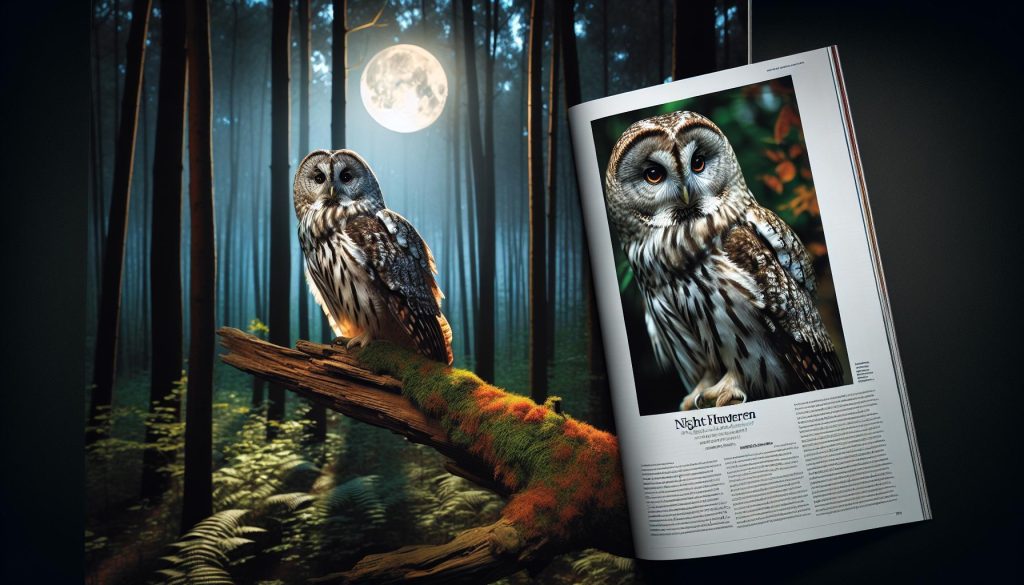
The Stygian Owl, a rare nocturnal hunter, captures the imaginations of bird enthusiasts and nature lovers alike. These elusive creatures, named after the dark waters of the mythological River Styx, are more than just symbols of mystery-they are vital to understanding our ecosystems. As we explore their habitats and uncover their secrets, you’ll find that learning about their behaviors and care requirements enriches not only your knowledge but also your experience in the wild. Whether you’re a seasoned birder or just starting on your ornithological journey, delving into the world of the Stygian Owl will inspire curiosity and deepen your appreciation for these magnificent birds. Join me as we navigate through their captivating lives and learn how to identify, appreciate, and protect these magnificent night hunters.
Identifying the Stygian Owl: Key Features and Traits
The Stygian Owl, with its striking presence and distinct characteristics, presents a fascinating subject for bird enthusiasts and casual observers alike. This large owl species, known scientifically as Asio stygius, is primarily recognized for its prominent ear tufts and striking facial disc, which can draw attention even in the dimmest of surroundings. Measuring between 16 to 20 inches in length with a wingspan of approximately 40 to 46 inches, its size is rivaled only by its unmistakable plumage. The feathers of the Stygian Owl vary from a rich dark brown to a lighter tawny hue, adorned with intricate patterns that provide effective camouflage in its forest habitats.
When trying to identify the Stygian Owl, several key physical traits can help enthusiasts distinguish it from similar species. Notably, this owl has bright yellow eyes that stand out against its darker feather coloration, which enhances its night-hunting abilities. Additionally, the Stygian Owl’s sharp, hooked beak and long legs are adapted for its predatory lifestyle. Another interesting feature is the owl’s long, pointed ear tufts, which can be raised or lowered depending on its mood or level of alertness. This dynamic can provide insights into the owl’s communications, making it a fascinating subject for observation.
If you are fortunate enough to spot one in the wild, look for its distinctive behavior as well. The Stygian Owl typically remains very still during the day, perched on a branch or in dense foliage, blending seamlessly with its surroundings-an adaptation that enables it to avoid predators and remain inconspicuous. To successfully identify this rare night hunter, patience and a keen eye for detail are essential.
Recognizing the little nuances, such as its unique vocalizations and flight patterns, can further enhance your identification skills. As you explore habitats where the Stygian Owl resides, remain attentive, as the rewards of spotting this majestic avian can be immensely satisfying. Whether you’re a novice birder honing your skills or an experienced enthusiast, understanding the key features and traits of the Stygian Owl is the first step toward appreciating its mysterious allure.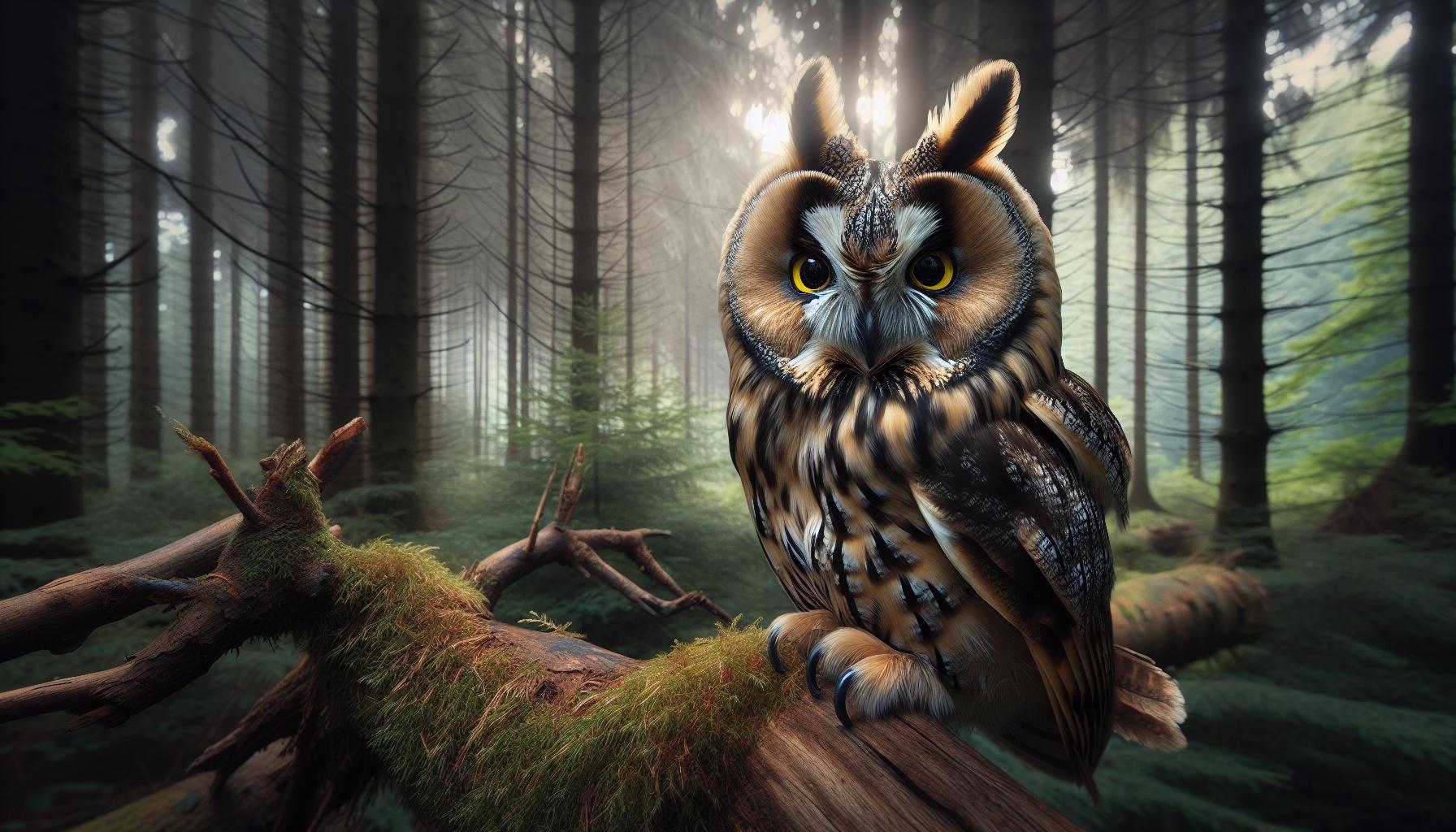
The Enigmatic Habitat of the Stygian Owl
The Stygian Owl thrives in a range of habitats that showcase its adaptability and unique ecological requirements. Found in open forests, this majestic owl prefers environments characterized by a mix of pine, pine-oak, and cloud forests. Its elusive nature and preference for these specific ecosystems allow it to blend gracefully with the dappled shadows and light that filter through the trees. In addition to temperate forest regions, the Stygian Owl is also known to inhabit areas such as semi-arid scrub and thorn habitats, especially in the southern parts of its range, which extend into regions like the Chaco of Argentina.
Understanding the habitat preferences of the Stygian Owl can greatly enhance your chances of observing one in the wild. These owls often seek refuge in tall trees where their plumage-ranging from deep browns to tawny tones-camouflages them against the bark and leaves. They tend to be more active in areas where dense foliage provides cover, enabling them to hunt effectively while remaining hidden from potential threats. Birdwatchers keen on spotting a Stygian Owl should focus on locations with a mixture of open spaces and dense woodlands, often early in the morning or late in the evening when these nocturnal creatures are most active.
Another intriguing aspect of the Stygian Owl’s habitat is its preference for elevation. Many populations reside in montane regions, indicating a tendency to nest and roost in higher altitudes where cooler temperatures and specific vegetation types provide ideal hunting grounds for their prey. This is especially true in the Andes, where humid montane forests offer a rich diversity of small mammals and birds to exploit. The diverse landscapes that this owl inhabits not only highlight its ecological versatility but also underline the importance of conserving these habitats to protect the Stygian Owl and its unique behaviors.
To create a friendly environment for the Stygian Owl, consider ensuring that your own backyard or garden incorporates features such as mature trees, dense shrubbery, and a water source. By mimicking elements of their natural habitat, you may attract these remarkable night hunters, providing an exciting opportunity for observation while contributing to their habitat conservation.
Unveiling the Stygian Owl’s Nocturnal Behavior
Observing the Stygian Owl in action can be a mesmerizing experience, as this nocturnal avian master embraces the mysteries of the night with a unique blend of stealth and grace. Unlike many other owls, the Stygian Owl has adapted to thrive in both temperate and subtropical climates, using its keen eyesight and acute hearing to navigate the darkness. These adaptations make them formidable hunters, consistently hunting during twilight and the depth of night when their prey is most vulnerable.
Nocturnal Adaptations
The Stygian Owl’s nighttime activities are not just a routine but an art of survival. Armed with excellent night vision, allowing it to perceive varying light conditions, and an extraordinary ability to locate sounds, it can hunt effectively under dim lighting. Typically, they perch silently on branches, utilizing their camouflaged plumage-ranging from mottled browns to dark tans-to conceal their presence. This ensures they remain undetected by both prey and potential threats, making their approach an unseen dance of patience and precision.
Each evening, these owls embark on hunting expeditions, primarily targeting small mammals, birds, and insects that become active during the night. They employ a mix of gliding and short bursts of flight to surprise their prey, swooping down with silent wings that add to their stealth. Birdwatchers often report sightings around dusk or dawn when Stygian Owls are most active, hunting along edges of fields or in dense woodlands where their feeding grounds lie.
Vocalizations in the Night
The calls of the Stygian Owl are another aspect of its captivating nocturnal behavior. Unlike some owls that unleash deep, resonating hoots, the Stygian Owl typically produces a series of sharp and low-pitched sounds, which carry through the night. These calls serve various purposes, from establishing territory to communicating with a mate. If you’re hoping to spot one, familiarizing yourself with these vocalizations can significantly increase your chances of locating this elusive bird.
In essence, the Stygian Owl’s nocturnal behavior is a fascinating interplay of adaptation, stealth, and communication. Whether you are a novice birdwatcher or an experienced ornithologist, understanding these behaviors provides a richer perspective on the life of one of nature’s most enigmatic creatures. As you venture into the wild to observe them, remember to be quiet and respectful of their habitats, ensuring that these remarkable night hunters can thrive in the shadows.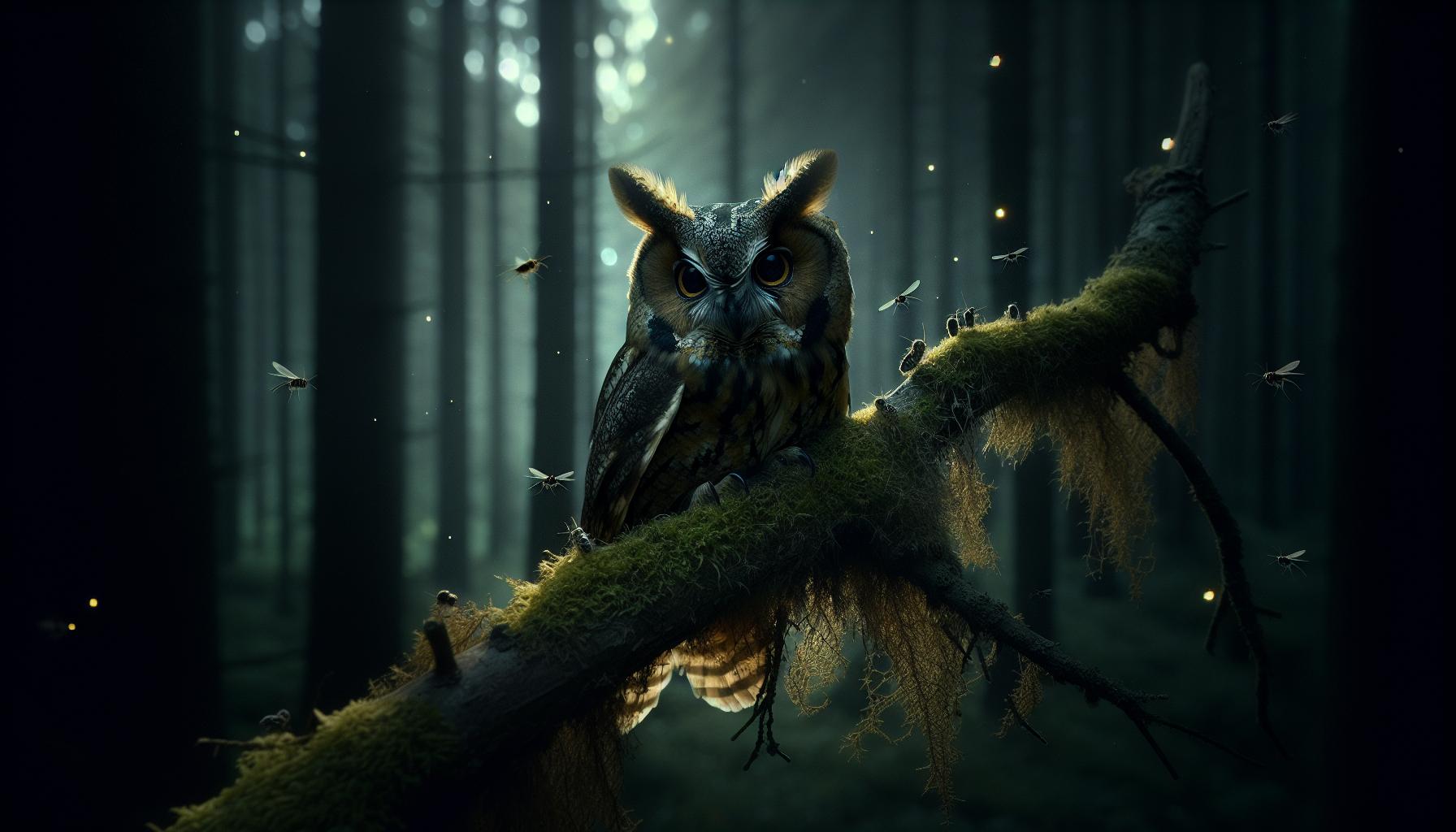
Secrets of Stygian Owl Hunting Techniques
The Stygian Owl has evolved into one of nature’s most efficient nocturnal hunters, employing a unique combination of techniques that allow it to navigate the darkness and successfully capture its prey. A striking feature of this owl is its exceptional auditory abilities, which enable it to detect even the faintest sounds made by its targets. This auditory precision is enhanced by its asymmetrical ear structure, allowing it to pinpoint the location of sounds in a three-dimensional space, processing them with impressive accuracy.
In addition to its keen hearing, the Stygian Owl relies heavily on its superb night vision. Equipped with large eyes that gather more light than those of many other birds, it can hunt in near-complete darkness. Perched silently on a branch, its brown and tan plumage offers effective camouflage against the tree bark, making it nearly invisible to both prey and predators alike. When the time is right, the owl launches into action, using a combination of gliding and rapid descents to surprise unsuspecting mice, insects, and small birds below.
Another fascinating aspect of their hunting technique is the use of their silent flight. The leading edges of a Stygian Owl’s wings are serrated, which significantly reduces turbulence and allows for a nearly noiseless approach. This stealthy flight pattern allows them to swoop down on prey without alerting it to their presence until it’s too late. Their hunting strategy often includes short, controlled flights combined with lengthy periods of stillness, where they remain patiently alert and ready to strike.
To maximize your chances of observing the Stygian Owl’s hunting prowess, consider venturing out at dusk or dawn, particularly in areas with dense woodlands and field edges. Being patient and quiet will allow you to witness their fascinating interplay of stealth and agility in action. For those keen birdwatchers more serious about spotting this elusive bird, familiarizing yourself with their hunting sounds and patterns can be incredibly rewarding, providing insights into one of nature’s most captivating nocturnal predators.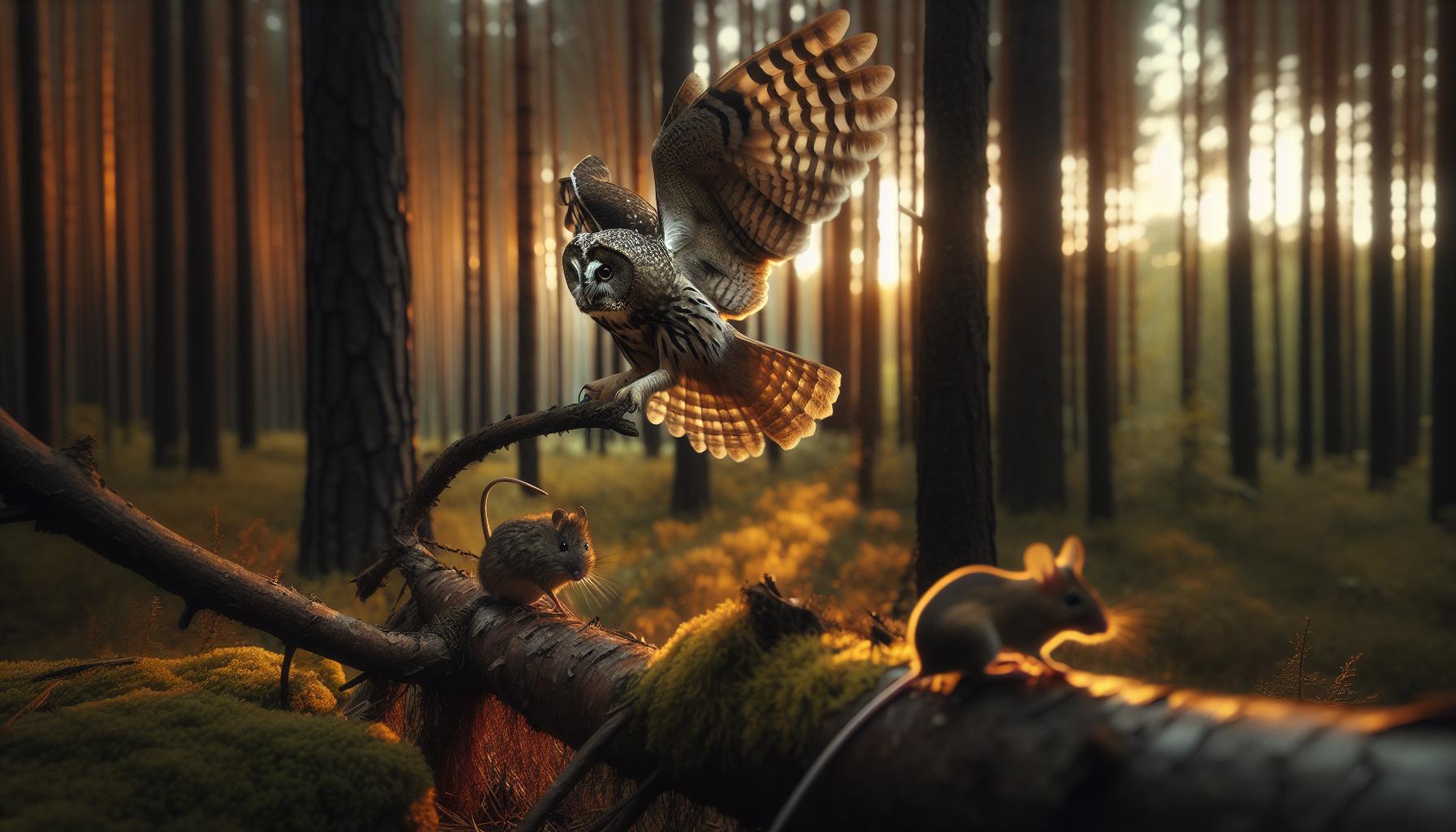
Understanding the Diet of Stygian Owls
The Stygian Owl, known for its mesmerizing hunting techniques, has a diet that is as fascinating as its hunting prowess. Primarily a nocturnal predator, this owl has adapted to consume a diverse array of prey that includes small mammals, insects, and even birds. For those passionate about raptors and keen on understanding how these magnificent creatures thrive, exploring their dietary habits provides invaluable insights into their ecological role and behavioral strategies.
- Small Mammals: The central component of the Stygian Owl’s diet consists of small rodents such as voles, mice, and shrews. These mammals are abundant in their preferred habitats, which include dense woodlands and fields, making them readily available during dusk and dawn, the prime hunting times for this owl.
- Insects: Insects also play a critical role in the diet of young Stygian Owls, especially during the breeding season when adults hunt to feed their chicks. Beetles, crickets, and moths provide essential nourishment and are less challenging to capture than smaller mammals.
- Birds: Occasionally, Stygian Owls will predate on small birds, particularly those that roost at low heights or are less vigilant during nighttime. This opportunistic feeding behavior allows the owl to adapt its hunting to what’s most available.
Understanding the hunting strategies and prey preferences of the Stygian Owl reveals its role as an apex predator. This adaptability not only highlights its hunting skills-utilizing silent flight and acute hearing-but also showcases its significance in controlling local rodent populations. Enthusiastic birdwatchers can enhance their field experiences by noting the peculiar locations where these owls hunt, such as field edges and near water sources, which are often teeming with life.
For those interested in observing these remarkable owls in their habitat, it’s beneficial to pay attention to their feeding patterns. Stygian Owls often perch silently for extended periods before making swift, calculated movements to catch their prey. This behavior is a captivating spectacle that can be especially rewarding for those who take the time to understand their diet and hunting techniques. By aligning your expectations with their nocturnal habits, you not only increase your chances of encountering this elusive predator but also deepen your appreciation for the intricate web of life these owls are part of.
Breeding and Nesting Habits of Stygian Owls
The Stygian Owl is a remarkable and often elusive nocturnal predator, displaying intriguing breeding and nesting behaviors that are crucial for its survival and reproduction. During the breeding season, which varies by region but often takes place from late winter to early spring, pairs engage in unique courtship rituals. Males are known for their striking wing-clapping displays while in flight, a behavior that not only attracts females but also serves as a way to establish territory.
Nesting habits of the Stygian Owl are equally fascinating. They typically choose to nest either on the ground in concealed areas or in abandoned nests of other bird species located in trees. These nests are often placed in dense vegetation, providing essential cover and protection from predators. The female lays a clutch of two to three eggs, which she incubates primarily, while the male collects food to sustain the family during this critical period. As the chicks hatch, the parents will continue to provide a varied diet, primarily consisting of insects and small mammals, ensuring that the young are well-nourished and prepared for their transition to independent hunting.
Understanding these intricate breeding habits not only enhances our appreciation of the Stygian Owl as a species but also highlights the importance of habitat conservation. Protecting their breeding grounds, whether in dense forests or open fields, is vital for maintaining healthy populations of these spectacular owls. For birdwatchers and nature enthusiasts alike, observing the breeding behaviors of Stygian Owls can offer a rewarding glimpse into the life of this enigmatic bird, emphasizing why we must continue to advocate for their protection in the wild.
Utilizing this knowledge wisely can foster an environment conducive to attracting Stygian Owls, making it essential for those who are keen on birdwatching to understand and respect their nesting preferences and the surrounding habitat.
Conservation Status and Protection Efforts
The plight of the Stygian Owl, with its haunting calls reverberating through the night, is a compelling reminder of the delicate balance within our ecosystems. Currently classified as a species of concern in several regions, the Stygian Owl faces numerous threats that impact its population and habitats. Key among these are habitat loss due to deforestation, agricultural expansion, and urban development, which diminish the landscapes essential for their survival. The conservation of this remarkable nocturnal predator not only aids in the preservation of biodiversity but also underscores the health of their ecosystem.
To safeguard the Stygian Owl, efforts have been initiated that focus on habitat protection and restoration. Conservation organizations are actively working to establish protected areas where these owls can thrive, ensuring that their natural environments remain undisturbed. Additionally, public awareness campaigns aim to educate local communities on the importance of preserving the habitats frequented by Stygian Owls. Involvement in citizen science projects can empower birders and nature enthusiasts to contribute valuable data regarding local populations, ultimately aiding in better management and conservation strategies.
Furthermore, targeted research initiatives are crucial in understanding the specific needs and behaviors of Stygian Owls. This includes studying their nesting preferences, habitat use, and hunting patterns, which can inform habitat management strategies. For example, creating and maintaining dense understory areas can provide essential cover for nests, while also ensuring a plentiful supply of prey nearby.
In addition to on-the-ground conservation efforts, connecting people with the natural world has proven effective in fostering a conservation ethic. Encouraging birdwatchers and outdoor enthusiasts to practice responsible viewing and to advocate for local conservation measures can create a more supportive environment for Stygian Owls. Real-life anecdotes from birdwatchers witnessing these owls in their natural habitats can inspire others to join in protecting their remarkable nocturnal world, ensuring that future generations can also revel in the mystery and beauty of the Stygian Owl.
How to Identify Stygian Owls in the Wild
In the dim light of twilight, spotting the elusive Stygian Owl can feel almost magical. This owl species is not only known for its striking appearance but also for its secretive nature, making identification a thrilling challenge for birdwatchers and nature lovers alike. The Stygian Owl typically presents a unique blend of features that sets it apart from other owls, and knowing what to look for can enhance your chances of an encounter.
One of the most notable aspects of the Stygian Owl is its size. With a wingspan of approximately 40 to 48 inches and a length of 15 to 20 inches, it is one of the larger owls in its range. The feathers are a rich dark brown, adorned with intricate light spots, which serve to camouflage the bird in its natural habitat. Their distinctive facial disc is prominent, framed by a mix of mottled feathers that help in sound reception. The eyes are large and yellow, offering excellent night vision, a necessary trait for this nocturnal predator. When on a perch, look for their striking upright posture: they tend to sit tall and still, blending seamlessly with the tree branches.
To increase your chances of identification, pay attention to their calls, which are a key characteristic of their presence. The male Stygian Owl typically produces a series of booming hoots that resonate through the night, while females may emit higher-pitched, shrill calls. Listening for these sounds, especially during the breeding season, can lead you to their location. Observing behavior patterns, such as their hunting techniques at dusk, can also provide clues. They often hunt from a perch before swooping down silently, which can make it easier to catch a glimpse of them in low light.
Lastly, timing and location are crucial for successful identification. The Stygian Owl prefers dense woods and forest edges, particularly near rivers or wetlands, which provide ample hunting grounds. Plan your outings during dusk or dawn when they are most active; this timing not only increases your chances of spotting them but also allows for a truly mesmerizing experience as their natural behaviors come to life in the soft light of daybreak or twilight. By combining knowledge of their physical characteristics, vocalizations, and preferred habitats, you can elevate your birdwatching endeavors and connect with the mysteries of the Stygian Owl’s world.
Stygian Owl Calls: Sounds of the Night Hunter
The night is alive with the haunting calls of the Stygian Owl, a sound that beckons to avid birdwatchers and nature enthusiasts alike. Known for their distinctive vocalizations, these owls make a significant mark on the nocturnal soundscape. With males producing deep, booming calls that resonate like distant thunder-often described as “hu-hu” or “hoo”-they dominate the auditory environment of their habitat. In contrast, females add to the chorus with higher-pitched, shrill responses that can carry through the stillness of the evening. This dynamic between male and female calls adds to the intrigue, captivating the hearts of those lucky enough to witness such an exchange.
When venturing out to listen for these captivating sounds, it’s essential to know the context. The Stygian Owl is most vocal during the breeding season, typically observed in late winter to early spring. This is when the males intensify their calling to attract mates, and their calls can serve as locator sounds for birdwatchers. To enhance your chances of encountering these magnificent birds, consider visiting their preferred habitats-dense woodlands near wetlands or rivers at dusk or dawn. The stillness of these times amplifies the haunting calls of the owls, creating an enchanting atmosphere that not only helps you identify their presence but also immerses you in their world.
Listening closely for the unique characteristics of their calls can significantly aid in identification. Some birders recommend recording calls during outings and listening to them later to refine your ability to distinguish between individual vocalizations. Take note of the rhythm and pitch variation; this can be a thrilling exercise for seasoned and novice birders alike. In addition to being a valuable skill, being able to identify these sounds builds a deeper connection with the natural habitat.
Ultimately, the Stygian Owl’s vocalizations are more than mere sounds; they are the very essence of the night, weaving together the mysteries of the forest and the life of the elusive owl. Observing their behavior, blending sound with visual clues, enriches the experience, making each outing a unique adventure waiting to unfold under the moonlit sky. Embrace the challenge of tuning into their calls, and you just might discover the secret world of the Stygian Owl through your own ears.
Creating a Stygian Owl-Friendly Environment
Creating a thriving environment for Stygian Owls not only supports these magnificent night hunters but also enhances the biodiversity of your local ecosystem. These owls thrive in open forests, particularly those with pine, pine-oak, and cloud forests, where they can find ample hunting grounds and places to roost and nest. One effective approach to attracting Stygian Owls is to replicate their preferred habitats as closely as possible.
To create a Stygian Owl-friendly environment, consider the following strategies:
Providing Natural Habitat Features
- Plant Native Trees: Focus on planting species of pine and oak. These trees provide essential cover and nesting sites while attracting their preferred prey.
- Create Open Areas: Stygian Owls favor open spaces within forested areas. Thinning dense woodlands can help create the necessary open foraging grounds without completely clearing the land.
- Maintain Water Sources: If possible, establish a small pond or ensure that nearby wetlands are protected. Water sources attract a variety of wildlife, which in turn, provides food opportunities for owls.
Encouraging Biodiversity
To further entice Stygian Owls to your area, fostering diverse wildlife populations is paramount. These owls prey on small mammals and birds, so creating an environment rich in biodiversity will facilitate a stable food source. Here are some ways to promote this:
- Build Brush Piles: Piles of branches and fallen trees provide shelter for small mammals, which serve as prey for owls.
- Avoid Pesticides: Limit or eliminate pesticide use to help sustain a healthy population of insects and rodents, both crucial for the Stygian Owl’s diet.
- Create Nesting Sites: Install nesting boxes specifically designed for owls at varying heights in trees, ensuring they are placed away from disturbances.
Implementing these practices can transform your outdoor spaces into a welcoming haven for Stygian Owls. As you create a conducive environment, spend time observing and appreciating the interactions of wildlife within the ecosystem. This commitment not only benefits the owls but also enriches your experience as you witness the beauty of nature unfold around you. Your efforts in cultivating a Stygian Owl-friendly habitat will play a significant role in the conservation of these extraordinary creatures, ensuring they continue to soar through the night skies.
Comparative Analysis: Stygian Owl vs. Other Owls
The Stygian Owl, known scientifically as Asio stygius, presents a fascinating case study when compared to other owl species. With its striking plumage and unique hunting techniques, it’s easy to see why bird enthusiasts are drawn to this nocturnal predator. Unlike the more commonly recognized Great Horned Owl (Bubo virginianus), which is considerably larger and more robust, the Stygian Owl is smaller and features a distinctive dark brown coloration with lighter barring. This adaptation not only aids in camouflage within its preferred habitat of open forests and grasslands but also creates a stark contrast when placed alongside other owls.
Physical Attributes and Identification
When identifying the Stygian Owl, several characteristics set it apart. Its round face, yellow eyes, and lack of ear tufts are critical identifiers. In contrast, the Barn Owl (Tyto alba) has a heart-shaped face and a much lighter coloration, making it easily distinguishable. Additionally, while both the Stygian and the Short-eared Owl (Asio flammeus) hunt in similar habitats, the latter has longer wings and a more pronounced flight pattern. Observing foraging styles can also reveal differences; the Stygian Owl often employs a low, stealthy approach, whereas the Short-eared Owl is more prone to hovering while hunting.
Behavioral Differences
Behaviorally, the Stygian Owl exhibits intriguing nocturnal habits that differ from its counterparts. While many owls are strictly nocturnal, the Stygian is known to be somewhat crepuscular, hunting at dusk and dawn for optimal hunting conditions. This strategy aligns it more closely with the hunting patterns of the Eastern Screech Owl (Megascops asio), which is also active during twilight. Such flexibility in hunting time may give the Stygian a competitive edge in environments where food resources fluctuate.
Dietary Preferences
In terms of diet, the Stygian Owl primarily preys on small mammals, such as rodents, and birds. Interestingly, while both the Great Horned Owl and the Stygian Owl exhibit similar hunting techniques, Great Horned Owls tend to target larger prey due to their size and strength. This difference not only reflects their respective ecological niches but also affects the types of habitats in which they thrive. The Stygian Owl’s more specialized diet allows it to occupy a narrower ecological niche, often relying on prey availability in specific habitats compared to the more adaptable Great Horned Owl.
In conclusion, understanding the differences between the Stygian Owl and other owls highlights the unique ecological role this species plays within its environment. For bird watchers and enthusiasts, recognizing these distinct features not only enhances the experience of observing them in the wild but also fosters a deeper appreciation of their adaptations and behavior. As we learn more about these magnificent creatures, we can better contribute to their conservation and protection.
Common Myths and Misconceptions about Stygian Owls
Many people have a fascination with owls, often driven by their mysterious nature and nocturnal habits. However, with such intrigue comes a variety of myths and misconceptions that can cloud our understanding of these remarkable birds, particularly the Stygian Owl. One prevalent myth is that all owls are silent hunters; while it is true that many species are adept at flying undetected, the Stygian Owl, known for its distinctive vocalizations, utilizes calls to communicate, especially during the breeding season. This vocal aspect is essential for mating and territory establishment, making them more vocal than other more commonly known owls.
Another common misconception involves the idea that all owls, including the Stygian Owl, possess extraordinary eyesight that allows them to see in total darkness. While owls do have excellent night vision due to their unique retinal structure, their vision is optimized for low-light conditions rather than complete darkness. Stygian Owls are primarily active during crepuscular hours, relying on both their exceptional sight and their acute sense of hearing to locate prey at dawn and dusk, which creates the illusion that they operate perfectly in the dark.
Many also mistakenly believe that the Stygian Owl is a solitary bird. In fact, these owls can exhibit social behaviors under certain conditions. During the breeding season, they may not only interact with their mates but also engage in interesting social dynamics with other Stygian Owls, particularly in areas where food and nesting sites are abundant. Their communal roosting habits, especially in winter, can often lead to sightings of multiple owls gathered in a single area, which contradicts the solitary hunter stereotype.
Moreover, it’s worth noting that the Stygian Owl is often confused with other species due to similarities in plumage. While their dark brown coloration with lighter barring provides effective camouflage, which may lead to misidentification in the field, avid birdwatchers will soon learn to recognize the subtle differences in physical attributes and behaviors. By understanding these myths, bird enthusiasts can enhance their appreciation of the Stygian Owl and advocate for their conservation, ensuring these enigmatic creatures continue to thrive in their natural habitats.
In conclusion, debunking these myths not only enriches our knowledge of the Stygian Owl but also fosters a deeper connection with the natural world, encouraging respectful observation and conservation efforts to protect these magnificent birds.
Frequently Asked Questions
Q: What is the habitat range of the Stygian Owl?
A: The Stygian Owl primarily inhabits dense, humid forests and wooded areas in parts of Central and South America. Specifically, they are found from southern Mexico to northern Argentina and can often be located near water sources like rivers and swamps that provide ample hunting grounds.
Q: Why is the Stygian Owl considered a rare species?
A: The Stygian Owl is considered rare due to habitat loss, deforestation, and changes in land use that have significantly reduced their population. Additionally, their elusive nature and preference for dense foliage make them difficult to locate, resulting in limited observational data.
Q: How does the Stygian Owl’s call differ from other owl species?
A: The Stygian Owl’s call is distinctive, typically consisting of low, resonant hoots that echo in the forest. This differs from other owl species, which may have higher-pitched or varied vocalizations. Observers often describe the Stygian Owl’s call as haunting and deep, ideal for communication in dense habitats.
Q: What are common threats to the Stygian Owl population?
A: Common threats to the Stygian Owl include habitat destruction due to logging and agricultural expansion, climate change affecting their environment, and hunting pressures. Conservation efforts are vital to mitigate these impacts and support their dwindling numbers.
Q: When is the best time to observe Stygian Owls in the wild?
A: The best time to observe Stygian Owls is during twilight hours, particularly at dusk when they become more active. During the breeding season, which typically peaks from March to May, their vocal activity increases, making it easier to locate them.
Q: What adaptations help the Stygian Owl hunt effectively at night?
A: The Stygian Owl possesses excellent night vision and acute hearing, which are crucial for nocturnal hunting. Its camouflaged plumage helps it blend into the forest surroundings, allowing it to ambush prey such as small mammals and insects.
Q: How do conservation efforts support the Stygian Owl?
A: Conservation efforts for the Stygian Owl include habitat protection, restoration projects, and educational programs to raise awareness about their plight. Engaging local communities and promoting sustainable land use are also key strategies to support their habitat.
Q: What role does the Stygian Owl play in its ecosystem?
A: The Stygian Owl plays a crucial role as a predator, helping to regulate populations of small mammals and insects in its ecosystem. This natural control contributes to maintaining the balance of the forest environment, ensuring biodiversity remains intact.
For more detailed insights, feel free to explore sections on “Habitat” and “Conservation Status” in our comprehensive guide. Each question expands on critical aspects related to the Stygian Owl, encouraging further engagement and knowledge acquisition.
Key Takeaways
As we delve into the enchanting world of the Stygian Owl, it’s clear that these elusive night hunters hold secrets that are as captivating as they are vital to their ecosystems. Understanding their habits and habitats not only enriches your ornithological knowledge but also inspires conservation efforts. To take your passion for birdwatching further, don’t miss our in-depth guides on owl conservation strategies and nocturnal bird identification tips-both perfect companions to your newfound insights.
Join our community of bird enthusiasts by signing up for our newsletter, where you’ll receive exclusive updates on new articles, expert advice, and tools designed to enhance your birdwatching experience. Feel free to share your thoughts in the comments below; we love connecting with fellow nature lovers! Remember, the mysteries of the Stygian Owl are just the beginning-explore our site further to unravel even more avian wonders that await you. Your adventure into the wild night has just begun!
Get our latest guides, news, and insights highlighted in your Google Search & AI Overviews.