
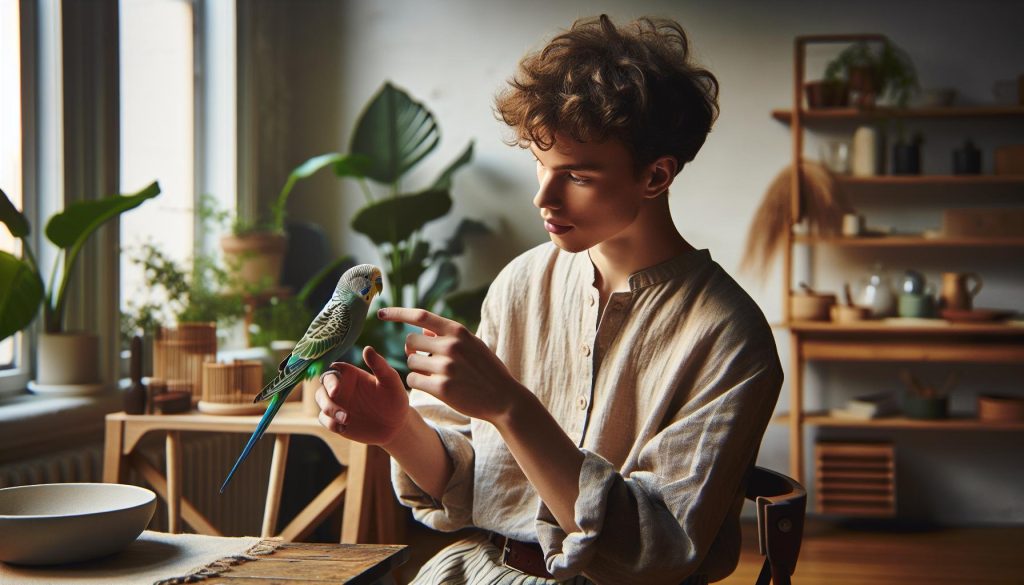
Did you know that parakeets, or budgies, are among the most popular pet birds worldwide, captivating enthusiasts with their vibrant colors and playful personalities? If you’re considering welcoming one of these lively birds into your home, understanding their care is essential for their happiness and well-being. Proper parakeet care not only ensures a healthy life but also fosters a strong bond between you and your feathered friend. Many new bird owners may feel overwhelmed by the information available, but fear not: this guide offers simple and practical tips tailored for beginners. From creating an engaging environment to providing a balanced diet, we’ll cover everything you need to know to help your parakeet thrive. So, let’s embark on this exciting journey of parakeet companionship and ensure that your new avian buddy lives a long, fulfilling life!
How to Choose the Right Parakeet for You
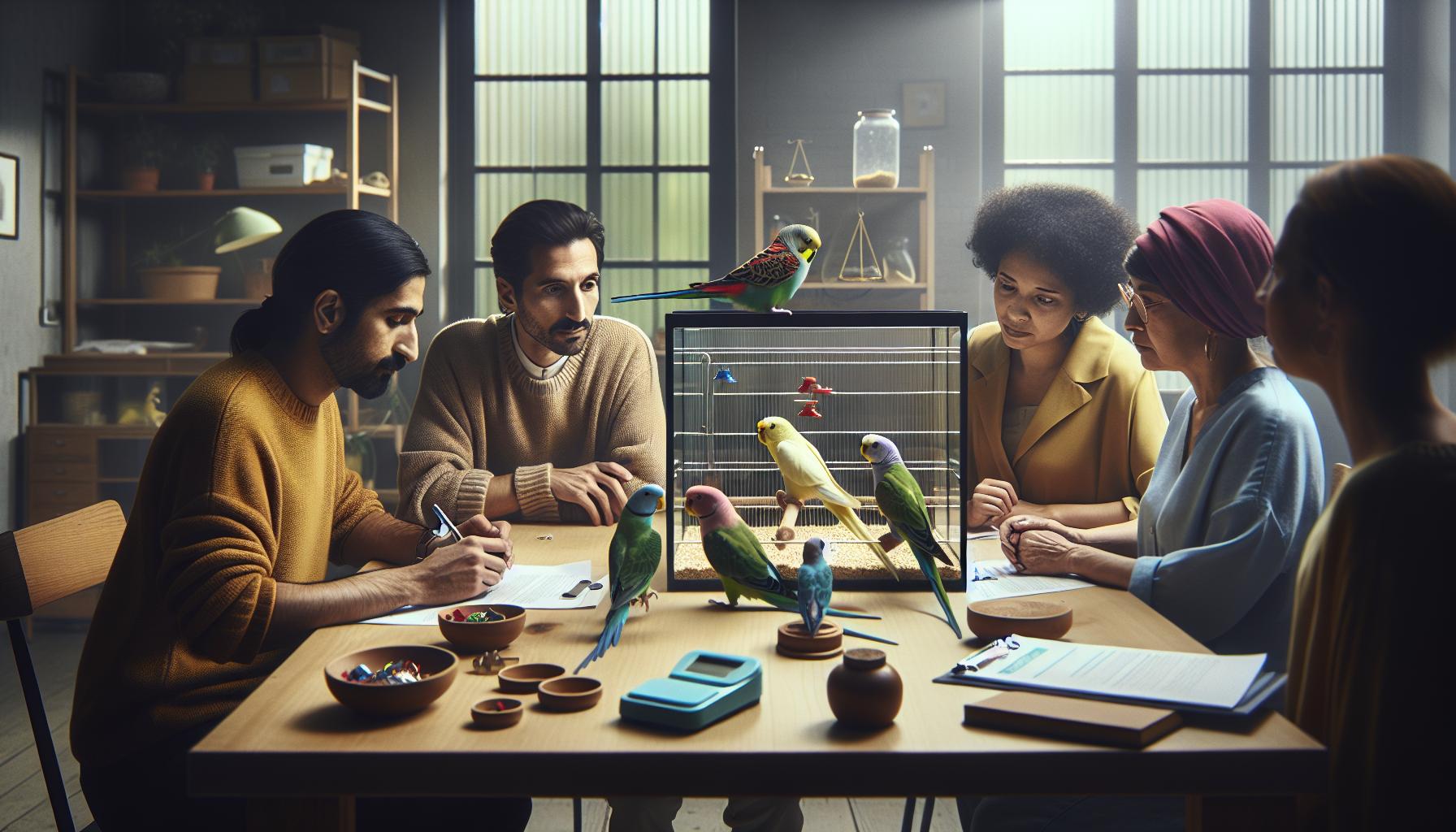
When selecting a parakeet, it’s essential to consider various factors to ensure you find a perfect match for your lifestyle and personality. Parakeets, particularly budgerigars, are vibrant, social creatures that can bring joy and companionship into your home. However, not every bird will suit every environment, so understanding your options is the key to a harmonious relationship.
Start by thinking about the bird’s age. Baby parakeets, or chicks, are often easier to train and bond with, while adult parakeets may come with their personalities and quirks already established. If you choose an older parakeet, make sure to observe its behavior; older birds can be more set in their ways and may require more time to adjust to a new environment. Additionally, consider the bird’s color variations, which can affect temperament. Some owners believe that lighter-colored parakeets-like lutinos-are more docile, while darker variations may be more spirited. However, it’s crucial to assess individual behavior rather than generalizing.
Ask yourself about the bird’s social needs. Parakeets thrive on interaction, so if you’re often busy or away from home, you might want to consider adopting two parakeets. They will keep each other company, reducing loneliness and enhancing overall well-being. Moreover, consider the gender of your potential parakeet. Males are known for their playful and vocal nature, often developing more extensive vocabularies, while females may be quieter but can be equally affectionate.
Finally, plan a visit to a reputable breeder or rescue organization where you can meet the birds. Look for a parakeet that appears healthy-bright eyes, clean feathers, and an active demeanor are signs of a good candidate. Engage with different birds to see which one captures your heart while ensuring you’re prepared to meet its care demands. Taking these considerations into account will help you select a parakeet that not only fits your lifestyle but also enriches your life for years to come.
Essential Supplies for Parakeet Care
To provide your parakeet with the best care, equipping yourself with the right supplies is essential. These delightful birds require more than just food and water; a thoughtful selection of items will contribute greatly to their happiness and health. Did you know that parakeets are incredibly social creatures? By ensuring they have a stimulating environment and all the necessary supplies, you can promote their well-being and vibrant personalities.
One of the first essentials is a spacious, high-quality cage. Parakeets enjoy flying, so a cage that is large enough to accommodate their movement-ideally 24 inches wide, 24 inches deep, and 36 inches tall-will ensure they have room to spread their wings. Look for a sturdy cage with horizontal bars that allow for climbing. Additionally, consider the spacing between the bars; they should be close enough to prevent your bird from escaping or getting stuck, typically around 1/2 inch apart.
Next, a comfortable environment can be created with appropriate bedding and accessories. Cage liners or paper towels can go at the bottom for easy cleaning, while natural wood perches of varying diameters can help maintain your bird’s foot health. Providing toys is crucial too-different textures and shapes will keep them mentally engaged. Rotate the toys regularly to prevent boredom, as parakeets thrive on stimulation.
Lastly, don’t overlook food and water supplies. High-quality pelleted food designed specifically for parakeets should form the basis of their diet, supplemented with fresh fruits, vegetables, and occasional seeds as treats. Water bottles or bowls should be easy to clean and refillable, ensuring your parakeet stays hydrated. Introducing a cuttlebone or mineral block provides essential calcium, helping maintain strong bones and beaks.
By focusing on these fundamental supplies, you’ll help your parakeet feel secure and thrive in your home. Investing in quality items is not just about meeting their physical needs; it’s about fostering an environment where they can express their natural behaviors and enjoy life fully.
Creating a Comfortable Habitat for Your Parakeet
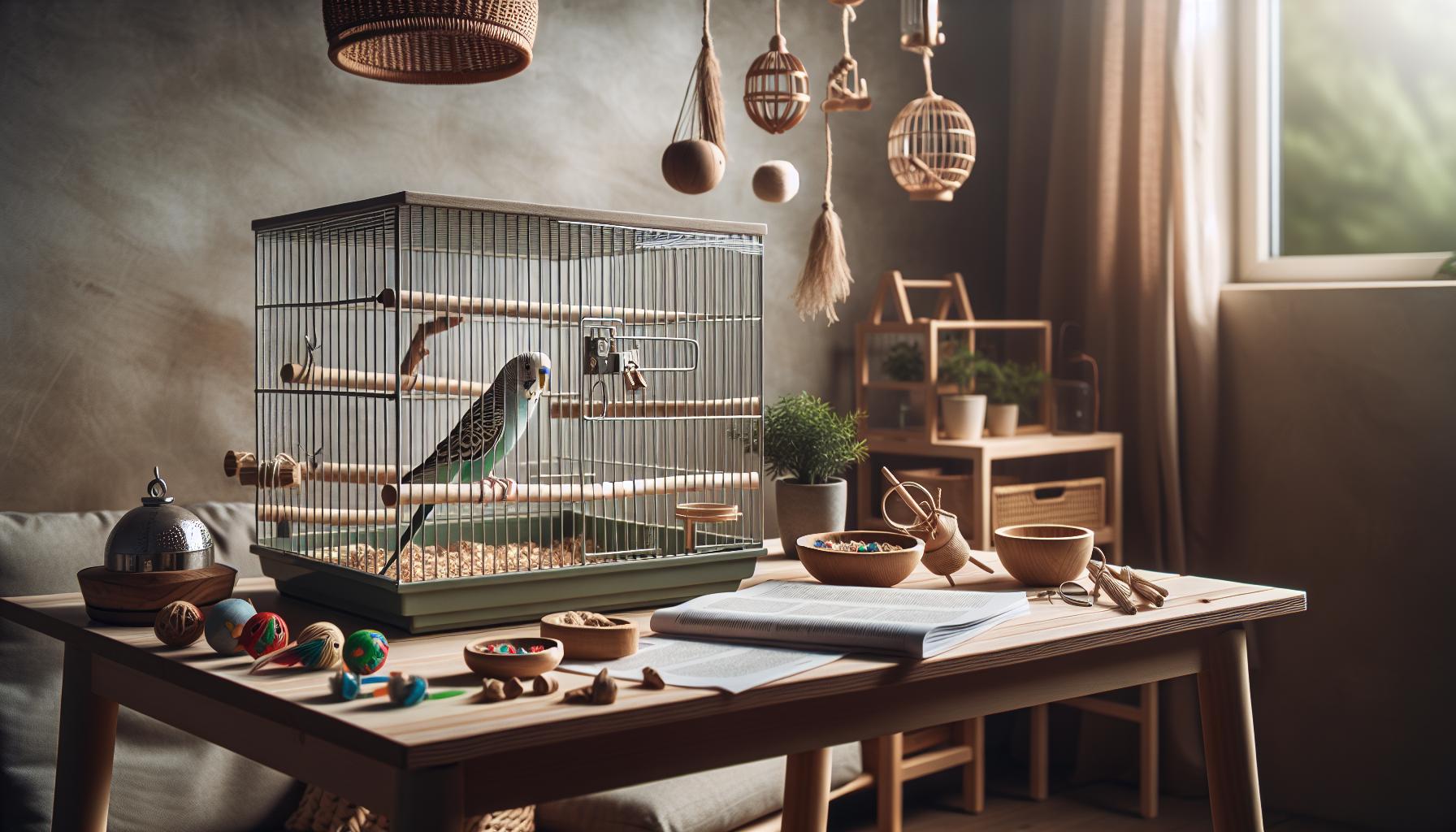
goes beyond just providing a cage; it’s about crafting an environment where your feathered friend can thrive, feel secure, and express its playful personality. Did you know that parakeets are not just inhabitants of their cages, but rather, they thrive in well-thought-out spaces that cater to their natural behaviors? This simple understanding can help transform your home into a haven for these charming birds.
Start with a spacious cage, as parakeets are active and enjoy moving around. Aim for dimensions of at least 24 inches wide, 24 inches deep, and 36 inches tall to allow for ample flying and climbing. The design of the cage is crucial; sturdy bars should provide security while being spaced approximately 1/2 inch apart to prevent escapes or injuries. Within this space, enhance comfort by incorporating natural wood perches of varying diameters. This not only helps maintain your parakeet’s foot health but also mimics their natural environment.
Next, consider enriching your parakeet’s habitat with a variety of toys. These birds are highly intelligent and require mental stimulation. Choose toys that offer different textures and functionalities, such as chewable materials, swings, and foraging options. Rotating your parakeet’s toys regularly will keep boredom at bay and encourage exploration. Remember, the placement of these toys matters – a well-structured arrangement can lead to hours of play and physical activity.
Lastly, don’t overlook the need for cleanliness and comfort at the bottom of the cage. Use cage liners or paper towels that can be easily changed to maintain hygiene. A clean habitat is essential for your parakeet’s health, preventing the buildup of waste and harmful bacteria. By investing time and care into creating a suitable habitat, you’ll not only enhance your parakeet’s quality of life but also deepen the bond you share through the joy of watching them flourish in their home.
Understanding Parakeet Diet: Foods to Include and Avoid
The health and happiness of your parakeet largely hinge on their diet. These vibrant little birds are not just playful companions but also require a balanced nutritional regimen to thrive. Offering a variety of fresh foods not only supports their physical well-being but also stimulates their natural curiosity and foraging behaviors. As a parakeet owner, understanding what to include and what to avoid in their diet can lead to a vibrant, long-lived avian friend.
First and foremost, a quality commercial pellet or seed mix forms the base of a parakeet’s diet. It’s essential to choose high-quality formulations that specifically cater to parakeets. In addition to these staples, aim to introduce a plethora of fresh fruits and vegetables. Some of the best options include:
- Leafy greens: Kale, spinach, and romaine lettuce
- Vegetables: Carrots, broccoli, and bell peppers
- Fruits: Apples (remove seeds), bananas, and berries
These items are packed with vitamins and minerals that support feather health and overall vitality. Remember to wash all fresh produce thoroughly and chop them into small, manageable pieces that your parakeet can easily handle.
While providing a variety of foods is beneficial, there are certain items that should be avoided to protect your feathered friend’s health. Specifically, stay clear of avocado, chocolate, caffeine, and high-fat or sugary foods, as they can be toxic or lead to severe health issues in birds. Moreover, while seeds can be a fun treat, depending too heavily on them can result in nutritional imbalances due to their high-fat content. Keeping the right balance is essential in ensuring your parakeet remains active and content.
Incorporating these dietary strategies not only contributes to your parakeet’s health but also provides an excellent opportunity for interaction. Observing your parakeet explore different foods can be a delightful experience. Engage with them by offering fresh foods in a variety of ways – in hanging foraging toys, on skewers, or inside their favorite dishes. This not only makes mealtime exciting but also encourages natural foraging behavior, keeping your parakeet mentally sharp and joyful.
Maintaining Your Parakeet’s Health and Hygiene
The health and hygiene of your parakeet are paramount for ensuring a happy and vibrant life together. These lively little birds thrive on a clean and stimulating environment, and attending to their care can foster a deep bond between you and your feathered friend. Establishing a routine can make maintaining their health manageable and enjoyable.
One of the most critical aspects of parakeet hygiene is keeping their living space clean. Regularly clean your parakeet’s cage by removing waste, uneaten food, and any old bedding. Aim to do a thorough cage clean at least once a week, using bird-safe cleaners or a simple vinegar and water solution. Alongside this, it’s important to change their water daily, ensuring they always have access to fresh drinking water. This simple act is crucial for their well-being since parakeets are sensitive to bacteria and contaminants that can develop in standing water.
Another essential factor in maintaining your parakeet’s health is to monitor their physical appearance and behavior regularly. Look for signs of a healthy bird-bright eyes, smooth feathers, and active behavior. It’s also beneficial to check their beak, claws, and vent area for cleanliness and health; signs of distress may include changes in eating habits, lethargy, or unusual droppings. If you notice any anomalies, it may indicate a health issue that requires attention.
Regular Health Checks
Incorporating regular vet check-ups into your parakeet’s routine will help catch any potential health problems early. Finding a veterinarian who is experienced with avian care is crucial, as they will have the specific knowledge necessary to handle birds. During these visits, vaccinations and tests can be administered, ensuring your parakeet remains healthy. When discussing health with your vet, don’t hesitate to bring up specific concerns about their diet, environment, and behavior. Your vet can provide tailored strategies that match your parakeet’s unique needs.
In addition to cleanliness and regular vet visits, consider the enrichment of their environment as a vital aspect of health. Providing toys that challenge their mind and promote physical activity can prevent obesity and boredom, which are common issues in pet birds. Rotate toys regularly and introduce new ones to keep their interest piqued, ensuring they remain engaged and active.
Overall, by prioritizing cleanliness, regular health checks, and an enriched environment, you can significantly enhance your parakeet’s quality of life. This ensures not only their physical well-being but also contributes to their happiness and social behavior, making your time together wonderfully rewarding.
Socialization Techniques for Happy Parakeets
Creating a strong bond with your parakeet is crucial for their happiness and well-being. These sociable birds thrive on interaction and can develop unique personalities that bring joy to your daily life. The key to a happy parakeet lies in effective socialization techniques, which not only enhance their quality of life but also strengthen the bond you share.
To start socializing your parakeet, patience is your best ally. Begin by spending time near their cage, talking softly to them. This allows them to become accustomed to your presence without feeling threatened. Gradually, you can offer them treats-like small pieces of fresh fruits or veggies-through the bars of the cage to build trust. Once your parakeet feels secure, start to encourage them to come out of their cage for playtime. Ensure the environment is safe and free of any potential dangers, such as other pets or open windows.
Once your parakeet is comfortable outside of their cage, introduce simple games that encourage interaction, such as hide and seek with toys or using a mirror. You can also engage them with a variety of toys-like bells, swings, and foraging toys-that will not only keep them entertained but also fight boredom and prevent undesirable behaviors. Regularly changing the toys and introducing new ones can pique their curiosity and stimulate their playful nature.
In addition, consider establishing a routine that includes dedicated playtime. This consistency will help your parakeet learn when to expect social interaction and can make them feel more secure. You can even incorporate training into this time, which is a fantastic way to reinforce your bond. Use positive reinforcement, like praise or treats, to encourage behaviors you want to promote, such as stepping up onto your finger or moving to different perches.
Ultimately, the goal is to create an environment where your parakeet feels safe, loved, and understood. By employing these socialization techniques, you’re not only enhancing their happiness but also enriching your own experience as a bird owner, making every moment with your feathered friend a joyful adventure.
Training Your Parakeet: Basic Commands and Tricks
One of the most fascinating aspects of caring for parakeets is their ability to learn and respond to training. Budgies are not only intelligent and social but also eager to engage with their human companions. Training your parakeet not only enriches their environment but also strengthens the bond you share. Imagine your parakeet hopping onto your finger on command or performing delightful tricks that showcase their personality. The journey of teaching your feathered friend can begin with a few basic commands and tricks that are both enjoyable and rewarding.
To start, it’s essential to create a positive training environment. Choose a quiet space with minimal distractions, and use a time when your parakeet is naturally active and alert. Positive reinforcement is key in bird training. Use small treats-like millet spray, seeds, or fresh fruits-to reward desired behaviors. This method encourages your parakeet to repeat those actions for the reward.
Basic Commands to Teach
Start with the simple command of “step up,” which is functional for getting your bird to sit on your hand or finger. Here’s how to do it:
- Approach your bird slowly and calmly.
- Extend your finger or hand towards their belly (not their face, as this can be intimidating).
- When they step onto your finger, immediately offer a treat and praise them.
- Repeat this regularly, gradually reducing the frequency of treats as they understand the command.
Another fun command is “come here.” To teach this, move a short distance away from your parakeet while enticing them with a treat. When they fly or walk towards you, reward them. The key is to gradually increase the challenge as they become more comfortable with the command.
Teaching Tricks
Once your parakeet masters basic commands, you can introduce fun tricks. For instance, teaching your parakeet to “turn around” can be both impressive and enjoyable:
- Hold a treat close to their beak and move it in a circular motion.
- As they follow the treat, encourage them with verbal cues like “turn around.”
- When they successfully complete the move, reward them with the treat and lots of praise.
With patience and consistent practice, your parakeet can learn a variety of fun activities, such as playing games, ringing toy bells, or even learning to wave. Remember that every bird is unique; some may learn commands quicker than others, so patience is vital.
Incorporating training sessions into your daily routine can lead to a well-behaved, happy parakeet. Each session should last around 10-15 minutes to keep your bird engaged without overwhelming them. Through these interactions, you’ll discover more about your parakeet’s personality and preferences, creating a fulfilling companionship that transcends simple pet ownership.
Recognizing Common Parakeet Behaviors and Signs
Understanding your parakeet’s behaviors and signs is crucial for their care and well-being. These charming little birds communicate through a variety of actions, sounds, and postures, offering insights into their mood and health. For instance, if your parakeet is chirping energetically, they are likely feeling playful and engaged with their surroundings. In contrast, excessive screaming or a sudden decrease in vocalization could indicate distress or boredom, highlighting the importance of interaction and stimulation in their environment.
One common behavior to observe is preening. When parakeets preen, they are not just keeping their feathers neat; they are also maintaining their feathers’ health and checking for parasites. A parakeet that compulsively plucks feathers, however, may be showing signs of stress or boredom. It’s essential to provide a variety of toys and interaction to keep their environment enriching and fulfilling.
Another behavior to watch for is the “head bob.” This playful action can indicate excitement and a desire to interact, often accompanied by chirps or whistles. If your parakeet fluffs up their feathers, they might be feeling cozy or content but can also be a sign of discomfort if it’s accompanied by other signs of stress, such as lethargy or changes in eating habits.
Body Language Signals
Here are a few more key behaviors to help you interpret your parakeet’s body language:
- Tail Position: A tail held high often indicates happiness or excitement, while a drooping tail can suggest sadness or illness.
- Beak Grinding: This sound is typical when your parakeet is relaxed, signaling they’re comfortable in their environment.
- Wing Flapping: Frequent wing flapping can indicate that your bird is feeling energetic or wanting to fly, while a cautious approach to flying could suggest anxiety.
By closely monitoring these behaviors and understanding what they signify, you can provide a more supportive environment for your feathered friend, ensuring they lead a happy and healthy life. Regular observation will also strengthen your bond with your parakeet, allowing you to respond appropriately to their needs.
Dealing with Common Parakeet Problems
When caring for parakeets, one of the most common challenges pet owners face relates to their health and behavior. A proactive approach can help you deal with these issues effectively, ensuring a happy and healthy life for your feathered friend. From feather plucking to respiratory problems, understanding the potential problems and addressing them promptly is crucial for a thriving parakeet.
One prevalent issue among parakeets is feather plucking, which may arise from boredom, stress, or illness. To combat this, it’s essential to create an engaging environment filled with toys and activities that stimulate their natural behaviors. If you notice your parakeet plucking feathers excessively, consider evaluating their habitat and interaction levels. Adding perches, a variety of toys, and regular playtime can significantly improve their mental well-being. Should the behavior persist, consulting with a veterinarian is advisable to rule out health concerns.
Another common problem is dietary deficiency, which can lead to a range of health issues, including lethargy and poor feather quality. Ensure that your parakeet has a balanced diet consisting of high-quality seed or pellet mixes, along with fresh fruits and vegetables daily. Avoid feeding them avocado, chocolate, or other toxic foods. Keeping an eye on their eating habits will also help you catch any changes early, as sudden changes may indicate health problems that require immediate attention.
Behavioral problems such as excessive screaming or aggression can also arise, often as a result of stress, fear, or lack of social interactions. Parakeets are inherently social creatures; therefore, it’s crucial to spend time interacting with them daily. If your parakeet is particularly vocal, assess the triggers. Sometimes, a change in their environment or routine might help reduce stress levels. Establishing a consistent schedule for feeding and playtime can also bring stability to their lives, making them feel secure.
Dealing with these common parakeet problems can be challenging, but with the right knowledge and approach, you can enhance the happiness and health of your pet. By focusing on their environment, diet, and social needs, you’re on the path to nurturing a vibrant and well-adjusted parakeet. Regular veterinary check-ups will further ensure that any potential issues are addressed early, keeping your parakeet in top shape.
When and How to Visit a Veterinarian
It’s crucial to recognize that parakeets, like all pets, require regular health check-ups to maintain their well-being. Birds often hide their illnesses until they become severe, so knowing can be the difference between a quick recovery and a serious health crisis. Regular vet visits help ensure your feathered friend remains healthy, happy, and vibrant throughout their life.
When to Visit the Veterinarian
Regular veterinary check-ups should be part of your routine care for your parakeet, ideally every six to twelve months. However, there are specific signs that indicate an immediate need for a vet visit. Watch for symptoms such as:
- Changes in Appetite: A sudden decrease in food or water intake can signal health issues.
- Behavioral Changes: If your parakeet is more withdrawn than usual or displays aggression, it may be unwell.
- Puffing Up or Fluffing Feathers: This can indicate that the bird is trying to conserve heat due to illness.
- Difficulty Breathing: Labored breathing or wheezing should be treated as an emergency.
- Abnormal Droppings: Changes in color and consistency can provide clues about your bird’s health.
If you observe any of these signs, don’t hesitate to contact your veterinarian.
How to Prepare for the Visit
Preparing for your vet appointment can make the experience smoother for both you and your parakeet. Here are some tips:
- Document Symptoms: Keep a record of any noticeable changes in behavior, eating habits, and droppings.
- Bring Essential Information: If possible, take notes on your bird’s diet and living conditions, which can help the vet provide better care.
- Stay Calm: Birds can sense anxiety, so remain calm to help your parakeet feel more secure during the visit.
Choosing an Avian Veterinarian
Finding a veterinarian who specializes in avian care is essential. Not all vets are equipped to handle birds, so look for those who are experienced and have a strong reputation in the community. Ask about their certifications and experience with parakeets specifically. This specialist will be familiar with the unique health needs and behaviors of your bird, providing you with the best care.
With regular check-ups and prompt attention to health concerns, your parakeet can lead a long, healthy life, allowing you to enjoy the companionship and joy they bring to your home.
Fun Activities and Enrichment for Your Parakeet
Providing your parakeet with engaging activities and enrichment is vital for their physical and mental well-being. These lively birds thrive on interaction and stimulation, and boredom can lead to undesirable behaviors. One easy way to keep your parakeet entertained is to redesign their living environment regularly. Change around the positioning of toys, perches, and swings, giving your feathered friend a brand-new exploration area to discover.
Another exciting activity you can introduce is serving their food in puzzle feeders. These specialized feeders require your parakeet to work for their food, which encourages natural foraging behavior while making mealtime more interesting. You can also create homemade challenges using everyday materials, like placing their favorite treats inside a cardboard box filled with crumpled paper. This simple game not only keeps them mentally stimulated but also taps into their natural instincts.
Interactive Playtime
Creating dedicated time for interactive play can greatly enhance your parakeet’s happiness. Consider using safe toys that mimic their natural environment, such as climbing ropes or mirrors. These items foster active play while also allowing your bird to engage in social interaction. Spend time teaching your parakeet simple tricks, like stepping onto your finger or returning to their cage. These bonding activities strengthen your relationship while providing mental exercise.
Environmental Enrichment
Environmental enrichment is key for a parakeet’s emotional health. Birds love to chew, so providing safe chewable toys-like wooden blocks, natural branches, or even untreated fruit tree branches-will not only keep your pet entertained but also help maintain their beak health. Adding swings, ladders, and even a small bird-safe treadmill can encourage physical activity, keeping your parakeet agile and healthy.
Incorporating a bird bath can greatly enhance their daily routine. Many parakeets love splashing in shallow water, which helps them maintain plumage health and gives them a fun way to play. Just remember to supervise bath time, as some birds can be a bit overly enthusiastic!
By regularly incorporating these activities and ensuring you are attentive to your parakeet’s needs, you’ll not only enrich their life but also deepen your bond as you watch them thrive and explore their environment.
Frequently Asked Questions
Q: How can I tell if my parakeet is happy?
A: A happy parakeet often sings, chirps, and plays with toys. Look for signs like fluffed feathers, a relaxed stance, and socializing with you or other birds. Engaging in playful behavior and preening are also good indicators of a content parakeet.
Q: What is the best cage size for a parakeet?
A: A suitable cage for a parakeet should be at least 18×18 inches with horizontal bars to allow climbing. It should be tall enough for your bird to stretch its wings freely. Consider a larger cage if you have multiple parakeets to ensure they have enough space.
Q: How often should I clean my parakeet’s cage?
A: Clean your parakeet’s cage at least once a week. Spot clean daily by removing droppings and leftover food, and change the substrate every 2-3 days to maintain hygiene and prevent odors.
Q: What fruits and vegetables can I safely feed my parakeet?
A: Parakeets can enjoy a variety of fruits and vegetables such as apples, carrots, spinach, and blueberries. Always wash produce thoroughly and remove any seeds or pits, as these can be harmful to birds.
Q: How can I tell if my parakeet is sick?
A: Look for changes in behavior, such as lethargy, loss of appetite, fluffed feathers, or changes in droppings. If your parakeet exhibits these symptoms, consult a veterinarian for proper diagnosis and treatment.
Q: How can I socialize my new parakeet?
A: Start by spending time near your parakeet’s cage, talking softly to it. Gradually introduce yourself, offering favorite treats. Use your hand to encourage interaction, letting your parakeet come to you at its own pace to build trust.
Q: When should I give my parakeet a bath?
A: You should provide a bath for your parakeet once or twice a week, depending on its preference. You can use a shallow dish of water or a spray bottle with mist for gentle bathing. This helps them maintain feather health and hydration.
Q: What kind of toys do parakeets enjoy?
A: Parakeets typically enjoy toys that encourage foraging, like chewable wood items, ropes, and swings. Items that make sounds or have different textures also keep their environment stimulating. Regularly rotate toys to prevent boredom and encourage exploration.
In Retrospect
Now that you’re equipped with the essential tips for caring for your parakeet, it’s time to take action! Remember, nurturing a happy and healthy bird involves patience and understanding. If you’re interested in expanding your knowledge, explore our guides on types of parakeets and their unique needs, or dive into our comprehensive parakeet care sheet to enhance your bird-keeping experience.
Don’t forget to share your thoughts or ask questions in the comments below-your shared experiences can help fellow bird enthusiasts! For more insights and updates, consider signing up for our newsletter. Your journey with your feathered friend doesn’t have to end here; explore our site for resources that will further enrich both your life and that of your parakeet. Together, let’s ensure these vibrant birds thrive!
Get our latest guides, news, and insights highlighted in your Google Search & AI Overviews.










