Did you know that parakeets, with their vibrant colors and playful personalities, have specific dietary preferences that can greatly affect their health and happiness? Understanding what these charming little birds like to eat is essential for any bird owner. Just like us, parakeets thrive on a balanced diet that not only fuels their playful antics but also supports their overall well-being. From nutritious seeds and fresh fruits to the right vegetables, their diet can reflect their individual tastes and needs. Whether you’re a first-time budgie parent or an experienced bird enthusiast, delving into the foods that parakeets enjoy will enhance your relationship with them and ensure they live long, healthy lives. Join us as we explore the world of parakeet nutrition, helping you make informed choices that cater to your feathered friend’s unique palate.
What Foods Do Parakeets Love Most?
Parakeets are known for their vibrant personalities and lively nature, but also for their diverse palate! When it comes to what these feathered friends love to eat most, a mix of seeds, fresh fruits, and vegetables forms the foundation of a nutritious and enjoyable diet. Budgies, or parakeets, thrive on foods that not only satisfy their hunger but also stimulate their natural foraging behaviors, keeping them both physically and mentally active.
To start, parakeets typically relish a variety of seeds, including millet, canary seed, and oats. These seeds are not just snacks; they provide essential energy. However, for a balanced diet, it’s essential to limit seed intake and supplement it with fresh produce. Fruits such as apples, bananas, and berries are favorites, offering sweetness and vital nutrients. Meanwhile, vegetables like leafy greens (kale, spinach) and carrots are also loved, adding fiber and additional vitamins. Ensure any fruits or veggies offered are thoroughly washed and chopped into manageable pieces to encourage your bird to explore and enjoy them.
Understanding Preferences
Every parakeet has its individual tastes, making it valuable to observe what your pet seems to relish the most. Some may prefer the crunchiness of carrot sticks, while others might go wild for a slice of ripe mango. It’s a great idea to rotate different fruits and veggies regularly to prevent boredom and introduce a range of nutrients into their diet. Additionally, consider offering sprouted seeds or softened pellets, which can be excellent alternatives that pack a nutritional punch.
Incorporating a variety of textures and flavors not only promotes a healthy lifestyle for parakeets but also enriches their overall wellbeing and happiness. As they explore new foods, you’ll find that their delight and energy levels soar, leading to a healthier and more engaging pet experience.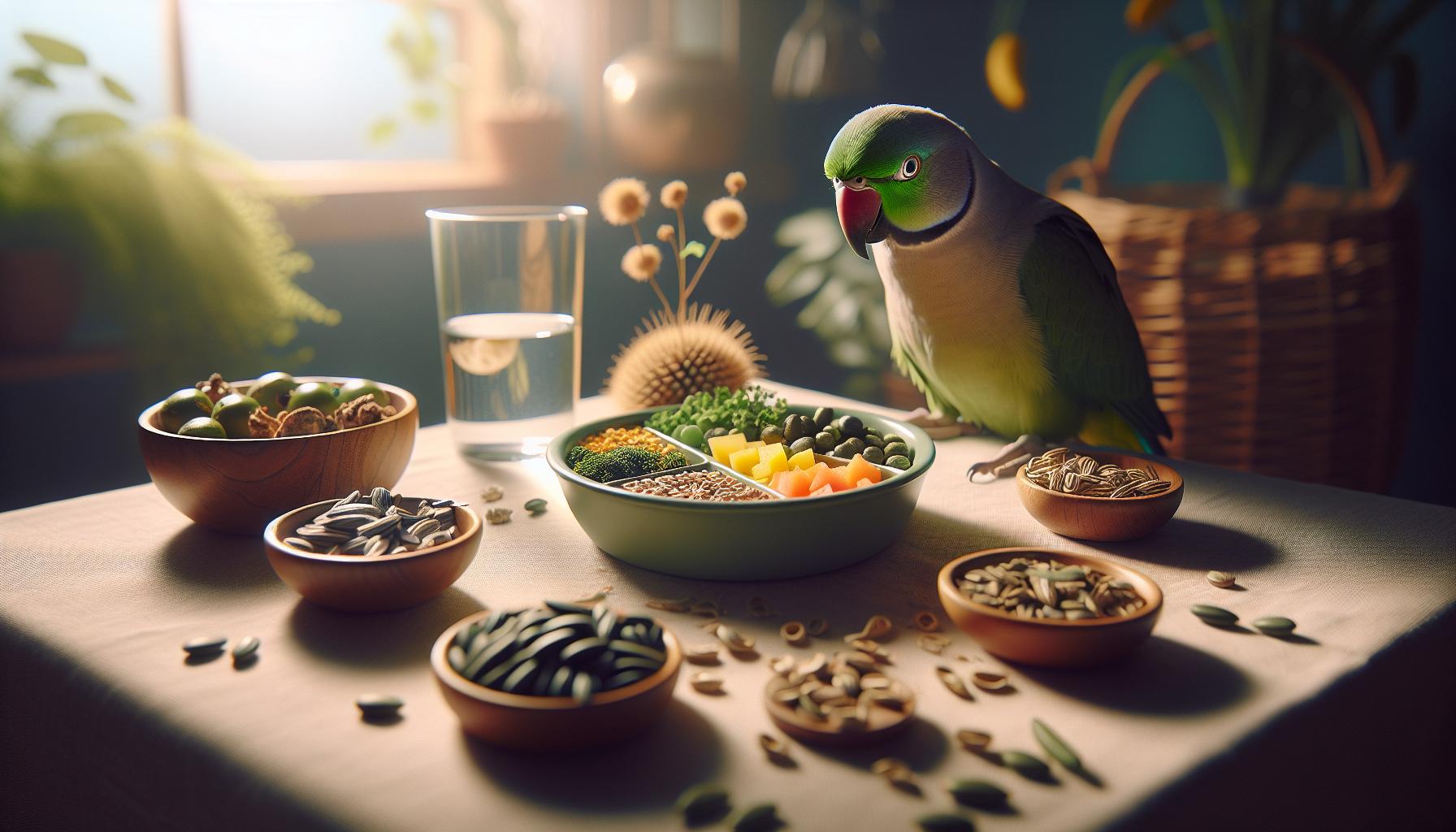
Understanding the Nutritional Needs of Parakeets
Parakeets are thriving examples of how diet impacts overall health and happiness in avian companions. These energetic birds require a balanced diet that closely mimics their natural feeding habits to ensure vibrant health. involves recognizing their instinctual behaviors, like foraging, and ensuring that their diet supports both their physical and psychological well-being.
Parakeets primarily consume seeds in the wild, but their diet should extend beyond just seeds to include a whole spectrum of nutrients. A well-rounded diet should consist of high-quality pellets, which can serve as the mainstay, as they are designed to provide a complete nutritional profile. These pellets should be complemented with a variety of fresh fruits and vegetables, offering essential vitamins, minerals, and fiber. Foods such as leafy greens-like kale and spinach-can maintain their digestive health, while fruits like berries and apples add hydration and natural sugars for energy.
In addition to understanding food choices, keep an eye on how your parakeet interacts with their meals. Parakeets are playful eaters, often enjoying the challenge of interacting with their food. This means presenting meals in varied forms-whole, chopped, or shredded-to encourage their natural foraging instincts. For instance, offering sprouted seeds or grains can enhance nutritional intake while also providing exciting new textures for your bird to explore. Not only does this approach prevent boredom, but it also promotes the instinctual behaviors that are key to a parakeet’s happiness.
Regular observation is crucial. Each parakeet has individual preferences, reminiscent of how we gravitate towards certain foods. Take note of what your bird enjoys and rotate food offerings to ensure a balanced diet rich in diversity. Ultimately, meeting their nutritional needs not only contributes to their physical health but also enriches their lives, fostering an engaging environment that enhances their playful, social nature.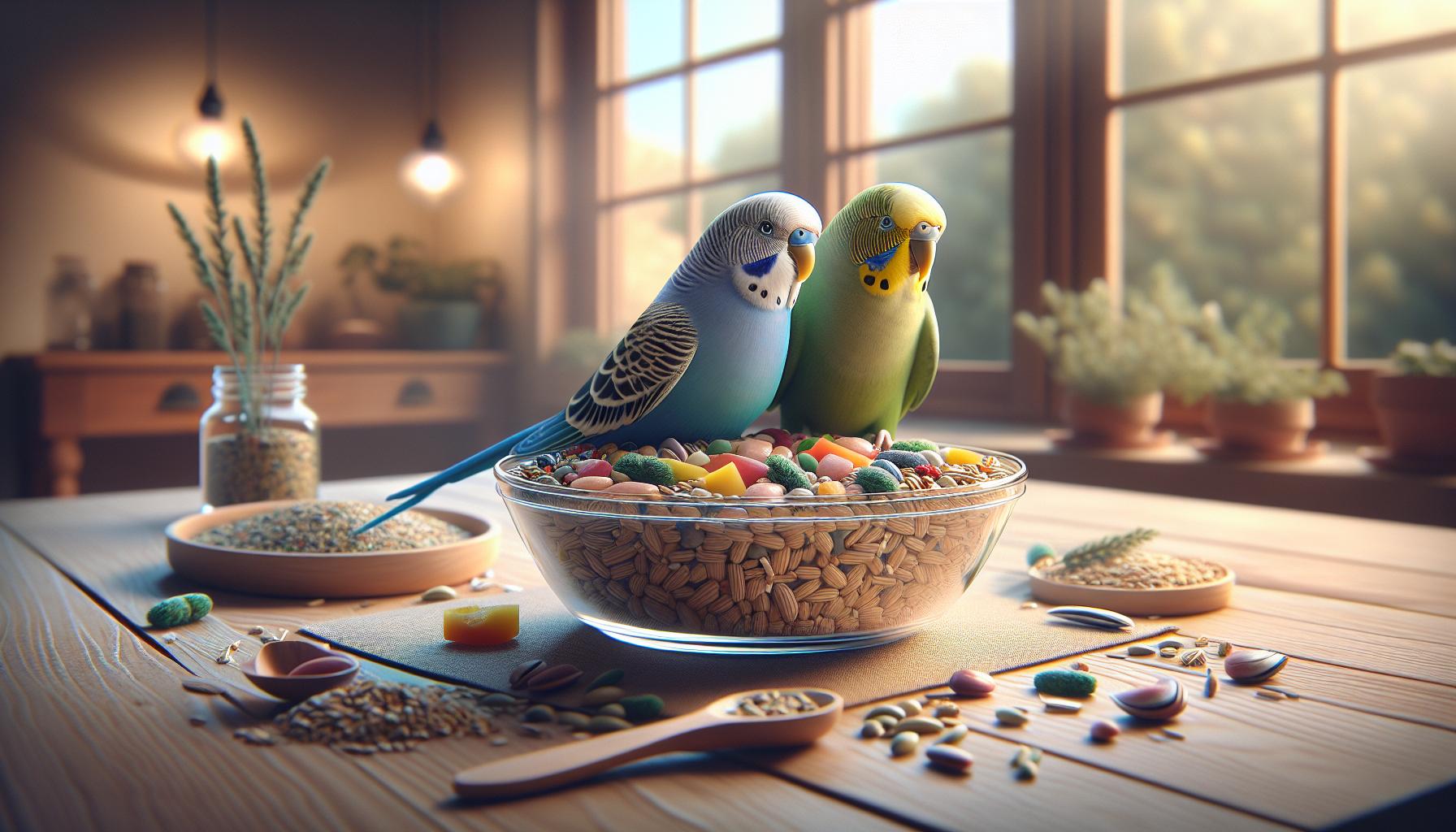
Top Seed Mixes for Happy Parakeets
One of the most delightful aspects of having parakeets as companions is watching them enjoy their food, particularly seed mixes, which can form an essential part of their diet. High-quality seed mixes designed specifically for parakeets can cater to their dietary needs while providing them with a fun and engaging way to eat. Unlike generic bird seeds, these mixes often include a diverse range of seeds that mimic the natural foraging behavior parakeets exhibit in the wild, making each meal a mini-adventure.
When selecting a seed mix, look for ones that incorporate a variety of seeds, such as millet, canary seed, and oats, along with small amounts of sunflower seeds. The mix should prioritize healthier ingredients over high-fat seeds, as moderation is key to preventing obesity in your feathered friend. Suitable seed mixes might highlight ingredients like flaxseeds, which are rich in omega-3 fatty acids and contribute to a parakeet’s feather quality, or pumpkin seeds, known for their nutritional benefits while also being a favorite treat for many birds.
Top Picks for Seed Mixes
Here are a few excellent options to consider:
- Kaytee Exact Rainbow Parakeet Food: A nutritionally complete diet that includes seeds, fruits, and vegetables. It promotes vibrant feather color and supports overall health.
- Higgins Sunburst Advanced Parakeet Food: This mix focuses on a blend of seeds, fruits, grains, and nuts, providing both taste and nutrition.
- Zupreem FruitBlend Color Mini Bird Food: These pellets, shaped like seeds, come infused with natural fruit flavors, offering your parakeet a deliciously vibrant meal option.
Incorporating seed mixes into your parakeet’s routine isn’t just about nutrition; it’s about enhancing their quality of life. By scattering seeds around their cage or using foraging toys, you can encourage your parakeet to explore and interact with their food, which stimulates their mental and physical well-being. This method not only makes mealtime enjoyable but also mimics the natural behaviors these charming birds exhibit in their natural habitats.
Remember to blend seed mixes with other dietary components like fresh fruits and vegetables, as this holistic approach ensures that your parakeet receives a balanced diet. Engaging with your parakeet during feeding time by observing their preferences and adjusting variable dietary components enhances your bond. This rich diet will undoubtedly lead to a happy, healthy, and vibrant parakeet!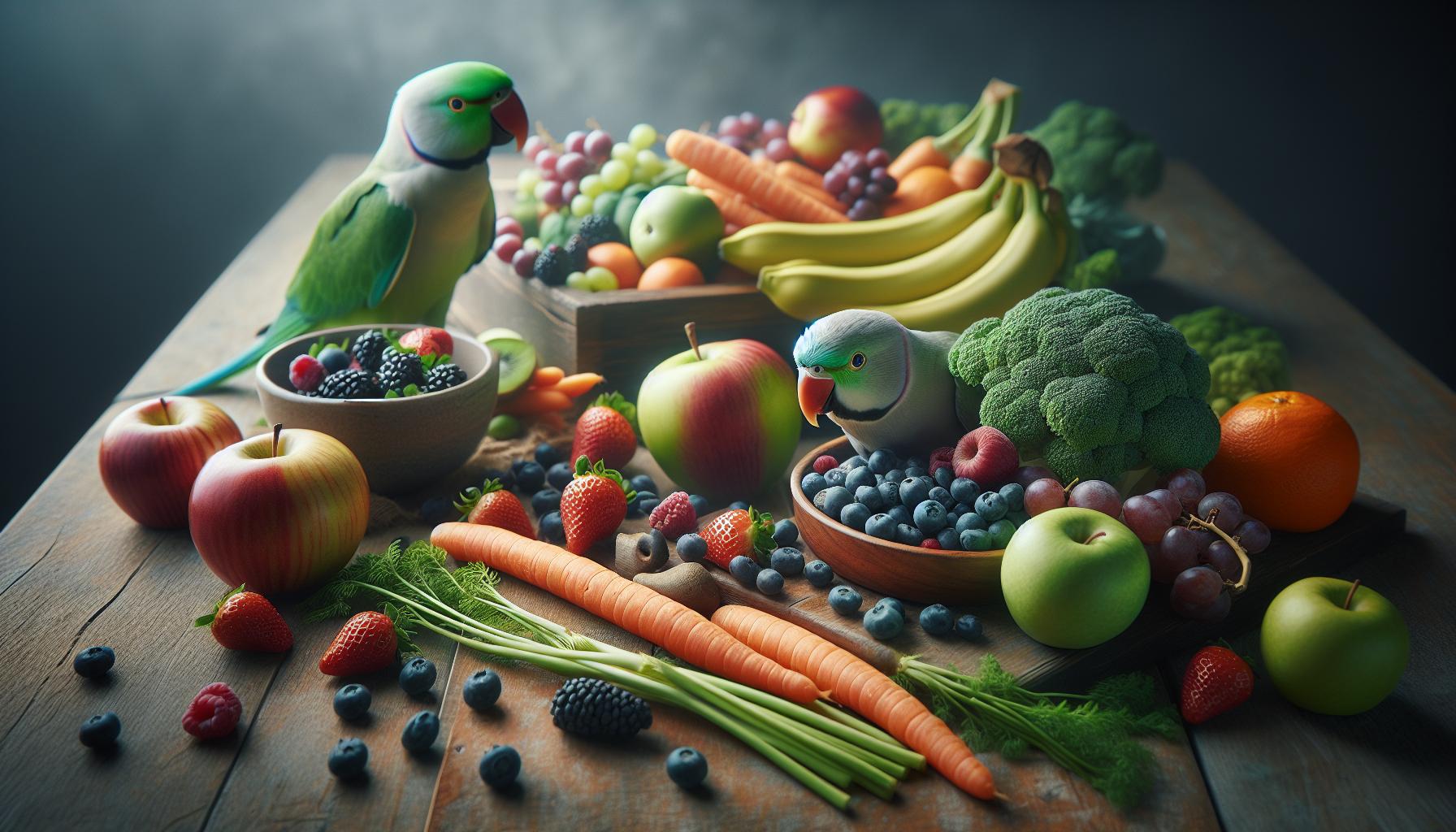
Fresh Fruits and Vegetables for Parakeets
Parakeets, with their vibrant plumage and spirited personalities, have a particular fondness for fresh fruits and vegetables, which play a crucial role in their diet. These colorful birds are not only delightful companions but also benefit significantly from the vitamins, minerals, and hydration that fresh produce provides. Including a variety of fruits and vegetables can enhance their health and wellbeing, making mealtime an adventure they look forward to every day.
When it comes to fruits, parakeets tend to enjoy a range of options, including apple slices (without seeds), ripe bananas, and juicy berries such as blueberries and strawberries. These treats are not just tasty but also packed with essential nutrients. Vegetables like carrots, bell peppers, and leafy greens, such as kale or spinach, are also excellent choices. Offering these fresh foods helps mirror their natural diet in the wild, which consists of seeds, fruits, and occasionally leafy greens.
To ensure your parakeet gets the most out of their fresh produce, it’s best to introduce new foods gradually. Start with small pieces to see what your bird enjoys, and observe their preferences. Variety is essential, as it not only prevents boredom but also contributes to a balanced diet. For example, you might rotate between leafy greens one day and vibrant fruits the next.
Don’t forget to wash all fresh produce thoroughly to eliminate any pesticides or contaminants. You can also consider dangling fruits and vegetables from the cage bars or using a foraging toy, which encourages your parakeet to interact with their food and stimulates their foraging instincts. Fresh fruits and vegetables, when included properly, can significantly enrich your parakeet’s diet, supporting their health and keeping them engaged and entertained.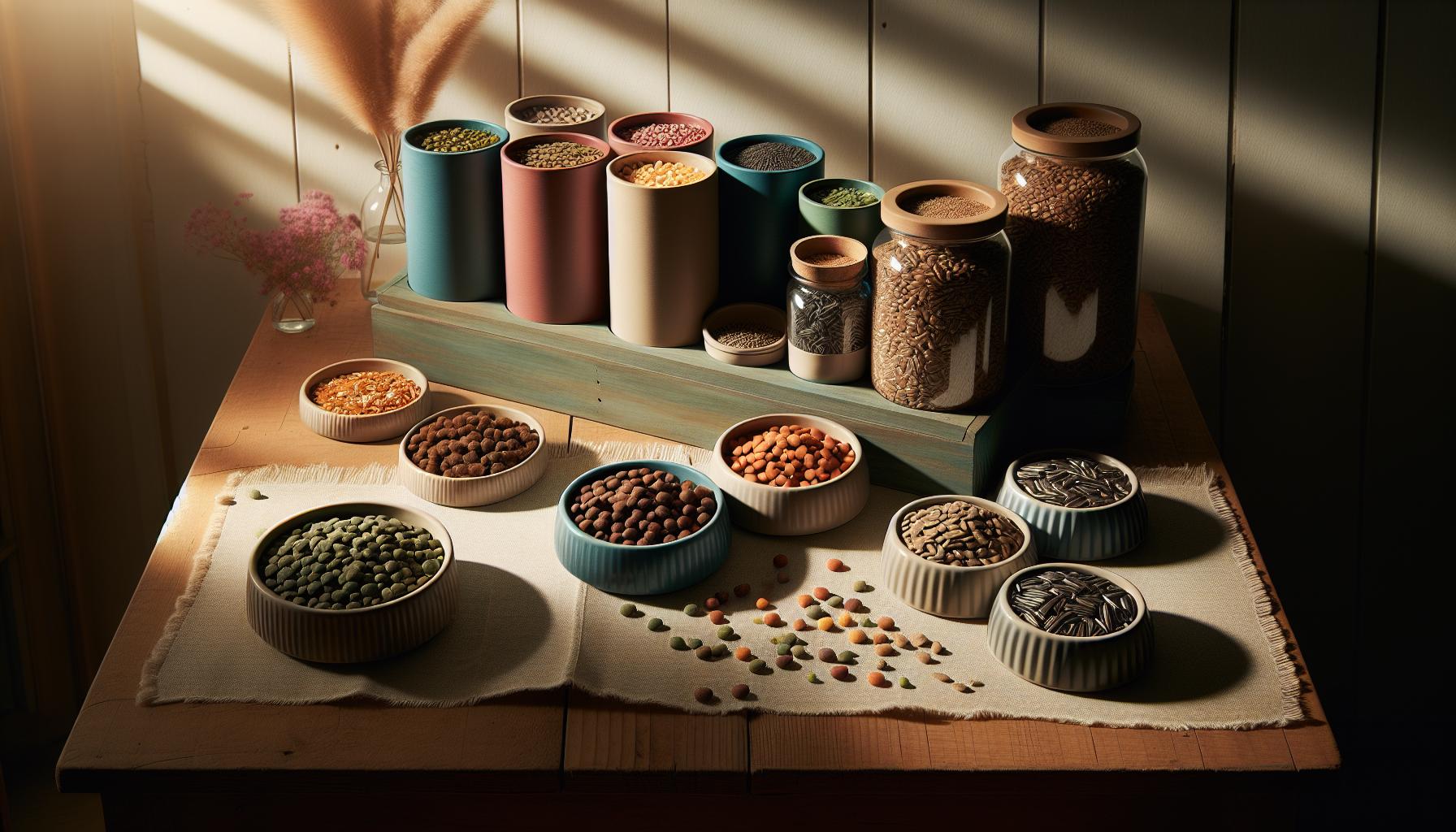
Holistic Diet: Pellets vs. Seeds
Choosing the right diet for your parakeet is essential for their overall health, longevity, and happiness. Understanding the debate between pellets and seeds can greatly influence your feathered friend’s wellbeing. While seeds have been the traditional staple for many years, pellets have emerged as a balanced alternative designed to meet the specific nutritional needs of parakeets, promoting optimal health through a more comprehensive diet.
Pellets vs. Seeds
It’s important to note that not all seeds provide complete nutrition. Seeds can be high in fat and low in essential vitamins and minerals. Many parakeets tend to select only their favorite seeds, leading to an unbalanced diet that lacks the nutrients they require. In contrast, high-quality pellets are specifically formulated to contain a balanced ratio of proteins, fats, carbohydrates, vitamins, and minerals. These formulated pellets minimize the risk of selective feeding and help ensure that your pet receives everything they need to thrive.
Benefits of Pellets
Switching to pellets can bring several benefits to your parakeet’s health, including:
- Balanced Nutrition: Pellets are designed to provide all essential nutrients, reducing the risk of deficiencies.
- Controlled Fat Content: Many pellets are lower in fat than seeds, which can help prevent obesity-a common issue in pet birds.
- Less Waste: Unlike seeds, pellets are less likely to be selectively eaten, reducing waste and ensuring your bird consumes all nutrients.
- Variety in Flavors: Many brands offer different flavors and types of pellets, which can keep mealtime exciting for your parakeet.
Incorporating Seeds
Although pellets should ideally make up the majority of your parakeet’s diet, seeds are not without their merits. They are excellent as occasional treats or to enrich your bird’s environment. Using seeds in combination with pellets can create a more varied diet that mimics what your parakeet would find in the wild. Just be sure to offer seeds in moderation and choose high-quality mixes that are free from artificial additives or fillers.
While each parakeet is unique in their preferences, monitoring their response to pellets or seeds can help tailor their diet. Transitioning to pellets can take time, so it may be helpful to mix pellets with seeds to ease your parakeet into the new diet. Always ensure fresh water is available to keep your feathered friend hydrated, as a well-rounded approach to nutrition supports a happier, healthier bird.
Favorite Treats for Your Feathered Friends
Parakeets, with their lively personalities and charming antics, are always on the lookout for delicious treats to reward their curious natures. When it comes to their favorite snacks, there’s a world of options that go beyond standard seeds and pellets. Many parakeets develop preferences for various flavors and textures, making their diet not only nutritious but also fun! Offering treats can reinforce positive behaviors and provide mental stimulation, so it’s essential to choose wisely.
Fresh fruits and vegetables can serve as some of the best treats for your avian companions. Parakeets often love sweet fruits like apples, grapes, and berries, which can be sliced into small pieces for easy handling. Leafy greens, such as kale and spinach, also make nutritious additions. Not only do these fresh options provide essential vitamins, but they also keep your parakeet engaged as they explore new tastes. Always remember to wash the produce thoroughly and remove any seeds or pits before serving, as certain seeds can be harmful.
Seeds, while often a staple, can be used as treats if selected properly. Opt for high-quality seed mixes that include various seeds to keep your bird excited about mealtime. You can also consider sprouted seeds, which can be a nutritional powerhouse, adding a fresh and crunchy texture that many parakeets adore. Occasionally, seeds coated in honey or mixed with dried fruits can offer a special reward, but moderation is key to prevent obesity.
Finally, don’t overlook commercially available bird treats! There are plenty of specially formulated snacks designed to complement your parakeet’s diet while offering unique flavors and textures. These can include baked breadsticks, seed bars, or even fruit-flavored pellets. Providing a variety ensures your feathered friend always has something enticing to look forward to, turning snack time into a delightful bonding experience between you and your vibrant companion.
Drinks and Hydration: Water for Parakeets
A parakeet’s overall health and happiness hinge significantly on proper hydration. Just like us, these colorful little birds can become dehydrated, especially during warm weather or if they are particularly active. Fresh, clean water should be readily available at all times, as water plays a crucial role in digestion, nutrient absorption, and temperature regulation. It’s important to create a routine around your parakeet’s water supply to ensure they always have a refreshing drink on hand.
You can either provide water in a shallow dish or through a water bottle designed for birds, which reduces contamination and keeps the water cleaner for longer. If you choose a dish, make sure it’s not too deep to prevent accidental drowning. Regularly checking and changing the water daily is essential-parakeets are naturally curious and may splash or soil their water, so cleanliness is paramount to prevent bacterial growth. Additionally, it’s beneficial to monitor your parakeet’s drinking habits; if you notice any significant changes, it could be a sign of health issues that may require veterinary attention.
Parakeets can also have a bit of fun with their hydration! Some owners choose to offer their birds a functional water source like an ice cube during hot weather, which can be an intriguing way for them to cool down and stay hydrated as they play. Additionally, consider providing fresh, water-rich vegetables (like cucumber or lettuce) as a supplement to their water intake, adding variety and fun to their diet. Just ensure any vegetables are thoroughly washed and free from pesticides or chemicals.
Ultimately, fostering good drinking habits in your parakeets not only promotes their physical health but also enhances their overall well-being. By keeping their water supply fresh and exploring creative hydration options, you’ll encourage them to drink regularly while also enriching their environment. These small efforts can lead to a happier, healthier, and more vibrant feathered friend.
The Impact of Diet on Parakeet Behavior
Diet plays a pivotal role in a parakeet’s behavior, impacting everything from their energy levels to their mood and social interactions. Parakeets are naturally curious and intelligent creatures; when provided with a well-balanced diet, they exhibit playful and engaging behaviors. However, a poor diet can lead to lethargy, irritability, and even destructive behaviors. An example would be a parakeet deprived of essential nutrients; it may resort to excessive chewing on cage bars or toys due to boredom or frustration.
To promote a healthy and vibrant demeanor, incorporating a mix of foods is crucial. Parakeets particularly enjoy a variety of seeds, fresh fruits, and vegetables. Foods such as millet, sunflower seeds, apples, and carrots not only provide essential vitamins and minerals but also stimulate different types of chewing, which keeps their beaks healthy and engaged. A balanced diet is key; if a parakeet’s diet is overly reliant on seeds, they may become overweight and less energetic.
When it comes to treat time, many parakeets also show enthusiasm for specific goodies like millet sprays or bran sticks. These treats can be beneficial for training and bonding as they entice positive interactions between birds and their owners. Just be sure to offer treats sparingly to avoid an unbalanced diet!
Regularly varying the diet can prevent boredom and encourage activity. By introducing seasonal fruits or new vegetable options, you stimulate their interest and promote healthy foraging behaviors. For instance, if you introduce a new food that your parakeet finds appealing, you may notice them playing or exploring more energetically during mealtime. This not only supports their health but also enhances their overall quality of life, nurturing a more active and cheerful companion.
Ultimately, being mindful of a parakeet’s dietary habits is essential for fostering their natural instincts and enhancing their behaviors, leading to a happier and more fulfilling pet experience.
Seasonal Food Choices for Parakeets
When it comes to feeding your parakeet, seasonal food choices can significantly elevate their diet, offering not only nutritional benefits but also variety and excitement. Just like we enjoy fresh produce from local farms when it’s in season, your feathered friend can greatly benefit from seasonal offerings that are inherently fresher and often more flavorful. This approach encourages natural foraging instincts, keeps your parakeet engaged, and can make mealtime a delightful experience.
During spring and summer, juicy fruits like strawberries, blueberries, and mangoes become available. These fruits not only provide essential vitamins like vitamin C but are also a fantastic way for your parakeet to stay hydrated. You can slice them into small pieces or offer them whole; many birds enjoy the challenge of pecking through the skin. Additionally, vegetables such as peas, cucumbers, and bell peppers can be introduced during these warmer months. They’re not just colorful additions to their diet but packed with hydration and fiber that supports digestion.
As the leaves change in fall, hearty vegetables like pumpkin and squash can be harvested. Not only do these seasonal treats shine with rich colors, but they also contain beta-carotene, which is excellent for maintaining eye health. You can cook and mash them or serve raw cubes for your parakeet to explore. During the winter months, root vegetables like carrots and beets are abundant. These can be grated or served in strips, providing a delightful crunch and important nutrients like potassium and fiber.
To keep your parakeet excited about their food, remember to rotate seasonal choices consistently. This not only stimulates their interest but also ensures a well-rounded diet. Desiring new textures and flavors, parakeets can be keen to try things that might seem unusual to human tastes. The more variety in your parakeet’s seasonal menu, the more likely they are to exhibit healthy, playful behaviors as they explore new offerings. Always wash and thoroughly inspect fruits and vegetables to avoid pesticide residues, ensuring a safe dining experience for your feathery companion.
By embracing the rhythm of the seasons, you’ll foster a healthier diet for your parakeet, inspiring an active and joyful life that’s reflected in their behavior and overall well-being.
Common Dietary Mistakes to Avoid
When it comes to feeding parakeets, many owners make common mistakes that can negatively impact their feathered friends’ health and happiness. One of the most prevalent errors is offering an imbalanced diet. Parakeets thrive on variety, yet some owners may rely too heavily on seeds. While seeds are a tasty treat, they often lack essential nutrients, leading to deficiencies if not supplemented with fresh fruits, vegetables, and pellets. A well-rounded diet should include a mix of high-quality pellets, fresh produce, and occasional seeds as a treat.
Another significant mistake is neglecting the importance of hydration. Many owners might overlook water quality and availability. Parakeets require fresh, clean water daily, and it’s crucial to change their water frequently to prevent bacterial growth. Avoid using water bottles with small openings, as these can inhibit drinking. Instead, use a shallow bowl or a wide dish that allows for easy access. Regularly cleaning the water container is essential for their health, ensuring that your bird stays hydrated and energetic.
Additionally, offering unsafe foods can be detrimental. Common foods that should be avoided include avocado, chocolate, and caffeine, which can be toxic to birds. It’s vital to thoroughly research any new food before introducing it to your parakeet’s diet. Many fruits and vegetables, while healthy, can also be harmful in large quantities; for instance, too much spinach can lead to calcium deficiencies. Always start with small amounts and monitor your parakeet’s reaction to new foods.
To further support your companion’s health, avoid overfeeding treats. It can be tempting to reward your parakeet with tasty snacks, but these should only comprise a small portion of their diet. A good rule of thumb is to ensure that treats do not exceed 10% of their daily intake. This helps maintain a balanced diet and prevents obesity, leading to other health issues. By being mindful of these dietary pitfalls, you can enhance your parakeet’s nutrition and contribute to a vibrant, energetic life.
How to Transition Your Parakeet’s Diet
Transitioning your parakeet’s diet effectively can be a rewarding endeavor, ensuring that they receive the best nutrition while minimizing stress. Birds are creatures of habit, and altering their diet requires patience and a thoughtful approach. Start by introducing new foods gradually-think of it as an exciting culinary adventure for your feathered friend!
Begin by maintaining the current diet while slowly incorporating new items. For instance, if your parakeet is accustomed to a seed mix, you can introduce high-quality pellets or fresh fruits and vegetables incrementally. Aim to replace a small portion of their existing food with the new option; a good rule of thumb is to swap out about 10-20% at first. Monitor their acceptance and behavior closely during this transition. If they show curiosity, especially if they nibble, that’s a positive sign that they are exploring their options!
Tips for a Smooth Transition
- Variety is Key: Offer a range of foods such as leafy greens, carrots, apples, or even occasional cooked grains. Each new addition can expose your parakeet to different textures and flavors, helping to stimulate their interest.
- Presentation Matters: Parakeets are visually stimulated, so present new foods in creative ways. Try hanging leafy greens or skewering fruits on a toy to make foraging more engaging.
- Persistent Patience: If your pet initially rejects new foods, don’t be disheartened. It can take multiple attempts before a parakeet accepts a new item. Continue offering it alongside their favorites without forcing it.
- Observation: Pay attention to your bird’s reaction to each new food. If they show signs of distress or refusal, remove it and try again later, or consider alternative options.
By transitioning carefully and keeping your parakeet engaged, you empower them to make healthier choices that can lead to a happier, more vibrant life. The ultimate goal is to establish a balanced and varied diet that meets their nutritional needs while catering to their preferences. Enjoy the journey of discovering what delights your feathered companion!
Tips for Offering Variety in Their Meals
Birds, especially parakeets, thrive on variety and stimulation in their diets, making mealtime an exciting and engaging experience. To ensure your feathered friend doesn’t get bored or deficient in essential nutrients, it’s crucial to offer a wide range of foods that meet their nutritional needs while keeping their taste buds intrigued. This approach not only supports their health but can also enhance overall behavior and happiness.
Start by incorporating a diverse mix of fresh fruits and vegetables into their daily meals. Options like spinach, kale, carrots, and bell peppers are not only colorful but also rich in vitamins. Fruits such as apples, grapes, and berries provide natural sweetness that parakeets often find irresistible. Make sure to introduce these new items gradually and in manageable portions. Parakeets are curious creatures by nature, and they’ll often enjoy exploring new textures and flavors.
The way you serve food can also play a significant role in maintaining interest. Consider using creative presentation techniques, such as hanging leafy greens in their cage or skewering fruits on a bird-safe toy. Foraging can stimulate their natural instincts, making meal times more stimulating and fun. Additionally, rotating fresh produce every few days will prevent them from becoming fixated on the same foods.
When it comes to seeds and pellets, vary the types to keep your parakeet engaged. Opt for high-quality seed mixes that contain a blend of various seeds, nuts, and grains, and combine these with formulated pelleted diets to ensure they receive balanced nutrition. Remember to monitor their preferences; some parakeets may develop favorites, so it’s essential to continue offering a variety while ensuring their staples consist of nutritious options.
Food preferences can drastically shift with the seasons, so be mindful of any seasonal produce available. Fresh, in-season fruits and vegetables are more likely to capture their interest and entice them to explore new scents and flavors. Lastly, be patient and persistent-if your parakeet initially rejects something new, try again later. This patient approach not only encourages them to try new foods but also creates a more enriching and enjoyable eating environment.
Frequently asked questions
Q: What are the best types of seeds for parakeets?
A: The best types of seeds for parakeets include millet, canary seed, and oat groats. These seeds provide essential fats and energy. Always opt for high-quality seed mixes from reputable sources to ensure your parakeet gets a balanced diet. Check out the section on “Top Seed Mixes for Happy Parakeets” for more details.
Q: Can parakeets eat fruit and vegetables every day?
A: Yes, parakeets can eat fruits and vegetables daily, but in moderation. Offer small amounts of safe options like apple slices or carrot sticks to enhance their diet with vitamins. Rotate the types of produce you provide to keep their meals diverse and engaging, as outlined in the “Fresh Fruits and Vegetables for Parakeets” section.
Q: How often should I feed my parakeet?
A: Feed your parakeet two meals a day, providing fresh food every morning and evening. Ensure that they always have access to fresh water and change it daily. Regularly monitor their feeding habits to ensure they consume their food; this can affect their health and behavior.
Q: Are there any foods parakeets should avoid?
A: Yes, parakeets must avoid certain foods like avocado, chocolate, caffeine, and high-fat foods. These can be toxic or detrimental to their health. Always consult comprehensive care guides, such as “Common Dietary Mistakes to Avoid,” to protect your feathered friend.
Q: How can I introduce new foods to my parakeet’s diet?
A: Introduce new foods gradually to your parakeet’s diet by mixing them with familiar foods. Start with small quantities and observe their preferences. This approach reduces the likelihood of rejection and allows you to provide a varied diet, as highlighted in “How to Transition Your Parakeet’s Diet.”
Q: What treats do parakeets enjoy the most?
A: Parakeets often enjoy treats like millet sprays, cuttlebone, and small pieces of dried fruit. These treats are not only tasty but also help in maintaining their beak health. Be sure to check the “Favorite Treats for Your Feathered Friends” section for more treats ideas.
Q: Is it okay to give my parakeet human food?
A: Some human foods, such as cooked rice, scrambled eggs, or certain fruits, can be suitable for parakeets. Always ensure these foods are safe and prepared without salt or seasoning. Verify specifics in the care guide to ensure a healthy diet for your pet.
Q: How does diet affect parakeet behavior?
A: A poor diet can lead to behavioral issues such as aggression or lethargy in parakeets. A balanced diet rich in seeds, fruits, and vegetables promotes a happier, more active bird. Explore the “The Impact of Diet on Parakeet Behavior” section to understand the connection better.
Closing Remarks
Understanding what parakeets like to eat is key to their health and happiness. Remember, a balanced diet not only keeps them active but also enhances their vibrant personalities. If you’re ready to elevate your parakeet’s nutrition, why not explore our guide on “Essential Parakeet Care Tips”? It’s packed with insights to help you create the best habitat for your feathered friend.
Feeling overwhelmed? Don’t worry! Our article on “Common Parakeet Care Mistakes” can help you avoid pitfalls that many new owners face. And if you’re eager to learn more, subscribe to our newsletter for regular tips and exclusive content tailored to bird enthusiasts like you.
Your parakeet’s happiness starts with you, so take action now! Share your favorite feeding tips in the comments below, and join our community of bird lovers who are just as passionate about their pets!
Get our latest guides, news, and insights highlighted in your Google Search & AI Overviews.