When considering a parakeet from Petsmart, one crucial aspect to understand is their age. Did you know that a parakeet’s age can significantly influence its behavior, health, and even training potential? Younger birds are often more adaptable and easier to train, making them ideal companions for both new and seasoned bird owners. In this article, we will explore how to determine the age of parakeets sold at Petsmart, why age matters in caring for these charming avians, and tips for ensuring a happy, healthy pet. Whether you’re looking to enhance your existing flock or welcome a first-time feathered friend, understanding age-related factors will empower you to make informed decisions and create a lasting bond with your parakeet. Get ready to dive into the fascinating world of these sociable birds!
How to Determine Parakeet Age at Petsmart
Determining the age of a parakeet at a pet store like Petsmart can be a bit challenging, but with the right knowledge, you can make an educated assessment. Young parakeets are often more desirable for new bird owners because they are easier to train and form strong bonds with their caregivers. Generally, pet stores receive their parakeets from breeders, typically when they are around six to eight weeks old, and many birds in the store will be within the juvenile or adolescent stage.
To gauge a parakeet’s age, look for specific physical characteristics. Juveniles will have less vibrant colors compared to adult birds, and their feathers may appear dull or show a slight fuzziness. Additionally, their beak might be smaller and less pronounced, and their cere (the fleshy area above the beak where the nostrils are located) will be less developed. In mature birds, the cere becomes more pronounced and often changes color-typically a bright blue in males and a brown or tan in females. If you can, ask store staff if they have specific birth dates or information from the breeders, as reputable stores will often keep track of this.
It’s also helpful to observe the behavior of the parakeets. Younger birds tend to be more playful and active, while older ones might exhibit calmer or more reserved behavior. If you are choosing a parakeet, spending time interacting with them can reveal their age and personality-look for a bird that shows interest in engaging with you.
Overall, understanding involves a combination of visual cues and behavioral observations. This knowledge not only aids in selecting a pet that meets your expectations, but also ensures that you provide the appropriate care suited to the bird’s developmental stage.
Understanding Parakeet Lifespan and Age Milestones
Understanding the lifespan and age milestones of parakeets is crucial for any prospective owner, especially when selecting a bird from places like Petsmart. Typically, parakeets, also known as budgerigars or budgies, have a lifespan of 7 to 10 years if cared for properly. Of course, individual birds can vary, and some may live longer, especially when kept in a stimulating environment with a balanced diet and regular veterinary care.
As you consider age milestones, it’s helpful to recognize the typical growth stages of parakeets. Using young parakeets, which are usually what you’ll find at Petsmart, is often recommended for new owners. These juveniles are generally around 6 to 8 weeks old when they arrive at the store and are ideal for bonding, training, and socialization. At this age, their feathers may still have a slight fuzziness and their colors are less vibrant compared to mature birds. Over the first few months, you’ll notice their colors deepen and their personalities develop, culminating in a lively adolescent stage.
Key Age Milestones:
- Chick (0-6 weeks): These birds are dependent on their parents and not suitable for adoption.
- Juvenile (6-12 weeks): This is the best time to adopt; young birds are easy to socialize.
- Adolescent (3-6 months): Personality flourishes; colors become more vivid.
- Adult (1-3 years): Birds are fully matured; colors are at their peak.
- Senior (7+ years): Care shifts to accommodate health maintenance and comfort.
When selecting your parakeet, understanding these milestones helps ensure that you’re prepared for the specific needs and behaviors associated with age. For example, younger parakeets typically require more interaction for socialization, while older birds may need more gentle handling and environmental enrichment to keep them active. Moreover, as parakeets age, their diet may need slight adjustments to maintain health, especially in the incorporation of fresh fruits and vegetables alongside their pellets and seeds.
In summary, knowing the lifespan and growth stages of parakeets is integral to making informed decisions that align with their care requirements and your lifestyle. Whether you’re drawn to the playful energy of a juvenile or the calm demeanor of an older bird, understanding these age dynamics will help you build a fulfilling relationship with your feathered companion.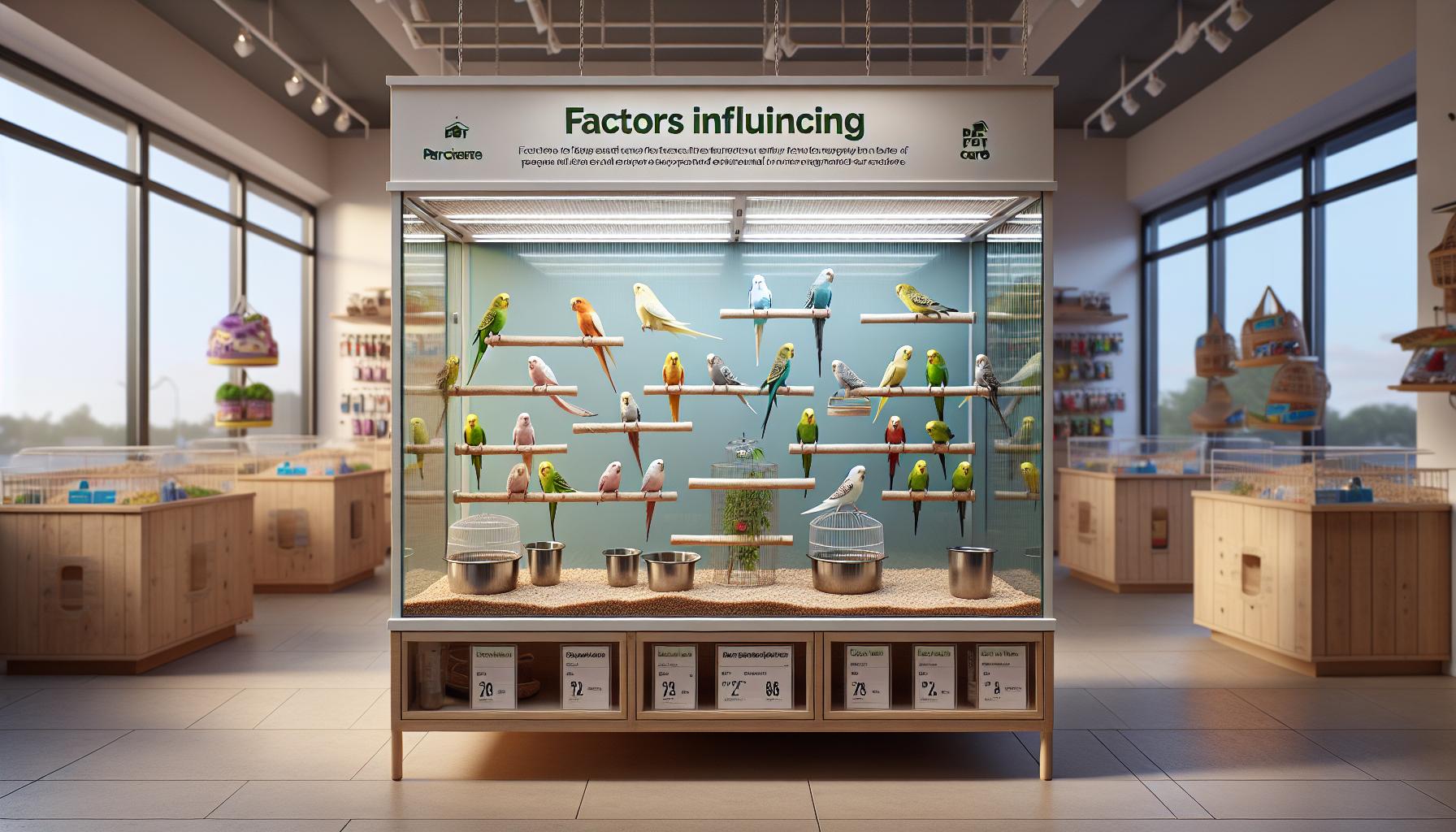
Factors Influencing Parakeet Age at Petsmart
When selecting a parakeet at Petsmart, it’s crucial to consider various factors that can influence the age and health of the birds you encounter. Typically, the majority of parakeets available for adoption in pet stores are juveniles, usually around 6 to 8 weeks old. This age is ideal for novice owners as young birds are more accommodating for training and socialization, making them great companions. However, differences in breeding practices, store policies, and individual bird backgrounds can play significant roles in determining the age of the parakeets you observe.
One important factor is the breeding sources from which the pet store obtains its parakeets. Parakeets may come from local breeders, which might vary in their practices regarding the age at which they sell their birds, as well as their overall care and handling. Some breeders may sell younger chicks earlier than others, potentially introducing a mix of ages in stores. On the other hand, some stores might partner with distributors who emphasize the availability of slightly older, more mature birds that they believe consumers prefer. Understanding where the birds come from can provide insights into their age and the care they’ve received before arriving at Petsmart.
Bird health and developmental milestones are also critical to consider. Parakeets undergo several physical changes as they age. For instance, feather development and coloration become vibrant at different stages. When shopping at Petsmart, keep an eye out for birds’ feather quality-juveniles often appear fluffier and less colorful than their adult counterparts. Additionally, the behavior of the parakeet can act as an indicator of age; younger birds tend to be more playful and energetic, while older ones may display more settled or calm tendencies. Engaging with the staff can provide further insights into the specific ages of the birds, as they often have records of each parakeet’s background.
Lastly, environmental factors in the store, including how the birds are kept and handled, can affect their maturity and social behavior. Parakeets that are regularly socialized and housed in stimulating environments are more likely to develop well and can exhibit more confidence and sociability. When visiting Petsmart, look for parakeets that are active, curious, and interacting with their fellow birds; these signs suggest a healthy, well-adjusted bird that may thrive in a new home.
Taking these various factors into account can help you make an informed decision about which parakeet is the right match for you at Petsmart, ensuring a smooth transition into companionship.
Common Age Indicators in Parakeets
When trying to gauge the age of parakeets, several indicators can provide valuable insights, especially for those shopping at a store like Petsmart. One of the most noticeable aspects is the appearance of the bird’s cere, the fleshy area above the beak where the nostrils are located. In young parakeets, this area will be vibrant and often features a pale, almost blue color in males, while females’ ceres might be light brown or beige, reflecting their readiness for breeding at maturity. As parakeets age, the cere’s color can change, becoming duller and more muted, which is a key visual cue for determining age.
Another important factor to consider is the parakeet’s eye color. Younger parakeets typically have deep, dark eyes that can appear almost black, whereas adults often display lighter eye colors, transitioning to a gray or even white hue as they age. This shift in eye color is not just aesthetic; it corresponds with the bird’s maturity, serving as a natural marker that keen observers can use when evaluating potential companions.
Feather characteristics can also indicate age; younger parakeets often display softer and fluffier feathers, which are less well-defined than those of adults. As they mature, the feathers develop and become more vibrant, showcasing the beautiful patterns typical of the specific parakeet species. Engaging with a parakeet in-store can reveal behavioral differences too. Young parakeets tend to be more energetic, playful, and curious, while older birds may display calmer behaviors, indicating a longer life lived.
Lastly, the presence or absence of baby bars-thin stripes on the forehead of younger budgerigars-can further verify age. These chicks have pronounced bars that may vanish or diminish in adults, revealing more of their head color. Paying attention to these indicators can significantly inform you about the age of the parakeets available for adoption, helping you make the best choice for your future feathered friend.
Age-Specific Care Requirements for Parakeets
Caring for parakeets requires a tailored approach that varies significantly with age. Young parakeets, often identified by their vibrant ceres and playful demeanor, thrive on stimulation and social interaction. It’s essential to provide them with a safe and engaging environment to explore and learn about their surroundings. This includes offering a variety of toys that encourage mental exercise and physical activity, alongside a diet rich in nutrients to support their growth. A combination of high-quality pellets and fresh fruits and vegetables will ensure they receive the necessary vitamins and minerals to develop properly.
As parakeets transition into adulthood, their care needs evolve. Adults typically exhibit more stable behavior and may require less playtime than their younger counterparts. However, maintaining social interaction is crucial for their emotional well-being. Adults should be given opportunities to engage with you and other birds, which can help combat loneliness and prevent behavioral issues. Their diet shifts to maintain health, focusing on balanced nutrition while limiting high-fat seeds and treats. Regular vet check-ups are also recommended to monitor for age-related health issues.
Older parakeets present a unique set of challenges. As they approach their senior years-often after 7 years of age-they may experience changes in behavior, energy levels, and physical appearance. It’s vital to create a comfortable habitat that accommodates any mobility issues, such as perch placement and easy access to food and water. Furthermore, older birds may require softer diets, including finely chopped fruits and greens, to assist with digestion. Keeping a close eye on their behavior and appearance can help catch any health problems early, ensuring they remain as healthy and happy as possible.
Overall, understanding the care requirements at different life stages is essential for fostering a happy, healthy, and well-adjusted parakeet in your home. By adjusting their diet, habitat, and interaction levels according to their age, you can provide the best quality of life for your feathered friend.
Identifying Parakeet Species and Their Lifespan
In the vibrant world of pet birds, parakeets, particularly the popular budgerigar, catch the eye with their striking colors and engaging personalities. Understanding the different species of parakeets and their associated lifespans can profoundly impact your decision when choosing a feathered companion, especially at places like PetSmart, where various species may be available. While most budgerigars have a lifespan of around 5 to 10 years, some species can live significantly longer with the right care and environment.
There are several species within the parakeet family, each displaying unique traits and lifespan considerations:
- Budgerigar (Budgie): The most common type of pet parakeet, with ages ranging from 5 to 10 years in captivity, but some may live over 15 years with exceptional care.
- Indian Ringneck Parakeet: Known for their striking appearance and vocal abilities, they can enjoy a lifespan of 15 to 25 years.
- Quaker Parakeet: Also called Monk Parakeets, they typically live around 15 to 20 years, but they require special attention due to their social needs and potential legal restrictions.
- Lovebirds: While often categorized separately, lovebirds can also fall under the parakeet umbrella and usually live between 10 to 15 years.
When evaluating the lifespan of parakeets at retail locations, it’s crucial to consider not just the species but also the bird’s age and health at the time of purchase. Many pet stores may label parakeets as “young” or “adult,” which can influence their expected lifespan in your care. Young parakeets typically show signs of high energy and vibrancy, whereas older birds might exhibit more calmness but require special attention for potential age-related issues.
Understanding these distinctions helps potential owners tailor their care to meet the needs of their chosen species effectively. For instance, younger birds thrive on social interaction and stimulating environments, while older parakeets may need modifications in diet and habitat to accommodate less activity. When considering adopting a parakeet, assess not only the appeal of their appearances but also the commitment to providing for their long-lived needs-this holistic approach ensures you foster a happy, healthy companion in your home.
How to Choose the Right Age for Your Parakeet
When considering the age of a parakeet to adopt from a store like PetSmart, it’s essential to align your choice with your lifestyle and the specific needs of different age groups. A young parakeet, generally between 6 weeks to 6 months old, offers a chance for you to train and bond with a bird that is still in its formative stages. This can lead to a more adaptable and friendly pet, as younger birds are often more receptive to new experiences and socialization.
However, adopting an older parakeet-typically classified as an adult (1 to 5 years old) or senior (5 years and older)-also has unique benefits. Adults tend to be more settled and may require less training than their younger counterparts. If you’re looking for a companion with an established personality, an older bird could be the perfect fit. Furthermore, these birds can often be less demanding in terms of time and energy since they’ve weathered that rambunctious juvenile stage.
When browsing at PetSmart, pay attention to age indicators such as feather development and size. Young parakeets often have softer, less vibrant feathers, while older birds will have more defined coloring and larger body sizes. Additionally, be sure to consider the individual bird’s temperament and health at the time of adoption. If you are just starting out, a young budgerigar is a fantastic choice, whereas someone with more experience might find the nuances of an Indian Ringneck’s behaviors to be a rewarding challenge despite their older age.
Ultimately, the right age for your parakeet boils down to your personal preferences, time availability for training and social interaction, and willingness to adapt to age-specific care requirements. Always remember the commitment involved; regardless of age, every parakeet you welcome into your home will require love, attention, and a dedicated environment to thrive.
Evaluating the Health of Older Parakeets
Older parakeets can bring a wealth of companionship and character to your life, but it’s essential to understand and evaluate their health to ensure a fulfilling relationship. As these birds age, their needs and health challenges may differ significantly from those of younger parakeets. This means that paying close attention to certain signs can help you provide the best care possible.
When assessing the health of an older parakeet, consider these key indicators:
- Physical condition: Look for signs of feather health such as dull or missing feathers, which could indicate underlying issues or malnutrition. A well-cared-for older bird typically has smooth, vibrant plumage.
- Activity level: Monitor their energy patterns. While older parakeets may slow down, excessive lethargy can be a sign of health concerns. A balance is normal, but noticeable changes should be assessed.
- Eyes and droppings: Clear and bright eyes are a good sign, whereas cloudiness may suggest health problems. Regularly check droppings for any changes in color or consistency, as this can reflect dietary or health issues.
- Weight: Maintain a regular check on their weight. Older parakeets can be susceptible to obesity or sudden weight loss, signaling potential health concerns that need immediate attention.
Providing the right care can significantly extend the lifespan of your parakeet and enhance its quality of life. Regular veterinary checkups are crucial, as they can identify health problems before they become serious. Ensure your older parakeet has a spacious habitat with perches of varying heights to encourage gentle exercise. Additionally, a balanced diet rich in nutrients tailored for seniors can help maintain health and vitality.
In summary, understanding the nuances of health in older parakeets takes observation and attentive care. By regularly monitoring their physical condition, activity levels, and overall demeanor, you can make informed decisions that promote their health and happiness for years to come. Whether you are new to parakeets or have been caring for them for some time, a focus on health is indispensable for ensuring that your feathered friend enjoys its golden years to the fullest.
Parakeet Age Comparison: Ages and Sizes
When considering bringing home a parakeet from Petsmart, understanding the age and size of your new companion is crucial to providing the best care. Parakeets, or budgerigars, typically reach maturity within six months but can live for over a decade with proper care. This lifespan presents a diverse age range, from playful juveniles to wise seniors, and each stage brings different sizes and characteristics.
Juvenile parakeets, usually branded as “baby budgies” in stores, are smaller and may exhibit less striking coloration compared to their adult counterparts. Their playful nature makes them incredibly engaging pets, likely to bond with their owners. In contrast, older parakeets may have larger body sizes depending on their species and diet, often recognizable by their richer, vibrant feathers that showcase maturity. The size contrast is significant; a young parakeet might weigh around 30 grams, while a fully grown adult can weigh between 35 to 50 grams, depending on genetics and overall health.
To assist you in choosing the right parakeet, consider the following aspects related to age and size:
- Genetics: Different species have specific growth patterns and maximum sizes that you might want to research. Standard budgerigars, for instance, grow larger than their more petite cousins, such as the English budgie.
- Nutrition: A well-balanced diet plays a transformative role in determining a parakeet’s size at maturity. Younger birds require high-protein diets to aid their growth, while adult parakeets should focus on a balanced diet to maintain their ideal weight.
- Health check: Regardless of age, all parakeets should be evaluated for signs of good health. A healthy bird has clear eyes, smooth feathers, and a robust energy level. Be wary of particularly large or small individuals in the store, as they may indicate underlying health issues.
With these factors in mind, you can navigate the age and size landscape of parakeets effectively while ensuring that your new feathered friend thrives in a loving home. Incorporating age-specific care routines from the beginning will help foster a strong bond and ensure that your parakeet remains happy and healthy throughout its lifecycle.
Tips for Caring for Young vs. Old Parakeets
To truly appreciate and adequately care for your parakeet, it’s essential to understand the differences between young and older birds. Rituals that enrich the lives of your pets change with their age. Young parakeets, often full of curiosity and energy, thrive on interactive play and socialization. They require a diet rich in proteins to support their rapid growth-think of high-quality seeds, pellets, and fresh fruits. Establishing a routine that includes plenty of toys for mental stimulation and opportunities for flight and exercise is pivotal. Engage them with daily handling sessions, which not only helps with their socialization but also strengthens the bond you share.
On the other hand, older parakeets present their own distinct needs. As they mature, their diets should be adjusted to prevent obesity and address any dietary sensitivities that may arise. Offering a senior-specific diet can help; this might include softer pellets and a variety of greens to keep their digestive systems happy. Additionally, maintain a keen eye for health indicators as older birds can become prone to age-related ailments. Observe their activity levels-if an older parakeet becomes lethargic or less vocal, it could be time for a vet visit.
When caring for both age groups, environmental enrichment remains crucial. For younger parakeets, frequent changes in their toys and rotational activities keep boredom at bay. Seniors, however, may require a quieter environment and some gentle, less physically demanding play options. Likewise, ensure that your older parakeets have easy access to food and water; standing on a perch can become a daunting task as their joints begin to stiffen.
Ultimately, whether you’re welcoming a sprightly juvenile or a wise senior into your home, understanding their age-specific needs helps foster a nourishing and joyful atmosphere for your feathered friend. This knowledge not only enhances their quality of life but also enriches the bond you share, making every moment spent together more rewarding.
The Importance of Age in Parakeet Bonding
Understanding the age of your parakeet plays a crucial role in fostering a strong bond with your feathered friend. Young parakeets, often brimming with energy and curiosity, are usually more adaptable to new environments and experiences. They thrive on interaction, making it easier to form that essential bond early on. Engaging in daily play, training sessions, and companionship allows you to build trust and rapport, which are foundational to a healthy relationship. When you invest time in developing this connection, you’re not just nurturing a pet; you’re cultivating a loyal companion who looks to you for comfort and care.
For older parakeets, the bonding process takes on a different nuance. These birds may be set in their ways, exhibiting specific behaviors that often reflect their past experiences. It’s important to approach them with patience, as their socialization might be less instinctive than that of younger birds. However, the rewards can be deeply fulfilling. Taking time to understand and cater to their preferences-such as favorite perches, food choices, and interaction styles-can eventually lead to a profound bond. For instance, an older parakeet that initially appears aloof may warm up significantly with consistent, gentle interaction and respect for its boundaries.
Additionally, age impacts both the physical and emotional dynamics of your relationship. Younger parakeets are often more playful and willing to engage in a variety of activities, while older birds may appreciate a calmer environment, favoring quiet moments over boisterous play. Recognizing these preferences can aid in creating a fulfilling routine that caters to your parakeet’s unique personality and needs. For effective bonding, consider establishing a consistent schedule that accommodates your bird’s age and temperament, allowing for gradual adjustments as the bond strengthens.
In summary, appreciating the significance of your parakeet’s age enhances your interactions and overall care approach, leading to a more enriching experience for both you and your avian companion. By tailoring your bonding techniques to your bird’s age and personality, you’re more likely to cultivate a lasting, trusting friendship that stands the test of time.
Navigating the Parakeet Adoption Timeline
Adopting a parakeet can be an exciting and rewarding journey, but understanding the adoption timeline is crucial for ensuring you’re making an informed decision. When visiting PetSmart or other pet stores, the first thing you’ll likely notice is a variety of parakeets of different ages. Knowing how to navigate this timeline can help you find the right companion for your lifestyle and foster a long-lasting bond.
Initially, consider the age of the parakeet. Young parakeets, often less than six months old, are usually more adaptable to new environments and can be more open to interaction and training. They require a lot of stimulation and companionship, which makes them ideal for first-time bird owners who are ready to dedicate time and energy. In contrast, older parakeets may come with established personalities and preferences, which can present both challenges and rewards in terms of bonding and care.
While searching for the perfect parakeet, it’s wise to ask the staff at PetSmart about the age and background of the birds. Stores often label the cages with the birds’ ages, but it’s also beneficial to inquire directly-this can give you insight into their health and emotional state, which is critical for older birds. Pay attention to their behavior in the cage: are they curious, playful, or shy? These observations can inform your decision, especially when considering the time it will take to foster trust and socialization.
Once you have chosen a parakeet, be prepared for a specific adoption timeline that can vary based on the bird’s age. Younger birds generally need time to acclimate and may take longer to establish trust with their new owner. You should focus on gradual introductions to new environments and experiences. Older parakeets, on the other hand, may require a slower approach as they adjust to their surroundings and their new human companions. Creating a consistent routine will help your new feathered friend feel secure, no matter their age.
In summary, by understanding the parakeet adoption timeline and the age-related needs of both young and older birds, you can ensure a smoother transition into parakeet ownership. This thoughtful approach not only enhances the bond between you and your bird but also sets the stage for a loving and enriching environment for your new companion.
Frequently asked questions
Q: How can I determine the age of a parakeet from Petsmart?
A: You can determine a parakeet’s age by checking its band, which often gives details about its hatch date, or observing physical traits such as size, feather condition, and behavior. Younger parakeets are usually more vibrant and active. For more detailed methods, refer to the section on determining parakeet age in your care guide.
Q: What is the lifespan of a parakeet purchased from Petsmart?
A: The lifespan of a parakeet can range from 5 to 15 years depending on care, diet, and environmental factors. Providing a proper diet and regular veterinary check-ups can help optimize their lifespan. Learn about their specific age milestones for better care understanding.
Q: When do parakeets reach maturity?
A: Parakeets typically reach sexual maturity between 6 to 12 months of age. Recognizing signs of maturity, such as behavior changes or vocalization, can help you understand their needs as they transition into adulthood.
Q: Are older parakeets easier or harder to care for?
A: Older parakeets may require more specialized care, particularly if they have health issues. However, they can also be easier to handle as they often have established habits. Familiarize yourself with age-specific care requirements to better support them.
Q: How do I choose the right age for adopting a parakeet?
A: Choosing the right age for adoption depends on your experience level. Beginners may prefer younger parakeets for training, while experienced bird owners might enjoy older, more social birds. Evaluate your lifestyle and readiness for age-related care challenges.
Q: What age are parakeets typically sold at Petsmart?
A: Parakeets at Petsmart are usually around 8 weeks to 6 months old. They are often sold at this age to ensure they can adapt well to new environments and bonding with their new owners.
Q: How can I tell if a parakeet is healthy based on its age?
A: A healthy parakeet, regardless of age, should have clear eyes, smooth feathers, and an active disposition. For older parakeets, watch for changes in activity levels or eating habits, as these can indicate health issues. Refer to the evaluation section in your care guide for detailed insights.
Q: What should I know about the age-related behavior of parakeets?
A: Younger parakeets are often more playful and curious, while older ones may be calmer and more socialized. Understanding these behaviors helps you create a supportive environment and provides insights into the best ways to bond with your pet.
Concluding Remarks
Now that you have insights into the age of parakeets at Petsmart, you’re one step closer to being a responsible bird owner! Remember, understanding your parakeet’s age is crucial for providing appropriate care and expectations for their lifespan. If you’re eager to dive deeper, check out our articles on “Essential Parakeet Care Tips” and “Identifying Healthy Parakeets” to enhance your knowledge.
Don’t miss out on the joy of owning a parakeet! Subscribe to our newsletter for expert tips and exclusive content that will help you create a thriving environment for your feathered friend. Have questions or personal experiences to share? We’d love to hear from you in the comments below!
Keep exploring and stay informed-your journey in avian companionship is just beginning!
Get our latest guides, news, and insights highlighted in your Google Search & AI Overviews.