Have you ever been captivated by the vibrant colors and playful personality of a toucan? These striking birds are often associated with tropical paradises and come with unique traits that appeal to many bird lovers. But is a toucan a good pet? In this article, we’ll explore the pros and cons of keeping a toucan, diving into their care requirements, social needs, and the specific challenges that come with their unique physiology and behavior. Understanding what it truly means to care for a toucan is essential for any potential owner, as these birds have fascinating yet demanding needs that go beyond mere aesthetics. Join us as we uncover what it takes to bring a toucan into your home and whether they can make the ideal feathered companion for you. Whether you’re a beginner or a seasoned bird enthusiast, this guide will help you make an informed decision about welcoming a toucan into your life!
Is a Toucan the Right Pet for You?
Possessing a toucan can be an exhilarating and colorful experience, but it’s essential to weigh whether these vibrant birds align with your lifestyle and needs. Toucans are known for their distinctive large bills and striking plumage that can captivate any bird lover’s attention. However, they come with unique requirements and challenges that potential owners must consider before making a commitment.
Toucans are intelligent and social creatures that thrive on interaction, both with their human companions and their environment. They have curious personalities, often engaging in playful antics that can be delightful to observe. However, this also means they require a significant amount of time and mental stimulation. If you’re someone who spends long hours away from home or isn’t prepared to invest quality time into your pet, a toucan may not be the right choice for you. Consider whether you can dedicate ample time daily to socialize with your toucan and provide it with enrichment through toys, perches, and even interaction with other birds, if possible.
Moreover, the dietary needs of a toucan are quite specific. They eat a variety of fruits and require a balanced diet to maintain their vibrant colors and overall health. A diet lacking in nutrients can lead to serious health issues. Therefore, you should be prepared to provide a dedicated space for food preparation and ensure that you have access to the right fruits and supplements.
Finally, it’s crucial to understand the legal considerations of owning a toucan in your area, as regulations can vary widely. Depending on where you live, permits or special licensing may be required to keep these exotic birds. Taking the time to familiarize yourself with these legalities before acquiring a toucan can save you from potential issues down the line. In summary, owning a toucan can be incredibly rewarding, filled with moments of joy and laughter, but it demands a commitment to their care, social needs, and dietary requirements to ensure a happy, fulfilling life for both you and your feathered friend.
Understanding Toucan Behavior and Personality

Toucans are not just colorful figures that attract the eye; they possess rich and engaging personalities that make them fascinating companions. Known for their striking appearance, especially their enormous bills, these birds are inherently social and intelligent, traits that set them apart in the avian world. If you’re considering bringing a toucan into your home, understanding their behavior and personality is crucial to ensuring both their happiness and your own.
Toucans thrive on social interaction and mental stimulation. These birds are naturally curious and playful, often engaging with their surroundings in captivating ways. They love to explore, manipulate objects, and interact with their humans, which means you’ll need to provide plenty of enrichment opportunities. This could include a variety of toys, perches at different heights, and safe items to chew on. A bored toucan may resort to destructive behaviors, so ensuring they have something to keep their agile minds occupied is essential.
Social Nature and Bonding
Building a strong relationship with your toucan requires time and patience. These birds are not content to be mere observers in their environment; they want to be part of the action. Regular interaction is key, whether through playtime or simply talking to them. Toucans are known to enjoy bath time, making it a delightful bonding experience for both you and your pet.
To encourage a strong bond, consider letting your toucan out of its cage in a safe, supervised space, allowing it to explore and interact freely. Utilizing training methods based on positive reinforcement can enhance your mutual relationship. This not only stimulates their minds but also promotes good behavior.
Vocalization and Communication
Another noteworthy aspect of toucan behavior is their vocalization. Although they are not the loudest birds, they express themselves through a series of unique calls and sounds. Regularly communicating with your toucan can help it feel comfortable and secure, fostering a deeper connection. Listening to these interactions can also give you insight into their mood and needs.
Toucans can also exhibit signs of jealousy or territorial behavior, especially if they perceive a lack of attention. Being mindful of their social needs and ensuring they receive sufficient interaction can mitigate these issues. A toucan that feels neglected may become nippy or display behavioral changes, so attentive companionship is vital.
In summary, can greatly enhance the experience of pet ownership. These vibrant creatures thrive on social interaction, mental stimulation, and proper care, so being aware of their needs will help you foster a fulfilling relationship with your feathered friend. Whether you’re a seasoned bird keeper or a new enthusiast, the joys of owning a toucan are numerous, provided you are ready to meet their unique requirements.
Essential Care Guidelines for Pet Toucans
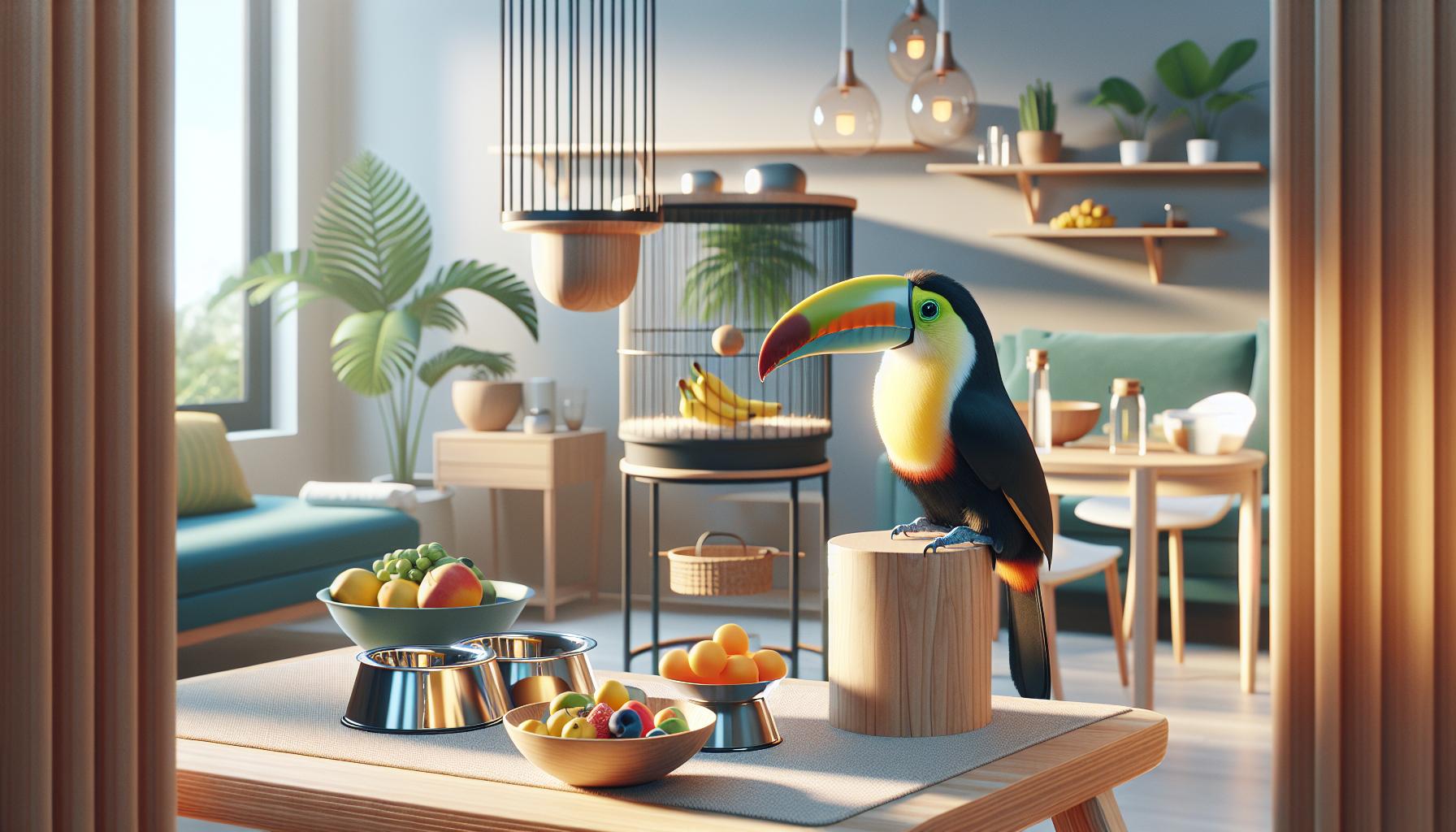
Toucans may captivate onlookers with their vivid colors and distinctive large bills, but they also come with specific care requirements that potential owners must prioritize. Understanding these essential care guidelines is crucial for providing a suitable environment that promotes both the physical and emotional well-being of these unique birds. A well-cared-for toucan can thrive and become a joyful companion, but neglecting their needs can lead to serious health and behavioral issues.
One of the most important aspects of ensuring a toucan’s well-being is to provide a spacious and enriching environment. Toucans are active birds that enjoy climbing and exploring, so a large, multi-level cage with perches at different heights is essential. Incorporating a variety of toys, such as foraging devices and safe chewables, can keep them mentally stimulated and prevent boredom. Ensure that the cage bars are appropriately spaced to prevent escape-toucans are agile and can navigate surprisingly well!
In terms of dietary needs, toucans have specific nutritional requirements that differ from many other pet birds. A diet rich in fruits, vegetables, and specially formulated pellets is essential, as these birds thrive on a diverse intake to maintain their health and vibrant plumage. It’s important to avoid feeding them high-fat or sugar-laden foods, which can lead to obesity and related health issues. Regularly offering fresh water and monitoring food intake will help you keep track of their health.
Regular veterinary check-ups are vital for your toucan’s health, as these birds are prone to certain diseases. Early detection and treatment of health issues can make a significant difference in their lifespan and quality of life. Be sure to find a vet experienced with exotic birds for optimal care.
In summary, the vibrant toucan is a rewarding pet that requires careful and knowledgeable care. By establishing an engaging habitat, providing a balanced diet, and committing to ongoing health assessments, you can create a nurturing environment that allows your toucan to flourish. Enjoyment and companionship from these social creatures come with responsibility, ensuring a mutually fulfilling relationship between you and your feathered friend.
The Pros of Owning a Toucan as a Pet
Owning a toucan can be a vibrant and fulfilling experience, not just for bird enthusiasts but for anyone captivated by these striking creatures. With their bright, colorful plumage and unique, oversized bills, toucans certainly add a touch of exotic flair to any home. But beyond their visual appeal, there are plenty of compelling reasons to consider bringing one of these delightful birds into your family.
One major advantage is their engaging personality. Toucans are known for their playful and inquisitive nature. Unlike some birds that may prefer solitude, toucans are social animals that thrive on interaction. They often display curiosity about their surroundings and enjoy exploring new environments. This means that as an owner, you will have countless opportunities to bond with your toucan through play and exploration. Their intelligence also allows them to learn tricks and respond to training, providing mental stimulation for both bird and handler.
In terms of companionship, toucans can forge strong bonds with their owners. They are capable of forming affectionate relationships, much like dogs or cats. Owners often describe the joy of watching their toucans interact with them, mimicking sounds and engaging in playful antics. This connection can be deeply rewarding, providing emotional support and companionship that enhances your daily life.
Unique Dietary and Environmental Opportunities
Feeding a toucan can also be a pleasurable and engaging experience. Toucans have specialized diets that include a variety of fruits, which opens up a world of culinary exploration for owners. You can enjoy preparing and experimenting with new fruits in your toucan’s diet, fostering a unique bond as you cater to their tastes. This focus on nutrition not only benefits your pet’s health but also encourages you to maintain a healthy lifestyle yourself.
Finally, owning a toucan allows for a unique interaction with nature. Toucans often capture the imagination, inspiring you to learn more about avian conservation and the ecosystems they inhabit. By caring for a toucan, you become an advocate for wildlife, gaining insights into the importance of preserving habitats and understanding the challenges faced by these beautiful birds in the wild.
In conclusion, while owning a toucan involves a substantial commitment to their care and needs, the rewards of their captivating personality, the joy of companionship, and the unique care experience make them an incredibly fulfilling pet option for the right owner. By providing a nurturing environment, you can foster a joyful and loving companionship that will enrich your life for years to come.
Common Challenges of Toucan Ownership
Owning a toucan can be a rewarding experience, but it also comes with its share of challenges that potential owners should consider. Understanding these hurdles is crucial for nurturing a healthy and fulfilling relationship with your feathery friend. One of the primary challenges is their specialized dietary needs. Toucans primarily eat a diet rich in fruits, which can vary greatly in availability and quality depending on your location. This not only complicates their feeding regimen but also demands consistent effort in sourcing fresh and nutritious food daily. Neglecting this aspect can lead to health issues, so being prepared to meet their dietary requirements is essential.
Another significant consideration is their need for ample space and an engaging environment. Toucans are active and social creatures that thrive in spacious aviaries where they can fly and explore. Unlike smaller birds that might be comfortable in a modest cage, toucans require a well-constructed habitat that mimics their natural surroundings. This could mean investing in a large outdoor aviary or a tall indoor setup that allows for vertical movement. Additionally, providing toys and structures for climbing is vital to keep them stimulated.
Behavioral challenges also arise when caring for a toucan. These birds are known for their strong personalities and sometimes stubborn nature, which can lead to training difficulties. While they can learn tricks and commands, the process may require patience and consistent reinforcement. They may develop specific likes or dislikes that can affect their temperament. For instance, some toucans can exhibit territorial behaviors, especially during breeding season, which may require careful handling and attention to socialization practices to prevent aggressive interactions.
Lastly, legalities around pet ownership must be navigated carefully. In many regions, owning a toucan requires specific permits or adherence to wildlife protection laws. This means doing thorough research before acquiring a toucan to ensure compliance and ethical ownership. Understanding these legal responsibilities is integral to being a responsible pet owner and can significantly impact your ability to provide proper care for your toucan.
Navigating these challenges effectively can lead to a fulfilling ownership experience, allowing you to enjoy the vibrant personality of toucans while ensuring their needs are met. The journey may require commitment and adaptability, but the joy that these remarkable birds bring can make it all worthwhile.
Feeding Requirements: What Do Toucans Eat?
Feeding a toucan can seem like a daunting task, but once you grasp their dietary requirements, it becomes a rewarding aspect of their care. These vibrant birds are primarily frugivores, meaning that their diet mainly consists of fruit. However, it’s important to remember that not all fruits are suitable for your feathered friend. Some of the best options include papaya, bananas, berries, and melons. These fruits are not only flavorful but also provide essential vitamins that keep your toucan healthy.
Beyond fruits, toucans also benefit from a diverse diet that includes protein sources. High-quality pellets specifically formulated for toucans or other soft-billed birds are a great addition to their meals. These pellets are enriched with the necessary vitamins and minerals that fruits alone might lack. Offer nuts and seeds in moderation to provide healthy fats, but keep in mind that toucans can be prone to obesity, so portion control is essential.
To ensure your toucan remains healthy, fresh food must be provided daily. Toucans are picky eaters, and they may reject fruits that are overly ripe or not at their peak freshness. Rotate the fruits offered and introduce new varieties gradually to see what your toucan prefers. It’s also beneficial to observe their eating habits; a lack of interest in food can indicate stress or health issues, requiring prompt attention.
With a bit of creativity and regularity in their feeding routine, you can provide a balanced diet that keeps your toucan happy and thriving. Embrace the journey of learning what your specific toucan enjoys, as this not only ensures their health but can also be a delightful interaction that strengthens your bond with this exotic pet.
Creating a Safe Habitat for Your Toucan
Creating a suitable habitat for your toucan is essential for ensuring its health and happiness. These iconic birds thrive in environments that mimic their natural rainforest habitats, so attention to detail can make all the difference. A spacious and well-structured enclosure is key. Toucans need ample room to move, climb, and explore, so a large aviary or a substantial indoor cage with dimensions of at least 6 feet high and 3-4 feet wide is recommended. Remember, the bigger, the better, as this space allows them to exhibit natural behaviors and helps reduce stress.
To enrich their surroundings, incorporate various perches made from different materials such as natural wood branches, as this will encourage exercise and mental stimulation. Toucans are curious creatures who enjoy investigating their space, so adding a variety of textures and shapes can keep them engaged. Be sure to include toys, such as hanging ropes or foraging devices that challenge them. It’s vital to ensure that these accessories are free from harmful chemicals and safe for your bird.
Lighting plays a crucial role in creating a safe habitat. Natural sunlight is ideal, so consider placing their cage near a window where they can enjoy indirect sunlight. If natural light isn’t an option, a full-spectrum light specifically designed for birds can help replicate natural conditions. This exposure is essential for their overall well-being and can assist with vitamin D synthesis, which is vital for calcium absorption.
Maintaining a clean environment is another aspect of providing a safe habitat. Regularly replace bedding, tidy up uneaten food, and clean perches and toys to prevent bacterial growth. Toucans are also sensitive to drafts and temperature fluctuations, so ensure their space is kept at a comfortable temperature-ideally between 70°F and 80°F-and away from direct air conditioning or heating sources.
Creating a secure and stimulating habitat will enhance your toucan’s life, helping it to flourish while being a cherished member of your household. With the right setup, you can transform their space into a vibrant paradise that reflects the beauty of their natural environment. This commitment will foster a healthy and happy home for your toucan while creating an enriching experience for both of you.
Tucan Socialization: Tips for Bonding
Building a strong bond with your toucan starts from the moment you bring them home. These birds are notably social creatures, and like any animal, they thrive on building trust and familiarity with their human companions. One of the most magical aspects of touching a toucan’s life is their genuine curiosity; they are always exploring and interacting with their environment. However, nurturing that bond requires both patience and commitment.
To effectively socialize your toucan, begin by dedicating time each day to interact with them. Approaching their cage calmly and speaking softly can help them feel at ease. You can use their name frequently during these interactions to create recognition. Each session should be short at first-around 10 to 15 minutes-gradually increasing the duration as they become more comfortable with you. During these initial interactions, it’s essential to allow your toucan to approach you at their own pace. Avoid sudden movements, as they can easily get frightened. Offering treats can also work wonders in fostering trust and encouraging them to come closer.
Engaging in positive reinforcement is another key element. When your toucan exhibits inquisitive or friendly behavior, reward them with their favorite treats like fruits or vegetables. Over time, you will notice they become more interactive during your sessions. Incorporate play into your bonding time by providing toys that stimulate their natural instincts to explore and manipulate objects. Toucans enjoy foraging for food, so hiding treats within their toys or in their cage can make this activity even more enriching.
Implementing a routine is crucial in maintaining a strong bond. Toucans thrive on predictability, so consistent interaction and playtime foster a sense of security. Regularly allowing them out of their cage for supervised exploration can enhance your connection, enabling them to experience their environment in a more profound way. Remember to also respect their personal space and any signs of discomfort they may show. Maintaining balance is crucial; while toucans are social, they still require solitary moments to recharge.
By focusing on these tips for socialization, you will not only create a trusting bond with your toucan but will also contribute to their overall mental health and happiness in your home. A well-socialized toucan can become a vibrant companion, full of personality and charm, truly enriching the shared experience between you and your feathered friend.
Exploring the Lifespan of Domesticated Toucans
Domesticated toucans have a fascinating lifespan that can often surprise potential owners. In captivity, these vibrant birds can live anywhere from 15 to 20 years, and under optimal conditions, some have been known to exceed even this range. This longevity means that bringing a toucan into your home is a long-term commitment, akin to that of adopting a dog or cat. Understanding their lifespan not only helps in planning your life with a toucan but also in providing the necessary care to support their health and well-being over the years.
Like many exotic pets, the lifespan of a toucan can be significantly affected by a variety of factors including diet, environment, and social interaction. An appropriate diet rich in fruits, nuts, and insects is essential as toucans in the wild eat a diverse range of foods. Ensuring that your pet gets essential nutrients daily can help prevent health issues and contribute to their longevity. Additionally, providing a spacious habitat that mimics their natural environment is crucial. A well-designed cage with plenty of perches and toys not only promotes physical health but also keeps their inquisitive minds stimulated.
Socialization also plays a vital role in a toucan’s lifespan. These birds are inherently social creatures that thrive on interaction, both with humans and other birds. A lonely toucan can develop stress-related health issues, which may shorten their life. Thus, regular engagement, paired with a proper social structure, can lead to a happier, healthier toucan, enhancing their quality of life and ensuring they stay with you for as long as possible.
To sum up, a toucan can be a delightful companion that adds color and personality to your home for many years. However, providing the right diet, habitat, and social opportunities is key to ensuring they thrive. If you’re ready for a long-term relationship with a truly unique pet, a toucan may just be the right fit for you.
Are Toucans Ideal for Beginners?
Toucans, with their striking beaks and vibrant plumage, often captivate the hearts of bird enthusiasts and casual admirers alike. However, before you decide to welcome one of these magnificent creatures into your home, it’s essential to consider their specific needs and whether they’re suitable for a beginner pet owner. While many might think owning a toucan is akin to having a parrot or a smaller bird, the reality is that these birds have unique care requirements that can be quite demanding.
Firstly, one of the most significant factors to consider is a toucan’s specialized diet. Unlike common pet birds that might thrive on seed blends, toucans have a fruit-based diet supplemented with insects and some protein sources. This specificity in diet not only requires you to invest time into sourcing the right foods but also to understand the nutritional needs necessary for their health. Neglecting their dietary needs can lead to serious health complications down the line. For those unfamiliar with exotic bird care, the learning curve can be steep.
Another consideration is their social nature. Toucans thrive on interaction, and they can become bored or stressed without sufficient social engagement. If you’re a busy individual or frequently away from home, a toucan might not be the best choice, as loneliness can lead to behavioral issues such as feather plucking. Additionally, their calls can be loud and continuous, which may be a downside for those living in close quarters or apartment settings.
It’s also worth mentioning that providing a suitable habitat for a toucan can be an investment. Toucans require spacious enclosures that allow them to move freely and explore their environment. This means you’ll need to dedicate space in your home for their cage, which should be enriched with toys and perches to keep them engaged.
In conclusion, while toucans can be enchanting companions, they are not typically suited for beginners without prior experience with exotic birds. If you’re genuinely committed and ready to invest the time, resources, and effort needed to meet their unique needs, then you might find a toucan to be a rewarding pet. However, if you are uncertain about your capacity to cater to their specialized requirements, you might consider starting with a more conventional pet bird that aligns better with a beginner’s skills and lifestyle.
Comparing Toucans to Other Exotic Birds
The vibrant and captivating toucan, with its iconic bill and playful personality, is often compared to other exotic birds, creating a diverse palette for potential bird owners. When considering a toucan as a pet, it’s essential to assess how they stack up against other exotic species like parrots, finches, and cockatiels to determine which might best fit your lifestyle and experience level.
Toucans have a unique charm that is quite distinct from most other exotic birds. Their playful, inquisitive nature is reminiscent of parrots, which are also known for their social behaviors and strong bonds with their owners. However, toucans require a more specialized diet rich in fruits and occasional insects, distinguishing them from parrots who can thrive on a broader range of seeds, pellets, and vegetables. Owners of toucans must invest time in sourcing fresh fruits daily, which can be a daunting task if you’re not prepared. In contrast, many parrot owners find it easier to create a balanced diet using commercially available pellet mixes.
Another notable difference is their vocal behavior. While both toucans and parrots are capable of making noise, parrots are often known for their ability to mimic sounds and human speech, making them quite interactive companions. Toucans produce a series of distinctive calls and can be quite loud, but they typically do not mimic human sounds. Therefore, if you’re seeking a bird that can engage in conversation or learn words, a parrot may be a more compatible choice.
When looking at smaller exotic birds like finches and cockatiels, the care requirements differ significantly from those of toucans. Finches, for instance, are generally less demanding when it comes to interaction and social engagement; they can be kept in pairs or small groups and thrive in a more relaxed environment. Cockatiels, on the other hand, are known for their affectionate nature and ability to bond closely with their owners, similar to parrots but with fewer dietary restrictions. If you desire a more interactive experience similar to that of a toucan, a cockatiel might be a better alternative, as they can offer companionship with less complexity in care.
In summary, while toucans are undeniably unique and appealing, they come with specific needs and behaviors that can make them less ideal for beginners or those seeking a simple pet experience. If you are considering a pet bird, it’s crucial to weigh these factors against your capacity to meet their specialized care requirements and assess what kind of interaction you desire from your avian companion. Assessing these differences can help ensure that you find the right feathered friend suited to your lifestyle.
Legal Considerations for Keeping a Toucan
Before diving into the joys of toucan ownership, it’s crucial to understand the legal landscape surrounding these unique birds. Depending on your location, keeping a toucan can be subject to various laws and regulations, which could determine whether you can have one as a pet at all. It’s important to research and comply with both local and national wildlife regulations to avoid potential legal pitfalls.
Many regions require permits for owning exotic pets like toucans, as they are considered wildlife rather than domestic animals. Here are some key points to consider:
- Ownership Regulations: Some countries and states have strict regulations on the ownership of exotic birds. In the U.S., for example, laws can vary significantly from state to state. Some states may have complete bans on exotic birds, while others might require owners to obtain specific permits.
- Wildlife Protection Laws: Toucans are protected under various wildlife conservation laws. The Migratory Bird Treaty Act in the U.S. prohibits the capture or killing of many bird species without a permit. This includes certain toucan species, meaning you cannot legally own them without proper authorization.
- Breeding and Importation Restrictions: If you’re considering sourcing a toucan from outside your region, be aware that many places impose strict regulations on importing exotic birds to prevent the spread of diseases and protect native wildlife.
- Responsibility and Ethical Considerations: Beyond legality, it’s important to consider the ethical implications of owning a toucan. Ensure that any bird you acquire is sourced from a reputable breeder who maintains healthy and humane breeding practices. Never purchase from illegal wildlife markets or dubious sources.
Before bringing a toucan into your home, be proactive about understanding the laws that govern their ownership. This includes checking in with local wildlife agencies or the Department of Fish and Game in your area. Taking these steps not only helps you become a responsible pet owner but also aids in the conservation of these fascinating creatures. With the right information and resources, you can navigate the complexities of toucan ownership while providing a loving and compliant environment for your new feathered friend.
Frequently Asked Questions
Q: What are the most common pet toucan species and their traits?
A: The most common species kept as pets are the Toco Toucan and the Keel-billed Toucan. Toco Toucans are known for their vibrant colors and playful demeanor, while Keel-billed Toucans are smaller and have a gentle temperament. Both require specialized care and socialization to thrive.
Q: How much does it cost to care for a pet toucan?
A: Caring for a pet toucan can be quite costly. Initial setup costs, including an appropriate cage, food, and enrichment items, can total several hundred dollars. Ongoing expenses for fresh fruit, specialized diet, and veterinary care should also be budgeted, averaging $50-$100 monthly.
Q: Do toucans require a special diet?
A: Yes, toucans require a specialized diet that includes high-quality pellets, fresh fruits, and occasional insects. Their unique digestive system necessitates a diet low in fat and high in fiber to prevent health issues. Regularly consult with an avian veterinarian for dietary guidance.
Q: Can toucans be kept with other birds or pets?
A: Toucans may not be suitable for mixed-species habitats due to their territorial behavior and specific social needs. If introduced to other pets or birds, careful supervised interactions are essential to prevent stress or aggressive behaviors. Reading about socialization can help in bonding them with other pets.
Q: What is the lifespan of a pet toucan?
A: Pet toucans can live between 15 to 20 years with proper care. Their lifespan can be significantly influenced by diet, habitat conditions, and socialization. Ensure a suitable environment and regular check-ups to promote longevity and health.
Q: How often should a toucan’s cage be cleaned?
A: A toucan’s cage should be cleaned daily to maintain hygiene and prevent bacterial growth. This entails removing uneaten food and waste. A deep clean should occur weekly, including disinfecting surfaces and changing bedding material. This routine promotes a healthy environment.
Q: What kind of enrichment do toucans need?
A: Toucans need mental and physical enrichment to thrive. Provide a variety of toys, climbing structures, and foraging opportunities. Rotate their toys regularly and ensure they have access to safe natural wood branches for chewing. Enrichment should stimulate their natural behaviors.
Q: Are pet toucans noisy, and how much noise can I expect?
A: Yes, toucans can be quite noisy, producing loud calls and chatter. They are particularly vocal during their active hours, which can be early morning and late afternoon. Evaluate your living situation and consider sound levels when deciding to bring a toucan into your home.
Insights and Conclusions
As you’ve discovered, owning a toucan can be both rewarding and challenging. These vibrant birds bring unique beauty and personality to your home, but they also require dedicated care and attention. If you’re considering adding a toucan to your family, review our comprehensive care guides for essential tips on habitat maintenance and dietary needs.
Don’t forget to check out our article on selecting the right bird for your lifestyle, as well as our detailed comparison of popular pet birds. If you have any lingering questions or concerns, we invite you to leave a comment below-your thoughts and experiences enrich our community!
Ready to dive deeper into the world of pet birds? Sign up for our newsletter to stay updated on the latest in bird care and join a passionate community of bird enthusiasts. Your perfect avian companion awaits-explore more today and let the adventure begin!
Get our latest guides, news, and insights highlighted in your Google Search & AI Overviews.