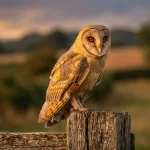
Did you know that an owl’s grip can exert a force strong enough to catch and hold prey several times its weight? The strength of an owl’s claws, or talons, plays a crucial role in their hunting success and overall survival. Understanding the grip force of these fascinating birds not only sheds light on their predatory skills but also enriches our appreciation for their role in the ecosystem. Whether you’re a bird enthusiast curious about the mechanics of nature or a wildlife photographer aiming to capture these remarkable creatures in action, exploring the power of owl talons will unveil intriguing insights. Join us as we delve into the anatomy, function, and significance of owl claws, illuminating how these magnificent birds live and thrive in diverse environments. Prepare to discover what makes these nocturnal hunters truly extraordinary!
How Owl Claws Work: Anatomy and Function
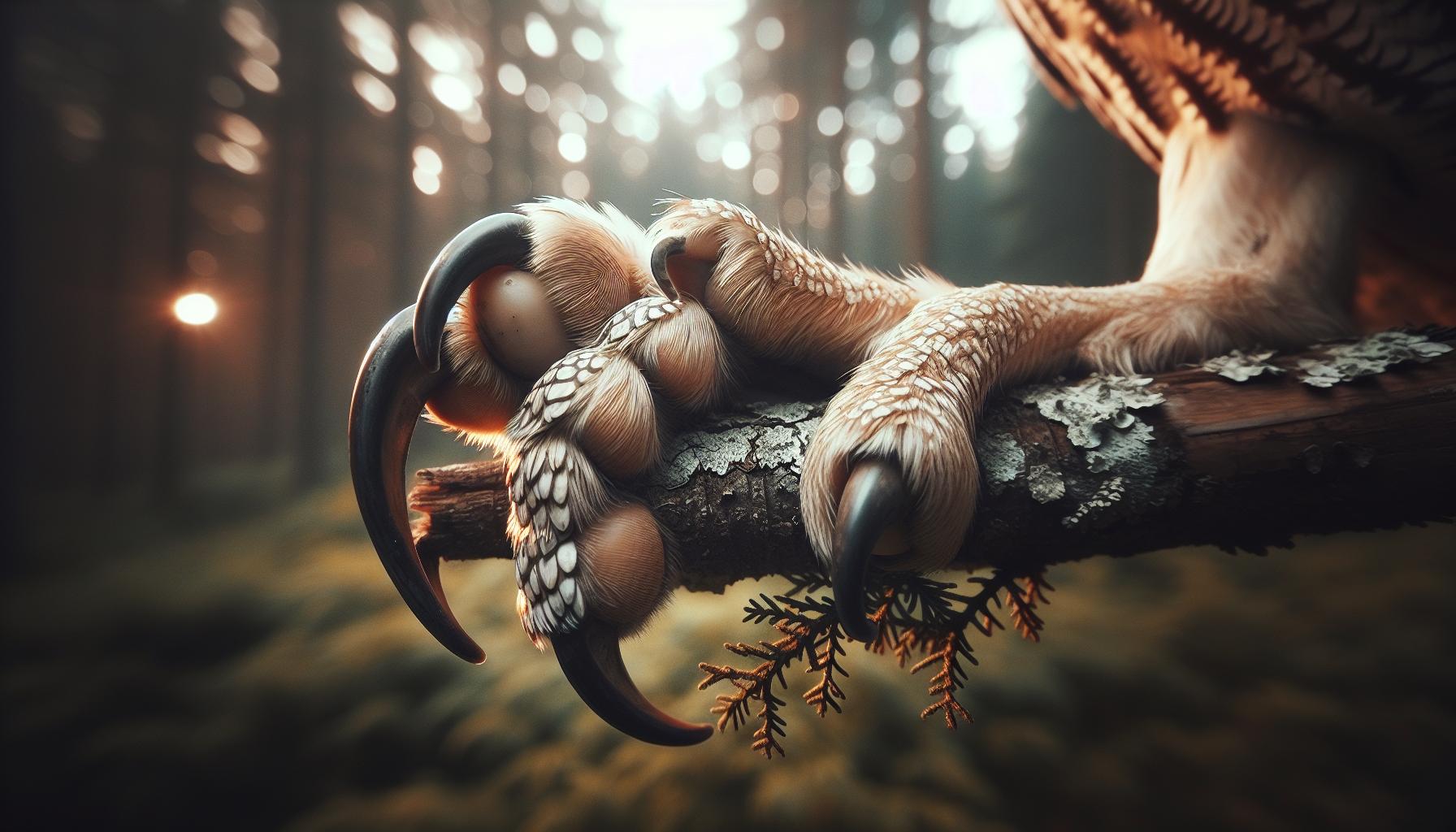
The intricate design of owl claws is a marvel of nature, showcasing evolutionary adaptations that have perfected their hunting capabilities. Owls possess powerful, curved talons that are essential not only for capturing prey but also for consuming and carrying it. Each toe-typically numbering four-has a sharp claw, with the outer two toes capable of rotating backward to create an incredibly strong grip, allowing the bird to control larger prey effectively.
These adaptations are not just for show; they play a critical role in the owl’s hunting strategy. Talons can exert significant pressure, which is crucial when securing squirming prey such as rodents or birds. The robust anatomy of owl talons includes a combination of thick keratin and strong bones, contributing to their dexterity and strength. This design enables owls to hold onto their prey firmly, ensuring that their meal doesn’t escape.
In examining the grip force of owl talons, it’s important to consider the factors at play, including the owl’s size, species, and even the hunting environment. For instance, larger owls like the Great Horned Owl have stronger talons than smaller species, allowing them to tackle bigger prey. Additionally, the grip strength varies with the specific hunting techniques employed-some owls prefer stealth and sudden strikes, while others may rely more on persistence and endurance.
- Powerful Grip: Owls can grip tightly with their talons, which helps immobilize prey instantly.
- Curved Design: The shape facilitates the catching and holding of prey, preventing escape.
- Adaptive Functionality: Different species showcase variations in talon strength and shape, tailored to their preferred prey type.
Understanding the anatomy and function of owl claws not only enhances our appreciation for these magnificent birds, but it also informs best practices for caring for pet owls, ensuring their health and ability to express natural behaviors. Knowledge of their talon dynamics reflects broader insights into owl ecology and evolution, emphasizing their role as effective nocturnal hunters.
The Science Behind Talon Grip Force
The gripping ability of owl talons is nothing short of remarkable. These specialized structures are not just for show; they are finely tuned instruments of predation that empower owls to be some of the most effective hunters in the avian world. The unique configuration of their claws-sharp, curved, and robust-allows owls to exert extraordinary force when capturing prey. Notably, studies have shown that larger owls, like the Great Horned Owl, can apply a grip force of up to 5 times their body weight, effectively immobilizing rodents or birds with a single grasp.
The grip strength of owl talons is influenced by several anatomical features. The talons are constructed from a durable protein called keratin, which provides resilience and sharpness, crucial for puncturing fur or feathers. Each owl possesses a specific arrangement of tendons and muscles that adaptively work together to enhance grip. When an owl closes its talons, these tendons lock into place, creating a “deadlock” mechanism that allows them to hold onto their prey without additional muscular effort. This mechanism is vital when hunting slippery or struggling animals, where a swift reaction is necessary to secure a meal.
In addition to anatomical adaptations, the grip force is also influenced by behavioral strategies. Different species of owls exhibit variations in hunting styles, which can affect how they utilize their grip strength. For instance, a Barn Owl employs a calculated approach, silently gliding toward its prey before a sudden, powerful strike, whereas a Great Horned Owl might rely on its formidable size and talon strength to capture larger prey. Understanding these dynamics not only highlights the evolutionary innovations of owls but also emphasizes how their hunting techniques are closely tied to their grip force capabilities.
These insights into the biomechanics behind owl talons enrich our understanding of these fascinating creatures and can inform best practices for those involved in owl conservation and care. Whether you’re an aspiring birdwatcher or a seasoned ornithologist, appreciating the science behind an owl’s grip force can elevate your understanding of their role in the ecosystem and the intricacies of their hunting behavior.
Comparing Owl Talons to Other Birds
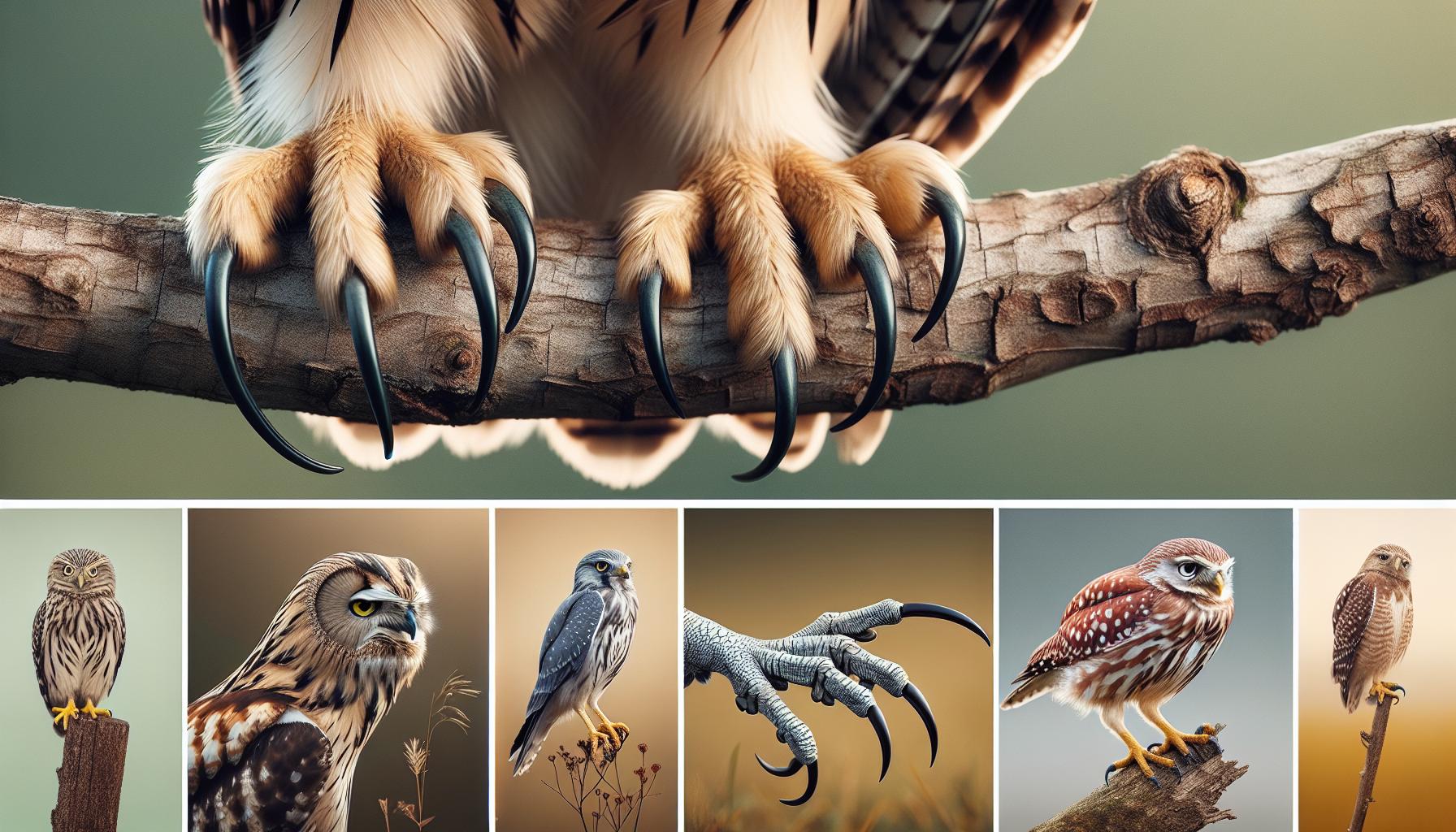
Owls possess a unique grip strength that is particularly striking compared to other birds of prey. Their talons are designed for maximum effectiveness in capturing and retaining prey, making them formidable hunters in the avian world. One key distinction lies in the arrangement and functionality of their talons, which differs significantly from those of eagles or hawks. While eagles boast powerful, large talons ideal for taking down substantial prey and have a slightly less versatile grip, owls emphasize a more nuanced approach to their hunting technique.
Owls primarily rely on a combination of sharp, curved talons and a functional anatomy that allows them to exert a grip force often exceeding four times their body weight. In contrast, the grip strength of a typical hawk’s talons is robust but not as specialized for silent capture. For example, when a Red-tailed Hawk strikes its prey, it mainly depends on the sheer size and power of its talons. Although hawks can also immobilize prey effectively, their hunting usually involves a direct and aggressive approach, relying on visual acuity during daylight hours. In comparison, owls employ exceptional night vision combined with their specialized grip, allowing them to swoop down quietly and grasp their catch with a precise and calculated hold.
### Talon Strength and Adaptation
Considering the broader context of avian adaptations, it’s fascinating to note that owls exhibit variations based on their species and hunting behaviors. The Barn Owl, known for its exceptional nocturnal hunting skills, has elongated talons adapted for quick strikes on soft-bodied rodents. Conversely, the Great Horned Owl possesses thicker, more powerful talons suited for tackling larger prey like rabbits and birds. The nuanced differences in talon design across owl species highlight their evolutionary adaptations to specific ecological niches.
### Grip Force Comparison Table
| Bird Species | Estimated Grip Force | Prey Type | Hunting Style |
|---|---|---|---|
| Great Horned Owl | Up to 5x body weight | Rabbits, Birds | Powerful strikes |
| Bald Eagle | Approximately 3x body weight | Fish, Small Mammals | Aerial dives |
| Red-tailed Hawk | Approx. 3.5x body weight | Rodents, Rabbits | Direct attack |
| Barn Owl | Around 4x body weight | Rodents | Silent gliding |
This table illustrates the comparative grip forces of different birds of prey, highlighting how owls, particularly, have adapted their talons for more specialized challenges in hunting. Understanding these distinctions not only enriches our knowledge of avian biology but also underscores the unique role that owls play in their ecosystems as masterful night hunters. For enthusiasts looking to observe or care for owls, recognizing these differences can enhance your appreciation of their remarkable adaptations and behaviors.
How Strong Are Owl Talons: Grip Tests Explained
The grip strength of owl talons is a remarkable attribute that underscores their prowess as nocturnal hunters. Unlike many birds of prey, owls possess a unique physical structure that allows them to exert substantial grip forces-often exceeding four times their body weight. This adaptability is crucial for their hunting and survival, enabling them to capture and immobilize prey with precision. When we think about testing the strength of an owl’s grip, researchers often leverage various methods to quantify this force accurately, demonstrating just how formidable these birds can be.
In grip tests, scientists typically use controlled environments where owls are encouraged to grasp different objects. These tests measure the pressure exerted by the talons using specialized devices that quantify the force in pounds or kilograms. The tools might include pressure sensors or scales that can record the force during different gripping activities, such as holding onto a perch or grasping prey. This method allows for comparative studies across various owl species, revealing not just average grip strength but how that strength varies with size, age, and even hunting style.
To illustrate, a Great Horned Owl can exert a grip force of up to five times its body weight, showcasing its adaptation for capturing larger prey like rabbits. In contrast, the Barn Owl, with a grip strength around four times its body weight, utilizes its agility and precise talon placement to swiftly dispatch smaller rodents. Understanding these variations not only provides insights into their biology but also serves practical purposes for rehabilitation centers or wildlife conservationists, emphasizing the need for tailored care strategies that accommodate their unique anatomical capabilities.
Overall, these gripping tests reflect the incredible adaptations that owls have evolved to thrive in their ecological niches. By utilizing tailored testing methods, we gain a deeper appreciation for these remarkable birds and the evolutionary pressures that have shaped their hunting efficiency. Whether you’re a bird enthusiast wanting to learn more or a seasoned ornithologist, these insights deepen our knowledge of avian strength and resilience in the wild.
Factors Affecting Grip Strength in Owls
The impressive grip strength exhibited by owls is influenced by several key factors that reflect their evolutionary adaptations and hunting strategies. First and foremost, body size and weight play a crucial role. Larger owls, such as the Great Horned Owl, possess more robust physical structures that enable them to exert greater grip forces-often up to five times their body weight. In contrast, smaller species like the Eastern Screech Owl have less grip strength, which is reflected in their smaller prey choices.
Another significant factor is talon morphology. The shape, length, and curvature of an owl’s talons directly impact their gripping capabilities. For instance, the long, sharp talons of the Barn Owl facilitate quick and precise strikes on small rodents, while broader talons may be adapted for gripping larger prey. Additionally, the muscle anatomy surrounding the talons contributes to grip strength; owls with powerful flexor muscles can secure their hold better, an adaptation crucial for retaining prey during flight.
Habitat and Prey Dynamics
The environment in which an owl resides also affects its grip strength. Owls that hunt in dense forests may develop strong talon grips suited for navigating and capturing prey in such complex habitats. Conversely, those hunting in open fields might evolve different gripping strategies suited to catching faster-moving prey. The availability and type of prey can shape how owls develop their grip strength-specializing in certain hunting techniques will forge distinct evolutionary pathways.
Moreover, age and health are vital in determining grip force. Younger owls may not have fully developed muscle strength, which can diminish their hunting efficiency. Likewise, health issues can lead to decreased grip strength, emphasizing the importance of proper care and nutrition for their development.
To sum up, the grip strength of owls is a fascinating interplay of physical attributes, environmental pressures, and behavioral adaptations. Understanding these factors not only enriches our knowledge of these magnificent birds but also informs best practices for their care in rehabilitation and conservation efforts, ensuring they continue to thrive in their natural habitats.
Behavioral Insights: Talon Use in Hunting
When it comes to hunting, owls are remarkable predators, and their talons play a crucial role in their success. These birds of prey utilize a combination of strength, precision, and technique that ensures they can capture their quarry effectively, no matter the size or environment. Each species has developed unique hunting strategies that are intimately tied to the structure and function of their talons.
Owls primarily hunt at night, relying on their keen sense of hearing and excellent night vision to locate prey. Once they identify a target, they can glide silently towards it, thanks in part to their specialized wing structure that minimizes sound during flight. When they make their strike, their sharp, curved talons are perfectly designed to grasp and immobilize their catch. For instance, the powerful talons of the Great Horned Owl can crush the bones of their prey, while the slender, sharper talons of the Barn Owl allow for quick penetrations into smaller animals such as mice and voles.
Technique and Adaptation
The technique employed by owls in hunting is as varied as the species themselves. Many owls, such as the Eastern Screech Owl, possess a unique advantage due to their zygodactyl toe arrangement-two toes facing forward and two backward-which allows for a vice-like grip. This grip is further enhanced by their rapid reflexes. When capturing prey, they often strike with such force that the impact can stun their catch before they secure it with their talons. This ability to adapt their hunting method based on the prey’s behavior is key to their effectiveness as hunters in diverse environments.
Understanding talon use goes beyond mere capture; it encompasses how owls manage and transport their prey. For example, a Great Horned Owl will often use its powerful talons to carry off larger animals, while smaller owls may prefer to devour smaller prey on the spot. Their talons must not only be strong but also versatile, adapting to the demands of each hunting scenario while maintaining the physical conditioning necessary for such varied exertions.
Knowing how owls utilize their talons in hunting provides essential insights into their ecological roles. They are not just solitary hunters; their behavior influences local prey populations and sometimes even the dynamics of their ecosystems. For anyone interested in birdwatching or wildlife conservation, observing how these fascinating raptors employ their incredible gripping power in the wild is not only exhilarating but also highlights the importance of preserving their habitats. The mastery of their talon use illustrates nature’s design brilliance and the intricate balance within our ecosystems.
Owl Species and Their Unique Talon Features
Owls are often celebrated for their silent flight and nocturnal prowess, but their unique talon features are equally remarkable and essential for their survival. Different species of owls exhibit a variety of adaptations in their talons that enhance their hunting capabilities and enable them to thrive in diverse environments. For instance, the Great Horned Owl boasts powerful, robust talons suited for crushing larger prey, such as rabbits and birds. This species can exert immense grip strength, which aids it in securing substantial meals that would be challenging for smaller owls.
In contrast, the Barn Owl is equipped with long, slender talons that are sharp and efficient for gripping smaller, agile creatures like rodents. The design of these talons allows Barn Owls to penetrate the fur and skin of their prey swiftly, leading to a rapid and humane kill. Moreover, the zygodactyl structure of owl feet-two toes facing forward and two backward-provides a specialized grip that varies across species but generally enhances their ability to hold onto their slippery catch during the chase.
Specialized Talon Features
Let’s dive deeper into how specific owl species adjust their talon features to match their hunting style:
- Eastern Screech Owl: This small owl utilizes a combination of agile flight and strong grip from its zygodactyl toes to capture prey, displaying remarkable dexterity.
- Snowy Owl: With larger feet adapted to snow, its built-in feathers help keep its feet warm, while its powerful talons allow it to capture birds and small mammals efficiently.
- Burrowing Owl: Unique among its kind, this species has adapted to a terrestrial lifestyle. Its shorter, sturdier talons are designed for digging and gripping while hunting on the ground.
The adaptability of talon structure exemplifies the incredible evolutionary traits present in owls. Not all of these features serve the same primary function; some enable hunting efficiency, while others assist in moving across varied terrains, from forest floors to snow-covered plains. Understanding these traits not only enriches our knowledge of owl behavior but also deepens our appreciation for the diverse ecological roles these magnificent creatures play. Each owl’s unique talon attributes reflect its hunting strategy and habitat, showcasing the balance of form and function that characterizes nature’s design.
Talon Strength: Myths vs. Facts
Owls have long captivated our imagination, not just for their ethereal flight but also for their remarkably strong talons. A common misconception is that all owls have uniformly strong gripping power comparable to larger raptors like eagles. In reality, owl talons vary significantly in strength and function relative to the particular hunting needs and prey types of different species. For example, the Great Horned Owl’s talons can exert tremendous grip strength ideal for immobilizing larger prey, while smaller species, like the Eastern Screech Owl, possess grip capabilities tailored for smaller, nimble creatures.
One fascinating fact often overlooked is the zygodactyl structure of owl feet-four toes arranged in a unique pattern-with two facing forward and two backward. This special arrangement not only enhances grasping ability but also helps in stabilizing the grasp on prey, particularly when it is trying to escape. Many believe that once an owl’s talons pierce their catch, the struggle is over, but skilled hunters ensure their prey is firmly secured with precise control during the capture process.
Understanding the nuanced strength of owl talons leads to a deeper appreciation of their ecological role. For instance, the talon adaptations in the Barn Owl are perfect for gripping thin-skinned rodents, showcasing how specific features are evolutionary responses to prey type. Appreciating these differences dispels the myth that all talons are created equal; instead, each species’ unique design reflects its environment, hunting tactics, and dietary needs, painting a broader picture of adaptability in nature.
When caring for pet owls, it is vital to acknowledge their specialized grip requirements. Providing perches that mimic their natural grip patterns not only keeps their talons healthy but also encourages natural behavior. Through understanding and promoting these aspects of talon strength, we can support the health and well-being of these incredible birds, whether in the wild or under human care.
Impact of Grip Force on Owl Ecology
The grip force of an owl’s talons is not merely a tool for capturing prey; it plays a profound role in the overall ecology of these fascinating birds. Owls are often at the top of their food chain, and their ability to effectively hunt is intricately tied to their specialized talon structure. A compelling example can be seen in the Barn Owl, which has evolved sharp, curved talons perfect for grasping small, often elusive rodents. This unique adaptation allows them to thrive in various environments, from farmland to forests, significantly influencing rodent populations and thereby maintaining ecological balance.
The force of an owl’s grip directly impacts its hunting success and survival. Talon strength is crucial for immobilizing prey swiftly, which is especially essential for species that hunt larger animals, such as the Great Horned Owl. These raptors require not just strength but also precision, allowing them to catch swift and agile prey without losing their grip. This adaptability is what sets owls apart in their respective habitats; the differences in gripping capabilities between various species reflect their hunting techniques and dietary needs. For instance, the Eastern Screech Owl may not require the same grip force as the Great Horned Owl, as it primarily targets smaller insects and small mammals.
Moreover, grip strength influences other ecological interactions, like competition. Owls that can successfully secure and retain their prey are more likely to thrive, reproduce, and establish their territory. This competitive edge can lead directly to predator-prey dynamics, controlling the populations of both the prey species and other predators sharing the same habitat. Thus, the variations in grip force among different owl species not only affect their survival but also shape the ecosystem as a whole.
Understanding these dynamics also speaks to how we can support owl populations in the wild. For those who wish to promote owl conservation efforts, recognizing the importance of habitat that fosters the prey species owls hunt is vital. Ensuring that these ecosystems remain intact and thrive helps maintain the intricate balance of nature. In essence, by protecting their habitats and understanding the critical role that grip strength plays within the broader ecological system, we can contribute to the prosperity of these remarkable avian hunters.
Owls in Popular Culture: Symbolism of Strength
The majestic owl, often depicted as a wise and powerful creature, symbolizes strength across many cultures, echoing their natural prowess and impressive hunting skills. With their exceptional grip force, which is essential for capturing and securing prey, owls embody the essence of resilience and adaptability. In literature and art, owls are frequently associated with courage and insight, reinforcing their reputation as formidable hunters. This symbolism is deeply rooted in their sharp, curved talons that allow them to effectively immobilize and control their catch, making these birds not just icons of wisdom but also of raw power.
Owls are often featured in folklore and mythology, representing guardianship and the capacity to see what others cannot-metaphors for strength that can transcend physical might. For instance, Athenian culture revered the Barn Owl as the symbol of Athena, the goddess of wisdom and warfare, portraying both intellect and might. Similarly, in Native American traditions, owls are seen as protectors with the strength to navigate through the dark, guiding their people with unwavering courage and insight.
Moreover, the representation of owls in contemporary media-from animated films to children’s literature-often leans on their strong, determined imagery. They serve as characters who demonstrate fearlessness, using their grip strength metaphorically to tackle challenges and protect their communities. This portrayal draws on their real-life abilities, where the powerful grip of their talons is not merely a tool for survival but a significant aspect of their identity.
In the realm of wildlife conservation, understanding the strength of these remarkable birds can also inspire efforts to protect their habitats. When we appreciate owls for their intrinsic strength, we’re reminded of the vital role they play in maintaining ecological balance. Supporting conservation initiatives ensures that these powerful symbols of strength continue to thrive in our ecosystems, enriching the cultural and natural landscapes we cherish.
Caring for Pet Owls: Understanding Their Talon Needs
Owls are not just fascinating creatures to observe; caring for pet owls involves understanding their unique physical needs, particularly their talons. These powerful claws play a crucial role in their daily lives, from hunting to maintenance of their overall health. As an owner, knowing how to meet the specific needs of your owl regarding its talons will ensure its well-being and happiness.
First, it’s essential to provide a suitable environment that allows for natural talon exercise. Owls need space to perch and engage in activities that keep their claws well-maintained. You can create an enriched habitat by incorporating various perch heights and textures. Natural branches, gravel, and textured surfaces can help wear down their talons naturally, preventing overgrowth and issues such as splayed feet. Regular monitoring is crucial; check their talons for any signs of irregular growth or injury. If you notice overgrown talons, consult a veterinarian specialized in avian care, as professional trimming might be necessary.
Talon Health and Maintenance Tips
In addition to providing the right habitat, diet plays a significant role in maintaining the health of your owl’s talons. A diet rich in nutritional variety-especially good sources of calcium-supports not just strong bones but also robust talon development. Consider supplementing their diet with whole prey items, such as mice or insects, which help in keeping their beaks and talons naturally conditioned through gnawing.
Regular handling of your owl will also help it become accustomed to human interaction while ensuring that its talons are not overly sharp or neglected. Gentle handling can prevent talon-related accidents and familiarize the owl with grooming checks. Be cautious, however; always prioritize the comfort and stress levels of your owl-if they show signs of distress, it’s essential to back off and allow them to acclimate at their own pace.
The unique structure of owl talons-two pointing forward and two backward-allows for exceptional grip strength essential for catching and holding onto prey. Understanding this anatomical feature can guide your training and bonding techniques with your owl. Engaging them in foraging activities or the use of training perches can help reinforce natural behaviors while allowing their talons to remain healthy and functional. This not only enhances their physical well-being but also their mental stimulation, making for a well-rounded pet owl experience.
Exploring Owl Conservation: The Importance of Their Talons
Owls are remarkable creatures, not only for their silent flight and keen eyesight but also for their phenomenal grip strength, an essential aspect of their survival. Their talons, sharp and powerful, are tailored for capturing and holding prey with precision. This gripping ability is not just a fascinating anatomical feature; it plays a crucial role in the conservation of owl species worldwide.
Owls rely heavily on their talons for hunting, making these adaptations vital for their ecological role. A well-developed grip allows them to snatch mice, insects, and even small mammals with ease, ensuring they can find food even in competitive environments. When we consider the decline in some owl populations due to habitat loss and environmental changes, it becomes clear that maintaining healthy talons is essential. Conservation efforts aimed at protecting natural habitats must also focus on preserving the food sources that enable owls to thrive.
Furthermore, understanding the importance of talons extends to rehabilitation efforts for injured owls. When rescuers treat owls, they must prioritize the care and restoration of the talons, as they are crucial for the bird’s ability to hunt and fend for itself once it is released back into the wild. Rehabilitation facilities often implement specialized care routines that not only involve physical treatment but also training to help owls regain their natural gripping abilities.
On a broader scale, the symbolism of owl talons leaps into the realm of culture and conservation awareness. The strength represented by an owl’s grip is often embraced in various cultural narratives, underscoring their role as symbols of wisdom, power, and mystery. Engaging the public in owl conservation-by highlighting the importance of their gripping skills-can foster deeper appreciation and support for protective measures in local ecosystems. Supporting wildlife organizations that focus on habitat preservation and rehabilitation will ensure that future generations can witness these incredible birds in their natural habitats, talons intact and thriving.
Acquiring knowledge about owls and the role their talons play in their ecosystem can encourage each of us to take steps in our own communities to support conservation efforts. Together, we can recognize that protecting these magnificent raptors means ensuring their vital talons remain sharp and effective for generations to come.
Frequently asked questions
Q: How strong are owl claws compared to other birds?
A: Owl claws are notably strong, designed for gripping and immobilizing prey effectively. Unlike many other birds, owls have specialized talons with a powerful grip force, enabling them to catch and hold onto their prey securely during hunting. This gripping capability is crucial for their survival.
Q: What factors affect the grip strength of owls?
A: The grip strength of owls can be influenced by species, age, and physical condition. Larger owls tend to have stronger talons, and young or unhealthy individuals may exhibit reduced grip strength. Environmental factors, such as habitat and available prey, also play a role in their grip capabilities.
Q: How do owl talons function during hunting?
A: Owl talons function as precise tools during hunting, allowing for swift and silent capture of prey. The sharpness and curvature of talons enhance their ability to penetrate fur or feathers, ensuring a secure grip. This anatomical adaptation makes owls exceptionally efficient hunters in various environments.
Q: Can owls retract their claws?
A: Yes, owls can retract their claws to a degree when not in use. This adaptation helps protect their talons from wear and tear, ensuring they remain sharp for hunting. When perched or resting, talons are often slightly curled, conserving energy while maintaining readiness for action.
Q: Are there myths about owl talon strength?
A: Yes, one common myth is that all owls have the same strength in their talons. In reality, talon strength varies significantly among different owl species. Factors such as size, habitat, and hunting techniques contribute to these differences, making some owls more adept at gripping than others.
Q: How does talon strength impact owl ecology?
A: Talon strength plays a crucial role in an owl’s ecological niche. Stronger talons enable them to capture larger prey, influence their role in the food chain, and affect local wildlife populations. This grip strength allows owls to thrive in various habitats, from forests to grasslands.
Q: What should pet owners know about owl talons?
A: Pet owners must understand that an owl’s talons require care to prevent injury and ensure health. Regular inspections and providing appropriate perches can help maintain talon health. Knowledge from sections like “Caring for Pet Owls: Understanding Their Talon Needs” in your article is essential for proper care.
Q: How do owls symbolize strength in popular culture?
A: Owls symbolize strength in various cultures, often representing wisdom and mystery. Their powerful talons and ability to hunt effectively contribute to this perception. For a deeper exploration of this theme, refer to the article section discussing “Owls in Popular Culture: Symbolism of Strength.”
Insights and Conclusions
Now that you understand the incredible strength of owl claws and their unique talon grip, it’s time to dive deeper into the fascinating world of these majestic birds. Did you know that various owl species have different hunting adaptations and behaviors? Explore our articles on “Top 5 Owl Species You Should Know” and “How to Attract Owls to Your Backyard” to enhance your birding knowledge and backyard success.
If you’re as captivated by owls as we are, consider subscribing to our newsletter for the latest insights and tips, or check out our guide on caring for pet owls, if that’s a path you’re considering. Your journey into the avian world doesn’t have to end here. Share your thoughts in the comments below or connect with fellow bird lovers in our community! Remember, every bit of knowledge about these remarkable creatures brings us closer to understanding and preserving their elusive beauty.
Get our latest guides, news, and insights highlighted in your Google Search & AI Overviews.