
Owls have long fascinated us with their mysterious behaviors and striking appearance, but rumors often overshadow their true capabilities. One popular myth claims that these nocturnal birds can rotate their heads a full 360 degrees. In reality, while owls possess unique neck flexibility, the truth is more complex. Understanding the mechanics behind their head movement not only quells misconceptions but also deepens our appreciation for these incredible creatures. Whether you’re a bird enthusiast or just curious about wildlife, exploring the facts behind this myth can enhance your knowledge and enrich your experience in observing these majestic birds. Dive into this article to uncover the truth about owl neck rotation and discover what makes these birds so special!
Can Owls Actually Rotate Their Heads 360 Degrees?
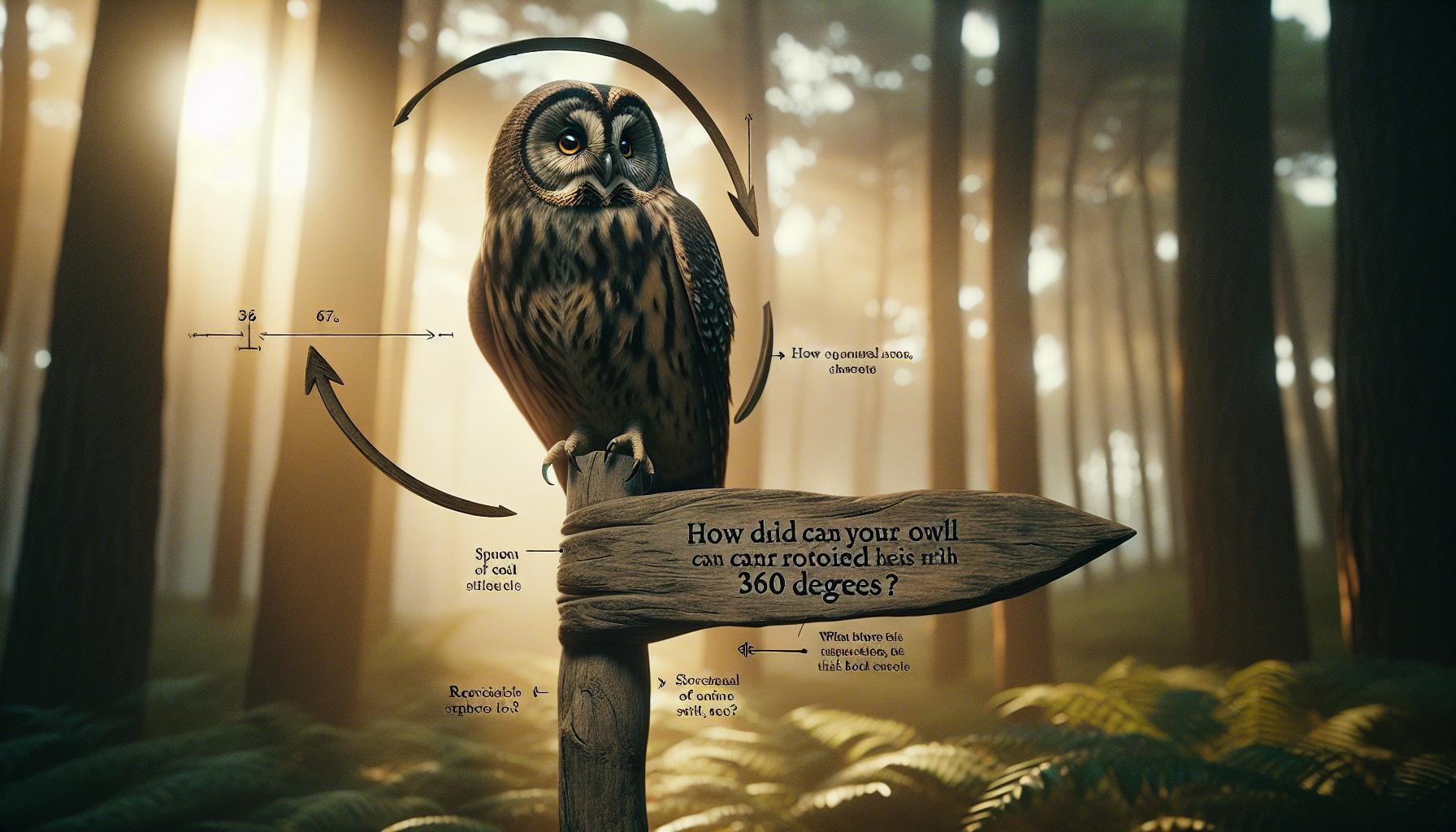
Owls have long captured our imagination with their mysterious demeanor and unique physical traits, leading to some fascinating misconceptions, particularly about their head rotation abilities. It’s often said that owls can rotate their heads 360 degrees, which is a bit misleading. While it’s true that these birds possess an extraordinary ability to turn their heads nearly all the way around, they can’t quite achieve a full 360-degree turn in one smooth motion.
Owls have specialized adaptations in their neck structure that allow for exceptionally flexible movement. They can rotate their heads up to about 270 degrees in either direction. This impressive range is primarily due to their unique anatomical features, including extra cervical vertebrae-owls have 14 compared to the seven found in humans. This adaptability provides them a broad field of vision, crucial for detecting movement and locating prey, even without moving their bodies.
Additionally, owls have a distinct advantage when it comes to their vascular system. Their arteries and veins are structured in a way that prevents damage during extreme head movements. This means that while they can turn their heads extensively, they do so without cutting off blood flow to their brains-a remarkable evolutionary trait! The combination of these anatomical features showcases why owls are such skilled hunters and allows them to maintain awareness of their surroundings without drawing attention to themselves.
The Anatomy Behind Owl Neck Rotation
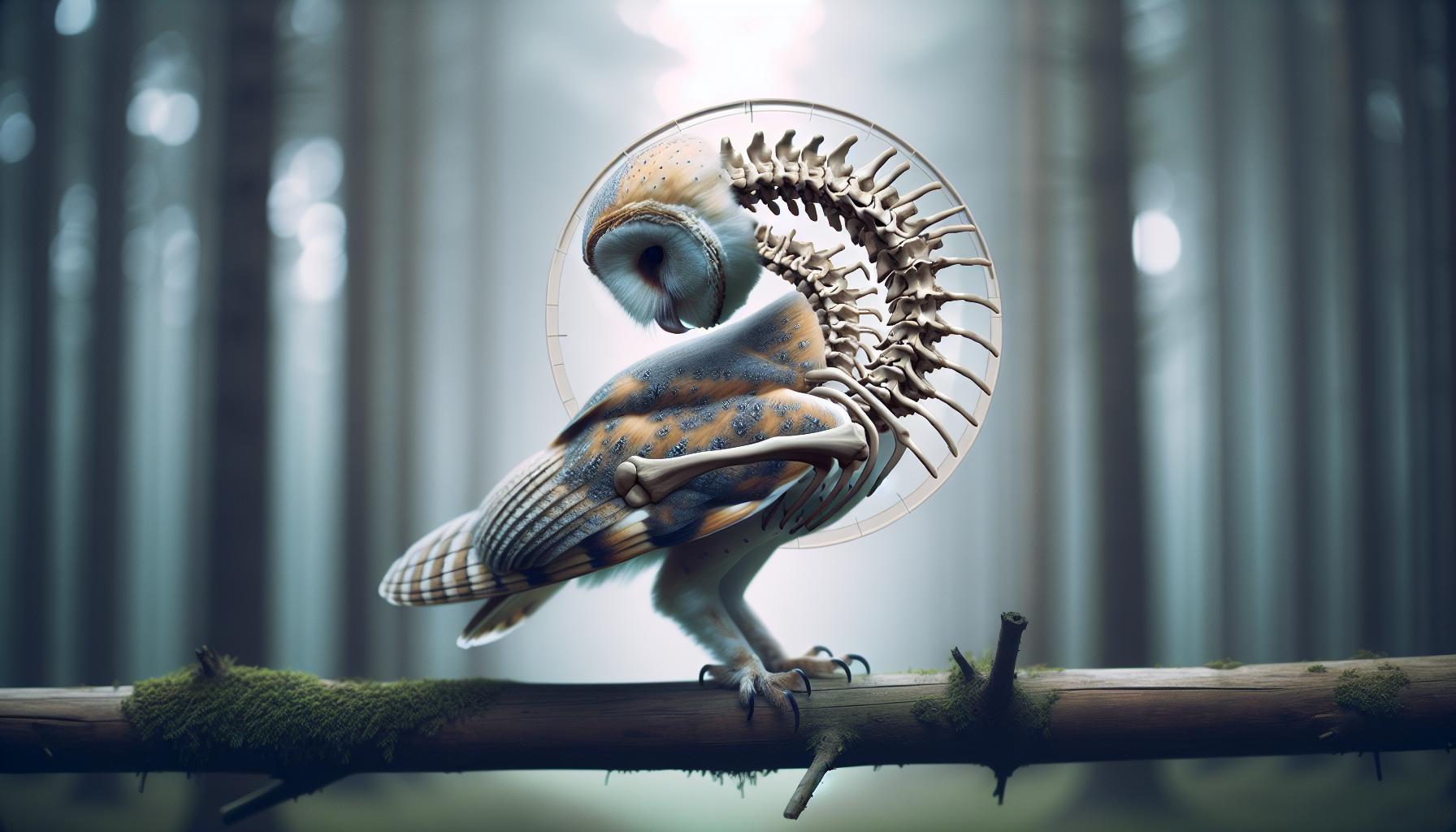
Owls are fascinating creatures, not just for their iconic hoots but also for their extraordinary anatomy. A captivating aspect of their biology is their neck rotation ability, which greatly contributes to their predatory skills. Unlike humans, who possess seven cervical vertebrae, owls benefit from a total of 14 cervical vertebrae. This increased number allows them to turn their heads much further than we can, leading to the common myth that they can rotate their heads a full 360 degrees. In reality, owls can swivel their heads around to approximately 270 degrees in either direction, giving them an impressive panoramic view of their environment.
One of the most intriguing features of an owl’s anatomy that facilitates this remarkable neck rotation is their specialized vascular structure. Owls have a unique arrangement of blood vessels that allows them to rotate their heads without compromising blood flow to their brains. During extreme twisting movements, the vessels can elongate and bend, preventing possible damage. This evolutionary adaptation not only helps them maintain a constant flow of oxygen but also enhances their overall hunting efficiency by allowing them to survey their surroundings with minimal movement of their bodies.
Another key element in this anatomical marvel is how owls have evolved for stealthy hunting. By maintaining a high degree of head mobility, they can detect prey from various angles-all while remaining largely motionless, which is crucial for approaching their unsuspecting targets. Their silent flight combined with the ability to quickly scan their environment gives them a distinct advantage in the wild. Understanding these adaptations sheds light on why owls are often regarded as apex predators in their habitat, and it highlights the intricate balance of form and function that allows birds like them to thrive.
Exploring these aspects of owl anatomy not only enriches our knowledge of these captivating birds but also invites us to appreciate the complexities of evolution that have shaped their unique behaviors. Whether you’re a passionate birdwatcher or a casual observer, recognizing the science behind their movements can significantly enhance your experience and understanding of these enigmatic raptors.
Myths vs. Facts: What Science Says
Owls captivate the imagination, and one of their most intriguing traits is their remarkable head rotation ability. However, a prevalent myth suggests that these birds can turn their heads a full 360 degrees, a notion that has been largely sensationalized in popular culture. In reality, while owls can rotate their heads impressively far-up to about 270 degrees in either direction-they do not possess the ability to spin their heads completely around. This misunderstanding arises from their distinct anatomy and the striking way they can swivel their necks, giving the impression of near-complete rotation.
The anatomy that allows for such remarkable movement lies in the unique structure of an owl’s cervical vertebrae. Owls have 14 cervical vertebrae compared to the seven in humans, enabling them to turn their heads extensively without the same physical limitations. This flexibility is complemented by a specialized vascular system that ensures blood flow to the brain remains uninterrupted during these extreme movements. Essentially, as they twist their necks, blood vessels are designed to elongate and bend, preventing potential injury. This physiological adaptation is not merely an aesthetic feature; it enhances their hunting capabilities, allowing them to detect movement from various angles while remaining still.
Understanding the truth about owls and their head movement can deepen our appreciation for these remarkable birds. Viewing them in their natural habitats, you might notice how they use this ability to scan their surroundings efficiently. When observing an owl, it’s fascinating to see them utilize this neck flexibility to check for potential prey or threats without shifting their bodies, thereby maintaining stealth and surprise.
It’s essential for bird enthusiasts and casual observers alike to debunk these myths. Not only does this knowledge enrich our experience when watching owls, but it also sparks curiosity about their behavior and adaptation in the wild. Owls are not just symbols of wisdom, but also extraordinary creatures finely tuned to thrive in their ecosystems, demonstrating the fascinating complexities of nature.
How Far Can Owls Turn Their Heads?
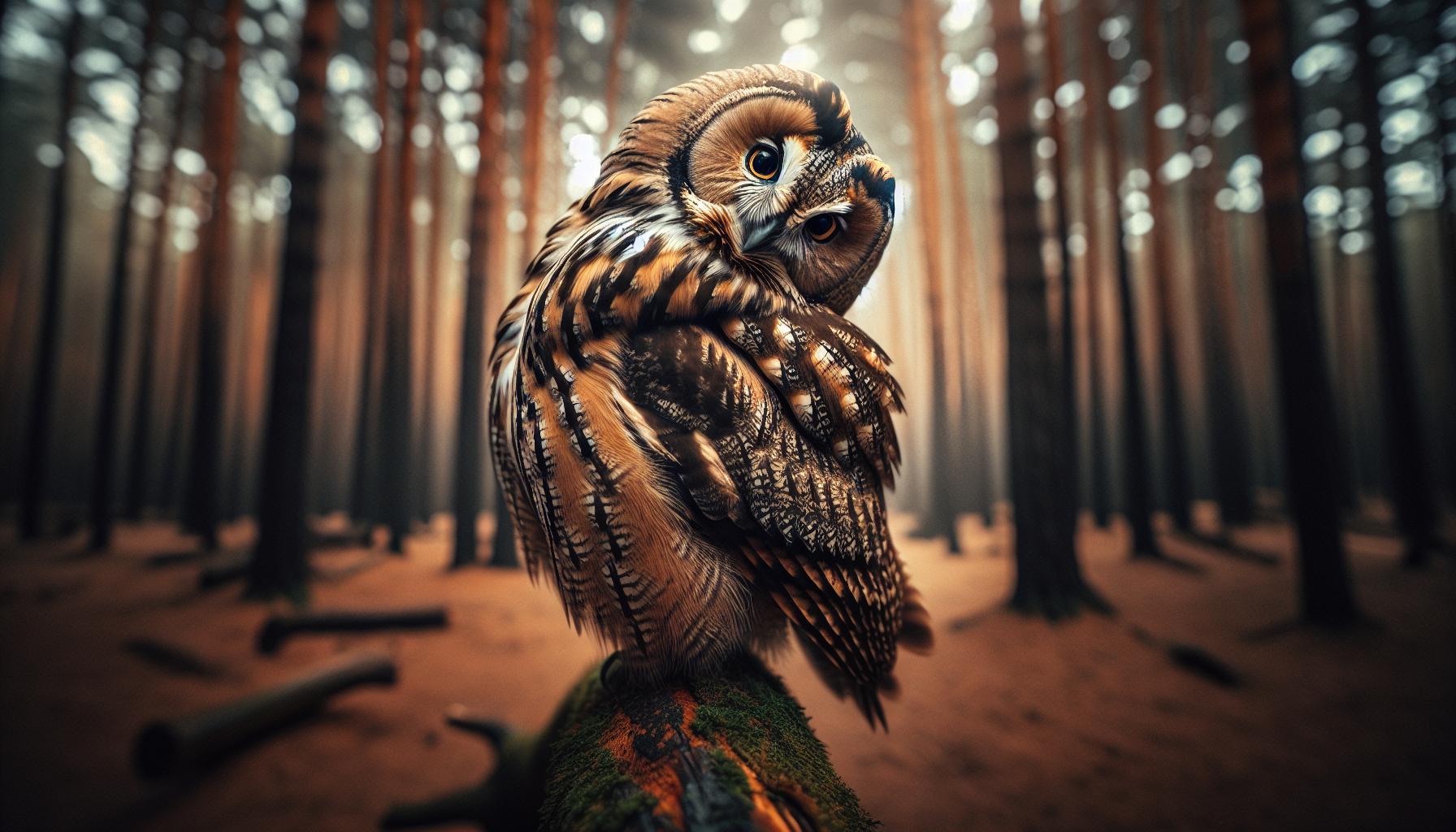
Owls are known for their remarkable ability to see in low light, but their head rotation capabilities are equally fascinating. While many people believe owls can turn their heads a full 360 degrees, the reality is more nuanced. In fact, owls can rotate their heads approximately 270 degrees in either direction, which allows them to survey their surroundings without moving their bodies. This incredible flexibility can often give the illusion of a full rotation, contributing to the myths that surround these birds.
The secret to this impressive range of motion lies in the anatomy of their neck structure. Owls possess 14 cervical vertebrae, which is significantly more than the seven found in humans. This increased number of vertebrae provides the structural support necessary for such extensive head movement. Additionally, the unique design of the owl’s blood vessels plays a crucial role; as they turn their heads, these vessels are able to stretch and bend, ensuring that blood flow to the brain remains constant and uninterrupted. This adaptation not only enhances their ability to monitor their environment but also aids in their predatory strategies.
Birdwatchers and nature enthusiasts often find it exhilarating to observe owls in action. Imagine a great horned owl perched motionless on a branch, its head swiveling silently to scan for movement in the underbrush. Its ability to look around without moving its body makes it a master of stealth-a trait that is vital for both hunting and avoiding potential predation. When you witness this, you’ll appreciate how nature has designed owls to be highly efficient hunters.
For those who are eager to see owls in their natural habitat, it can be rewarding to spend quiet evenings in wooded areas or around wetlands at dusk. Listen for their distinctive calls and watch for their characteristic head movements. Understanding the reality of their head rotation not only enriches your experience but also fosters a deeper respect for these extraordinary birds and their role in the ecosystem.
Understanding Owl Vision and Head Movement
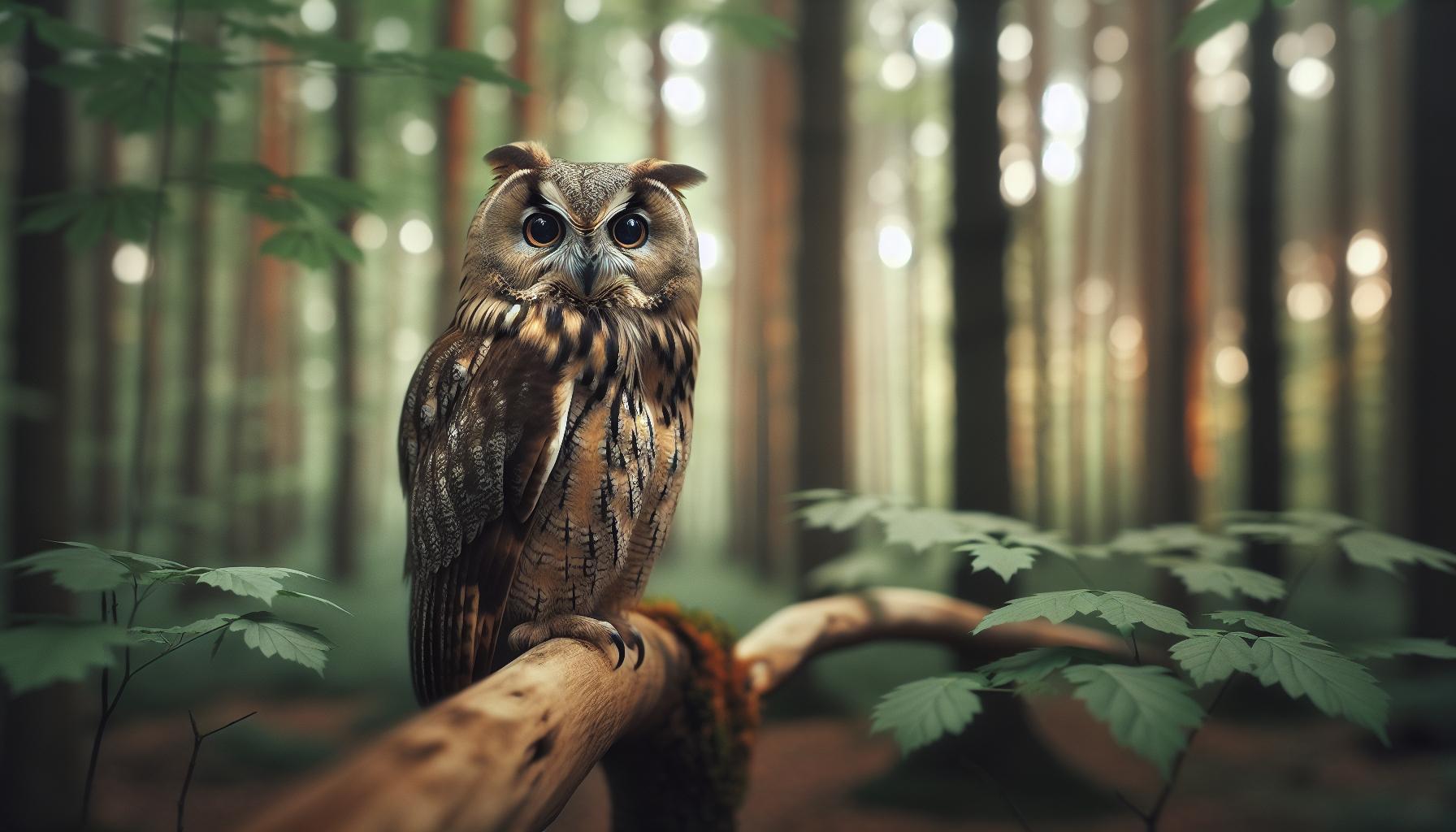
Owls are truly remarkable creatures, renowned not only for their exceptional night vision but also for their unique head rotation capabilities. When it comes to understanding how owls interact with their environment, their vision and head movement are intricately linked, playing a critical role in their predatory behavior. Unlike most birds, owls have eyes that are fixed in their sockets, compelling them to rely on head movement to expand their field of view. This adaptation, combined with their ability to rotate their heads up to 270 degrees, allows them to effectively locate prey without needing to reposition their bodies, making them formidable hunters.
The composition of an owl’s vision is finely tuned for nocturnal activities. Owls possess a high density of rod cells in their retinas, which enhances their ability to see in low-light conditions. This night vision is complemented by their exceptional ability to detect motion, aiding them in spotting small mammals or other creatures that may escape the notice of a predator with conventional vision. When combined with their head movement capabilities, owls maximize their visual acuity while remaining perfectly still-an ideal strategy for ambush hunting.
When observing owls in the wild, you might notice them scanning their surroundings intently, turning their heads with fluid motion. This behavior not only helps them find food but also serves as a crucial defensive mechanism against potential threats. Their large, forward-facing eyes give them excellent depth perception, enabling them to accurately judge distances while hunting. As you watch an owl shift its gaze from side to side, take a moment to appreciate how this silent observer utilizes both its keen eyesight and impressive head rotation to navigate the darkness.
In addition to their physical adaptations, owls exhibit fascinating behavioral traits influenced by their vision and mobility. For instance, a perched owl may remain motionless for extended periods, its head rotating silently to monitor the environment. This stealthy approach is critical, especially when they are on the prowl for dinner. To enrich your own observation experience, consider visiting areas where owls are known to hunt, particularly during twilight when these birds are most active. Pay attention to how they move and look around-each head turn and slight shift reflects their mastery of their environment, a skill honed through millions of years of evolution.
Why Do Owls Need Such Flexibility?
Owls are not just remarkable because of their ability to hunt in the dead of night; their impressive neck flexibility plays a pivotal role in their survival. Unlike most birds, owls have large, fixed eyes that restrict their ability to see without moving their entire heads, which is where their extraordinary head rotation comes into play. With the ability to turn their heads up to 270 degrees, they can effectively survey their surroundings, spot potential prey, and remain aware of threats-all without the need to shift their bodies.
This degree of movement is crucial for their hunting strategy. As ambush predators, owls rely heavily on stealth, often remaining motionless while scanning for movement in their environment. Their flexible necks allow them to keep a low profile while still maintaining a wide field of vision. For instance, in a dense forest, an owl can quietly monitor the ground for rustling leaves or small movements, making it incredibly efficient at locating potential meals.
Moreover, this neck flexibility isn’t just about hunting; it serves as a defense mechanism. By being able to swiftly and silently survey their surroundings, owls can detect predators or other threats more effectively. Their ability to rotate their heads without moving their bodies also helps them stay hidden and less conspicuous, allowing them to blend into their environments.
Understanding this flexibility can deepen our appreciation for these majestic birds. When observing owls in the wild, witnessing how they pivot their heads to scan for food or threats provides insight into their evolutionary adaptations. To truly appreciate this unique feature, consider visiting areas with owl populations during twilight hours and watch how these extraordinary creatures utilize their remarkable neck movement to thrive in their habitats.
Famous Owl Species and Their Unique Features
Owls captivate us not only with their haunting calls and silent flight but also with their incredible adaptations that enhance their hunting skills and survival. Among these, their unique ability to rotate their heads significantly aids in their nocturnal lifestyle. Different species of owls showcase unique features that enhance this remarkable head rotation and overall functionality in their habitats.
The Great Horned Owl is perhaps one of the most iconic species, known for its striking tufts resembling ears. This nocturnal hunter can rotate its head about 270 degrees, allowing it to maintain a watchful eye for both prey and predators alike. With large, powerful talons and an astounding hunting ability, this owl primarily feeds on mammals and can adapt to diverse environments, from forests to urban areas.
In contrast, the Barn Owl features a distinct heart-shaped face that enhances its hearing capability-a critical asset for hunting in complete darkness. This species typically remains motionless in a location until it spots movement. Its extraordinary neck flexibility complements this hunting strategy, as it can pivot its head toward sounds, increasing its accuracy in locating prey.
The Eastern Screech Owl, though smaller, exhibits impressive camouflage abilities with its feathering, which mimics tree bark. It rotates its head adeptly to blend into its surroundings, keeping a low profile while efficiently scanning for food. This adaptability allows it to thrive in various habitats, from suburban backyards to dense woodlands.
For enthusiasts and field observers, recognizing these distinctive traits among famous owl species can enhance one’s birdwatching experience. To distinguish between owls, consider their size, feather patterns, and calls, as each species contributes uniquely to the ecosystem. If you’re looking to encounter these magnificent birds, consider visiting local wildlife reserves during twilight hours. Observing how they utilize their exceptional neck mobility not only broadens your understanding of their behavior but deepens your appreciation for their role in nature.
In caring for owls, whether in a sanctuary or rehabilitation context, understanding their species-specific needs is crucial. Each type of owl requires a precise environment that mimics their natural habitat, emphasizing the importance of both space and sensory enrichment. By learning about these remarkable creatures, we can appreciate their unique adaptations and advocate for their conservation in the wild.
Caring for Owls: What You Should Know
Owls are remarkable creatures, not only for their haunting calls and silent flight but also for their fascinating anatomy that supports their dynamic hunting styles. Caring for these birds, whether in a sanctuary, rehabilitation center, or as a pet, requires a deep understanding of their unique needs and behaviors. Each owl species presents distinct characteristics that should be considered when providing proper care and enrichment.
To start, maintaining a suitable habitat is crucial. Owls need spacious enclosures that mimic their natural environments to allow for movement and mental stimulation. For example, a Great Horned Owl requires more space to accommodate its larger wingspan and energetic nature, while a smaller species, like the Eastern Screech Owl, can thrive in slightly compact settings as long as they have hiding places. Vertical space is just as important as horizontal space; owls enjoy perching high, so tall enclosures with various levels are ideal.
Diet and Nutrition
Feed your owls a balanced diet that closely resembles their natural food sources. Owls are primarily carnivorous, so providing a mix of whole prey items like mice, rats, and insects is essential. It’s vital to avoid processed foods and ensure that they’re receiving all necessary nutrients. Monitor their weight regularly, as obesity can lead to health issues.
Behavioral Enrichment
Understanding the behaviors of owls enhances the care you provide. These birds are highly intelligent and require stimulation to prevent boredom, which can lead to destructive behaviors. Consider incorporating the following enrichment activities:
- Interactive toys that mimic hunting experiences.
- Scavenger hunts using food hidden in various spots.
- Natural items such as branches and logs for perching and hiding.
By observing their preferences and play behaviors, you can tailor enrichment activities to their specific interests.
Health Monitoring
Regular veterinary care is essential for maintaining an owl’s health. Routine check-ups can help catch any potential issues early, promoting a long and healthy life. Signs of illness in owls may include changes in feeding habits, unusual vocalizations, or lethargy. It’s important to familiarize yourself with these signs and maintain a close relationship with an avian veterinarian.
Owls not only symbolize wisdom in various cultures but also play vital roles in ecosystems as predators. By fostering an environment that respects their needs and behaviors, we contribute to their preservation and help these stunning creatures thrive. If you’re considering caring for an owl, remember that understanding their unique traits will enhance your experience and their welfare.
Cultural Significance of Owls in Folklore
Owls have long fascinated humanity, inspiring countless myths and stories across different cultures around the world. Known for their nocturnal habits and distinctive calls, these birds are often associated with wisdom, mystery, and the supernatural. Many cultures interpret the owl’s ability to turn its head significantly and see in the dark as symbolic of deeper knowledge or insight, making them mystical creatures in folklore. For example, in ancient Greece, the owl was a sacred symbol of Athena, the goddess of wisdom, and thus came to represent intellect and enlightenment.
The belief that owls possess otherworldly qualities is prevalent in various narratives. In some Native American cultures, owls are seen as messengers or harbingers of change, signaling transitions in life or alerts of danger. Conversely, in other cultures, they may be associated with death or misfortune, reflecting a duality in their cultural perception. These contrasting views highlight how owl behaviors, including their head rotation and solitary nature, can be interpreted in multiple ways, often creating an air of intrigue and superstition around them.
Furthermore, the owl’s unique anatomical features have inspired stories that embellish their attributes. The myth that owls can rotate their heads a full 360 degrees is a prime example of such exaggerations. In reality, while owls can turn their heads up to 270 degrees, this head rotation plays a crucial role in their hunting strategy and navigation. The expansive head movement complements their large eyes that cannot move in their sockets, allowing them to survey their surroundings more efficiently.
In caring for owls, understanding their cultural significance can influence how we engage with these remarkable birds and communicate their needs. Incorporating these cultural aspects can enrich educational programs in wildlife conservation, fostering a deeper appreciation for their ecological roles and the myths surrounding them. By sharing these stories and insights, we not only honor their heritage but also help demystify the truths about their biology and behavior, bridging the gap between folklore and scientific understanding.
Top Questions About Owl Behavior Answered
Owls captivate our attention not just with their wide eyes and nocturnal grace, but also with their remarkable ability to move their heads in ways that seem almost magical. As one of nature’s masterful adaptations, the intricacies of owl head movement raise a host of questions among bird enthusiasts and curious minds alike. To get to the heart of some of these queries, let’s explore the intricacies of owl behavior and the truths behind their fascinating anatomy.
To begin with, it’s essential to address a common misconception: while owls can rotate their heads impressively, they do not possess the mythical ability to turn them a full 360 degrees. Instead, most owl species can rotate their heads about 270 degrees. This remarkable flexibility is facilitated by the unique structure of their neck vertebrae-owls have 14 neck vertebrae, twice as many as humans, allowing for more significant twisting and turning. This ability is particularly beneficial for their hunting strategies, as it enables them to scan their surroundings without moving their bodies, which might alert potential prey.
Many wonder why owls need such an extraordinary range of motion. The answer lies in their physiology and ecological needs. Since owls have large eyes that are fixed in their sockets, they require ample head movement to broaden their field of vision. This allows them to detect subtle movements in their environment, crucial for spotting potential prey in the dark. Moreover, the head’s flexibility helps owls maintain a stealthy approach, enhancing their efficiency as hunters.
Regarding their behavior, another frequently asked question centers around the social dynamics of owls. While many might think of owls as solitary creatures, their social structures can be quite complex, varying significantly among species. For instance, some species, like the great horned owl, prefer a solitary lifestyle, while others, like the burrowing owl, may engage in communal living. Additionally, during the breeding season, many owls become highly vocal, using a variety of calls to communicate and establish territory.
In caring for owls, whether in a rehabilitation setting or as part of a conservation program, understanding these behavioral traits is crucial. Providing a suitable environment that mimics their natural habitat will help facilitate their natural behaviors, including hunting and social interaction. By taking the time to educate others on these aspects, we contribute to a more profound respect and appreciation for these incredible birds.
Ultimately, the questions surrounding owl behavior not only deepen our understanding of these mysterious creatures but also enrich our encounters with them in the wild. Whether you’re a seasoned birder or a newcomer eager to learn, delving into the world of owls reveals a wealth of insights that enhance our connection with nature.
The Impact of an Owl’s Head Mobility on Hunting
Owls possess a remarkable ability that significantly enhances their hunting prowess: their exceptional head mobility. Unlike most birds, the unique anatomical structure of owls allows them to rotate their heads up to an impressive 270 degrees. This adaptability plays a crucial role in their hunting strategy, enabling them to scan their environment for prey without having to shift their entire body-a key advantage since movement can startle unsuspecting animals.
This head movement is particularly important for owls due to their fixed eye sockets. Unlike humans, who can move their eyes to gain a broader field of vision, owls compensate for their large, unmovable eyes by utilizing their flexible necks. When an owl spots potential prey, it can pivot its head silently to focus on the target without drawing attention to itself. This stealthy approach is vital in their predatory behavior, allowing for the element of surprise, which is often the difference between a successful hunt and going hungry.
Moreover, the ability to rotate their heads provides owls with enhanced depth perception and the ability to judge distances accurately. This skill is essential when swooping down to capture fast-moving prey, such as rodents or small birds. For example, the great horned owl, known for its exceptional hunting skills, often relies on its keen auditory senses and wide head rotation to detect and track prey even in dense vegetation or low light conditions.
In caring for owls, whether in rehabilitation or conservation, understanding their hunting mechanics and behaviors is essential. Providing an environment where they can exercise this unique mobility will aid in their physical and psychological well-being, ensuring they maintain their natural hunting instincts. Observing them in action offers valuable insight into the complex dynamics of predator-prey interactions in nature, enriching both personal experiences and broader wildlife appreciation.
Encounters with Owls: What You Might Observe
Owls, with their enigmatic eyes and silent flight, offer captivating encounters that can leave anyone in awe. Observing these majestic birds in their natural habitat is not just about witnessing their beauty; it’s a deep dive into the intricate mechanics of their world. When you encounter an owl, pay close attention to how it navigates its environment. You might see an owl perched high on a branch, swiveling its head, scanning the surroundings with an almost eerie precision-a testament to its remarkable anatomy.
During your encounters, you might be lucky enough to witness the different behaviors exhibited by various owl species. For example, the Barn Owl is known for its heart-shaped face and excellent night vision. You might observe it gliding silently through fields at dusk, its head turning fluidly to capture the faintest sounds of rodents scurrying in the grass. In contrast, the Great Horned Owl is often found in urban settings and might not shy away from human presence. Its ability to camouflage against tree bark makes it a challenge to spot, but once you do, you could see its impressive head rotation keeping watch for potential threats or prey.
To enhance your chances of encountering owls, consider the time of day. Owls are primarily nocturnal, so early evenings are ideal for observations. Bring binoculars for a closer look without disturbing them. If you’re in the right place at the right moment, you might catch a glimpse of an owl swooping down in a hunt, showcasing its impressive head swivel and remarkable depth perception.
Moreover, every owl interaction offers an opportunity to learn about their role in folklore and mythology. In many cultures, owls symbolize wisdom, mystery, and even protection. Observing an owl can be a mystical experience, often igniting curiosity about these fascinating creatures and encouraging us to learn more about their behaviors, habitats, and conservation needs. By taking notes during your encounters, you can contribute to the broader understanding of owl populations and engage with local ornithological communities.
Next time you find yourself in a potential owl habitat, immerse yourself in the experience-armed with knowledge, patience, and respect for these incredible birds.
Q&A
Q: Can owls really turn their heads all the way around?
A: No, owls cannot turn their heads 360 degrees. While they can swivel their necks about 270 degrees, this flexibility helps them see in a wide range without moving their bodies, crucial for hunting and spotting predators.
Q: Why are owls’ necks so flexible?
A: Owls have a specially adapted neck structure that allows for extensive rotation. This unique anatomy compensates for their immobile eye sockets, enabling them to have a broad field of vision which is essential for tracking prey and assessing threats.
Q: How do owl necks differ from human necks?
A: Owls have more neck vertebrae than humans-14 compared to 7-allowing for greater rotation. This anatomical difference provides them with exceptional neck mobility, vital for their predatory lifestyle.
Q: What adaptations help owls see better in low light?
A: Owls have larger eyes relative to their head size, designed for low light conditions. Their eyes contain more rod cells, enhancing their night vision, which is further aided by their ability to rotate their heads to scan for movement.
Q: Can owls move their eyes like humans?
A: No, owls cannot move their eyes side to side because their eyes are fixed in place. This is why their neck flexibility is crucial; they must turn their heads to look around rather than shifting their gaze.
Q: Do all owl species have the same head rotation ability?
A: While all owls possess significant neck rotation, some species might show variations based on size and habitat. Generally, their head mobility aids in their specific hunting and survival strategies.
Q: Why do owls need to rotate their heads so much?
A: Owls require head rotation to compensate for their inability to move their eyes. This adaptation allows them to detect prey and threats effectively while remaining still and camouflaged, enhancing their hunting efficiency.
Q: How does an owl’s head rotation affect its hunting technique?
A: An owl’s extensive head rotation allows it to scan the environment for prey silently. This ability enhances their stealth approach as they can locate and target sounds and movements without exposing their position.
In Conclusion
Thanks for watching our deep dive into the fascinating world of owls! Now that we’ve clarified the myth about their head rotation, you might be wondering how else these incredible creatures navigate their environment. Explore our related articles on “Common Owl Species and Their Unique Habitats” and “How to Spot Owls in Your Area” for more insights.
Don’t forget to leave a comment below sharing your thoughts or any other owl myths you’ve heard! If you’re interested in birdwatching tips or want updates about our latest articles, subscribe to our newsletter for exclusive access to expert guides. Your adventure into ornithology starts here-let’s keep the conversation going!
Remember, while owls can’t turn their heads 360 degrees, their unique adaptations make them some of nature’s most remarkable birds. Keep exploring, and who knows what other myths we can bust together!
Get our latest guides, news, and insights highlighted in your Google Search & AI Overviews.










