
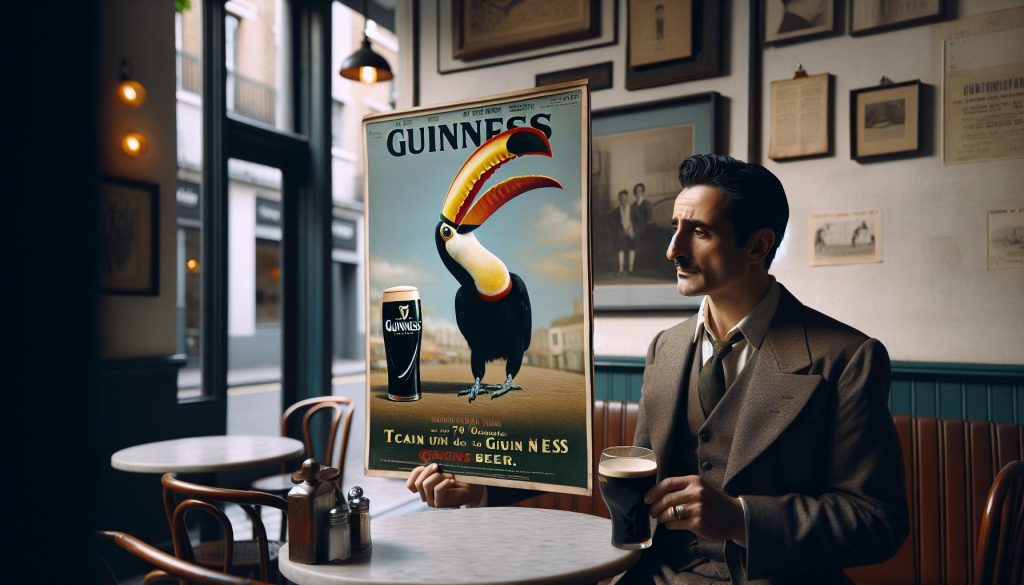
Did you know that the toucan, with its vibrant beak and striking colors, has become an iconic symbol for Guinness? This intriguing association stems from a fascinating history that intertwines marketing ingenuity and cultural significance. Exploring why the toucan represents this beloved Irish stout not only reveals insights into branding strategies but also highlights the bird’s role in promoting a sense of fun and adventure. As we delve into this topic, you’ll discover how the toucan’s unique traits echo the spirit of Guinness, making it more than just a mascot-it’s a bridge between nature and the world of brewing. Join us as we uncover the history behind this colorful connection and the impact it has made over the years!
The Cultural Significance of the Toucan in Advertising
The toucan, with its vibrant colors and distinctive bill, has etched itself into the fabric of advertising culture, notably as the mascot of Guinness. This association goes beyond mere aesthetics; it encapsulates a playful yet sophisticated persona that resonates deeply with audiences. Often viewed as symbols of exoticism and vibrancy, toucans have become visually appealing representations in the marketing landscape, especially for beverages looking to convey notions of quality and allure.
Symbolism and Brand Identity
At its core, the toucan embodies qualities that brands aspire to convey. The bird’s playful nature aligns seamlessly with the message of enjoyment and leisure that companies like Guinness wish to project. Moreover, its bright plumage and large beak serve as eye-catching elements that draw consumers in, making the toucan an ideal figure for capturing attention in a crowded market. This cultural significance is not merely visual; it’s a psychological hook that evokes feelings of joy, adventure, and a taste for the finer things in life.
The Evolution of Toucan Marketing
Historically, the toucan’s role has evolved as brands leverage nostalgia and modern aesthetics to remain relevant. As advertising methodologies have shifted, so has the portrayal of the toucan. Traditional images focused on the bird’s exotic aspects, while contemporary interpretations might infuse humor or absurdity, appealing to younger audiences. The adaptation of the toucan in various media showcases the character’s versatility and ensures its longevity in brand storytelling.
Through the decades, the toucan has grown from a simple mascot into a cultural icon, illustrating how effective marketing can transform wildlife into symbols of consumer satisfaction. With a legacy rooted in creativity and engagement, the toucan’s journey in advertising is a testament to the enduring power of combining design with messaging that resonates on multiple levels.
Tracing the Origins of the Toucan Logo
The toucan’s journey as a logo for Guinness is a fascinating tale that merges creativity with strategic branding. At the heart of its origin lies the desire to embody a specific image of quality and sophistication. The iconic toucan first appeared in the Guinness advertisements of the 1930s, cleverly chosen to represent the brand’s commitment to excellence and uniqueness. This was a time when companies began exploring animal mascots more earnestly, but the toucan’s vivid colors and remarkable beak allowed it to stand out in an increasingly competitive market.
The initial design came about through the efforts of advertising agency S.H.Benson, which sought to create an endearing and memorable character that would resonate with consumers. The concept of the toucan was tied closely with the idea of familial warmth and enjoyment, fitting perfectly with the social nature of drinking beer. In an era when graphics were less vibrant, the toucan’s flamboyant appearance created a visual hook that captured attention and evoked curiosity about the beverage. The juxtaposition of the bird’s exotic nature against the traditional image of stout beer sparked a sense of adventure, encouraging drinkers to explore new experiences.
Over the decades, this logo’s success has prompted various artistic interpretations, yet it consistently maintains the original ethos of quality and enjoyment. Users and marketers alike have embraced the toucan not just as a mascot, but as a symbol. Its presence has been embraced in campaigns spanning generations, illustrating not just the brand’s history but also its enduring appeal in popular culture. The toucan remains a colorful reminder of how a single logo can encapsulate a brand’s character while continuously evolving to keep pace with modern tastes and sensibilities.
As brands today reflect on their identities, the toucan stands as a timeless example of effective mascot marketing, proving that vibrant imagery combined with a deep understanding of consumer psychology can yield a memorable and lasting connection.
Significant Moments in Guinness Marketing History
The evolution of Guinness marketing history is filled with significant moments that not only shaped the brand’s identity but also positioned the toucan as a quintessential symbol of quality and enjoyment. One of the first memorable campaigns featuring the toucan began in 1935, showcasing the bird’s vibrant appearance alongside the company’s slogan, “My Goodness, My Guinness.” This clever tagline not only highlighted the beer’s unique taste but also created an endearing association with the toucan, making it memorable for consumers.
Throughout the decades, the toucan has appeared in various campaigns, each time reasserting its role as a beloved mascot. For instance, during the 1950s, the toucan was featured in television commercials that emphasized the joy of sharing a Guinness, reinforcing its image as a drink for social gatherings. This was crucial in enhancing the brand’s appeal during a time when television was becoming the dominant advertising medium. The bright colors and playful demeanor of the toucan captured audiences’ attention, leading to increased brand recognition.
Moreover, the toucan’s significance reached new heights in the 1980s and 1990s when Guinness actively leveraged humor in its campaigns. Advertisements depicted the toucan in various comedic situations, highlighting its fun-loving nature while remaining associated with the premium quality of the beer. This strategy appealed to younger audiences and helped Guinness maintain relevance in a highly competitive market, proving that effective marketing can adapt over time without losing its core identity.
In recent years, Guinness has continued to innovate with its use of the toucan, tapping into modern social media channels to engage with a new generation. The brand uses the toucan not just as a logo, but as a narrative device, weaving it into stories that resonate with consumers’ values and experiences. This evolution showcases how a historically rich character can adapt to contemporary expectations, ensuring the toucan remains an integral part of Guinness’s marketing strategy while continually symbolizing the brand’s commitment to quality and enjoyment.
How the Toucan Became a Symbol of Quality
The toucan’s vibrant colors and distinctive shape do more than just captivate the eye; they embody the essence of quality that Guinness has come to represent over decades of marketing. This unique bird, characterized by its large, colorful bill, became synonymous with premium products, particularly Guinness beer. The strategic choice of the toucan as a mascot was not merely aesthetic but deeply rooted in the values that Guinness wished to convey-exclusivity, enjoyment, and a touch of playfulness.
When the toucan made its debut in Guinness advertisements in the 1930s, it immediately established a connection between the brand and the concept of high-quality, enjoyable moments. Campaigns featuring the toucan cleverly communicated the idea that Guinness was not just a beverage but a key ingredient for social experiences. Taglines like “My Goodness, My Guinness” paired with imagery of the toucan enjoying a pint allowed consumers to associate the bird’s joyful demeanor with the pleasure of drinking Guinness, reinforcing its role as a symbol of quality.
Over the years, the portrayal of the toucan adapted to reflect societal trends while remaining a constant reminder of the premium nature of Guinness. For example, humor-driven advertisements in the 1980s and 1990s showcased the toucan in whimsical scenarios that appealed to younger audiences, but always with an underlying message about the drink’s quality. This clever usage not only kept the toucan fresh and relevant in consumers’ minds but also solidified its status as a quality emblem within the competitive landscape of beverage marketing.
In contemporary marketing efforts, Guinness has leveraged modern media to further develop the toucan’s association with quality. Utilizing social media storytelling, the brand continues to highlight the toucan’s character in relatable and often heartwarming narratives, allowing consumers to see themselves enjoying moments enhanced by Guinness. Thus, the toucan remains not just a logo but a vibrant, living symbol that encapsulates the essence of quality and the joy of sharing experiences with others.
Exploring the Artistic Representations of the Toucan
The distinctive artistic representations of the toucan have played a crucial role in forging its association with Guinness, as well as contributing to the wider visual culture of advertising. The toucan’s vibrant plumage and iconic silhouette make it a standout figure, effortlessly capturing attention and embodying a playful charm that appeals to various demographics. This charismatic bird has served not only as a logo but also as a symbol of enjoyment and social connection, which are integral to the Guinness brand.
From its introduction in the 1930s, the toucan was depicted in various imaginative scenarios, often enjoying a pint of Guinness in settings that emphasize camaraderie and celebration. Artists have consistently portrayed the toucan with an exaggerated, whimsical flair-highlighting its oversized bill and lively expressions. This artistic flourish aligns well with the brand’s marketing goals, emphasizing the idea that Guinness is not merely a drink but a catalyst for joyful experiences shared with friends. Such creative portrayals help the toucan transcend mere commercial representation, evolving into a cherished cultural icon.
Visual Evolution
Over the decades, the artistic renderings of the toucan have adapted to reflect contemporary sensibilities. In the 1980s and 1990s, for instance, advertising campaigns embraced humor and the surreal, showcasing the toucan in outlandish settings yet always reinforcing the same core message of quality and enjoyment. This evolution illustrates not just a response to changing consumer tastes but also a strategic alignment with the broader trends in advertising, where humor and relatability can foster stronger connections with audience members.
Moreover, the transition to digital media brought fresh opportunities for artistic exploration. Today’s campaigns often incorporate user-generated content featuring the toucan, allowing consumers to participate in the narrative, thereby deepening their emotional ties with the brand. By blending traditional artistic representations with modern storytelling techniques, Guinness keeps the toucan relevant and engaging, ensuring its continued status as a powerful emblem of the brand’s identity.
The collaborative efforts of various illustrators have also shaped the toucan’s image, each contributing their unique style while maintaining the core characteristics that make the toucan instantly recognizable. The range of artistic expression-from vintage illustrations reminiscent of classic cartoons to sleek, modern graphics-reflects a dynamic interplay between tradition and innovation, inviting consumers to see the toucan not just as a mascot, but as a beloved character woven into the fabric of social enjoyment that Guinness represents.
The Impact of the Toucan on Brand Identity
The toucan has become an indelible part of Guinness’s brand identity, serving not just as a logo but as a beacon of enjoyment, social connection, and quality. This vibrant bird, known for its eye-catching colors and distinctive beak, first emerged in advertising campaigns in the 1930s and quickly morphed into a cultural symbol synonymous with the enjoyment of life and the finer things-like a cold pint of Guinness. The toucan’s cheerful personality and playful portrayals have allowed it to resonate with audiences across generations, inviting consumers to associate Guinness with moments of camaraderie and celebration.
One of the key aspects of the toucan’s impact on brand identity is its ability to embody the essence of dear social rituals. The imagery often depicts the toucan in lively, engaging scenarios-sipping a pint with friends or enjoying a sunny day in the park. These whimsical presentations not only enhance the visual appeal of marketing materials but also deepen consumer connections to the brand, transforming the act of drinking Guinness into a joyful occasion. This strategy effectively positions the brand as a facilitator of good times, all while maintaining high standards of quality intrinsic to Guinness.
The toucan’s evolution through various artistic styles-from classic illustrations to contemporary digital formats-has further solidified its role in the display of brand identity. Each artistic rendition continues to honor the toucan’s legacy while appealing to modern sensibilities, showcasing Guinness’s adaptability in a rapidly changing market. Moreover, user-generated content involving the toucan also allows customers to play a part in the narrative, fostering a sense of community and shared experience around the product. By engaging consumers in this manner, Guinness not only reinforces the toucan’s status but also ensures that it remains relevant in an increasingly digital world.
Ultimately, the toucan transcends the role of a mere mascot; it has become a cultural icon representing an ethos synonymous with joy, friendship, and quality. The marketing genius behind incorporating such an appealing figure into the brand’s identity has proven essential in building a lasting emotional connection with consumers, ensuring that the toucan will continue to soar as an emblem of the Guinness spirit for years to come.
Comparison with Other Iconic Beverage Mascots
The toucan, with its vibrant colors and distinctive beak, stands out in the crowded landscape of beverage mascots, but how does it compare to other iconic figures in advertising? The effectiveness of a mascot often hinges on its ability to resonate with consumers on both emotional and cultural levels, and the toucan shines in this respect when placed alongside other well-known brand characters.
For example, Tony the Tiger, the mascot for Frosted Flakes, embodies the spirit of fun and energy targeted towards children while encouraging active lifestyles. Similarly, Snap, Crackle, and Pop, the Rice Krispies mascots, evoke nostalgia and a sense of joy associated with breakfast. However, while these mascots primarily appeal to younger audiences, the toucan represents a broader demographic. Not just a figure for children, the toucan’s placement in Guinness advertisements evokes feelings of celebration and social camaraderie among adults, especially in settings that revolve around gatherings and enjoyment.
Rich Personnel and Cultural Depth
The toucan’s unique personality-a mix of cheekiness and charm-enables it to be more than a mascot; it transforms into a cultural emblem. Much like The Coca-Cola Polar Bears that represent holiday cheer and family togetherness, the toucan is a joy-infused representation of the Guinness experience. Both have strong visual identities, but the toucan’s playful portrayal highlights the brand’s dedication to quality and social experiences, inviting drinkers to partake in moments of freedom and enjoyment.
Moreover, unlike the more utilitarian mascots such as The Jolly Green Giant, which symbolize freshness in vegetables, the toucan connects deeply with the heritage and craftsmanship of Guinness brewing. It embodies not just a product but an entire lifestyle associated with leisure and sociability. The extensive history of the toucan, particularly that of Guinness advertising since the 1930s, adds layers of narrative and authenticity that many mascots lack.
Enduring Popularity and Adaptation
The adaptability of the toucan throughout the decades showcases its resilience and relevance in changing cultural contexts. For instance, M&M’s Characters have evolved significantly, adopting contemporary humor and multicultural appeal. Yet, the toucan remains steadfast, effectively breaking into modern digital realms while maintaining its classic charm. This balance allows it to engage with audiences on social media and emerge as a relatable figure, ensuring its continued presence in popular culture.
In essence, while beverage mascots like the Cheetos Cheetah and Aunt Jemima evoke specific sentiments related to their products, the toucan goes a step further, merging enjoyment with quality-a powerful combination that has secured its place in the hearts of consumers, aligning it with iconic figures while standing uniquely apart. The story of this vivid bird isn’t just about beer; it’s about celebrating life through every refreshing sip, inviting everyone to share in moments of happiness.
Consumer Perception: The Toucan and Guinness
The toucan, a vividly colored bird with a striking beak, has become synonymous with Guinness due to decades of strategic marketing that resonate deeply with consumers. Its playful personality and vibrant imagery effectively capture the spirit of social gatherings, where Guinness is often enjoyed among friends. The toucan is not merely a mascot; it represents a lifestyle of celebration and quality that consumers readily connect with, creating a strong emotional bond. This relationship is bolstered by the toucan’s long-standing presence in Guinness advertising, which dates back to the 1930s, reinforcing the notion that drinking Guinness is a shared, enjoyable experience.
Consumer perception of the toucan is heavily influenced by its perception as a symbol of fun and camaraderie. Many individuals recall memorable moments tied to the brand’s marketing campaigns featuring the toucan, strengthening its association with joyous occasions. When consumers think of Guinness, the toucan comes to mind not just as a figure of a brand but as a catalyst for social interaction, synonymous with laughter and good times. This imagery is particularly potent in an era where consumers seek personal connections to brands; the toucan offers a playful, approachable personality that invites people in.
As marketing dynamics evolved, the toucan has adapted, maintaining relevance in an ever-changing cultural landscape. On social media, it continues to engage audiences by embodying light-heartedness while promoting the quality and craftsmanship of Guinness beer. This modern adaptability does not diminish its rich heritage; instead, it enhances its role in contemporary consumer consciousness. The toucan’s ongoing presence in advertisements speaks to its success in merging tradition with modernity, keeping the Guinness brand alive and well in the hearts of both old and new customers alike.
Ultimately, the toucan is a clever marketing success story that illustrates how brands can create lasting impressions. Consumers do not just see the toucan; they feel a connection that evokes feelings of warmth, togetherness, and celebration-qualities that are at the heart of the Guinness experience. This deep-rooted association transforms the act of sipping a Guinness into a celebration of life itself, inviting everyone to join in on the festivities.
Behind the Scenes: Creation of the Toucan Character
The inception of the toucan character for Guinness was not just a whimsical idea but a calculated decision rooted deeply in strategic marketing. Introduced in the early 1930s, the toucan was crafted to embody the core values of the brand: quality, social connection, and enjoyment. One of the most fascinating aspects of its creation is how this vibrant bird was selected to resonate with the essence of Guinness beer itself. It wasn’t simply a random choice; the toucan’s striking appearance and lively nature mirrored the boldness and flavor of Guinness, making it an ideal representative for the brand.
The creative team behind the toucan was comprised of talented illustrators and advertising experts who understood the importance of mascot branding. They aimed to create a character that transcended traditional marketing by being relatable and memorable. By integrating the toucan into various advertising campaigns, including animations, illustrations, and print media, they successfully established a visual identity that not only attracted attention but reinforced the festive spirit associated with drinking Guinness. The toucan quickly became more than just an advertisement; it became a beacon of camaraderie and celebration, appealing to consumers’ desires for social harmony and shared experiences.
As the toucan evolved through the years, its creation became an ongoing collaboration between artists and the brand’s marketing team. Each campaign brought new interpretations of the character, ensuring it stayed fresh and relevant. For example, artists played with colors, movements, and expressions that captured the joy of gatherings and the rich flavor of Guinness. This adaptability allowed the toucan to maintain its charm while appealing to new generations of customers.
Ultimately, the behind-the-scenes crafting of the toucan character illustrates a masterclass in effective branding. By focusing on the emotional resonance with consumers, Guinness turned a simple bird into a beloved icon that continues to embody the spirit of good times and quality beer. This strategic approach to character creation demonstrates how even the most playful mascots are deeply intertwined with the values and experiences they represent, creating a lasting legacy that endures through changing market landscapes.
An Artistic Journey: Illustrators Who Shaped the Toucan
The journey of the toucan from a mere bird to a beloved symbol of Guinness is profoundly influenced by the distinctive artistic vision of various illustrators. From its inception in the 1930s, the toucan has been reimagined through the creative lens of talented artists who infused personality and vibrancy into this iconic character, shaping its enduring legacy in advertising.
Renowned illustrator John Gilroy played a pivotal role in defining the toucan’s artistic identity. His unique style and understanding of color brought the character to life, reflecting both the playful spirit of Guinness and the brand’s robust qualities. Gilroy’s illustrations, characterized by bold lines and striking colors, quickly established a visual connection with audiences, making the toucan not just a mascot but a recognizable cultural icon. Through his artwork, the toucan became synonymous with joy and celebration, appealing to consumers in a way that resonated on an emotional level.
As the toucan continued to evolve, subsequent artists embraced and built upon Gilroy’s foundation. This artistic journey saw the incorporation of modern design elements and interpretations that kept the toucan relevant through the decades. Each new artistic rendering brought fresh energy, ensuring the toucan’s adaptability across various marketing platforms, from print media to television advertisements. Artists focused on capturing the essence of community and friendship associated with Guinness drinking, allowing the mascot to resonate with diverse audiences.
The interplay between creativity and marketing strategy has resulted in a rich tapestry of artistic representations of the toucan. Each illustrator’s contribution reflects their unique perspectives and styles, helping the character maintain its charm and connection with consumers while conveying the essence of Guinness. As we look to the future, the ongoing partnership between artists and the brand promises to keep the toucan thriving in contemporary advertising, ensuring that this beloved bird continues to symbolize quality and merriment for generations to come.
Understanding the Marketing Psychology of Mascots
The use of mascots in advertising taps deeply into human psychology, evoking emotions and fostering connections that might otherwise be hard to achieve. The toucan, as an emblem of Guinness, is a fascinating case study in this arena. The character’s colorful appearance and friendly demeanor not only make it visually appealing but also help to form an emotional bond with consumers. This bond can lead to increased brand loyalty, as people often associate the toucan with positive experiences, such as social gatherings or celebratory moments over a pint.
At a fundamental level, mascots like the toucan serve as a bridge between the brand and its audience. They simplify the company’s identity, turning abstract brand values into relatable symbols. For Guinness, the toucan embodies qualities of joy, community, and festivity. Research indicates that such anthropomorphized characters engage consumers effectively by representing ideals that resonate with them personally, making the brand feel more approachable and enjoyable. This psychological connection encourages customers to choose Guinness over competitors simply because the toucan makes them feel good about the brand.
Moreover, the toucan’s role in Guinness marketing reflects how visuals trigger nostalgia and personal sentiment. The toucan has been part of the brand’s identity since the 1930s, meaning it has grown alongside generations of drinkers. This longevity allows the toucan to evoke fond memories, crafting a narrative of tradition and quality that appeals to both longtime fans and newer customers. Those nostalgic impressions can significantly influence purchase decisions, highlighting the toucan’s effectiveness as a marketing tool.
Lastly, the mascot’s playful nature contributes to a lighter brand image, which is crucial in an industry often associated with serious competition and high stakes. By using humor and charm, the toucan invites consumers to engage in a vibrant brand experience, reinforcing Guinness’s position not just as a beer, but as a part of conviviality and celebration. This playful approach to marketing showcases the power of mascots to create distinct brand identities that resonate deeply with consumers and stand the test of time.
Modern Interpretations and Future of the Toucan in Advertising
The toucan has remained a vibrant and iconic symbol in advertising, particularly for Guinness, throughout the decades. As we embrace modern interpretations, it’s exciting to see how the character adapts to contemporary marketing landscapes while preserving its original charm. The toucan serves not just as a mascot but as a cultural icon that resonates at various levels, engaging audiences through innovative and relatable storytelling.
One of the most notable shifts in recent years is the move towards digital and social media platforms. The toucan’s colorful and playful nature lends itself perfectly to eye-catching visuals and shareable content. Brands are experimenting with short, animated clips that embody the toucan’s spirited personality, making it a captivating figure in ads tailored for platforms like Instagram and TikTok. This transition allows the toucan to connect with younger audiences who might not have the same nostalgia for traditional advertising.
Moreover, the future of the toucan in advertising likely involves deeper integration into interactive experiences. This could manifest in immersive campaigns utilizing augmented reality (AR) or virtual reality (VR), where consumers can engage with the toucan in fantastical scenarios that highlight the festive aspects of Guinness. Imagine a scenario where consumers can virtually join a toucan in a lively pub setting, involving games and challenges centered around the brand’s values of camaraderie and enjoyment. Such initiatives not only enhance brand loyalty but also create memorable experiences that extend beyond mere product consumption.
In a world increasingly focused on sustainability and social responsibility, brands can utilize the toucan’s image to champion environmental causes. By linking the toucan’s colorful plumage with themes of biodiversity and conservation, Guinness could reinforce its commitment to environmental stewardship while educating consumers. This blend of marketing and social responsibility not only strengthens brand identity but also aligns with the values of modern consumers who favor brands that contribute positively to society.
Overall, as the toucan continues to evolve, it holds immense potential to bridge generational gaps, appeal to diverse audiences, and adapt to new media paradigms. The vibrant history of the toucan with Guinness offers a solid foundation for creative exploration that blends tradition with modernity, ensuring its relevance in the ever-changing world of advertising.
Faq
Q: What is the history behind the toucan as the Guinness mascot?
A: The toucan became associated with Guinness in the 1930s when advertising executive Sir Hugh Beaver needed a memorable symbol. The distinct appearance of the toucan, coupled with the phrase “Lovely day for a Guinness,” helped create a strong brand identity that resonated with consumers.
Q: Why was the toucan chosen for Guinness advertising?
A: The toucan was chosen due to its vibrant colors and unique shape, making it visually appealing and memorable. It symbolizes enjoyment and leisure, aligning perfectly with Guinness’s branding as a quality beverage for social occasions.
Q: When did the Guinness toucan character first appear?
A: The Guinness toucan character first appeared in advertisements in 1935. This introduction marked the beginning of a successful marketing campaign that utilized the bird’s image to enhance brand recognition internationally.
Q: How has the toucan influenced Guinness’s marketing strategy?
A: The toucan has significantly influenced Guinness’s marketing strategy by creating a recognizable brand mascot. Its playful and iconic imagery has allowed for creative advertising campaigns that attract attention and build consumer loyalty.
Q: What role does the toucan play in modern Guinness branding?
A: In modern branding, the toucan continues to be an icon in advertisements and promotional materials, symbolizing the essence of fun and friendship that Guinness embodies. It helps maintain brand continuity while appealing to new audiences.
Q: How does the toucan symbolize quality in Guinness products?
A: The toucan symbolizes quality in Guinness by representing the brand’s commitment to brewing excellence. Its use in advertising emphasizes the message that choosing Guinness is not just about drinking beer but enjoying a premium experience.
Q: Have there been any notable variations of the toucan character?
A: Yes, various adaptations of the toucan have appeared over the years, often reflecting cultural themes or specific campaigns. These variations showcase the toucan’s versatility while maintaining its core branding as a symbol of Guinness.
Q: What impact did the toucan have on consumer perception of Guinness?
A: The toucan positively impacted consumer perception by making Guinness approachable and friendly. It helped shift the image from a serious beverage to one associated with enjoyment, social gatherings, and a vibrant lifestyle.
Concluding Remarks
As we wrap up our exploration of the toucan’s fascinating connection to Guinness, it’s clear that the colorful bird is more than just a mascot; it symbolizes creativity and playfulness that resonates through decades of advertising. This rich history not only enhances your appreciation for marketing artistry but also invites you to discover more about the cultural significance of wildlife in branding.
If you enjoyed this journey, don’t miss our articles on the icons of advertising and how animal symbolism shapes consumer perception. Curious about the evolving nature of brand mascots? Be sure to check out our insights on the latest trends! Also, consider subscribing to our newsletter for exclusive content that dives deeper into the stories behind your favorite brands. Share your thoughts below or explore further to uncover the captivating ties between wildlife and marketing lore!
Get our latest guides, news, and insights highlighted in your Google Search & AI Overviews.










