
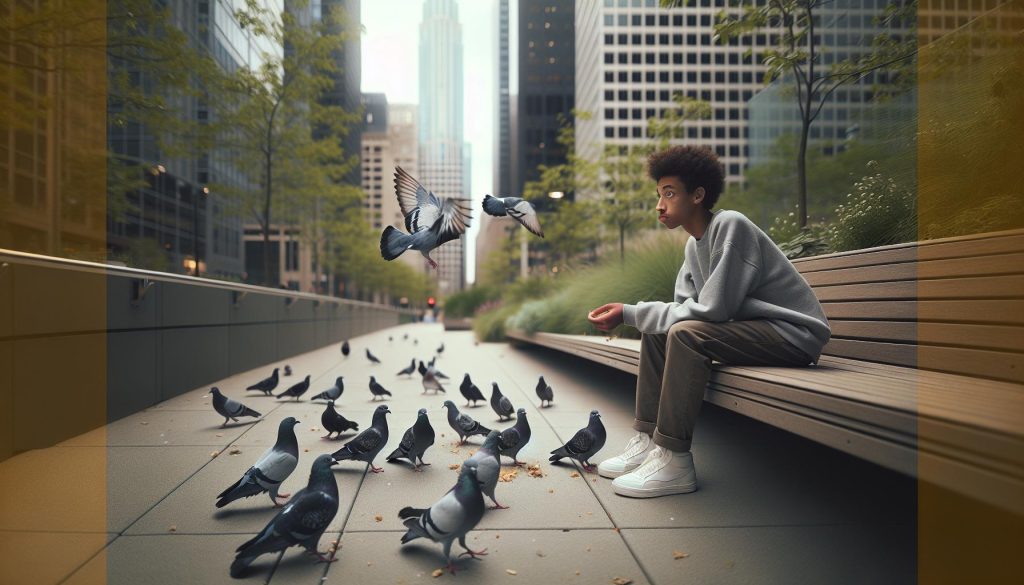
Did you know that over 300 species of pigeons and doves exist, yet the rock pigeon is the one most commonly found in urban settings? As cities expand and transform, these adaptable birds have taken to our streets, parks, and rooftops, transforming the urban landscape into a rich habitat. Understanding why pigeons thrive in cities not only sheds light on their remarkable adaptability but also helps us appreciate their role in urban ecosystems. This exploration reveals the balance between wildlife and city living, prompting us to consider the impact of our environment on these resilient birds. Read on to discover the fascinating reasons behind their urban success and what it means for our shared spaces.
Why Pigeons Thrive in Urban Environments

In the bustling heart of city life, pigeons, known scientifically as Columba livia, have turned urban landscapes into their vibrant homes. Their incredible adaptability is a testament to their evolutionary prowess-pigeons are not just surviving in cities; they are thriving. This resilience stems largely from their ability to exploit new resources and navigate complex environments, traits that have evolved over thousands of years. As descendants of wild rock doves, they have discovered that urban settings provide ample opportunities that may outmatch their rural counterparts.
One of the primary reasons pigeons flourish in cities is the availability of food sources. Urban environments are often teeming with leftover scraps from human consumption, making it easier for pigeons to find sustenance. Parks, plazas, and busy streets serve as bustling cafeterias for these birds, where they can forage for seeds, discarded food, and other edible materials. The reduced competition compared to their rural relatives also plays a significant role; in cities, pigeons face fewer predators, allowing them to roam more freely.
Moreover, urban architecture provides an array of nesting sites that mimic the cliff ledges and rocky outcroppings pigeons originally occupied. Buildings, bridges, and other structures often replicate these natural habitats, offering pigeons numerous safe places to establish their nests. As such, they can raise their young in relative security, significantly contributing to their population growth in metropolitan areas. Pigeons have also adapted their social behaviors to thrive in these environments, often roosting in flocks that offer protection and increase foraging efficiency.
Through these various adaptations-navigating human spaces, acquiring food, and utilizing urban structures-pigeons exemplify the remarkable ability of wildlife to adjust and flourish alongside urban development, embodying the intricate balance between nature and the human world.
The Evolutionary Benefits of Urban Living for Pigeons
In the ever-evolving landscape of urban environments, pigeons have demonstrated remarkable evolutionary benefits that contribute to their thriving presence in cities. These birds, scientifically known as *Columba livia*, have utilized the opportunities presented by urban spaces to enhance their survival and reproductive success. The urban jungle offers not just food and shelter but an adaptive landscape where these birds have fine-tuned their behavior and social structures to optimize their living conditions.
Access to Resources
Cities are teeming with human-derived food sources. This abundance of readily available scraps and leftover waste has offered pigeons a reliable means of sustenance. In environments where natural food sources might be scarce, the urban landscape serves as a buffet, allowing pigeons to thrive without the intense competition often found in rural settings. In addition to raw food availability, the consistency of human activity-such as dining outdoors or park picnics-ensures that pigeons can find meals scattered throughout the day, reducing the energy they must expend to locate food.
Nesting Adaptations
Urban structures have inadvertently created optimal nesting sites that closely mimic their original cliff and rock ledge habitats. Pigeons find refuge on building ledges, bridges, and even in attics, where they can establish nests away from many natural predators. This architectural adaptation facilitates successful breeding and protection of young birds, allowing higher survival rates. Unlike rural areas where nesting sites may be limited and contested, in cities, pigeons can choose from a plethora of safe locations, fostering a growing urban population.
Social Dynamics and Behavior
In cities, pigeons exhibit alterations in their social behaviors, often roosting in larger flocks. This communal living provides not only safety in numbers but also increased foraging efficiency. Pigeons communicate through a variety of calls and postures to navigate their interactions within larger groups. Their adaptable social structure has proven crucial for behavior modification in response to urban threats and disruptions, ensuring that they maintain a stable, reproducing population amidst the hustle and bustle of city life.
These evolutionary benefits empower pigeons not just to occupy but to thrive within urban ecosystems, showcasing their remarkable ability to adapt in tandem with human-made environments. Whether you’re an avid birdwatcher or a casual observer, understanding these dynamics can deepen your appreciation for the resilience and ingenuity of urban wildlife.
Key Factors That Attract Pigeons to Cities

In the bustling environment of cities, pigeons find a wealth of opportunities that cater to their survival and reproductive needs. Firstly, the abundance of food sources in urban areas cannot be overstated. With countless eateries and an ever-busy populace, dropped crumbs and leftover food create a steady stream of nutrition for these adaptable birds. Unlike in rural areas, where foraging can be competitive and seasonal, city life offers pigeons consistent access to meals, allowing them to thrive without the arduous search for sustenance.
- Shelter and Nesting Opportunities: Urban infrastructures provide unique nesting habitats that mimic the natural cliffs and ledges that pigeons traditionally used. Buildings, bridges, and other structures offer safe spots that are often free from predators. This gives pigeons the advantage of raising their young in secure environments, free from many of the dangers they might face in the wild.
- Favorable Climate: Cities can create localized microclimates that are warmer than surrounding rural areas. The urban heat island effect, primarily due to asphalt and concrete, allows pigeons to survive colder temperatures more comfortably, thus enhancing their chances of survival during challenging weather conditions.
- Social Dynamics: The crowded nature of urban settings encourages pigeons to congregate in larger flocks. This communal living offers safety in numbers and greater foraging efficiency, making it easier for them to find food while enabling more effective protection against potential threats.
Furthermore, as social birds, pigeons benefit from the interactions within these larger groups, leading to more efficient behaviors in response to urban challenges. In this symbiotic relationship, humans unwittingly create an environment where pigeons can flourish, showcasing their remarkable adaptability and resilience in the face of urbanization. Understanding these key factors not only sheds light on why pigeons thrive in cities but also deepens our appreciation for these often-overlooked urban dwellers.
Adaptation Strategies: How Pigeons Survive in Urban Settings

In the midst of concrete jungles and bustling streets, pigeons have perfected an incredible suite of adaptation strategies that enable them to thrive in urban environments. One of the primary ways these birds ensure their survival is through remarkable flexibility in their diet. Unlike their rural counterparts, urban pigeons are opportunistic feeders, often scavenging on discarded food from restaurants, parks, and street vendors. This adaptability not only enables them to access a varied diet, including grains, bread, fruits, and even discarded pet food but also allows them to thrive in environments where competition for food is lower.
Moreover, pigeons have developed unique nesting behaviors suited to urban landscapes. Traditional nesting sites, which would typically include cliffs or dense trees, are replaced by the nooks and crannies found in buildings, bridges, and billboards. This shift not only provides protection from ground predators but also offers a stable microhabitat that mirrors their historical nesting preferences. By utilizing human structures, pigeons can find sheltered spaces that make it easier to raise their young without the constant threat of predation.
Another critical adaptation is their social behavior. Urban pigeons often form large flocks, which enhance their survival rates through safety in numbers. This flocking behavior is crucial for effective foraging, as they can collectively locate food and alert each other to potential dangers. Additionally, being social creatures, they engage in complex communication patterns, which facilitate the sharing of information about resources and threats within their groups.
To support the adaptability of pigeons in cities, it’s important to recognize their role in urban ecosystems. Their presence indicates a balanced urban ecology, as they contribute to seed dispersal and provide food for urban predators. Understanding these dynamics adds depth to our appreciation of these ubiquitous birds, highlighting their essential role in the vibrant tapestry of urban life. By recognizing their unique adaptations, we can better coexist with these remarkable creatures and perhaps even find ways to support their populations in the ever-evolving cityscape.
The Role of Food Availability in Urban Pigeon Populations
Urban pigeons are the ultimate opportunists, thriving in bustling cities due in large part to their remarkable adaptability to food availability. Unlike many rural birds that rely on consistent sources of natural food, city pigeons have learned to take advantage of the vast array of human-provided scraps scattered across urban landscapes. This scavenging lifestyle provides a diverse diet that significantly contributes to their survival and rapid population growth in metropolitan areas.
One of the most significant aspects of urban food availability is the sheer volume of waste generated by human activity. From leftovers discarded in trash bins to crumbs littered on sidewalks after bustling lunch hours, pigeons have turned urban environments into a veritable buffet. Their diets span a wide array of options, including:
- Grains: Seeds and grains found in parks and agriculture areas.
- Human food: Bread, popcorn, and other fast food leftovers.
- Fruits: Droppings from street vendors and gardens often provide these nutritious snacks.
The ability to thrive on such a varied diet allows urban pigeons to sustain their populations even during periods of food scarcity, such as during winter months when fewer resources might be available. They also benefit from the fact that competition for these resources in cities tends to be lower compared to rural areas, where natural predators and other birds can quickly deplete food sources.
Moreover, the predictable patterns associated with human activity create reliable feeding opportunities. For instance, pigeons often congregate in specific areas like parks, plazas, or near outdoor cafes, where people frequently feed them or where discarded food is abundant. This behavior not only ensures a steady supply of food but also fosters social interactions among pigeons, strengthening their community ties and reinforcing their survival strategies. Observing how pigeons interact with their environment can be fascinating, demonstrating their keen ability to adapt and thrive amidst urban challenges.
As urbanization continues to reshape landscapes, it’s crucial to recognize the significant role that food availability plays in the success of pigeon populations. By understanding their feeding habits and behaviors, we can appreciate these birds not just as city dwellers, but as integral parts of urban ecosystems, illustrating the balance between wildlife and human urbanization.
Impact of Urbanization on Pigeon Behavior and Social Structures
The bustling urban environment presents a unique landscape for pigeons, influencing their behavior and social structures in fascinating ways. In cities, pigeons have adapted not just their feeding habits but also their social dynamics, forming flocks that interact in ways tailored to their urban setting. These birds have transformed from solitary creatures into members of complex social networks, necessitated by the crowded and resource-abundant urban environment.
One of the most significant shifts in pigeon behavior is their enhanced social cohesion. In urban areas, pigeons often form larger flocks compared to their rural counterparts. This flocking behavior enhances their survival by providing safety in numbers against potential predators. By observing and communicating within these groups, pigeons can quickly alert each other to danger, such as the presence of hawks or other threats. This reliance on social structures not only improves their chances of survival but also influences their foraging practices, as individuals benefit from the knowledge and resource discoveries of their peers.
Moreover, urbanization has significantly impacted the mating and nesting behaviors of pigeons. In cities, the availability of nesting sites has shifted dramatically. While rural pigeons often rely on natural structures, urban pigeons have adapted to utilize various man-made structures, from ledges on buildings to under bridges. This change not only provides them with safety from ground predators but also leads to the establishment of nesting colonies. These colonies become central to their social lives, where birds exhibit interesting behaviors such as courtship displays and cooperative nesting.
In this intricate dance of survival and adaptation, the urban landscape acts as both a resource and a challenge. The reliance on human structures for nesting and social interaction has made pigeon communities vibrant but fragile. Understanding these dynamics is essential for appreciating not only the complexities of pigeon societies but also the broader ecological implications of urban wildlife. As urban areas continue to expand, recognizing and preserving these avian communities forms an integral part of urban wildlife management and conservation efforts.
Pigeon Nesting Habits: Urban vs. Rural Environments
In the dynamic realm of urban life, pigeons have ingeniously adapted their nesting habits to thrive amidst human structures. Unlike their rural counterparts, which typically rely on natural features such as cliffs or tree hollows, urban pigeons have embraced the plethora of man-made environments available to them. This adaptability not only helps them secure a safe nesting spot but also reflects their remarkable resilience in the face of rapid urbanization.
Pigeons predominantly choose nesting sites that offer protection and accessibility. Typical urban nesting locations include:
- Building Ledges: Many pigeons find ideal nesting spots on ledges of high-rises and residential buildings, where they are sheltered from ground predators.
- Bridges and Overpasses: The underside of bridges provides a safe haven, imitating their natural preference for elevated and secure sites.
- Balconies and Roofs: Urban dwellings often unintentionally create nesting sites; pigeons are quick to utilize balconies and rooftops, taking advantage of the human-built environment.
- Public Infrastructure: Many pigeons have adapted to nest in public spaces such as bus stations, parks, and even large signage structures, where they benefit from both shelter and proximity to food sources.
The changes in nesting patterns have influenced the social structures of urban pigeon populations. For instance, dense nesting colonies often form in popular sites, leading to increased social interactions and cooperative behaviors among pigeons. In these bustling colonies, you can observe intricate courtship displays and shared brood care, indicating a shift toward enhanced communal living. This cooperative dynamic contrasts starkly with rural pigeons, which may be more solitary or form smaller, less interactive groups.
Urban habitats also challenge pigeons, as they must navigate human disturbances and the scarcity of suitable nesting sites in high-density areas. As cities continue to grow, preserving spaces where pigeons can nest safely is crucial. Simple actions, such as supporting urban wildlife initiatives and advocating for pigeon-friendly building designs, can make a difference. By recognizing the intelligence and adaptability of pigeons, we can foster a more harmonious coexistence with these fascinating urban dwellers, greatly enriching our urban ecosystems.
Understanding Pigeon Communication in City Landscapes
In the bustling environment of a city, pigeons have developed a rich tapestry of communication that helps them navigate their urban landscapes. Beyond simple coos and calls, their communication encompasses a variety of vocalizations and body language that convey vital information about their status, territory, and social interactions. For example, the distinct variations in their cooing can signal everything from alarm and distress to courtship and dominance. Understanding these nuances reveals how pigeons maintain social cohesion in crowded, unpredictable environments.
Their ability to adapt their communication style is particularly fascinating in urban settings. In quieter rural habitats, pigeons may rely more on vocal cues, but in the noise-dominated cities, visual cues have taken on enhanced significance. Body language, such as puffing up feathers, bobbing heads, and specific postures, plays a crucial role in their interactions. For instance, a pigeon might puff up its chest to assert dominance or engage in ritualized displays that communicate readiness to mate. Observing these behaviors offers insights into the complex social structures and dynamics of urban pigeon flocks.
Territoriality is another critical aspect of pigeon communication. Urban landscapes often lead to competition for limited resources and nesting sites. Pigeons use visual displays-like wing flapping or strategic positioning-to assert their presence and defend their territory against intruders. When entering a new area, you’ll observe pigeons engaging in a series of interactions that help establish hierarchies; these behaviors not only help maintain order within their colonies but also play a role in reducing conflict.
In summary, urban pigeons employ a sophisticated communication system tailored to their environment. By paying close attention to their vocalizations and behaviors, both enthusiasts and casual observers can gain a deeper appreciation for these remarkable birds and their ability to thrive in complex urban ecosystems. Whether you’re watching them in the park or observing them from your balcony, the next time you see a pigeon, take a moment to appreciate the rich communication happening all around them.
Human Interaction: The Benefits and Challenges of Urban Pigeons
Urban pigeons are often seen as emblematic of city life, highlighting both the symbiotic relationship humans have with wildlife and the complexities that come along with it. These birds have thrived in cities, but this urban success is punctuated by both benefits and challenges for both pigeons and city dwellers alike. One of the most significant advantages is the availability of food; leftovers from human activity provide pigeons with easy access to sustenance. Parks, squares, and busy streets act as banquet halls filled with crumbs and discarded snacks, allowing pigeon populations to flourish.
However, this interaction with humans is a double-edged sword. While pigeons appreciate the easy meal, they can also become a nuisance when populations swell out of control. Cities often grapple with issues of overpopulation and the associated problems, such as droppings that can damage buildings and sanitation concerns. Local governments sometimes implement measures to curb pigeon populations, ranging from controlled feeding to pigeon exclusion techniques, which can lead to negative perceptions of these birds.
Moreover, urban pigeons serve as crucial indicators of urban ecology. Their presence and health can reflect the state of the urban environment. For instance, studies have shown that the diet and breeding success of pigeons can provide insights into the broader impacts of urbanization, including pollution and habitat destruction. This means that fostering a healthy pigeon population is not just about the birds themselves but can also inform conservation efforts and urban wildlife management strategies.
To maintain a harmonious relationship with urban pigeons, consider simple actions like providing bird-friendly spaces and responsible feeding practices. Encouraging natural foraging instead of relying solely on human-provided food can contribute to a balanced ecosystem. Engaging with community efforts to monitor and support local wildlife can also enhance appreciation for these urban birds, turning challenges into opportunities for education and coexistence.
Pigeons as Indicators of Urban Ecology
In urban environments, pigeons play an essential role as indicators of the ecosystem’s health, providing unique insights into the state of urban ecology. Their adaptability and close relationship with human habitats make them a compelling subject for studying the impact of urbanization on wildlife. For example, variations in pigeon populations can reflect broader environmental changes, such as pollution levels or the availability of green spaces. By monitoring these birds, we can gauge the overall quality of urban life, in a way echoing the proverb: “Where there are pigeons, there’s a story to tell about the city.”
One striking aspect of urban pigeons is their diet, which often consists of discarded food items left by city dwellers. Researchers have examined the contents of pigeon droppings to assess urban waste patterns, revealing critical information about human consumption habits and waste management efficiency. Areas with abundant food resources typically host more robust pigeon populations. Conversely, a decline in pigeon numbers can signal issues such as increasing pollution or habitat destruction which may not only affect birds but threaten other wildlife in the city.
Moreover, pigeons exhibit a fascinating ability to adapt their nesting habits to urban settings. They often nest on ledges, under bridges, and in other structures that mimic their natural cliff-side habitats. This behavior provides insight into urban planning and design; maintaining and creating bird-friendly areas can help support these populations and enhance urban biodiversity. Cities that integrate green roofs, nesting boxes, and safe spaces for birds can facilitate a more balanced interaction between humans and wildlife.
By engaging with urban pigeons, we’re not just observing birds; we’re learning about the intricate web of life that persists in our cities, emphasizing the importance of coexistence. Practical efforts such as participating in local wildlife monitoring, supporting green initiatives, or fostering awareness about human impacts on urban ecology can significantly contribute to healthier pigeon populations and enrich our understanding of urban ecosystems. In essence, pigeons serve as both a mirror and a bridge, reflecting our environmental choices and connecting us to the wildlife that shares our urban landscape.
Conservation Efforts and Urban Wildlife Management
Urban environments can be a double-edged sword for wildlife, and pigeons are no exception. While city living presents unique challenges, it also offers opportunities for conservationists and urban planners to engage with these birds in ways that promote biodiversity and ecological balance. By implementing thoughtful conservation strategies, cities can enhance their roles as refuges for pigeons and other urban wildlife.
One practical approach to conservation is the creation of green spaces that incorporate nesting sites and food resources for pigeons. These urban havens, such as parks, rooftop gardens, and community allotments, not only provide essential habitats but also foster interaction between birds and humans. For instance, including birdhouses designed for pigeons can help mitigate the impact of habitat loss caused by urban development. It’s important that these spaces are integrated into city planning, ensuring they are accessible to both wildlife and residents who wish to observe and appreciate urban biodiversity.
Additionally, public education campaigns play a crucial role in reshaping perceptions about pigeons. Many people view them as pests rather than valuable components of urban ecosystems. Hosting workshops and informational sessions can highlight the unique adaptations of pigeons, their role in urban ecology, and the importance of coexistence. Engaging the community in citizen science projects, like monitoring pigeon populations or tracking their nesting sites, not only gathers valuable ecological data but also fosters a sense of stewardship among residents.
Lastly, cooperation among various stakeholders-municipal governments, non-profit organizations, and local residents-is essential to create effective management plans. Collaborative efforts might include monitoring pigeon health and population dynamics to assess the overall impact of urbanization. This data can help inform policy decisions that aim to protect pigeon populations while also addressing broader environmental issues, such as pollution and habitat degradation.
By embracing innovative conservation practices and fostering a culture of empathy and education, urban communities can cultivate environments where pigeons thrive alongside humans, enriching our cities’ ecological tapestry and providing us with opportunities to learn from the remarkable species that share our urban landscapes.
What You Can Do to Support Urban Pigeon Populations
Supporting urban pigeon populations can be a rewarding experience, not only for the birds themselves but for the communities that coexist with them. These adaptable creatures have shown remarkable resilience in bustling city landscapes, and our efforts can help enhance their well-being while enriching urban biodiversity. From creating a welcoming environment to engaging in community initiatives, there are various ways to make a positive impact.
One of the simplest yet most effective things you can do is to create safe and accessible habitats for pigeons. Consider incorporating features into your backyard or community spaces that facilitate pigeon nesting and feeding. Things like:
- Planting native plants: These can attract insects and provide natural food sources.
- Building pigeon-friendly nest boxes: Place them in sheltered areas to protect from predators.
- Creating feeding stations: Use bird feeders with pigeon-friendly grains, ensuring the food is clean and fresh.
While feeding pigeons, it’s essential to use appropriate food to avoid health issues. Whole grains like oats, barley, and corn are much healthier options than bread, which can lead to malnutrition. Moreover, consider engaging with local initiatives or creating your own community programs focused on supporting pigeon populations. Organizing events like “Pigeon Day” can not only educate the public about the importance of these birds but also foster a sense of community through workshops, guided bird-watching, and citizen science projects.
Education and awareness are crucial. Sharing information on social media or through local groups can help reshape the perception of pigeons from pests to vital components of our urban ecosystem. Highlighting their social structures, intelligence, and adaptability can foster appreciation rather than disdain. Launch public campaigns that encourage people to observe and appreciate pigeons, utilizing social platforms to share photos and stories of successful urban pigeon communities.
In addition, advocating for sustainable urban policies can significantly aid in the conservation of pigeons. Collaborate with local government bodies and environmental organizations to encourage the integration of wildlife-friendly practices in urban planning. This could involve laws to protect pigeon habitats, supporting green roofs, and promoting the creation of pigeon reserves in urban centers.
Taking these steps not only supports urban pigeon populations but also contributes to a healthier urban ecosystem, facilitating a rich interconnection between humans and the wildlife that shares our cities. By fostering an environment where pigeons can thrive, we can create a vibrant and diverse urban tapestry that celebrates the resilience of nature in the face of urbanization.
Frequently asked questions
Q: Why are pigeons so common in urban areas?
A: Pigeons thrive in urban areas primarily due to the abundance of food sources, such as scraps and birdseed, alongside suitable nesting locations. Their adaptability to various environments allows them to flourish in cities where they can find shelter and rich foraging opportunities [1].
Q: How do urban environments affect pigeon behavior?
A: Urban environments influence pigeon behavior by altering their feeding patterns and social structures. Pigeons often form larger flocks in cities, facilitating more social interactions while relying on human activity for food, which impacts their natural foraging habits [2].
Q: What nesting habits do pigeons adopt in cities?
A: In cities, pigeons nest in architectural features like ledges, rafters, and window sills. Unlike rural areas where they might prefer cliffs or trees, urban structures provide ample, safe nesting sites, allowing them to reproduce successfully within the concrete jungle [1].
Q: How do pigeons find food in cities?
A: Pigeons locate food in cities through sight and learned behavior, often congregating in areas with high foot traffic where discarded food is plentiful. Their ability to adapt helps them exploit urban resources that are not readily available in natural habitats [2].
Q: What are the advantages of urban living for pigeons?
A: Urban living offers pigeons several advantages, including reduced predation risks and plentiful food supplies. The human environment also provides stable niches, allowing pigeons to thrive without significant competition from other bird species [3].
Q: Are pigeons harmful or beneficial to urban ecosystems?
A: Pigeons can be both beneficial and harmful to urban ecosystems. They serve as indicators of urban health and contribute to biodiversity but can also lead to challenges such as overpopulation and health concerns due to waste accumulation [1].
Q: How do pigeons communicate in city settings?
A: Pigeons communicate in city settings using coos and body language. Their social structures, formed in flocks, rely heavily on vocalizations and visual signals, adapting their communication to the noisy urban environment [1].
Q: What can be done to support urban pigeon populations?
A: To support urban pigeon populations, individuals can engage in responsible feeding practices, create safe nesting sites, and advocate for humane management policies that promote coexistence. Understanding their role in urban ecosystems can foster appreciation and care for these adaptable birds [3].
The Way Forward
Understanding why pigeons have thrived in urban settings offers fascinating insights into both their adaptability and our urban environments. If you’ve enjoyed exploring the intricacies of urban pigeon life, consider diving deeper into related topics. Check out our article on “Urban Wildlife: Adapting with Nature” for more on how various species have learned to coexist alongside humanity. Additionally, if you’re curious about birdwatching basics, our guide on “Birdwatching for Beginners: A Fun Way to Connect with Nature” provides tips to enjoy this hobby.
Don’t miss out-join our newsletter for the latest updates and exclusive content tailored for bird enthusiasts like you! Your thoughts matter to us; share your experiences or questions in the comments below, and let’s keep the conversation going. Remember, every urban corner holds a story worth discovering, so keep exploring and embrace the wonders around you!
Get our latest guides, news, and insights highlighted in your Google Search & AI Overviews.










