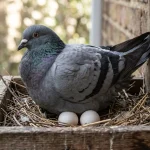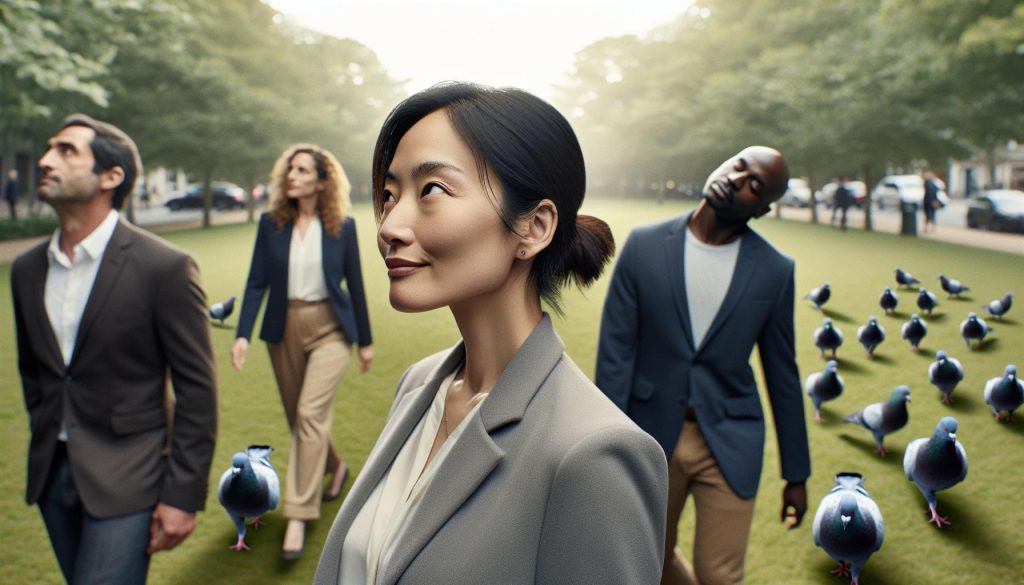
Have you ever noticed how pigeons bob their heads while walking? This fascinating behavior is not just a quirky trait; it plays a crucial role in their vision and spatial awareness. Pigeons, unlike many other birds, have a unique way of stabilizing their view as they move, allowing them to spot potential food or threats more effectively.
Understanding why pigeons engage in this rhythmic motion can deepen our appreciation for these often-overlooked birds. Whether you’re a seasoned birdwatcher or simply someone curious about the avian world around you, exploring this behavior offers insights into not only pigeon habits but also broader aspects of avian movement and adaptation. Join us as we unravel the mysteries behind this charming phenomenon and discover what it reveals about the extraordinary lives of pigeons.
Why Do Pigeons Bob Their Heads? Understanding the Behavior
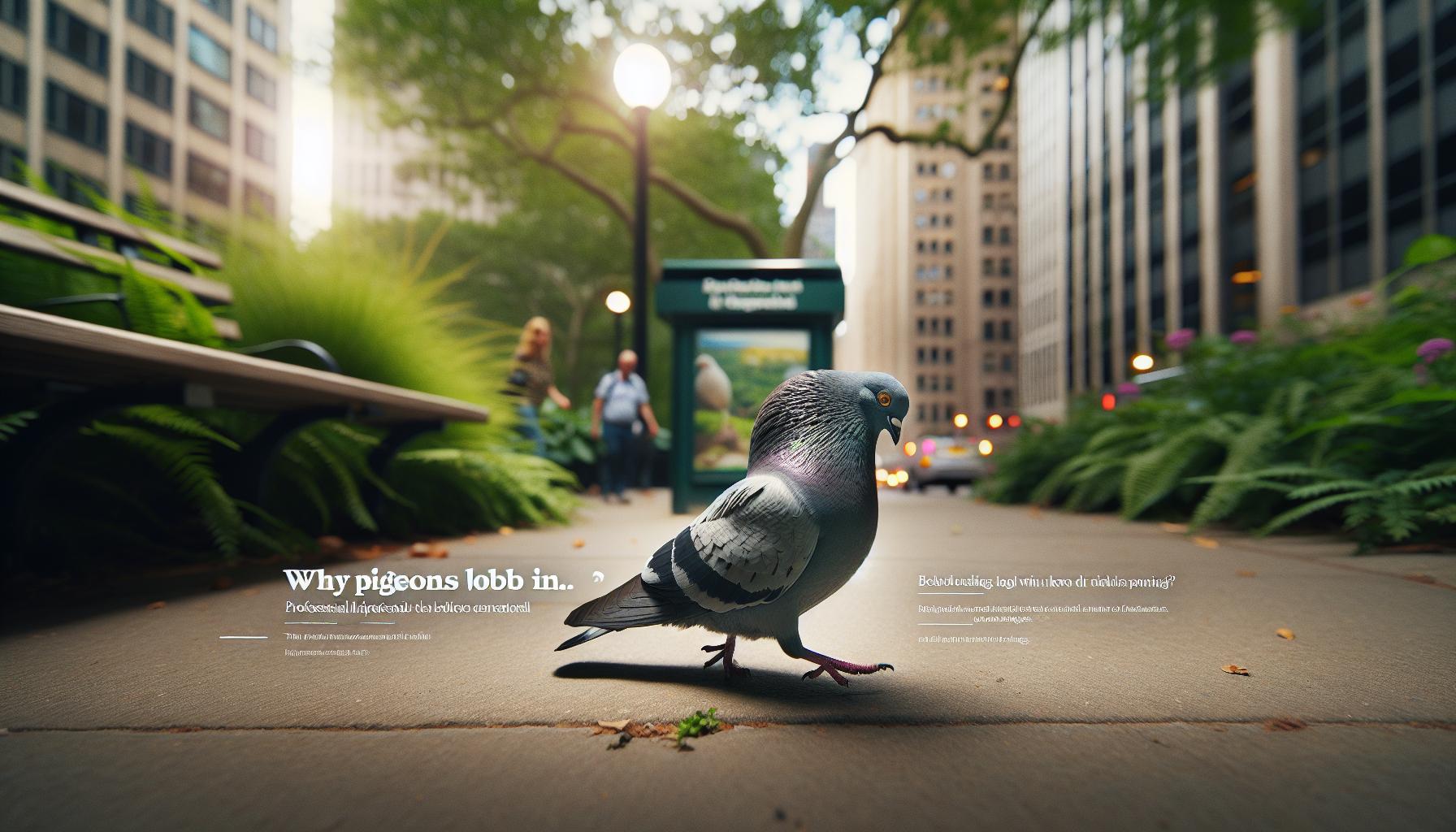
Pigeons are one of the most common birds we encounter in urban environments, yet their captivating behaviors often go unnoticed. One of the most distinct and puzzling behaviors is head bobbing, which serves multiple essential functions. This characteristic movement is not merely a quirky trait; it plays a crucial role in how pigeons navigate their world and communicate with one another.
The bobbing motion occurs primarily when pigeons walk. As they move forward, they extend their necks and push their heads forward, then quickly pull them back to stabilize their vision. This process allows them to maintain a sense of depth perception and keep their surroundings in sharp focus. Unlike humans, pigeons have monocular vision, meaning each eye sees a slightly different perspective. The head bobbing helps bridge this visual gap, ensuring that they can accurately assess their environment while moving.
Moreover, head bobbing can act as a form of communication, especially during social interactions. Other pigeons often respond to these movements, associating the bobs with signals indicating presence, safety, or readiness to interact. Observing this behavior in groups can provide insight into their social dynamics, revealing how they establish pecking orders or engage in mating displays. This interaction is vital for both their survival in urban landscapes and their social cohesion.
In addition to understanding head bobbing behavior, consider how various factors like habitat, availability of food, and interactions with humans can influence pigeon movements. Observing pigeons in your local park or along your commute can be an enlightening experience. Pay attention to their head movements and overall behavior to gain a deeper appreciation for these urban aviators. Whether you’re a seasoned birdwatcher or just starting, the subtle nuances of pigeon behavior provide endless opportunities for discovery and connection.
The Science Behind Pigeon Head Bobbing
Pigeon head bobbing is an intriguing behavior that reveals much about these adaptable birds’ unique physiology and their way of interacting with the world around them. This movement is not merely for show; it enhances their capacity to perceive their environment. Pigeons possess a special set of adaptations for vision that influences how they navigate and forage. Unlike humans, whose eyes work together for a unified perspective, pigeons have monocular vision, allowing each eye to function independently. This means each eye captures different images, creating a need for the pigeon to stabilize its view while moving. The head bobbing movement serves this purpose perfectly, allowing for a clearer focus on objects as they shift their positions.
When pigeons walk, they thrust their heads forward and then pull them back rapidly to reset their visual frame. This forward motion essentially allows the bird to gather depth perception crucial for its navigation. Think of it as a unique visual strategy; by moving their heads in tandem with their steps, pigeons can assess distances accurately. This behavior is fascinatingly efficient as it mitigates the inherent challenges posed by monocular vision, enabling pigeons to become skilled foragers and effective at avoiding predators.
Moreover, the function of this head bobbing extends beyond mere visual acuity. It plays a critical role in communication among pigeons. In social settings, these movements can signal various intentions and moods, helping to maintain group cohesion and hierarchy. Observing pigeons in parks or urban settings can provide a glimpse into their complex social interactions shaped through this behavior. You may notice that head bobs are often synchronized within a group, indicating a form of non-verbal dialogue that strengthens their social bonds.
For bird enthusiasts, understanding these dynamic behaviors adds depth to your observations. Consider taking detailed notes on how pigeons interact when in groups compared to when they are solitary. This could enhance your appreciation and insight into their behavior, leading to a more rewarding birdwatching experience. Understanding the science behind their head bobbing can elevate your connection with these remarkable urban birds, demonstrating that there’s always more than meets the eye when it comes to observing wildlife.
Head Bobbing: A Unique Walking Style
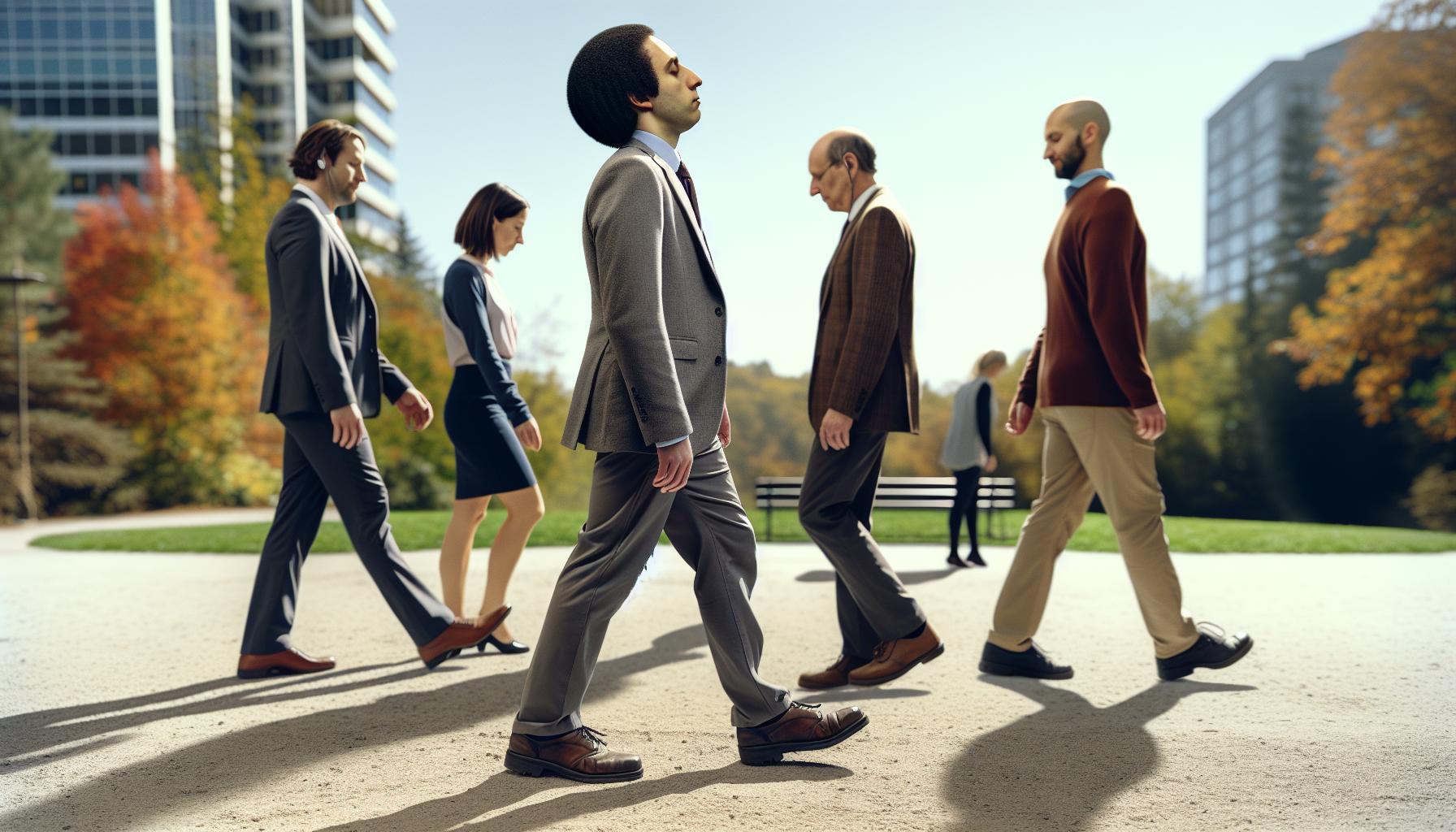
Pigeons have a distinctive way of navigating their world that might seem quirky at first glance, but it serves essential functions for their survival and communication. When you observe a pigeon, you’ll notice its head bobbing rhythmically as it walks, a behavior that is intricately linked to how these birds perceive their environment. This unique walking style is not just an oddity; it plays a vital role in enhancing their visual stability and depth perception, allowing them to expertly navigate urban landscapes filled with obstacles.
As pigeons move, they effectively engage a coordinated head thrusting motion that consists of two main phases: the forward thrust, where the head moves ahead of the body, and the backward pull, where the head is quickly retracted. This sequence allows them to maintain a steady visual frame and compute distance more accurately, compensating for their monocular vision where each eye provides a separate visual input. Because of this strategy, pigeons can dodge cars, navigate crowded parks, and avoid predators with remarkable agility.
This method of locomotion also highlights the adaptability of pigeons to urban environments. In places where other birds might struggle, pigeons thrive, thanks in part to their ability to assess distances accurately. Furthermore, the head bobbing behavior offers insight into their social interactions. When walking in a group, you might observe synchronous bobbing patterns among peers, demonstrating cooperation and social cohesion. This not only aids in individual navigation but also reinforces group dynamics, essential for a species often seen foraging together in parks and streets.
For birdwatchers and enthusiasts eager to deepen their understanding, observing this unique walking style can reveal much about a pigeon’s daily life. Start by watching how they interact with their surroundings during feeding or when startled. Take note of how their movement changes in response to other pigeons or environmental factors. Engaging with these behaviors can enrich your experience and appreciation for these remarkable birds, ultimately allowing you to become more attuned to the subtle complexities of urban wildlife.
Pigeon Vision: How It Influences Movement
Pigeons possess an extraordinary visual system that significantly impacts how they move and interact with their surroundings. Their eyes are positioned on the sides of their heads, granting them a wide field of view-nearly 360 degrees. This panoramic vision is essential for spotting potential predators and navigating through bustling urban environments. However, it presents challenges: with such a broad perspective, they face difficulties in accurately judging distances. This is where their unique head bobbing behavior comes into play, as it helps them overcome the limitations imposed by their eye placement.
When a pigeon walks, it engages in a coordinated head movement that not only stabilizes its visual field but also facilitates depth perception. During the forward motion, the head moves ahead of the body, providing the pigeon with crucial visual input to gauge the distance to nearby objects. This forward thrust is then balanced by a backward retraction, allowing the bird to momentarily hold its head still, enhancing clarity and focus. This rhythmic bobbing is akin to the way humans might adjust their posture to better assess their surroundings, demonstrating an innate adaptation that has evolved specifically for urban living.
Additionally, pigeons can perceive UV light, a capacity that many mammals lack. This enhanced vision allows them to identify food sources and navigate more effectively in their environment. The combination of a broad field of view, head bobbing for depth perception, and sensitivity to UV light positions pigeons as highly adaptable urban foragers. Their ability to maneuver expertly amid traffic, pedestrians, and other obstacles is a direct result of these visual adaptations. Observing this behavior can be particularly fascinating; the simple act of walking becomes a complex ballet of visual coordination, showcasing the remarkable capabilities of these everyday birds.
For those keen on birdwatching, taking the time to observe pigeons in different settings can reveal how their vision influences various aspects of behavior. Consider attending pigeon feeds in parks or urban squares and watch how these birds orient themselves, especially during moments of surprise or competition, further highlighting the role of their exceptional eyesight in daily survival.
The Role of Head Bobbing in Communication
Pigeons are fascinating creatures, not just for their adaptable urban lifestyles but also for their intricate communication methods. One might not immediately realize that the seemingly simple act of head bobbing serves crucial roles beyond navigation-it’s also a significant aspect of how these birds interact with one another. Through the rhythmic movements of their heads, pigeons convey messages and emotions that are vital for their social structures.
When pigeons bob their heads, this movement can be indicative of various states or intentions. For instance, when a pigeon is approaching another, a more pronounced bobbing may signal curiosity or interest, allowing it to effectively assess the distance and intentions of its counterpart without zoning in completely. This subtlety in movement can also indicate confidence among peers. In situations where pigeons are competing for food, enhanced head bobbing may denote eagerness or aggression, serving as a non-verbal cue in a competitive environment. Understanding these messages can enhance the experience for birdwatchers or anyone observing these urban dwellers, as it opens up a deeper layer of interaction to appreciate.
Voice is another layer of communication, but head bobbing complements these vocalizations, allowing pigeons to communicate over longer distances or in noisy environments. The correlation between their physical movements and vocal signals means that observers can learn to interpret the emotions conveyed in different contexts. For those interested in caring for or rehabilitating pigeons, recognizing these signals is essential. It can influence how you approach a pigeon on your balcony or during feeding times-ensuring you respect their space when they display signs of stress or fear, or engaging when they exhibit curiosity and openness.
In essence, head bobbing is a multifaceted behavior in pigeons, serving as both a functional adaptation for movement and a vital component of their communication repertoire. Observing how pigeons engage with each other through head movements adds a rich layer of understanding to their social interactions. By taking note of these behaviors in various contexts, whether in a park or urban setting, one not only learns about these remarkable birds but also develops a deeper appreciation for their lives and the dynamics of their communities.
Exploring Pigeon Social Behavior and Interactions
Pigeons are not just commonplace birds; they are fascinating social creatures that exhibit a broad range of interactions and behaviors that reflect their dynamic social structures. When you observe a pigeon bobbing its head, you are witnessing a critical part of its communication toolkit. This head movement, often seen alongside their unique walking style, is not just a quirky behavior but a significant element that enhances their social interactions, signaling a range of emotions and intentions.
In social settings, the way pigeons use head bobbing can provide clues about their relationships with one another. For instance, when two pigeons are facing each other, an exaggerated bob of the head may indicate a level of curiosity or potential aggression, depending on the context. Birds that are more dominant within a group will often display more pronounced head movements; this behavior can help establish hierarchies without resorting to physical confrontations. Observing these interactions can be quite enlightening, as individuals may display more confidence or subservience based on how they move and bob their heads.
Curiously, head bobbing also plays a significant role in competitive scenarios, such as feeding. When the stakes get higher, and food is on offer, the intensity and frequency of head bobbing may increase, essentially acting as a non-verbal cue to express eagerness or territorial claims. This behavior is particularly noticeable in crowded urban areas where pigeons often gather. Savvy bird watchers can use these cues to better understand social dynamics within pigeon flocks, as more assertive birds will initiate feeding first, often causing more reserved peers to wait their turn.
Beyond head movements, pigeons engage in other forms of social communication that facilitate their interactions. They utilize various coos and calls, which, combined with head bobbing, allow for enhanced communication even in noisy urban environments. This dual modality-vocalizations paired with physical gestures-enables pigeons to convey complex messages, adjusting their communication based on the presence and reactions of their peers. For those looking to deepen their understanding of pigeon behavior, spending time observing these interactions can yield invaluable insights into their cultural nuances and social behaviors, providing a richer appreciation for these often-overlooked birds.
Comparative Walking Behaviors Among Bird Species
The way birds walk varies significantly across species, reflecting their evolutionary adaptations and ecological niches. Among these avian movers, pigeons showcase unique walking behaviors that intrigue bird enthusiasts and casual observers alike. Unlike many birds that rely on a more straightforward gait, pigeons employ a distinctive bobbing motion, a characteristic that’s not just for show but serves multiple purposes, including improving vision and aiding in their balance.
Pigeons exhibit a walking style that is both rhythmic and deliberate, which is markedly different from the sidestepping of ducks or the rapid movements of sparrows. Each step is often accompanied by a head bob, which aids in stabilizing their vision. This head movement allows pigeons to perceive depth and distance effectively, an essential skill for navigating their surroundings, especially in chaotic urban environments. As a case in point, compare the walking of pigeons to that of ducks; while ducks may waddle due to their body structure and webbed feet, pigeons use their unique bobbing motion to maintain balance and keep their gaze fixed on the ground as they forage for food.
Interestingly, other bird species have developed their own variations of walking. For example, ostriches run with long strides designed for speed, while emus and rheas display a less energetic gait. Each species’ walking technique serves specific survival strategies-whether it’s fleeing from predators or navigating complex terrains. In contrast, birds like the American robin exhibit a more grounded walking style, closely inspecting the ground for insects while bobbing their heads slightly, akin to the movement seen in pigeons.
To observe these behaviors in a practical setting, consider visiting various habitats-from city parks where pigeons thrive to more rural areas where different bird species might roam. Keep your eyes peeled for subtle differences in their movement patterns and head motions, as these are often subtle indicators of their social hierarchy and environmental interactions. The more you watch and compare, the greater your appreciation will be for these remarkable adaptations that birds, including our urban friends, the pigeons, have developed over millennia. This comparative lens not only highlights the diversity within avian movements but also underscores the fascinating complexities of bird behavior overall.
Impact of Environment on Pigeon Movement Patterns
Pigeons are remarkable creatures, adept at adapting their behaviors to fit the environment they inhabit. The urban landscape, with its crowded streets and bustling human activity, challenges pigeons but also shapes their movement patterns in fascinating ways. A key aspect of this adaptation is their characteristic head bobbing, which plays a crucial role in how they navigate their surroundings amidst the chaos of city life.
In a bustling environment, pigeons use head bobbing to stabilize their vision and enhance spatial awareness. This behavior allows them to effectively gauge distances and detect potential threats, such as moving vehicles or pedestrians. The perceptual feedback gained from their head movements is essential for maintaining balance and coordination while foraging or flying in areas where obstacles are commonplace. For example, when pigeons navigate through park spaces, their head bobbing aids in visual processing, helping them focus on food sources while avoiding other birds or humans. In contrast, in less chaotic environments, such as rural areas, pigeons may exhibit different movement patterns, showing less urgency and more leisurely foraging behavior.
Environmental factors also impact the availability of resources, which in turn affects pigeon movement. In urban settings, food sources are often plentiful near human habitats-think of discarded food, feeding from enthusiasts, or purposeful feeding stations. Pigeons have learned to capitalize on these resources, leading to more frequent and concentrated gatherings. As they flock together, their movements become increasingly coordinated, with individuals bobbing their heads in unison, an intriguing spectacle that not only enhances their foraging efficiency but also strengthens social bonds within the group.
As an observer, immersing yourself in the urban ecosystem can unveil a wealth of insights into pigeon behavior. Consider visiting city parks during feeding times or near popular tourist spots where pigeons congregate. Take note of how their head movements change with varying environmental stimuli-such as the presence of predators (like hawks) or feeding opportunities. This dynamic interaction between pigeons and their environment not only reflects their versatile nature but also showcases the intricate balance they maintain within the urban ecosystem. By engaging with these behaviors, we cultivate a deeper appreciation for these seemingly ordinary birds and their exceptional adaptability.
How Pigeon Movement Affects Urban Ecosystems
Pigeons are not just urban survivors; they are ecosystem influencers, shaping the environments they inhabit in remarkable ways. One of the most engaging aspects of pigeon behavior, especially their distinctive head bobbing, serves as a fascinating reflection of their adaptability to city life. This movement is not merely a quirky trait; it plays a pivotal role in the birds’ interactions with their surroundings, significantly impacting urban ecosystems.
When pigeons bob their heads, they enhance their visual processing, which is essential for navigating the complex urban landscape filled with obstacles such as cars, pedestrians, and other wildlife. This head bobbing allows them to maintain a steady visual feed, calculating distance and movement effectively, ultimately aiding in their foraging efficiency. As they gather in parks or plazas, the synchrony of their head movements creates a dynamic visual spectacle, promoting a collective awareness that benefits the entire flock. This social behavior enhances their foraging success, allowing them to exploit food sources efficiently, which in turn influences the food web and interactions between different urban species.
Moreover, the presence of pigeons in urban areas contributes to the ecological dynamics of these environments. Their constant foraging activities disturb the soil, promoting seed dispersal and influencing plant diversity in city parks and green spaces. They also serve as a food source for urban predators like hawks and falcons, creating a predator-prey dynamic essential for maintaining biodiversity. Additionally, as pigeons congregate near feeding stations or areas with high human activity, they can affect local pest populations, inadvertently controlling insects that might otherwise become problematic.
To observe these interactions firsthand, consider visiting busy urban parks during peak foraging times. Look for areas where food is abundant and watch how pigeons navigate the landscape, bob their heads, and interact with each other. This not only provides insights into their behavior but also underscores their crucial role in maintaining the ecological balance within urban settings. By understanding how pigeons contribute to our urban ecosystems, we can appreciate these birds as vital components of our city landscapes, fostering a deeper connection with the natural world in our everyday lives.
Tips for Observing Pigeon Behavior in the Wild
A fascinating aspect of pigeon behavior is their distinctive head bobbing, a movement that’s not only quirky but serves essential purposes in their daily lives. When you venture out to observe pigeons, whether in parks, plazas, or urban streets, you’ll notice their heads moving rhythmically as they walk. This behavior is crucial for their visual acuity, allowing them to focus on their surroundings, track potential food sources, and respond to the bustling activities of their environment.
To get the most out of your pigeon-watching experience, find a thriving location where pigeons are known to gather-think of local parks during feeding hours or popular tourist spots. Here are some tips to enhance your observations:
- Be Patient: Pigeons may initially appear indifferent to your presence. Find a comfortable spot and wait quietly. This will help you witness natural behaviors without causing disturbance.
- Observe foraging behaviors: Watch how pigeons bob their heads while searching for food. This movement aids in depth perception and enables them to better navigate their surroundings, adjusting their actions based on what they see.
- Stay Still: Sudden movements can scare them away. Adopt a stationary position and use binoculars if you’re at a distance. This will allow you to get a closer look without intruding on their space.
- Document Interactions: Take note of how pigeons interact with each other. Their head movements are often synchronized, which can provide insights into flock dynamics and communication.
As you engage in this observational practice, consider how environmental factors influence their behavior. Noise from traffic, human activity, or the availability of food can all play significant roles in how pigeons act, making each outing an opportunity for learning. By immersing yourself in their world and understanding the nuances of their head bobbing, you’ll gain a deeper appreciation for these urban birds and their unique adaptations.
Caring for Pigeons: Understanding Their Natural Behaviors
Pigeons are remarkable creatures with fascinating behaviors that not only offer insight into their daily lives but also reveal the nuances of their interactions and needs. One of the most captivating aspects is their head bobbing. Understanding this behavior is vital, especially for those considering keeping pigeons or observing them in the wild. Head bobbing plays a crucial role in enhancing their visual perception, enabling pigeons to stabilize their sight while they move. This allows them to adeptly navigate their surroundings, locate food, and avoid potential threats-skills essential for their survival in often chaotic urban environments.
When caring for pigeons, it’s important to replicate conditions that allow them to exhibit these natural behaviors. Proper space is essential; pigeons require room to walk and move freely, so providing a spacious aviary or a safe outdoor area is ideal. Enriching their environment with perching areas and objects to explore can stimulate their natural instincts. Additionally, ensuring a varied diet includes grains, seeds, and occasional treats like fruits can help mimic their typical foraging behavior. Observing how they respond to different feeding methods, such as scattering food versus offering it in dishes, can provide further insight into their preferences and behavioral adaptations.
In your observations, it’s also worthwhile to consider their social dynamics. Pigeons often exhibit synchronized head movements when they interact, which serves multiple functions, from communication to establishing social bonds. If you have the chance to observe a flock, watch for pairs or groups engaging in head bobbing during social interactions; this can be an enriching experience that reveals the intricacies of their social structure. Understanding these interactions not only enhances your appreciation of pigeons but also supports their welfare by allowing you to create an environment that promotes their natural behaviors.
By fostering an environment that respects and encourages their natural instincts, you can enjoy a rewarding relationship with these birds while supporting their well-being. Whether you’re an aspiring pigeon owner or just a curious observer, appreciating the layers of pigeon behavior-from head bobbing to social interactions-provides a deeper connection to these urban aviators.
Engaging with Pigeon Enthusiasts: Community Insights
Observing pigeons in their element can reveal a world of intricate behaviors, particularly their distinctive head bobbing. This movement is not merely a quirk; it’s essential for how these birds interact with their environment. Engaging with other pigeon enthusiasts can deepen your understanding and appreciation of these remarkable creatures. Connecting with this community offers a wealth of insights, practical tips, and a shared passion for avian life.
One of the best ways to become involved is through local birdwatching clubs and online forums dedicated to pigeons. You’ll find that many enthusiasts are eager to share their experiences, whether it’s about the best ways to care for your birds or tips on observing natural behaviors in the wild. Through discussions, you can learn about specific aspects of pigeon behavior, such as feeding habits or the importance of social interactions within a flock. These platforms can be particularly useful for beginners looking to understand the nuances of pigeon care and behavior, often featuring user-generated content that can address common questions.
Participating in community events, like bird shows or pigeon races, provides firsthand experiences that can enhance your knowledge. These gatherings often highlight not only pigeons’ fascinating abilities but also the dedication of their caretakers. Witnessing how professionals manage their birds can be incredibly enlightening. You can also engage in informal discussions with fellow pigeon lovers, acquiring varied perspectives on optimal care strategies, and sharing observations about their walking and head bobbing behaviors.
Lastly, consider reaching out to experienced fanciers who are willing to mentor newcomers. They can offer valuable advice tailored to your specific needs, from choosing the right breed to tips on ensuring your pigeons thrive in captivity or the wild. The wisdom shared within these communities fosters a supportive atmosphere where both novice and seasoned birders can grow. By immersing yourself in the world of pigeon enthusiasts, you’ll not only learn more about why these birds bob their heads but also develop a rewarding relationship with these fascinating urban dwellers.
Frequently asked questions
Q: Why do pigeons bob their heads while walking?
A: Pigeons bob their heads while walking primarily to stabilize their vision. This unique motion compensates for their eye position and allows them to better focus on their surroundings, enhancing their ability to detect movement and potential threats.
Q: What is the purpose of head bobbing in pigeons?
A: The purpose of head bobbing in pigeons is twofold: it helps stabilize visual input while moving and plays a role in social interactions and communication among pigeons. This behavior aids in maintaining awareness of their environment.
Q: How does head bobbing affect a pigeon’s balance?
A: Head bobbing helps pigeons maintain balance by allowing them to adjust their sight as they move. This is crucial for navigating quickly through their environment, especially in urban settings where obstacles are common.
Q: Do all bird species exhibit head bobbing?
A: Not all bird species exhibit head bobbing. This behavior is particularly common in pigeons and some other bird species as a way to stabilize vision and enhance their walking and foraging skills.
Q: How does a pigeon’s vision influence its walking behavior?
A: A pigeon’s vision is optimized for detecting movement, which influences its walking behavior significantly. Head bobbing allows them to better integrate visual information, essential for avoiding predators and foraging effectively.
Q: Is head bobbing unique to pigeons or do other birds do it too?
A: While head bobbing is most notably observed in pigeons, other birds like some species of doves and birds of prey also engage in similar behaviors, though the mechanics and reasons may vary.
Q: When do pigeons bob their heads more frequently?
A: Pigeons tend to bob their heads more frequently when foraging for food or when they feel threatened. This behavior helps them gauge their environment and react to changes rapidly.
Q: Can you observe head bobbing in baby pigeons?
A: Baby pigeons, or squabs, typically do not exhibit head bobbing until they are older and more mobile. As their skills develop, they will adopt this characteristic behavior common in adult pigeons.
For more insights on pigeon behaviors and their impact on urban ecosystems, consider exploring our article sections on Pigeon Vision and Caring for Pigeons!
In Summary
Understanding why pigeons bob their heads while walking not only enriches your appreciation for these fascinating birds but also empowers you to observe their behaviors like a pro! If you’re intrigued by their unique communication styles and social interactions, dive into our related articles on pigeon behavior and care tips. Don’t miss out on learning how to better support your feathered friends-check out “How to Care for Sick or Injured Pigeons” or explore the intricacies of their diets with “What Do Pigeons Eat?”.
Ready to deepen your knowledge? Subscribe to our newsletter for regular insights and tips, or browse our resources for more engaging content. Your journey into the captivating world of pigeons doesn’t end here! If you have questions or experiences to share, drop a comment below-let’s chat about our love for these amazing birds. Remember, every little action counts in fostering a community passionate about avian welfare and enjoyment!
Get our latest guides, news, and insights highlighted in your Google Search & AI Overviews.