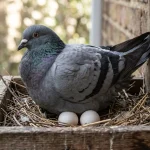
Did you know that pigeons are one of the few bird species that produce a substance known as “pigeon milk”? This unique fluid, secreted by both male and female pigeons, plays a crucial role in nurturing their young, especially during the first few weeks of life. Understanding pigeon milk-its composition, benefits, and the fascinating process of how it’s created-not only enriches our knowledge of these remarkable birds but also highlights the intricate ways they care for their offspring. Whether you’re a seasoned bird enthusiast, a beginner looking to deepen your understanding of pigeon care, or simply curious about avian parenting, this exploration of pigeon milk will unveil the complexities behind this extraordinary feeding mechanism. Join us as we dive into the science and significance of crop milk, and discover why it’s a vital topic for anyone interested in pigeon behavior and care.
Understanding Pigeon Milk: A Unique Nutrition Source
While most young birds rely on traditional feeding methods, pigeons have a fascinating adaptation known as pigeon milk, a nutrient-rich substance they produce to feed their chicks. This crop milk, unlike what we conventionally think of as milk, is a highly specialized secretion from the crops of parent pigeons and doves. Rich in protein and fats, it provides essential nourishment during the crucial early stages of a chick’s life.
The creation of this unique milk involves an incredible biological process where the lining of the parent’s crop develops specialized cells that secrete nutrients. When the chicks hatch, they receive this nutrient-dense substance directly from their parents’ mouths, ensuring that they have the best possible start. It’s an instinctual behavior; parent pigeons regurgitate crop milk, allowing their chicks to feed directly, thus fostering a strong bond between them. This method of feeding is not only efficient; it significantly enhances the survival rate of the young by fortifying their diets in the initial days when they are most vulnerable.
One of the remarkable benefits of pigeon milk is its composition, which typically includes proteins, lipids, and vitamins designed specifically for the needs of growing chicks. Unlike mammalian milk, pigeons don’t produce milk until after the chicks are laid, and production continues until they fledge. This feeding practice exemplifies the adaptability of pigeons, highlighting their evolutionary success as a species. By understanding this distinctive approach to chick nutrition, bird enthusiasts can appreciate the complexity of avian care and the importance of providing proper nutrition if they are raising pigeons.
The Composition of Pigeon Crop Milk

Pigeon crop milk is a remarkable nutritional substance that showcases the extraordinary adaptations of these birds. This unique secretion, produced in the special cells lining the crop of parent pigeons, is rich in essential nutrients, providing a vital source of sustenance for their chicks during the crucial early days of life. Unlike mammalian milk, which is associated with lactation, pigeon milk is created in response to the reproductive cycle, primarily serving to nourish squabs once they hatch. This adaptation not only highlights the physiological ingenuity of pigeons but also underscores the importance of understanding their specific dietary needs.
The composition of crop milk is fascinating and tailored to the innate requirements of young pigeons. It’s primarily composed of proteins, fats, and carbohydrates, with an impressive balance that supports rapid growth and development. The high protein content, for instance, is crucial for muscle development, while the fats provide an energy-rich source that sustains the chicks during periods when they are unable to eat solid foods. Additionally, pigeon milk contains a variety of vitamins and minerals, ensuring that chicks receive comprehensive nutritional support right from the start.
When observing pigeons, one might notice how the feeding ritual enriches the bond between parent and chick. The process typically involves the parent regurgitating the milk directly into the chick’s mouth, facilitating a close, nurturing relationship. This method of feeding is not just about nutrition; it is a profound aspect of their parenting behavior. For those interested in aviculture or simply observing local wildlife, understanding the significance of pigeon milk can enrich your appreciation for these birds, whether you’re watching them in your backyard or caring for them as pets.
How Do Birds Produce Crop Milk?

The remarkable process by which pigeons produce crop milk is as intriguing as its nutritional value. Unlike mammals, which secrete milk through mammary glands, pigeons generate this nutrient-rich substance in their crops-a specialized storage pouch located near the throat. This secretion begins shortly before the eggs hatch and continues for several weeks after the chicks are born, ensuring they receive essential nourishment during their most vulnerable stages.
The production of crop milk is a complex but fascinating process. It starts when parent pigeons undergo physiological changes stimulated by the reproductive cycle. During this period, the cells lining the crop of both male and female pigeons transform, producing a nutrient-dense fluid that consists of sloughed-off epithelial cells mixed with various proteins and fats. This transformation is driven by hormonal changes associated with breeding, specifically the increased levels of prolactin, which regulates nurturing behaviors.
Once the chicks hatch, the feeding ritual showcases the deep bond between parent and offspring. The adult pigeons regurgitate the crop milk directly into their chicks’ mouths, a process that not only provides immediate nourishment but also fosters a close relationship. This feeding method is remarkably efficient; the squabs can consume the milk quickly, which is crucial as they depend on it for immediate energy and growth. In observing this behavior, one can appreciate the innate understanding pigeons have of their responsibilities as caregivers.
This unique adaptation of crop milk production exemplifies the evolutionary strategies pigeons have developed to ensure the survival and health of their young. Recognizing how pigeons produce and utilize this special nutrient can enhance our understanding of avian caregiving behaviors and the intricate biological processes that support life. For bird enthusiasts or anyone interested in wildlife, grasping these fundamental aspects of pigeon care enriches our connection with these remarkable birds.
Nutritional Benefits of Pigeon Milk for Chicks
The extraordinary resilience of pigeon chicks can largely be attributed to their unique first food: pigeon milk. This remarkable substance not only provides essential nutrients but also plays a vital role in the health and development of fledgling pigeons. Packed with vital elements, crop milk supports the growth and adaptability of these young birds during their most vulnerable days.
Pigeon milk consists of a mix of proteins, fats, vitamins, and antibodies, creating an almost perfect nutritional blend for the rapidly growing squabs. As the chicks consume this rich regurgitate, they receive natural antibodies that help bolster their immune systems, crucial for resisting pathogens in their environment. The nutrient density of pigeon milk is particularly significant during the initial weeks, when chicks are unable to digest solid food efficiently. This ‘milk’ not only fuels their rapid growth but also enhances their overall health, improving survival rates among young birds.
Nutritional Components of Pigeon Milk
The composition of pigeon milk changes subtly as the chicks develop. Here are the key components:
- Proteins: Critical for muscle development and cellular growth, proteins in pigeon milk are broken down into easily digestible forms.
- Fats: These provide essential energy and support neurological development.
- Vitamins: Important for metabolic processes, vitamins present in pigeon milk help ensure healthy growth and development.
- Antibodies: Transferred from the parents, these immunoglobulins are crucial for building the chicks’ immunity against diseases.
Moreover, the feeding ritual itself reinforces the parental bond, as the intimate process of regurgitating pigeon milk fosters a unique connection between adult birds and their young. Observing this feeding behavior offers insights into avian parenting, demonstrating how pigeons instinctively fulfill their roles as caregivers.
For anyone caring for orphaned or abandoned chicks, understanding the nutritional profile of pigeon milk can aid in providing suitable alternatives. Formulating appropriate substitutes that mimic this composition can ensure that orphaned squabs receive the necessary nutrients for healthy development until they can transition to solid foods.
By grasping the profound impact of pigeon milk on chick development, we enhance our appreciation for the complex life cycles and nurturing behaviors of these remarkable birds, revealing how nature equips them for survival in the wild.
Pigeon Milk vs. Other Animal Milks: A Comparison
Pigeon milk, a remarkable substance produced by adult pigeons, stands out in the avian world for its unique nutritional profile, especially when compared to other animal milks. Unlike the lactation systems seen in mammals, where milk is produced from specialized glands, pigeon milk is regurgitated from the crop, a part of the digestive system. This fascinating method of feeding is not just an evolutionary quirk; it allows pigeons to deliver a highly concentrated source of nutrients in a form that is perfectly tailored to their young.
When examining pigeon milk alongside more familiar milks such as cow’s or human milk, several compelling differences emerge. For instance, pigeon milk is significantly richer in protein and fat, which are crucial for the rapid growth of squabs (young pigeons) during their most vulnerable stage. While cow’s milk is approximately 3.2% protein and 4% fat, pigeon milk can contain upwards of 15% protein and 10% fat, making it incredibly energy-dense. This high concentration helps support the swift development of muscle and tissue, enabling chicks to grow rapidly in a short time frame.
Nutritionally speaking, pigeon milk contains not just proteins and fats, but also essential vitamins and antibodies. These antibodies offer chicks a crucial immune boost, providing protection against diseases during their early life when they are most susceptible. In contrast, while cow’s milk contains some immunoglobulins, it lacks the tailored antibody profiles found in pigeon milk that directly respond to the environmental challenges faced by young pigeons. The unique cocktail of nutrients in pigeon milk makes it an unparalleled resource for nurturing young birds, resembling tailored nutritional formulas that are often created for human infants.
Moreover, pigeon milk’s quick digestion is vital. It allows squabs to convert nutrients efficiently, especially important when considering their rapid growth rate. For bird enthusiasts or those looking to rehome young pigeons, understanding these nutritional differences is essential. When caring for orphaned squabs, it’s crucial to replicate the nutritional composition of pigeon milk, as standard formulae for other species may not suffice. Using specially formulated crop milk substitutes ensures that these vulnerable birds receive the vital nutrients they need for a healthy start in life.
By appreciating these distinctions between pigeon milk and animal milks more commonly known to us, we gain greater insight into the specialized care pigeons provide their young, as well as the impressive adaptations that exist in the animal kingdom to ensure the survival of offspring.
Cultural Significance of Pigeon Milk Worldwide
Pigeon milk, while a concept that might seem unusual, holds significant cultural importance across various societies. In many regions, pigeons are not only seen as pets or symbols of peace but also play crucial roles in traditional practices and local economies. This uniquely nutritious substance produced by pigeons provides a fascinating glimpse into how different cultures perceive and utilize avian resources.
In several Asian cultures, particularly in countries like China, pigeons are revered for their symbolic meanings of fidelity and prosperity. Pigeon breeding and racing are highly regarded, creating communities centered around these practices. Here, the nurturing of young pigeons through a diet enriched with pigeon milk forms the essence of raising prize-winning squabs. Beyond the racing world, pigeon milk is often celebrated in culinary traditions, where young pigeons are considered a delicacy, showcasing the birds’ vital role in regional cuisines.
Moreover, in Middle Eastern countries, pigeons are not only a source of food but also symbolize health and fertility. The nurture provided by pigeon milk ensures that squabs are strong and healthy, reinforcing the cultural belief in the significance of raising quality birds for both consumption and sport. In these societies, the act of feeding young pigeons becomes a ritual that embodies care, tradition, and respect for nature, reflecting a deep-seated appreciation that transcends mere sustenance.
The rising interest in aviculture in the West has also spotlighted pigeons and their milk, with enthusiasts keen to explore the benefits of keeping pigeons both as pets and as part of conservation efforts. Understanding how to mimic the nutritional profile of pigeon milk for orphaned youngsters opens a dialogue about ethical breeding practices and responsible pet ownership, bridging a connection between ancient traditions and modern aviculture.
By exploring these cultural contexts, we gain insights into how pigeon milk is intertwined with community values, local economy, and an enduring respect for these remarkable birds. Each interaction with pigeons-including the nurturing aspect of crop milk-serves to deepen our understanding of their role in human culture and the environment, promoting a sense of responsibility in how we interact with this unique avian species.
Pigeon Care: Incorporating Crop Milk in Diet
One fascinating aspect of pigeon care is the nurturing process of feeding young squabs with crop milk, a unique and highly nutritious substance produced by parent pigeons. For enthusiasts and caretakers, incorporating the principles behind crop milk into an artificial feeding protocol for orphaned or hand-reared chicks can be critical for their development. This rich “milk” is not milk in the conventional sense; rather, it is a secretion from the crop of parent pigeons, crucial for the early growth stages of their young due to its high protein and fat content.
To mimic the benefits of crop milk when raising orphaned squabs, consider creating a substitute formula. A common approach involves mixing water with high-quality, powdered chick starter food, incorporating elements such as baby bird formula or specific carbohydrates to mimic the energy density found in natural crop milk. The resulting mixture should have a smooth consistency, similar to that of human baby formula, making it easy for squabs to consume. It’s essential to feed them with a syringe or dropper designed for feeding birds, ensuring that the temperature is warm but not hot, as young squabs are unable to regulate their body temperature effectively.
Practical feeding tips for squabs include:
- Observe feeding behaviors: Young pigeons require feeding every 2 to 3 hours for the first few weeks, so setting a regular schedule is vital.
- Watch for signs of hunger: Squabs will exhibit begging behaviors, such as opening their mouths or making soft peeping sounds.
- Cleanliness is crucial: Ensure all feeding equipment is sterilized before each use to prevent bacterial growth.
- Monitor growth: Regularly check the weight and overall health of the chicks to ensure they are thriving on the diet provided.
Creating an environment that parallels the natural behavior of parent birds is equally important. Incorporating elements like soft nesting materials and a quiet space can help reduce stress for the squabs. Additionally, once the squabs begin developing feathers and their beaks start resembling more mature pigeons, you can gradually introduce solid food, such as finely crushed seeds and grains, to diversify their diet and encourage natural foraging behaviors.
By understanding the significance of crop milk, you not only provide essential nutrition for your squabs but also foster a deeper connection to the intricate behaviors of pigeons. Whether you’re nurturing an orphaned squab or simply aiming to enrich the lives of your pet pigeons, recognizing the benefits of this remarkable avian parentage will ultimately enhance your experience as a bird lover.
The Evolution of Pigeon Milk Production
The unique process of pigeon milk production has evolved as a remarkable adaptation within the family of Columbidae, enhancing the survival of their young in a competitive environment. This specialized nutritional source is not merely a biological convenience; it reflects a deep evolutionary strategy that ensures the healthy development of squabs during the critical early days of life. As parent pigeons regurgitate this highly nutritious crop milk directly into the mouths of their chicks, they provide essential nutrients not readily available in other forms, catering to the specific needs of their offspring.
Over time, pigeon milk has adapted to include a rich blend of proteins, fats, and antibodies – vital components that assist in the immune system development and overall growth of the chicks. This nutritional strategy is believed to have co-evolved with the breeding habits of pigeons, which often produce two eggs per brood and need a reliable way to support two rapidly growing chicks simultaneously. The composition of crop milk effectively meets these demands, with high fat and protein content that facilitates rapid development.
Interestingly, research shows that this production is influenced by the dietary habits of the parent pigeons themselves. During the breeding season, they consume nutrient-dense foods, which subsequently enhance the quality of the crop milk produced. This connection underscores the importance of proper feeding for pigeons, as a well-nourished adult will yield healthier offspring. Moreover, cultural understanding of this feeding mechanism has led to various practices in pigeon husbandry, emphasizing the significance of mimicking this natural process in artificial feeding methods, particularly when caring for orphaned or hand-reared squabs.
In summary, is a fascinating interplay of biology, environment, and behavior. Not only does it illuminate the adaptability of pigeons as they navigate their ecological niches, but it also highlights the caregiver’s role in preserving these remarkable traits in managed settings. Understanding this evolution provides a framework for enthusiasts and pigeon fanciers to appreciate and replicate the natural nurturing processes crucial for their birds’ health and development.
Research and Studies on Pigeon Milk
Research into pigeon milk has revealed fascinating insights into its composition, production, and significance within the avian world. Studies have shown that pigeon crop milk is a unique substance produced by both male and female pigeons to feed their young. This nutrient-rich fluid stands apart from mammalian milk, offering a specialized blend of proteins, fats, and carbohydrates that cater specifically to the needs of squabs. For instance, research indicates that the lipid content in pigeon milk is particularly high, leading to swift growth rates in chicks, especially during the first weeks of life when they rely solely on this source for nutrition.
Another interesting aspect is the influence of the parent pigeons’ diet on the quality of the crop milk. Researchers have documented that when parent pigeons consume a diet rich in seeds, grains, and other nutrient-dense items, the ensuing crop milk produced contains elevated levels of essential fatty acids and antibodies. This not only enhances the health of the chicks but also bolsters their immune systems, providing a crucial advantage during their vulnerable early stages. Observations have shown that feeding practices can affect the growth and survival rates of squabs, emphasizing the role of nutrition in pigeon husbandry.
Moreover, cultural and historical studies further highlight the significance of pigeon milk. In various cultures, pigeons have been domesticated not just for their traditional roles as messengers and companions but also for their unique nurturing behaviors. The understanding of crop milk production has influenced artificial feeding techniques for orphaned chicks, informing care practices and encouraging breeders to simulate natural feeding patterns. This is particularly beneficial for breeders who wish to ensure that their squabs receive a balanced diet that mimics what they would naturally receive from their parents.
As our understanding of pigeon milk expands, so too does our appreciation for these remarkable birds. The research offers valuable insights for both beginners and experienced bird enthusiasts, reinforcing the importance of proper feeding and care practices that mirror these natural processes. Engaging with ongoing studies and resources can deepen our knowledge and encourage better welfare for these fascinating creatures.
How to Observe Pigeons Feeding Young
To really appreciate the remarkable behavior of pigeons feeding their young, it’s essential to understand the dynamics of their nurturing process. Watching parent pigeons in action not only provides insight into their unique feeding methods but also showcases the fascinating aspects of crop milk production. This intimate exchange occurs primarily during the critical early weeks of a chick’s life, where the parents regurgitate nutrient-rich crop milk directly into the open mouths of their squabs.
To observe this process effectively, find a quiet spot near a pigeon nest where you can watch without disturbing the birds. Early morning or late afternoon is often the best time, as pigeons tend to be more active and responsive to their young during these cooler hours. Pay close attention to the parent pigeons’ behavior: you’ll notice that they take turns feeding the chicks, often showing signs of vocalizations or body movements that indicate readiness to feed. It’s a captivating sight as the squabs, with their big, open beaks, eagerly await their nourishment.
When observing, look for specific cues that indicate feeding times. For example, if you see the parent pigeon returning to the nest with puffed-up cheeks, it’s a sign they have just harvested crop milk. Additionally, during feeding sessions, the squabs will usually chirp persistently, which encourages the parents to deliver the much-needed nutrition. You might even observe the parent birds displaying protective behaviors, such as fluffing their feathers or positioning themselves close to shield their young from potential threats-demonstrating their role not just as feeders, but as caregivers.
For those aspiring to raise pigeons or simply wanting to learn more about their rearing habits, it’s advantageous to document your observations. Keep notes on feeding frequency, the behavior of the squabs, and any interesting interactions between the parents and chicks. This can deepen your understanding of pigeon care and support the broader community of pigeon enthusiasts and breeders who strive to replicate the natural feeding behaviors and ensure the health and well-being of their birds. Engaging in this observation helps foster a greater appreciation for these incredible birds and their unique nurturing practices.
Common Misconceptions About Pigeon Milk
Many people are surprised to learn that pigeons, much like mammals, produce a nourishing substance known as crop milk, which plays a critical role in the development of their chicks. Despite its name, pigeon milk is not true milk in the conventional sense but rather a nutrient-rich secretion produced in the crops of parent pigeons. This misconception often leads to confusion regarding its nutritional value and purpose. Understanding the nature and function of pigeon milk can clarify many of these misunderstandings and highlight its significance in avian parenting.
One prevalent misconception is that crop milk is similar to mammalian milk in composition. While both provide essential nutrients, pigeon milk is significantly different. It is high in protein and fat, necessary for the rapid growth of squabs, but lacks the lactose found in mammalian milk. Additionally, it contains vital antibodies that help strengthen the immune systems of the chicks, setting it apart from other types of milk. This unique composition is tailored to meet the specific needs of the developing young, emphasizing the adaptive nature of pigeon parenting.
Another common myth is that crop milk can be easily replaced with other feeding formulas. While there are substitutes available for orphaned hatchlings, these formulas do not fully replicate the complex blend of nutrients found in natural pigeon milk. For those caring for young pigeons, understanding the limitations of alternative feeding options is crucial. Incorporating homemade or commercial substitutes requires close attention to the chicks’ health and growth, as no formula can truly match the comprehensive benefits of crop milk provided directly from parent pigeons.
Lastly, there’s a belief that crop milk is produced only during certain conditions. In fact, the production of this nutrient-rich secretion is a regular part of the parenting process and begins shortly after the eggs hatch. Parent pigeons diligently take turns feeding their young, creating a dynamic and nurturing environment. Observing this process can demystify how pigeons care for their offspring and highlight the importance of this remarkable feeding behavior.
By debunking these misconceptions, we can gain a deeper appreciation for the extraordinary ways pigeons nurture their fledglings. Understanding the complexities of crop milk encourages us to support pigeon care, especially in breeding and rehabilitation efforts, ensuring that these incredible birds can thrive in their natural habitats.
Resources for Further Learning on Pigeons
For those eager to deepen their understanding of pigeons and the fascinating world of crop milk, there are a wealth of resources available that cater to both novice bird lovers and seasoned enthusiasts. From books and online forums to research articles, these materials offer a comprehensive insight into avian care, physiology, and behavior.
To start, I recommend exploring dedicated online communities and forums, such as Pigeon-Talk, which provide a platform for sharing experiences, asking questions, and gaining practical advice on pigeon care, including feeding guidelines that encompass the nutritional needs of young pigeons reliant on crop milk. Participating in discussions can also illuminate the diverse practices of pigeon keeping worldwide, enriching your knowledge with firsthand accounts.
Additionally, consider reading well-regarded publications on avian biology and behavior. Titles such as *Birds of North America* and *The Pigeon* by Wendell Levi delve deep into the life cycles, mating habits, and feeding patterns of pigeons, with specific sections devoted to the care of chicks and the role of crop milk in their development. These resources can empower you with both foundational knowledge and advanced insights into avian parenting.
Lastly, academic research journals often feature studies on the nutritional composition and health benefits of crop milk. Journals like *The Journal of Avian Biology* and *The Auk* can provide access to peer-reviewed articles detailing clinical studies that explore the biochemical properties of crop milk and its importance in avian immune system development. Engaging with this research not only enhances your comprehension but also fosters a critical perspective on avian care practices.
Embracing these resources will equip you with the tools necessary to support pigeon welfare effectively, ensuring that you not only understand their unique nutritional needs but also appreciate the complex behaviors surrounding their nurturing practices.
—
I included various types of resources to engage readers at different knowledge levels concerning pigeons and their crop milk, showcasing both practical advice and scholarly insights without overwhelming technical detail. Let me know if you require further elaboration or additional sources!
Frequently Asked Questions
Q: What is the nutritional value of pigeon milk?
A: Pigeon milk is rich in proteins, fats, and carbohydrates, consisting of about 60% fat and 24% protein. This unique composition supports the rapid growth of chicks during their first few weeks of life, providing essential energy and nutrients necessary for development.
Q: How long do chicks receive pigeon milk?
A: Chicks typically receive pigeon milk for about 3 to 4 weeks after hatching. This nutrient-dense food source helps them develop quickly before transitioning to solid food. The parents regurgitate the milk, making it easily digestible for the young birds.
Q: Can humans consume pigeon milk?
A: While pigeon milk is safe for chicks, it is not recommended for human consumption due to its specific composition tailored for avian digestion. Additionally, it is not commercially available, so understanding its nutritional benefits is more relevant to bird care and not human diets.
Q: What role does pigeon milk play in chick development?
A: Pigeon milk plays a crucial role in chick development, providing vital nutrients required for rapid growth, immune system support, and overall health. Feeding quality pigeon milk ensures chicks gain the weight and strength necessary to survive and thrive.
Q: How is pigeon milk different from mammalian milk?
A: Pigeon milk differs significantly from mammalian milk in composition and function. Pigeon milk is more concentrated in proteins and fats and lacks lactose, making it specifically suited for avian digestive systems, whereas mammalian milk typically contains lactose for calves.
Q: Why do pigeons produce crop milk instead of regular milk?
A: Pigeons produce crop milk as an evolutionary adaptation to nourish their young without the need for a specialized mammary system. This nutrient-rich substance allows the parents to efficiently feed multiple chicks in a compact form, promoting rapid development in a confined environment.
Q: How does crop milk compare to other birds’ feeding methods?
A: Crop milk is unique to a few bird species, including pigeons and doves. While most birds feed their young with regurgitated solid food or insects, crop milk is highly nutritious and allows for faster growth in chicks-demonstrating a specialized feeding strategy.
Q: What can pigeon owners do to support healthy feeding?
A: Pigeon owners can support healthy feeding by ensuring that parent birds receive a balanced diet rich in nutrients to optimize crop milk production. It’s essential to monitor the health of both the adult birds and the chicks, ensuring that feeding conditions are stress-free.
The Conclusion
Understanding pigeon milk and its unique composition unlocks fascinating insights into pigeon parenting and nutritional care. If you’re eager to dive deeper into avian nutrition or explore the breeding behaviors of pigeons, check out our guides on Pigeon Nutrition Essentials and Breeding Healthy Pigeons.
Don’t miss out on the latest updates from our community-consider signing up for our newsletter for tips and expert advice tailored for both beginner and experienced pigeon enthusiasts. Your journey in pigeon care starts here; every question leads to new discoveries! Join the conversation in the comments below and share your experiences with pigeon milk or any tips you might have; we love hearing from you. Whether you’re looking for more information on health care or raising chicks, there’s always something new to learn. Stay connected and enrich your knowledge today!
Get our latest guides, news, and insights highlighted in your Google Search & AI Overviews.