Did you know that parakeets are among the most vibrant and colorful birds kept as pets? Their stunning array of hues not only adds beauty to your home but also reflects their varied genetics and mutations. Understanding the colors that parakeets come in is essential for bird enthusiasts and potential owners alike, as it can help you choose the perfect feathered friend that resonates with your personal style or aesthetic. In this guide, we will explore the fascinating world of parakeet mutations, detailing their colors, patterns, and genes that contribute to these captivating variations. Whether you’re a novice bird watcher or a seasoned bird owner, uncovering the spectrum of parakeet colors will deepen your appreciation for these lively companions and assist you in making informed decisions about their care and selection. Let’s dive into the mesmerizing palette of parakeets!
Understanding Parakeet Color Variations
Parakeets, particularly budgerigars, are famous for their stunning array of colors, which can captivate both new and experienced bird owners alike. The beauty of these birds goes beyond their vibrant feathers; it lies in the fascinating science of color mutations. When we talk about parakeet color variations, we’re delving into a spectrum that ranges from the common greens and yellows to the rarer hues of slate blue and albino. Each color is a product of specific genetic traits that can be traced back to their wild ancestors and selectively bred for in captivity.
Understanding how these colors emerge requires a look at the underlying genetics. Parakeet colors are primarily influenced by several genes that control pigmentation. The interplay between dominant and recessive genes can produce stunning variations. For example, a standard green budgie can produce offspring in various colors if paired with a bird carrying the genes for blue or yellow mutations. These genetic combinations can lead to unexpected results, making breeding an exciting challenge for enthusiasts.
In the parakeet world, color does more than simply attract the eye; it can offer clues about a bird’s health and temperament. For instance, certain mutations are known to correlate with specific behaviors, which can help owners tailor their care strategies. Moreover, as you become familiar with identifying colors and patterns, you may notice a correlation between a bird’s color and its interaction style or vocalization, enriching your bonding experience with these remarkable pets.
Engaging with parakeet color variations not only enhances your appreciation of these birds but also broadens your understanding of their care needs and behaviors. As you continue to explore the colorful world of parakeets, you might find yourself becoming more knowledgeable and excited about these fantastic companions, ready to share your insights with fellow bird lovers.
The Science Behind Parakeet Color Mutations
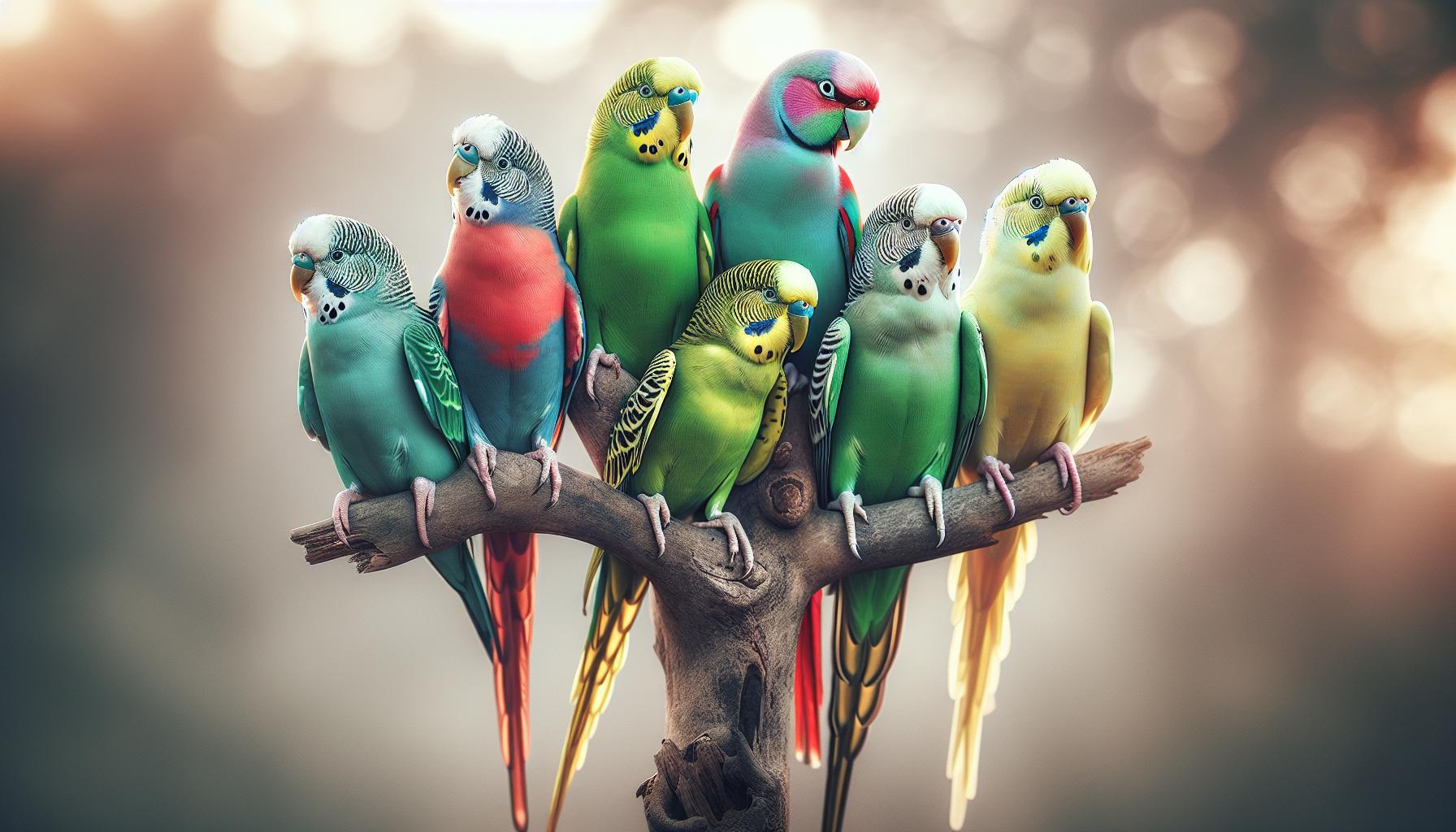
The vibrant colors of parakeets, particularly the beloved budgerigar, are not just a feast for the eyes; they are a window into the complexities of avian genetics. Each shade and pattern found on these birds can be traced back to genetic variations that influence pigmentation. For instance, the colors that we commonly see-such as the bright greens, yellows, and striking blues-result from specific combinations of dominant and recessive genes. By understanding these genetic factors, you’ll gain insight into how different colors and mutations arise, enriching your experience as a bird owner or breeder.
The Genetic Makeup of Parakeet Colors
Color mutations in parakeets primarily stem from alterations in one of several key genes responsible for feather pigmentation. These genes include the blue series and the yellow series. In the case of the blue series, variations can produce anything from a standard green budgie to stunning shades of sky blue and cobalt. On the other hand, the yellow series influences the production of yellow pigments in the feathers. By breeding two parakeets with different genetic backgrounds, enthusiasts can manipulate these genes to achieve desired color combinations and variations. For example, a green budgie paired with a blue can yield a variety of offspring, showcasing colors between those of the parents.
The Intersection of Color and Behavior
Interestingly, the colors and mutations can also offer insights into a parakeet’s personality. Certain genetic lines are associated with specific temperament traits. For instance, pastel-colored parakeets, which are a product of particular breeding strategies, can display a more docile demeanor, making them excellent companions, especially for children or beginners. Observing your bird’s behavior alongside its coloration can provide valuable cues for tailoring care approaches to suit its unique needs.
Practical Implications for Breeders and Owners
For those inclined to breed parakeets or choose one as a pet, understanding these color mutations can be incredibly beneficial. If you aspire to create specific color variations, consider starting with a basic color chart that maps out dominant and recessive traits. A simple breeding plan might look like this:
| Parent 1 Color | Parent 2 Color | Expected Offspring Colors |
|---|---|---|
| Green | Blue | Green, Blue, Yellow-Green |
| Albino | Gray | Albino, Luteino |
As you navigate the exciting world of parakeet colors, remember that each bird is not just a feathered friend adorned in vibrant hues but also a creature enriched by its genetic history and potential. This knowledge enhances the bond you can form with your pet and fosters a community of enthusiastic parakeet lovers ready to share in the joy of these colorful companions.
Common Parakeet Colors You’ll Encounter
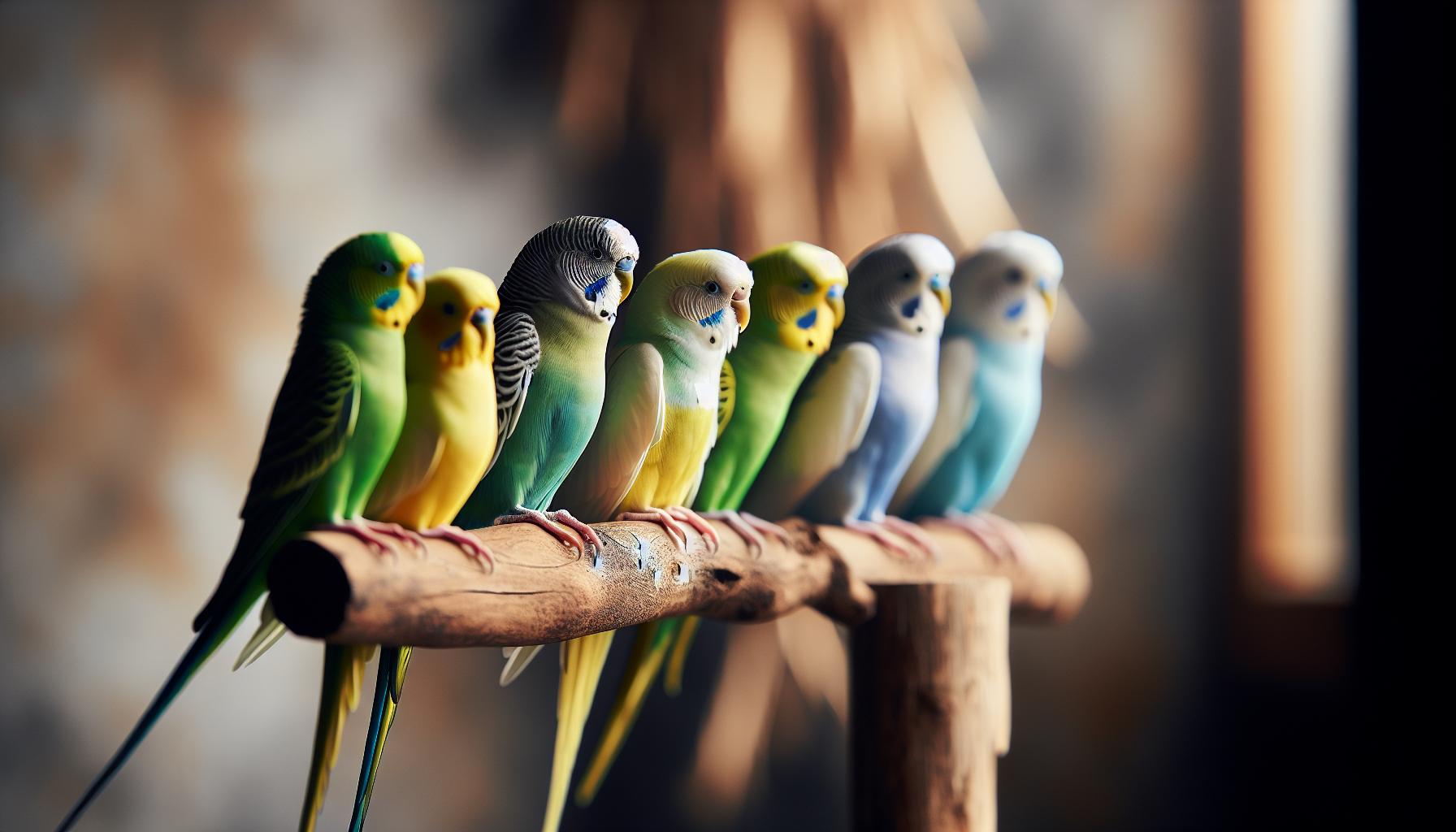
When it comes to parakeets, their colors are as diverse and captivating as their personalities. From the classic green budgerigar to innovative mutations offering a kaleidoscope of hues, understanding the common colors you’ll encounter is essential for any bird enthusiast. These vibrant shades are not just pleasing to the eye; they reflect the intricate genetic heritage of these charming creatures.
Among the most frequent colors is the green budgie, which serves as the standard color for many breeding programs. With its lush, vibrant feathers, the green variety is often complemented by contrasting yellow and black markings on the head, making it an attractive choice for newcomers. Alongside this classic, blue budgies have gained immense popularity. Ranging from soft sky blue to deep cobalt, these birds often showcase stunning variations in hue that can brighten any room.
As we venture into the lighter colors, yellow and white parakeets command attention with their bright and airy appearance. The lutino (a yellow budgie with red eyes) and the albino, which is completely white with red eyes, are particularly striking and make excellent focal points in any aviary. These colors are often associated with a gentler temperament, appealing to families and beginners alike.
Less Common Colors
For those looking for something unique, violet and grey parakeets offer a more rare spectacle. Violets exhibit rich shades that can sometimes appear bluish or purplish under different lighting conditions. Grey parakeets, on the other hand, provide a sophisticated look with their subtle elegance. Both types present a challenge for breeders, but their rarity makes them sought-after specimens.
As you navigate the vibrant spectrum of parakeet colors, remember that each hue may offer subtle insights into care and behavior. Observing the individual needs and personality traits that often accompany specific colors can help create a more harmonious environment. Whether you’re a seasoned breeder or a first-time owner, understanding these common color variations will enhance your appreciation for these delightful birds. Embrace the journey of discovering which colors resonate most with you and how they might influence the unique bond you build with your feathered companion.
Rare and Unique Color Mutations in Parakeets
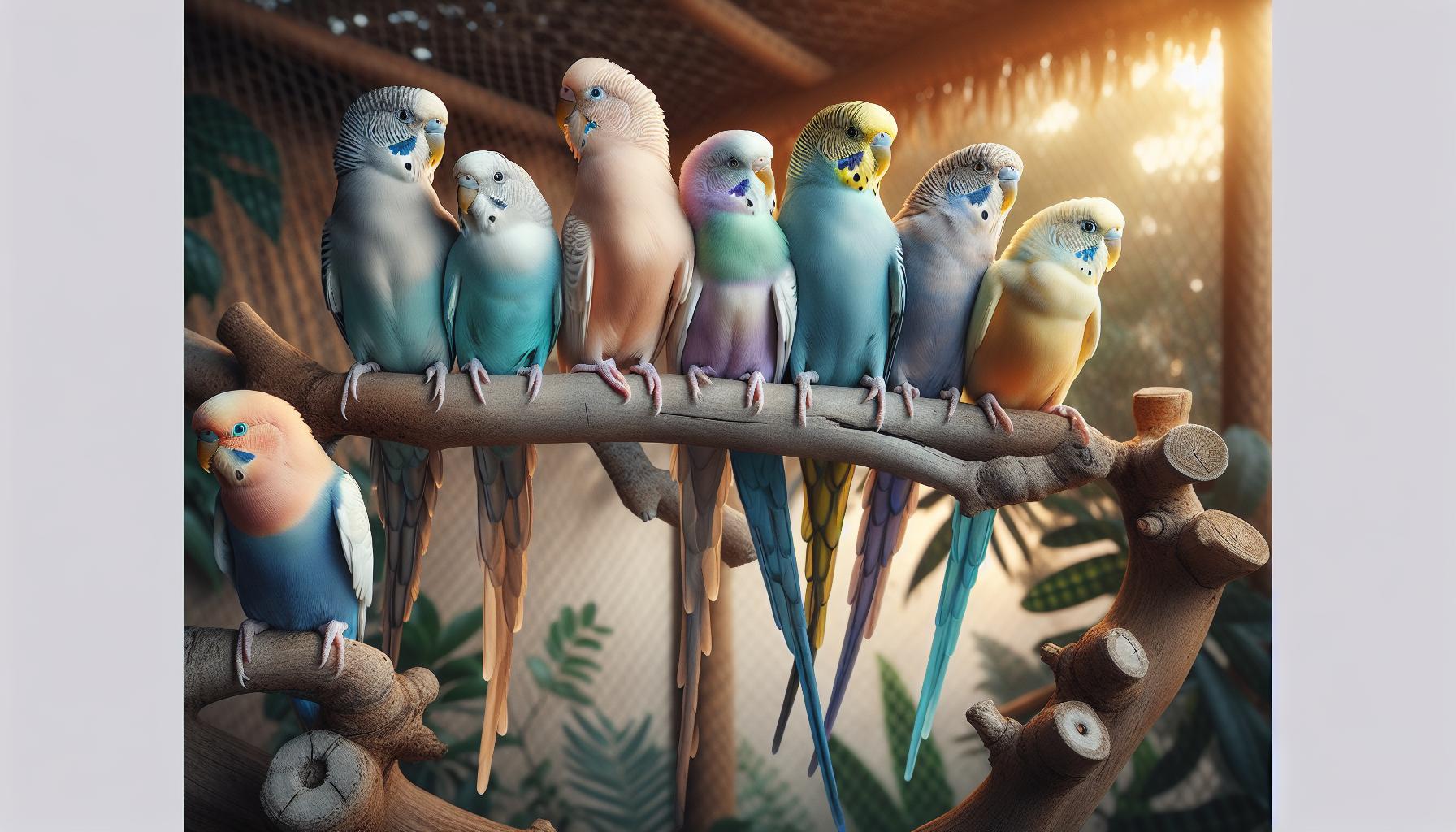
Some of the most fascinating aspects of parakeets lie in their rare and unique color mutations. These unusual variations not only catch the eye but also often come with intriguing genetic backgrounds and care considerations. For instance, the captivating opaline mutation dilutes the normal green or blue color of parakeets, producing softer hues and a distinctive pattern that stands out beautifully in any aviary. The opaline gene is responsible for altering feather structure, giving these birds a unique appearance that captivates both experienced bird lovers and novices alike.
Another remarkable mutation is the spangle, characterized by vibrant, iridescent feathers and distinctive markings that often resemble spots. Spangle parakeets come in a variety of base colors, but their highlights make them particularly striking. These colors can range from bright yellows and blues to charming pastels, enhancing their appeal as companion birds. The behavior of spangle parakeets can reflect their lively colors; many owners find them to be more social and playful compared to their more conventionally colored counterparts.
One must also consider the clearwing mutation, which results in a parakeet that displays reduced pigmentation on the wings and body. This mutation gives the bird a softer look, often with a slight sheen, allowing their underlying color to shine through subtly. When caring for clearwing parakeets, a balanced diet rich in minerals and vitamins is vital, as these mutations can sometimes be associated with slight health vulnerabilities compared to their more vividly colored relatives.
For enthusiasts looking to breed these rare varieties, understanding the genetics behind color mutations is crucial. By selectively pairing birds with specific traits, breeders can cultivate sought-after colors. However, this requires careful planning and knowledge about inheritance patterns, as not all pairings will result in the expected results. To connect culturally, many people find that these unique colorations can become conversation starters, often representing personal stories or preferences in a pet.
In summary, the world of parakeet color mutations is a treasure trove of variety and beauty, providing both aesthetic pleasure and an opportunity for deeper engagement with genetics and breeding ideologies within aviculture. Embracing these unique colors not only enhances your understanding of parakeets but also enriches your experience as a caretaker and companion to these remarkable birds.
How to Identify Parakeet Colors and Patterns
Identifying the vibrant palette of parakeet colors and patterns can be both exciting and rewarding, especially as you learn about the different mutations that give each bird its unique appearance. With a relatively small size and sociable nature, parakeets come in a myriad of hues, making them one of the most visually appealing pet birds. From the cheerful yellows and greens to the rare and captivating pastels, understanding how to recognize these colors can enhance your appreciation and care for these feathered friends.
A practical approach to identifying parakeet colors includes observing their primary feathers and markings. Most commonly, you’ll encounter the standard green, which is what many people picture when they think of a budgie. Variants include the blue, which can range from sky to cobalt, and the yellow or lutino, characterized by a bright, sunny hue with little to no pigmentation. To simplify identification, consider a quick reference table showcasing the primary colors and their mutations:
| Color | Description |
|---|---|
| Normal Green | Bright green with black or dark green markings. |
| Sky Blue | Light blue with minimal body markings. |
| Lutino | Bright yellow with red eyes, often lacking markings. |
| Albino | White feathers with red eyes, a genetic rarity. |
| Opaline | Soft hues with diluted color patterns. |
When analyzing patterns, look for specific markings like the spangle, which creates a distinct spotted effect, or the clearwing, known for its reduced pigmentation. These features not only add to their aesthetic charm but can also reflect their personality traits; for instance, spangle parakeets are often more playful and social than others.
A handy tip for anyone interested in identifying colors is to pay attention to the bird in various lighting conditions. Natural light will reveal the true colors better than artificial light, ensuring that subtle differences in shades and patterns are apparent. Additionally, many parakeets will display varied intensities of color based on their mood and age-young birds typically have brighter colors, while adults may develop more muted tones.
By understanding these visual cues and characteristics, you will not only be able to identify your parakeet’s color more effectively but also enrich your experience in caring for them. The interplay of genetics, mutation, and the vibrant spectrum of colors they offer makes owning parakeets a delight that is both visually satisfying and personally rewarding.
Caring for Parakeets: Color and Character
Understanding the link between a parakeet’s color and its personality traits can greatly enhance your relationship with these delightful birds. Many enthusiasts have observed that specific color mutations may correlate with distinct behavioral tendencies, giving insight into how best to care for your feathered friend. For instance, brighter colored parakeets, such as lutinos and bright yellows, often display more energetic and playful behaviors, while those with deeper hues, such as slate blues or dark greens, can be calmer and more reserved.
One crucial factor to consider is that each parakeet is an individual-just like humans, their personalities can vary regardless of color. However, engaging with their unique traits often begins with their coloration. For example, spangle parakeets, which bear distinct markings, are typically more social and curious. Pairing certain colors with appropriate activities can encourage the best behaviors. A playful and energetic yellow budgie may enjoy interactive toys and puzzles, while a more reserved blue budgie might prefer solitary activities like perching on a favorite spot and observing its surroundings.
Practical Tips for Care Based on Color
Understanding the color of your parakeet can guide you in providing enrichment that suits their personality best. Here are some practical tips:
- Brighter Colors: For birds like lutinos, yellows, and cobalt blues, incorporate lots of interactive and stimulating toys. These colors often accompany higher energy levels and a love for exploration.
- Pastel and Muted Colors: Birds with softer colors like opaline might enjoy quieter settings and toys that encourage gentle play. They may appreciate toys that they can manipulate slowly or perch on comfortably.
- Understanding Mood Changes: Parakeets often change color intensity based on mood and health. Keep an eye on their coloration; a dimming in vibrancy can indicate stress or illness.
Moreover, understanding their color can enhance social dynamics. If you have multiple parakeets, consider color variety in their pairings. Lively colors can complement and encourage each other’s playfulness, fostering a dynamic environment. In contrast, mixing high-energy birds with more subdued ones might require supervision to ensure the quieter birds aren’t overwhelmed.
By appreciating their colors and corresponding traits, you empower yourself to create an enriching environment tailored to your parakeet’s needs. Whether you’re a beginner or an experienced bird owner, maintaining an awareness of color and character can lead to deeper bonds and a healthier life for your parakeet.
The Role of Genetics in Parakeet Colors
The vibrant colors of parakeets are not merely a visual delight; they are the result of intricate genetic mechanisms that determine feather pigmentation and patterning. These genetic factors are essential for anyone interested in aviculture, as they offer insight into the diverse color morphs found in these cheerful birds. Color variations in parakeets are a fascinating interplay of natural genetics, selective breeding, and mutations, leading to the stunning spectrum of shades we see today.
In parakeets, color traits are primarily influenced by both dominant and recessive genes. For instance, the mutation that produces the well-known blue color is recessive, while the dominant yellow is typically associated with lutino parakeets. This means that a lutino parent bird will always pass on its bright yellow plumage to offspring, while a blue bird can produce a variety of colors depending on its mate. Additionally, mutations like albino, which lacks all pigment, and spangle, characterized by distinct feather patterns, illustrate how single genetic changes can result in visually unique birds.
For those keen on breeding, understanding genetic inheritance can enormously aid in producing desired color traits. By studying Punnett squares, breeders can predict the probability of specific color outcomes based on the genetics of parent birds. For instance, pairing a green parakeet with a blue parakeet might yield a range of colors in the offspring, with various chances of producing green, blue, or even turquoise characters, depending on the underlying genetics.
The excitement of color genetics extends beyond scientific curiosity; it enhances the enjoyment of owning and caring for parakeets. Observing how color mutations relate to individuality can deepen your understanding of their behavior and social dynamics. Enthusiasts often find that specific colors not only captivate the eye but also express distinctive personality traits. For example, brighter-colored parakeets are frequently seen as more playful and energetic, while those with more subdued hues may exhibit calmer behaviors. Thus, appreciating the role of genetics in their colors fosters a more profound connection and a more informed approach to their care and interaction.
By observing these genetic principles, you can better navigate the vibrant world of parakeet colors, whether you’re looking to select a pet, breed for specific traits, or simply enhance your understanding of these delightful birds.
Color Breeding: Tips for Aspiring Breeders
Getting into parakeet color breeding can be an incredibly rewarding journey, not just for the awe of vibrant plumage but also for the understanding of genetics behind these delightful birds. If you’re looking to breed parakeets for specific colors or patterns, it’s essential to start with a solid foundation of knowledge about genetics and inheritance patterns. For instance, pairing two blue parakeets might yield a variety of shades, including greens and yellows, depending on their genetic backgrounds. This unpredictability can be part of the fun and learning experience.
To effectively breed for colors, familiarize yourself with the basic concepts of dominant and recessive traits. Start by using Punnett squares to visualize the potential outcomes of your breeding pair. These helpful diagrams can help you anticipate which colors might emerge based on the genetics of the parents. Pay particular attention to the visual traits of your birds-such as their color, patterning, and even behaviors-as these can give you clues about their underlying genetics.
It’s also beneficial to maintain detailed records of your breeding progress. Keeping track of lineage can help you identify successful pairings and the most productive genetic combinations. This is particularly important for seasoned breeders aiming to introduce more unique mutations into their lines. Consider documenting the characteristics of each offspring in a table format, noting their colors, patterns, and any behavioral traits observed. This will not only guide your future breeding decisions but also deepen your understanding of how certain traits are passed down through generations.
Lastly, when selecting breeding pairs, it’s crucial to prioritize health and temperament alongside color. Healthy, well-socialized birds are more likely to produce lively and resilient offspring. Each color mutation carries its own quirks and patterns of behavior, so understanding these can enhance your breeding strategy and improve the results. Brighter-colored parakeets, for example, are often reported to exhibit more playful behavior, while those with muted tones may display a gentler disposition. Observing and learning from these nuances can lead to a more enriching and successful breeding experience.
Parakeet Color Charts: Visual Guides for Identification
The captivating world of parakeets offers a delightful tapestry of colors, each unique hue telling its own story. Color charts serve as invaluable tools for bird enthusiasts, providing visual aids to help identify the various shades and patterns that these charming birds can exhibit. Whether you’re a seasoned bird aficionado or a newcomer fascinated by these colorful companions, understanding parakeet colors is essential not just for identification but also for breeding and care.
When looking at a parakeet color chart, you’ll typically encounter a spectrum of colors categorized based on common genetic mutations. These charts often divide colors into several key categories, including:
- Classic Colors: Such as green and blue, which are often seen in wild-type parakeets.
- Color Mutations: Variants like lutino (yellow) and albino (white) that arise from specific genetic pairings.
- Patterned Variations: Including pied (multicolored with white) and spangle (with lighter feather tips) that showcase dynamic color combinations.
Visual guides not only assist in distinguishing between these colors but also provide insights into how the colors correspond with genetic factors. A well-structured chart can detail the potential offspring colorings based on the genetics of breeding pairs, using Punnett squares as a visual example of trait inheritance. This information empowers breeders to make informed decisions, predict outcomes, and better understand the behaviors associated with certain colors.
Furthermore, color charts can enhance your understanding of parakeet behavior. Research suggests that brighter colors may correlate with more active and playful tendencies, while muted colors may prompt gentler dispositions. For example, a vibrant yellow parakeet could display energetic behavior, making it an interactive pet, whereas a pastel-colored variety might be more reserved yet affectionate. By using color charts as a practical guide, you can develop deeper insights into your parakeets, helping you create an environment tailored to their personalities and needs.
In conclusion, having access to detailed parakeet color charts can transform your experience as a bird owner, allowing you to appreciate the beauty of each unique coloration while fostering a stronger connection with your feathered friends. Embrace the joy of identifying colors, understanding genetics, and observing behaviors; the journey into the world of parakeet colors is not just informative but equally rewarding.
Using Color to Understand Parakeet Behavior
The vibrant hues of parakeets are not just visually striking; they can also offer intriguing insights into their behavior and temperament. Observing the colors of these charming birds can serve as a window into their personalities. For instance, brighter colors like yellow and lutino tend to be more associated with active and playful behaviors. These colorful characters often exhibit high energy levels and are typically more social, eager to interact with their owners. Their vivacity can make them delightful companions, drawn to playful activities and engaging with toys or their human counterparts.
In contrast, parakeets with softer or muted colors, such as pastels, might display gentler and more subdued behaviors. These birds often exude a calm demeanor, making them great options for individuals seeking a more relaxed pet. While they may not be as rambunctious as their brightly colored fellows, these parakeets can display affectionate and loving traits, often enjoying quieter moments spent cuddled in their owners’ hands or perched nearby.
To enhance the relationship with your feathered friend, consider their color and the behavior it may suggest when designing their environment. Brighter birds may thrive with more stimulating surroundings-such as interactive toys and social interaction-while those with softer colors might appreciate a peaceful space for retreat and gentle play. Additionally, engaging your parakeet in activities that match its disposition can foster a positive atmosphere and strengthen your bond.
Understanding the color-behavior correlation in parakeets not only enriches your ownership experience but also empowers you to cater to the needs of your bird. By tuning into these visual cues, you create a harmonious environment that nurtures your parakeet’s personality, whether lively or serene.
Cultural Significance of Parakeet Colors
The vibrant colors of parakeets do more than just brighten up our homes; they carry deep cultural significance across various societies. For centuries, these enchanting birds have been admired not only for their beauty but also for the meanings and associations their colors evoke. In different cultures around the world, colors often symbolize distinct qualities or traits, influencing how people perceive their feathered companions.
Historical Context and Symbolism
In many ancient societies, brightly colored birds were seen as symbols of joy, prosperity, and good fortune. For example, in some Indigenous cultures, the arrival of colorful parakeets was believed to herald new beginnings, much like the changing of seasons. Colors such as green symbolize renewal and life, while blue may represent calmness and serenity. These associations continue today, as bird enthusiasts often choose parakeets based on the traits these colors convey, linking their choice to personal aspirations or emotional connections.
Modern Interpretations
In contemporary aviculture, the allure of parakeet colors goes hand in hand with breeding practices. Pet owners often gravitate towards unique mutations, leading to a vibrant marketplace filled with shades and patterns. Many breeders intentionally create striking colors, such as lutino or albino, which can be perceived as symbols of rarity or exotic beauty. This phenomenon has led to vibrant communities where people not only share care tips but also discuss the cultural meanings behind their birds’ colors and their influence on behavior.
Color Perception and Interaction
Understanding the can enhance the relationship between the owner and the bird. For instance, when someone adopts a bright yellow parakeet, they might be drawn to its vibrancy and perceived playfulness. This can affect how they interact with the bird, creating an environment filled with stimulation and love, fostering a deeper emotional connection. Recognizing the cultural context of a parakeet’s color can inform one’s approach to care and training, allowing for a more personalized experience.
In conclusion, the colors of parakeets are not just aesthetic; they are imbued with cultural meanings that can shape our interactions with these charming companions. By appreciating the rich history and symbolism behind different hues, owners can cultivate a deeper understanding and a more fulfilling bond with their avian friends.
Fun Facts About Parakeet Colors and Their Origins
Parakeets are not just charming companions; their dazzling array of colors serves as a testament to their genetic diversity and cultural significance. Did you know that the most common parakeet colors are attributed to specific color mutations? For instance, budgerigars-the most popular parakeet species-often show a range of vibrant hues, including green, blue, yellow, and white, each stemming from unique genetic variations.
One fascinating aspect of parakeet colors is the influence of human breeding practices. Over time, aviculturists have developed mutations-like the opaline and the spangle-that produce eye-catching shades and patterns. Some breeders focus on creating rarer colors, such as the lutino variety, which is characterized by its striking yellow feathers and red eyes, stemming from a specific genetic allele that inhibits the production of melanin. Each color delights bird enthusiasts, sparking discussions around breeding techniques and the hereditary traits passed down through generations.
Understanding parakeet colors also provides insights into their temperament and behavior. For example, brighter colors may be associated with more active and social birds, while those with more muted tones can sometimes exhibit calmer dispositions. Through careful observation, owners can tailor their care routines, enriching the social and physical environments based on their parakeets’ unique characteristics.
In addition to their practical implications, colors also carry historical and societal meanings. Throughout history, the vibrant plumage of parakeets has been celebrated in various cultures. For instance, in many Indigenous communities, vibrant birds symbolize the arrival of new beginnings. Awareness of these origins can enhance the connection between bird and owner, making each interaction more meaningful. By understanding the richness of parakeet colors-including their genetic roots and cultural significance-owners can appreciate their feathered friends on a deeper level, fostering a rewarding companionship that transcends mere aesthetics.
Faq
Q: What are the most common colors of parakeets?
A: The most common parakeet colors include green, yellow, blue, and white. Green is typical for wild budgerigars, while mutations like yellow and blue are popular among pet owners. Explore more colors in the “Common Parakeet Colors You’ll Encounter” section of our article.
Q: How do mutations affect parakeet colors?
A: Mutations alter the genetics of parakeets, resulting in varied color patterns like albino, pied, and lutino. Each mutation changes the pigmentation and can lead to unique appearances. For a deeper understanding, see “The Science Behind Parakeet Color Mutations.”
Q: Are there parakeet colors that indicate specific health concerns?
A: Generally, parakeet colors do not indicate health issues; however, abnormal colors or patterns may suggest genetic disorders or health problems. Regular vet check-ups are essential for maintaining your parakeet’s well-being. Visit “Caring for Parakeets: Color and Character” for more tips.
Q: When do parakeets change colors?
A: Parakeets may change colors as they mature or due to molting. Younger birds often develop brighter plumage as they age, and seasonal changes can also affect color intensity. Check “How to Identify Parakeet Colors and Patterns” for identifying these changes.
Q: What color parakeets are considered rare?
A: Rare parakeet colors include violet, cinnamon, and black face mutations. These can be challenging to find and often command higher prices. Learn more about these unique variations in the “Rare and Unique Color Mutations in Parakeets” section.
Q: Can diet affect a parakeet’s color?
A: Yes, diet can influence the vibrancy of a parakeet’s feathers. A balanced diet rich in fruits, vegetables, and quality pellets supports healthy pigmentation. For dietary tips, refer to “Caring for Parakeets: Color and Character.”
Q: Why do some parakeets have brighter colors than others?
A: Brighter colors in parakeets often result from specific genetic mutations and selective breeding. Birds bred for show often have enhanced coloration compared to those bred for companionship. This is discussed in “The Role of Genetics in Parakeet Colors.”
Q: How do I breed parakeets for specific colors?
A: Breeding parakeets for color involves understanding genetics and selecting breeding pairs with desired traits. Study the color genetics and follow guidelines from “Color Breeding: Tips for Aspiring Breeders” in our article for effective breeding strategies.
Insights and Conclusions
Now that you’re equipped with a deeper understanding of the stunning colors and mutations of parakeets, it’s time to bring some vibrant life into your home! Whether you’re a seasoned bird lover or a curious beginner, exploring the colorful world of parakeet care is just a click away. Don’t forget to check out our comprehensive guides on Parakeet Behavior and Essential Care Techniques to enhance your knowledge and ensure your feathered friend thrives.
Have questions or want to share your favorite parakeet colors? We’d love to hear from you in the comments below! For those ready to take the plunge, consider subscribing to our newsletter for the latest tips and tricks tailored for bird enthusiasts. Dive into this colorful journey with us and ensure your parakeet gets the best care, happiness, and companionship they deserve. Explore now, and let the joy of birdkeeping begin!
Get our latest guides, news, and insights highlighted in your Google Search & AI Overviews.