
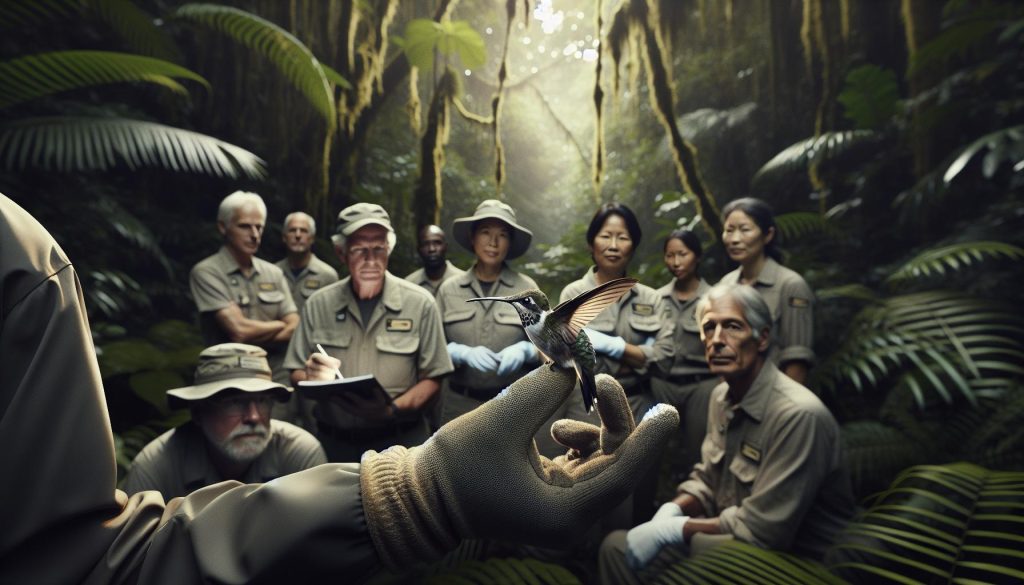
Did you know that the Tres Marias Hummingbird is one of the rarest birds on the planet, found only in the secluded Tres Marias Islands off the coast of Mexico? As conservationists, we face the pressing challenge of protecting this beautiful endemic species, whose delicate ecosystem is threatened by habitat loss and climate change. Understanding the unique behaviors and needs of this hummingbird is essential not just for bird enthusiasts, but for anyone who values biodiversity and the health of our planet. By learning about the Tres Marias Hummingbird and its conservation efforts, you can contribute to safeguarding a vital piece of our natural heritage. Join us as we explore the fascinating world of this island endemic, its role in the ecosystem, and how you can make a difference. Your knowledge could be the key to ensuring that future generations continue to marvel at these iridescent jewels of nature.
Tres Marias Hummingbird: A Unique Island Endemic

The Tres Marias Hummingbird, an exquisite gem of the avian world, stands as a testament to the marvels of island endemicity. Found exclusively in the Tres Marias Islands off the Pacific coast of Mexico, this hummingbird showcases the unique evolutionary paths species can take when isolated. With its vibrant plumage and iridescent hues, each sighting feels like a reward, a reminder of nature’s delicate balance. Observing these birds not only satisfies an innate curiosity but also serves as a crucial opportunity to reflect on the importance of their preservation.
In understanding the significance of the Tres Marias Hummingbird, we must consider what island endemism brings to biodiversity. Endemic species are often particularly vulnerable to changes in their environment, and the Tres Marias Islands present a unique ecosystem that has both shaped and been shaped by their avifauna. The distinct features of the Tres Marias Hummingbird, including its remarkable coloration and behavior, not only enrich our understanding of avian diversity but also highlight the need for dedicated conservation efforts in their limited habitat.
These hummingbirds prefer the dense vegetation of tropical deciduous forests, utilizing their remarkable agility to navigate through foliage in search of nectar. Their presence is an indicator of a healthy ecosystem, and thus, conserving their habitat is paramount. Efforts to mitigate the threats they face, such as habitat loss and climate change, are vital not just for their survival but for the ecological integrity of the islands as a whole. Engaging local communities in conservation initiatives creates a shared responsibility, ensuring that the cultural heritage and natural history of the Tres Marias Islands are preserved for future generations.
As individuals seeking to appreciate and protect these remarkable birds, several steps can be taken. Practicing responsible birdwatching, supporting local conservation programs, and spreading awareness about the challenges faced by the Tres Marias Hummingbird significantly contribute to their preservation. By fostering a deep appreciation for these unique creatures, we can continue to champion the cause of biodiversity and the intricate ecosystems that sustain it.
Understanding Island Endemism and Its Importance
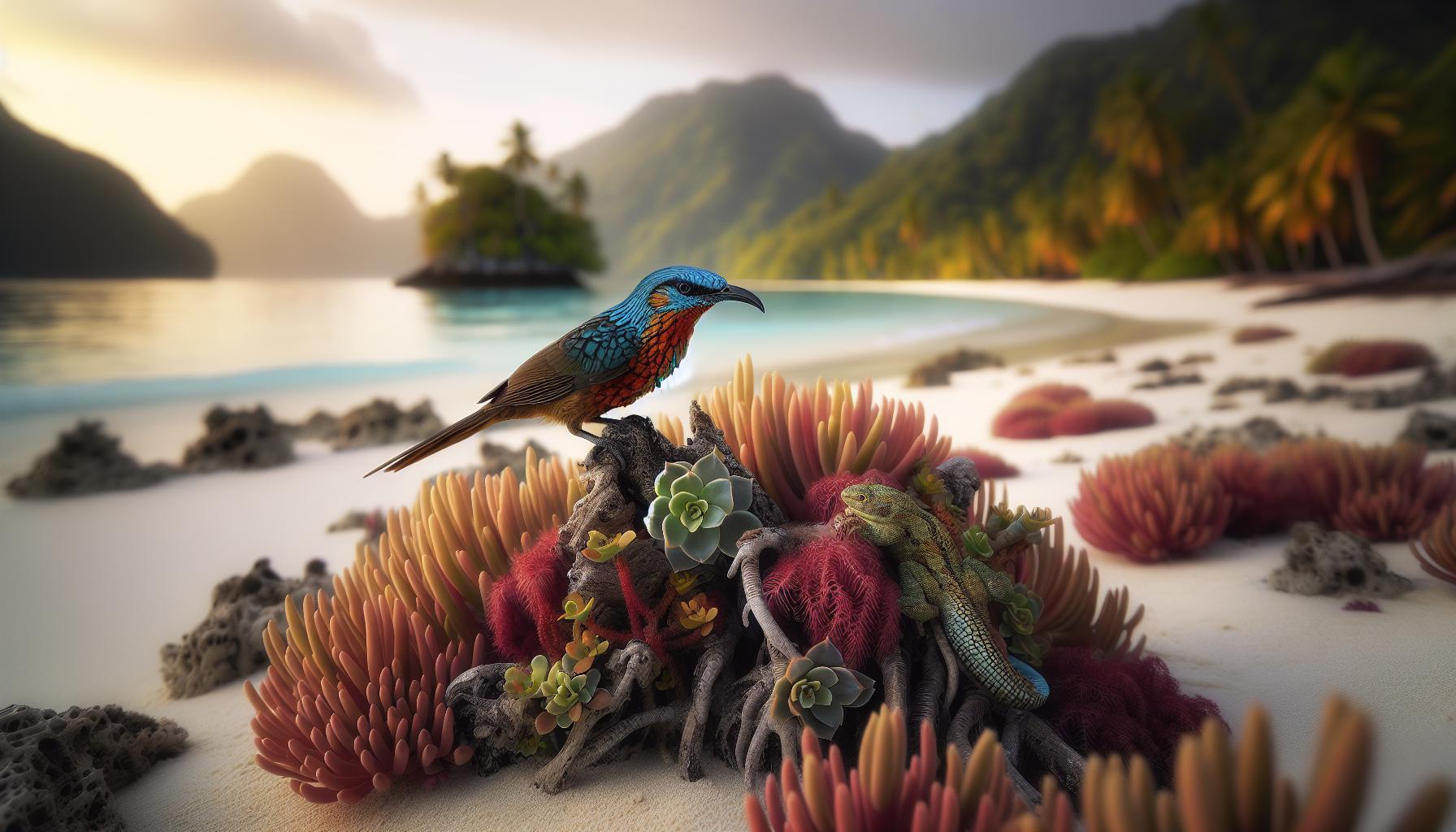
The existence of the Tres Marias Hummingbird serves as a captivating reminder of the intricate tapestry of life found only in isolated ecosystems. This stunning bird, endemic to the Tres Marias Islands, evolved in a unique geographical and environmental context, contributing to the rich biodiversity that defines these islands. Understanding island endemism is essential because it highlights how such species adapt specifically to their limited habitats, becoming integral to their ecosystems and, ultimately, to global biodiversity.
Island endemism enriches our planet’s biological diversity, illustrating how geographical isolation can lead to the emergence of unique traits in species. For example, the Tres Marias Hummingbird has developed specialized feeding habits and behaviors that align with the available flora on the islands. Such species often showcase vibrant colors and behaviors finely tuned to their environment, enabling them to thrive in ecological niches that may not be found elsewhere. This aspect of evolution not only fascinates scientists and birdwatchers alike but also underscores the importance of conserving these endemic species and their habitats, ensuring that ecological balances are maintained.
Moreover, the vulnerability of island endemics like the Tres Marias Hummingbird to environmental changes cannot be overstated. Deforestation, invasive species, climate change, and habitat destruction pose significant threats to these birds and their limited ranges. As custodians of these environments, we must advocate for policies and practices that protect their habitats and promote sustainable interactions with local communities.
Engaging with local communities is crucial in these conservation efforts. Empowering residents to participate in protecting their natural resources fosters a sense of stewardship that benefits both people and wildlife. By providing education and resources for sustainable practices, we can enhance the chances of survival for the Tres Marias Hummingbird, ensuring that future generations can admire its beauty and appreciate the intricate web of life that these islands sustain.
Distinctive Features of the Tres Marias Hummingbird

The Tres Marias Hummingbird stands out not only for its striking beauty but also for its unique adaptations to the specific conditions of the Tres Marias Islands. This small bird, typically measuring around 3 to 4 inches in length, showcases an iridescent plumage that can shift from deep emerald green to brilliant blue hues depending on the angle of light. Such vibrant coloration is not just for aesthetics; it plays a crucial role in mating displays and species recognition, helping to maintain its distinct genetic lineage in this geographically isolated region.
One of the most is its specialized bill, which is slightly curved and elongated. This adaptation allows it to access nectar from the unique flowering plants found on the islands, such as various species of native salvia and hibiscus. Its feeding behavior is not only fascinating to observe but also essential for pollination, as it transfers pollen between flowers while foraging for sustenance. Birdwatchers often marvel at this symbiotic relationship, where the hummingbird plays a critical role in the survival of the flora on which it depends.
While its physical attributes are eye-catching, the hummingbird’s behavior is equally engaging. It is known for its incredible agility and speed, capable of rapid turns and hovering in place, which are essential skills for feeding effectively. This bird’s high metabolism requires frequent feeding, with some individuals visiting hundreds of flowers in a single day. Observers will be captivated by its aerial displays and aggressive territorial behavior, especially during the breeding season when male hummingbirds perform intricate flights to attract mates.
To truly appreciate the Tres Marias Hummingbird, one should explore its habitat, which consists of subtropical forests and shrubland unique to the islands. The lush, dense vegetation not only offers plenty of feeding opportunities but also provides essential cover from predators. Engaging with local birdwatching groups or conservation efforts can enhance your understanding and appreciation of this remarkable species. By participating in eco-tours or guided hikes, you can witness firsthand the distinctive features and behaviors of the Tres Marias Hummingbird, making your experience all the more enriching.
Habitat Preferences and Distribution in the Tres Marias Islands
The Tres Marias Hummingbird thrives in the lush, subtropical environment of the Tres Marias Islands, an isolated setting that plays a significant role in shaping its unique characteristics and behaviors. These islands feature a mix of dense forests, shrublands, and flowering plants, creating an ideal ecosystem that supports diverse wildlife, including the endemic hummingbird. The blend of habitats allows for a rich array of nectar sources, vital for sustaining this small bird, which is known for its high metabolic demands and frequent feeding habits.
Key to the Tres Marias Hummingbird’s success in this habitat is its specialization in nectar foraging. It predominantly feeds on the exquisite flowers of native plants such as salvia and hibiscus, which have evolved alongside the bird. This relationship is a classic example of coevolution, where the bird’s uniquely adapted bill enables it to access nectar that other species may reach. As it flits from flower to flower, the hummingbird not only sustains itself but also serves as an important pollinator, facilitating the reproduction of the plants it depends on for food.
Observing the Tres Marias Hummingbird requires an understanding of its preferred environments. Birders might explore the higher elevations of the islands where subtropical forests provide abundant food sources and nesting materials. However, it’s essential to respect these natural areas to ensure the continued survival of the species. Engaging with local conservation initiatives can enhance your encounters, as organizations often provide guided tours and educational programs about the habitat and the hummingbird’s role within it.
For those looking to observe these remarkable creatures, it’s beneficial to visit during their peak activity hours, generally in the morning and late afternoon when they are most active. Additionally, scouting locations near flowering plants will increase your chances of witnessing the dazzling aerial displays and vibrant colors that make the Tres Marias Hummingbird a true spectacle of island biodiversity.
Conservation Status: Threats and Preservation Efforts
The Tres Marias Hummingbird, a captivating island endemic, faces a myriad of conservation challenges that threaten its survival. One of the most pressing issues is habitat destruction, primarily driven by agricultural expansion and tourism development on the Tres Marias Islands. As these natural landscapes are altered, the delicate balance of its ecosystem is disrupted, jeopardizing the availability of necessary food sources and nesting sites. With the island’s unique flora-such as salvia and hibiscus-being diminished, the hummingbird finds itself increasingly reliant on fragmented habitats, which could lead to isolation and reduced genetic diversity.
Additionally, invasive species pose a significant threat. Non-native plants and animals can outcompete the native vegetation and pollinators that the Tres Marias Hummingbird depends on. Some invasive insects may also introduce new diseases to which the hummingbird has no natural immunity. This situation highlights the importance of monitoring and managing invasive populations to maintain the integrity of the hummingbird’s habitat.
Efforts to preserve the Tres Marias Hummingbird focus on various conservation strategies. Local organizations and wildlife agencies are actively engaged in habitat restoration projects that aim to replant native vegetation and control invasive species. Community involvement is paramount in these initiatives, fostering a sense of stewardship among local residents. For instance, educational programs teach islanders about the ecological significance of the hummingbird and motivate them to protect its habitat. By promoting sustainable practices and eco-tourism, these programs also provide alternative livelihoods that lessen the reliance on destructive agricultural practices.
To support these preservation efforts, bird watchers and enthusiasts can contribute by participating in citizen science projects, which help gather data on the hummingbird’s population dynamics and habitat use. Additionally, advocating for local policy changes that prioritize conservation can make a significant impact. Engaging with conservation organizations, volunteering for restoration efforts, or simply spreading awareness about the challenges faced by the Tres Marias Hummingbird can empower individuals to take action and ensure the long-term survival of this unique island endemic.
The Role of Local Communities in Conservation
The success of conservation efforts for the Tres Marias Hummingbird hinges significantly on the active engagement of local communities. These island residents possess a profound understanding of their environment, rooted in cultural practices and a shared history with the land and its wildlife. By fostering a connection to this unique island endemic, communities can play a vital role in advocating for sustainable practices that protect both the hummingbirds and their habitats.
One of the key initiatives has been the implementation of educational programs aimed at enhancing awareness about the importance of the Tres Marias Hummingbird within the ecosystem. These initiatives often involve workshops and community gatherings where residents learn about the ecological roles played by the hummingbird and the impact of their actions on its survival. For example, local schools frequently conduct science projects that encourage students to observe and document hummingbird activity, combining education with practical conservation measures. This not only cultivates a sense of responsibility among younger generations but also integrates traditional ecological knowledge passed down through families.
Moreover, local communities are central to habitat restoration projects. By participating in reforestation efforts and invasive species control, islanders contribute to the landscape’s health, directly impacting the availability of food and nesting sites essential for the hummingbird’s survival. Volunteers have a direct hand in replanting native flora, such as salvia and hibiscus, which are vital food sources. Through these endeavors, community members engage in hands-on activities that reinforce their commitment to conservation, while also cultivating a sense of ownership over their natural resources.
Empowering local communities also involves promoting sustainable livelihoods that align with conservation goals. Eco-tourism is an increasingly popular avenue that allows locals to benefit economically while supporting the protection of the Tres Marias Hummingbird habitat. By creating birdwatching tours or nature trails, communities can attract visitors who are interested in experiencing the island’s unique avian population. This not only brings financial benefits but also reinforces the importance of maintaining the beauty and health of the natural surroundings.
Ultimately, the role of local communities in the conservation of the Tres Marias Hummingbird exemplifies how grassroots involvement can lead to significant ecological benefits. By uniting education, restoration, and sustainable economic practices, these communities are not just guardians of their natural heritage; they are pivotal players in securing a future where the enchanting Tres Marias Hummingbird can thrive alongside them.
Behavior and Feeding Habits of the Tres Marias Hummingbird
The Tres Marias Hummingbird is not only a stunning avian specimen but also a marvel of adaptation, exhibiting unique behaviors and feeding habits that highlight its close relationship with the delicate ecosystems of the Tres Marias Islands. Known for their incredible agility, these hummingbirds can hover in place while they feed, using their specialized wings to make rapid adjustments. This ability allows them to deftly maneuver among flowers, deftly extracting nectar with their long, slender bills.
The primary food source for the Tres Marias Hummingbird is nectar, which they obtain from a variety of native flowering plants, particularly those rich in sugars. This species is most attracted to brightly colored flowers-especially red, orange, and purple blooms-which serve as visual cues for locating food. The hummingbird also plays a vital role in pollination, transferring pollen between flowers as it feeds, thus contributing to the health and reproduction of the island’s flora. In addition to nectar, these birds also consume small insects and spiders, which provide necessary protein for their growth and development, particularly during the breeding season.
Feeding Behavior
Hummingbirds, including the Tres Marias variety, possess remarkable feeding techniques. They utilize their rapid wing flaps to hover near blossoms and can adjust their position mid-air to sip nectar efficiently. This process often requires a keen sense of timing, as they must dart in and out quickly to evade potential predators. Observing this behavior can be a delightful experience for birdwatchers and nature enthusiasts alike. To increase your chances of witnessing these captivating feeding habits, consider planting native flowering species such as salvias and hibiscus in your garden. These plants not only attract the hummingbirds but also provide them with rich sources of nourishment.
Optimal Feeding Times
Understanding the feeding times of the Tres Marias Hummingbird can greatly enhance your birdwatching experience. These birds are most active during the early morning and late afternoon when flowers tend to be more abundant with nectar. Early in the day, you may see them actively feeding as they charge up for the day. Likewise, observing them during the golden hour can yield spectacular views as they bask in the warm light while hovering near their favorite blooms.
In summary, the feeding habits of the Tres Marias Hummingbird are intricately linked with their environment, showcasing a beautiful interplay between bird and plant life. By appreciating these behaviors, you can not only cultivate your understanding of this unique endemic species, but also contribute to its conservation by promoting a healthy habitat that supports their survival.
Breeding and Nesting Practices: What to Know
The Tres Marias Hummingbird’s breeding and nesting practices are as fascinating as they are critical to the species’ survival. These small birds often engage in complex courtship displays that showcase their vibrant colors and acrobatic skills, which, let’s face it, are an absolute spectacle to behold! Males will perform aerial displays, darting and hovering in front of potential mates, all while vocalizing their intent through a series of chirps and whistles. This vibrant display is not just an exhibition of beauty but a crucial part of attracting a mate and establishing dominance in a territory.
Once a pair has formed, the female takes on the primary responsibility for building the nest. Typically located in dense vegetation, the nests are ingeniously crafted using a variety of materials, such as fine plant fibers, spider silk, and even bits of lichen, allowing them to blend seamlessly into their surroundings for camouflage. The nests are small, usually no larger than a golf ball, yet they provide a cozy and secure environment for the young hummingbirds after they hatch. In a delightful twist, the compact design of these nests allows them to expand slightly to accommodate the growing chicks.
Nesting Behavior
After constructing the nest, the female lays typically two eggs, which are about the size of a pea. The eggs are incubated for around two weeks, during which time the female remains vigilant, leaving only briefly to feed. Once hatched, the chicks are entirely dependent on their mother, who feeds them regurgitated nectar and small insects packed with protein. This careful nurturing continues until the fledglings are mature enough to leave the nest, usually around three weeks post-hatching.
If you want to cultivate an environment supportive of the Tres Marias Hummingbird’s nesting habits, consider planting native vegetation that provides necessary cover and food sources for them. Maintain a diverse garden with a variety of flowering plants that bloom at different times, ensuring a continuous supply of nectar. This not only supports feeding adults but also provides key resources for nesting females.
By understanding their breeding and nesting practices, conservation efforts can be more effectively tailored to maintain healthy populations of this unique island endemic. Engaging with local communities and promoting awareness about the importance of preserving habitats will play an essential role in supporting the Tres Marias Hummingbird’s future.
How to Observe and Photograph Tres Marias Hummingbirds
The Tres Marias Hummingbird, a dazzling endemic jewel of the Tres Marias Islands, presents a unique opportunity for birdwatchers and photographers alike. Observing these remarkable birds in their natural habitat can be a rewarding experience, filled with vibrant colors and flamboyant displays. Here’s how to make the most of your birdwatching and photography efforts when it comes to this enchanting species.
To begin with, understanding the best times for observation is essential. Early mornings or late afternoons when the hummingbirds are most active are ideal for catching them darting between flowers. Their preference for certain nectar-rich plants makes knowledge of local flora beneficial. Focus on areas where native flowering plants bloom, as these not only attract the Tres Marias Hummingbird but also create a picturesque setting for photography. Consider setting up your observation spot near these plants, allowing you to be treated to both the beauty of the wildlife and the environment.
When it comes to photographing these tiny birds, patience and stealth are key. Using a telephoto lens can help you capture detailed images without startling them. Create a natural blind by blending into the environment. Wearing neutral colors and moving slowly can prevent scaring the hummingbirds away. It may also be helpful to position yourself at different angles to the light, as this can enhance the vibrancy of their feathers in your photographs.
Furthermore, capturing their dynamic feeding behavior can be particularly thrilling. Consider using a fast shutter speed to freeze the action as they hover at flowers or engage in aerial displays. Active feeding times, where you can catch these birds in action, usually coincide with the blooming of specific flowers; timing your visit accordingly can yield substantial rewards in both observation and photography.
Lastly, but importantly, be mindful of your impact on their habitat. Observing these birds is a fantastic way to promote conservation awareness. Engaging with local communities about the significance of their unique wildlife enhances both your experience and their ongoing conservation efforts. The Tres Marias Hummingbird is not just a sight to behold; it also symbolizes the delicate balance of island ecosystems that require our protection.
Educational Initiatives Supporting Conservation Efforts
The intricate connection between education and conservation cannot be overstated, especially when it comes to protecting unique species like the Tres Marias Hummingbird. Engaging educational initiatives serve as a cornerstone for fostering understanding and appreciation of this endemic bird’s delicate existence. Local conservation organizations are now prioritizing educational programs that target both residents and visitors, promoting awareness of the Tres Marias Hummingbird’s ecological significance and the specific threats it faces.
These initiatives often incorporate community workshops, where experts discuss the importance of biodiversity, habitat preservation, and sustainable practices. For instance, interactive programs for local schools not only educate children about the hummingbird’s role in pollination and ecosystem health but also encourage them to be stewards of their environment. Incorporating hands-on activities, such as birdwatching excursions and gardening with native plants, helps to deepen participants’ connections to their local wildlife.
Additionally, collaborating with tourism operators can amplify these educational efforts. By equipping guides with information about the Tres Marias Hummingbird, they can enhance the experience of birdwatchers and nature lovers. Educational materials can include pamphlets that outline key identifying features and behaviors, as well as conservation tips for responsible observation. This approach not only enriches the visitor experience but also directly contributes to conservation by promoting practices that minimize human impact on these fragile ecosystems.
Leveraging technology plays a crucial role as well. Digital platforms can host webinars, virtual tours, and interactive wildlife monitoring programs, making conservation education more accessible. These resources transform the act of birdwatching into an educational experience, inviting a wider audience to engage with the remarkable Tres Marias Hummingbird while actively contributing to its preservation. By fostering informed communities and passionate advocates, these educational initiatives ensure that the legacy of this incredible island endemic continues for generations to come.
Resources for Birdwatchers: Where to Find Information
Finding the right resources to enhance your birdwatching experience, especially when it comes to the captivating Tres Marias Hummingbird, can make all the difference in appreciating these unique creatures. Whether you are a novice birdwatcher or a seasoned ornithologist, several valuable tools and sources are available that provide comprehensive information on identification, behavior, and conservation.
For those looking to deepen their understanding, consider diving into specialized birdwatching guidebooks that focus on the birds of the Tres Marias Islands. These books often include detailed descriptions, beautiful illustrations, and useful charts highlighting the physical features and vocalizations of the Tres Marias Hummingbird. Recognized titles such as “A Field Guide to Birds of the Tres Marias Islands” often contain critical sections dedicated to island endemics, giving you the insights needed to spot and identify these beautiful birds accurately.
Online platforms are also a treasure trove of information. Websites like the Cornell Lab of Ornithology and eBird offer up-to-date data on bird sightings and migration patterns. You can track locations of Tres Marias Hummingbird sightings through interactive maps and contributed observations from fellow birdwatchers. Joining local or international birdwatching forums provides a community of enthusiasts eager to share tips on the best viewing spots and the best times to observe these elusive birds in their natural habitat.
Physical locations, such as botanical gardens or reserves in the Tres Marias Islands, often host workshops and guided birdwatching tours led by experienced ornithologists. These sessions not only enhance your observational skills but also enrich your experience with firsthand knowledge about the habitats and behaviors of the Tres Marias Hummingbird. Don’t overlook social media groups dedicated to birdwatching; they can be excellent for both inspiration and practical advice. Members frequently share their personal anecdotes, photographs, and conservation updates.
By utilizing these resources, you not only improve your chances of spotting the beloved Tres Marias Hummingbird but also join a broader effort in conservation. Engaging with this community fosters a greater appreciation for this island endemic and its preservation, ensuring that future generations will also have the joy of observing these remarkable birds in the wild.
Future of the Tres Marias Hummingbird: Challenges and Opportunities
The Tres Marias Hummingbird stands as a testament to the delicate balance of island ecosystems, showcasing both breathtaking beauty and the pressing challenges of conservation. As an island endemic, this species faces a host of threats ranging from habitat destruction to climate change, but there are also numerous opportunities for conservation efforts that can make a significant impact.
One of the main challenges is the loss of habitat due to agricultural expansion, urbanization, and invasive species. The Tres Marias Islands are uniquely vulnerable, as their limited landmass and resources mean that any ecological disruption can have profound effects. However, this situation also opens the door for innovative conservation strategies. For example, restoration projects that focus on native flora not only benefit the hummingbirds but also support a broader spectrum of wildlife. Engaging local communities in these efforts fosters a sense of stewardship and provides valuable insights into sustainable practices tailored to their unique environments.
In addition to habitat restoration, educational initiatives offer great potential to enhance the conservation outlook for the Tres Marias Hummingbird. By raising awareness about the species and its ecological role, education can inspire both locals and visitors to participate in conservation actions. Conservation organizations often conduct workshops and citizen science programs, empowering people to contribute to research and monitoring efforts. Such initiatives not only strengthen community ties but also generate useful data that can help in understanding population dynamics and habitat needs.
Furthermore, global interest in birdwatching has created new opportunities for ecotourism on the Tres Marias Islands. Promoting responsible birdwatching tours can generate income for conservation while educating tourists about the unique biodiversity of the islands. It’s essential, however, to develop these programs thoughtfully to minimize any negative impact on the habitats.
Facing challenges with a proactive mindset is key to the future of the Tres Marias Hummingbird. By focusing on restoration, education, and sustainable tourism, we can create pathways that not only safeguard this extraordinary bird but also enrich our own understanding of and connection to the natural world. Together, as a community of bird lovers and conservationists, we have the power to make a significant impact on the preservation of this irreplaceable island endemic.
Q&A
Q: What conservation efforts are in place for the Tres Marias Hummingbird?
A: Conservation efforts for the Tres Marias Hummingbird include habitat restoration, establishing protected areas, and community engagement initiatives. Local organizations collaborate with conservationists to educate the public and promote ecotourism, enhancing awareness about the bird’s unique status and the importance of preserving its habitat.
Q: Why is the Tres Marias Hummingbird considered an island endemic?
A: The Tres Marias Hummingbird is classified as an island endemic because it is only found in the Tres Marias Islands, resulting from evolutionary processes that have isolated this species. This status highlights its vulnerability to environmental changes and habitat loss, making conservation crucial for its survival.
Q: How does habitat loss affect the Tres Marias Hummingbird?
A: Habitat loss affects the Tres Marias Hummingbird by reducing its food sources and nesting sites, which can lead to population declines. Deforestation and land development pose significant threats, emphasizing the need for protective measures and habitat restoration efforts from both local communities and conservation groups.
Q: What role do local communities play in the conservation of the Tres Marias Hummingbird?
A: Local communities play a vital role in conservation efforts by participating in habitat preservation, wildlife monitoring, and sustainable tourism. Their involvement in educational programs fosters an appreciation for the Tres Marias Hummingbird, encouraging residents to take active steps in protecting their environment.
Q: What can I do to help in the conservation of the Tres Marias Hummingbird?
A: You can support the conservation of the Tres Marias Hummingbird by visiting the Tres Marias Islands responsibly, participating in local conservation programs, and donating to organizations focused on bird and habitat preservation. Educating others about this unique species can also promote awareness and stimulate further conservation efforts.
Q: When is the best time to observe Tres Marias Hummingbirds?
A: The best time to observe Tres Marias Hummingbirds is during the breeding season, typically from late spring to early summer. During this period, males are more active in courting and can often be spotted performing aerial displays. Early mornings are ideal for sightings as they engage in feeding and territorial behavior.
Q: How does climate change impact the Tres Marias Hummingbird?
A: Climate change impacts the Tres Marias Hummingbird by altering weather patterns, affecting flowers’ blooming cycles, and reducing available food sources. Changes in temperature and precipitation can modify their habitat, challenging their survival and reproduction rates, necessitating adaptive conservation strategies.
Q: What unique characteristics distinguish the Tres Marias Hummingbird from other species?
A: The Tres Marias Hummingbird is distinguished by its vibrant plumage, unique courtship behaviors, and specific feeding preferences for local nectar-producing flowers. Its isolation in the Tres Marias Islands has led to its unique adaptations, setting it apart from other hummingbird species.
Insights and Conclusions
As we wrap up our exploration of the Tres Marias Hummingbird, let’s remember that the future of this beloved island endemic is in our hands. By conserving their unique habitats and supporting local conservation initiatives, you can play a pivotal role in protecting these remarkable birds and their ecosystems. Don’t miss out on learning more about what you can do-check out our detailed guide on Hummingbird Habitats and the importance of Biodiversity Conservation.
Join us in making a difference-subscribe to our newsletter for the latest updates on conservation efforts, expert insights, and tips on attracting hummingbirds to your backyard. We’d love to hear your thoughts-share your experiences or questions in the comments below. Each action counts in preserving the song of the Tres Marias Hummingbird for generations to come! Explore more and spread the word; together, we can create a vibrant future for these enchanting creatures.
Get our latest guides, news, and insights highlighted in your Google Search & AI Overviews.










