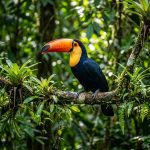
Did you know that toucans are not only famous for their large, colorful bills but also for their vibrant personality? Painting a toucan can unlock your artistic potential, enabling you to blend colors and experiment with techniques to bring these birds to life on canvas. Whether you’re a beginner eager to learn the basics or an experienced artist looking to refine your skills, understanding color mixing and painting techniques is essential. This guide will delve into everything you need, from choosing the right hues to creating texture, ensuring your artwork showcases the stunning beauty of toucans. As you embark on this colorful journey, we’ll explore tips that encourage creativity and spark curiosity, helping you capture these magnificent birds in a way that speaks to your artistic vision. So grab your brushes and let’s create something remarkable together!
How to Choose the Right Colors for Your Toucan Painting
To effectively capture the vibrant essence of a toucan in your painting, choosing the right colors is crucial. Toucans are renowned for their strikingly bright and bold plumage, which can include hues of yellow, orange, red, and green, along with characteristic black and white features. Researching specific species can greatly inform your color selections, as different toucans may exhibit unique combinations and gradients in their feathers. For example, the Toco Toucan flaunts a predominantly black body with a vivid yellow throat and a massive orange bill, while the Keel-billed Toucan showcases a dazzling range of colors from yellow to turquoise. Understanding these differences helps you create an accurate and appealing representation.
When selecting your palette, consider using high-quality acrylics or oils that can maintain vibrancy and allow for smooth blending. A common approach is to start with a base layer of your primary colors and then gradually mix secondary hues to develop the feather textures. It can be beneficial to prepare a color wheel or a sample chart to visualize how your colors interact. Don’t shy away from experimenting with different ratios to achieve the desired saturation and brightness; a touch of white can lighten a color, while a small amount of complementary color can tone it down.
To enhance the overall visual impact, think about the light source in your composition and how it affects color perception. Light can create highlights and shadows, adding depth to your artwork. This is particularly important for depicting a toucan’s striking bill, which varies dramatically in appearance depending on how light interacts with its surface. By incorporating a well-thought-out color scheme that mirrors the natural beauty of toucans, you’ll create a painting that not only catches the eye but also evokes the lively spirit of these incredible birds.
Essential Tools for Painting a Toucan
To bring the vibrant beauty of a toucan to life on canvas, having the right tools at your disposal is essential. High-quality materials not only enhance your creative process but also ensure that your artwork reflects the brilliant colors and intricate details characteristic of these stunning birds. First and foremost, invest in paint that holds true to the vividness associated with toucans. Consider acrylics for their quick-drying properties and versatility, or opt for oil paints if you appreciate a longer drying time that allows for blending and layering.
A set of brushes in various shapes and sizes is crucial for achieving different textures. Flat brushes can help cover larger areas quickly, while round and detail brushes are perfect for painting the fine feathers and delicate details of a toucan’s features. Look for brushes made from synthetic or natural hair, as both have their distinct advantages in terms of paint application.
Equally important is your canvas or paper. Choose a surface with enough texture to hold the paint but smooth enough for detailed work. A primed canvas panel can be a great choice, but don’t overlook heavyweight watercolor paper if you prefer to work with pencils or watercolor mediums. Additionally, a palette for mixing colors is essential. A simple wooden or a disposable paper palette works well; just ensure it’s large enough to accommodate various hues as you create your custom mixes.
Finally, don’t forget about tools for texture and blending. Palette knives are invaluable for mixing colors and creating impasto effects, while sponges or cloths can help you add texture to the feathers. Having a spray bottle of water nearby can also aid in keeping your acrylic paints workable for longer.
By gathering these essential tools, you’ll be well-equipped to tackle the challenge of painting a toucan, allowing your artistic vision to flourish as you celebrate the beauty of these magnificent creatures.
Step-by-Step Guide to Mixing Vibrant Toucan Colors
To truly capture the essence of a toucan in your artwork, understanding how to mix colors that reflect their vibrant plumage is crucial. Toucans are celebrated for their striking beaks and colorful feathers, which can range from deep blacks and rich yellows to radiant reds and blues. The foundational step in creating a vibrant toucan painting begins with selecting the right paints and mixing them to achieve the desired intensity.
Start by laying out a palette of primary colors: red, yellow, blue, and white. The vividness of toucan colors often comes from bold, saturated hues. For the deep blacks typically found in their feathers, mix a rich, dark tone using equal parts of blue and red to create a dark purple, then add a touch of black for depth. For the bright yellow of the toucan’s body, use a pure lemon yellow straight from the tube or mix a touch of white to soften the color.
Another tip for obtaining the characteristic vibrant colors is to create undertones. Layering colors can enhance the richness of your artwork. For instance, your initial layer on the beak can be a base of orange mixed from red and yellow. Once dry, you can apply a more vivid yellow on top, allowing the underlying color to influence the final hue. Creating mixes with varying amounts of white can also help achieve lighter shades without losing vibrancy.
Keep in mind the importance of testing your color mixes on a scrap piece of paper or canvas before applying them to your main work. This practice allows you to see how the colors interact and ensures that you achieve the boldness and vibrancy needed for a successful toucan portrait. Mixing is not just about combining colors; it’s about understanding their relationships and how light can affect them. By mastering these techniques, you’ll bring your toucan painting to life with colors as brilliant as the birds themselves.
Techniques for Capturing Toucan Feather Texture
Capturing the intricacies of a toucan’s feather texture can elevate your painting from a simple depiction to a lifelike representation of these stunning birds. Toucans are known not just for their vibrant colors, but also for the unique patterns and the silky sheen of their feathers. To emulate this in your works of art, consider using a combination of techniques that include layering, stippling, and glazing.
Start by establishing a base layer with your chosen colors, such as deep blacks or rich blues for the primary feather areas. Once this layer is dry, you can begin introducing highlights and shadows to convey depth. Use a small, soft brush for applying lighter shades to the areas where light would naturally hit, like the tips of the feathers. For darker areas, mix in a touch of purple or dark green to create shadows that give the feathers dimension.
Another effective technique is stippling, which can mimic the texture of feathers quite well. This involves using a stiff brush or a sponge to dab small dots of paint onto the surface. Vary your color choices slightly to add complexity-perhaps a hint of green mixed into the yellow or an orange undertone under the black feathers. This layering effect will enhance the vibrant quality of your toucan’s feathers, giving them a more realistic appearance.
Additionally, consider glazing as a technique to achieve a smooth, glossy finish that mimics the natural sheen of bird feathers. After your base and detail layers have dried, thin out a clear medium or a matching color with a glazing medium and apply it in thin layers. This not only deepens the color but also creates a reflective quality, similar to how light interacts with real feathers. Remember to be patient, allowing each layer to dry completely before adding the next for the best results.
By employing these techniques, you’ll transform your toucan painting into a true homage to the beauty of these remarkable birds, conveying their vivid colors and intricate textures with every brushstroke.
Creating Realistic Eyes in Your Toucan Art
Eyes are often referred to as the window to the soul, and this is especially true when it comes to capturing the essence of a toucan in your artwork. The eyes of these vibrant birds are not merely functional; they convey a sense of character and vitality, which can bring your painting to life. To create realistic eyes that pop, start by observing reference photos of your chosen toucan species. Take note of the unique shape, color, and reflective qualities of their eyes-these details will serve as your guide.
Begin with a solid base layer using a warm color, such as a soft brown or golden hue, to mimic the iris. Once this layer is dry, introduce deeper colors like dark browns or blacks for the pupil. When applying paint, use a small brush to achieve precision; a fine-tipped brush is ideal for detailing. To create a stunning effect, blend lighter shades around the pupil to simulate light reflections. This technique highlights the spherical nature of the eye and achieves a lifelike glimmer. Remember, the eyes are slightly bulging on a toucan, so ensure the upper and lower edges are rounded for added realism.
Add a touch of white paint to create highlights that reflect light, typically positioned in the upper part of the eye. This small but critical detail can dramatically affect the emotional tone of your painting. You can also introduce a hint of blue or green near the edge of the iris to mimic the vibrant colors often found in toucan eyes. Lastly, don’t forget to paint the surrounding area-adding depth through slightly darker colors around the eye socket can enhance the three-dimensional quality of your artwork.
Taking your time with this process can significantly elevate your toucan painting; the eyes can convey emotion and personality, transforming a good painting into a captivating one. So, embrace this artistic challenge and let the eyes of your toucan become a focal point that draws viewers in, inviting them to appreciate the beauty and uniqueness of these magnificent birds.
Incorporating Backgrounds That Enhance Toucan Portraits
To truly elevate your toucan painting, the background plays a crucial role in highlighting the vibrant beauty of these magnificent birds. Rather than opting for a plain or neutral backdrop that might overshadow your focal point, consider using elements that echo the richness of the toucan’s environment. Imagine a lush, tropical scene, where the greens of the foliage serve to accentuate the striking colors of the toucan’s feathers. This approach not only provides context but also creates a more immersive experience for the viewer.
When choosing colors for the background, think of how tones can complement or contrast with those of the toucan. For instance, using soft blues can enhance the yellows and oranges of the bird, while deeper greens can reflect the darker shades often seen in toucan plumage. Here are a few tips to help you select and create backgrounds that truly enhance your artwork:
- Layering Colors: Start with a base layer that sets the ambiance. Soft washes of color can create a dreamy atmosphere, allowing the toucan to take center stage. You can gradually build up layers, adding darker shades to create depth.
- Textured Techniques: Incorporate brush techniques such as stippling or dry brushing to add texture mimicking leaves or branches in the background, giving the impression of depth and dimension.
- Use of Light and Shadow: Consider where your light source is coming from. Adding shadows behind your toucan can create a sense of realism and depth, making the bird appear to pop out from the canvas.
Remember, the background should guide the viewer’s eye towards the toucan without stealing the show. Experimenting with different styles, such as impressionistic foliage or a more abstract representation of the jungle, can yield exciting results. Don’t hesitate to draw inspiration from photographs of toucan habitats, and let the natural beauty of their surroundings inform your color choices and composition. Combining thoughtful background design with your toucan can create a dynamic visual narrative that invites viewers into the vibrant world of these extraordinary birds.
Layering Techniques for Depth and Dimension
To achieve a dynamic and engaging painting of a toucan, incorporating depth and dimension is essential. One of the most effective ways to do this is through layering techniques, which can elevate your artwork from flat to vibrant and lifelike. Start by understanding that layers are not just about color; they also involve texture and the play of light, which can dramatically influence the viewer’s perception of your piece.
Begin with a solid groundwork by applying a light wash of color as your base. This initial layer sets the mood and provides a unified tone for your painting. Opt for soft hues that resonate with the background environment of the toucan, such as gentle greens or warm earth tones. As the base dries, gradually build up layers with richer and deeper colors. This approach allows you to create variations in tone-key to mimicking the layered nature of feathers. Consider using a glaze technique, where thinned paint is applied over dried layers to introduce subtle color shifts without obscuring the detail beneath.
Next, think about the textural elements you can integrate into your painting. For instance, utilizing techniques like dry brushing or sponging can add a tactile dimension to the background, simulating leafy canopies or the rough bark of trees, which will frame your toucan beautifully. Adding highlights and shadows strategically enhances the three-dimensional effect. Use a lighter color for highlights on areas where light naturally falls, such as the upper parts of the feathers, while deeper shades can create the shadows that suggest curvature and volume.
Lastly, don’t hesitate to play with the scale and distance of your layers. Elements that are closer to the toucan should appear more detailed and vibrant, while those further away can be softer and more muted. This not only draws attention to the toucan itself but also mimics the way we perceive the natural world. By thoughtfully layering colors, textures, and details, you can create a toucan painting that captivates the viewer’s attention and brings this magnificent bird to life on your canvas.
Common Mistakes to Avoid When Painting Toucans
When embarking on the journey of painting a toucan, it’s essential to be aware of the common pitfalls that can turn a vibrant vision into a disappointing result. One of the most frequent mistakes is overlooking the incredible variety of colors that make up a toucan’s plumage. Many beginners might resort to using a limited palette that doesn’t accurately capture the bird’s vivid yellows, deep blacks, and striking reds. Instead, take the time to study your reference images closely. This not only helps in mixing the appropriate hues but also assists in understanding how light interacts with the feathers, allowing for a more lifelike representation.
Another crucial aspect often neglected is the texture of the feathers. The temptation to apply a flat layer of paint without considering the unique feather structure can result in a lack of depth. Toucans have diverse textures depending on the feather type-those around the neck may appear smoother, while the body can exhibit a rougher, more layered look. To accurately portray these differences, utilize techniques such as dry brushing and sponge application to add dimension and mimic the feather’s natural layering effect. Experiment with varying brush sizes to achieve finer details in high-contrast areas, especially around the beak and eye.
Moreover, neglecting the background can significantly impact the overall composition of your painting. A distracting or overly detailed background can pull attention away from the toucan itself. Instead, aim for a subtle background that complements the subject without overpowering it. Soft washes of color that reflect the toucan’s natural habitat-such as muted greens or browns-will help your subject stand out.
Lastly, remember the importance of patience. Rushing the process can lead to mistakes, such as blending wet paint unintentionally or not allowing layers to dry properly, which can muddy colors. Take your time, build layer by layer, and ensure you step back frequently to assess your progress. Embracing these insights will not only enhance your painting experience but also allow your toucan artwork to flourish with life and vibrancy.
Inspiring Examples of Toucan Artwork
Diving into the world of toucan artwork can be a feast for the senses, showcasing the vibrant colors and intricate textures of these stunning birds. Across platforms such as Instagram and Pinterest, artists frequently share their stunning renditions, each presenting unique interpretations of toucans that can spark your creative journey. One noteworthy example is the work of Australian artist Kelsey Montague, whose colorful mural featuring a toucan against a lush, tropical background invites viewers to step into the bird’s vibrant habitat. It serves as a reminder of the importance of context in appreciating the subject-an essential takeaway for your own paintings.
To fully capture the essence of toucans, consider studying artwork that emphasizes different aspects of their plumage and personality. The intricate details in the paintings of Mexican artist Alberto Aragon, for instance, remind us how using contrasting colors can enhance the visual impact of a toucan’s beak. His use of bright oranges alongside deep blacks not only brings the bird to life but also mirrors the natural beauty of their surroundings. This kind of contrast is a valuable lesson for artists looking to create depth and dimension in their paintings.
Additionally, don’t overlook digital artwork as a source of inspiration. Many contemporary artists are embracing technology to explore and reinterpret traditional subjects like toucans. Websites like DeviantArt and ArtStation showcase a variety of styles and techniques-from hyper-realistic digital paintings to whimsical illustrations-allowing you to see how different mediums can convey the same subject with varied emotional resonance. By examining these diverse approaches, you can inspire your own techniques, experimenting with color mixing and layering in ways that feel right for your artistic voice.
Lastly, consider joining online art communities or attending local art exhibitions focusing on wildlife. Not only do these venues present a plethora of toucan-themed pieces, but they also provide opportunities for you to engage with other artists, share insights, and gather feedback on your work. Such collaborations can be incredibly motivational and help refine your skills as you embark on your painting adventures. Remember, every stroke of paint you apply to your canvas is a step toward discovering your unique interpretation of these magnificent birds.
Tips for Displaying and Sharing Your Toucan Painting
Displaying your toucan painting can transform any living space and create a vibrant focal point that celebrates these stunning birds. Whether you’re an amateur or a seasoned artist, sharing your work effectively not only elevates your artwork but also engages viewers, inviting them into the colorful world you’ve captured on canvas.
To create an eye-catching display, consider the lighting. Natural light enhances the vivid colors of your painting, so positioning it near a window can create beautiful reflections and enhance the visual appeal. However, be wary of direct sunlight, as this can fade colors over time. Using adjustable lighting, such as picture lights or track lights, can also help illuminate your artwork without compromising its integrity. Additionally, choose a frame that complements the aesthetic of your painting. A simple, sleek frame can focus attention on the vibrant hues of your toucan, while an ornate frame can add a touch of elegance and personality.
Sharing your art on social media platforms is a vital part of connecting with other art enthusiasts. Instagram and Pinterest are particularly effective for visual content. When posting, utilize hashtags like #ToucanArt, #AcrylicPainting, or #BirdArt to reach a wider audience interested in similar themes. Create engaging captions that tell the story behind your painting process or the inspiration you drew from nature. Consider hosting a virtual gallery exhibit or joining online art communities where you can post your work, receive feedback, and connect with fellow artists.
In addition to digital sharing, participating in local art shows or community exhibitions can provide valuable exposure. Not only does this allow you to display your work physically, but it also fosters connections with other creatives and art lovers. Networking within these communities can lead to opportunities for collaboration and further inspiration, fueling your passion for painting and the depiction of exquisite bird species.
Engaging with your audience and peers enhances the impact of your artwork. Remember, displaying and sharing your toucan painting goes beyond aesthetics; it’s an invitation for others to appreciate the beauty of toucans as you do. Your unique perspective adds depth to the art world, encouraging others to explore their creativity while connecting with the vibrant essence of avian life.
Frequently asked questions
Q: What colors are essential for painting a realistic toucan?
A: To paint a realistic toucan, you should focus on vibrant colors like black for the body, bright yellow and orange for the bill, and deep greens for the background foliage. Using high-quality pigments will enhance the vibrancy of your toucan painting.
Q: How can I achieve a glossy finish on my toucan painting?
A: To achieve a glossy finish, apply a layer of gloss varnish once your painting is fully dry. Use a soft brush to apply evenly. This will protect your artwork and enhance the colors, making your toucan appear more lifelike.
Q: What techniques can I use to create depth in my toucan artwork?
A: To create depth in your toucan artwork, utilize layering techniques. Start with a base layer, then add darker shades for shadow and lighter colors for highlights. This method enhances dimension, making your toucan look more three-dimensional.
Q: How can I paint a toucan’s feathers to look realistic?
A: For realistic feathers, use short, quick brush strokes in varying shades to mimic feather texture. Blend colors to create soft transitions and utilize a dry brush technique for added detail, capturing the unique sheen of toucan feathers.
Q: What background colors work best with a toucan painting?
A: Bright greens or soft blues work best with toucan paintings, as they mimic the bird’s natural habitat. These colors provide contrast without overpowering the toucan, making it the focal point of your artwork.
Q: Can I use acrylic paint to paint a toucan, and what are the benefits?
A: Yes, acrylic paint is ideal for painting a toucan. Its quick-drying properties allow for easy layering and blending, making it beginner-friendly and versatile for creating vibrant toucan colors and textures.
Q: What is the best way to fix mistakes on my toucan painting?
A: If you make a mistake, allow the paint to dry and then carefully paint over the area with the original color. For acrylics, you can even scrape off the paint with a palette knife if it hasn’t fully dried, allowing you to start fresh.
Q: How do I select the right brushes for painting a toucan?
A: Choose a mix of flat and round brushes for painting a toucan. Flat brushes are great for broad strokes and backgrounds, while round brushes are ideal for detailed areas like feathers and eyes. High-quality synthetic brushes work well with acrylic paint.
In Conclusion
Thank you for joining us on this colorful journey to learn how to paint a toucan! Remember, the key to capturing the vibrant essence of this exotic bird lies in mastering your color mixing and brush techniques. Don’t let your creativity stop here! Dive deeper into our tutorials on color theory and wildlife painting for more inspiration and skill development.
If you ever feel stuck or unsure about your next steps, leave a comment below or check out our resources page for tools that can elevate your art. Feeling motivated? Share your colorful creations with us on social media using #ToucanArtChallenge, and inspire others as well!
Ready to bring more wildlife into your artwork? Explore our guide on painting parrots and discover the endless possibilities that await. Let your artistry soar, and don’t forget to subscribe to our newsletter for the latest tips and exclusive content tailored just for you!
Get our latest guides, news, and insights highlighted in your Google Search & AI Overviews.