Did you know that the toucan’s vibrant beak is not just for show? It’s a vital tool for communication and thermoregulation! Creating a toucan beak for a costume can be a fun and rewarding project, whether for a festival, play, or Halloween. This tutorial will guide you through the process, transforming simple materials into a striking accessory that will impress everyone.
With step-by-step instructions, you’ll learn how to make a beak that not only looks great but is also comfortable to wear. Perfect for beginners and seasoned crafters alike, this project allows you to unleash your creativity and embrace your love for these fascinating birds. So, gather your materials and let’s get started on crafting your unique toucan beak that will certainly leave a colorful impression!
How to Choose the Right Materials for Your Toucan Beak
Choosing the right materials for your toucan beak is crucial to achieving an authentic and immersive costume experience. The beak is not only a significant aesthetic feature but also plays a role in comfort and practicality. A great starting point is considering lightweight options that still maintain durability. For example, EVA foam is a popular choice for crafting costume elements; it is easy to shape, cut, and paint, making it ideal for creating intricate beak designs that mimic a toucan’s vibrant coloration.
Additionally, using materials like paper mache can also be effective if you’re looking for something more traditional and textured. This method allows for zone control in coloring and offers a more organic look. Reinforcing the structure with a lightweight frame made from cardboard or craft foam can enhance stability without adding too much weight. If you’re aiming for a more polished finish, consider using thermoplastic sheets, as they can be heated and molded into shape, creating a clean, professional look while allowing for dynamic shapes.
To further enhance realism, incorporate painting techniques such as sponging or airbrushing to achieve the characteristic gradients of a toucan beak. Use high-quality, flexible acrylics that are suitable for both foam and hard surfaces, ensuring the color adheres well and remains vibrant over time. Another aspect to consider is the interior lining; adding soft fabric or foam on the inside of the beak can significantly increase comfort, especially if the beak is worn for extended periods.
When selecting materials, keep in mind the environment in which you’ll be wearing your toucan beak. Materials that can withstand outdoor conditions may differ from those suitable for indoor events. By carefully choosing your materials, you can craft a toucan beak that is not just visually striking but also comfortable and functional, ensuring your costume stands out while providing a great experience.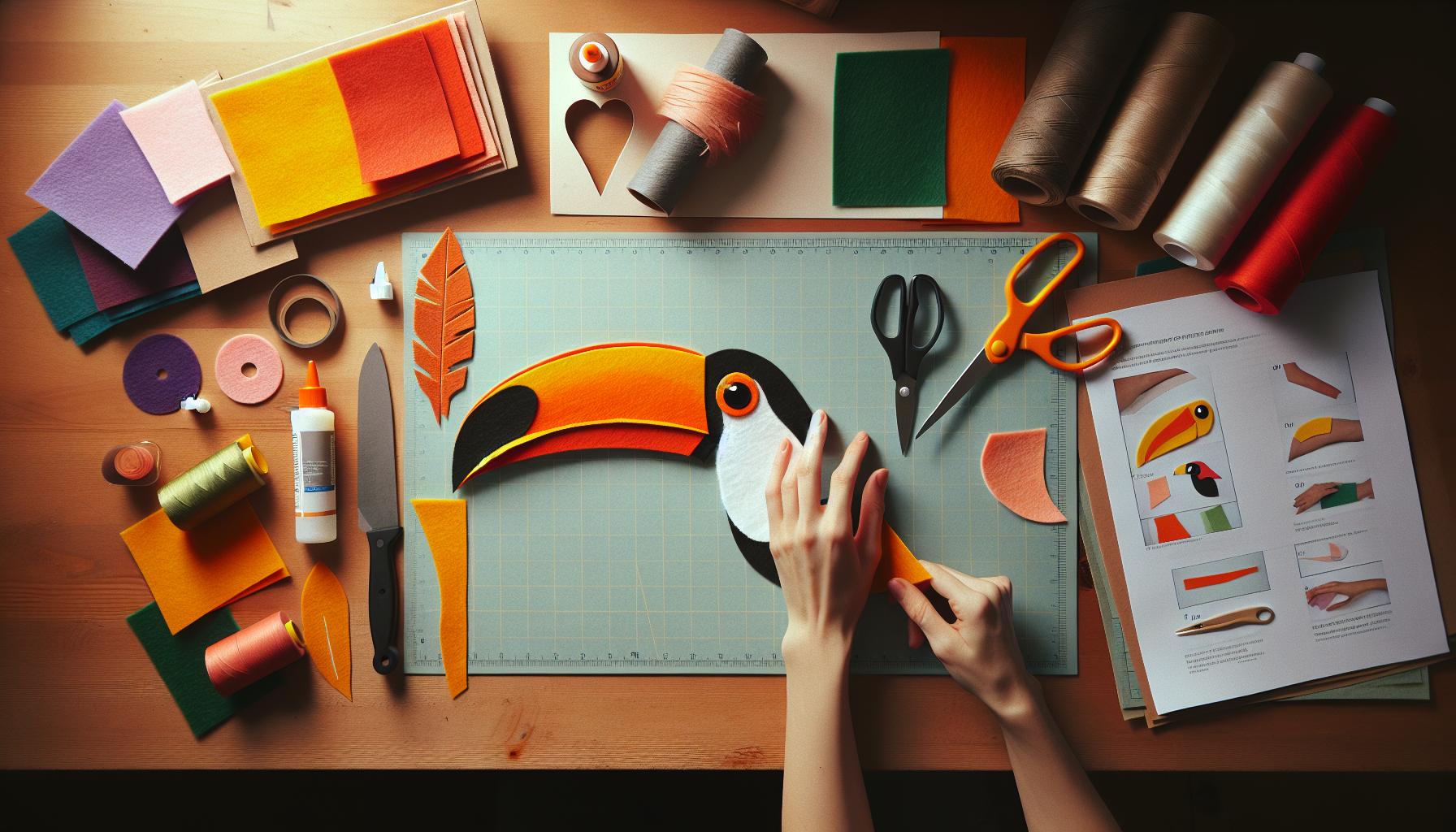
Step-by-Step Guide to Crafting a DIY Toucan Beak
Creating a toucan beak for your costume can be a fun and rewarding project, allowing you to express your creativity while channeling the vibrant charm of these fascinating birds. With just a few materials and some basic crafting skills, you can craft a beak that will not only look striking but will also be comfortable to wear. Here’s how to bring your DIY toucan beak to life in a step-by-step manner.
Start by gathering your materials. You will need lightweight options such as EVA foam or paper mache, as well as cutting tools, glue, and paint. For a sturdy base, consider a frame made of cardboard or craft foam. Measure and cut out the basic shape of the beak, resembling the distinct curve of a toucan’s bill. Typically, a long, rounded triangle will do the trick!
Next, shape your beak. If using EVA foam, heat it slightly with a heat gun or hair dryer to allow it to become pliable, making it easier to curve into the desired shape. If you opted for paper mache, layer your strips of paper over a mold (like a balloon) until you achieve your desired thickness. Once dry, remove from the mold and refine the edges.
Once your basic shape is complete, it’s time to focus on aesthetics. Apply a base coat of paint, and then use techniques like sponging or airbrushing to create the colorful gradients typical of a toucan’s striking beak. Think yellows, oranges, and blacks! To add realistic details, consider using a fine brush to outline the natural ridges and texture of the beak.
Finally, secure your toucan beak to your costume. Attach straps to the sides so you can comfortably wear it-make sure they’re adjustable for a snug fit. If you’re planning to wear the beak for an extended period, lining the interior with soft fabric or foam can enhance comfort.
By following these steps, you’ll create a stunning toucan beak that feels as great as it looks, making your costume a hit at any event!
Incorporating Texture and Color for Realism
To achieve a truly eye-catching toucan beak for your costume, incorporating texture and color can elevate your creation from simple to stunning. Toucans are renowned for their bold, vibrant beaks, which showcase a beautiful interplay of colors and unique textures that mimic the natural beauty of these birds. Understanding how to replicate these features will add realism and flair to your project.
Start by selecting your base color-a bright yellow or orange-to mimic the vivid hues of a toucan’s bill. Once your base layer is dry, you can begin layering additional colors using a technique known as sponging or airbrushing. For instance, apply a gradient from yellow at the base of the beak transitioning to deep red or even black at the tip, reflecting the natural coloration found in species like the Keel-billed Toucan. This technique not only achieves a striking visual effect but also creates depth, simulating the way light interacts with the beak.
Next, focus on adding texture. Toucans’ beaks are not just smooth; they exhibit a variety of subtle imperfections and ridges. You can replicate this by using a fine brush to paint in darker shades along the edges and natural curves of your beak. Making use of clear gloss or matte finishes can also enhance the effect-adding a gloss to specific areas mimics the shiny appearance of a real toucan’s bill. To achieve a more pronounced texture, consider using a technique like stippling with a sponge or even integrating lightweight materials like fine mesh or fabric to create raised areas on your beak.
Remember, the goal is to evoke the essence of a toucan’s beak while ensuring it aligns with the style of your costume. Experiment with various colors and textures, and don’t hesitate to seek inspiration from pictures of real toucans to capture their extraordinary beauty authentically. With thoughtful application of color and texture, your toucan beak will become a fantastic focal point of your costume, captivating everyone who sees it!
Techniques for Securing Your Toucan Beak to a Costume
Securing your handcrafted toucan beak to your costume is essential for both comfort and visual appeal. Whether you decide to create your beak from cardboard, foam, or felt, ensuring it stays in place while allowing for easy movement and adjustment will elevate your overall costume experience. Here’s how you can effectively attach your beak to your ensemble.
Start by considering the placement of the beak on your face. A good position is just above the mouth, allowing for better visibility and ease of wearing. Use a headband as a base to which you can secure the beak. Cut a piece of sturdy cardboard or flexible plastic in the shape of the toucan’s beak, and attach it to a headband using hot glue or strong adhesive. For improved stability, reinforce the connection with additional pieces of fabric or felt on the interior of the beak, securing it to the headband with stitches or glue.
Another effective method is creating a mask-style beak. Use an elastic band or string attached to the sides of the beak and loop it around your ears. This allows for a secure fit while maintaining the costume’s aesthetic. For those who may want a more adjustable option, you can use Velcro strips to help hold the beak in place, giving you the option to tighten or loosen it as needed for comfort.
For additional comfort, consider adding padding to the inner rim of the beak where it contacts your face. Foam or felt can act as a cushion, preventing irritation during extended wear. Lastly, practice wearing your beak ahead of your event to ensure it’s comfortable and secure, allowing you to adjust the placement or fastening methods as needed without the stress of last-minute fitting on the day. By thoughtfully securing your toucan beak, you’ll not only look great but also enjoy your costume to its fullest!
Creative Ideas for Accessories to Complement Your Beak
When it comes to enhancing the visual impact of your toucan costume, accessories can play a transformative role-think of them as the final strokes on a canvas! A toucan costume offers so much potential for creativity, and a few well-chosen accessories can take your look from good to outstanding. Imagine the vibrant colors and exotic flair of the tropics brought to life through your outfit.
One of the most striking enhancements you can add is a colorful feather boa. Not only does this add a touch of whimsy, but it also mimics the layered look of a toucan’s plumage. Choose hues that match the bright yellows and oranges of your beak, or go for a mix of tropical colors to evoke a true rainforest vibe. To incorporate this, gently drape the boa around your shoulders or attach it to the sides of your costume for a wild, festive flair.
Footwear that Flies
Don’t forget about your feet! Brightly colored shoes can cap off your costume beautifully. Look for shoes that feature bold colors or even consider painting a pair of old sneakers with designs of toucans or tropical flora. Another fun idea is to wear knee-high socks adorned with patterns of leaves or flowers, drawing attention to your entire look while maintaining a sense of playful elegance.
Accessorizing with Tropical Flair
Consider adding a few more touches that align with the toucan theme. For example, a headband adorned with faux flowers or feathers can accentuate your headpiece. You can create flower arrangements featuring vibrant tropical flowers to wear either around your neck or as part of a belt. These not only serve as accessories but also as a nod to the toucan’s natural habitat, emphasizing the joyful and vibrant atmosphere you’re aiming for.
Incorporating the right accessories can elevate your toucan beak costume into a stunning ensemble that truly stands out. Mix and match textures and colors while keeping comfort in mind, ensuring you feel as good as you look. Ultimately, the aim is to have fun and let your creativity soar, just like these magnificent birds!
Tips for Enhancing Comfort While Wearing Your Beak
Wearing a toucan beak can be a delightful experience, but comfort is key to fully enjoying your time in costume. Understanding how to create a cozy fit can enhance your performance and keep you in character without distraction. To ensure your beak is not only eye-catching but also comfortable, consider these tips.
First, focus on the materials used in crafting your toucan beak. Lightweight and breathable materials such as foam or felt can make a significant difference. Avoid heavy plastics or dense fabrics, which can add unnecessary weight and heat. A well-ventilated design, perhaps incorporating mesh for airflow, can help prevent overheating during events. If you’re using paint, opt for non-toxic, flexible options that won’t crack or flake under movement.
Next, securing the beak properly is essential for comfort. Use adjustable straps or a soft headband to keep the beak in place without pinching or pulling. Ensure the beak’s weight is evenly distributed; consider adding padding where necessary to avoid pressure points on your face. You can use soft fabric, like cotton or plush fleece, for this padding to create a barrier between the beak and your skin, preventing irritation during long wear.
Lastly, don’t underestimate the importance of practice. Spend time wearing your beak before the big event. This not only allows you to adjust any fittings but also helps you get used to the beak as part of your facial movements. Engage in some light activities while wearing it to test how it feels; this will highlight any discomfort or restrictions. After all, the joy of portraying such a vibrant bird should be matched with a comfortable and enjoyable experience!
Troubleshooting Common Issues When Making a Toucan Beak
Creating a toucan beak for your costume should be a fun and rewarding experience, but sometimes the process comes with its challenges. Common issues can arise that may leave you feeling frustrated or uncertain, but with a bit of troubleshooting, you can overcome them and create a beak that not only looks fantastic but feels great to wear.
One of the most frequent problems is achieving the right shape and sturdiness for the beak. If yours is too flimsy, consider reinforcing it with a lightweight yet durable material, such as cardstock or thin foam board. This can provide structure without adding excessive weight. If you find the beak is losing its shape, using a nylon wire frame can also help maintain its form while allowing flexibility when worn. On the other hand, if your beak curves or warps while you’re crafting, applying gentle heat from a hairdryer can sometimes help reshape the material, but be cautious not to overheat it.
Another common issue relates to fitting the beak comfortably. Many creators struggle with the beak slipping off or sitting loosely. To combat this, look for adjustable straps that can be incorporated into the design. Utilizing soft Velcro or elastic bands can allow for a snug fit without sacrificing comfort. If the beak is too tight or pinching the skin, consider adding a layer of soft fabric as a lining to offer padding. Adjust the length of straps or reposition them so they distribute the weight evenly and don’t create pressure points.
Lastly, paint and embellishments can present their own set of challenges. If your paint isn’t adhering well or is cracking, ensure you’re using the right type for the material-acrylic paint generally works well on foam and felt. Additionally, priming the surface before painting can help the paint stick better. For vibrant colors, layering smaller amounts of paint rather than one thick coat will often yield a more realistic, smoother finish. Remember, patience is key when crafting; allow each layer of paint to dry completely before adding more for best results.
Embrace the journey of making your toucan beak and be willing to experiment with solutions that work best for your unique design and materials. Before you know it, you’ll have a vibrant and eye-catching accessory that is both comfortable and true to the spirit of this remarkable bird!
Real-Life Examples: Inspiring Toucan Beak Creations
Crafting a toucan beak can be an exciting journey that not only showcases your creative skills but also allows you to interact with fellow costume enthusiasts. To inspire your design process, we can look at several unique creations that demonstrate the wide range of possibilities for toucan beaks.
One striking example comes from an artist who used foam sheets layered with vibrant acrylic paint to construct a lightweight yet realistic beak. This creator successfully mimicked the toucan’s natural color blending, utilizing techniques like sponging for texture and a glossy finish for realism. Additionally, they incorporated adjustable goggles that could easily attach to the beak, ensuring a snug and comfortable fit, allowing for both functionality and aesthetic appeal.
Another innovative approach involved using recycled materials, such as plastic bottles and cardboard, to fashion a beak that was not only eco-friendly but also uniquely styled. The creator added LED lights within the beak to illuminate it at nighttime events, enhancing visibility and making the costume stand out in a crowd. This idea highlights how you can infuse creativity into your designs by incorporating elements that are both practical and visually striking.
Additionally, many participants in costume parades have opted for fabric beaks that are soft and easy to wear for long durations. Utilizing felt and cotton, these beaks can be designed with detailed stitching and embellishments, such as feathers or sequins, to bring out the flamboyance characteristic of toucan appearance. These fabric beaks often feature velcro straps for easy wearing and removal, making them perfect for parties or performances where quick costume changes are necessary.
When brainstorming your own creation, consider the stories and themes that resonate with you. For instance, a toucan beak designed for a Hawaiian-themed event might incorporate tropic-inspired colors and floral prints, while a more traditional beak could focus on the vibrant yellow, black, and red typical of many toucan species. The scope for creativity is vast, and with each beak crafted, you contribute to a lovely community of costume creators who celebrate the beauty of this remarkable bird.
Exploring the History and Symbolism of Toucans in Culture
The vibrant toucan, easily recognizable by its oversized, colorful beak, carries a rich tapestry of meanings and cultural significance throughout various communities, particularly in Central and South America. In traditional cultures, the toucan symbolizes a variety of traits, including communication, joy, and playfulness, which can be wonderfully reflected in your costume design.
The toucan has often been seen as a symbol of good luck and protection. Many indigenous tribes assign spiritual significance to the toucan, believing it possesses a powerful connection to the spirit world. This connection can inspire how you approach the beak’s design, inviting elements that resonate with joyfulness or protection to be integrated into your costume. The striking colors of the toucan’s beak, which range from bright yellows to deep reds, can serve not only as aesthetic choices in your DIY project but also as an homage to these cultural interpretations of the bird.
Influence in Art and Culture
In contemporary art and media, the toucan has become a popular motif, celebrated in everything from illustrations to fashion. It represents tropical environments and is often associated with vibrant lifestyles. This can inspire you to explore the use of bold patterns and striking color palettes reminiscent of summer and tropical settings in your beak design. Consider incorporating bright fabric prints, feathers, or even accessories that reflect the lush biodiversity of the toucan’s natural habitat.
Whether you choose to emulate the toucan’s striking appearance through a realistic or stylized beak, embedding cultural meaning into your design can deepen the connection to this magnificent bird. Delving into the history and symbolism of the toucan may not only enhance your creative process but also add a unique narrative to your costume, differentiating it in costume events and celebrations.
As you embark on crafting your toucan beak, let the symbolism of joy, communication, and vibrant cultural narratives guide your creativity, making each costume piece a reflection of both the bird itself and the broader cultural significance it embodies.
Frequently Asked Questions About Toucan Beak Costumes
When embarking on the journey of creating a toucan beak costume, it’s common to have a myriad of questions. The vibrant and playful design of the toucan beak can ignite creativity, but understanding how to effectively craft and wear it is crucial for a successful costume experience.
One persistent inquiry revolves around the materials best suited for constructing a toucan beak. Lightweight options such as foam, cardboard, or papier-mâché enable comfort while ensuring that the beak maintains its shape and vivid colors. Adding layers of paint or feathers can enhance the beak’s appearance, providing that authentic toucan look. Moreover, it’s important to ask how best to secure the beak to avoid discomfort. Utilizing an adjustable headband or attaching it via straps can promote ease and stability when wearing the costume.
In terms of aesthetics, many wonder about incorporating realistic textures and colors. The toucan’s beak sports a kaleidoscope of colors, so consider using bright acrylic paints combined with glossy finishes to achieve that striking shine. Some creators find success by incorporating natural materials like feathers or fabric with tropical prints to emphasize the bird’s lush environment.
Comfort during prolonged wear is another frequent concern. Look for options to line the inside of the beak with soft materials such as felt or foam, mitigating any direct contact that may lead to discomfort. Additionally, many costume enthusiasts recommend wearing a lightweight shirt or tunic in complementary colors, which can help balance the costume and draw attention to your fabulous beak.
Ultimately, crafting a toucan beak costume is about embracing creativity while ensuring functionality. From material choices to comfort tips, these insights will help you create a stunningly vibrant and comfortable toucan beak that shines in any event!
Adapting the Beak Design for Different Themes and Events
When creating a toucan beak, it’s vital to consider the theme or event you’re designing for, as this can shape not just the aesthetics, but also the materials and methods you choose. For instance, if you’re preparing for a vibrant carnival or tropical-themed party, opt for bold colors and shiny finishes that reflect the flamboyance of the toucan’s natural habitat. Bright acrylic paints and glitter can elevate your design, creating a playful visual display that captures attention in festive environments.
Conversely, if your event leans toward a more subdued or professional setting, such as a theatrical production or educational presentation, consider adapting your beak design to include more naturalistic elements. Use muted color palettes, focusing on earth tones that mimic real toucan beaks. A textured finish-perhaps layers of fabric or painted cardboard that imitate the look of real feathers-can enhance authenticity. This not only honors the bird’s true appearance but also complements the overall tone of the event.
When it comes to size and scale, don’t hesitate to adjust the beak dimensions to suit your needs. A larger beak could be perfect for a costume contest or performance, where visibility is key, while a smaller, more refined design may work better for a Halloween party or casual gathering. Ensure that the beak maintains its structural integrity regardless of changes, perhaps incorporating a sturdy framework with lightweight materials such as foam or paper.
Lastly, consider incorporating accessories that resonate with your event’s theme. Pair your toucan beak with complementary items like tropical-themed clothing, a colorful cape, or even a custom hat. Look at how other attendees are dressing and find ways to coordinate your beak with those styles. This not only enhances your overall look but contributes to a cohesive group appearance if you’re attending as part of a team or family. Adapting these designs thoughtfully will help make your toucan beak costume a standout choice at any gathering!
Q&A
Q: What materials are best for making a toucan beak costume?
A: The best materials for crafting a toucan beak include lightweight foam, felt, or cardboard. These materials offer flexibility and comfort while allowing you to shape the beak realistically. Remember to use bright colors like yellow and orange for the beak, and consider a sealant for durability.
Q: How do I attach a toucan beak to my costume securely?
A: To securely attach your toucan beak, use elastic bands or straps that can be adjusted for comfort. You can also incorporate a headband or hat as a base. Ensure that it’s positioned correctly on your face to maintain stability while wearing it.
Q: Can I modify a toucan beak design for different occasions?
A: Yes! You can modify a toucan beak design by changing its color scheme or embellishing it with accessories like feathers or sequins to fit themes such as Halloween, parties, or school events. This customization adds a personal touch!
Q: What are some creative ideas to accessorize a toucan costume?
A: To complement a toucan costume, consider adding colorful wings made from fabric or paper, a matching tail, or vibrant clothes featuring tropical patterns. Accessories like a plush banana or bird-themed jewelry can enhance your look further.
Q: How can I make my toucan beak comfortable to wear?
A: To make your toucan beak comfortable, ensure it’s lightweight and properly sized. Use soft padding on the inside edges and allow for proper ventilation. Additionally, consider creating slots for airflow to minimize discomfort during extended wear.
Q: What common issues should I troubleshoot when making a toucan beak?
A: Common issues include misalignment, discomfort, or lack of durability. Ensure to measure carefully and adjust strap lengths for fit. If the beak is sagging, reinforce it with additional support, such as wire or a more rigid base material.
Q: How long does it take to make a toucan beak costume?
A: Making a toucan beak can take anywhere from 2 to 5 hours, depending on your crafting skills, the materials used, and the complexity of the design. Plan ahead to allow for drying times if using glue or paint.
Q: Where can I find inspiration for unique toucan beak designs?
A: You can find inspiration for unique toucan beak designs by browsing craft blogs, social media platforms like Pinterest, or costume design websites. These resources showcase various styles and ideas that can spark your creativity!
Insights and Conclusions
Congratulations on completing your stunning toucan beak costume! The vibrant colors and unique design will surely make you stand out at any event. If you loved this tutorial, don’t forget to check out our guides on creating custom bird wings and other animal costumes to elevate your outfit even further.
Feeling stuck or have questions? Join the conversation in the comments below-we’d love to help you troubleshoot or share your creation! And remember, for the latest tips and costume inspiration, sign up for our newsletter. Let’s keep the creativity flowing! Dive into your next project, and bring your costume vision to life!
Get our latest guides, news, and insights highlighted in your Google Search & AI Overviews.