Did you know that the Mexican Parrotlet is not only one of the smallest parrot species but also showcases captivating behaviors that can endear them to bird enthusiasts and casual pet owners alike? These charming little companions, with their vibrant colors and energetic demeanor, are gaining popularity in aviculture. However, they face significant conservation challenges due to habitat loss and illegal trapping. Understanding their status is crucial for both potential pet owners and conservationists. By learning more about the Mexican Parrotlet, you can appreciate their unique characteristics and contribute to the efforts needed to protect this remarkable species. Join us as we explore their small size, enticing personalities, and the pressing conservation issues they face, ensuring a delightful and informative journey for bird lovers of all experience levels.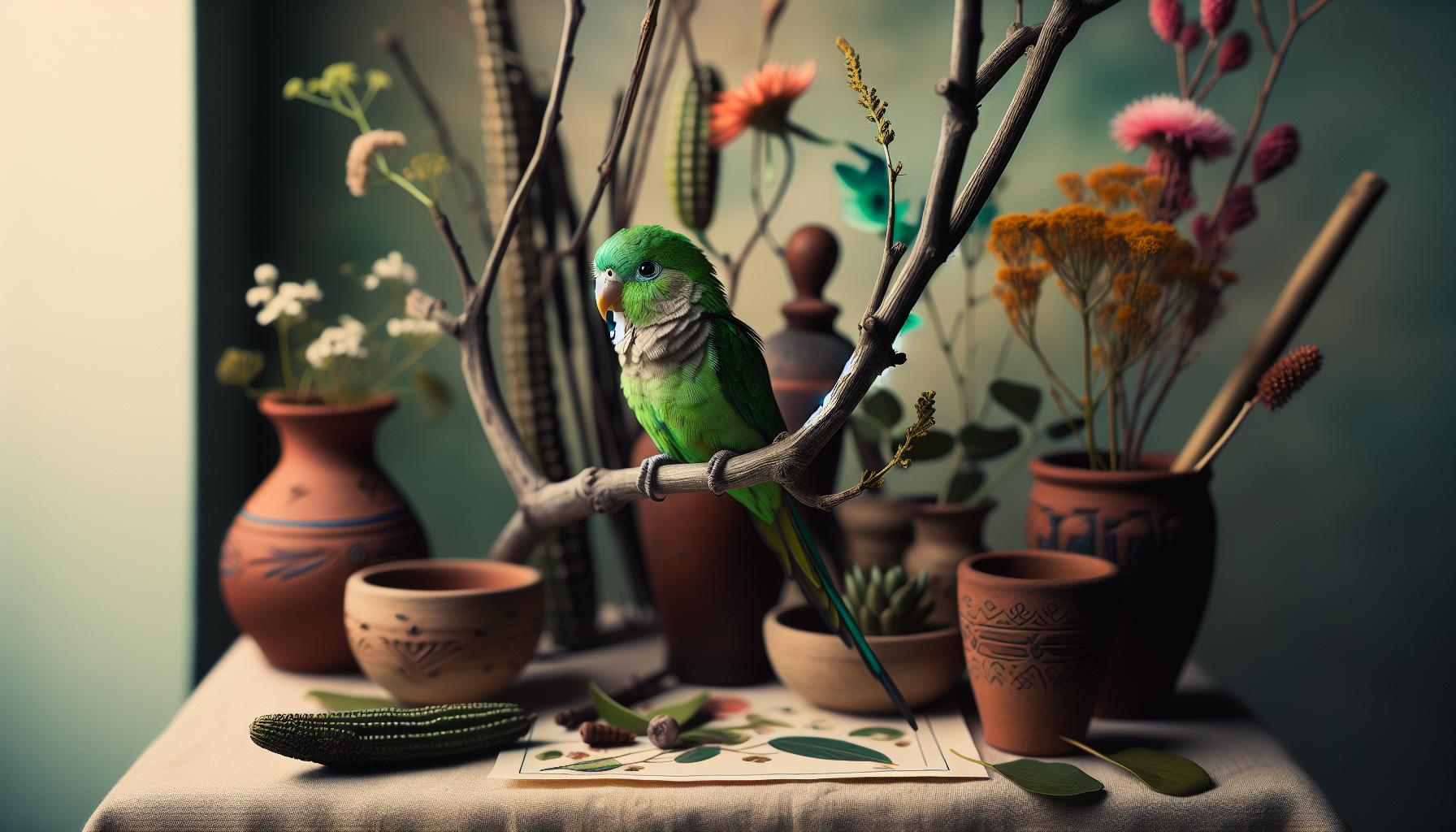
Understanding the Mexican Parrotlet’s Unique Traits
The Mexican Parrotlet is a small bird bursting with character, boasting not just delightful antics but a suite of unique traits that make it a fascinating companion. These tiny parrots, seldom exceeding 5 inches in length, pack a lot of personality into their petite frames. With their vibrant green plumage, accented by touches of yellow and blue, these birds are visually appealing. What truly sets them apart, however, is their feisty demeanor; despite their size, they exhibit a bold and confident personality that often surprises new owners. They thrive on interaction and, when given proper attention, can develop strong bonds with their humans, often mimicking sounds and phrases.
Their social nature is another trait that stands out. Mexican Parrotlets are known for their playful and curious behavior, which can be both entertaining and endearing. They engage in a variety of activities, from climbing and exploring their environment to playing with toys and even participating in social interactions. This inquisitiveness can lead to a need for mental stimulation; enriching their environment with various toys, perches, and foraging opportunities helps to keep them happy and healthy. Understanding their unique traits not only informs their care but enhances the entire ownership experience.
Additionally, it’s crucial to acknowledge their vocalization. While not as chatty as larger parrot species, Mexican Parrotlets are still quite vocal and may engage in a chorus of chirps and whistles. Training them to communicate their needs can be a rewarding venture, and early exposure to various sounds will enhance their natural ability to mimic. As you explore the intricacies of caring for a Mexican Parrotlet, keep in mind these fascinating traits that contribute to their charm as companions and underscore the responsibility that comes with providing for their emotional and physical well-being.
The Fascinating History of the Mexican Parrotlet
The history of the Mexican Parrotlet is as captivating as the bird itself, reflecting a rich tapestry of cultural significance and evolutionary adaptation. Native to the arid regions of Mexico, these small parrots have formed a unique niche within their ecosystems, primarily residing in the semi-desert areas and scrublands, where they thrive among cacti and shrubbery. Their origins in the wild stretch back thousands of years, with populations observed across different states in Mexico, each exhibiting slight variations influenced by their habitats.
Despite their small size, the bold personality of the Mexican Parrotlet has not gone unnoticed throughout history. Indigenous cultures revered these birds, often incorporating them into their folk tales and art. As companions, they were seen not just as pets but as symbols of vibrancy and joy, embodying the spirit of the lands they inhabit. This historical bond between humans and parrotlets is echoed in today’s domestic environments, where these birds continue to enchant owners with their playful antics and mimicking abilities.
In the 20th century, the Mexican Parrotlet began to capture the attention of aviculturists. Breeding efforts surged, leading to a gradual increase in their popularity as pets outside of Mexico. This heightened interest contributed to the development of various color mutations, expanding the appeal of the species beyond its wild counterparts. However, this popularity also sparked conservation concerns, as natural populations faced threats from habitat destruction and trapping for the pet trade.
Understanding the intertwining paths of the Mexican Parrotlet’s natural history and its relationship with humans can illuminate more than just their care requirements. It also highlights the importance of conservation efforts. With habitat loss continuing to pose significant threats, awareness and action are critical to ensuring that future generations can enjoy the colorful personality of these remarkable birds. Whether you’re a first-time owner or a seasoned bird enthusiast, recognizing the historical context of the Mexican Parrotlet can deepen your appreciation and commitment to their welfare and conservation.
Identifying Key Characteristics: Size, Color, and Behavior
The Mexican Parrotlet is a marvel of avian design, packing a vibrant personality into a petite frame. These birds typically measure about 4.5 to 5.5 inches in length, making them one of the smallest parrot species. Their compact size does not deter them from exhibiting big behaviors; in fact, their spirited antics often elicit surprise from those who encounter them. Their playfulness, coupled with their inquisitive nature, makes them delightful companions in any household.
A defining characteristic of the Mexican Parrotlet is its stunning array of colors. Wild parrotlets display predominantly green plumage, complemented by hints of blue on the wings and a striking yellow hue on the face and underparts. However, selective breeding has introduced various color mutations, including blues, yellows, and lutinos. Each bird’s coloration can significantly influence its appeal as a pet. The variations offer a great visual diversity, attracting aviculturists and bird lovers alike.
In terms of behavior, Mexican Parrotlets are known for their intelligence and strong personalities. They are exceptional mimics, capable of learning a repertoire of words and sounds but may exhibit a feisty temperament. This strong-willed nature can sometimes be a challenge, especially for first-time bird owners. It’s beneficial to provide them with plenty of stimulation, including toys and interaction, to channel their energy positively. Additionally, they thrive in environments where they can socialize with humans and, if you have more than one, with fellow parrotlets.
Understanding these key characteristics-size, color, and behavior-is crucial for potential owners. Preparing for a pet parrotlet requires not just knowing their physical traits but also appreciating the vibrant lives they lead. These delightful birds bring joy and color into our lives, reminding us that sometimes the smallest companions can have the biggest hearts.
Exploring the Habitat and Natural Range of the Mexican Parrotlet
The Mexican Parrotlet thrives in a diverse range of habitats, reflecting its adaptability and resilience. Native to the semi-arid regions of Mexico, these delightful birds can often be found in subtropical dry forests, open woodlands, and scrublands. They favor areas where trees and shrubs can provide both shelter and nesting sites, typically residing at elevations between sea level and 1,500 meters. As a bird lover, you’ll appreciate how their natural environment influences their behavior and social structures.
In the wild, Mexican Parrotlets are highly social creatures, often seen in small flocks. Their natural instincts drive them to forage in groups, searching for seeds, fruits, and flowers, which form the core of their diet. This foraging behavior is not just vital for their nutrition but also plays a significant role in their social interactions. Observing these birds in the wild can reveal fascinating insights into their communication patterns and playful antics, which are hallmarks of their vibrant personalities.
To create an enriching environment for a pet parrotlet, it’s crucial to mimic aspects of their natural habitat. Providing diverse perches, safe plants, and interactive toys will help replicate the stimulation they enjoy in the wild. Ensure their space allows for climbing and exploration, as this aligns closely with their instinctual behaviors. Additionally, consider incorporating elements like hiding places to encourage natural foraging behaviors, keeping your feathered friend mentally engaged.
Respecting their natural range is also important for conservation efforts. The Mexican Parrotlet’s habitat is increasingly threatened by urban development and agriculture, leading to habitat loss. As responsible bird enthusiasts, supporting conservation initiatives that protect their natural habitats ensures that future generations can enjoy the wonders of these spirited little parrots. Awareness of their environmental needs and challenges can aid in the larger effort to safeguard the species’ future.
Conservation Status: Current Threats and Protection Efforts
The Mexican Parrotlet, a small but vibrant bird, faces significant challenges that threaten its survival in the wild. As urban development expands and agricultural practices encroach on their natural habitats, these charming parrots are losing the very environment that sustains them. The destruction of subtropical dry forests and open woodlands results in habitat fragmentation, making it increasingly difficult for parrotlets to find nesting sites and forage for food.
To combat these threats, conservation efforts are essential. Habitat protection initiatives focus on preserving key areas within the Mexican Parrotlet’s range. Local organizations and governments are working to establish wildlife reserves and promote sustainable agricultural practices that minimize environmental impact. Public awareness campaigns are also crucial, educating communities about the importance of protecting these birds and their habitats.
In addition to habitat preservation, breeding and rehabilitation programs play an important role in conservation. These programs aim to increase population numbers and create a genetic reservoir for the species. Involving the community in these efforts can lead to a greater understanding of the species and garner support for ongoing initiatives. For instance, educational workshops can inspire local residents to take an active role in conservation through citizen science projects, fostering a connection to their feathered neighbors.
As enthusiasts and advocates for the Mexican Parrotlet, we hold the power to make a difference. Supporting local and global conservation efforts, adopting sustainable practices, and spreading awareness about these charming birds will help ensure their survival for generations to come. Each small effort contributes to a larger movement aimed at protecting the vibrant avian biodiversity that enriches our world.
Caring for a Mexican Parrotlet: Essential Tips
Caring for a Mexican Parrotlet is a rewarding experience that can be both enjoyable and fulfilling, especially given their engaging personalities and compact size. These vibrant little birds thrive on social interaction, mental stimulation, and a proper diet, making it essential to establish an enriching environment for them. One fascinating aspect of the Mexican Parrotlet is their intelligence; they require activities that challenge their minds and keep them engaged to prevent boredom, which can lead to behavioral issues.
To create a comfortable habitat for your Mexican Parrotlet, consider providing them with a spacious cage that allows for climbing and exploration. The cage should have plenty of toys – swings, ladders, and chewable items are great choices. Rotate the toys regularly to keep their environment dynamic. Ensure that the cage is placed in a busy area of your home to allow your parrotlet to feel included in family activities, as they thrive on social interactions.
In terms of diet, a balanced mix of high-quality pellets, fresh fruits, and vegetables is vital for their health. Pellets should form the bulk of their diet, supplemented with leafy greens and a variety of colorful fruits like bananas, apples, and berries. Avoid feeding them avocado and chocolate, which are toxic to birds. Proper hydration is equally important; fresh water should always be available and changed daily to prevent bacterial growth.
Behavior and Socialization
Understanding the social nature of Mexican Parrotlets is key to effective care. They are known for forming strong bonds with their owners and can be trained to perform tricks or mimic sounds. Regular handling and interaction are crucial; spend time each day gently handling your parrotlet, speaking to them, and encouraging play. This not only builds trust but also enhances their social skills.
Health and Safety
Regular health check-ups with an avian veterinarian are important to catch any potential issues early. Signs of health problems can include changes in eating habits, lethargy, or unusual droppings. Maintaining a clean living environment is essential for preventing illness; daily cleaning of the cage and surrounding area will help reduce the risk of disease.
In conclusion, by providing adequate care, a stimulating environment, and proper nutrition, you will enrich the life of your Mexican Parrotlet. Their playful and curious nature will reward your efforts with companionship and joy, making every moment spent together worthwhile.
Diet and Nutrition Requirements for Your Parrotlet
Nourishing your Mexican Parrotlet with the right diet is essential for supporting their vibrant health and playful demeanor. These small but feisty birds thrive on a diverse array of foods that mimic their natural foraging behaviors. A well-balanced diet helps enhance their physical well-being, boost their energy levels, and promote vivid plumage. Just like humans, a variety of nutrients plays a crucial role in keeping them healthy and thriving.
To start, high-quality commercial pellets should form the foundation of your parrotlet’s diet, as they are specifically formulated to meet their nutritional needs. Look for pellets that are free from artificial colors and additives. Consider supplementing this base with an assortment of fresh fruits and vegetables, which provide vital vitamins and minerals. Excellent choices include leafy greens such as kale and spinach, as well as fruits like apples, bananas, and berries. It’s important to wash all produce thoroughly to remove any pesticides or chemicals, and introduce new foods gradually to monitor how your parrotlet reacts.
Foods to Avoid
While many foods are safe and beneficial, there are certain foods you must strictly steer clear of. Avocado and chocolate are particularly toxic to birds and can lead to serious health issues. Additionally, high-fat and high-sugar human foods, like processed snacks, should never be offered. Always ensure fresh water is available at all times, changing it daily to prevent bacterial growth.
Feeding Schedule and Treats
Establishing a consistent feeding routine can foster a sense of security in your parrotlet. Typically, offering food twice a day, morning and evening, works well. Treats can play a pivotal role in training and bonding, but should be given sparingly. Nutritious options like unsalted nuts or seeds can serve as great rewards without compromising their overall diet.
Ultimately, maintaining a well-balanced and varied diet is key to unlocking the full potential of your Mexican Parrotlet’s health and happiness. Observing their preferences and gradually adapting their diet will create a delightful journey of culinary exploration for both you and your feathered friend.
Social Behavior: Understanding Their Personality and Interaction
These lively little birds are not just small in size; Mexican Parrotlets boast big personalities that make them delightful companions. Known for their bold and playful nature, they can be fiercely independent yet incredibly social. They thrive on interaction, making it essential for pet owners to engage with them regularly. Their inquisitive nature means they often partake in antics that can brighten any room, from acrobatic displays to mimicking sounds they hear frequently. Understanding their social behavior is vital for fostering a thriving relationship between you and your feathered friend.
One of the hallmarks of the Mexican Parrotlet is their social hierarchy. In the wild, these birds are typically found in flocks, which helps them learn communication skills and social cues. When kept as pets, they can form strong bonds with their human caregivers, often becoming quite affectionate. They relish interactive activities; techniques such as training games or puzzle toys not only stimulate their minds but also strengthen your bond. Regular handling and socialization will help develop their trust and reduce any fearfulness, especially in younger birds.
It’s important to note that, while they enjoy companionship, they can also exhibit territorial behaviors, particularly during breeding season. If you have multiple parrotlets, ensure you provide ample space and separate territories to prevent conflicts. Always monitor interactions between birds, as some can be more dominant than others. When properly socialized, however, they can be quite the entertainers, often bringing a sense of joy and warmth into your home with their playful demeanor and charming antics.
Ensuring your parrotlet receives enough mental and physical stimulation is essential for their well-being. Engage them in various activities daily, whether it be playing with toys, spending time outside their cage, or listening to music. These birds are known to be quite vocal; encouraging their chatter can also be a fun part of your daily routine. By fostering a stimulating environment, you’re not just enriching their lives-you’re also allowing their vibrant personalities to shine through.
Breeding Mexican Parrotlets: What You Need to Know
Breeding Mexican Parrotlets can be a rewarding experience, but it requires understanding their specific needs and behaviors to ensure both the birds and their offspring thrive. These small, vibrant parrots are known for their affectionate personalities and social nature, which greatly influence their breeding success. If you’re considering breeding these charming birds, it’s important to start with healthy, compatible pairs. Typically, these parrotlets reach breeding maturity around 6 to 12 months of age. It’s wise to choose a male and female that have already established a strong bond, as this will increase the chances of successful nesting and caring for the young.
| Considerations for Breeding | Details |
|---|---|
| Breeding Goals | Determine if you are breeding for companionship, show, or for conservation purposes. |
| Breeding Environment | Provide a spacious, quiet area with nesting boxes made from natural materials. |
| Nesting | Offer nesting materials such as straw, shredded paper, or other natural fibers to encourage nesting behavior. |
| Egg Care | Monitor the female closely during egg-laying and incubation, ensuring she receives proper nutrition and a stress-free environment. |
It’s crucial to provide an enriched environment that mimics their natural habitat, as this promotes healthy breeding behaviors. A nesting box is essential, and should be positioned in a quiet, semi-hidden area of their cage, away from too much disturbance. Parrotlets typically lay 4 to 6 eggs, which the female will incubate for about 18 days. During this time, she will need a high-protein diet to support her and the developing chicks.
Post-nesting, caring for the chicks requires attention and diligence. The parents usually feed the young for the first few weeks of life, but you can assist by providing a nutrient-rich diet for the parents. Once the chicks fledge, they can be fed a mix of seeds, fruits, and vegetables, which will also help them develop strong and curious personalities. It’s important to note their development and behavior; healthy chicks will be active and inquisitive, emulating the behaviors of their parents.
Finally, ensure that your breeding practices align with ethical standards and conservation efforts. While breeding can contribute positively to the population of Mexican Parrotlets in captivity, it’s essential to maintain genetic diversity and avoid overbreeding, which can lead to health problems. By breeding responsibly, you not only breed beautiful birds but also contribute to the care and preservation of this delightful species in an ever-changing world.
Comparing Mexican Parrotlets with Other Pet Bird Species
The Mexican Parrotlet is a small wonder in the avian world, but how does it measure up against other popular pet bird species? This lively little parrot, measuring around 4 to 5 inches in length, is often favored for its striking colors and playful personality. When you consider birds like budgerigars (budgies) or cockatiels, which are among the most common pet birds, the Mexican Parrotlet stands out for its bold behavior and vocalization abilities. While these other species are known for their affectionate nature, parrotlets are typically more independent and robust, making them well-suited for experienced bird owners.
Size and Space Requirements
Compared to a budgie, which is around 7 inches long, the Mexican Parrotlet requires less space, making it a great option for those with smaller living areas. However, don’t let their petite size fool you; they are energetic and need ample room to fly and explore. This means that, unlike cockatiels that thrive in larger aviaries, parrotlets do well in spacious cages equipped with plenty of toys and perches to keep them engaged.
Social Interaction and Behavior
While parrotlets are known for their social nature, they can also be quite territorial. This characteristic is notably different from cockatiels, which generally have a more laid-back demeanor and enjoy socializing with their owners and other birds. Parrotlets may assert themselves more aggressively and may not tolerate the presence of larger birds, so careful introduction and supervision are critical. For those considering a multi-bird household, understanding these behavioral nuances is essential.
Caring for Your Parrotlet
In terms of care, Mexican Parrotlets share similarities with other small species but have unique dietary needs. They thrive on a varied diet that includes high-quality pellets, fresh fruits, and vegetables. For instance, while budgies can benefit from a seed-based diet, parrotlets may require more protein-rich options to support their active lifestyle. Additionally, providing mental stimulation through toys and interaction is crucial for their emotional health, much like with cockatiels.
Ultimately, while the Mexican Parrotlet offers distinct challenges and rewards compared to more common pet birds, they are incredibly engaging companions. Their charming personalities and colorful plumage make them a delightful addition to any bird enthusiast’s home, especially for those looking to explore the nuances of avian care beyond the basics. Understanding and appreciating these differences can enhance the experience of owning this captivating species.
Health Considerations: Common Ailments and Prevention
Understanding the health of your Mexican Parrotlet is crucial to ensuring a long and vibrant life for your feathered companion. Despite their small size, these birds are prone to specific health issues that can stem from both diet and environment. One prevalent problem is obesity, which can lead to heart disease and other serious ailments. This happens particularly when a parrotlet is fed an improper diet dominated by seeds. To maintain optimal health, it’s vital to include a balanced mix of high-quality pellets, fresh fruits, and vegetables in their diet.
Another common concern for parrotlet owners is feather plucking, which can arise from stress or boredom. These intelligent little birds thrive on mental stimulation and social interaction, so providing a variety of engaging toys and regular playtime is essential. Enrichment activities-such as foraging toys or puzzle feeders-can also help keep their minds sharp and minimize behavioral issues. If feather plucking occurs, examining your bird’s environment, social interaction, and stressors can often lead to a solution.
Additionally, Mexican Parrotlets can be susceptible to respiratory issues, often a direct result of poor air quality or exposure to toxins like smoke or strong odors. It’s important to ensure your home environment is safe and free of potential hazards. Regular cleaning of the cage and surroundings, along with providing fresh air circulation and avoiding exposure to harmful substances, will help maintain their health.
Lastly, routine veterinary check-ups are critical for early detection and prevention of any health problems. Regular visits to an avian vet ensure that your parrotlet receives proper vaccinations and health screenings. By prioritizing their health through diet, mental stimulation, environmental safety, and veterinary care, you can help your Mexican Parrotlet live a happy, healthy life.
The Role of Mexican Parrotlets in Cultural Symbolism
The Mexican Parrotlet, often dismissed due to its small size, carries enormous significance within various cultural frameworks. Many cultures view birds as representations of freedom, intelligence, and beauty, and for the people of Mexico, the Mexican Parrotlet embodies these qualities while also reflecting the biodiversity of its native land. These remarkable little birds are more than just companions; they symbolize aspects of Mexican heritage and the intricate relationship humans share with nature.
In Mexican folklore, birds have frequently appeared as messengers or symbols of important life lessons. The vibrant colors and spirited behavior of the Mexican Parrotlet have led to their association with vibrancy and joy, representing positivity in communities. Their charming chirps and lively interactions often bring a sense of togetherness and happiness, which resonates with the communal aspects of many Mexican celebrations. Moreover, they serve as a reminder of the importance of environmental stewardship, as recognizing the cultural value of birds can drive conservation efforts.
Cultural Depictions and Symbolism
Throughout various artistic and literary traditions, the Mexican Parrotlet has made appearances. Such representations often draw upon their lively nature and vivid plumage to convey deeper meanings about creativity and vitality. The vibrant greens and blues of their feathers are reminiscent of Mexico’s lush landscapes, often embraced in traditional art forms, textiles, and pottery. These images contribute to the rich tapestry of cultural identity, illustrating how natural elements can inspire and enhance artistic expression.
Moreover, due to their small size and affectionate demeanor, parrotlets often find themselves as symbols of family unity and the nurturing spirit within communities. They remind us that greatness often comes in small packages, teaching us to value the significant roles that all creatures play within our ecosystem. As we navigate conversations about conservation and the importance of biodiversity, recognizing the cultural implications of species like the Mexican Parrotlet becomes crucial in fostering a collective responsibility towards protecting these enchanting birds and their habitats.
Ultimately, acknowledging the role of the Mexican Parrotlet in cultural symbolism not only enhances our appreciation of this remarkable species but also encourages a deeper understanding of the intricate networks of life that surround us. With ongoing conservation threats, advocating for their preservation aligns with a broader commitment to maintain the cultural and natural heritage they represent.
Frequently Asked Questions
Q: What is the average size of a Mexican Parrotlet?
A: The Mexican Parrotlet typically measures around 4 to 5 inches in length. Despite their small size, they are known for their bold personalities and vibrant colors, making them popular among bird enthusiasts.
Q: How endangered are Mexican Parrotlets?
A: Mexican Parrotlets are currently classified as near threatened due to habitat loss and illegal trapping for the pet trade. Conservation efforts are essential to protect their populations and natural habitat.
Q: What do Mexican Parrotlets eat in the wild?
A: In their natural habitat, Mexican Parrotlets mainly feed on seeds, fruits, and flowers. A varied diet is crucial for their health, so pet owners should provide a similar mix, including high-quality pellets and fresh produce.
Q: How can I help conserve Mexican Parrotlets?
A: You can support conservation efforts by adopting pet birds from reputable sources rather than unsustainable breeding. Additionally, donating to wildlife organizations that focus on habitat preservation can make a significant impact.
Q: Are Mexican Parrotlets good pets for beginners?
A: Yes, Mexican Parrotlets can be great pets for beginners. They are relatively easy to care for, social, and often bond closely with their owners. Providing ample social interaction and mental stimulation is key to their well-being.
Q: Where can I find Mexican Parrotlets for adoption?
A: Mexican Parrotlets can be found at local bird rescues, avian shelters, and reputable breeders. Always ensure that the source prioritizes the health and welfare of the birds for a safe adoption experience.
Q: What are some common health issues in Mexican Parrotlets?
A: Common health issues in Mexican Parrotlets include feather plucking, obesity, and respiratory problems. Regular veterinary check-ups and a proper diet can help prevent these conditions and keep your bird healthy.
Q: How do Mexican Parrotlets communicate?
A: Mexican Parrotlets communicate through a mix of vocalizations and body language. They are known for their chirps and whistles, which can indicate various emotions, such as excitement or distress. Engaging with them regularly enhances their communicative behavior.
Concluding Remarks
As we’ve explored the fascinating world of the Mexican Parrotlet, it’s evident that their small size, vibrant personality, and vital conservation status demand our attention. By understanding their care needs and their role in the ecosystem, you can make a meaningful difference. If you’re inspired to bring a Mexican Parrotlet into your home or want to support their conservation efforts, don’t wait-start researching today!
For more insights, check out our detailed guides on parrotlet care and the importance of avian conservation. Also, consider signing up for our newsletter to stay updated on the latest in bird care and conservation tips. Your journey doesn’t have to stop here! Engage with our community in the comments below-we’d love to hear your thoughts and experiences with these remarkable birds! Together, we can ensure a bright future for the Mexican Parrotlet and enrich our lives with their joyful presence.
Get our latest guides, news, and insights highlighted in your Google Search & AI Overviews.